

Table of Contents
Why Heavy Duty Walkie Talkies Matter in Industrial Environments
- Posted by:Retevis
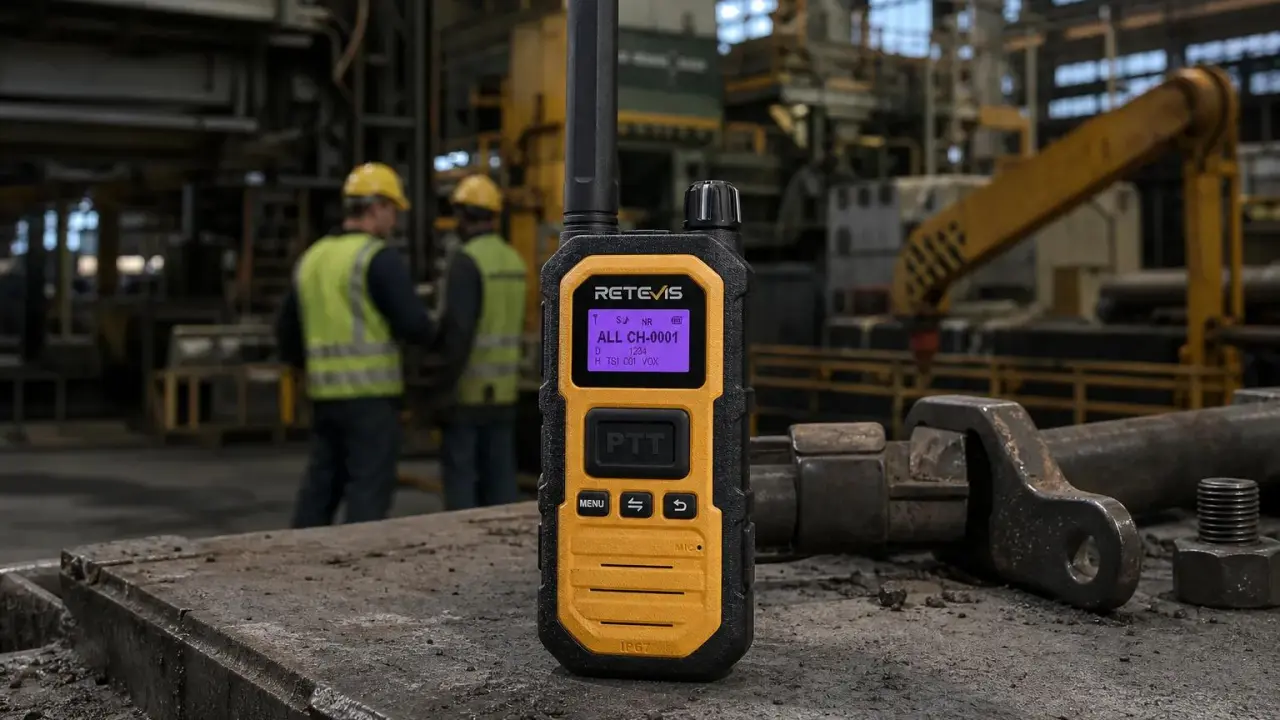
When communication must stay clear, fast, and dependable in industrial environment , the heavy duty walkie talkie radio equipment matters. It helps teams coordinate tasks, handle unexpected changes, and keep safety instructions moving without delay. Industrial sites place more pressure on communication than most workplaces. Construction crews, factory teams, warehouse staff, and field operators all work in environments where noise, movement, weather, and safety demands can change the way people talk to each other. A standard radio may work fine in a quiet office or light-duty setting, but it often falls short in a real industrial job. That is why many teams rely on a heavy duty walkie talkie built for demanding industrial environments.
Why Industrial Environments Demand More Reliable Walkie Talkie Radios
Construction sites, factories, warehouses, and other industrial spaces are often noisy, busy, and unpredictable. Workers may be spread across different areas, machinery may be running all day, and conditions can shift quickly. In that kind of setting, communication has to be immediate.
Standard radios or consumer communication devices often struggle with:
- heavy background noise
- long working hours
- dust and moisture exposure
- frequent drops and impacts
A light-duty device may be enough for casual use, but industrial work is not casual. A missed message can slow a project, interrupt production, or create a safety risk. That is why many industrial teams turn to heavy duty walkie talkies designed for hard use and consistent performance.
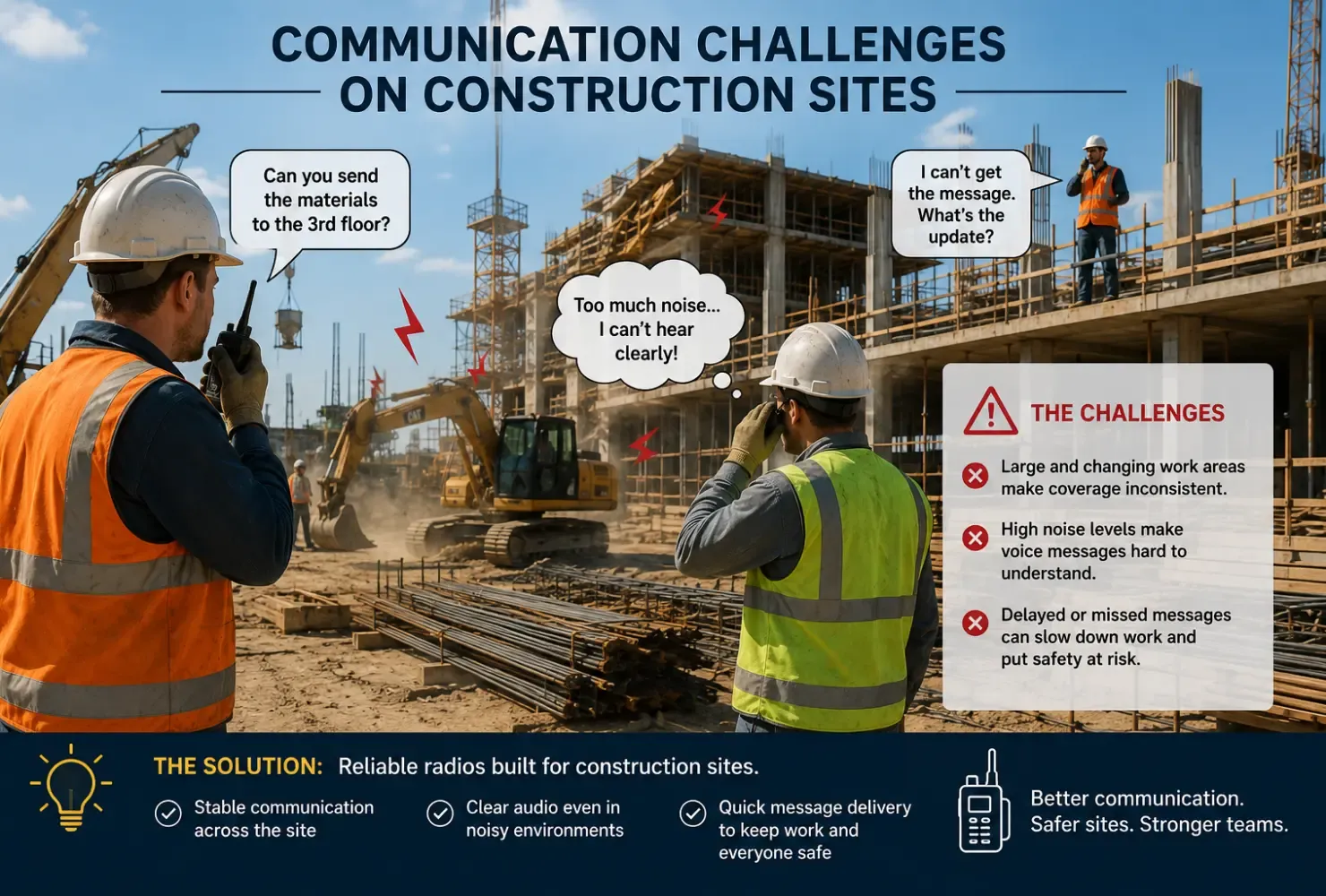
Communication Challenges on Construction Sites
Construction is one of the clearest examples of why industrial communication needs to be dependable.
Large and changing work areas
Workers may be spread across different floors, zones, or outdoor sections of the site. A team on one side of the project may need to reach a supervisor or another crew on the other side without delay. That only works if the radio system keeps the connection stable.
High noise environments
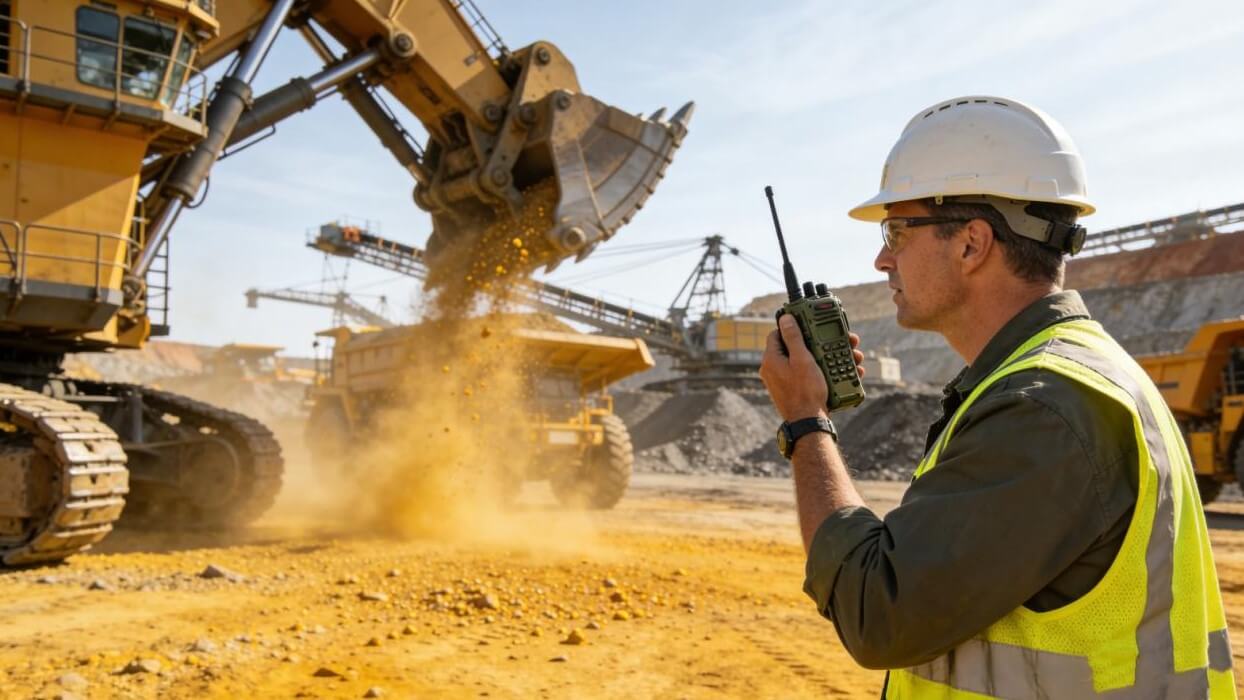
Machinery, vehicles, tools, and open-air conditions can make voice messages hard to understand. Even a simple instruction can get lost when the site is loud. That is why clear audio becomes essential in construction site communication.
Safety-critical communication
Supervisors need to give instructions quickly. If a message is delayed, the workflow can slow down and safety can be affected. Workers need radios they can trust in the middle of a fast-moving jobsite.
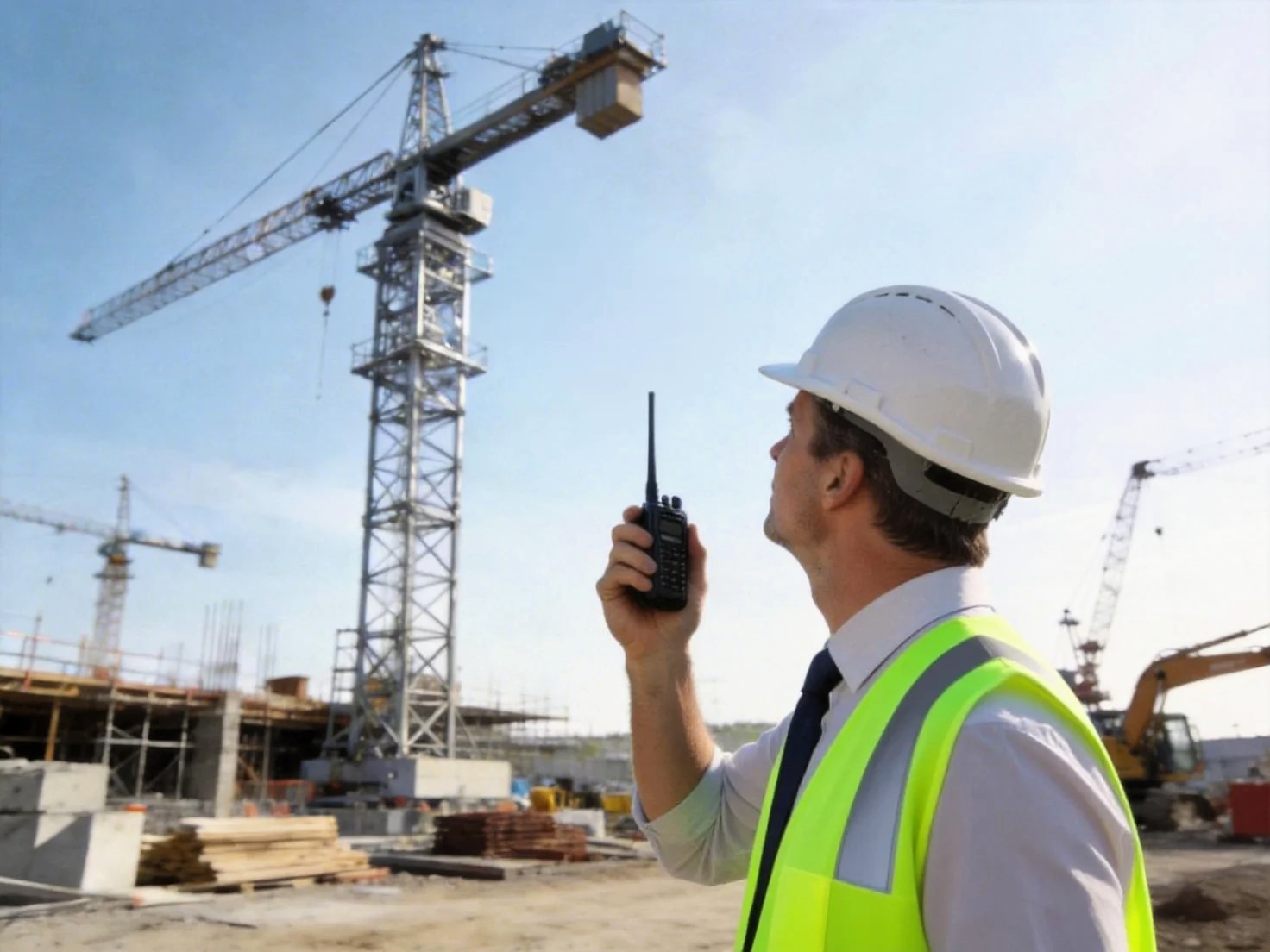
Construction teams need construction walkie talkies that can keep communication stable even when the site is changing every hour. For many teams, that means choosing heavy duty radios for construction that are built for rough daily use.
Communication Challenges in Manufacturing and Industrial Facilities
Industrial communication is not only a construction issue. Manufacturing plants and other industrial facilities have their own set of challenges.
Continuous production environments
Many plants run all day or across multiple shifts. If communication breaks down, production schedules can be affected. A small delay in one area can create a larger delay later in the process.
Machinery noise and fixed work zones
Factories often have loud equipment running near workers. In this kind of setting, factory communication must remain clear even when machines are operating nearby. Teams also need to coordinate across fixed work zones, where people may not always be close enough for normal conversation.
Shift-based teamwork
Different shifts need clean handovers. One team needs to pass information to the next without confusion. Clear messages reduce mistakes, missed steps, and downtime.
This is why industrial radios need to do more than just transmit voice. They need to stay reliable in tough environments where production depends on smooth communication. In manufacturing communication, reliability is always the priority.
Why Heavy Duty Walkie Talkies Perform Better in Tough Environments
A heavy duty walkie talkie is made for real working conditions. It is not just a stronger version of a casual device. It is built around the kind of problems industrial users face every day.
Built for durability
Regular devices can be easier to damage. In contrast, a rugged unit is designed with stronger housing and better resistance to drops and wear. That matters when radios are carried on busy jobsites or used in rough industrial spaces.
Clear audio in noisy environments
Industrial sites are loud. A good rugged radio should deliver clearer voice transmission and make it easier to hear instructions around machines, vehicles, and tools. That is one reason why a rugged two way radio is often a better fit than a standard model.
Reliable coverage for large workplaces
Industrial spaces can be large, complex, and spread out. Teams need stable signal support with fewer interruptions. A durable walkie talkie should help keep workers connected across the site, not just in one small area.
Long battery life for long shifts
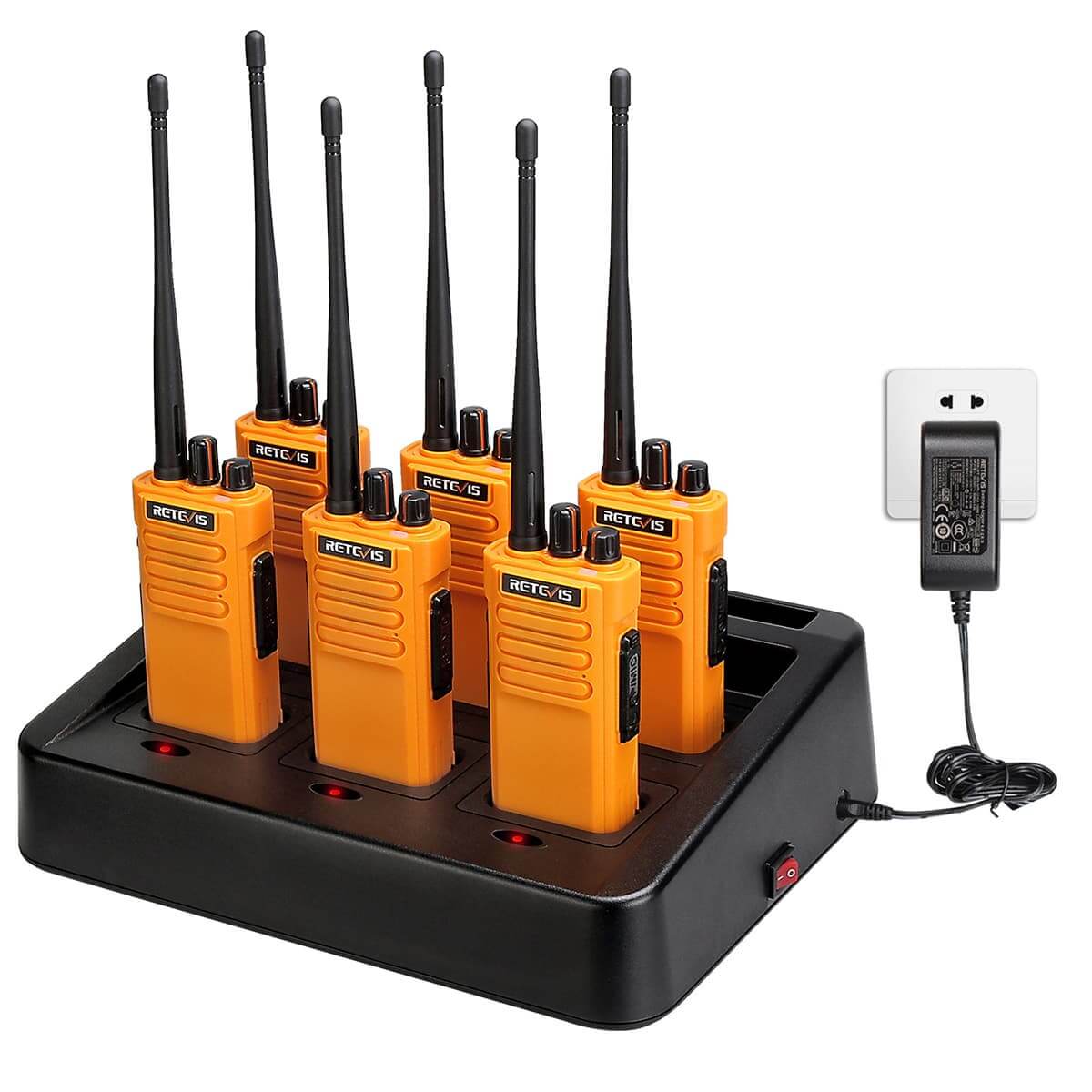
Industrial work often means full-day operation. A good radio should last through the shift without constant charging interruptions. That saves time and keeps teams focused on the work.
Easy operation in real working conditions
Workers may wear gloves, move quickly, or need to respond while carrying tools. The best radios use simple controls and quick access features so they can be used in real work conditions without slowing the user down.
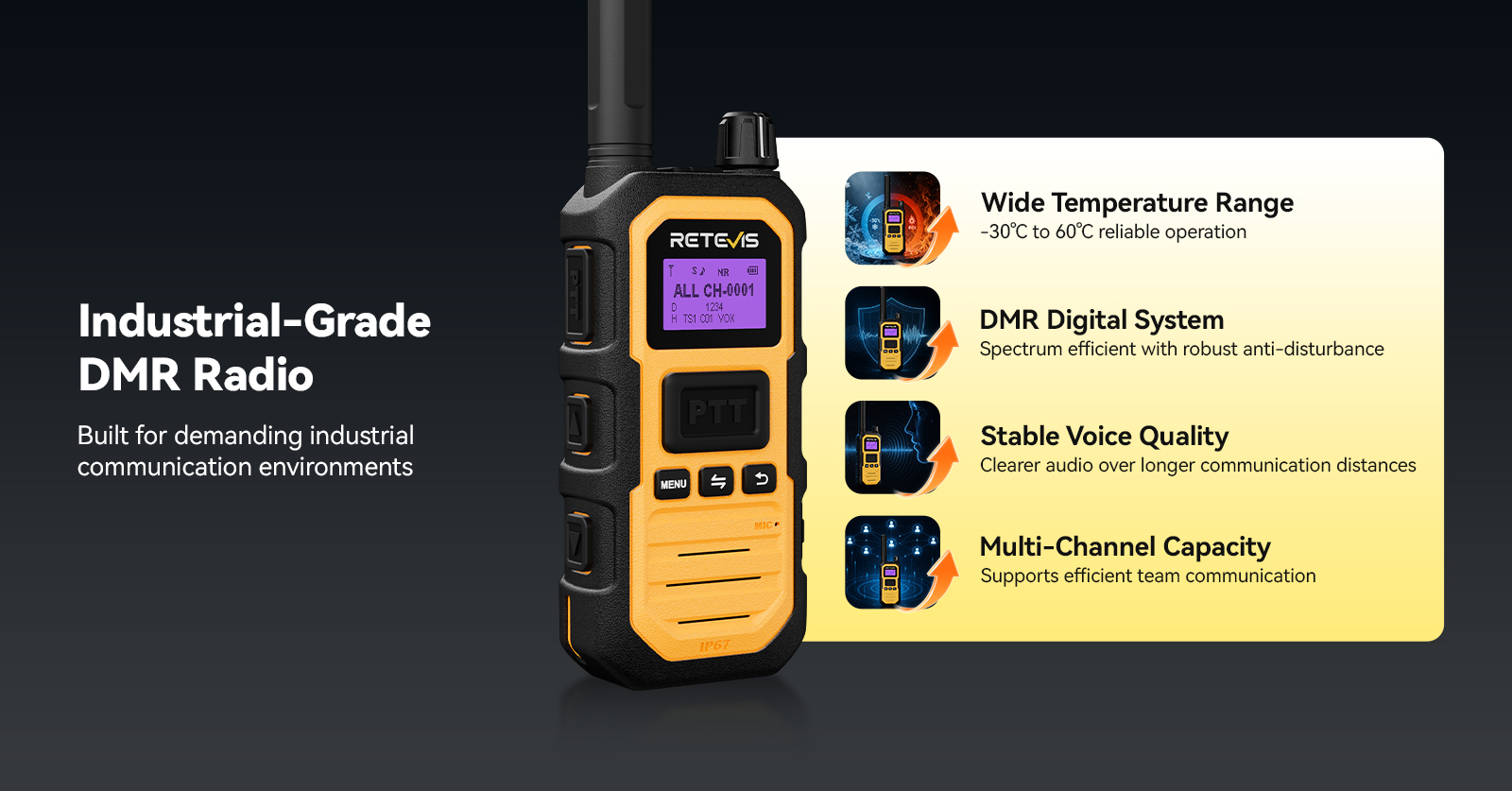
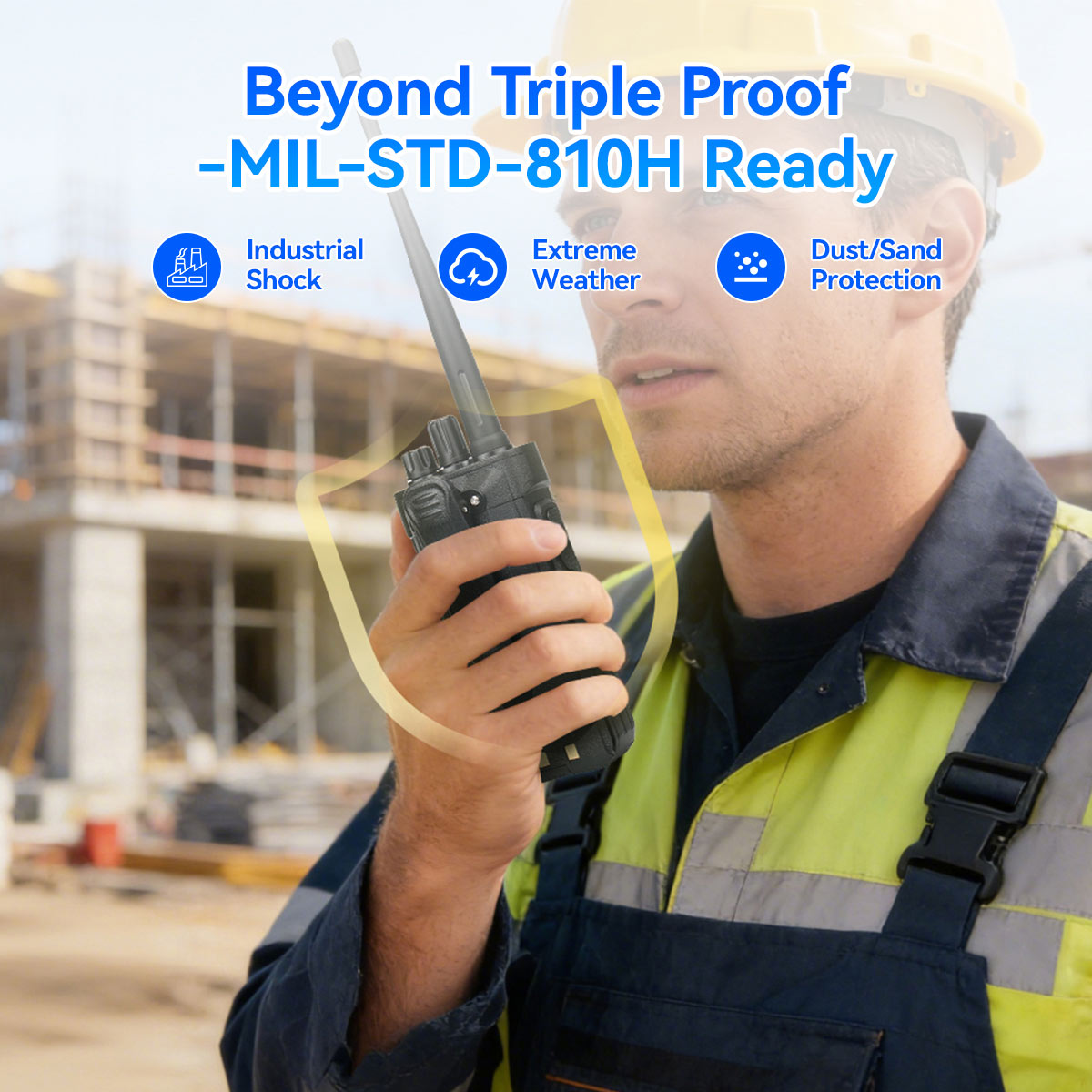
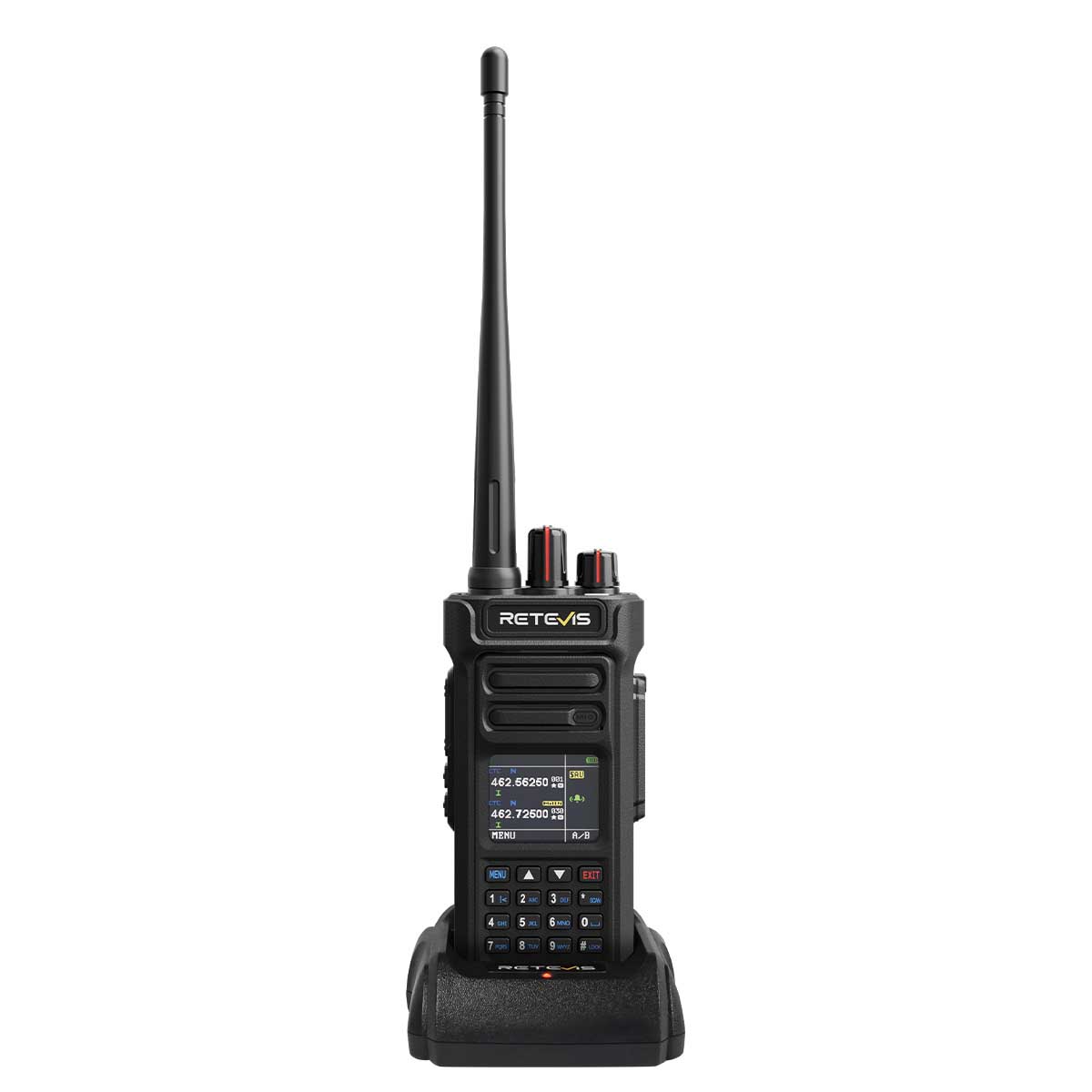
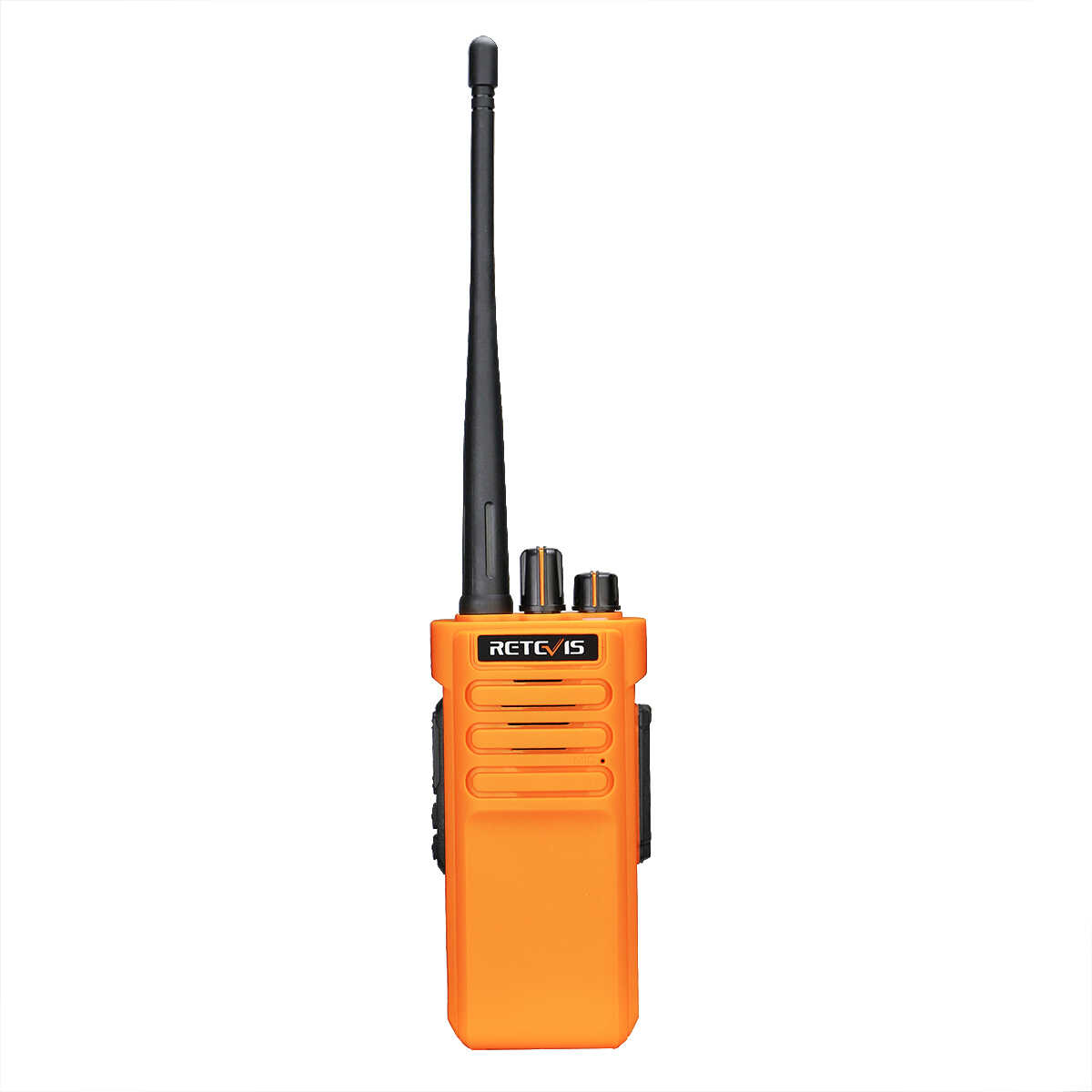
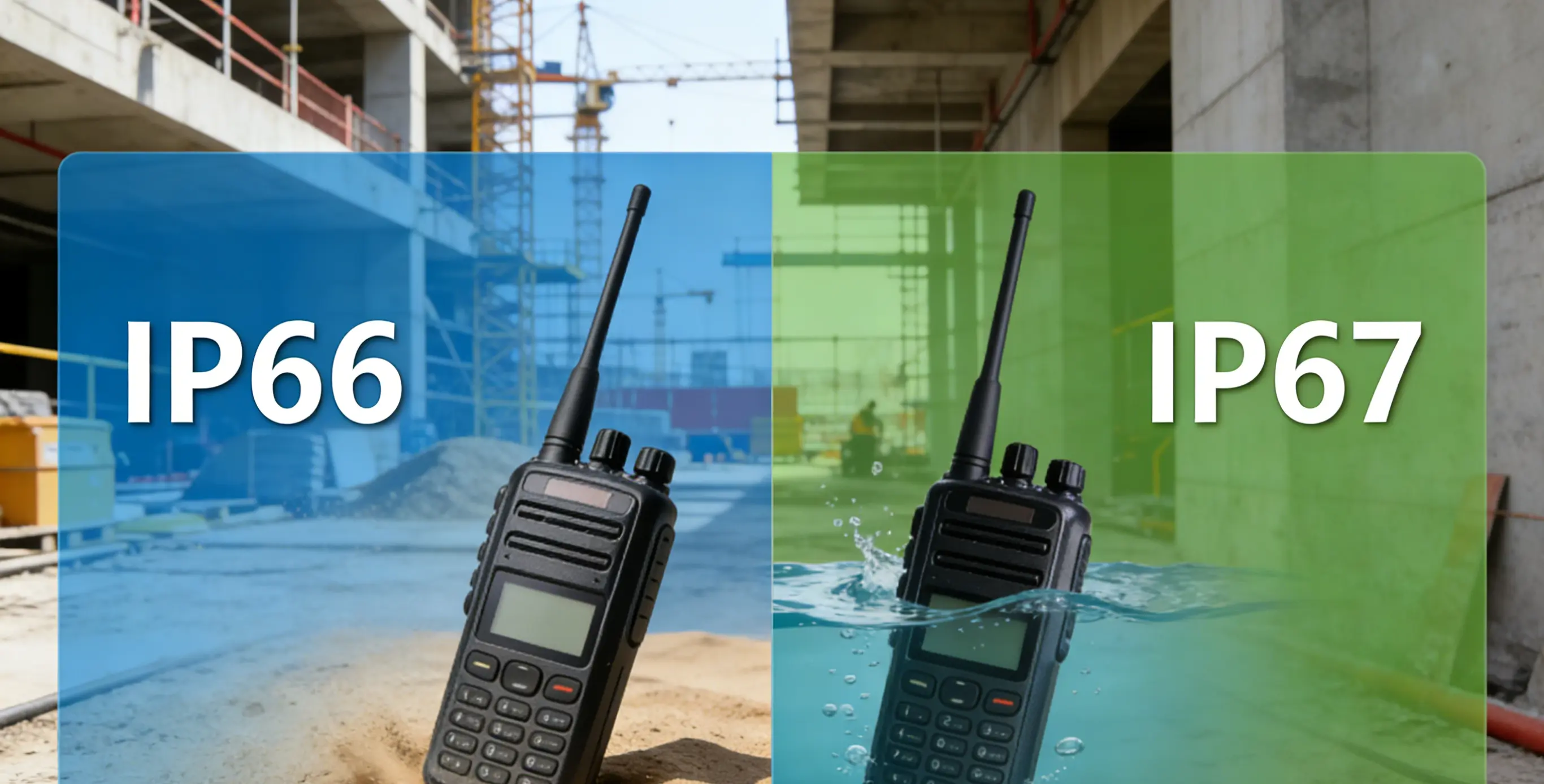
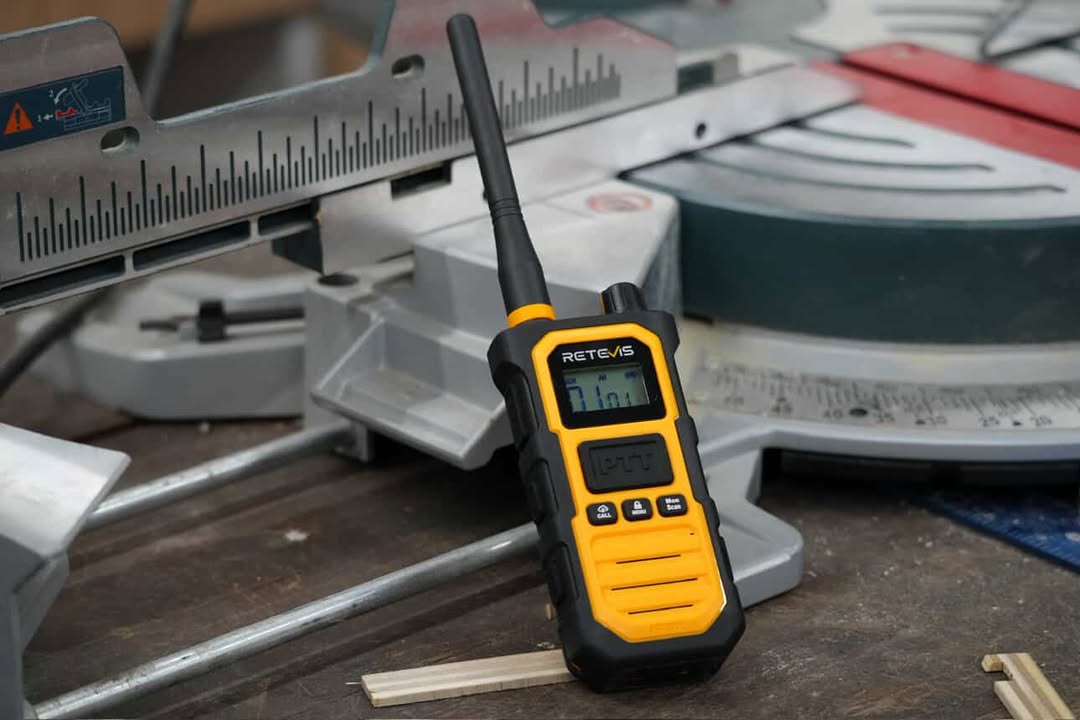
For teams that need a practical industrial communication tool, radios such as Retevis RB48D are designed around these real-world needs. With IP67 waterproof and dustproof protection, -30°C to 60°C working temperature support, and TPE + PC wear-resistant, impact-resistant materials, RB48D is built to keep working in harsh environments. Whether the site faces rain, dust, cold, or heat, it is designed to stay operational.
Why Communication Reliability Matters More Than Convenience
In industrial environments, a radio is not just there to make life easier. It helps keep the site stable.
Reduce delays
When communication is clear, instructions move faster. Teams do not need to stop and repeat the same message again and again. That keeps work moving.
Improve workplace safety
Important messages need to reach workers quickly. When a situation changes, the team must respond fast. A reliable radio can help avoid confusion and reduce risk.
Maintain productivity
Better coordination keeps operations on track. If teams can reach one another easily, they spend less time waiting and more time working.
In this kind of setting, reliable industrial communication is part of daily operation. It is not an extra feature. It is part of the foundation that helps the site run properly. That is why many companies look for workplace communication solutions that can hold up under pressure.
How to Choose the Right Heavy Duty Walkie Talkie for Industrial Use
Choosing the right radio starts with understanding the work environment.
Consider the working environment
Is the team on a construction site, in a factory, in a warehouse, or working outdoors? Each setting has different communication needs.
Check durability requirements
Look at drop resistance, dust and water protection, and build quality. In tough settings, the housing matters as much as the sound.
Evaluate communication performance
Audio clarity, range, and signal stability are all important. A radio should work well in the places where the team actually operates.
Consider daily operation needs
Battery life, ease of use, and team size all affect whether a radio fits the job. For teams looking for a durable communication solution for demanding work environments, models like Retevis RB48D offer a practical option. Its rugged build, reliable communication, and everyday usability make it a strong fit for teams that need one radio to handle more than one kind of challenge.
If you are searching for the best heavy duty walkie talkie or an industrial walkie talkie that can handle hard use, the key is simple: choose one that fits the real conditions of the site, not just the brochure.
Final Takeaway: Reliable Radios Keep Industrial Teams Connected
Industrial environments create communication challenges that basic radios cannot always handle. Construction sites, factories, and other demanding workplaces need tools that stay clear, stable, and durable under pressure. That is why a heavy duty walkie talkie matters. It helps workers stay connected in noisy, rough, and fast-changing conditions. It supports safety, reduces delays, and keeps teams aligned when the job gets difficult.
For businesses that need industrial communication they can trust, the right radio is more than equipment. It is part of keeping the operation running smoothly. And for teams that work in two way radios for harsh environments, choosing a model built for real-world reliability is one of the smartest decisions they can make.



 Google
 Amazon
Comments
No data Yet