

Table of Contents
How to Manage Multi-Crew Communication on Large Construction Projects
- Posted by:Retevis
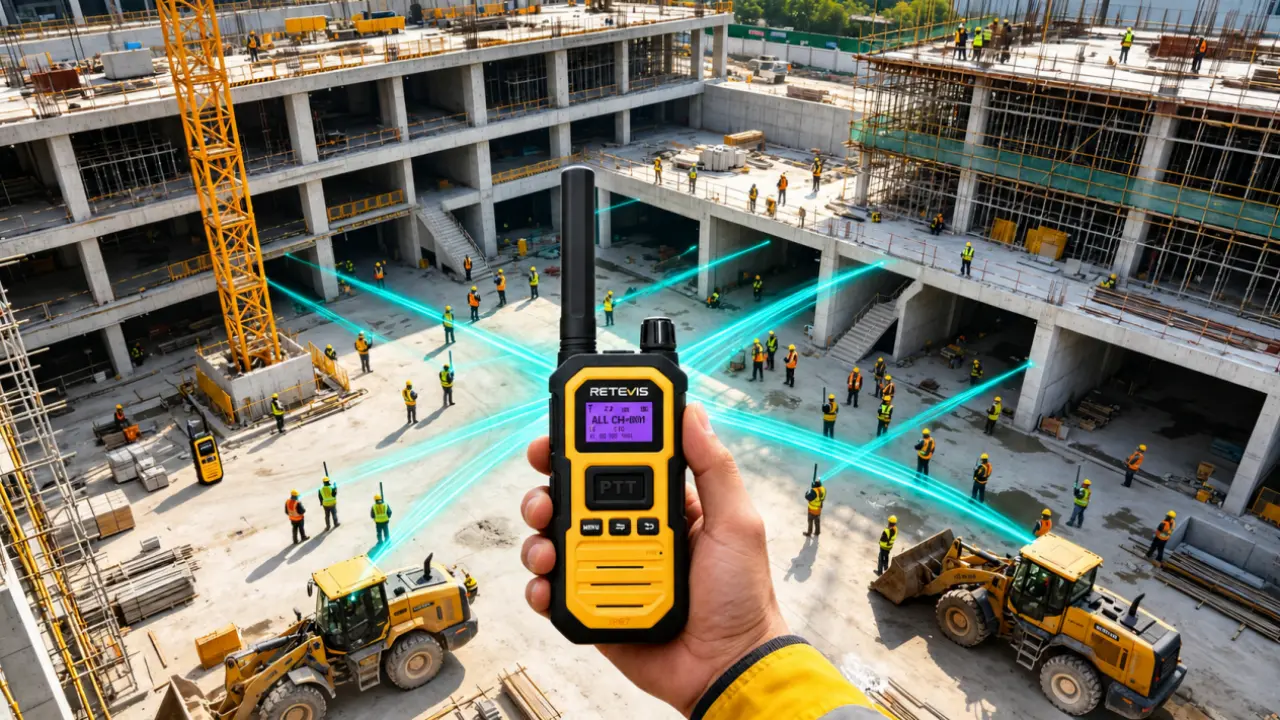
Large construction projects need smooth teamwork to stay on schedule and keep workers safe. Crews work on the ground, multi-floor jobsite, and deep underground. Dozens of subcontractors must coordinate daily. This makes multi-crew communication highly complex. Even small mistakes quickly cause big delays and safety hazards. Project managers can easily boost site efficiency by fixing these communication gaps.
Core Communication Issues for Multi-Crew Construction Teams
Most construction sites still depend on basic analog radios that were not built for large, multi-crew operations. These outdated tools create consistent bottlenecks that slow down every part of the project.
Signal Loss Across High Floors and Complex Structures
Steel beams, concrete walls, and underground spaces block weak analog radio signals. On high-rise multi floor sites, crews on upper floors often lose contact with ground supervisors and crane operators. In underground parking garages and basement work zones, signal dropout is even more common. Workers must leave their posts to relay messages in person, wasting valuable work time and creating gaps in supervision.
Constant Noise Distorts Critical Work Instructions
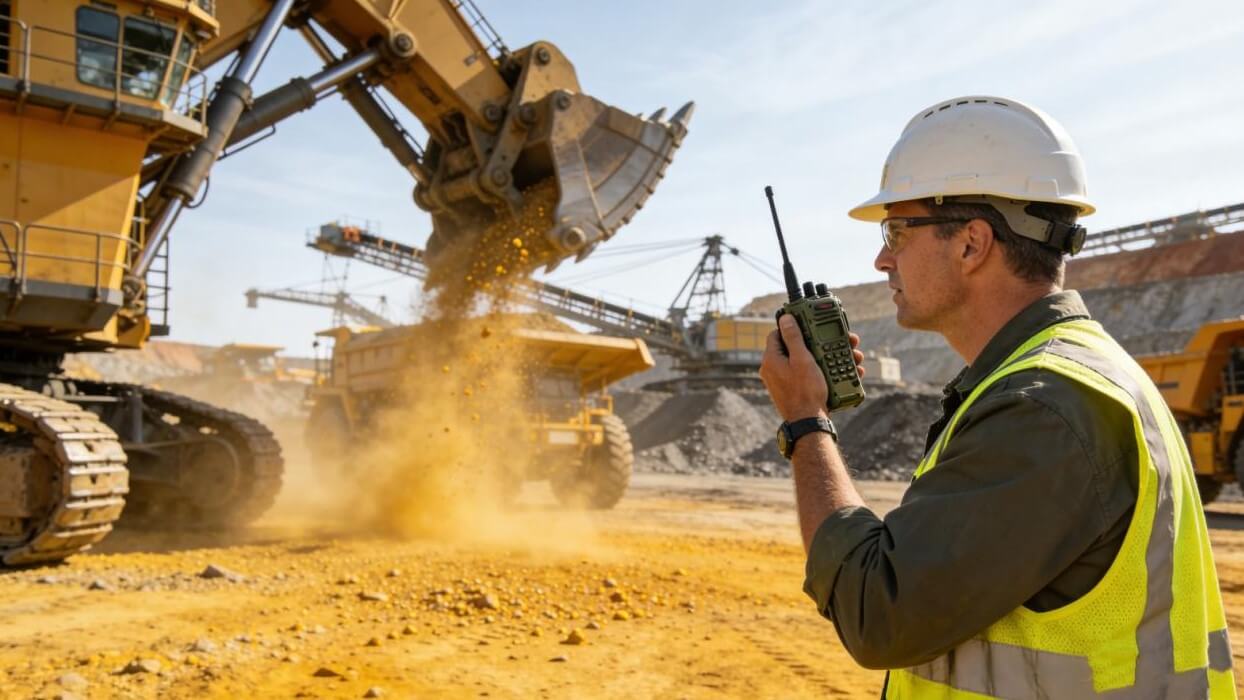
Welding, cutting, heavy machinery, and vehicle traffic create constant, high-decibel noise across active construction sites. Standard radios pick up all background sound along with human speech, so critical instructions get muffled or lost entirely. Crew members must repeat messages multiple times, and misheard commands lead to costly rework and operational errors.
Channel Overcrowding Creates Scheduling Chaos
A single large project can include civil works, electrical, plumbing, safety, logistics, and security teams — plus multiple subcontractor crews. Most basic radios only offer a handful of channels, so different teams often talk over one another. This crosstalk creates confusion, slows down response times, and makes it nearly impossible for project managers to run organized, targeted broadcasts.
Slow Emergency Response Puts Workers at Risk
In high-risk roles like high-altitude welding and steel structure installation, fast emergency response can prevent serious injury. Traditional radios only support manual help calls. If a worker is injured or unresponsive after a fall, they may not be able to press the call button. Without automatic alert systems, response times stretch longer and safety risks rise sharply.
Fragile Equipment Causes Unplanned Downtime
Construction sites expose radios to dust, rain, extreme temperatures, and accidental drops every day. Lightweight commercial radios break easily under these conditions. Dead or damaged radios take crews offline unexpectedly, disrupting work schedules and forcing teams to share devices, which further hurts coordination.
How the RB48D Transforms Multi-Crew Construction Communication
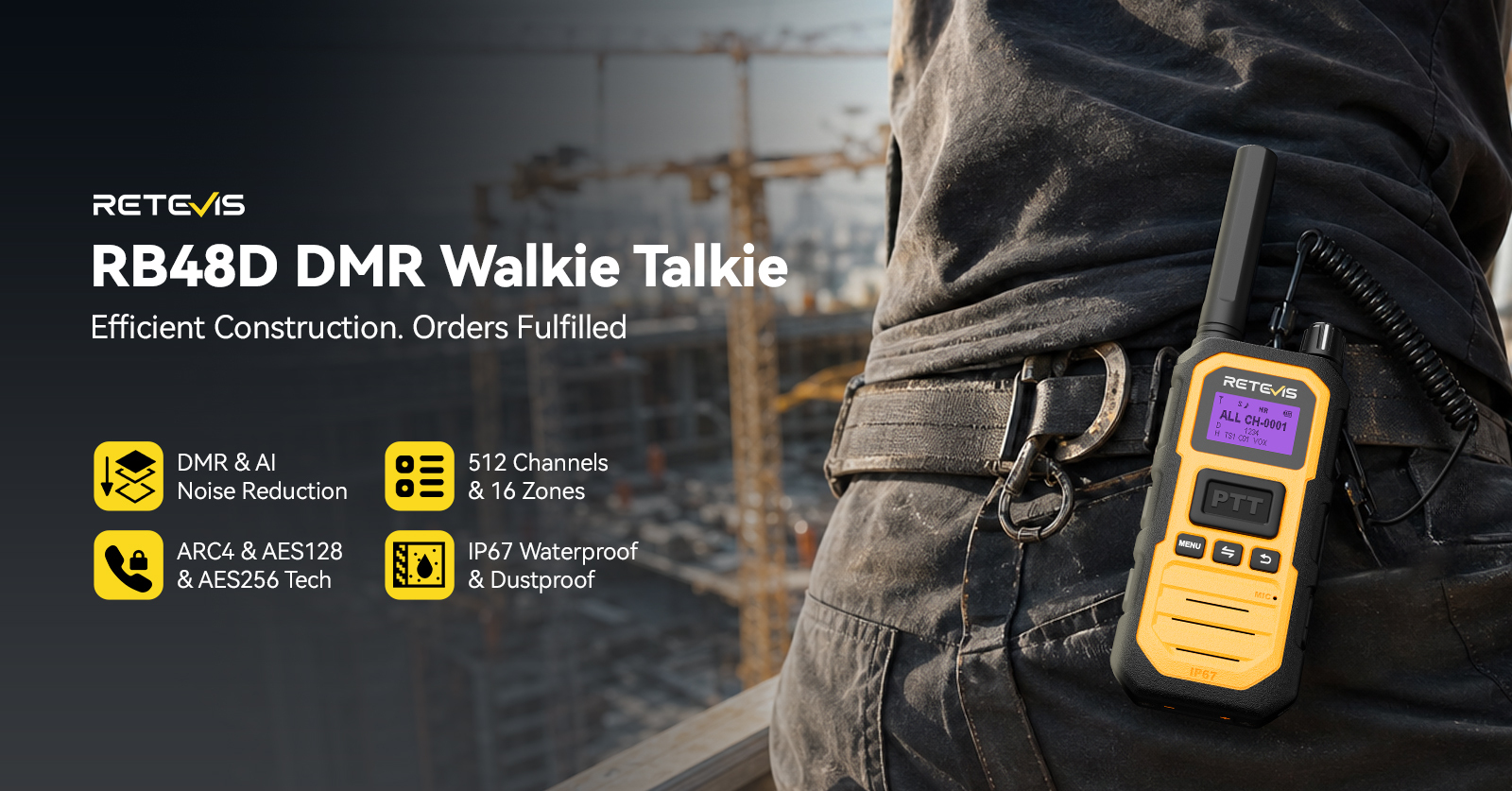
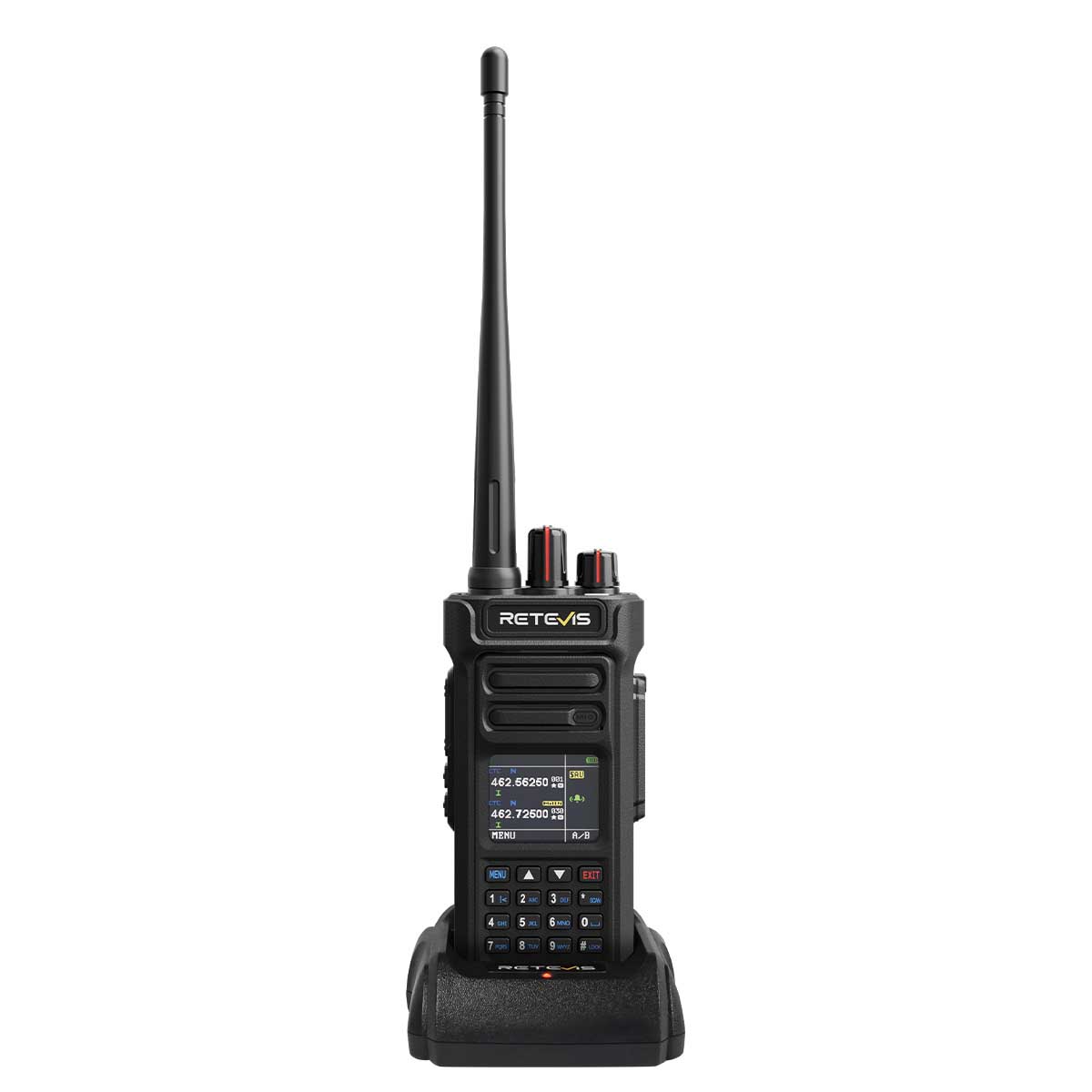
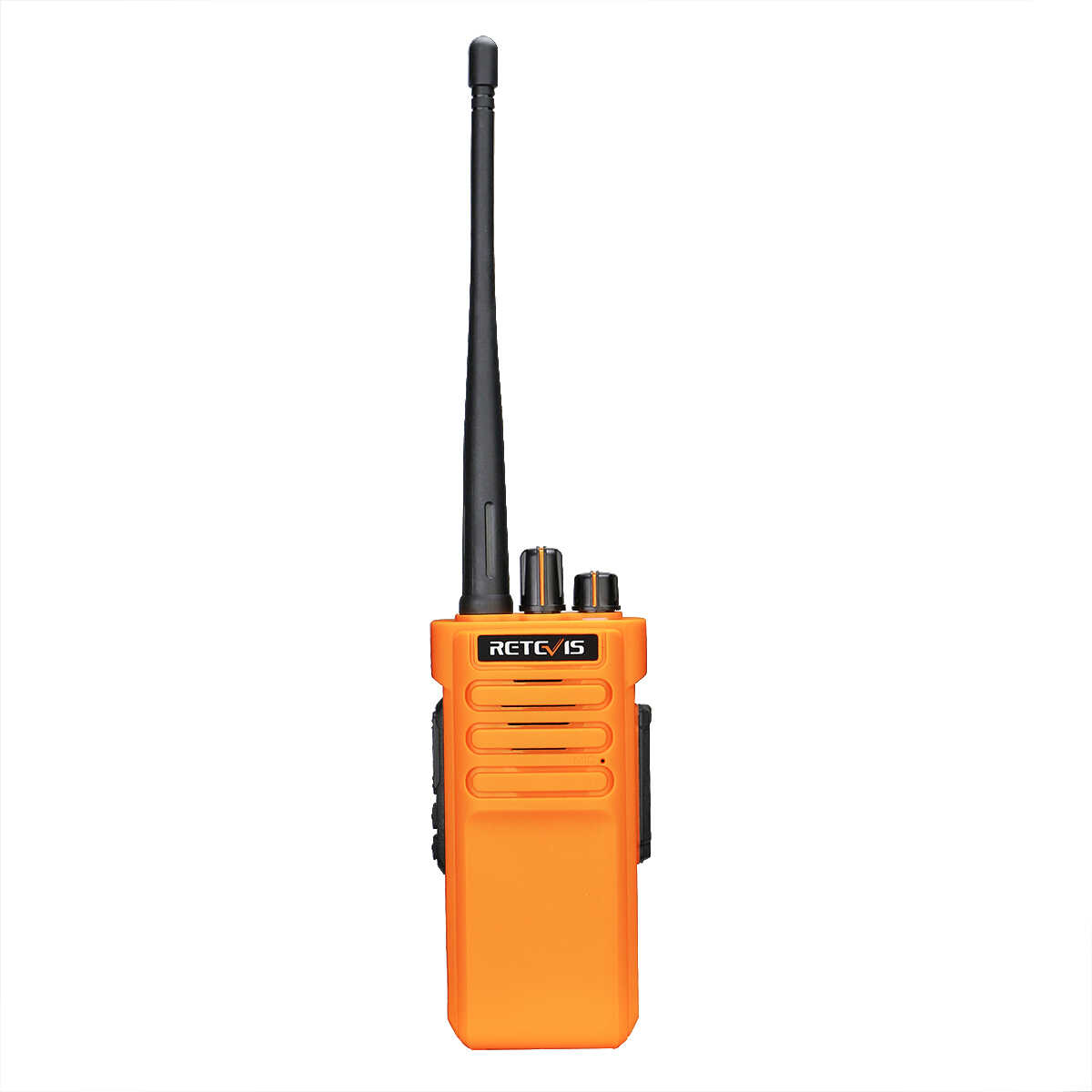
As a professional heavy duty walkie talkie built to industrial secondary standards, the RB48D is designed specifically to solve the unique communication challenges of large construction sites. It does not rely on flashy specs — every feature maps directly to a real on-site pain point.
Full-Site Signal Coverage for High-Rise and Underground Zones
Powered by DMR digital technology, the RB48D delivers far stronger signal penetration and interference resistance than analog radios. Digital signals pass through steel structures, concrete walls, and underground spaces more reliably, maintaining clear connections from ground level to upper floors and basement work zones. This consistent long-range coverage eliminates dead zones across the entire project site. Crane operators, floor crews, and site managers stay connected at all times, so workers no longer need to leave their stations to relay messages. This makes it a dependable long range walkie talkie for construction sites of any scale.
Clear Voice Transmission in Noisy Work Environments
Built-in AI noise cancellation is one of the RB48D’s most impactful on-site features. The radio automatically identifies and filters out background noise from machinery, power tools, and wind, while amplifying the human voice. Even next to active welding stations or heavy construction equipment, workers can speak at a normal volume and be heard clearly on the first try. Fewer repeated instructions mean faster task execution and fewer miscommunication errors. For welding crews, machine operators, and ground teams, this level of audio clarity directly improves daily work efficiency and reduces avoidable rework.
Zoned Channel Management for Organized Team Scheduling
The RB48D supports 16 dedicated zones and hundreds of independent channels, so every team and subcontractor can have its own private communication line. Project managers can organize channels by crew type, work floor, or subcontractor, so civil works, electrical teams, safety officers, and logistics staff all operate on separate lines with zero crosstalk. This structured channel system eliminates the chaos of shared channels. Each team works independently without interrupting others, and site supervisors can manage multiple crews without signal conflicts. It creates a clean, organized communication framework that scales with the size of the project.
Flexible Call Modes for Precise Team Coordination
Beyond separate channels, the RB48D supports private call, group call, and all-call modes to fit different scheduling needs. For one-on-one updates, supervisors can reach individual crew leads directly without broadcasting to the entire site. For team-specific tasks, group calls reach only the relevant work crew. For site-wide announcements or emergency alerts, all-call mode reaches every radio on the project instantly. This level of control makes large-team coordination far more efficient. Instead of shouting over a shared channel for every update, managers send targeted messages to the right people, reducing unnecessary interruptions and speeding up decision-making.
Industrial-Grade Durability for Uninterrupted Operation
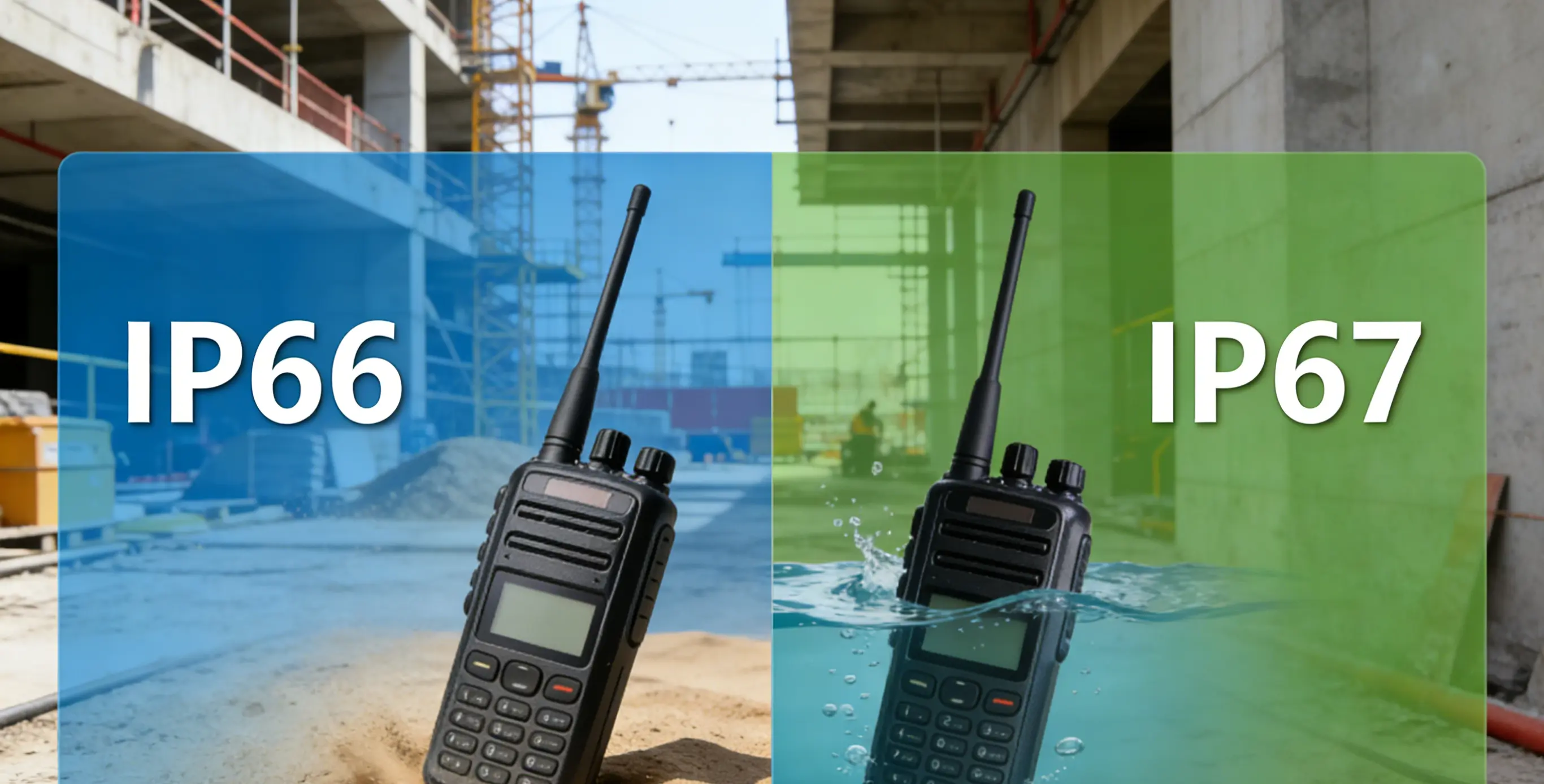
Built with IP67 dust and water protection and a wide operating temperature range, the RB48D is engineered to survive daily construction site conditions. It resists fine construction dust, rain, and accidental drops, and works reliably through summer heat and winter cold. Rugged construction means fewer broken radios and less unplanned downtime. Teams stay connected consistently throughout the project lifecycle, even in harsh outdoor and indoor work environments. This reliability also lowers long-term equipment replacement costs for project teams.
Active Safety Features for High-Risk Work Roles
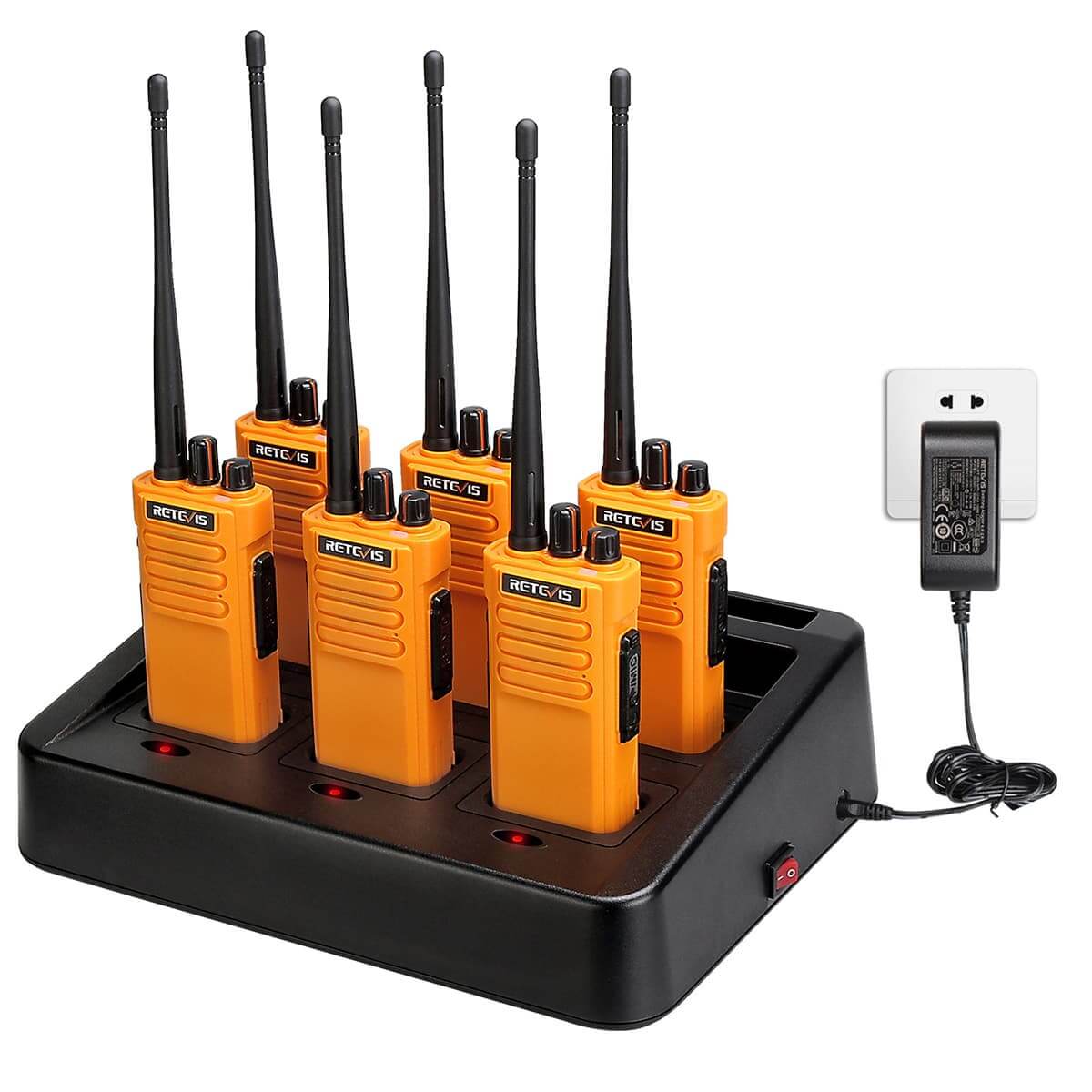
For high-altitude welding, steel structure installation, and other high-risk positions, the RB48D includes an automatic fall detection alarm. If a worker falls and the radio detects impact, it triggers an immediate alert to site supervisors and safety teams. This cuts emergency response time dramatically and gives frontline workers an added layer of protection. The radio also supports professional encryption standards to keep site command communications private, preventing unauthorized listening and protecting sensitive project information. Paired with a 2000mAh battery that supports 14 hours of continuous use, the RB48D covers full work shifts without mid-shift charging, so teams stay connected from start to finish of every shift.
Real-World Impact: Communication Upgrade for Large Building Projects
For large commercial construction and industrial plant projects, upgrading to the RB48D delivers measurable operational improvements beyond just clearer calls. First, it reduces rework caused by miscommunication. When instructions are heard correctly the first time, teams make fewer errors and complete tasks on schedule. Second, it improves scheduling efficiency. Organized channels and targeted call modes let supervisors coordinate multiple crews at once without chaos. Third, it strengthens on-site safety. Faster emergency response and consistent signal coverage reduce avoidable risk for all workers. For teams running multi-crew, multi-zone projects, this two-way radio for construction is not just a communication tool — it is a core operations management tool.
Final Thoughts
Multi-crew communication keeps large-scale construction projects running smoothly. However, old analog radios fail on complex modern jobsites. They struggle to reach through high-rises, steel structures, and underground areas.
The RB48D industrial digital walkie-talkie fixes these common communication breakdowns. It eliminates signal dead zones, loud background noise, scheduling chaos, and safety gaps. This rugged radio uses reliable DMR signals and smart noise cancellation to ensure clear calls. It also offers structured channel management to keep different crews organized. The RB48D is a high-impact upgrade for any growing site. It easily boosts scheduling efficiency and improves worker safety.



 Google
 Amazon
Comments
No data Yet