

Table of Contents
How to Fix Communication Barriers on High-Rise Construction Sites
- Posted by:Retevis
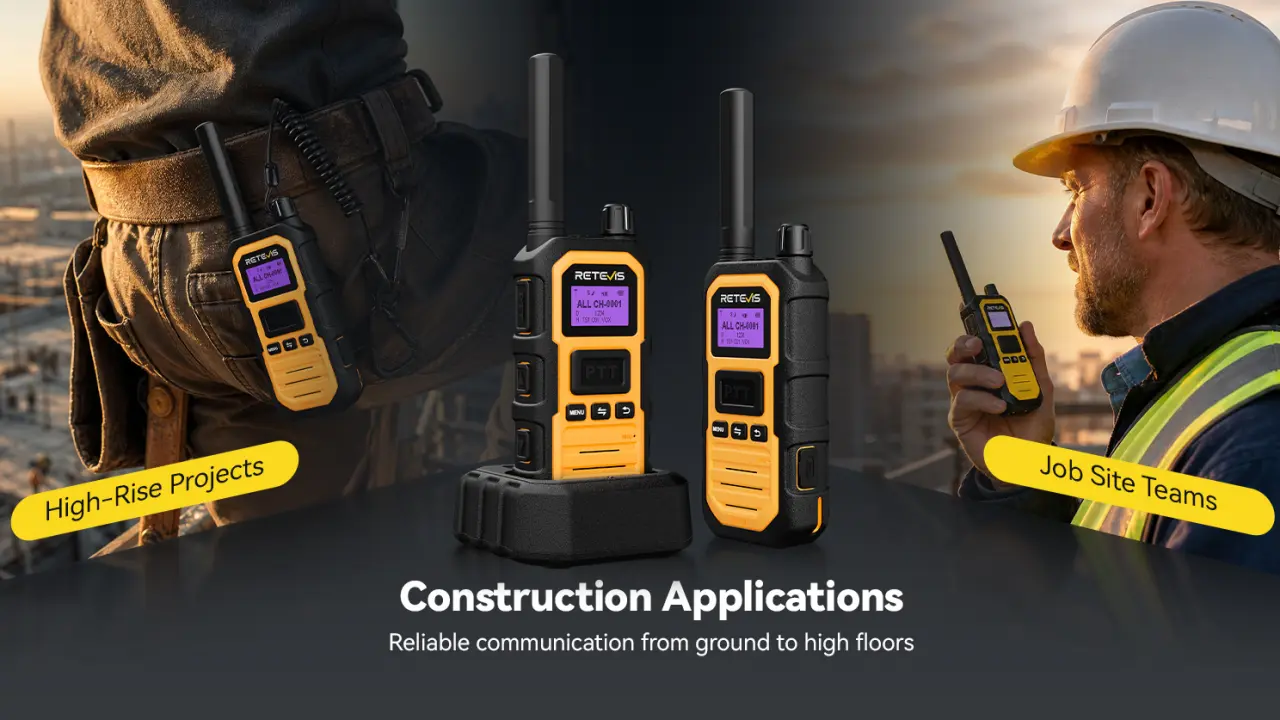
Ground-to-Rooftop: Why the RB48D DMR Radio is Built for High-Rise Sites
High-rise construction creates some of the toughest communication conditions for any worksite. Workers spread across dozens of floors, steel frames, and underground spaces need clear, constant contact to stay on schedule and safe. But standard radios often fail here. Signals struggle to pass through concrete, steel, and complex building structures. Cut-outs, static, and dead zones slow work down and put teams at risk.
DMR walkie talkie technology solves these issues. The Retevis RB48D industrial digital walkie talkie is built for vertical construction work. It connects ground crews, tower crane operators, and basement teams without dropouts.
3 Common Communication Barriers on Tall Building Sites
Construction radio systems face unique challenges when buildings rise above a few stories. These problems get worse as projects grow taller and more complex.
a. Signal Loss Across Floors
Radio signals weaken much faster when moving up and down, compared to side to side. Each concrete floor, steel beam, and mechanical system absorbs and bounces radio waves. On a 20-story building, a basic analog construction walkie talkie on the ground may not reach workers on the top floors at all. This creates dangerous gaps between crane operators, lifting teams, and floor crews who need real-time directions.
b. Interference From Steel Structures
Most high-rise buildings use heavy steel framing. Metal walls and beams block and distort radio signals. Even two workers standing close together can get garbled static if a few steel beams sit between them. This problem gets worse during steel erection phases, when teams need clear communication most.
c. Dead Zones Underground and in Enclosed Spaces
Basements, parking garages, elevator shafts, and utility tunnels kill signal for basic two-way radios for construction. Underground crews often have to walk to stairwells or ground level just to report progress or ask for materials. This wastes time across large projects. It also creates safety risks if workers cannot call for help right away.
Cheap consumer or basic commercial walkie talkies cannot handle these conditions. Teams need purpose-built digital radios that cut through obstacles and keep coverage consistent.
Why DMR Digital Technology Works Better for Construction
DMR (Digital Mobile Radio) performs much better than old analog systems for industrial use. For construction teams, the benefits show directly in daily work.
Digital signals pass through buildings more reliably than analog signals. The RB48D DMR walkie talkie turns voice into digital data packets that resist interference from steel and concrete. Even when signal strength drops, digital audio stays clear right up to the edge of coverage. Analog signals fade slowly into static, so workers hear broken words instead of full sentences.
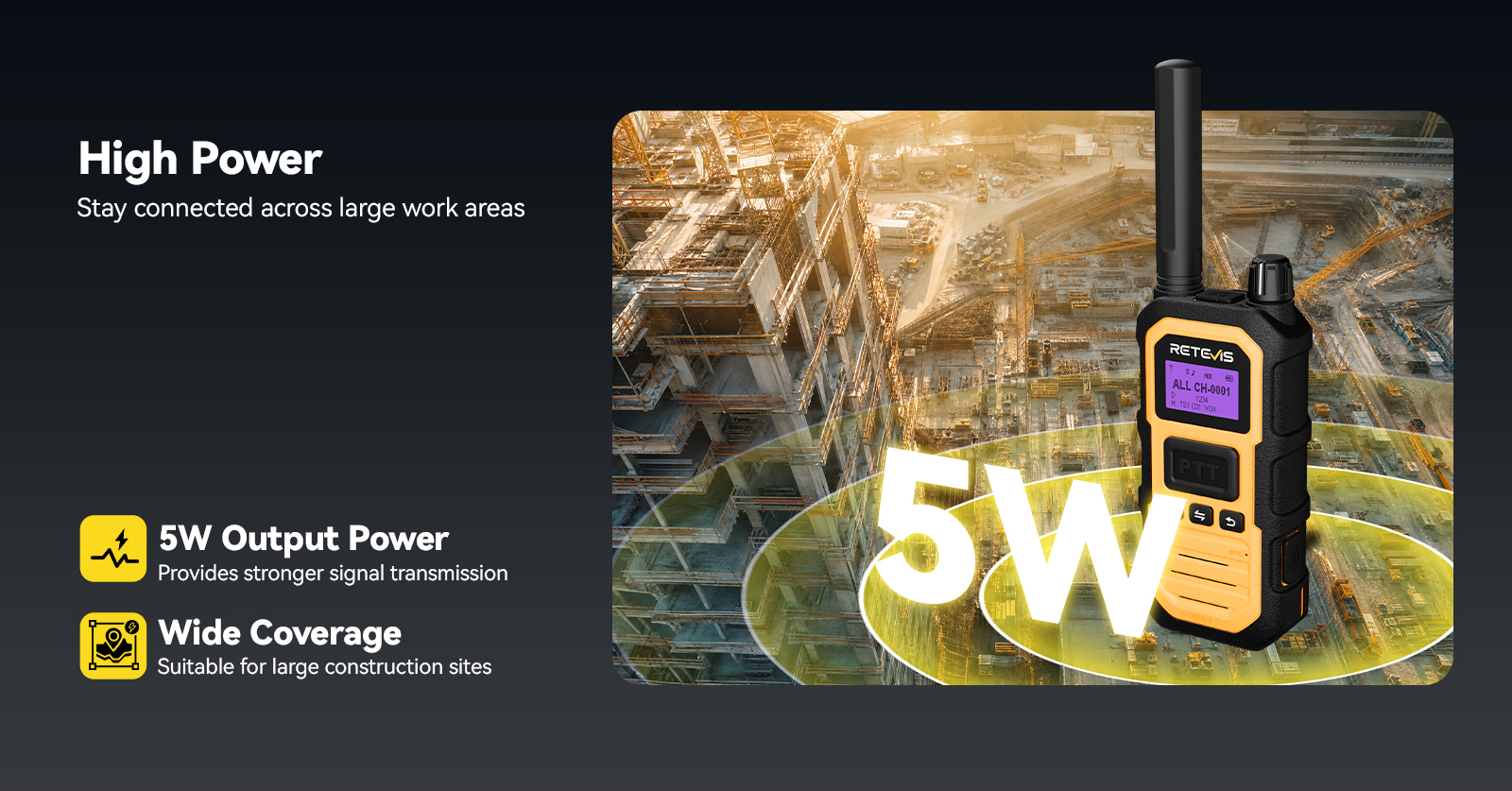 The RB48D runs on 5W of power. That extra power helps signals punch through multiple floor slabs and steel structures. Combined with digital processing, it delivers reliable coverage across 25+ floors and large site areas.
DMR technology also splits one channel into two separate talk paths. This doubles channel capacity without needing extra frequencies. On large sites with many subcontractors, teams can use the same frequency band without talking over each other. General contractors can assign separate paths to concrete crews, steel workers, electricians, and safety teams.
How the RB48D Solves High-Rise Communication Problems
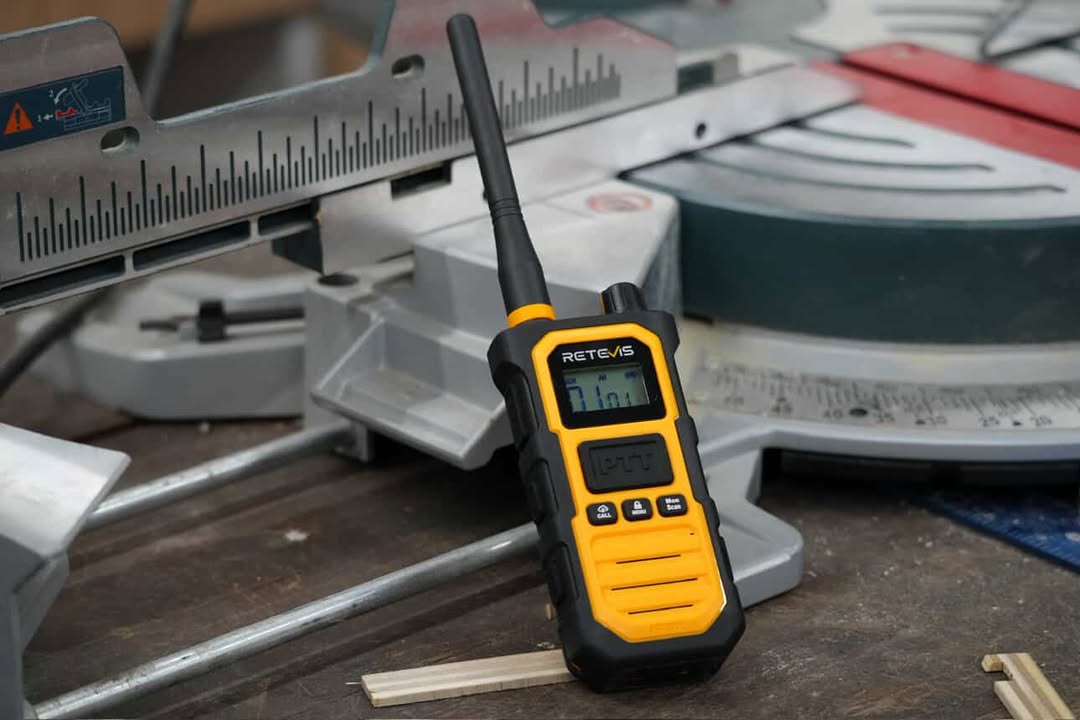
The Retevis RB48D heavy duty walkie talkie is built for tough industrial and construction environments. As a digital walkie talkie for industrial use, it handles harsh conditions day after day. Its features directly fix the pain points of tall building projects.
Coverage That Reaches Every Floor
The RB48D delivers stable long range walkie talkie performance for construction sites. It reliably covers 25+ floors of vertical space. Ground-level foremen can talk directly to workers on upper floors — no repeaters needed for most mid-rise projects. For taller buildings, the radio works with DMR repeaters to extend coverage even further. This removes the slow “floor-by-floor relay” system used on many job sites.
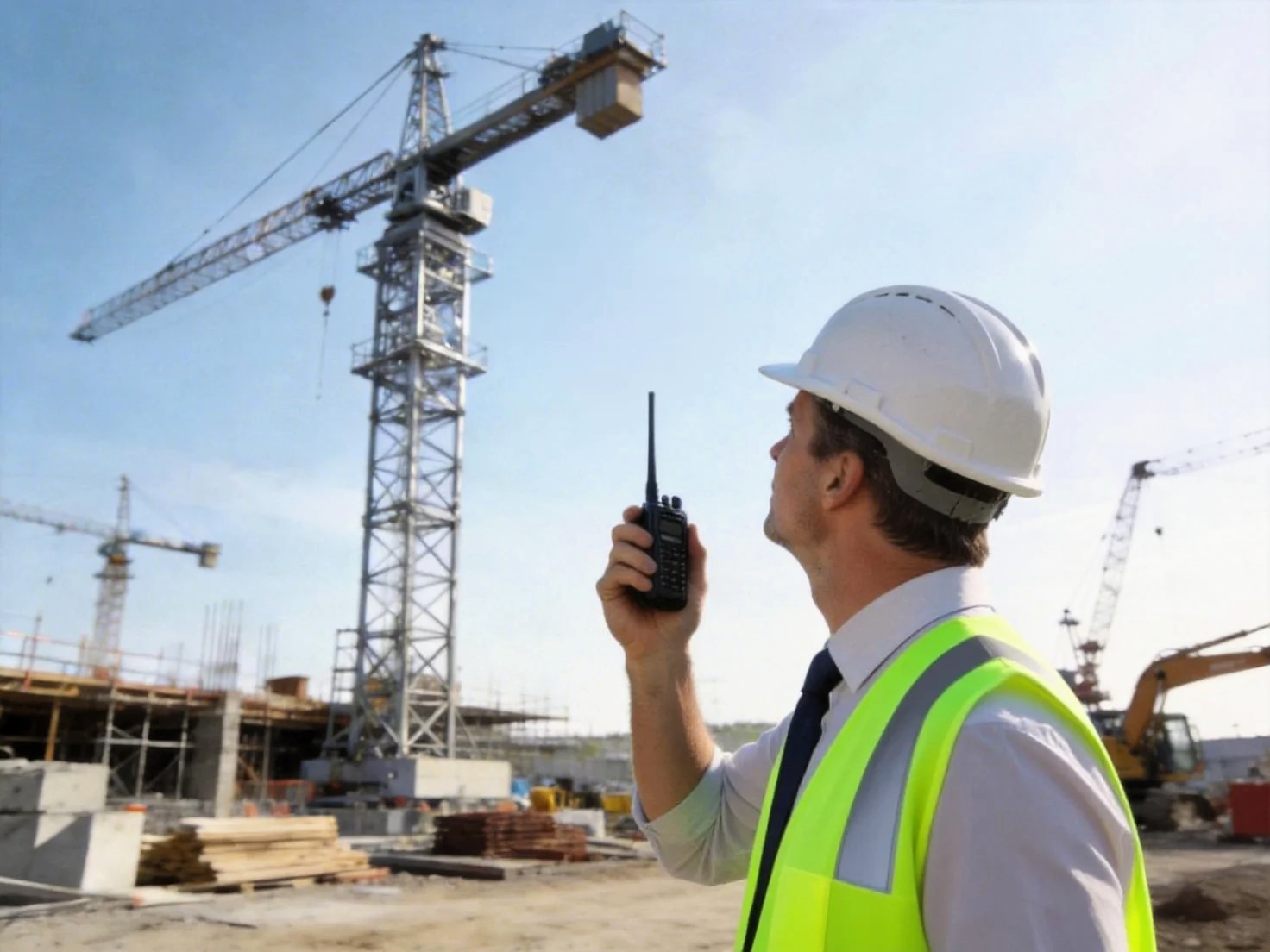
Crane operators get the most value from this vertical coverage. Sitting hundreds of feet in the air, they depend on clear, uninterrupted contact with signalers on the ground. The RB48D keeps audio quality consistent at height, so lifting operations run safely without constant “say again” requests.
Strong Signal Through Steel and Concrete
The RB48D’s digital signal processing handles structural interference far better than analog construction radios. Signals pass through reinforced concrete walls, steel decking, and mechanical rooms with much less quality loss. Workers inside enclosed stairwells, elevator shafts, and service cores can still reach teams outside. This matters most during interior finishing phases, when new walls and ceilings create more signal barriers.
For underground areas like basements and parking levels, the RB48D keeps usable signal where standard analog radios go completely silent. Very deep underground spaces may still need repeater support, but the RB48D covers typical 1-3 level basements on its own power. Underground utility crews, foundation teams, and safety inspectors stay connected without leaving their work areas.
Built to Survive Construction Site Conditions
The best walkie talkie for construction workers must handle more than just signal challenges. It must survive drops, dust, rain, and rough daily use.
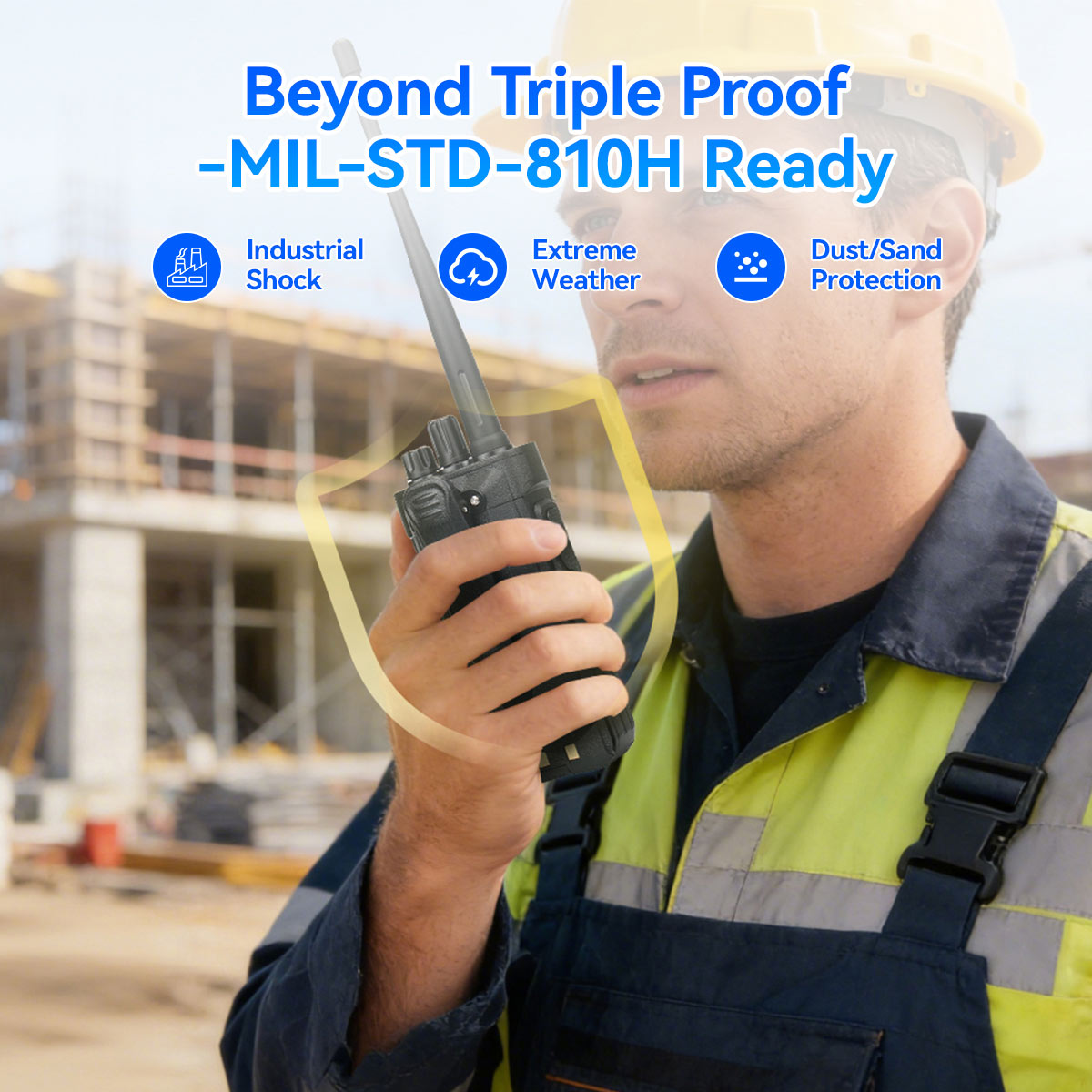
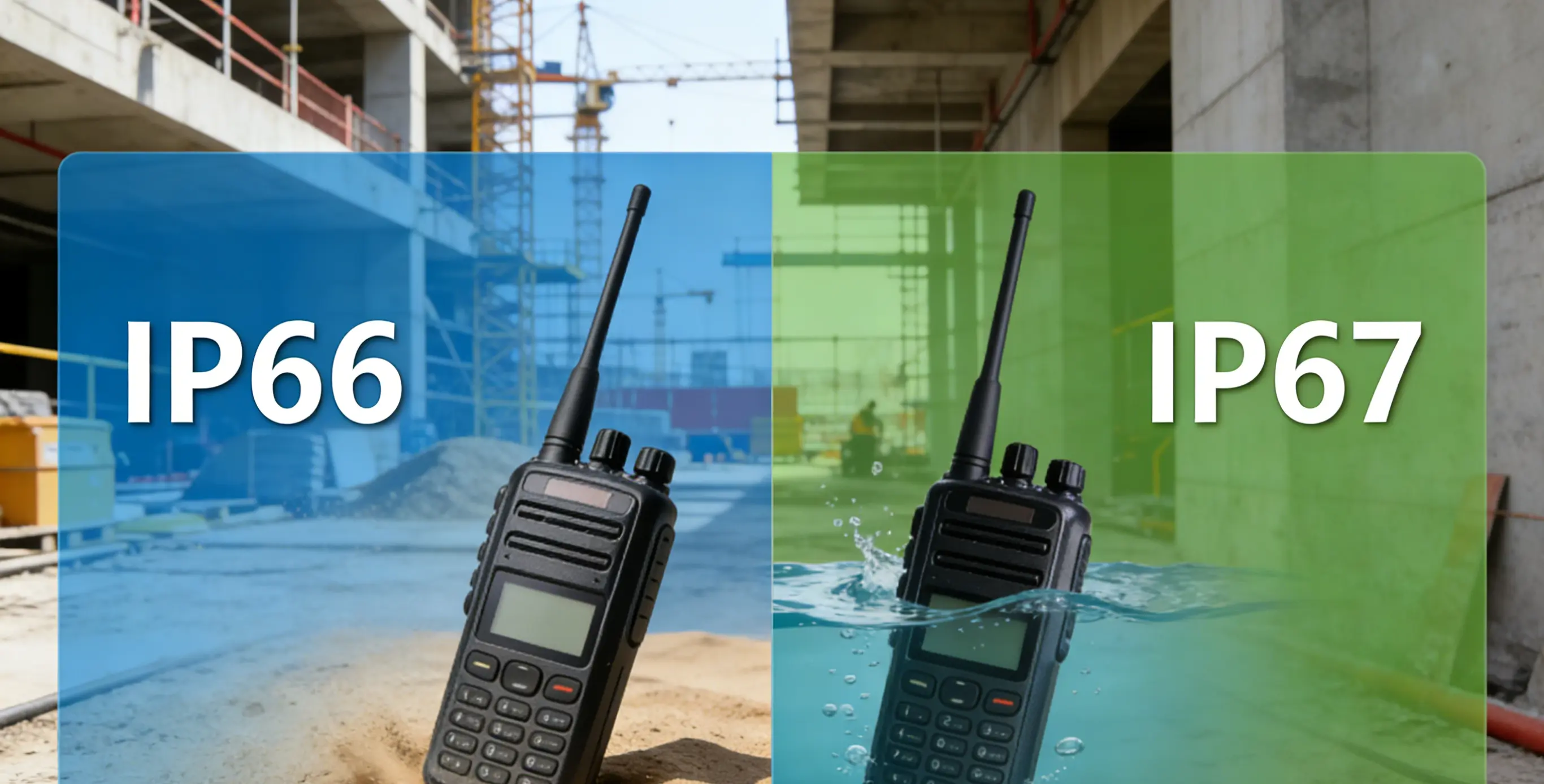
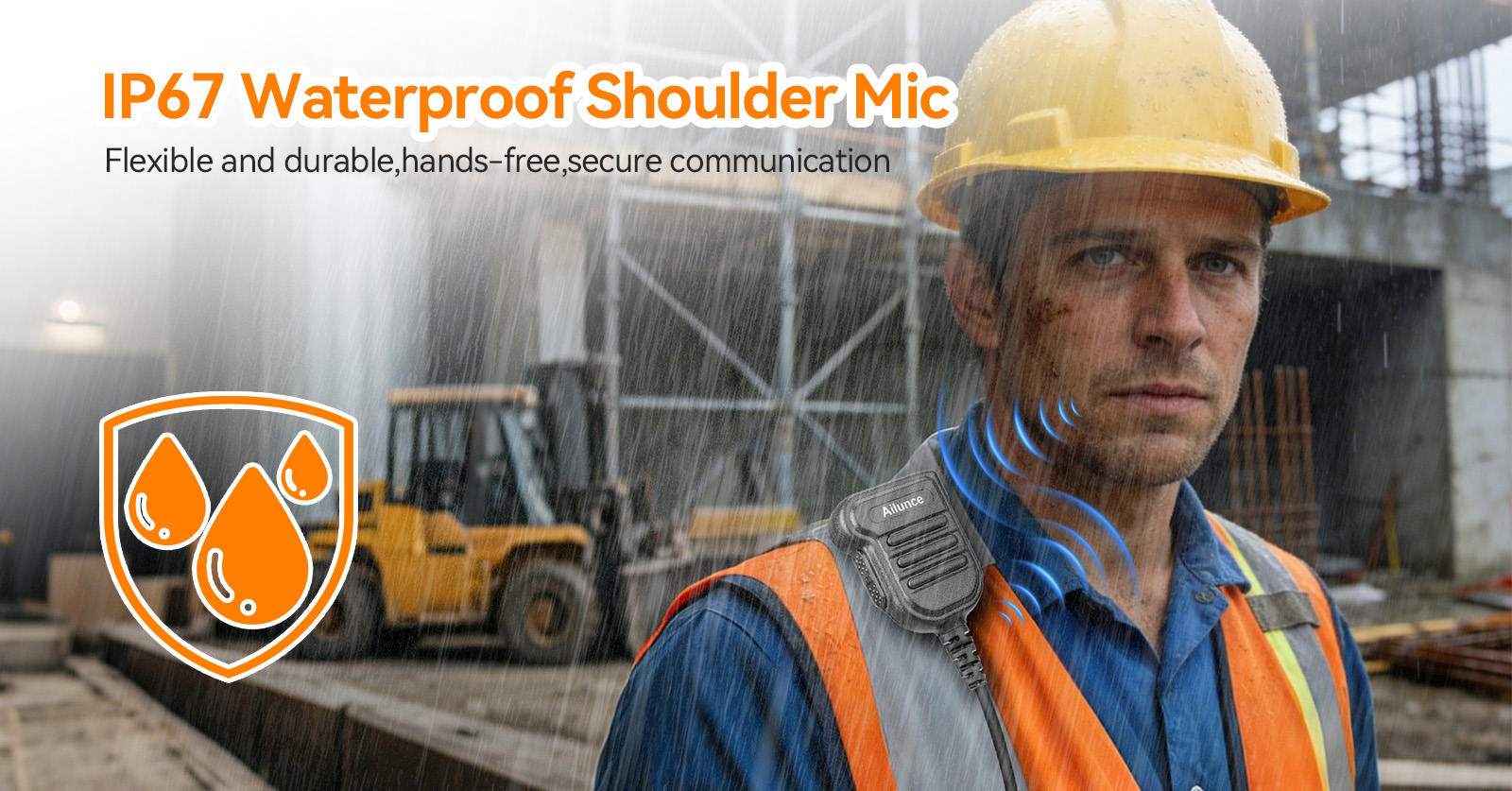
The RB48D meets MIL-STD-810H durability standards and has an IP67 waterproof and dustproof rating. It withstands 2-meter drops, full dust protection, and temporary immersion in water. Rain, concrete dust, mud, and accidental falls from scaffolding or tool belts will not break it.
The large PTT button works easily with work gloves. Workers do not need to remove gloves to transmit. Dual PTT buttons let teams set separate channels for normal work and emergency calls, adding an extra layer of on-site safety.
Clear Audio in Loud Work Environments
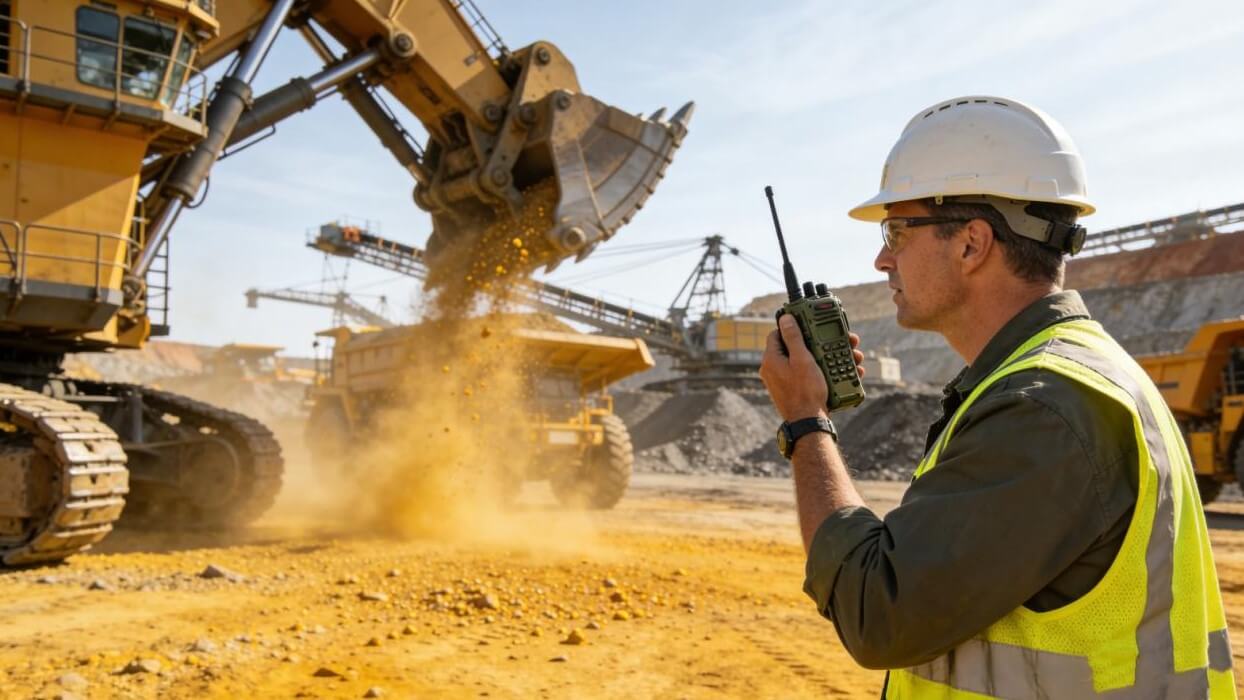
Construction sites are noisy. Heavy machinery, power tools, generators, and traffic create constant background noise that makes communication hard. The RB48D walkie talkie for noisy environments has built-in audio processing that filters out background sound while keeping voices clear. Workers hear instructions clearly even near running excavators, concrete pumps, or steel cutting equipment.
The high-output speaker delivers loud, clear audio that cuts through ambient noise without distortion. For even louder areas, the radio works with compatible headsets and speaker mics for hands-free use with better noise isolation.
All-Day Battery for Full Shifts
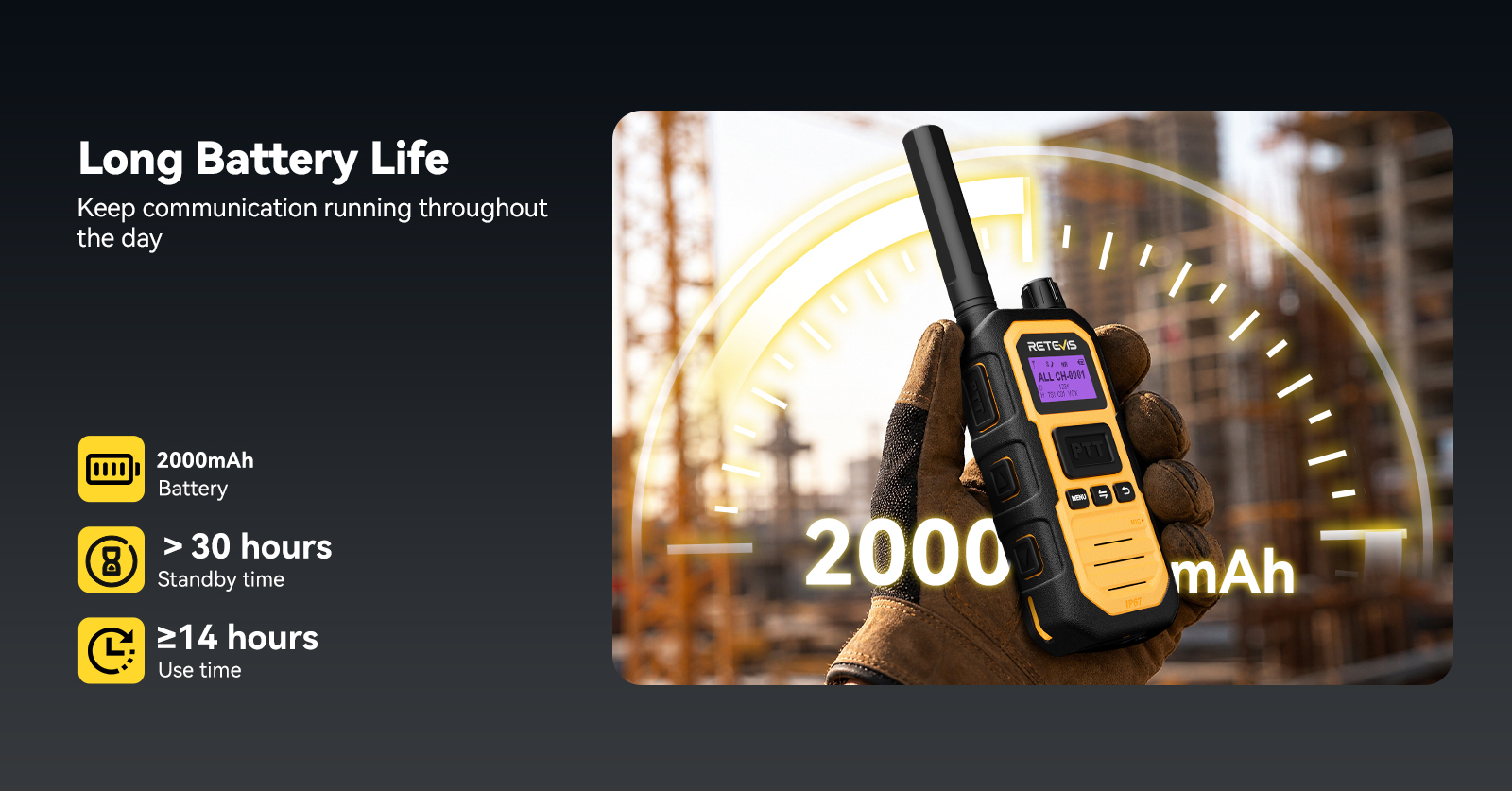
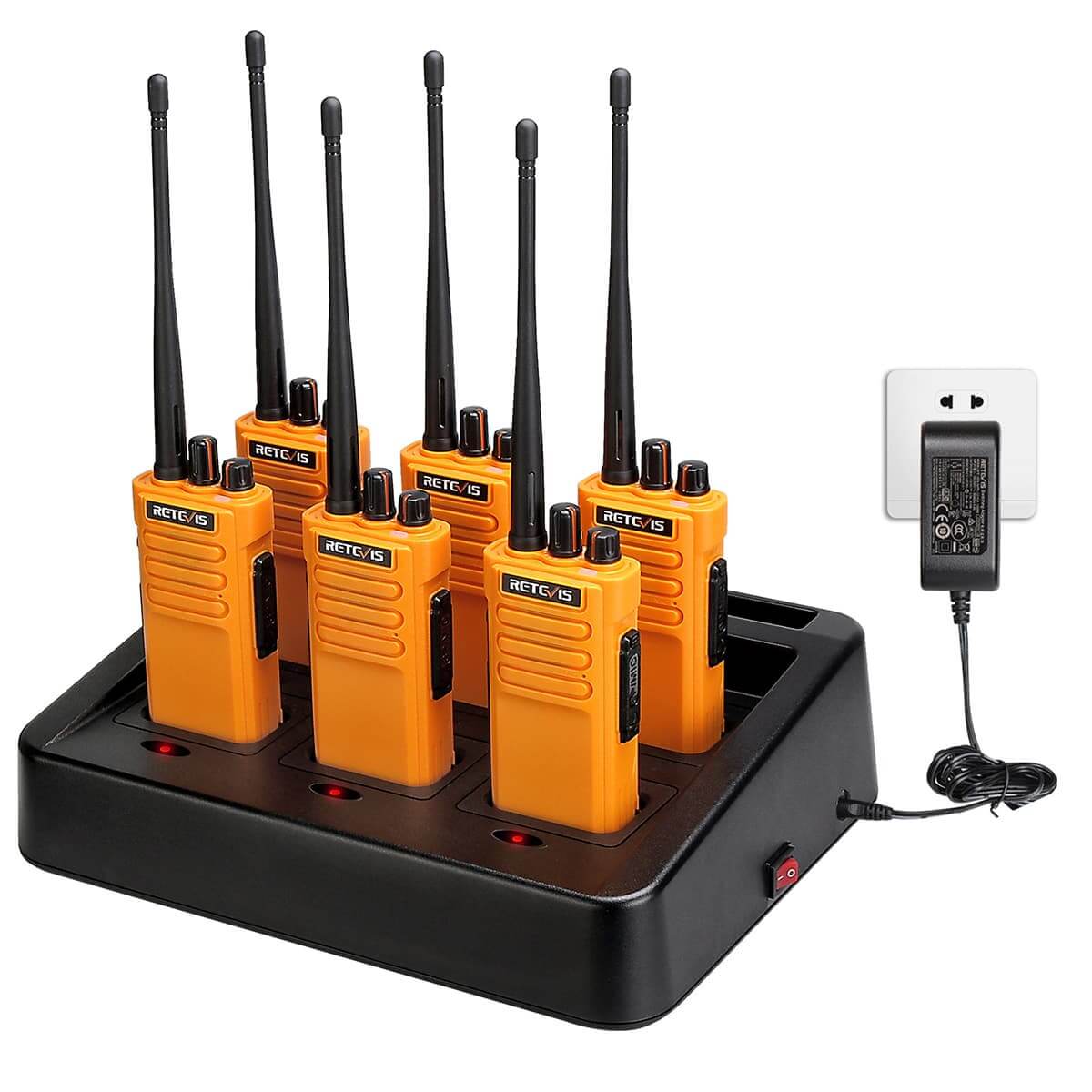
A dead radio in the middle of a shift creates an immediate communication gap. The RB48D has a high-capacity battery that lasts a full shift of continuous use. Digital technology uses less power than analog, so the radio runs longer on one charge. USB-C charging and multi-unit charging bases give teams flexible options for overnight charging or quick top-ups during breaks.
This same rugged, reliable performance also makes it a solid choice for warehouse operations and radio communication for security teams on large job sites.
Real-World Benefits for Construction Teams
A reliable construction site communication solution does more than just let workers talk. It improves efficiency, cuts mistakes, and makes the whole project safer.
For daily work, consistent radio contact cuts down on wasted travel time. Instead of walking between floors to find a foreman, workers send a request and get an answer in seconds. Over a full project, this saved time adds up to big labor cost savings.
Safety is the most important benefit. When workers can call for help instantly from any floor or underground area, incident response times drop sharply. Safety managers can send alerts to all workers at once, and evacuation instructions reach every team member at the same time. For high-rise projects where emergency response takes longer due to vertical travel, this instant communication is essential.
Multi-team coordination also gets better. With multiple channels and DMR two-slot technology, general contractors can run separate talk groups for different trades. Steel crews, concrete teams, electrical contractors, and safety staff all have dedicated communication paths without interfering with each other. This reduces channel congestion and makes sure important messages get through.
Choosing the Right Radio for Your High-Rise Project
Not all two-way radios for construction work the same. When picking equipment for a high-rise project, prioritize digital technology, enough output power, and jobsite-rated durability over low price. Consumer-grade radios may work on small, flat sites, but they cannot deliver the vertical coverage and penetration needed for tall buildings.
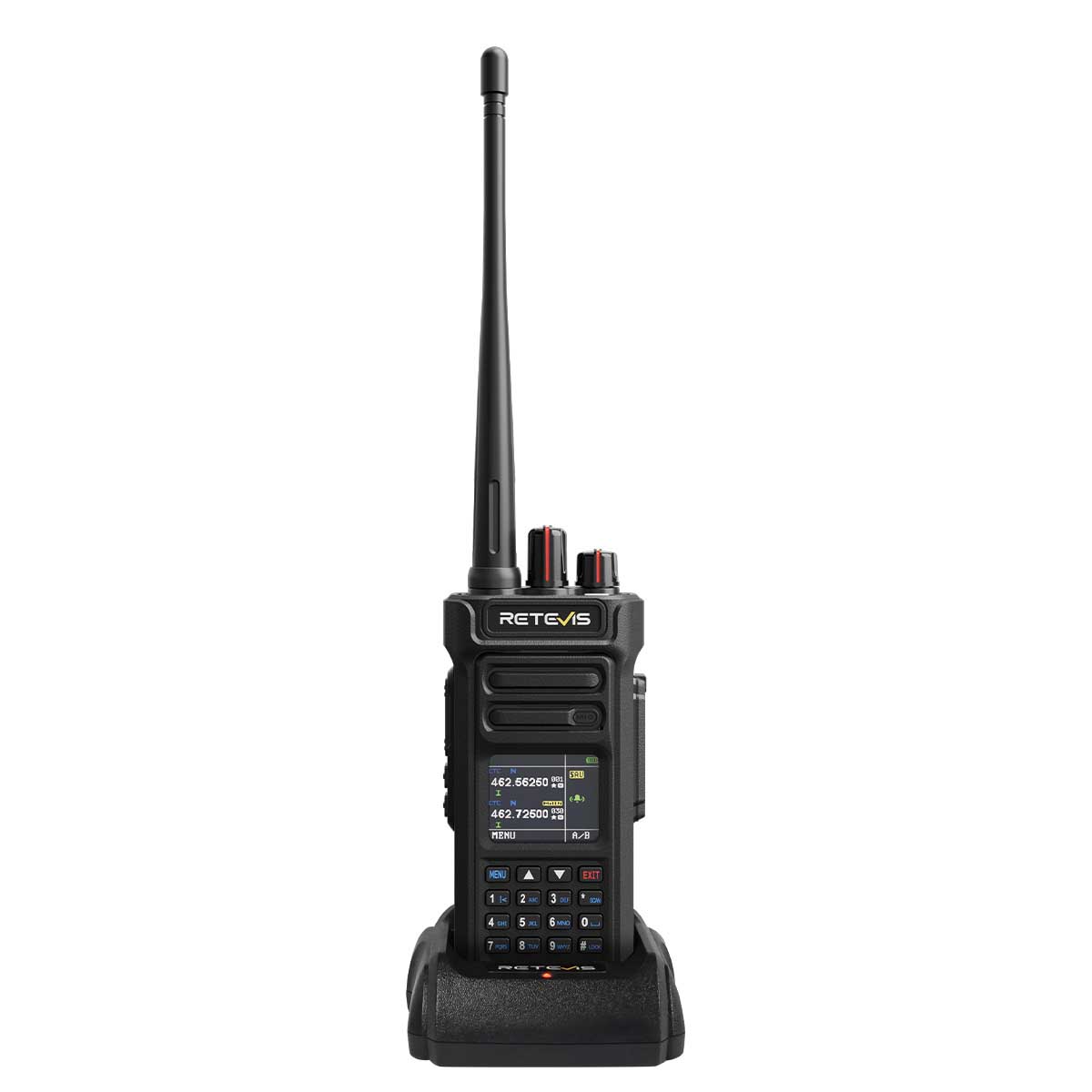
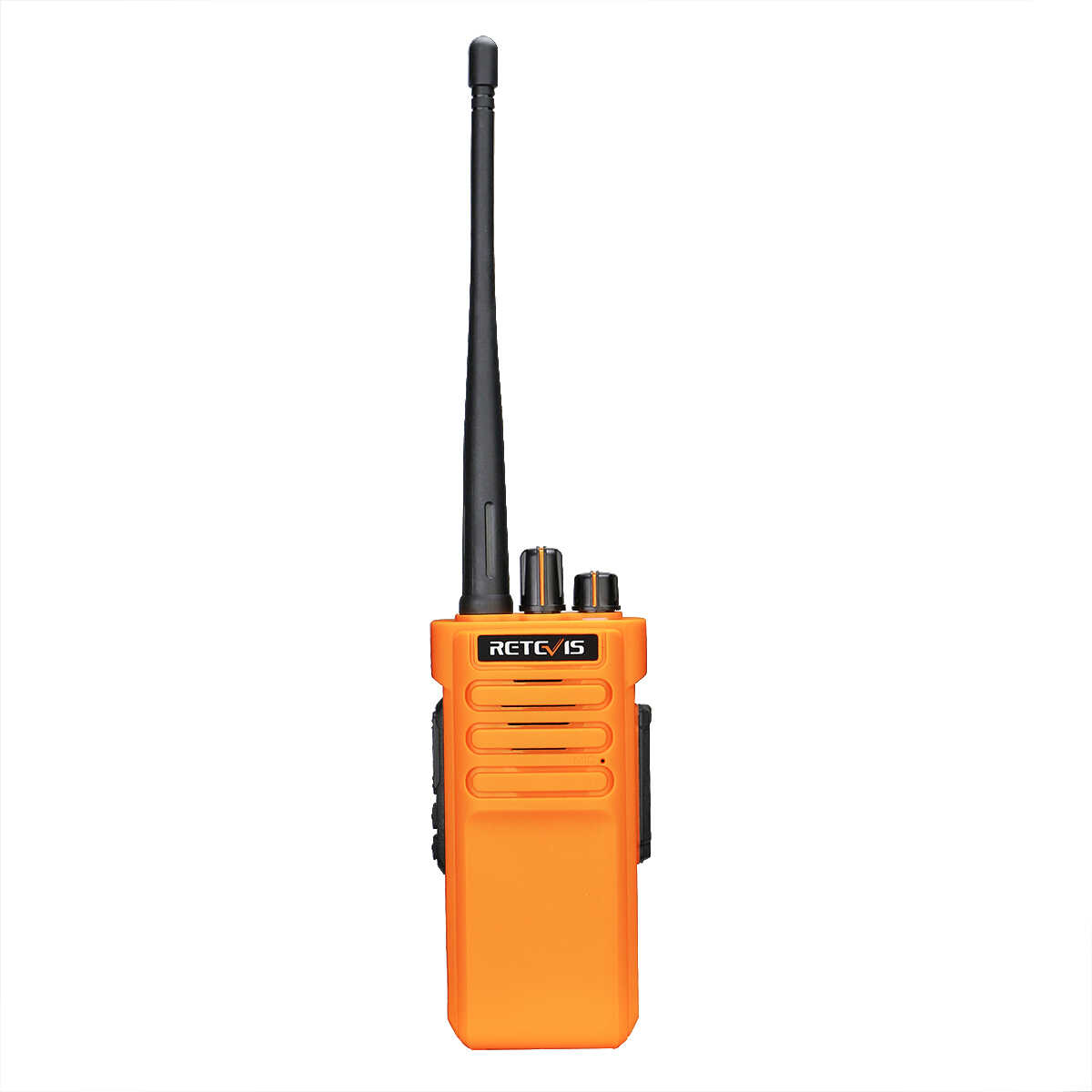
The RB48D professional walkie talkie for business and industrial use balances performance, durability, and value. Its DMR digital platform delivers the signal quality and range required for high-rise construction. Its rugged build handles the daily wear and tear of active job sites. Teams get reliable communication from ground level to the top floor, from open exterior areas to enclosed underground spaces.
For projects that need even wider coverage, the RB48D works with standard DMR repeater systems to scale up. This makes the radio a good fit for everything from mid-rise buildings to large multi-tower complexes.
Reliable communication is the backbone of every safe, efficient construction project. For high-rise work, investing in a purpose-built digital radio system is not a luxury. It is a requirement for keeping teams connected, productive, and protected from the ground up.



 Google
 Amazon
Comments
No data Yet