
Table of Contents
Personal Safety Walkie Talkie Device for Lone Worker Protection
- Posted by:Retevis
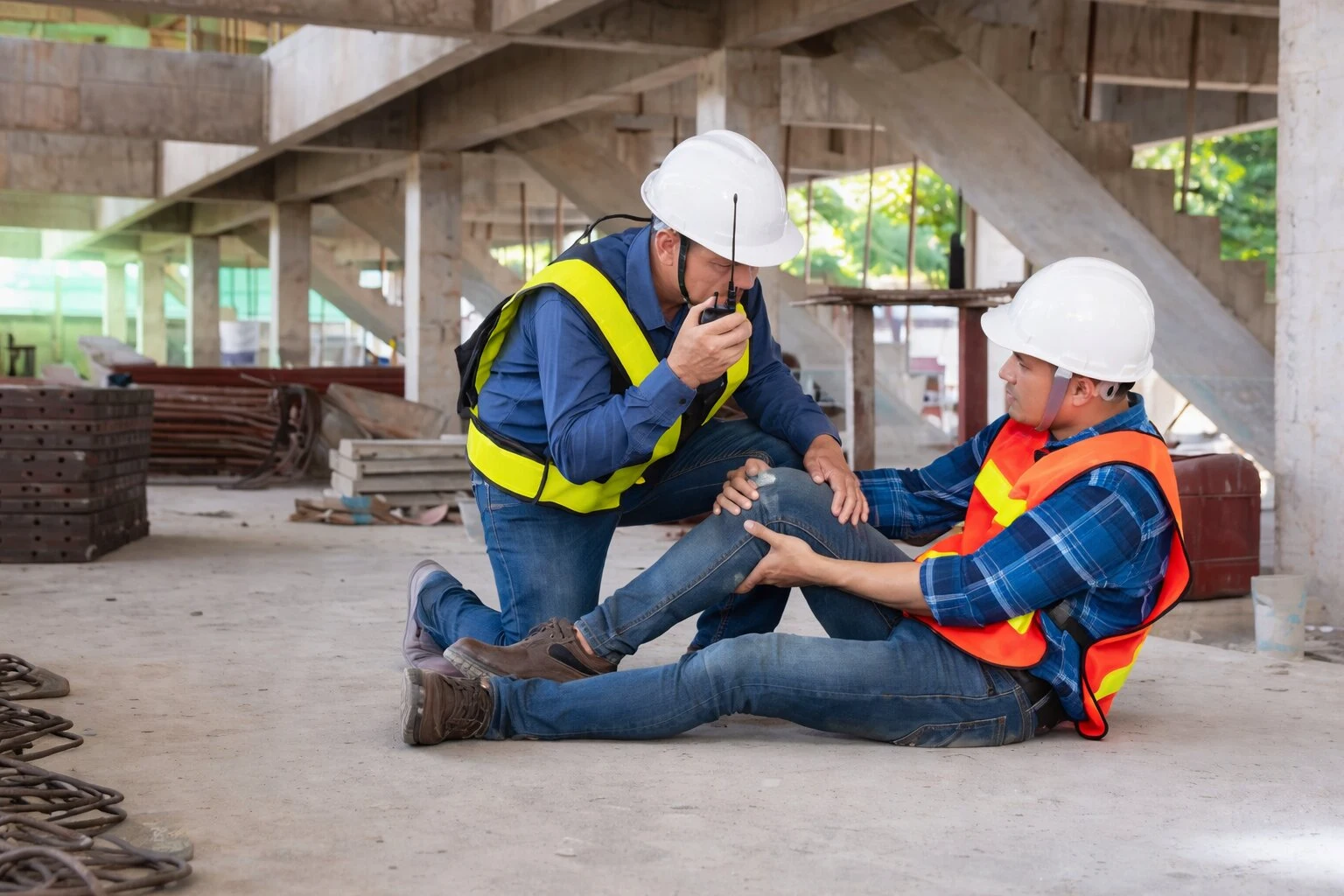
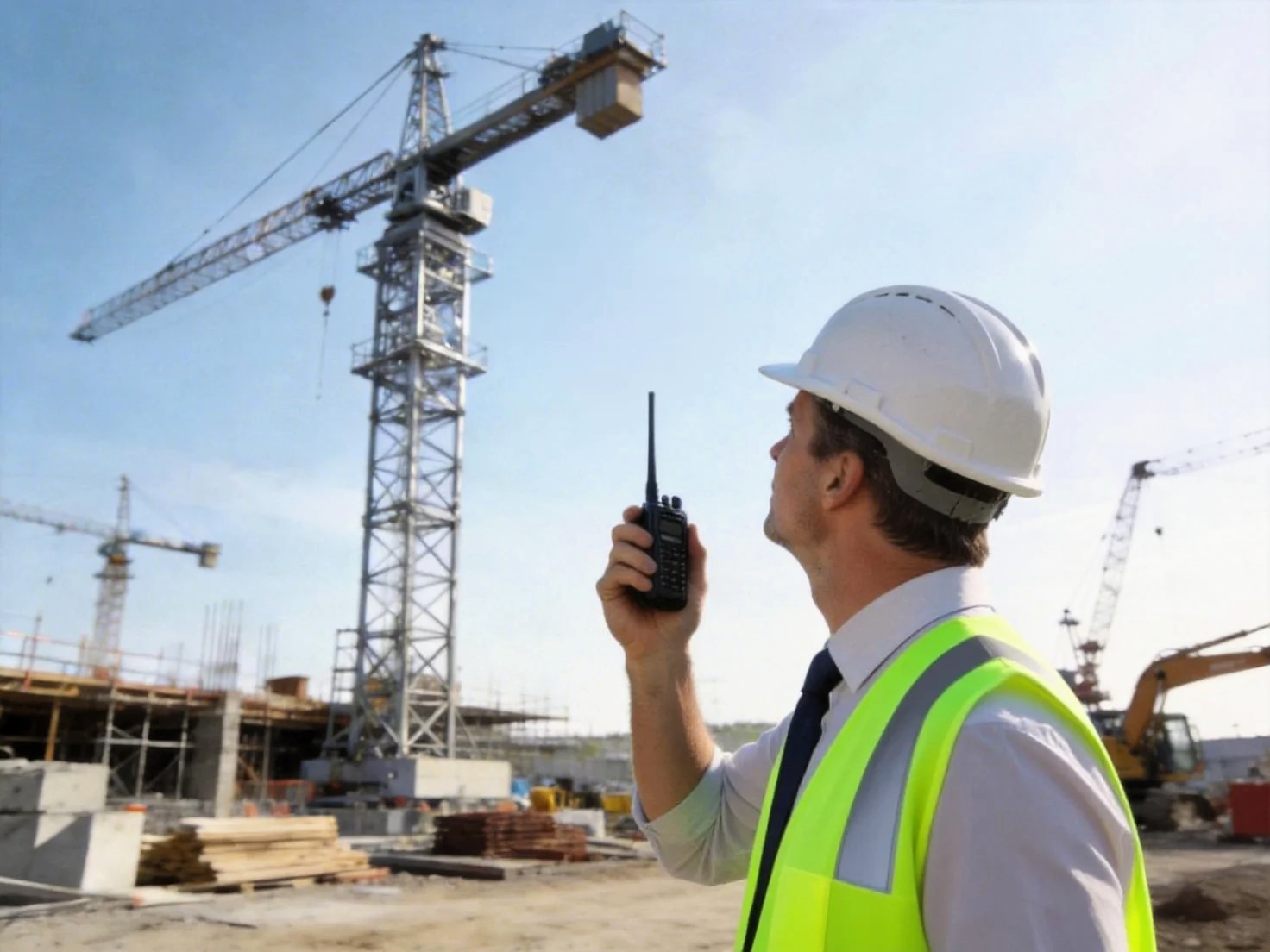
Across construction sites, remote work zones, and industrial facilities, lone workers face life-threatening risks every day. Without immediate supervision or on-site support, a single accident can have tragic consequences. A fall, equipment malfunction, or medical emergency can turn dangerous in an instant. This is why workers need a reliable personal safety device for lone worker protection.
Among all lone worker safety devices, two-way radios are the most practical and effective solution. They bridge communication gaps, enable instant emergency response, and fundamentally improve worker safety.
This blog shows how two-way walkie talkie radios act as a core personal safety device. It breaks down their safety-enhancing features. It also introduces the Retevis Rt29 radio—your trusted partner in lone worker protection.
Key Safety Pain Points of Lone Workers & Demand for Personal Safety Devices
- Lone working risks are not abstract—they are daily threats that demand a robust personal safety device to mitigate. For workers operating alone (especially on construction sites), common hazards of lone working include:
- Unseen falls from scaffolding or rooftops, with no one to initiate rescue or call emergency services;
- Mechanical injuries from heavy equipment, often caused by distracted communication (e.g., fumbling with a phone or non-hands-free device);
- Medical emergencies (heatstroke, heart attacks) in remote or noisy areas, where cries for help go unheard; Non-compliance with lone worker safety policy, putting employers at legal risk and workers at unnecessary danger.
These pain points highlight the urgent need for a personal safety device that workers can rely on. It must be easy to use and designed specifically for lone workers. A high-quality device should allow workers to communicate instantly. It should send emergency alerts and support seamless monitoring. Two-way walkie talkie radios provide all these features. This makes them the ideal choice for protecting lone workers.
Two-Way Walkie Talkie Radios: The Core Personal Safety Device for Lone Workers
Two-way walkie talkie radio is a superior alternative to individual worker security devices such as security apps, alarm clocks/watches, and standalone alarms. The reasons are as follows:
- No Reliance on Networks: Lone worker safety apps or alarm apps depend on cellular or internet service. Two-way walkie talkie radios use UHF/VHF frequencies. They keep workers connected even on remote construction sites or in areas with poor signal. This is critical for lone worker protection in isolated zones.
- All-in-One Safety Features: Basic lone worker alarm devices only offer one function. Two-way walkie talkie radios combine multiple safety features in a single, rugged device. They include one-touch SOS, VOX hands-free communication, and man-down detection. Workers do not need multiple tools, reducing their burden.
- Real-Time Coordination: Alarm watches only send alerts. Walkie talkies allow instant two-way communication. Lone workers can report hazards, ask for guidance, and confirm safety status in real time. This direct connection keeps teams coordinated and improves worker safety.
- Global Compliance: Top-tier two-way walkie talkie radios, like the Retevis Rt29, meet safety standards in Canada, the UK, Australia, and Singapore. They work as a versatile personal safety device in global workplaces.
- For both employers and workers, two-way radios are more than communication tools. They are life-saving devices and form the foundation of any effective lone worker safety solution.
How Two-Way Walkie Talkie Radios Improve Worker Safety
Two-way walkie talkie radios improve worker safety by addressing lone workers’ core pain points through three key features, each designed to turn “working alone” into “working safely with backup.”
1. One-Touch SOS: Instant Emergency Response for Lone Worker Protection
Every second counts in an emergency. A personal safety device for lone worker protection must let workers get help instantly. Two-way radios with one-touch SOS simplify emergency response. With a single press of the dedicated button, the walkie talkie sends a loud lone worker alarm to on-site supervisors, control centers, and nearby team members. The feature works with lone worker monitoring systems. It allows 24/7 off-site monitoring and fast rescue coordination, even outside working hours.
For construction workers, a fall or injury does not have to lead to a tragedy. Help is just one button press away. Many advanced models, including the Retevis Rt29, add GPS positioning. They transmit the worker’s exact location to rescue teams. This feature is critical for large or remote construction sites.
2. VOX Hands-Free Communication: Reducing Distractions, Enhancing Safety
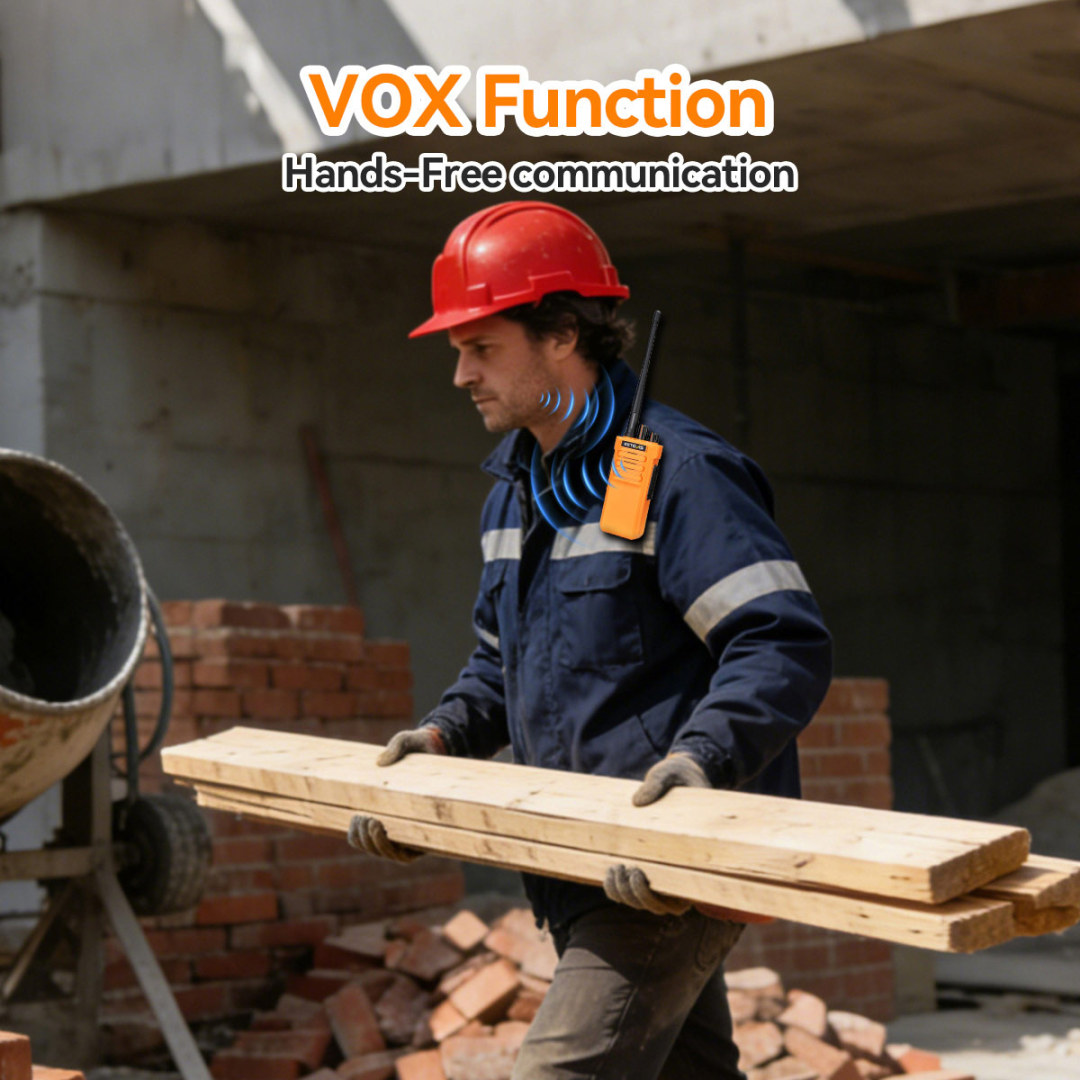
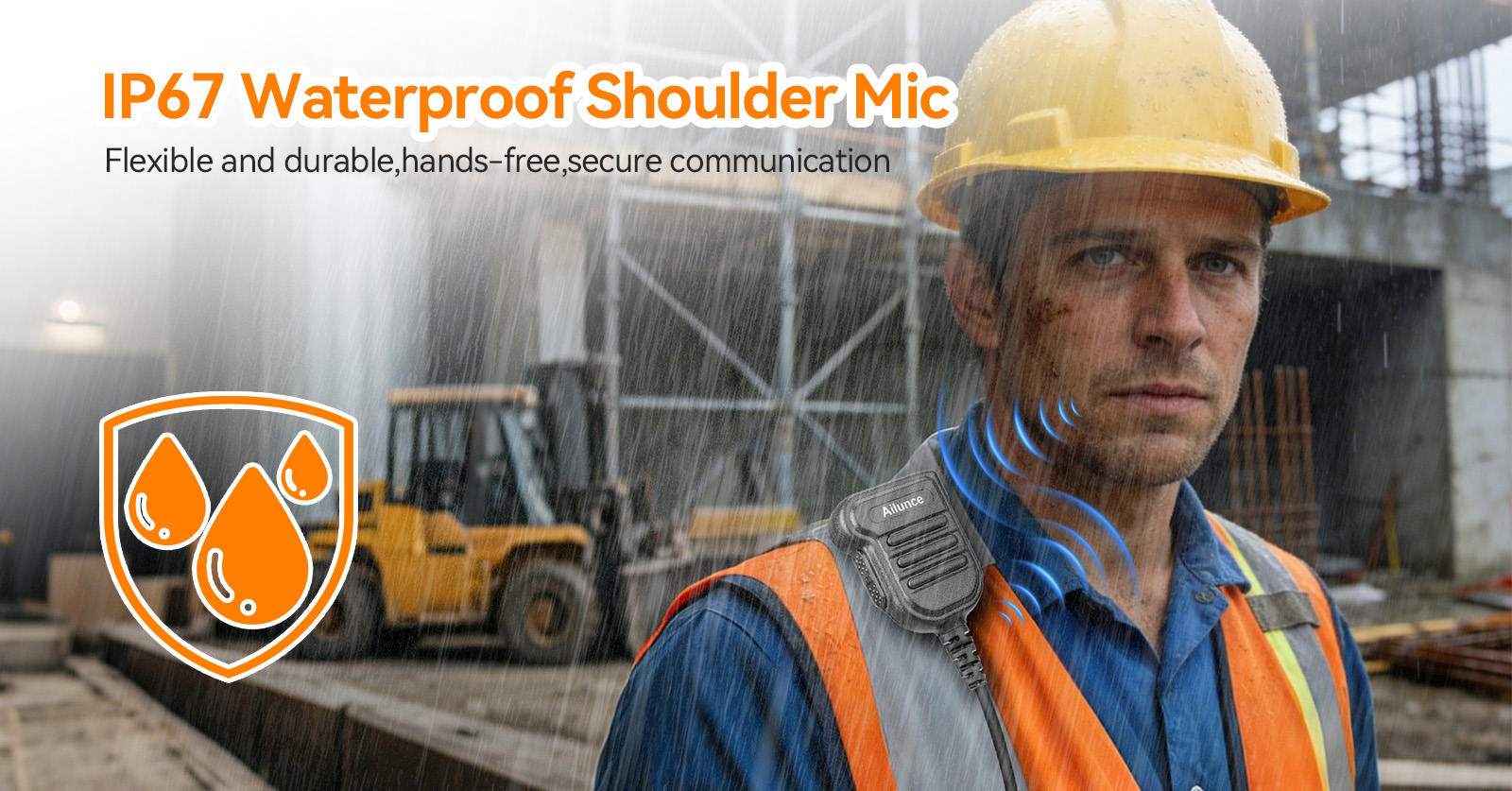
Construction workers often have their hands full. They carry tools, operate machinery, or climb scaffolding. Fumbling with a device to press the PTT (Push-to-Talk) button can cause distractions, mistakes, or accidents. The VOX (Voice-Activated Transmission) feature solves this problem. It enables hands-free communication, a game-changer for worker safety.
VOX automatically activates the walkie talkie when the worker speaks. Workers can keep both hands on tools, safety rails, or equipment, reducing the risk of falls or errors.
VOX adjusts sensitivity to filter out background noise, such as drilling or machinery, while keeping communication clear. Lone workers can stay connected without shouting or interrupting their tasks. This seamless coordination improves workplace safety. It ensures lone workers are never truly “alone.”
3. Man-Down Detection: Proactive Protection for Unconscious Emergencies
Lone workers may lose the ability to call for help if they fall or have a sudden medical emergency, such as fainting. Two-way radios with man-down detection solve this problem. The walkie talkie automatically sends a lone worker alarm when it detects no movement or a sudden change in orientation, such as a fall.
This proactive feature ensures that rescue teams get notified immediately, even if the worker is unconscious. It adds an extra layer of protection that basic personal safety devices cannot provide.
The Ideal Choice for Global Construction Sites: Retevis Rt29 rugged Two-Way Radio
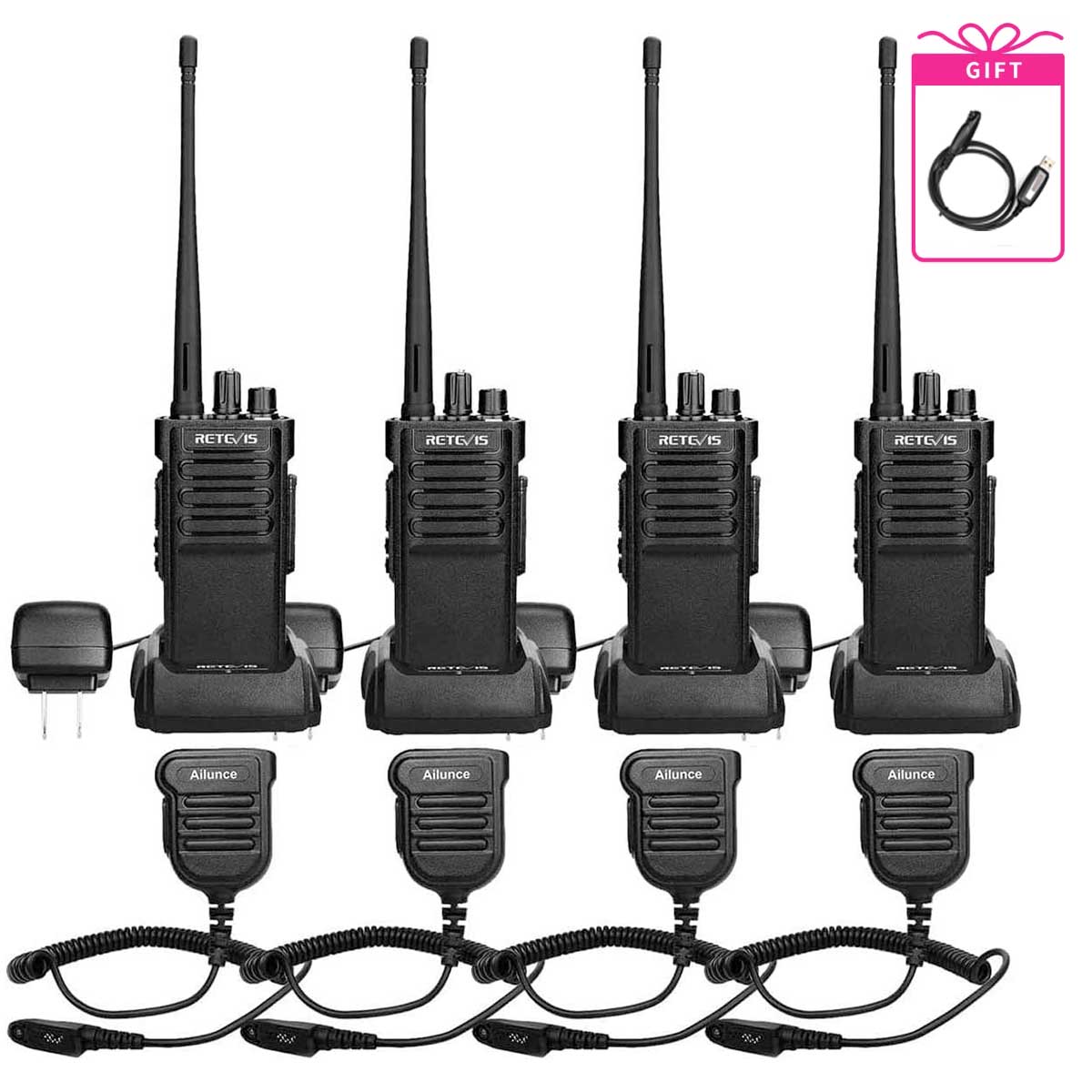
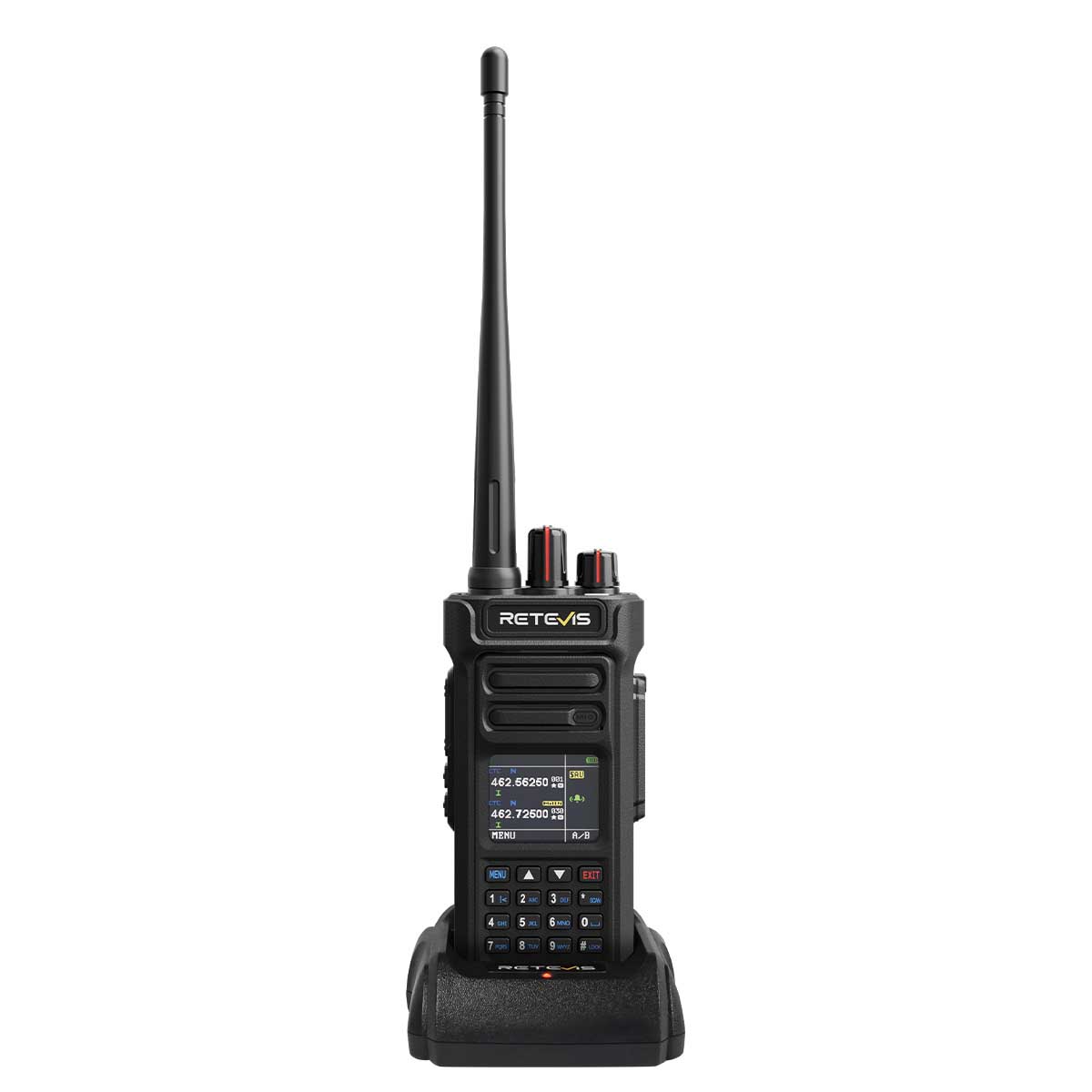
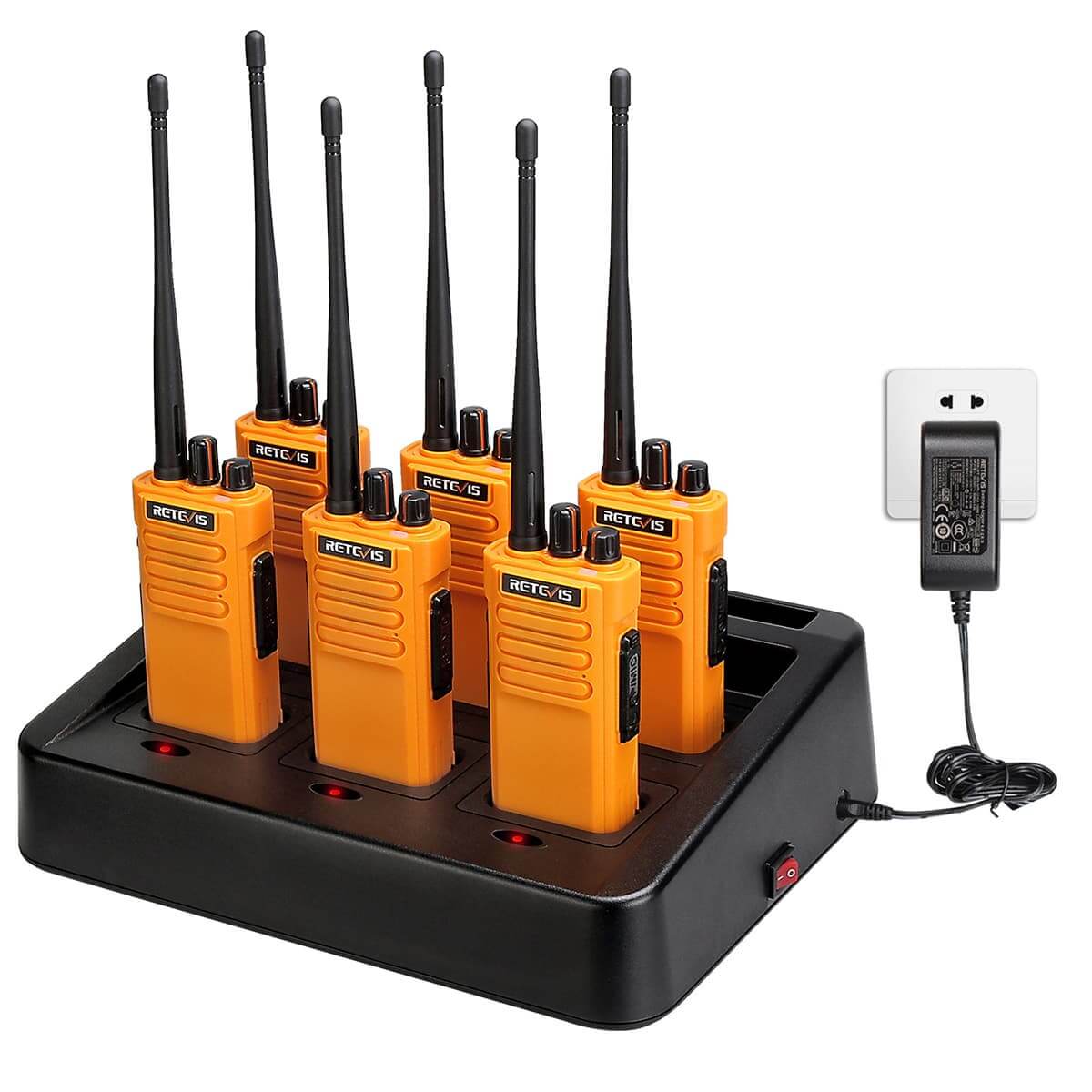
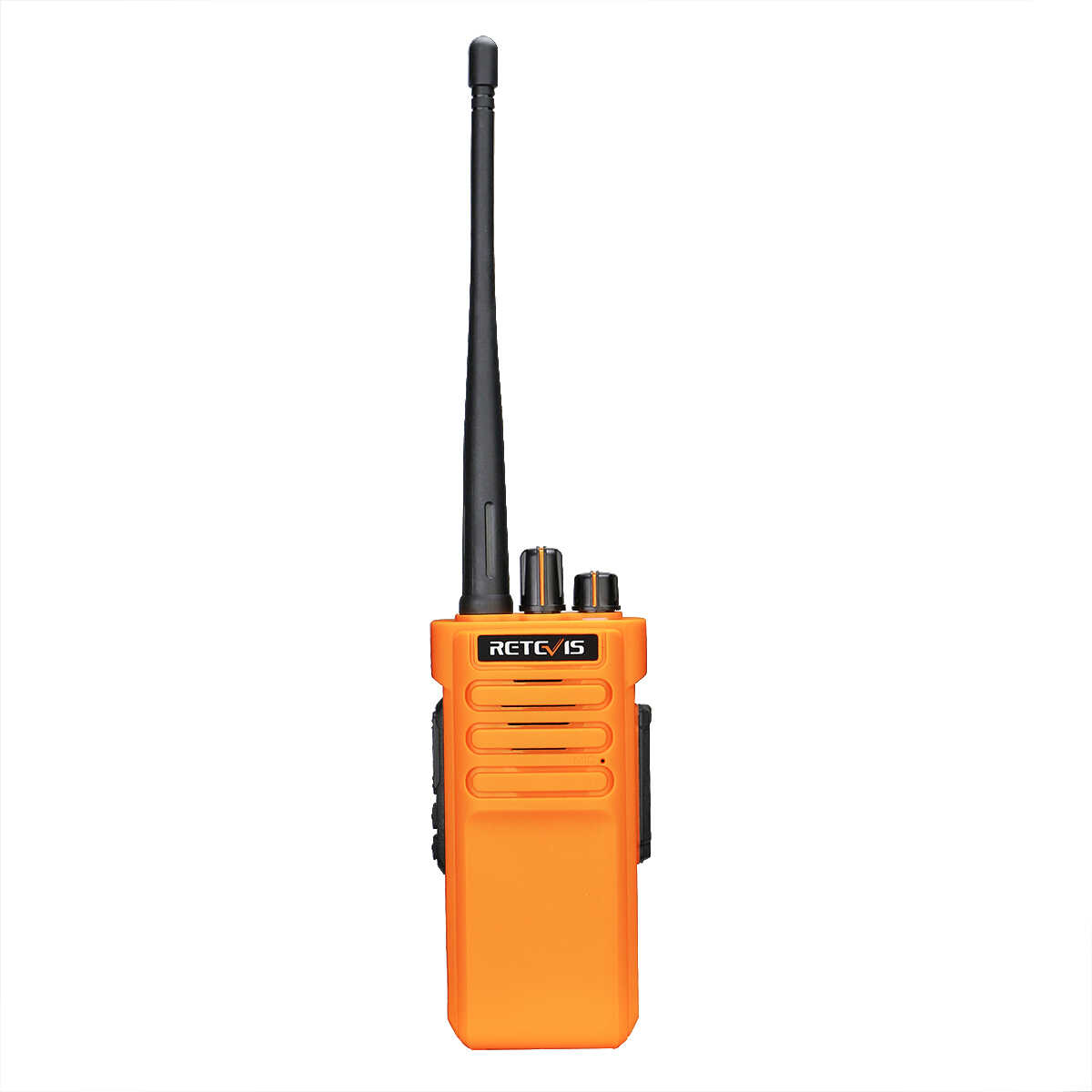
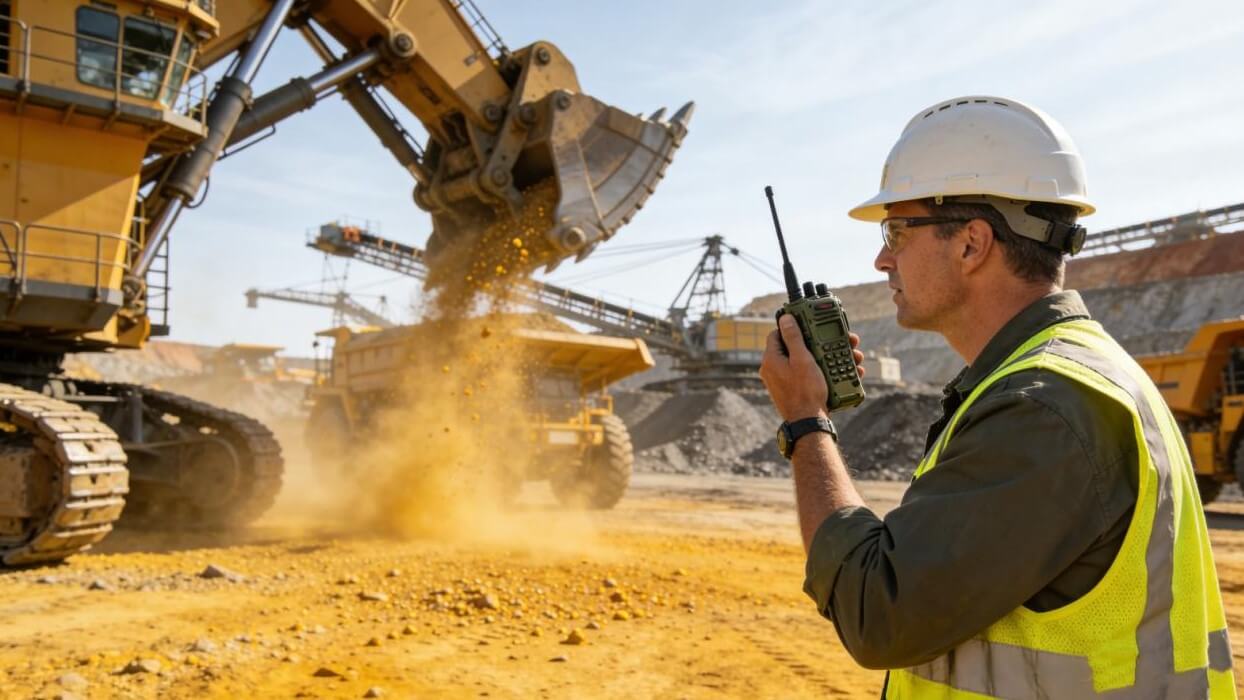
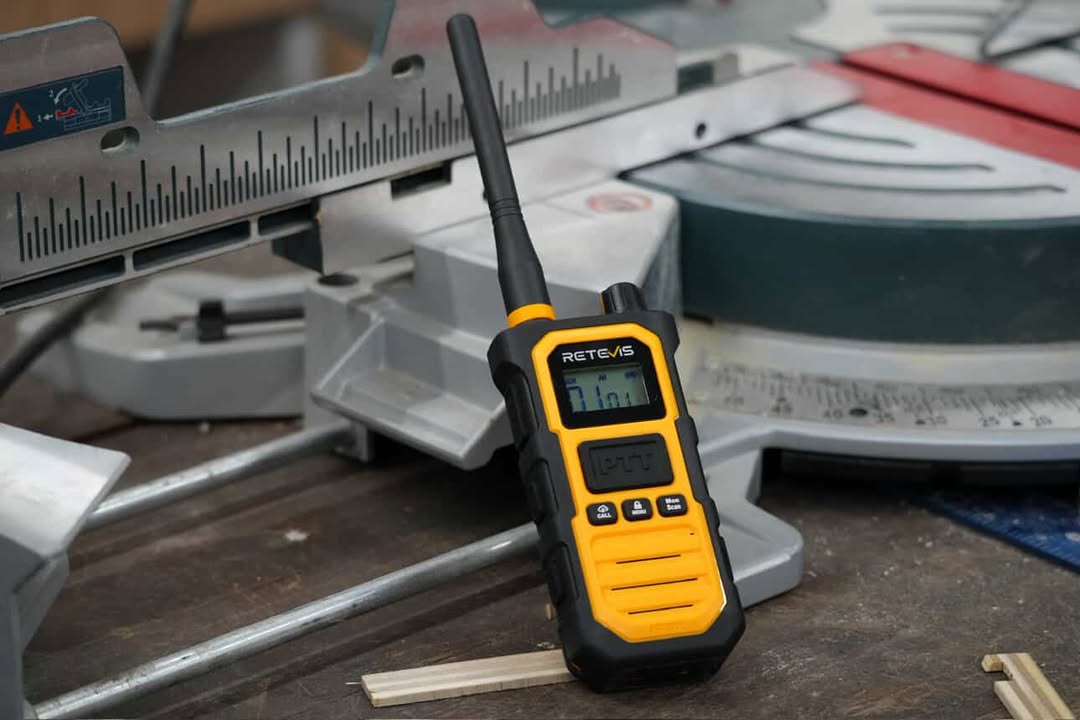
To truly improve worker safety, a personal safety device for lone worker protection must be durable, compliant, and tailored to high-risk environments like construction sites. The Retevis Rt29 rugged durable walkie talkie radio checks all these boxes—and more. As one of the best lone worker safety devices on the market, it is designed to meet the unique needs of lone workers in Canada, the UK, Australia, Singapore, and beyond.
Key Features of the Retevis Rt29 (Your Trusted Personal Safety Device):
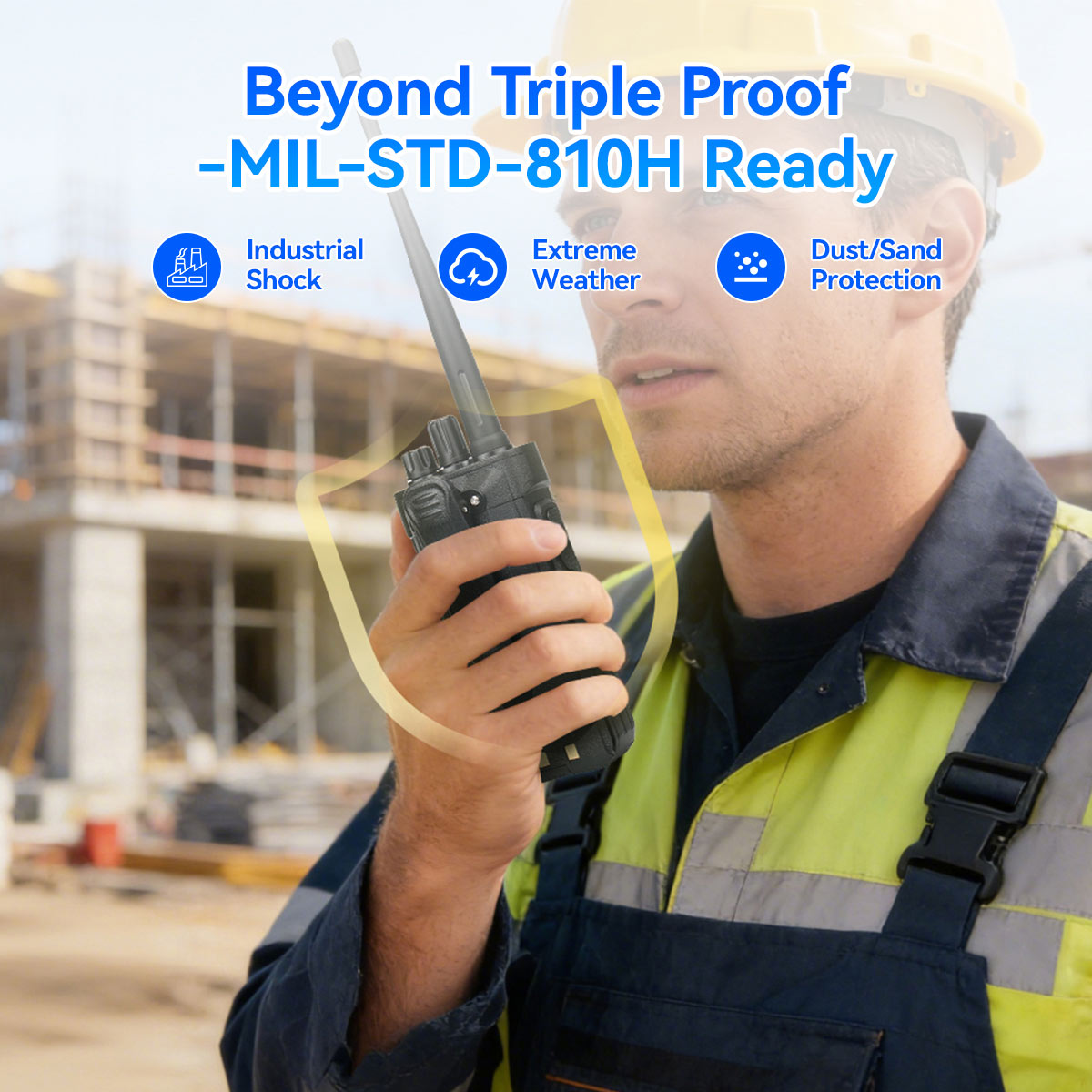
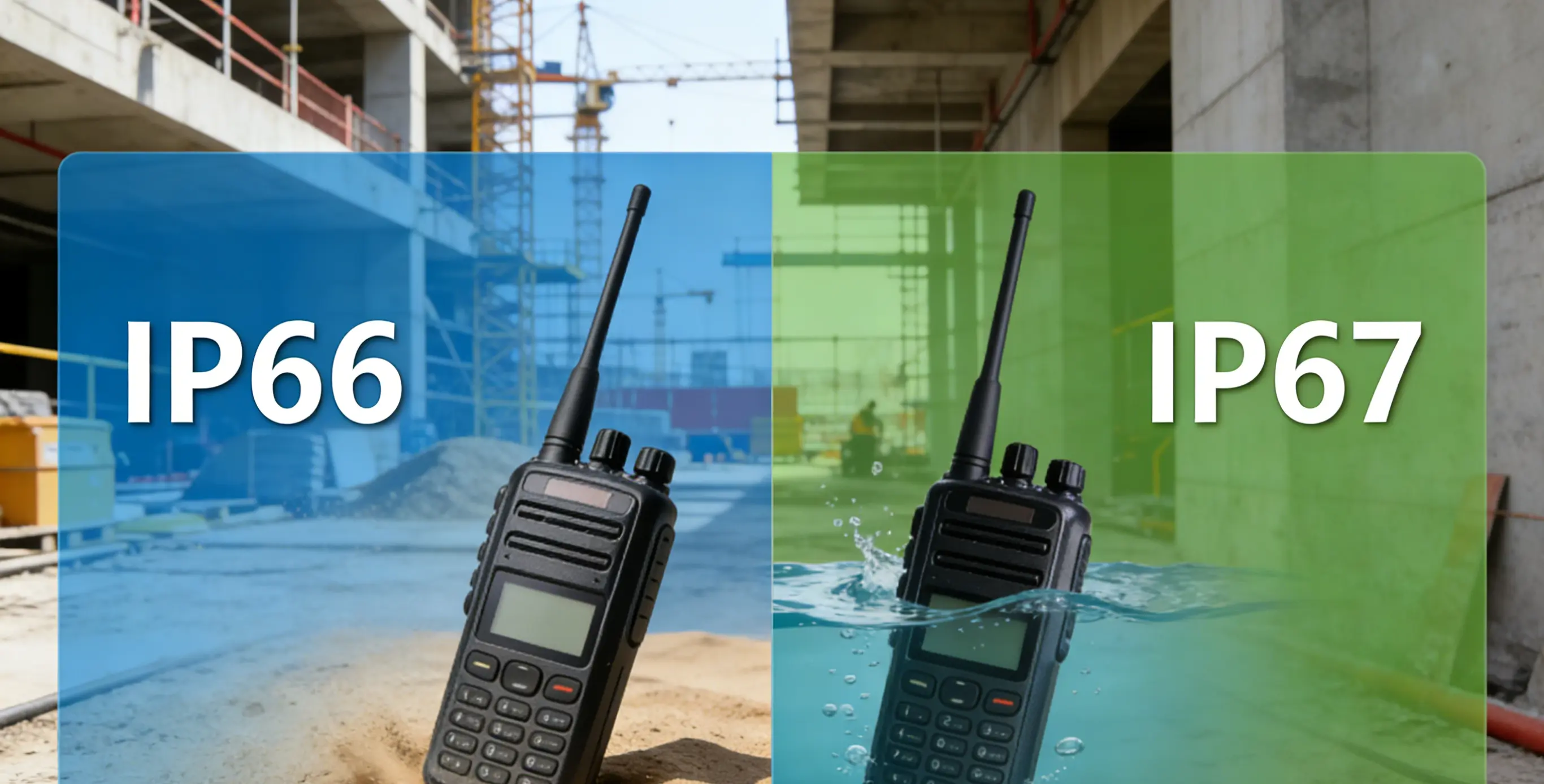
- Explosion-Proof & Rugged Design: The Rt29 has ATEX/IECEX certification for explosive and hazardous environments. It withstands flammable gases, dust, and harsh construction conditions. It meets IP68 waterproof and dustproof standards. It also meets MIL-STD-810G ruggedness requirements. The walkie talkie survives drops, shocks, and extreme temperatures from -10°C to +55°C. This makes it perfect for tough job sites.
- Comprehensive Safety Features: The Rt29 includes one-touch SOS, adjustable VOX, and man-down detection. It provides all the core functions workers need for lone worker protection. The lone worker mode sends an alarm if the walkie talkie detects no movement within a preset timeframe. This ensures proactive safety.
- Global Compliance: The Rt29 meets lone worker safety standards in Canada, the UK, Australia, and Singapore. It works as a versatile personal safety device for global workplaces. It also follows OSHA’s lone worker safety guidelines. Employers can stay compliant with safety policies while protecting their teams.
- All-Day Battery Life: The Rt29 has a long-lasting battery. It supports 24-hour shift operations. Lone workers stay connected and protected throughout their workday without frequent recharging.
Whether you need lone worker safety devices in Canada, the UK, or Australia, the Retevis Rt29 is a reliable personal safety device. It puts lone worker protection first while delivering the durability and functionality construction sites require.
FAQs: Two-Way Radios as a Personal Safety Device for Lone Worker Protection
Q1: Why is a two-way walkie talkie radio a better personal safety device than a lone worker safety app?
Lone worker safety apps rely on cellular or internet service, which is often unreliable on construction sites (due to poor signal or dead zones). Two-way radios use independent radio frequencies, ensuring communication and emergency alerts even in remote areas. They also integrate multiple safety features in one device, whereas apps require a smartphone (which is fragile and prone to battery drain)—making walkie talkies a more reliable personal safety device for lone worker protection.
Q2: Can two-way radios improve worker safety in all lone working scenarios?
Yes. Two-way radios are versatile and suited to all lone-work scenarios. These include construction sites, remote inspections, and industrial facilities. Their hands-free VOX feature is ideal for workers carrying tools or working at height, while one-touch SOS and man-down detection provide critical protection for workers in isolated areas. They also integrate with lone worker monitoring systems, ensuring continuous safety across all shifts.
Q3: Is the Retevis Rt29 compliant with lone worker safety standards in my region?
Absolutely. The Retevis Rt29 meets lone worker safety standards in Canada, the UK, Australia, Singapore, and Ireland. It also complies with OSHA’s lone worker safety guidelines, making it a compliant personal safety device for employers worldwide.
Its rugged design also meets safety standards for hazardous construction environments.
Q4: How does the VOX feature improve worker safety for lone workers?
The VOX feature enables hands-free communication. It lets lone workers keep both hands on tools, equipment, or safety rails.
This helps reduce the risk of falls or errors. It also eliminates the need to fumble with the radio, minimizing distractions and ensuring that workers can focus on their tasks while staying connected to their team. Adjustable sensitivity ensures clear communication even in noisy construction environments, preventing missed messages and improving coordination.
Choose the Right Personal Safety Device to Improve Worker Safety
Lone worker protection is essential. The right personal safety device can save lives. Two-way radios do more than connect teams. They act as the core personal safety device for lone workers. They address key safety risks, enable instant emergency response, and improve worker safety in every situation.
Choosing a high-quality two-way radio, like the Retevis Rt29, means investing in a reliable and feature-rich safety device. It prioritizes lone worker protection. Its explosion-proof design, comprehensive safety features, and global compliance make it the best choice for construction sites and lone workers worldwide.
Don’t leave lone workers at risk. Choose a two-way radio that improves safety and provides peace of mind. Choose the Retevis Rt29 and turn “working alone” into “working safely every day.”



 Google
 Amazon
Comments
No data Yet