

Table of Contents
How to Plan a Two-Way Radio System Without a Full RF Survey
- Posted by:Retevis
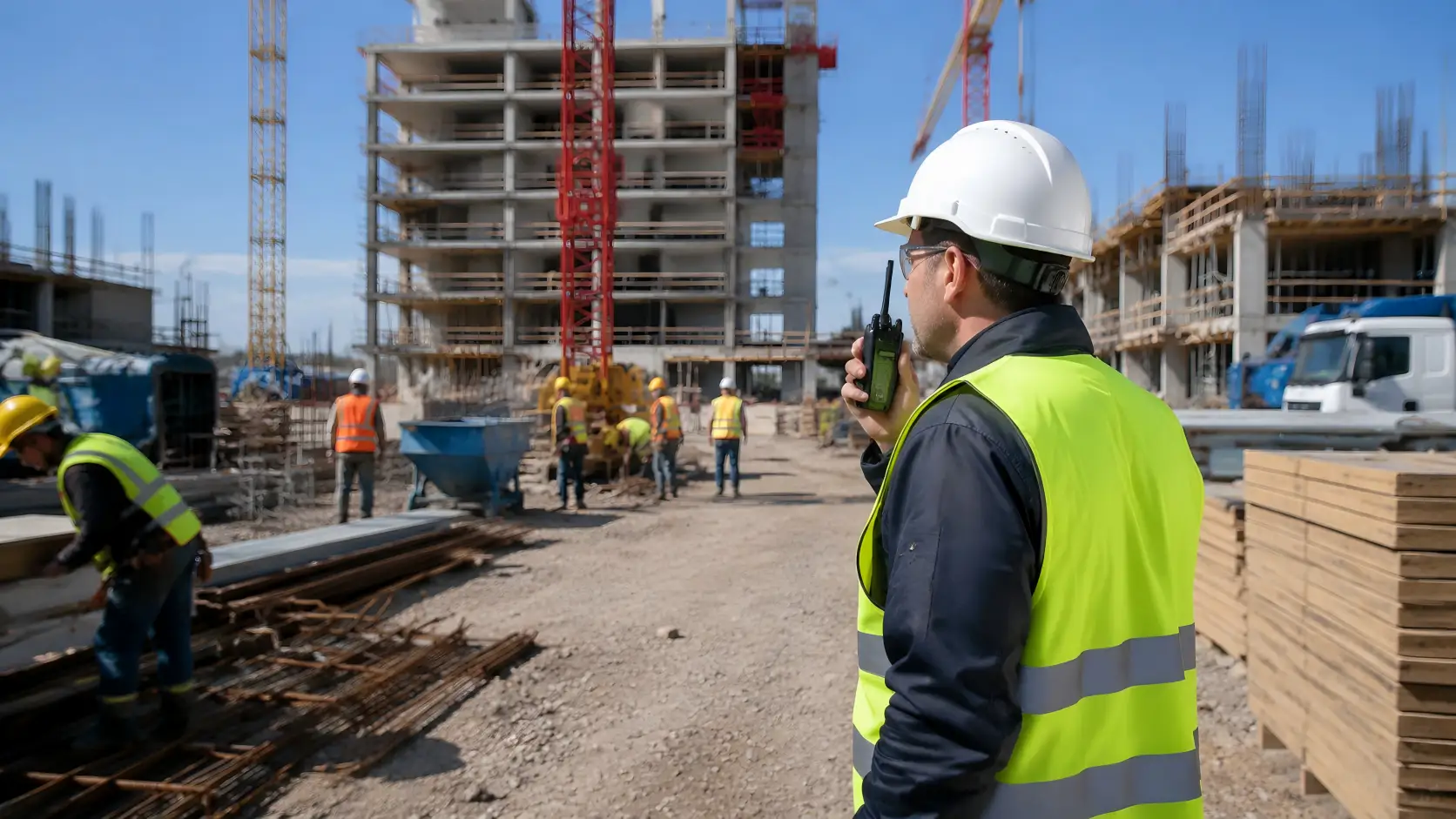
A full RF survey is one of the most accurate ways to design a professional two-way radio system. It helps identify signal conditions, potential interference and the best locations for repeaters and antennas.
However, many projects cannot complete a full RF survey before deployment. Construction schedules, facility access limitations and fast project timelines may require an initial communication plan before detailed testing is possible.
In these situations, a structured planning approach can help create a reliable starting point.
By using facility drawings, operational requirements and a focused radio coverage test after installation, teams can develop an effective two-way radio system design without delaying project progress.
Start With Communication Requirements
Before selecting radios or repeaters, understand how the communication system will be used.
Key factors include:
- Number of radio users
- Work groups and communication channels
- Indoor and outdoor coverage areas
- Critical communication locations
- Shift schedules
- Need for hands-free accessories
For example, a construction communication system may require separate channels for supervisors, safety teams, equipment operators and field workers.
Understanding user needs helps determine whether a basic handheld radio solution is enough or if a radio repeater system is required.
Use Available Information Before an RF Survey
When a full RF survey is not available, begin with existing project information.
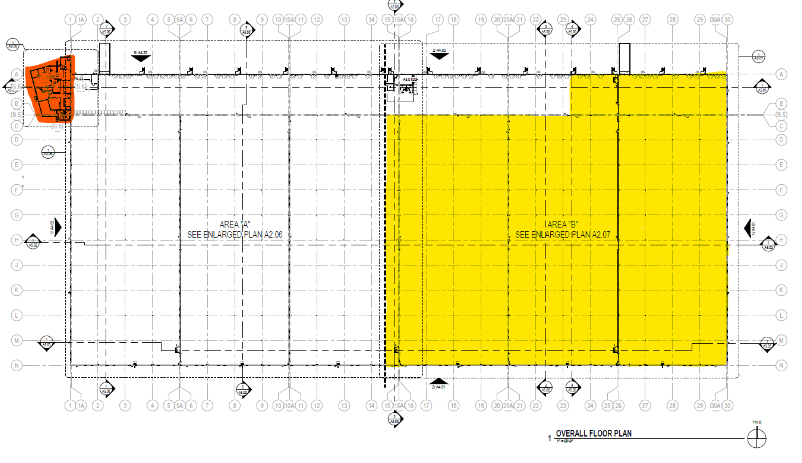
Useful materials include:
- Site plans
- Floor plans
- Building sections
- Elevation drawings
- Construction materials
- Equipment locations
- User work areas
- Potential antenna locations
These documents help identify the communication environment before installation.
For large facilities such as industrial plants, warehouses and construction sites, drawings can reveal important details about building structure, coverage zones and possible RF challenges.
However, drawing-based planning should be considered a starting point, not a replacement for real-world radio coverage testing.
Identify Coverage Areas and RF Challenges
Divide the facility into communication zones based on daily operations.
Typical areas include:
- Production areas
- Control rooms
- Equipment rooms
- Storage areas
- Underground spaces
- Multiple floors
- Outdoor work areas
During planning, identify potential obstacles that may affect radio signals, including:
- Reinforced concrete structures
- Steel frameworks
- Large machinery
- Metal equipment
- Fire-rated walls
- Dense building materials
These conditions do not always create coverage problems, but they indicate where additional attention is needed during testing.
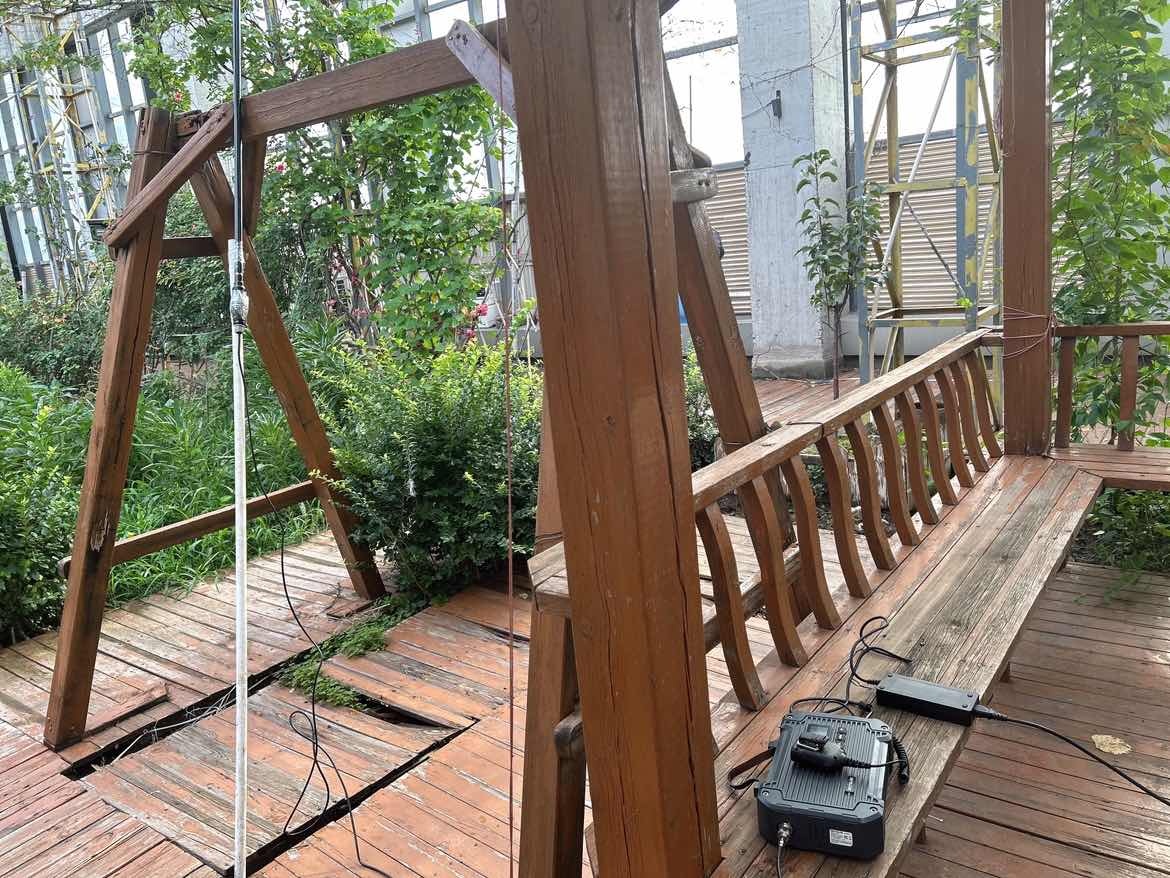
Plan Repeater and Antenna Locations
Large facilities often require a repeater-based radio system to improve coverage.
When selecting potential repeater and antenna locations, consider:
- Coverage requirements
- Antenna height
- Power availability
- Equipment protection
- Cable routing
- Feedline length
- Maintenance access
The goal is to create a practical initial design that can be verified after installation.
A well-planned antenna location can significantly improve radio coverage across large buildings and complex environments.
Build the Initial Two-Way Radio System
Based on user requirements and site conditions, an industrial two-way radio system may include:
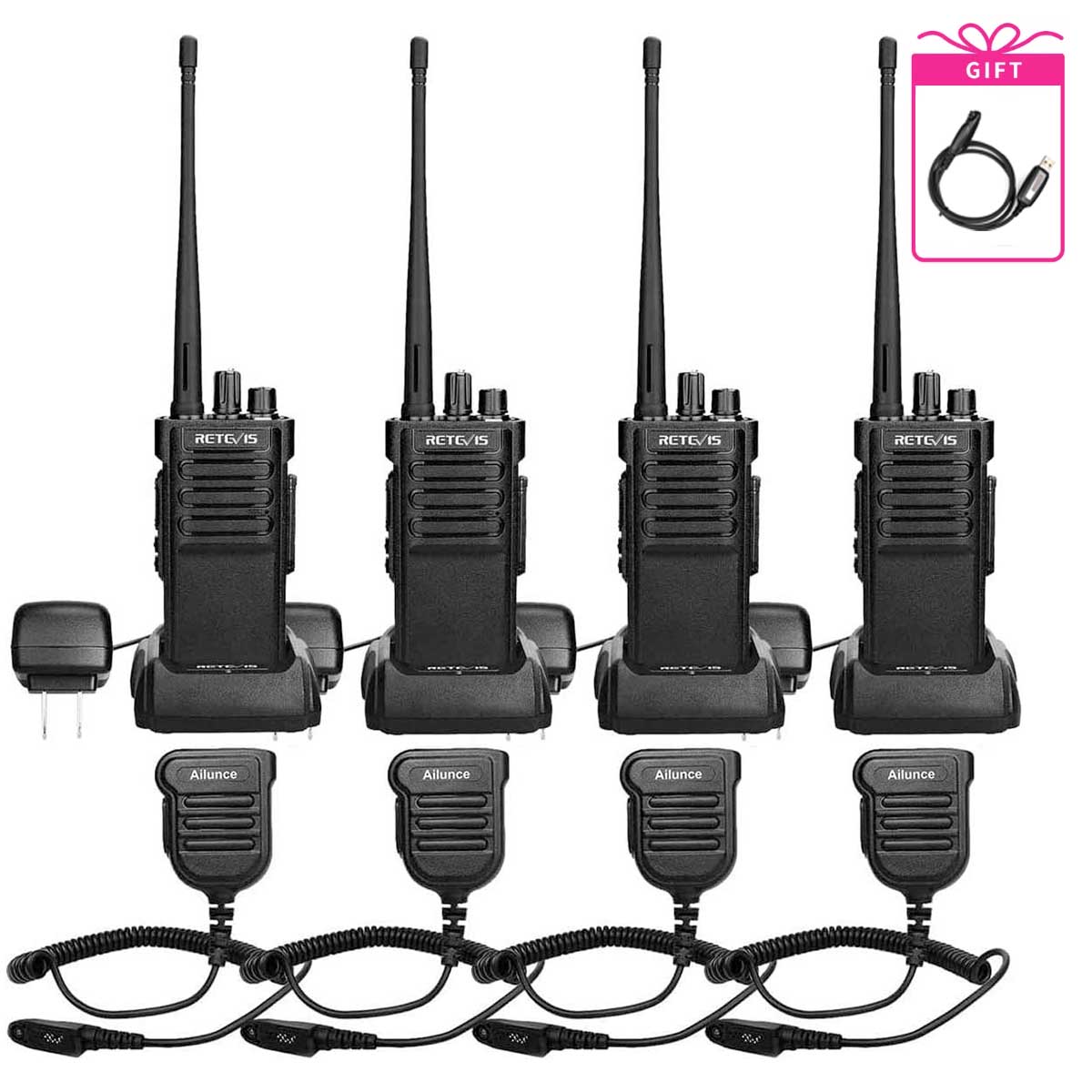
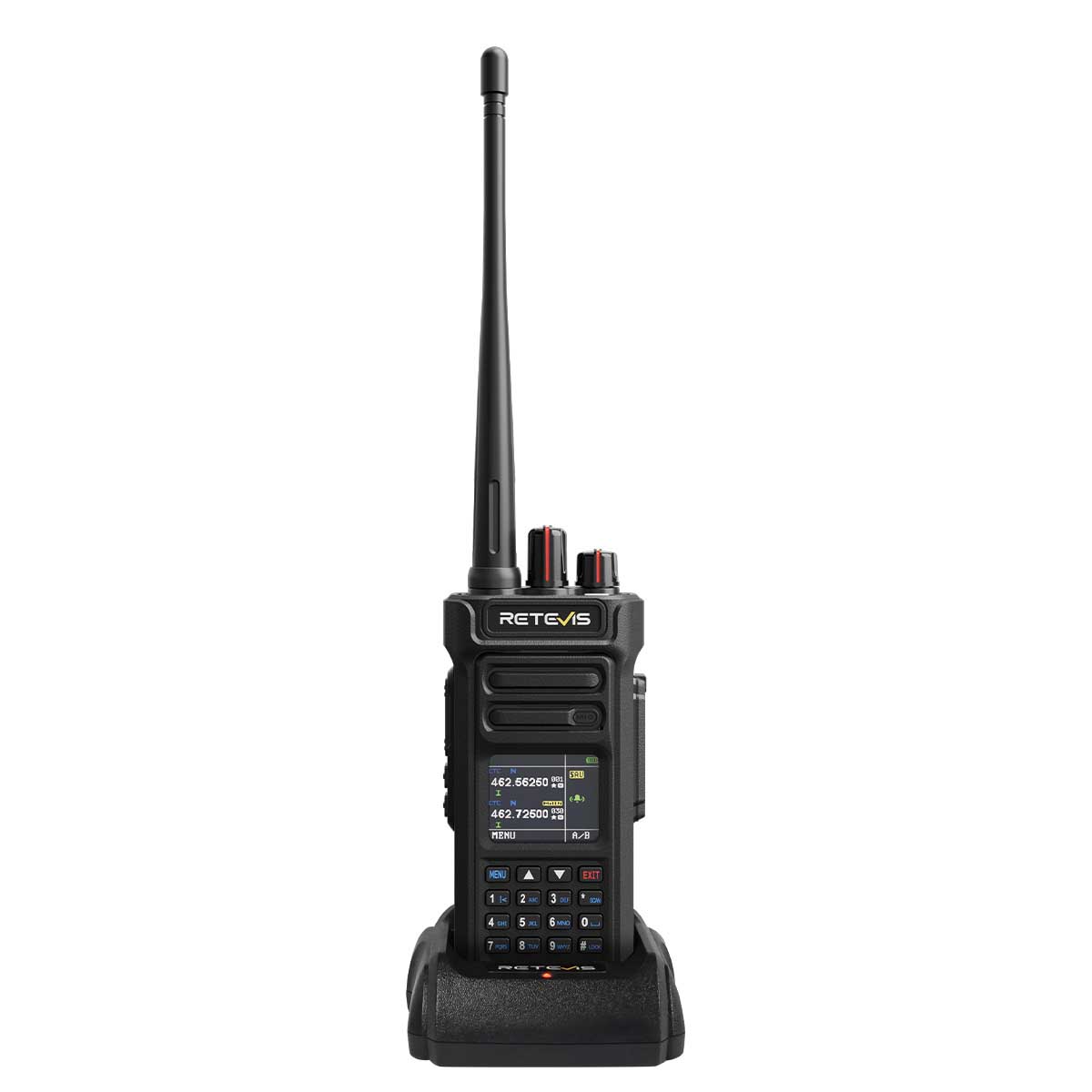
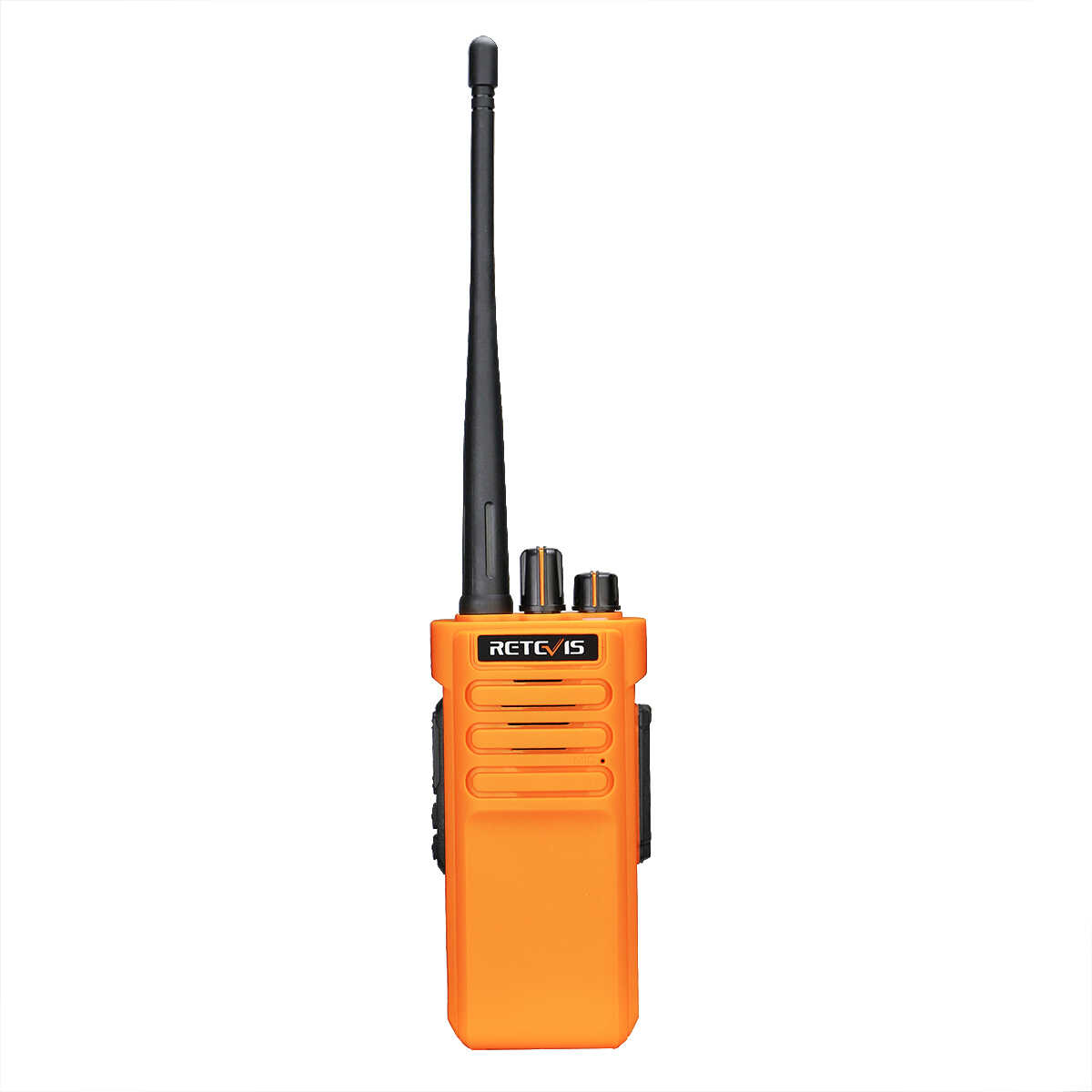
Handheld Radios
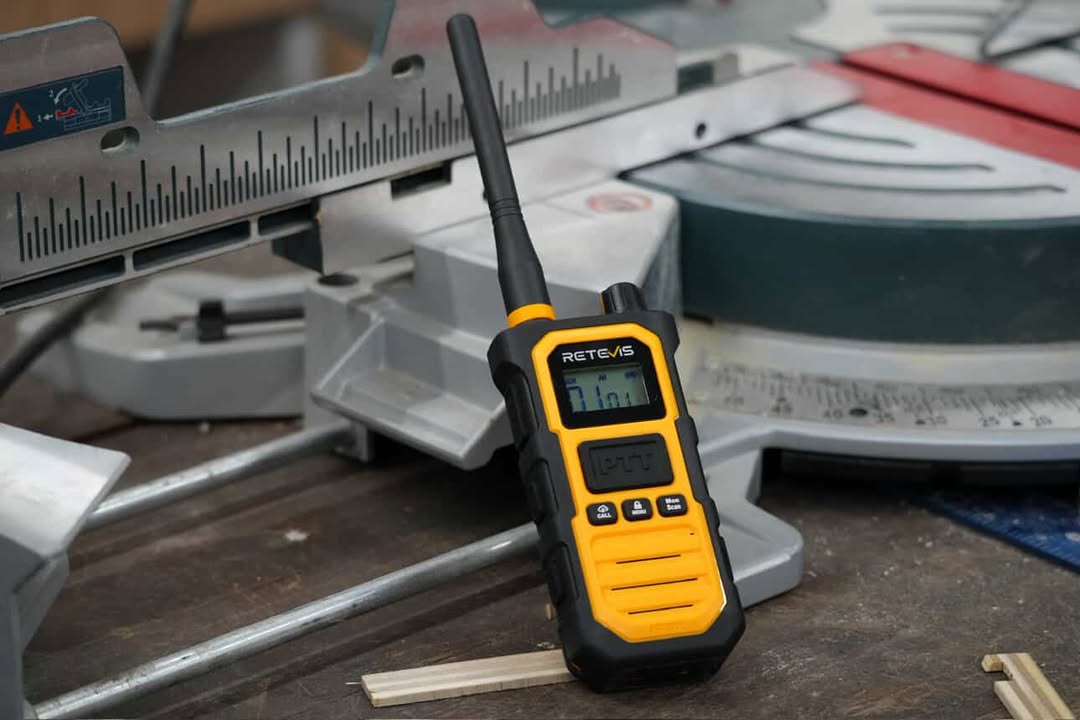
Portable radios support communication between field teams, supervisors and mobile workers.
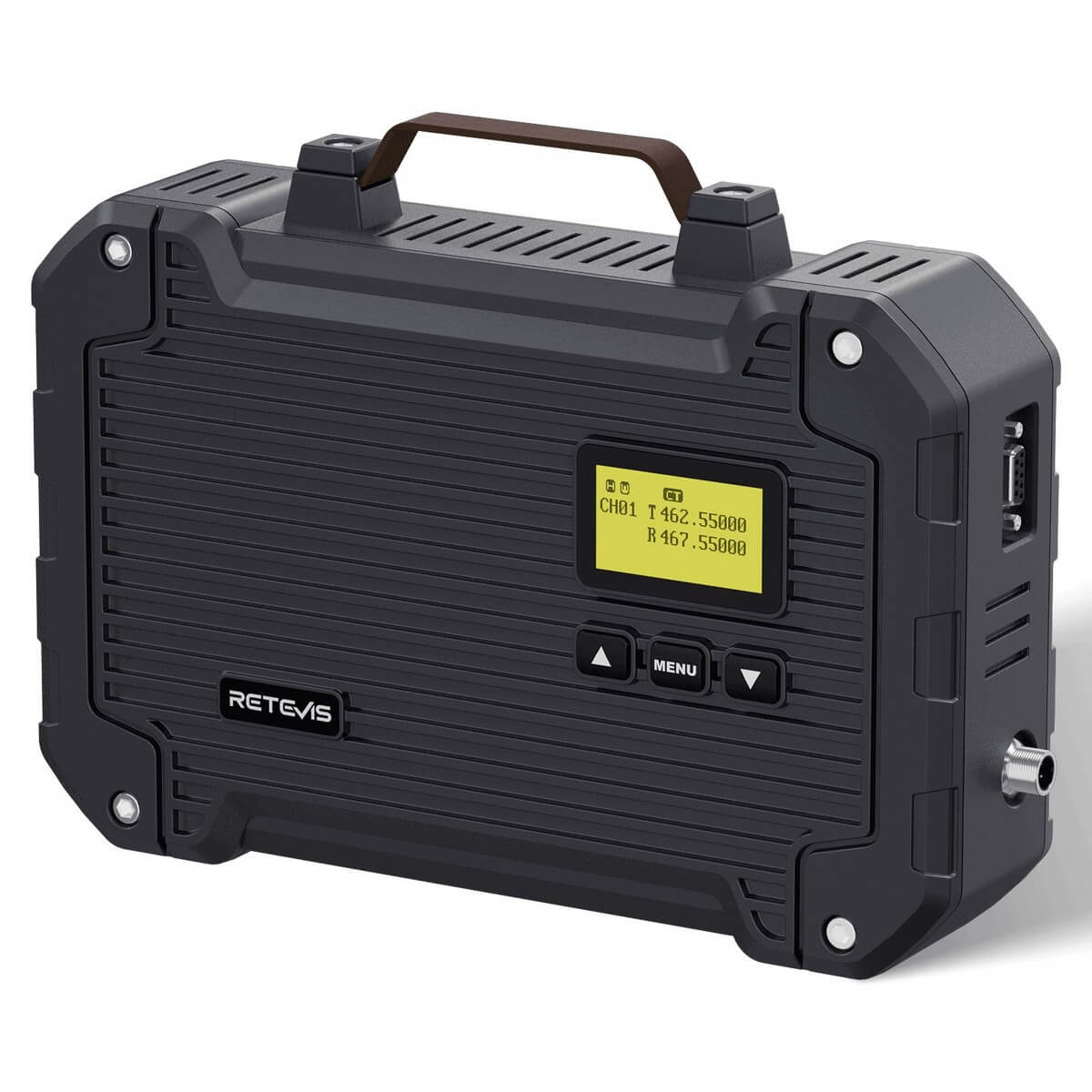
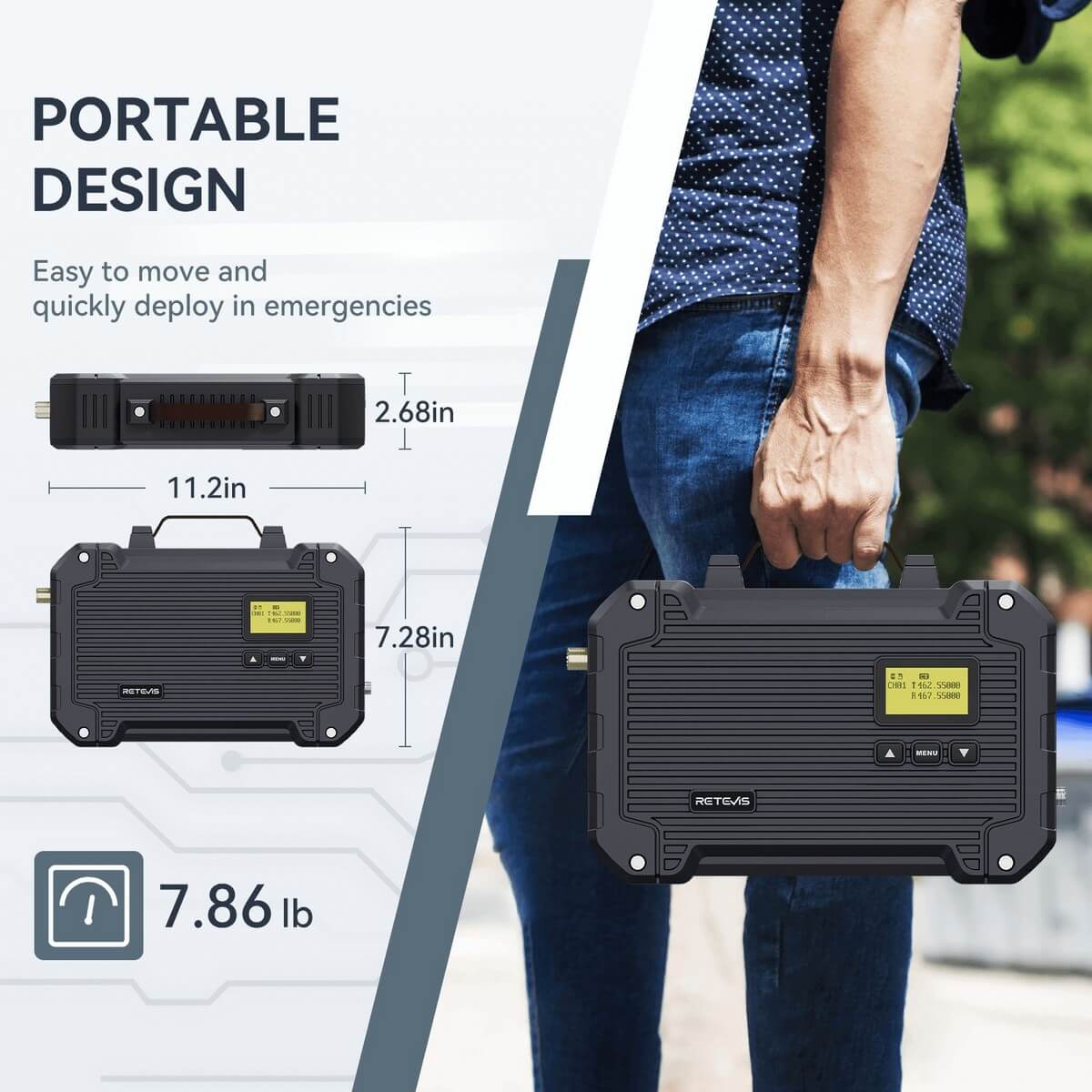
Repeaters
A repeater extends communication range and helps maintain connectivity across large facilities, multiple floors and challenging areas.
Communication Channels
Proper channel planning helps separate teams and reduce unnecessary radio traffic.
Accessories and Battery Management
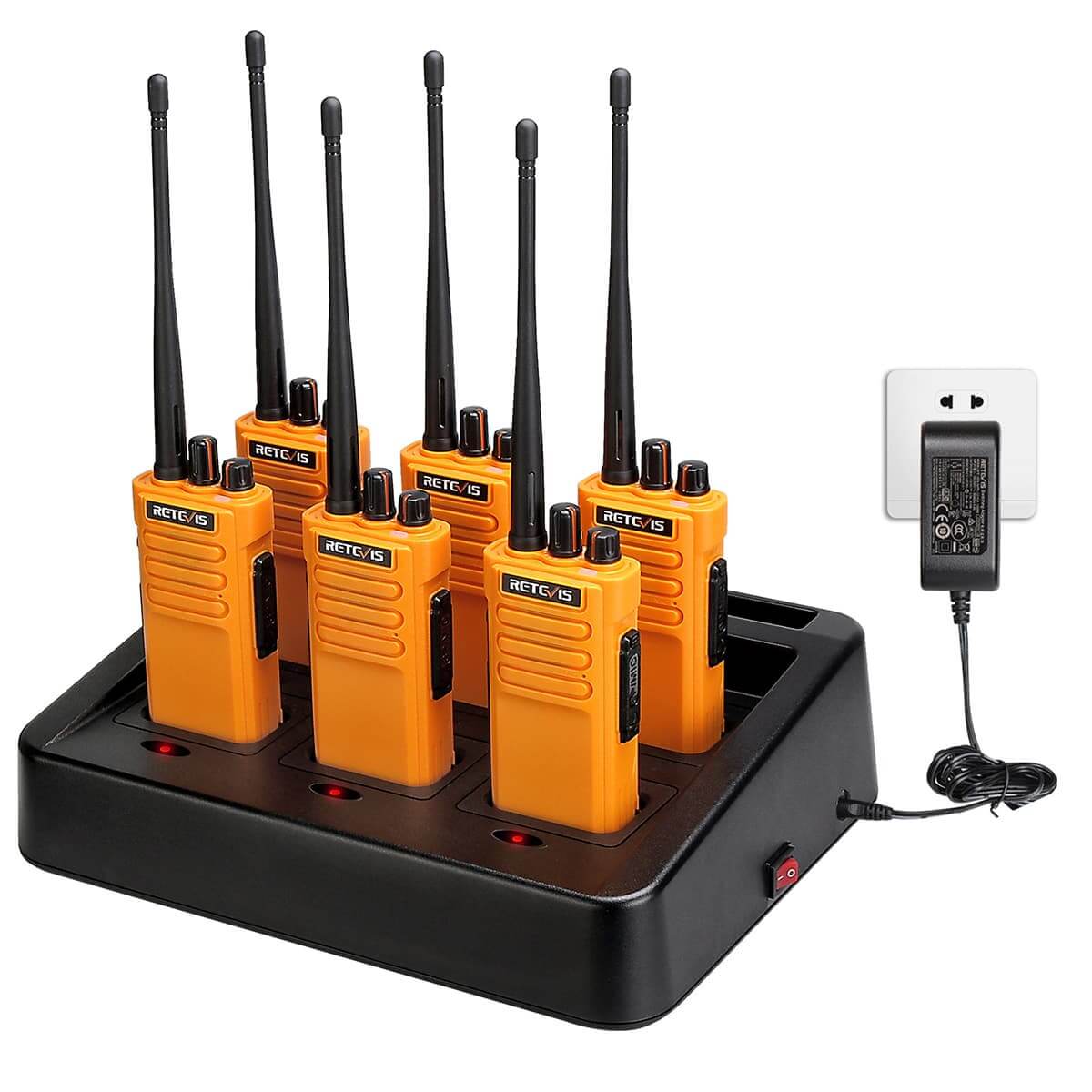
Speaker microphones, headsets, spare batteries and multi-unit chargers support efficient communication during long shifts.
Perform a Focused Radio Coverage Test
After installation, perform a practical radio coverage testing process.
Testing should focus on:
- Critical operational areas
- Locations with possible RF obstacles
- Different floors and vertical areas
- Equipment-heavy zones
- Outdoor working areas
The most important measurement is not only whether a signal exists, but whether users can communicate clearly.
Voice quality, reliability and usability are key indicators of system performance.
How to Improve Coverage After Testing
If testing identifies coverage gaps, the system may not need complete replacement.
Possible improvements include:
- Adjusting antenna placement
- Optimizing repeater installation
- Reducing unnecessary cable loss
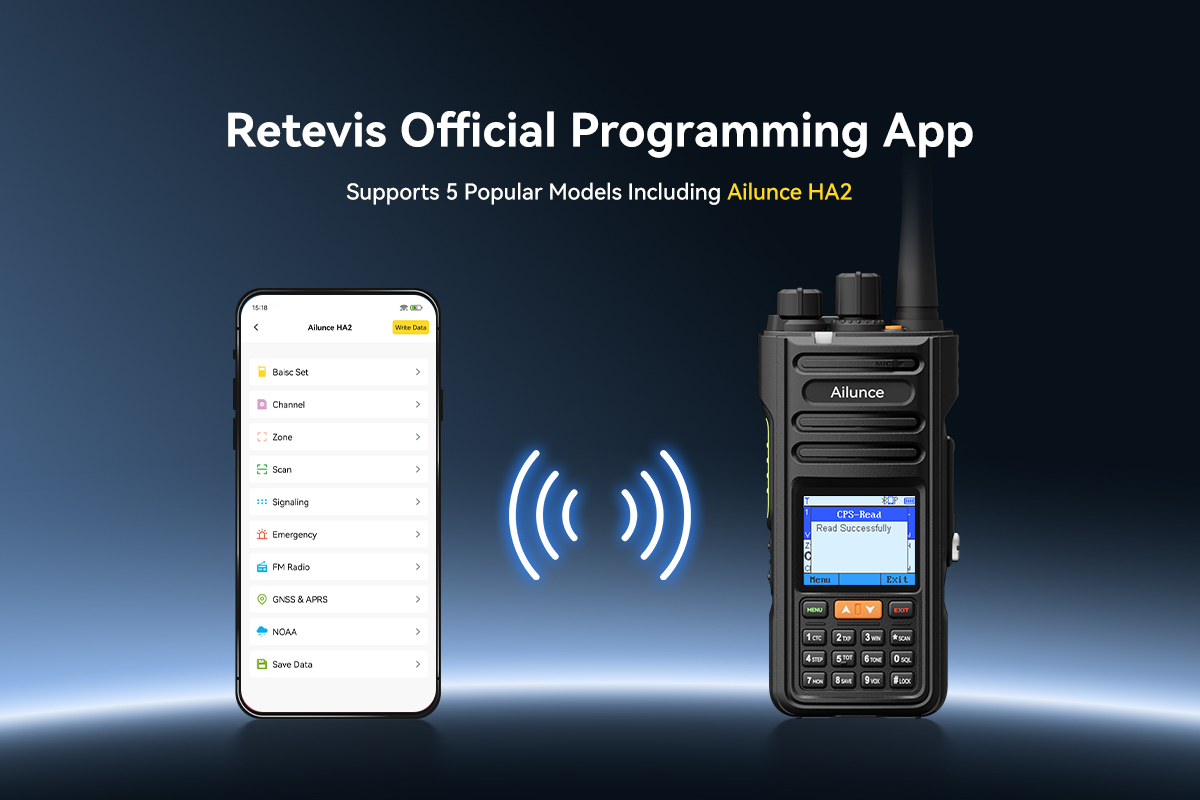
- Updating system configuration
- Adding communication infrastructure
The correct solution depends on the cause of the coverage issue.
Detailed test records, including location, radio configuration and voice performance, help identify targeted improvements.
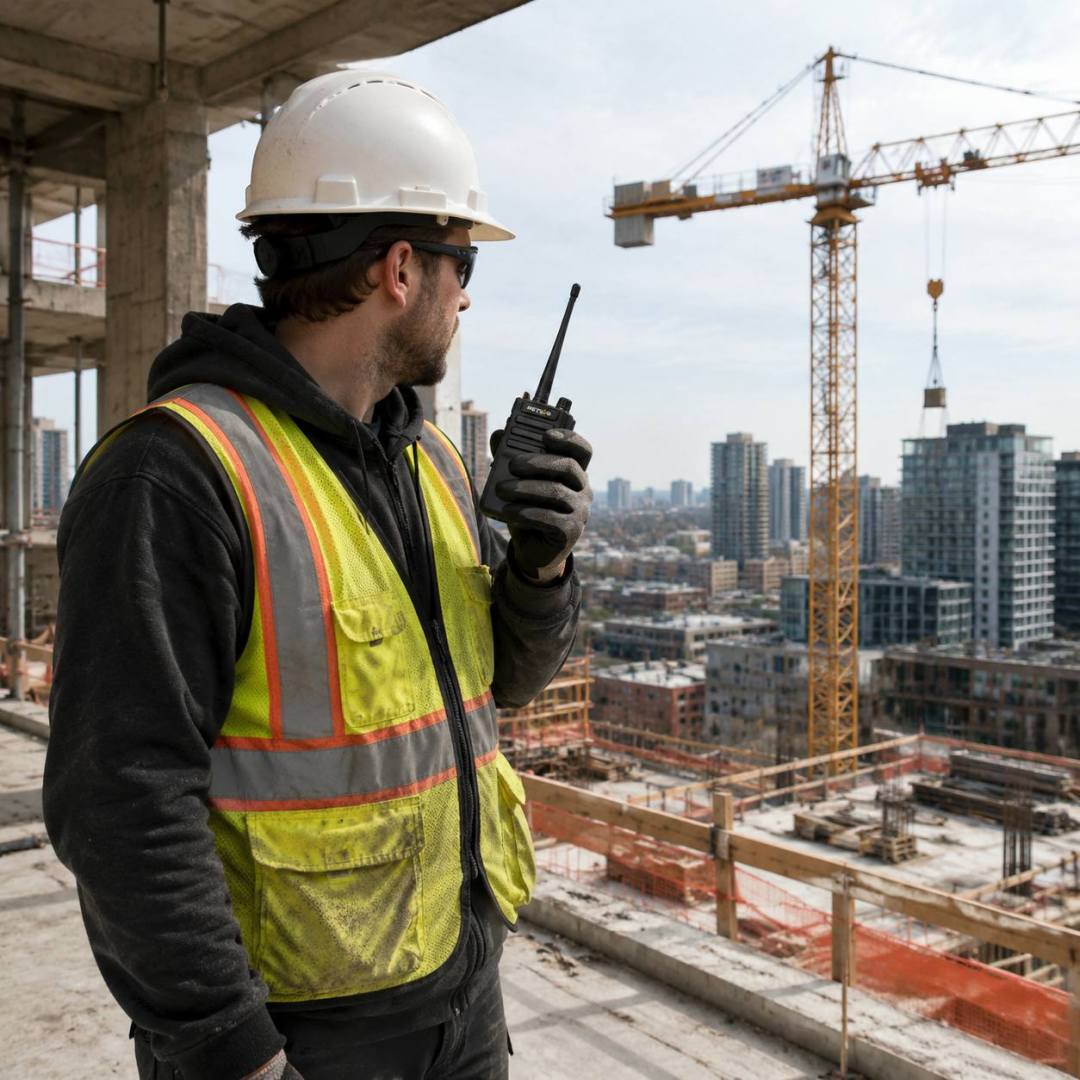
RF Planning Is a Continuous Process
A reliable two-way radio system is not created by simply choosing a radio with a maximum range specification.
Effective radio coverage planning requires understanding:
- Where people work
- How teams communicate
- What affects radio signals
- Where antennas can be installed
- How the system performs in real conditions
A practical workflow is:
Plan → Install → Test → Optimize
When a full RF survey is not practical before purchase, this approach helps project teams create a realistic communication solution while maintaining reliability.
FAQ
Can you design a two-way radio system without an RF survey?
Yes. An initial design can be developed using building information, user requirements and expected coverage areas. However, radio coverage testing after installation is recommended to confirm actual performance.
When is a radio repeater system needed?
A repeater system is commonly used for large buildings, multi-floor facilities, industrial sites or areas where direct radio communication cannot provide sufficient coverage.
What information is needed for two-way radio coverage planning?
Important information includes building layout, construction materials, user locations, communication needs, equipment areas and possible antenna installation points.



 Google
 Amazon
Comments
No data Yet