


Table of Contents
Expanded Guide: Farm Radio Communication, Rt97l Repeaters Kits, and Reliable Field Connectivity
- Posted by:Retevis

Agriculture today is no longer defined only by soil, seeds, and seasons—it’s also defined by connectivity. In large-scale farming operations, communication infrastructure has become just as critical as tractors, irrigation systems, and field management tools.
When you’re working across hundreds or even thousands of acres, traditional communication methods like shouting across fields or relying on unstable mobile networks are no longer viable.
This is where radio repeater systems communication become essential. They form a reliable communication backbone that keeps workers connected, equipment coordinated, and emergency response immediate—even in remote areas without cellular coverage.
Why Farm Communication Is Essential in Modern Agriculture
On a working farm, communication directly impacts productivity and safety.
Consider daily operations:
- Tractor operators require real-time instructions for field navigation
- Irrigation teams must react quickly to system changes or failures
- Harvest crews coordinate timing across multiple zones
- Livestock handlers manage movement and animal safety
- Supervisors oversee operations across dispersed locations
Without reliable communication, delays accumulate quickly. In agriculture, delays often translate into wasted resources, reduced efficiency, and increased operational risk.
For this reason, many agricultural operations are transitioning away from mobile phones and adopting dedicated radio systems.
Why Farm Radio Communication Works Better Than Mobile Networks
Unlike cellular systems that depend on external infrastructure, farm radio communication is built on direct wireless transmission.
Key advantages include:
- No recurring monthly service fees
- No dependency on cellular coverage or internet access
- Instant push-to-talk communication
- Rugged hardware designed for field conditions
In effect, it creates a private communication network that spans the entire farm.
However, as farm size increases, standard handheld radios begin to reach their limits. Terrain variations, buildings, equipment, and distance all contribute to signal degradation.
This is where repeaters become critical.

Understanding Radio Relay Communication and Repeaters
What is radio relay communication?
Radio relay communication is the process of receiving a radio signal and retransmitting it to extend its range. Instead of direct device-to-device transmission, communication is routed through an intermediate relay point.
What is a radio repeater?
A radio repeater is the device that enables this process.
It works by:
- Receiving weak incoming signals
- Amplifying them
- Retransmitting them over a much larger coverage area
Think of it as a structured communication amplifier that extends signal reach across fields, buildings, and terrain obstacles.
Why Repeaters Improve Farm Operations
Large farms often experience “dead zones” where communication becomes weak or unreliable. A repeater eliminates these gaps and stabilizes the network.
1. Expanded Coverage Across Large Areas
Repeaters connect distant fields, barns, storage areas, and operational zones into a single communication network.
2. Improved Safety Response
Instant communication reduces delays during accidents, equipment failures, or emergencies.
3. Real-Time Operational Coordination
Time-sensitive tasks such as planting, spraying, irrigation, and harvesting require precise coordination that repeaters support effectively.
4. Reduced Communication Failures
Signal dropouts caused by terrain or distance are significantly minimized.
5. Long-Term Cost Efficiency
Unlike cellular systems, repeaters require a one-time investment without recurring subscription costs.
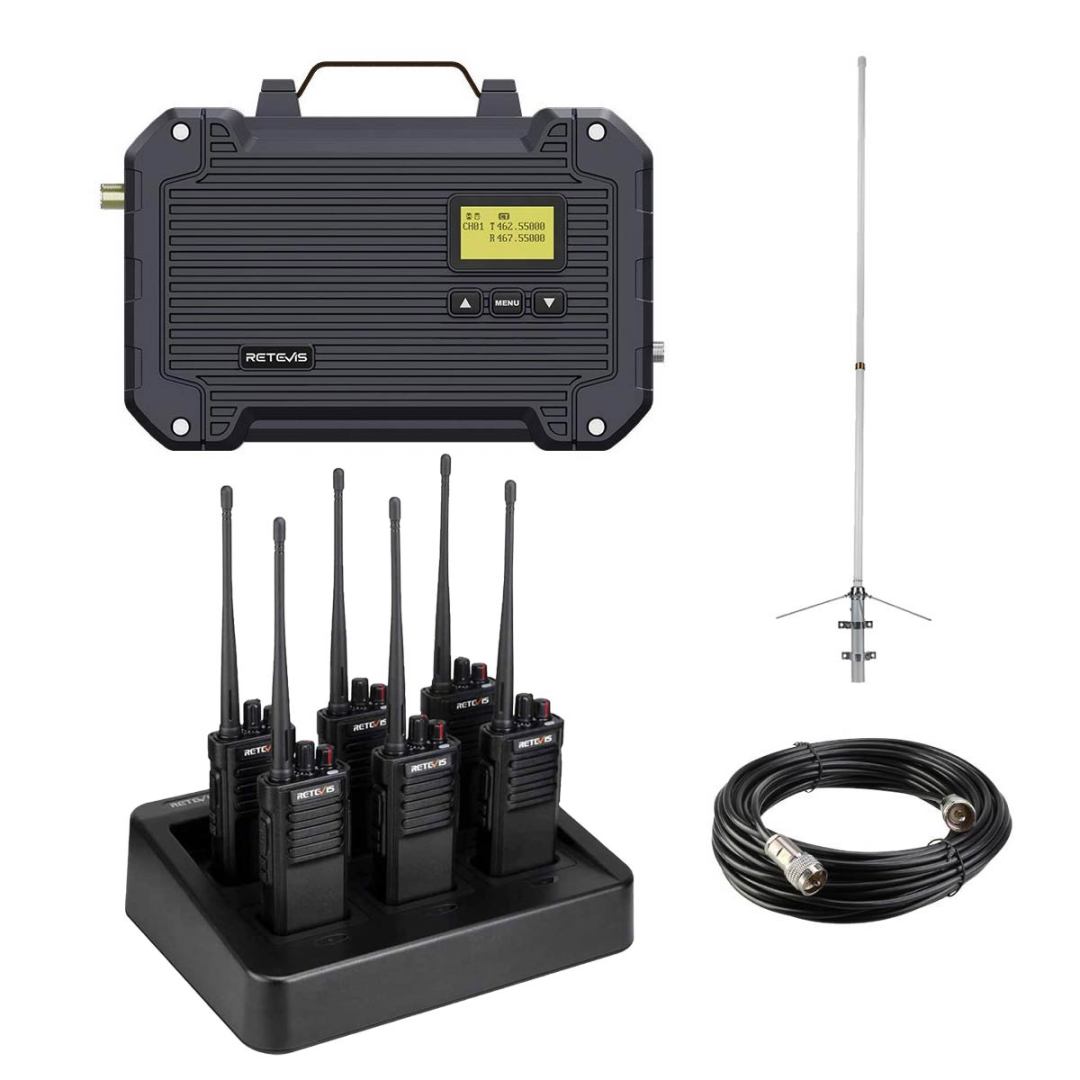
Spotlight: RT97L 25W Repeater for Agricultural Use
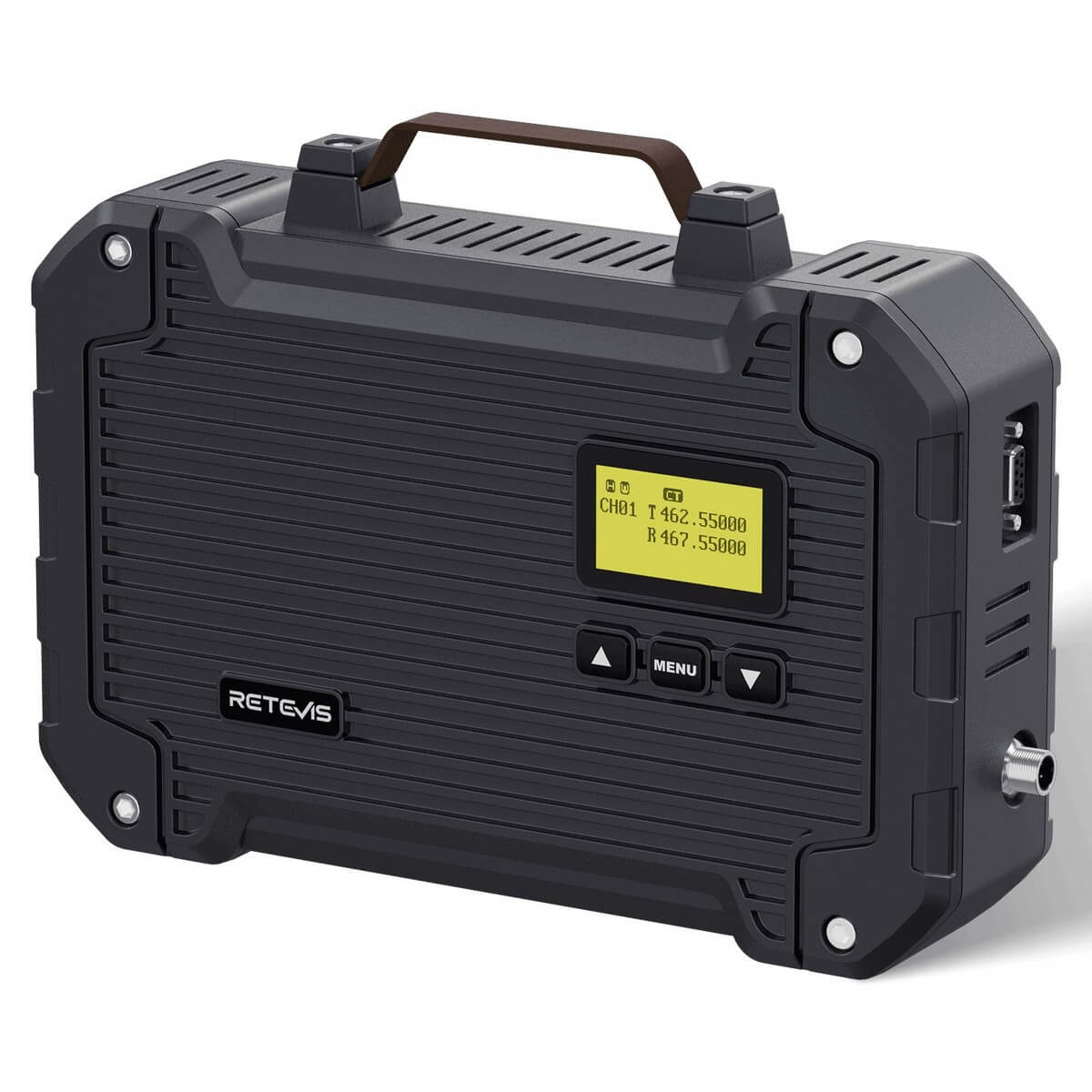
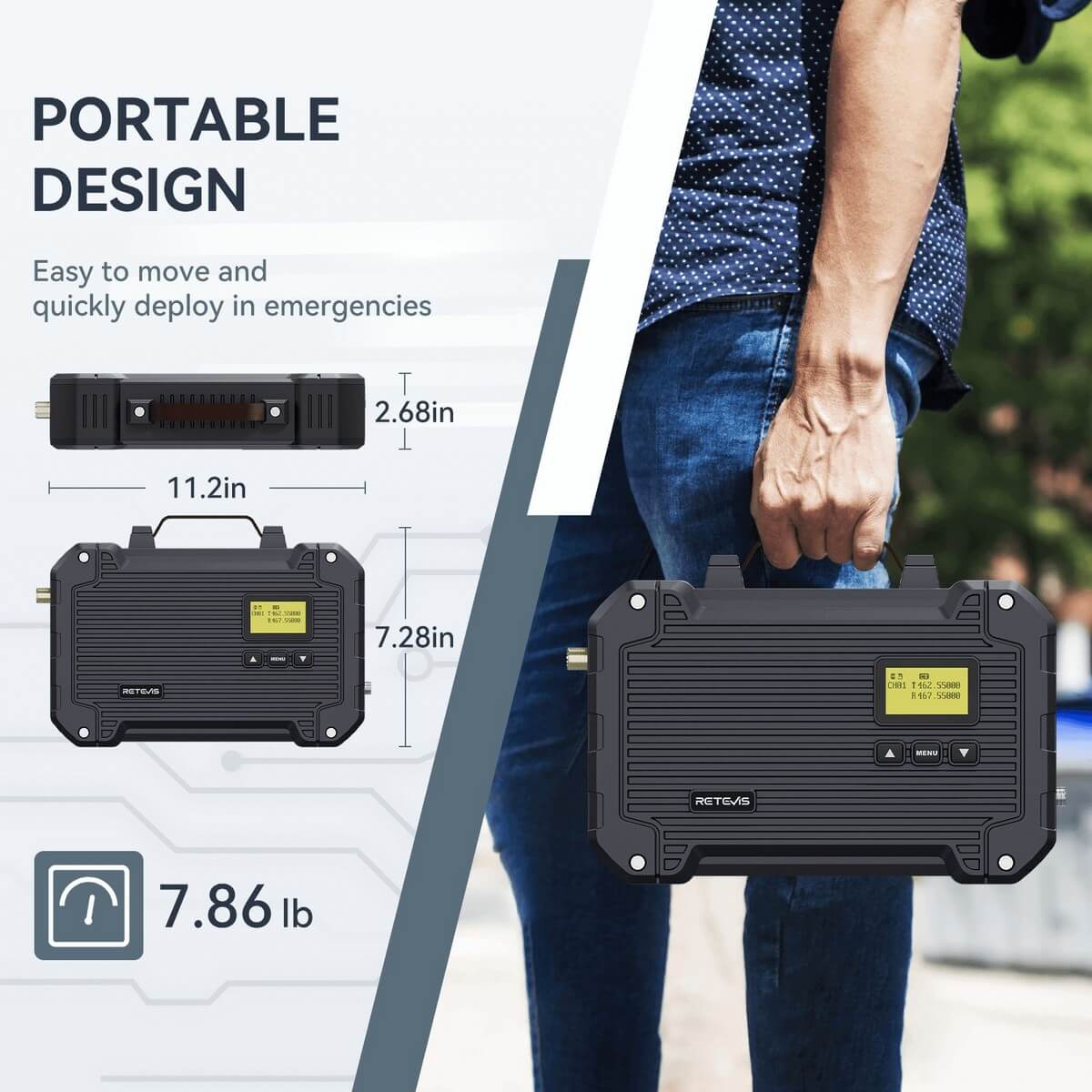
One of the most effective solutions for farm communication is the Retevis RT97L 25W repeater, designed specifically for demanding outdoor environments.
Key features:
- 25W high-power output for extended coverage
- IP66-rated waterproof and dustproof protection
- Stable performance in remote and rural environments
- Suitable for large-scale field operations
- Simple installation and configuration
In real agricultural conditions—where dust, vibration, heat, and weather exposure are constant—the RT97L is engineered to maintain stable performance.
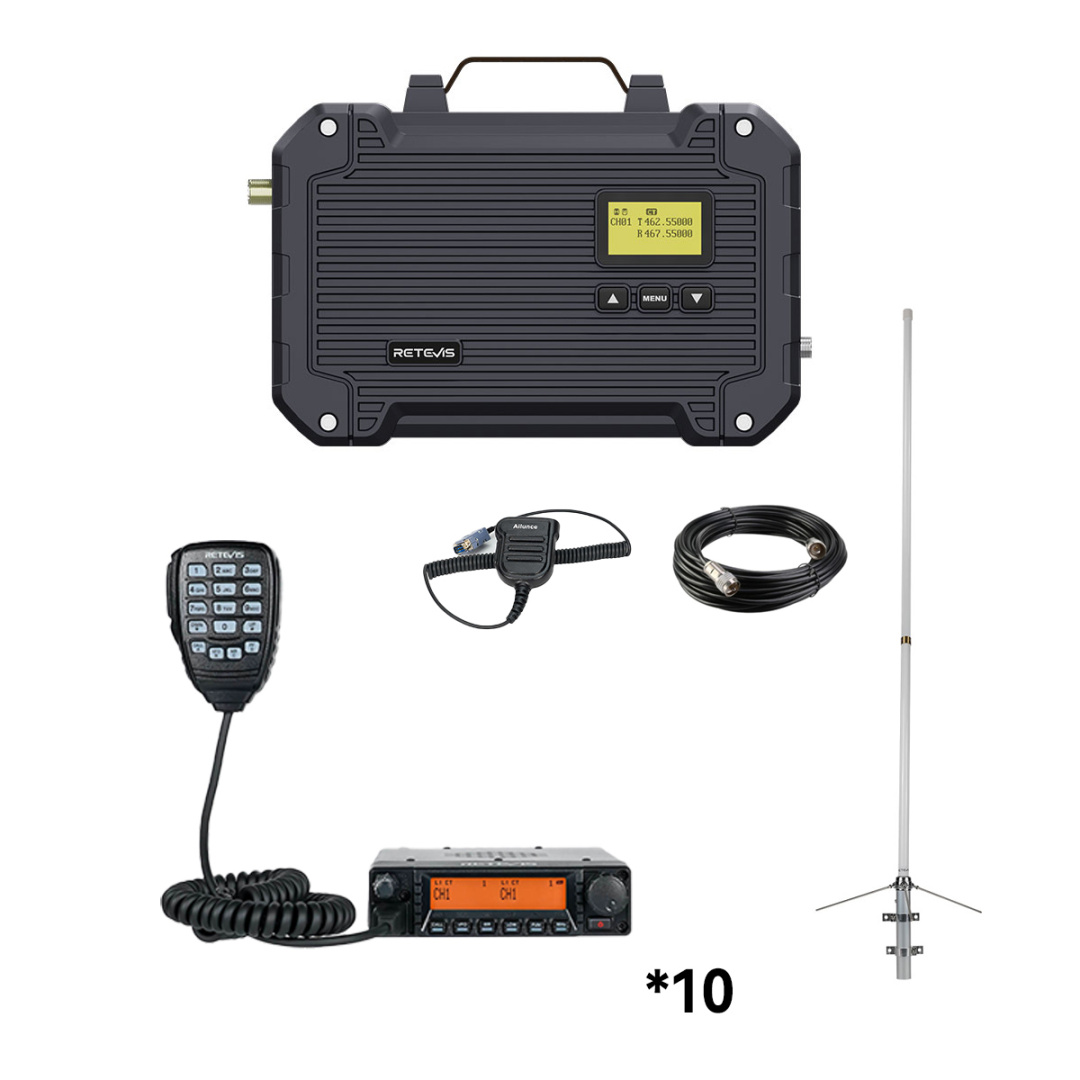
RA87 Mobile Radios: Vehicle-Based Communication Support
The Retevis RA87 mobile radios complement repeater systems by providing high-power vehicle-mounted communication.
Key advantages:
- Strong transmission power for long-range communication
- Vehicle installation for tractors, trucks, and harvesters
- Clear audio in noisy machinery environments
- Durable design for rugged field use
When integrated with the RT97L repeater, RA87 radios help form a continuous farm-wide communication network.
RT29 Handheld Radios: Flexible Field Communication
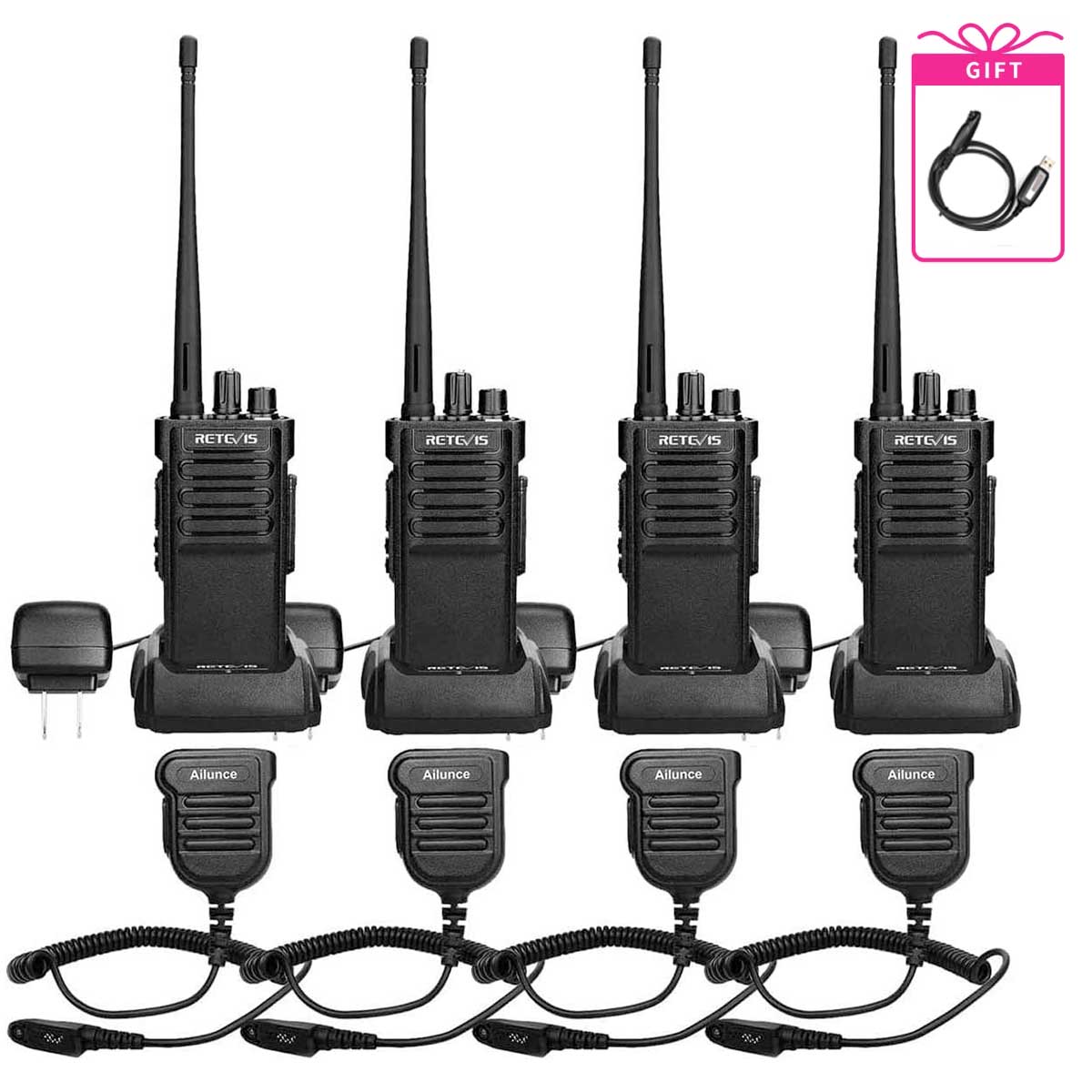
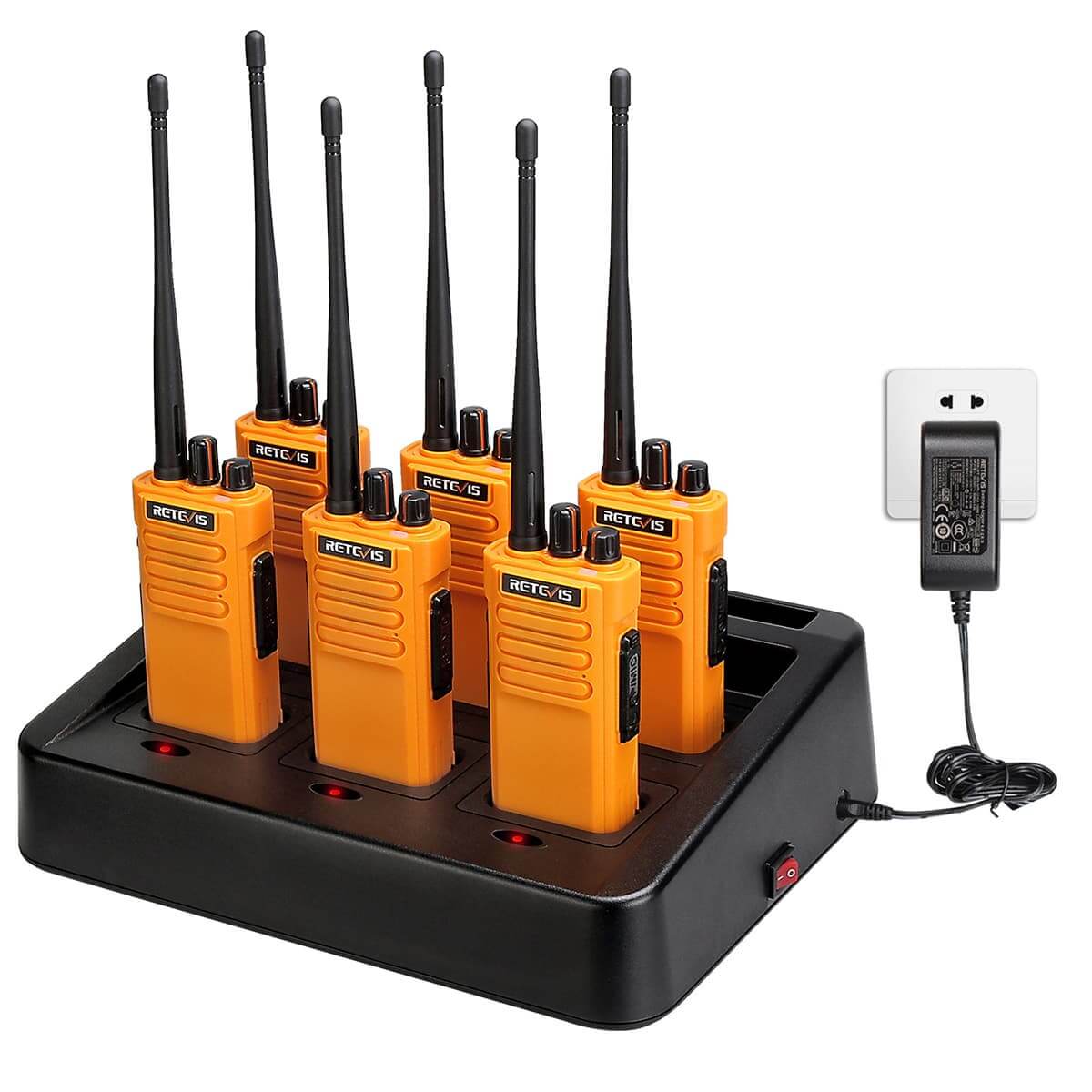
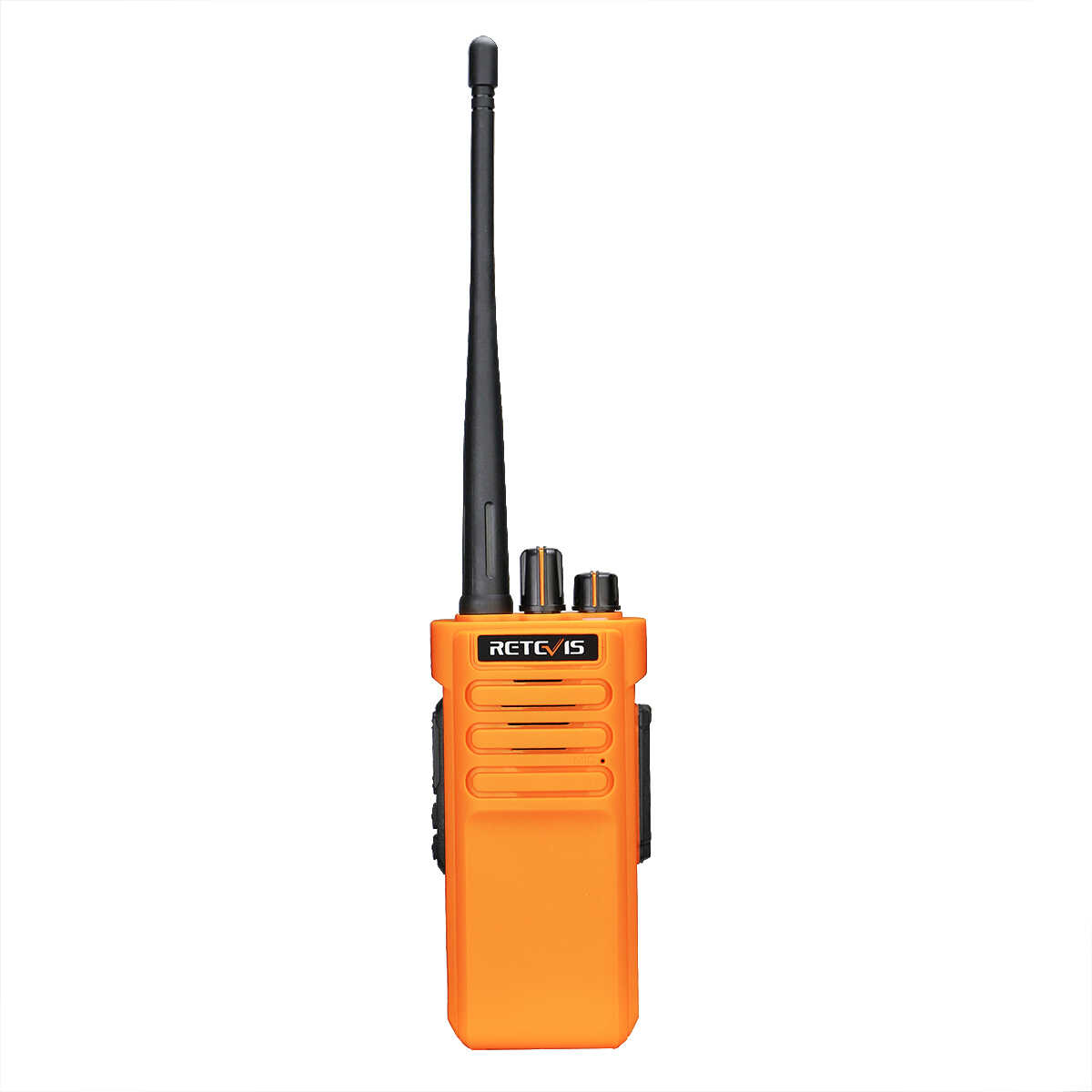
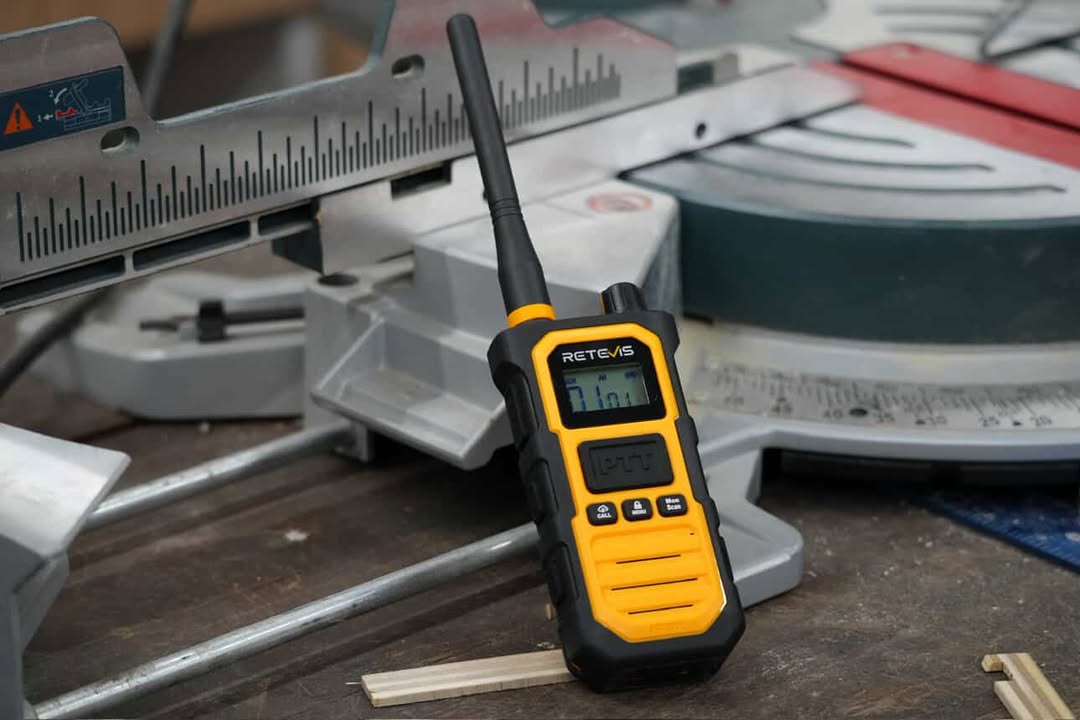
For workers operating on foot, handheld radios remain essential. The Retevis RT29 long-range radios provide mobility and reliability in field conditions.
Benefits include:
- Lightweight and portable design
- Extended range when used with repeaters
- Simple push-to-talk operation
- Durable construction for outdoor environments
- Easy usability for all staff levels
How Repeaters Transform Real Farm Operations
On a large farm with multiple operational zones—fields, barns, irrigation systems, and machinery—communication fragmentation is common without infrastructure support.
Without repeaters:
- Messages fail across distances
- Signal loss occurs near obstacles
- Coordination delays increase
With repeaters:
- Communication becomes instant and continuous
- Coverage becomes unified across the entire farm
- Operational coordination becomes predictable and efficient
Cost Efficiency of Radio-Based Farm Communication
One of the strongest advantages of radio systems is cost structure.
Unlike mobile communication solutions:
- No monthly service fees
- No SIM cards or subscriptions
- No external network dependency
A repeater system represents a long-term infrastructure investment with sustained operational value.
Safety Improvements in Agricultural Environments
Reliable communication directly improves operational safety:
- Faster emergency reporting
- Immediate hazard alerts
- Real-time equipment coordination
- Improved weather response communication
In environments involving heavy machinery and variable terrain, communication speed is a critical safety factor.
Operational Efficiency Gains
When communication is stable, farm efficiency improves across multiple dimensions:
- Faster harvesting cycles
- More precise irrigation management
- Reduced downtime
- Improved workforce coordination
- Lower fuel and labor inefficiencies
The result is a more synchronized and productive farming system.
Final Thoughts: The Role of Communication in Modern Farming
Modern agriculture depends on more than equipment—it depends on connectivity infrastructure. Farm radio communication, supported by radio relay systems and repeater networks, transforms fragmented operations into unified, coordinated systems.
Solutions such as the Retevis RT97L repeater, RA87 mobile radios, and RT29 handheld radios form an integrated communication ecosystem designed specifically for agricultural demands.
From daily coordination to emergency response, these systems enhance every layer of farm operations.
For large-scale farms still relying on inconsistent communication tools, adopting a repeater-based system is not just an upgrade—it is a structural improvement in operational capability. Reliable communication does not simply support farming.
Leave a Reply


$749.99
$426.99






© 2026 RETEVIS, Inc. All rights reserved.
 Google
 Amazon
Comments
No data Yet