

Table of Contents
What Does 73 Mean in Ham Radio? Meaning & Origin Guide.
- Posted by:Retevis

If you’ve spent any time listening to or talking with fellow ham radio operators, you’ve definitely seen or heard the number 73 pop up again and again. Newcomers to the hobby always ask the same question: what does 73 mean in ham radio? It looks like a simple number, but it carries decades of tradition and polite etiquette across the global ham community.
From classic Morse code days to modern digital radio communication, 73 has remained a universal staple. In this guide, we will walk you through its true meaning, long history, correct usage rules, and other popular ham radio number codes. Whether you are a casual hobbyist, an emergency communication volunteer, or a new ham just getting started, you will master this classic ham radio lingo in no time.
What Exactly Does 73 Mean in Ham Radio?
At its core, 73 is the most common sign-off phrase in ham radios. It universally stands for best regards, warmest wishes, and a friendly goodbye between operators. Unlike secret codes or encrypted signals, it is simply a polite, time-honored way to end a conversation on the airwaves.
You will spot 73 everywhere in ham radio activities: at the end of a real-time on-air chat, written down in radio logs, or posted in ham community messages. It is not limited to casual talks either. Even in formal group nets and organized activities, operators still use 73 to wrap up communication politely. Short, concise, and easy to pass via voice or code, it has become an unspoken rule for every ham radio user around the world.
The Origin of 73 in Ham Radio & Morse Code
To fully understand 73, we have to go back to the early days of the telegraph and Morse code. Long before ham radio became popular, telegraph companies charged users based on the number of words or characters sent. Operators created short number shorthands to save time and cut costs, and these abbreviations were later adopted by amateur radio enthusiasts.
Back in the 19th century, the standard telegraph glossary defined 73 as “my compliments to you." As telegraph technology faded out, ham radio inherited this useful shorthand. Even as equipment upgraded from analog radios to modern digital devices, the tradition never died. That is why 73 from Morse code is still widely recognized and used in ham radio today. It is more than just a number; it is a link connecting old-school radio culture and modern communication.
Proper Ways to Use 73 | Ham Radio Etiquette
Knowing the meaning is one thing, but using 73 properly follows clear ham radio etiquette. Using it the wrong way can seem awkward or unprofessional to experienced operators.
Common Usage Scenarios for 73
First, let’s look at the right occasions to use this classic lingo. The most typical use is signing off after a one-on-one on-air conversation. You can also add 73 at the end of text messages, radio reports, and community posts. During large group communication nets, operators will also use 73 collectively when the whole session comes to an end.
Do’s and Don’ts When Using 73
- ✅ Do: Place 73 at the very end of your transmission. Pair it with your call sign for standard practice.
- ❌ Don’t: Use 73 at the start of a conversation. It is never used as a greeting.
- ❌ Don’t: Repeat 73 constantly during your talk. Reserve it only for closing remarks.
Keep it simple and standard, and you will fit right into global ham radio culture.
Popular Ham Radio Number Codes & Lingo
Once you learn about 73, you will find many similar number-based shorthands in ham radio lingo. These codes make communication quicker, especially for long-distance or low-signal areas. The most well-known counterpart is 88.
88 translates to love and kisses, a warmer and more affectionate sign-off. It is often used between close friends, family members, and female radio operators, while 73 is a neutral, polite choice suitable for everyone. Besides these two, you may also come across other short codes for quick on-air exchanges. Learning these basic number codes helps you communicate more smoothly with all ham enthusiasts.
|
Code |
Explanation |
Use cases |
|
88 |
Love and Kisses |
Among close friends |
|
33 |
Best Regards (CW) |
For female operators only (traditional) |
|
72 |
Best Wishes (QRP) |
Low-power communication |
|
CQ |
Calling Any Station |
Call |
Using 73 in Emergency Ham Radio Communications
Many of our readers use ham radios for emergency preparedness and disaster communication. So what about 73 during urgent situations?
The rule is simple: safety and rescue always come first. When handling real emergencies, search and rescue tasks, or official emergency nets, operators usually keep communication direct and focused. Polite lingo like "73" can be skipped to save valuable time.
However, during routine emergency drills, daily backup communication, and non-urgent check-ins, ham radio operators still follow traditional etiquette and use 73 normally. If you use ham radio for family emergency communication or community disaster preparation, you can keep this small tradition alive in daily practice.
Recommended Ham Radios for Hobby & Emergency Use
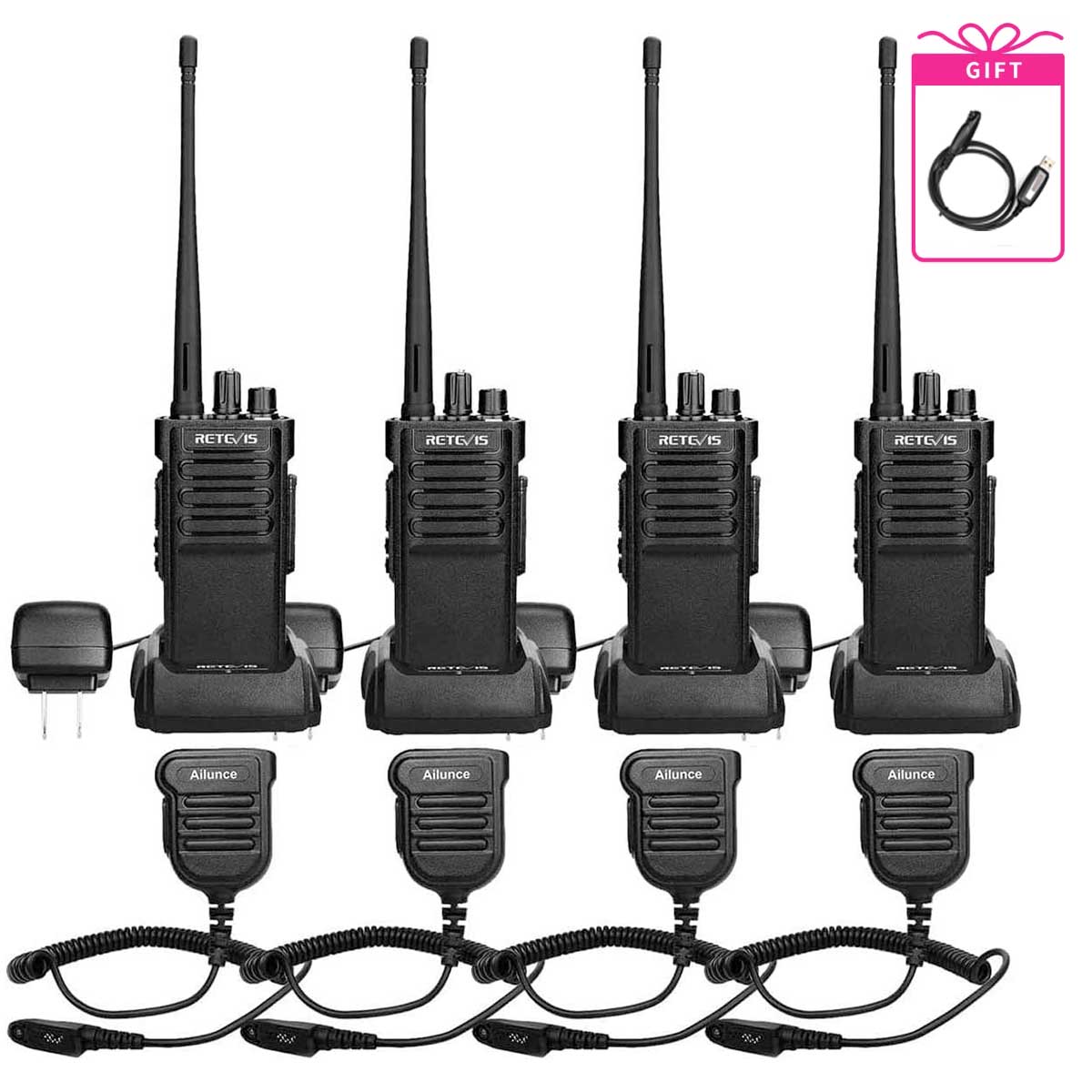
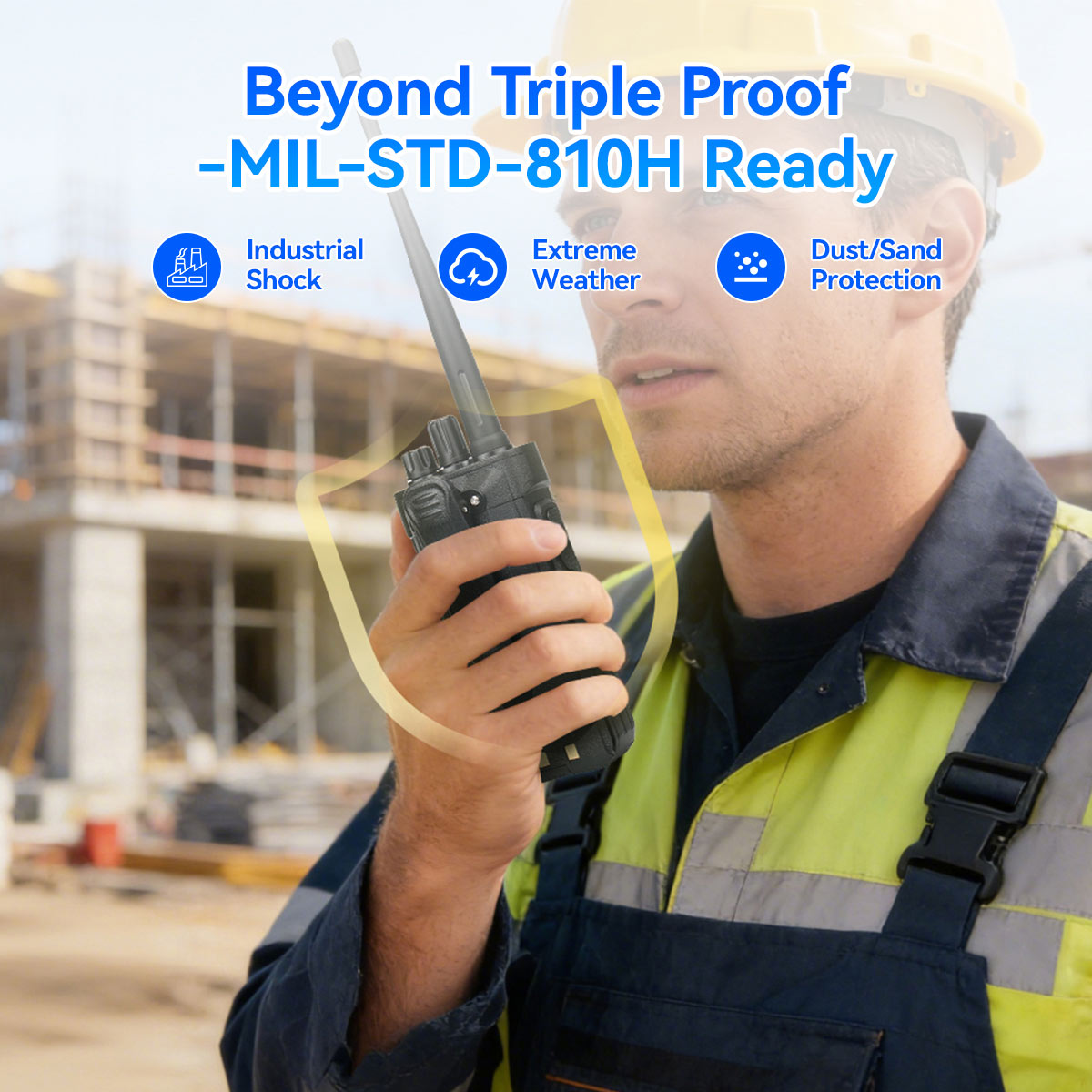
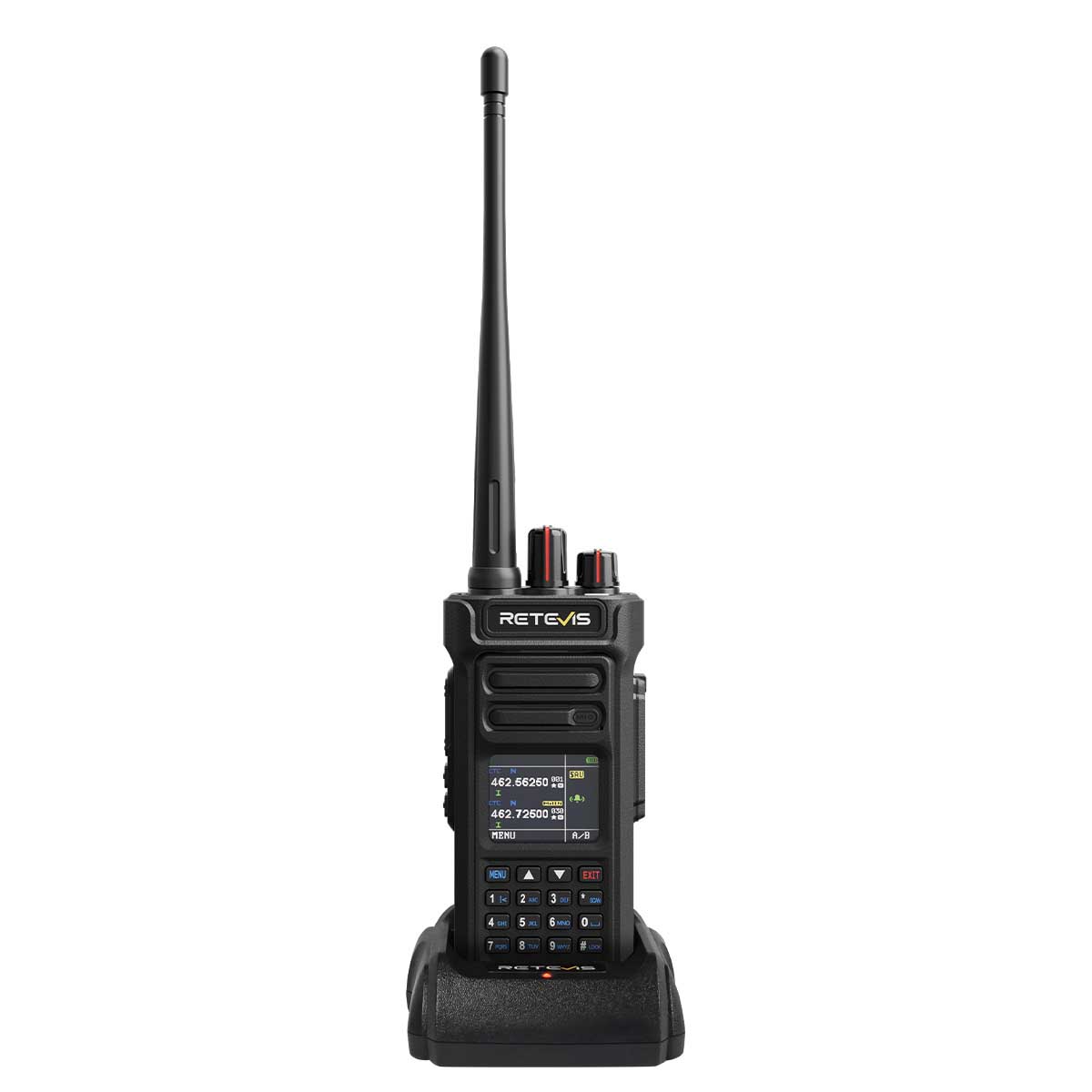
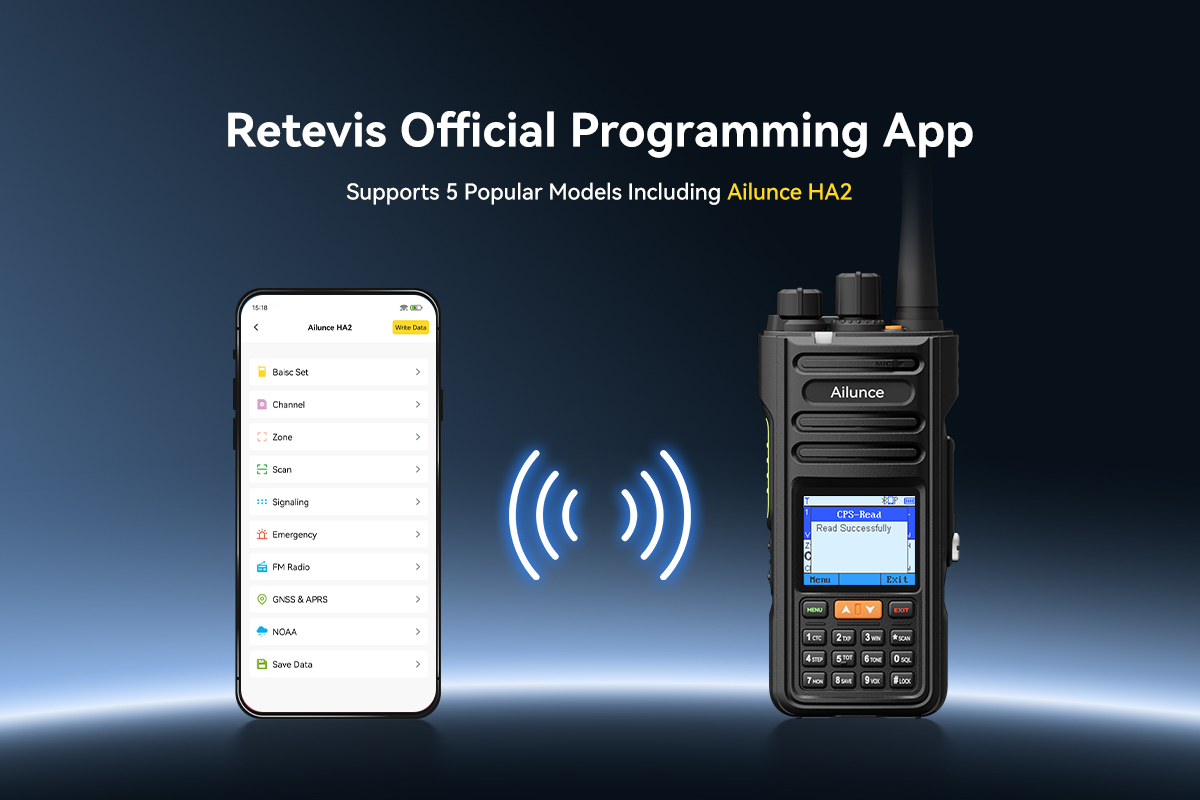
Whether you enjoy ham radio as a hobby or rely on it for emergency preparedness, a reliable device makes all the difference. We highly recommend Ailunce H1 as your top pick, paired with Ailunce HA2 as a cost-effective backup option.
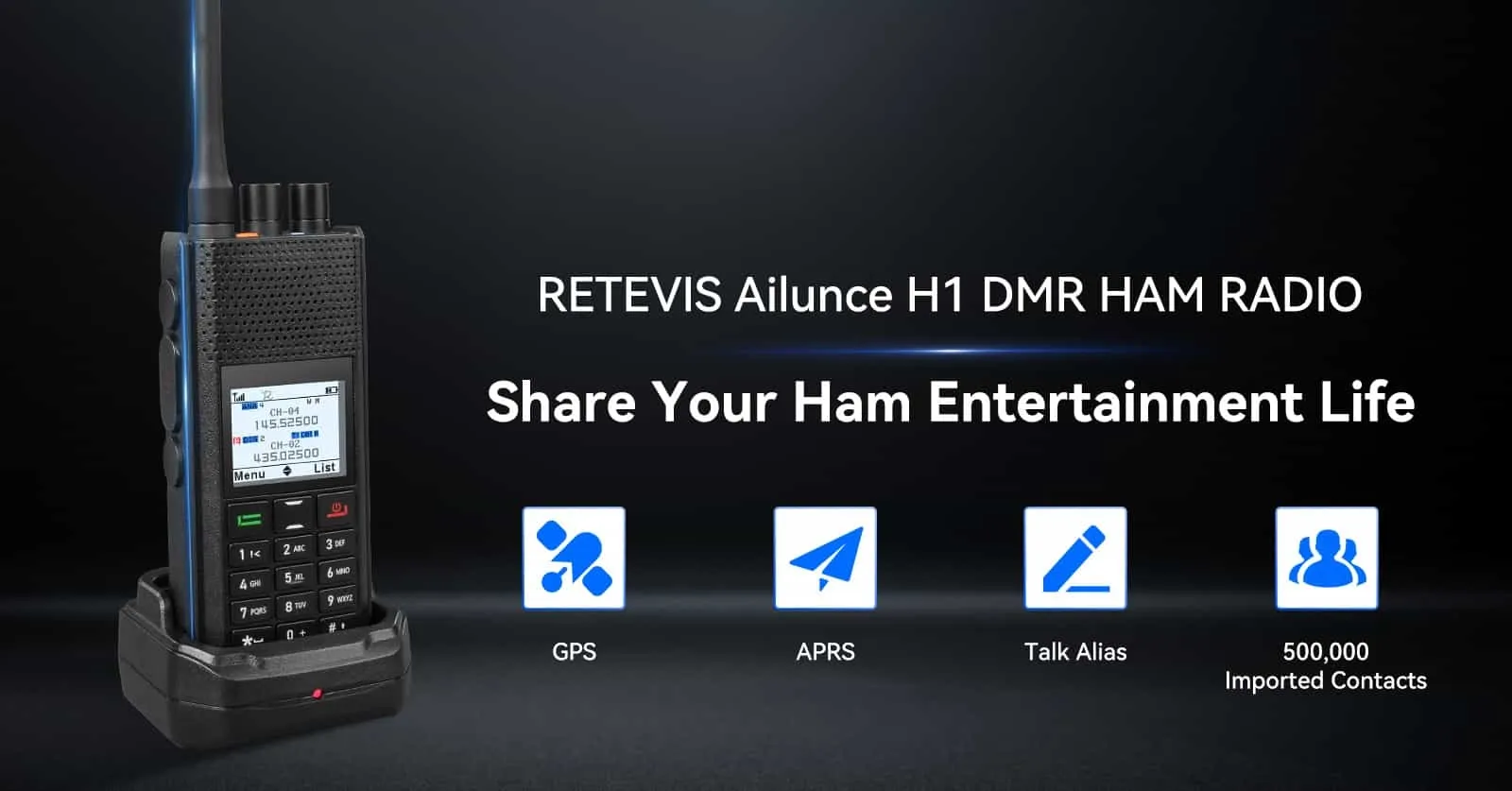
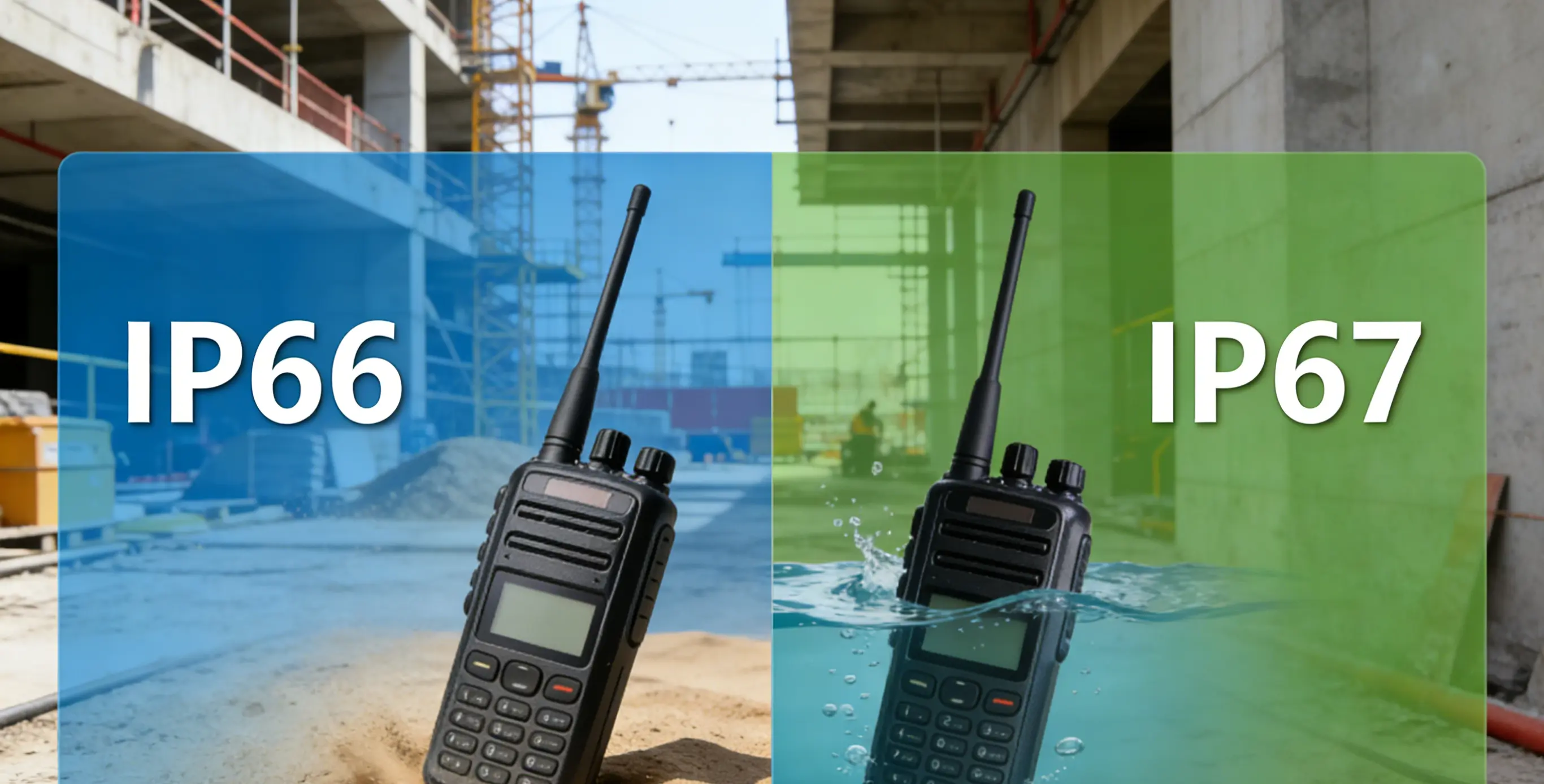
The Ailunce H1 is a professional dual-band DMR ham radio with GPS, APRS functionality, and an IP67 rugged rating. It delivers clear audio for daily on-air chats and steady performance in harsh weather, perfect for both hobby use and critical emergency communication. For beginners or those looking for a budget-friendly secondary radio, the Ailunce HA2 offers high power, multi-band coverage, and full core functions at a friendly price. Both models are built to match the practical needs of all ham radio lovers.
Upcoming Event: Retevis at Germany IARE Ham Radio Expo
If you are based in Europe or plan to attend ham radio events, mark your calendar! Retevis will take part in the Germany IARE Ham Radio Expo. Come visit our indoor booth A1-242. We have prepared surprise gifts, fun on-site activities, and a fantastic giveaway: You can get a free Ailunce HA2 radio right at the show. Come to meet our team, test our latest ham radio gear, and join us for a great time!
Final Thoughts
So here we are. You came in wondering what 73 means in ham radio, and now you're walking away with a piece of history tucked in your back pocket. 73 isn't just a number. It's a bridge between eras, a nod to the telegraph operators of the 1800s, and a modern handshake that connects strangers across continents.
The next time you key up and finish a QSO, pause for a second. Feel the weight of that tradition. Then let your 73 fly, knowing you're part of a lineage that's been saying "Best Regards" for well over a century.
See you at IARE Ham Radio 2026!
Mark your calendars, because Retevis is heading to Friedrichshafen, Germany, from June 26 to 28, 2026, for the legendary IARE Ham Radio exhibition—one of Europe's biggest gatherings of amateur radio enthusiasts. We'll be waiting for you at Indoor Booth A1-242, and trust me, you won't want to miss what's in store.
We've prepared surprise gifts, interactive activities, and yes—a chance to win a free Ailunce HA2. So if you've been eyeing that rugged all-rounder we talked about, here's your shot at taking one home without spending a dime. Come say hello, try Retevis walkie-talkie radio, and let's share a real-life 73 in person. See you there!
FAQs
Q1: What does 73 mean in Morse code?
Originally from telegraph Morse code, 73 means “my compliments to you." It was created as a time-saving shorthand and later adopted by ham radio operators as a universal sign-off for best regards and friendly farewells.
Q2: Is 73 still used in modern ham radio?
Absolutely. Even with digital radios and new communication technology, "73" remains the most popular and widely accepted lingo across the global ham community. It is still used in daily chats, group nets, and non-urgent emergency communication today.
Q3: What is the difference between 73 and 88?
Both are common sign-off codes. 73 is a neutral, polite term for “best regards," suitable for all operators in any situation. 88 stands for “love and kisses," which is more affectionate and mainly used between friends, family, and female ham radio operators.
Q4: Why do radio operators use numbers instead of words?
This tradition dates back to early telegraph services, where operators used number shorthands to reduce message length and cut costs. Later, ham radio operators kept these codes because they are quicker to transmit, easier to understand under weak signals, and have become part of long-standing radio etiquette.






 Google
 Amazon
Comments
No data Yet