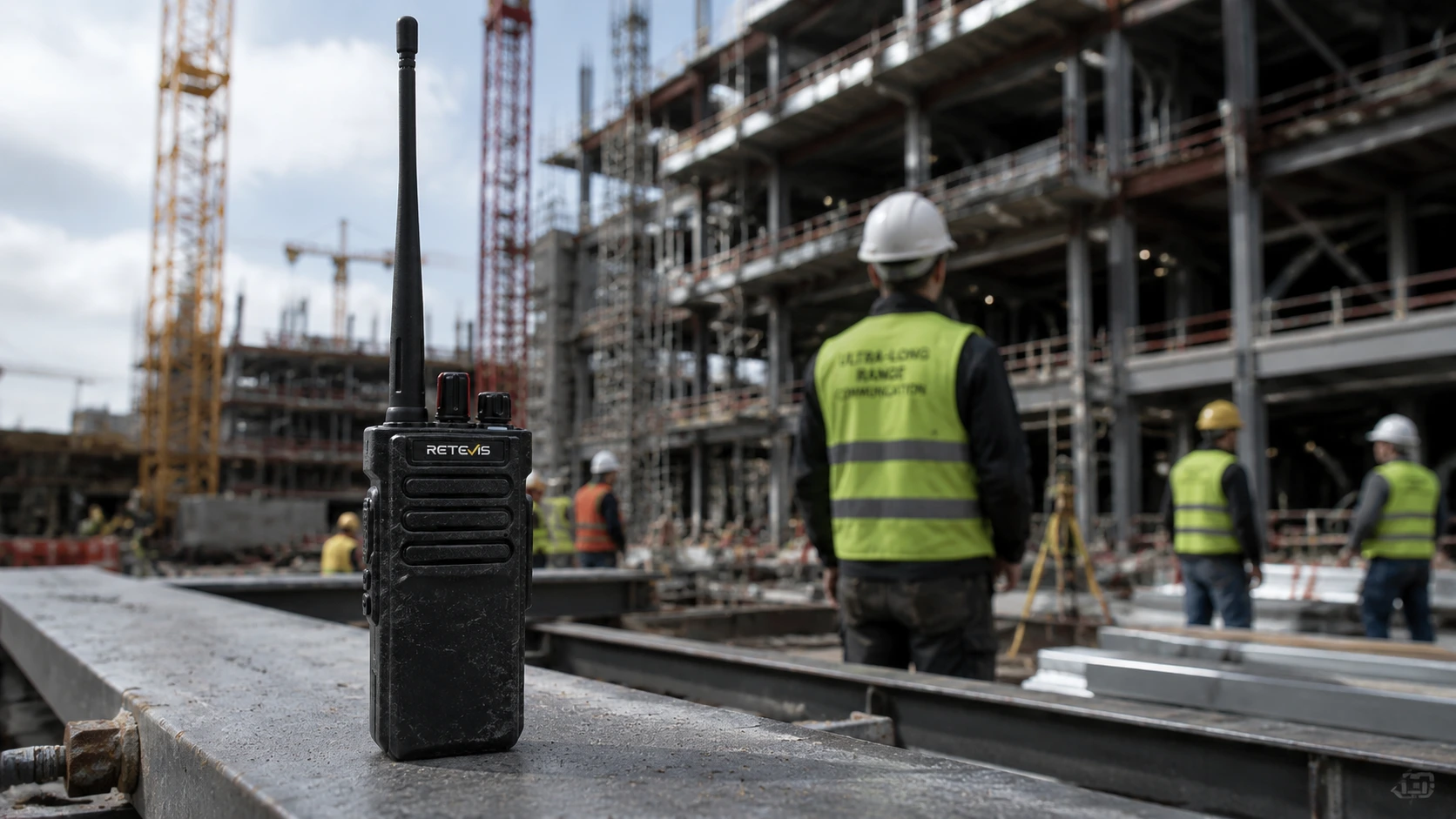
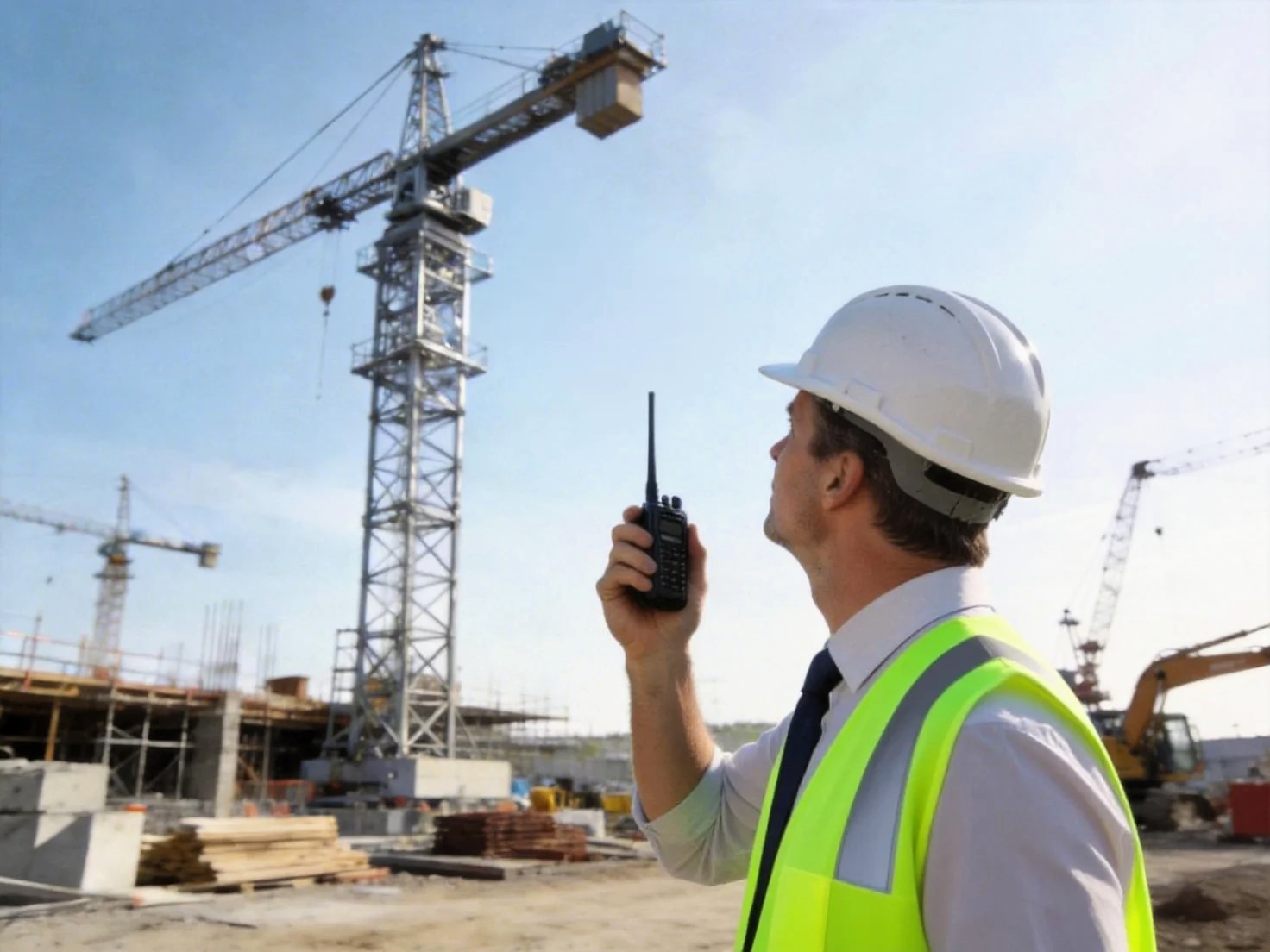
On a large construction site, clear communication is not optional. It is part of daily coordination, site safety, and project efficiency. When crews are spread across multiple floors, outdoor zones, or separate structures, delayed or unclear communication can slow work, increase risk, and create avoidable mistakes.
That is why long-range construction radios remain a practical tool for modern jobsites. They help supervisors, operators, and field crews stay connected across distance and around obstacles where phones may be less reliable or less efficient.
This article explains why long-range radios for construction work matter, what affects signal performance, and what site teams should look for when planning communication on large or complex projects.
Why Large Construction Sites Need Long-Range Radios
As construction sites become larger and more complex, communication becomes more difficult. Teams may be working:
- On different floors of a high-rise
- In separate buildings on the same project
- Across outdoor staging and loading areas
- Around steel, concrete, and heavy equipment
- In noisy or partially enclosed work zones
In these conditions, workers cannot rely on face-to-face communication alone. Mobile phones may also be impractical because of poor signal, gloves, background noise, or the need for instant group communication.
A long-range two-way radio helps close that gap. It allows teams to send and receive information immediately, without dialing, waiting, or depending on public cellular networks.
For large sites, this supports:
- Better coordination between crews
- Faster response to changing conditions
- More reliable communication for safety-related tasks
- Less downtime caused by missed instructions
What “Long-Range” Really Means on a Jobsite
Many published radio range claims are based on open, ideal conditions. Construction sites are rarely ideal.
Real jobsite communication depends on whether a radio can maintain clear contact through or around obstacles such as:
- Concrete walls
- Structural steel
- Elevator cores
- Equipment yards
- Temporary offices
- Scaffolding and enclosed areas
This means long-range site radios should not be judged by distance alone. What matters more is reliable coverage in real operating conditions.
For example, a radio may perform well in open outdoor space but struggle inside a steel-heavy building or between multiple floors. On construction projects, usable coverage is often more important than maximum advertised range.
What Affects Radio Coverage on Large Construction Sites
Several factors influence how well a construction site radio system performs.
1. Building Materials
Concrete and steel are two of the biggest barriers to radio communication. Concrete can weaken signals, while steel can reflect or disrupt them. This is especially important on high-rise, industrial, and infrastructure projects.
2. Site Size and Layout
Large open sites, multi-building developments, and projects with vertical construction all place different demands on radio coverage. A warehouse build and a downtown tower project may require very different communication setups.
3. Site Changes Over Time
Construction sites are always changing. As walls go up, machinery moves, and structures become more enclosed, radio coverage can change as well. A setup that works early in the project may need adjustment later.
4. Noise and Activity Levels
Busy sites create constant background noise. Radios must support communication that remains understandable around engines, lifts, generators, and power tools.
5. Equipment and Interference
Temporary power systems, nearby structures, and metal-heavy environments can also affect signal quality. That is why real-world testing matters.
Why Long-Range Radios Improve Safety
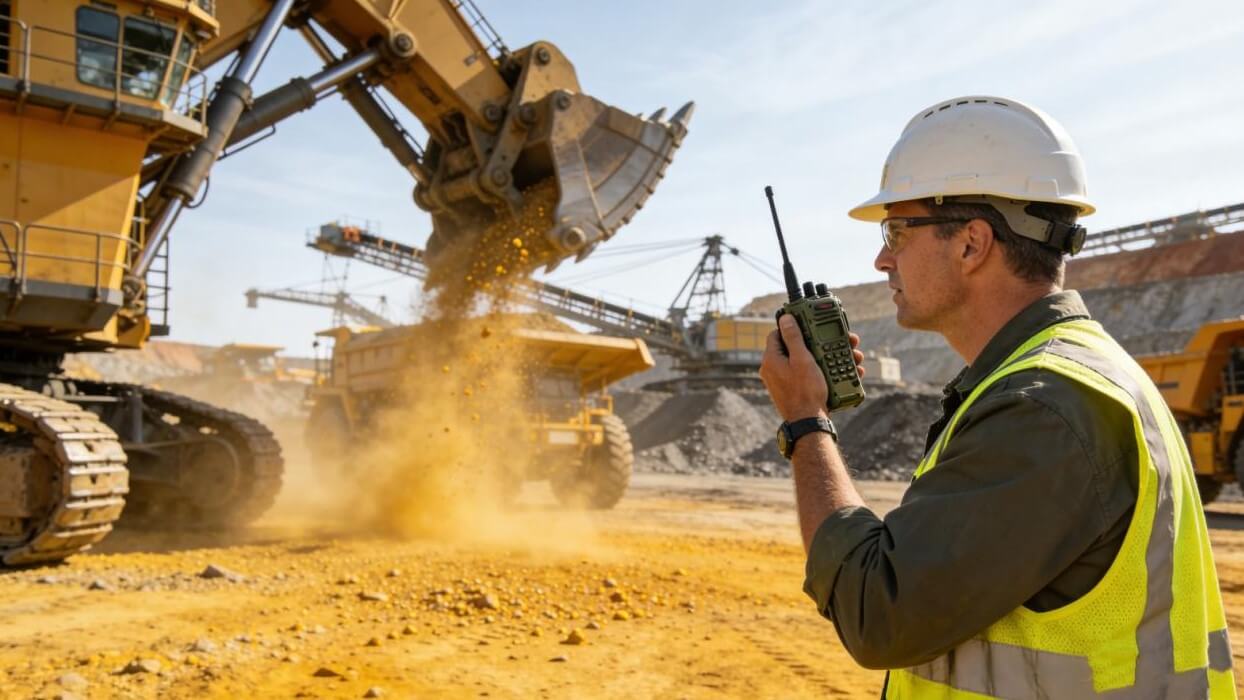
Safety is one of the main reasons long-range radios for construction sites are so important. On large projects, workers and supervisors need fast communication when conditions change or problems appear.
Faster incident reporting
If an accident, access issue, or equipment problem occurs in a remote area, radio communication allows immediate reporting.
Better equipment coordination
Operators, spotters, and ground crews often work in different positions with limited visibility. Radios help reduce miscommunication during lifting, reversing, and material movement.
Stronger emergency communication
During evacuations, severe weather, or urgent site-wide updates, radios allow teams to send information quickly across the project.
Less dependence on personal phones
Phones can be useful, but they are often slower and less practical for immediate group communication on active jobsites.
For these reasons, a long-range construction radio is not just a convenience tool. It supports the communication structure behind safe site operations.
Why Long-Range Radios Improve Productivity
Reliable communication also has a direct impact on efficiency. On large jobsites, delays often happen when crews cannot quickly confirm instructions, request materials, or update supervisors.
A good long-range radio for site communication can help teams:
- Coordinate deliveries and gate access
- Manage material movement
- Stay aligned across different work zones
- Reduce unnecessary walking back and forth
- Keep supervisors connected with field teams
- Support faster decisions during active operations
Even small communication delays can add up over a full project. Radios help reduce that lost time and keep workflow moving.
Key Features to Look for in Long-Range Construction Radios
When evaluating radios for large construction sites, it helps to focus on a few practical priorities.
Reliable coverage
The radio should provide dependable communication across the actual site layout, including both horizontal and vertical coverage needs.
Clear audio
On noisy jobsites, voice clarity matters as much as distance. Messages need to be understood quickly the first time.
Durable design
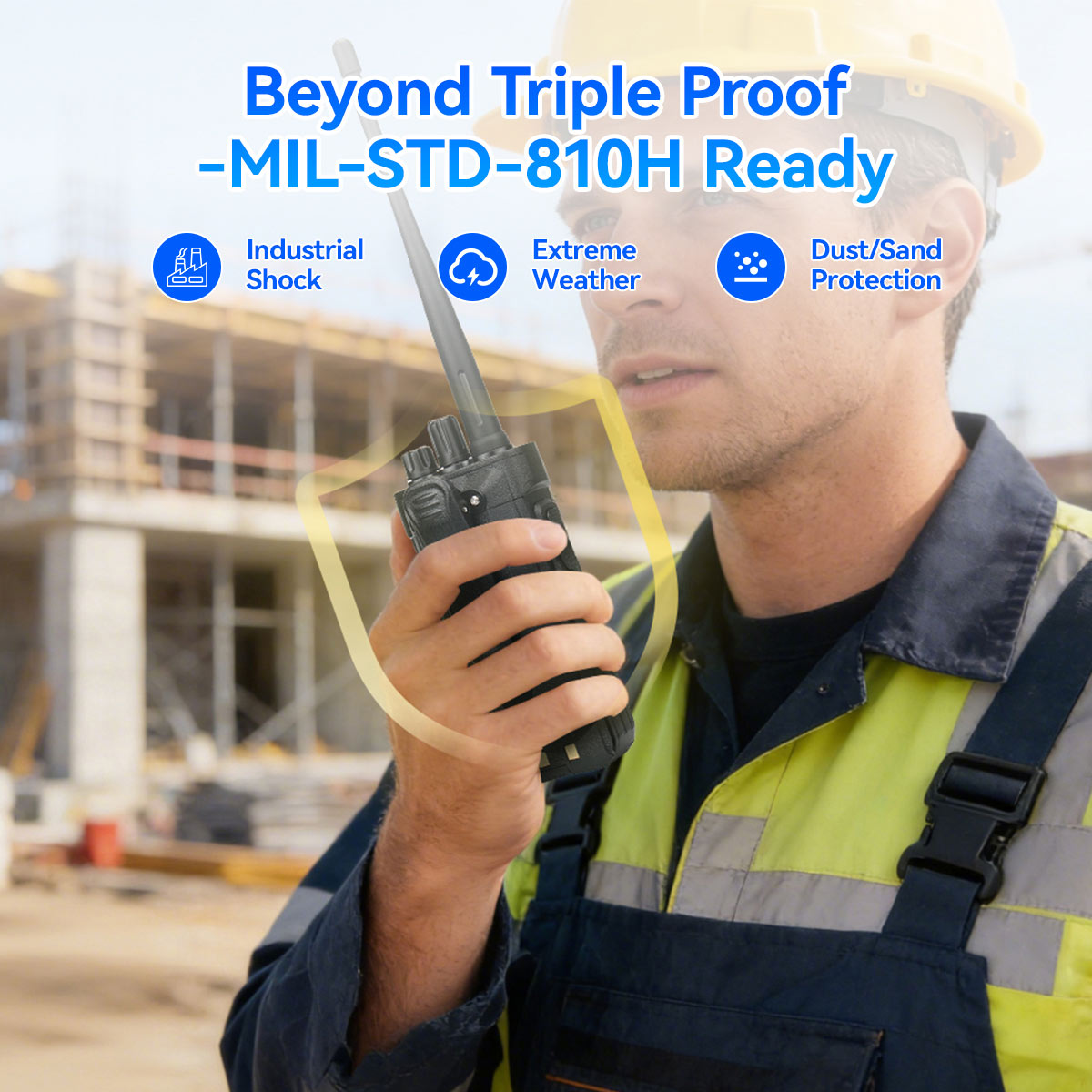
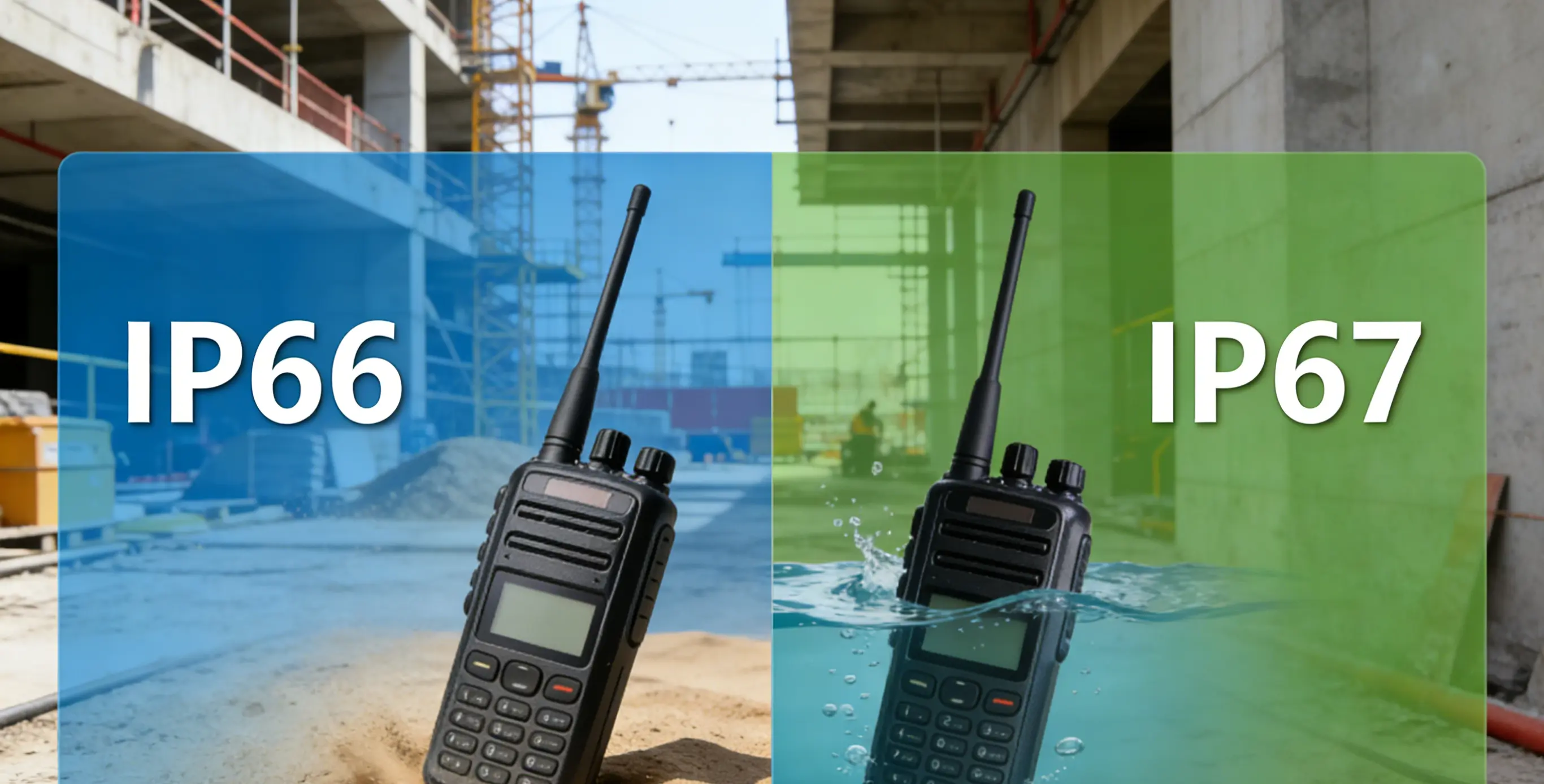
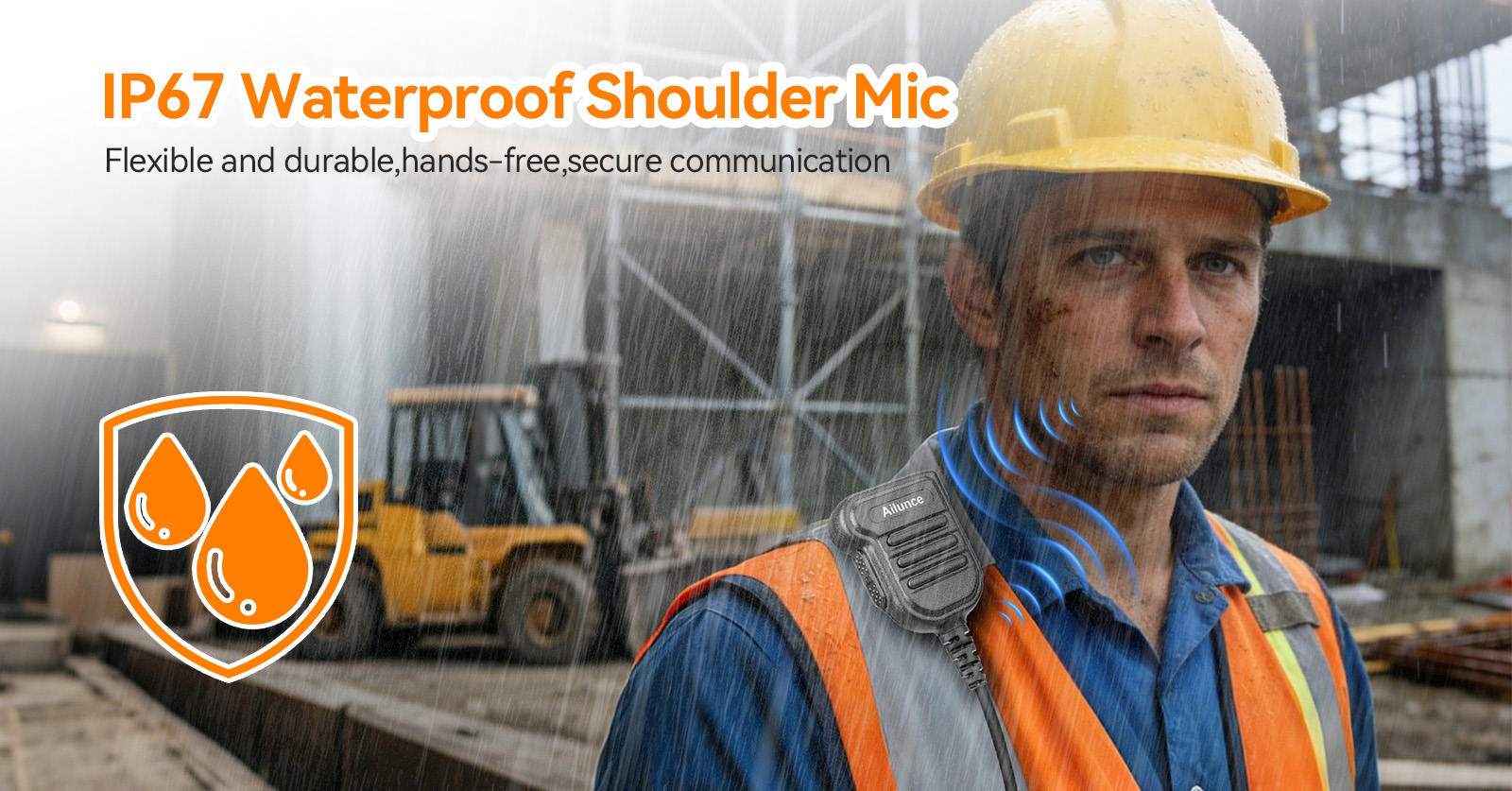
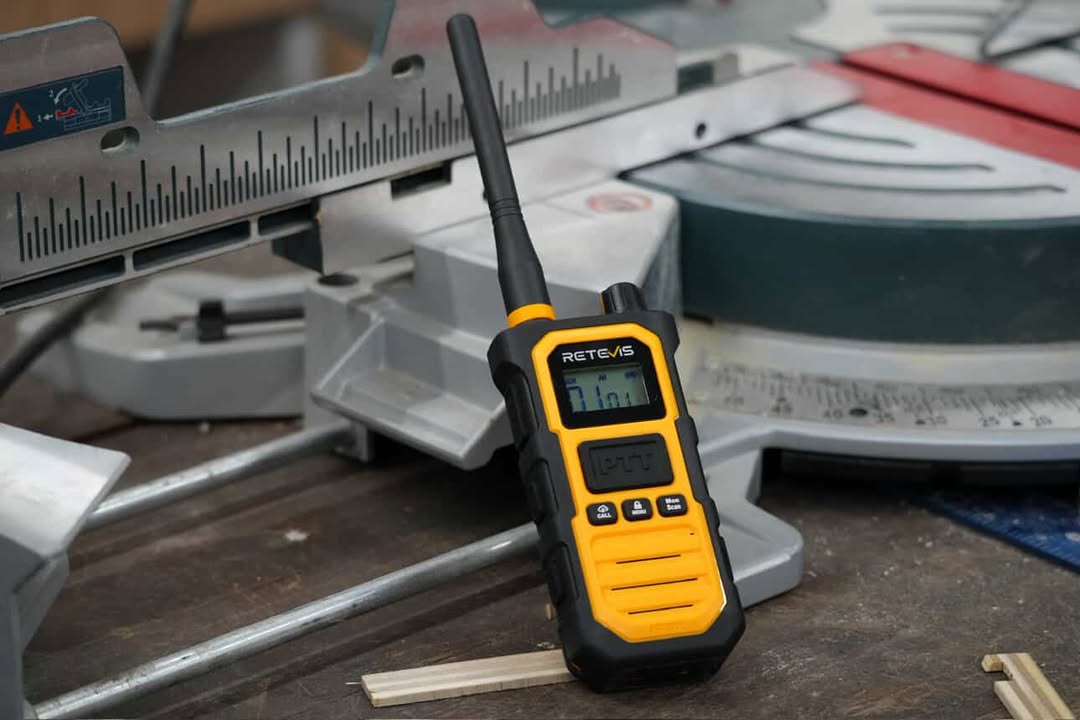
Construction radios should be able to handle dust, drops, vibration, and weather exposure. Range is important, but field reliability is equally critical.
Strong battery life
Long shifts require radios that can stay operational throughout the workday.
Easy operation
Controls should be simple and usable with gloves in active site conditions.
Scalable system support
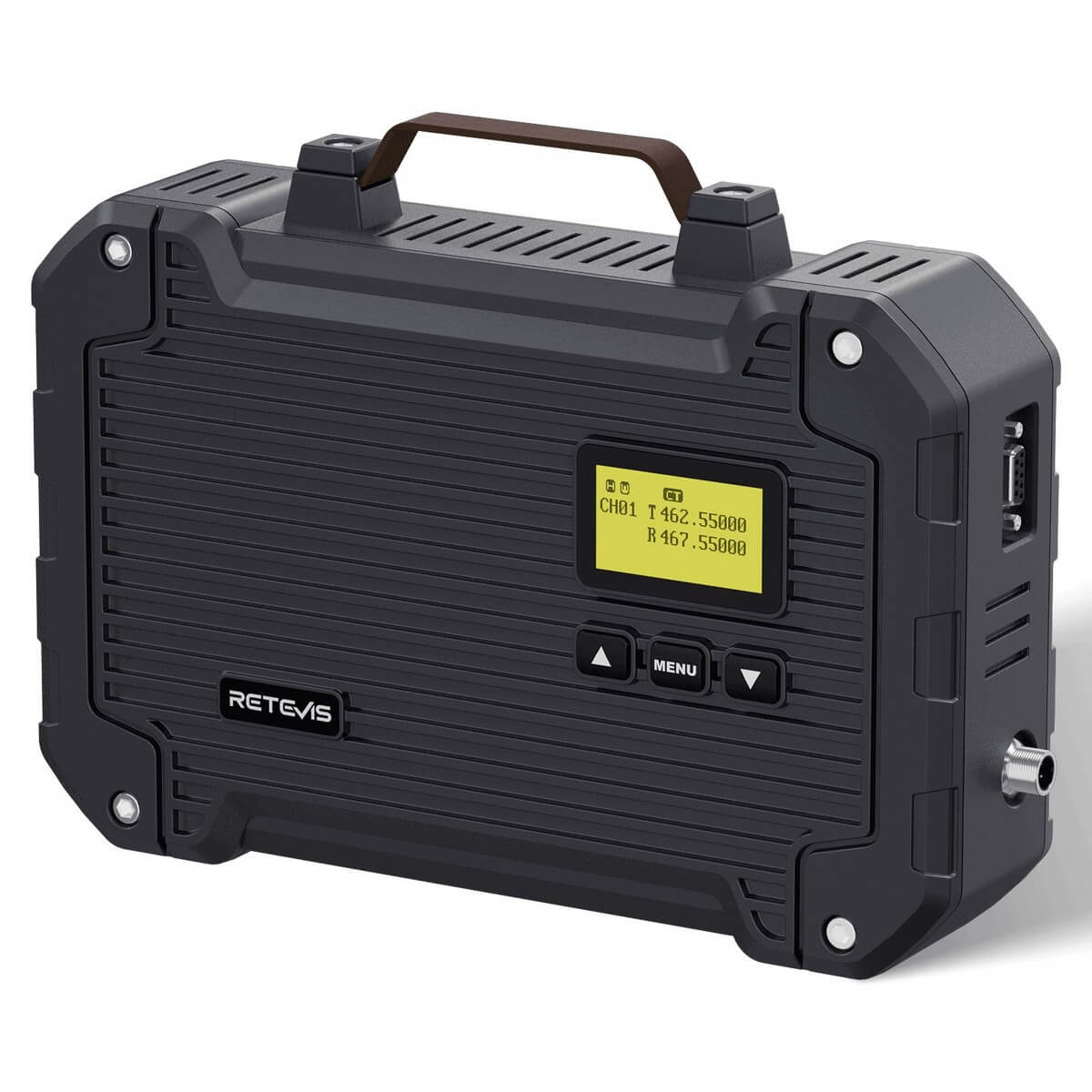
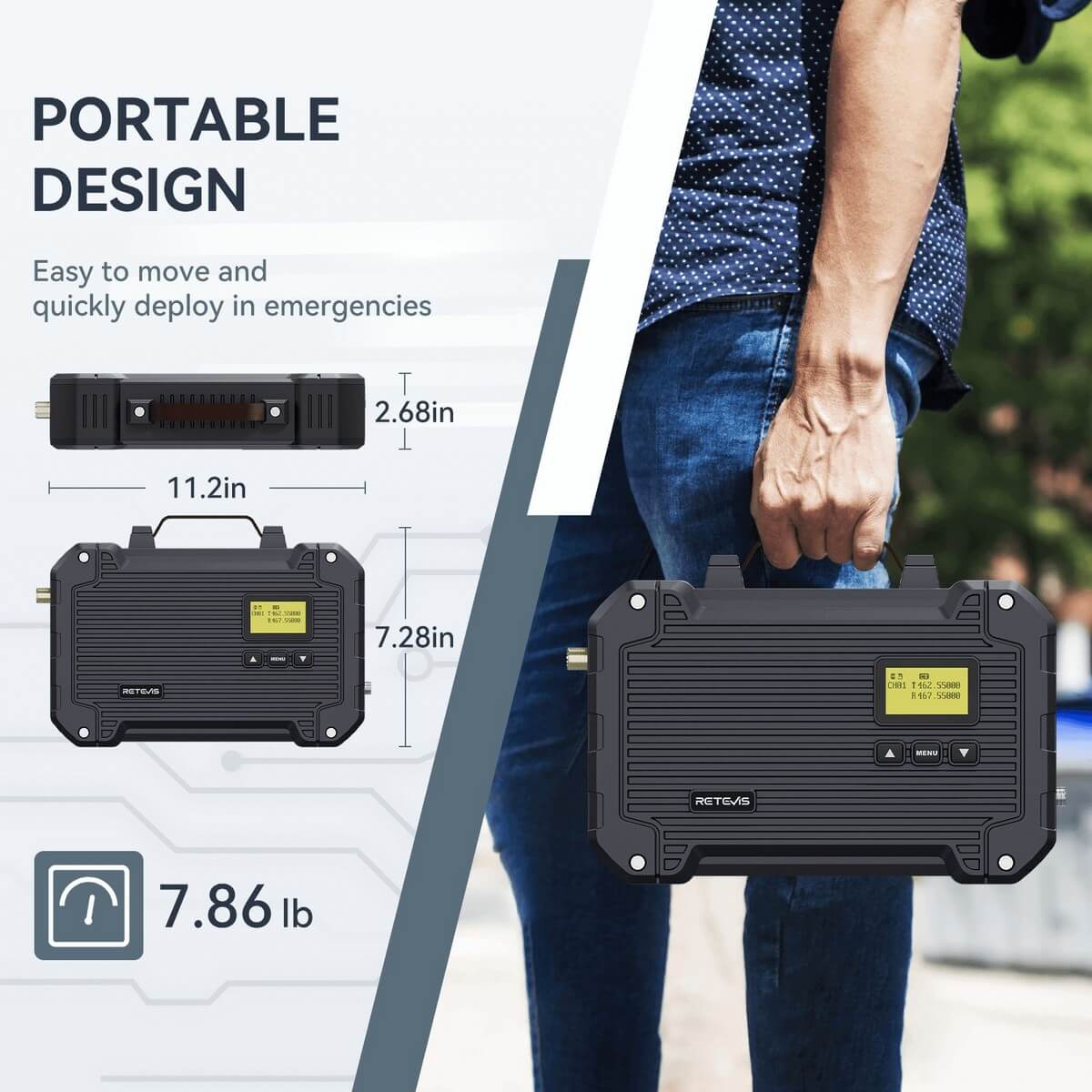
Large projects may need repeaters or expanded coverage as work progresses. A radio system should be able to adapt to changing site demands.
Do Large Construction Sites Need Repeaters?
In some cases, yes. A repeater can receive a radio signal and retransmit it, helping extend coverage across large or difficult areas.
This can be useful for:
- High-rise projects
- Large industrial facilities
- Multi-building sites
- Wide outdoor developments
- Sites with major structural obstructions
A repeater is not always necessary, but on some projects it can significantly improve communication consistency. For very large or obstructed sites, construction radio coverage may be limited without one.
Common Mistakes When Choosing Site Radios
Many communication problems come from poor planning rather than poor equipment. Common mistakes include:
- Trusting maximum range claims without site testing
- Ignoring the impact of steel and concrete
- Assuming coverage will stay the same as the project develops
- Choosing radios based only on price
- Overlooking battery life and durability
- Failing to plan for large-site coverage challenges
The best approach is to assess the site, identify likely communication obstacles, and match the radio system to actual working conditions.
A Simple Checklist for Choosing Long-Range Radios
Before selecting a long-range radio for construction work, ask:
- How large is the site?
- Do crews work across multiple floors or buildings?
- Are there concrete, steel, or enclosed areas?
- Will the site need repeater support?
- Is the environment noisy, dusty, or exposed to weather?
- Do users need simple controls for glove use?
- Will the radios need to support all-day operation?
These questions help narrow the choice and keep the focus on real site performance.
Conclusion
Large construction sites create real communication challenges. Distance, noise, structural obstacles, and changing layouts all make it harder to keep teams connected. That is why long-range construction radios are essential for large projects.
Their value comes not just from distance, but from reliable communication in the environments where construction teams actually work. For site managers, contractors, and safety teams, choosing the right radio system means focusing on coverage, clarity, durability, and jobsite conditions.
When communication is strong, coordination improves, downtime decreases, and site safety becomes easier to manage.



 Google
 Amazon