

Table of Contents
7 Construction Site Communication Problems and How to Fix Them
- Posted by:Retevis
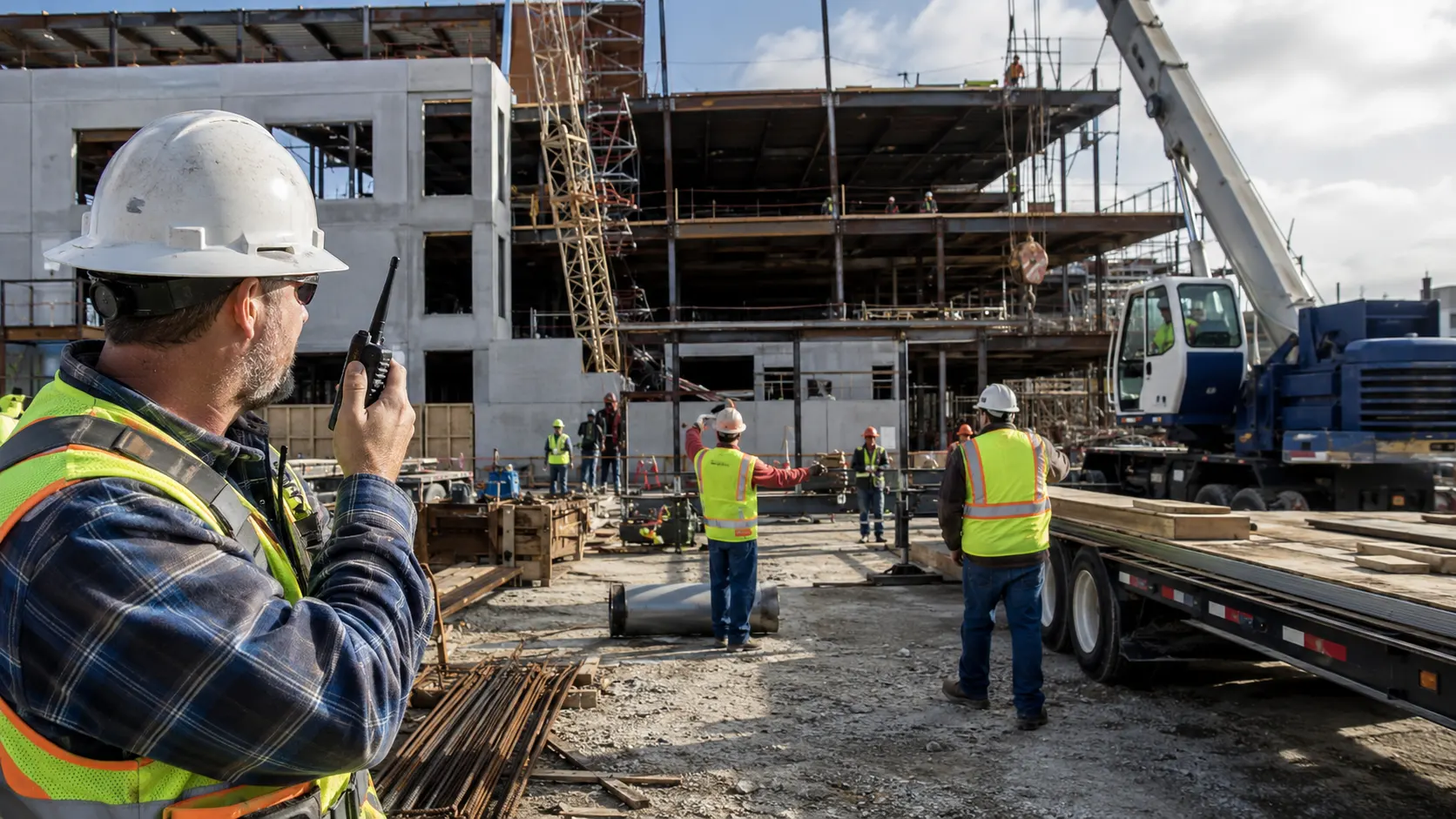
Construction projects depend on timing, coordination, and fast decision-making. However, communication at construction sites is often affected by noise, distance, multiple crews, and constantly changing conditions.
When communication breaks down on site, small issues quickly become bigger problems. Crews may wait for instructions, subcontractors may work out of sequence, equipment moves may be delayed, and safety warnings may not reach the right people in time.
These communication problems in construction projects are usually not caused by a lack of effort. They are often caused by inefficient processes, unclear responsibilities, or unsuitable communication tools.
This guide explains seven common construction site communication problems and practical ways to improve construction site communication.
Why Construction Site Communication Matters
A modern construction site is a complex environment. Multiple teams, subcontractors, equipment operators, and supervisors must coordinate continuously.
Poor communication in construction can affect:
- Crew productivity
- Project schedules
- Subcontractor coordination
- Equipment movement
- Safety response
- Rework prevention
Many communication errors in construction projects start with simple issues:
- A message is misunderstood
- A schedule change is not shared
- A safety warning reaches the wrong person
- A supervisor lacks real-time information
Over time, these small failures create delays and increase project costs.
Common Construction Site Communication Challenges
|
Communication Issue |
Jobsite Impact |
Recommended Solution |
|
Noise blocks verbal communication |
Missed instructions and safety risks |
Use loud, durable construction radios |
|
Crews are spread across large areas |
Slow updates and delayed decisions |
Use long-range communication systems |
|
Trades are not aligned |
Rework and schedule conflicts |
Improve subcontractor communication |
|
Too much dependence on phones |
Slow group coordination |
Use push-to-talk radios |
|
Safety alerts are delayed |
Higher risk during emergencies |
Create clear safety communication processes |
|
Supervisors lack visibility |
Problems discovered too late |
Improve real-time reporting |
|
No communication standards |
Confusion between teams |
Build a site communication protocol |
1. Jobsite Noise Creates Communication Problems
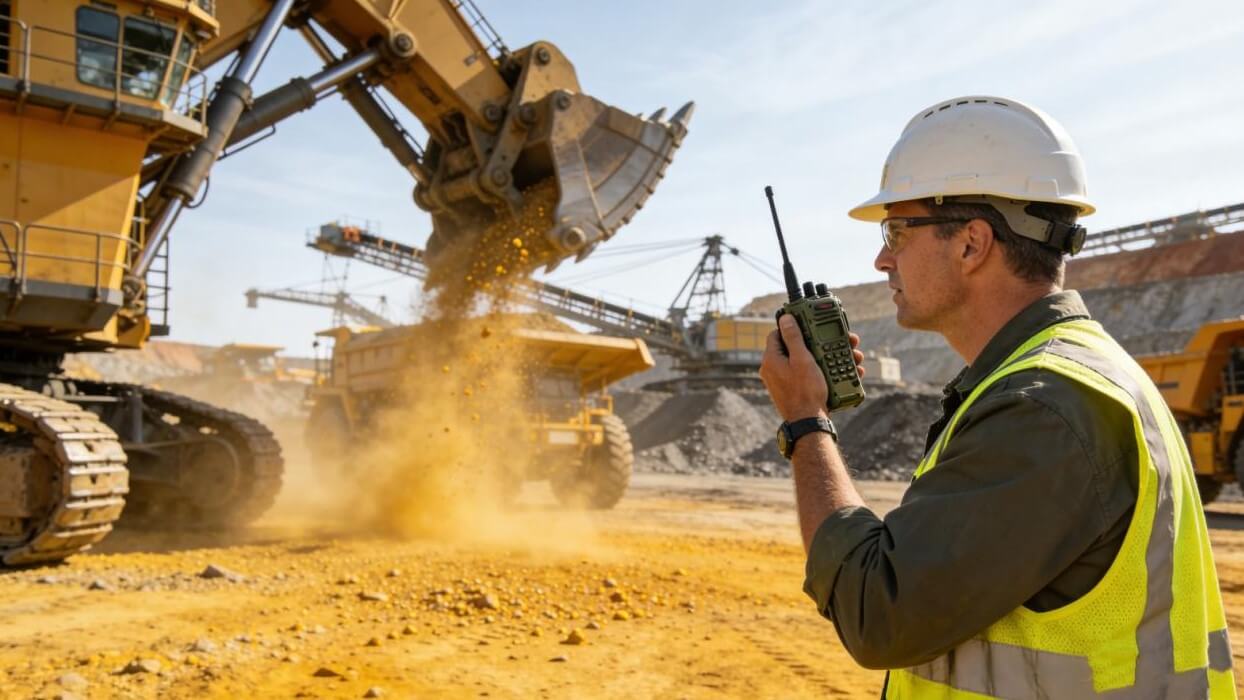
Noise is one of the most common communication problems on construction sites. Heavy machinery, generators, cranes, and power tools can make verbal communication unreliable.
Workers may think they understood an instruction but miss critical details.
Common Effects of Noise-Related Miscommunication in Construction
- Incorrect task execution
- Missed equipment warnings
- Repeated instructions
- Slower workflow
- Increased safety risks
How to Fix It
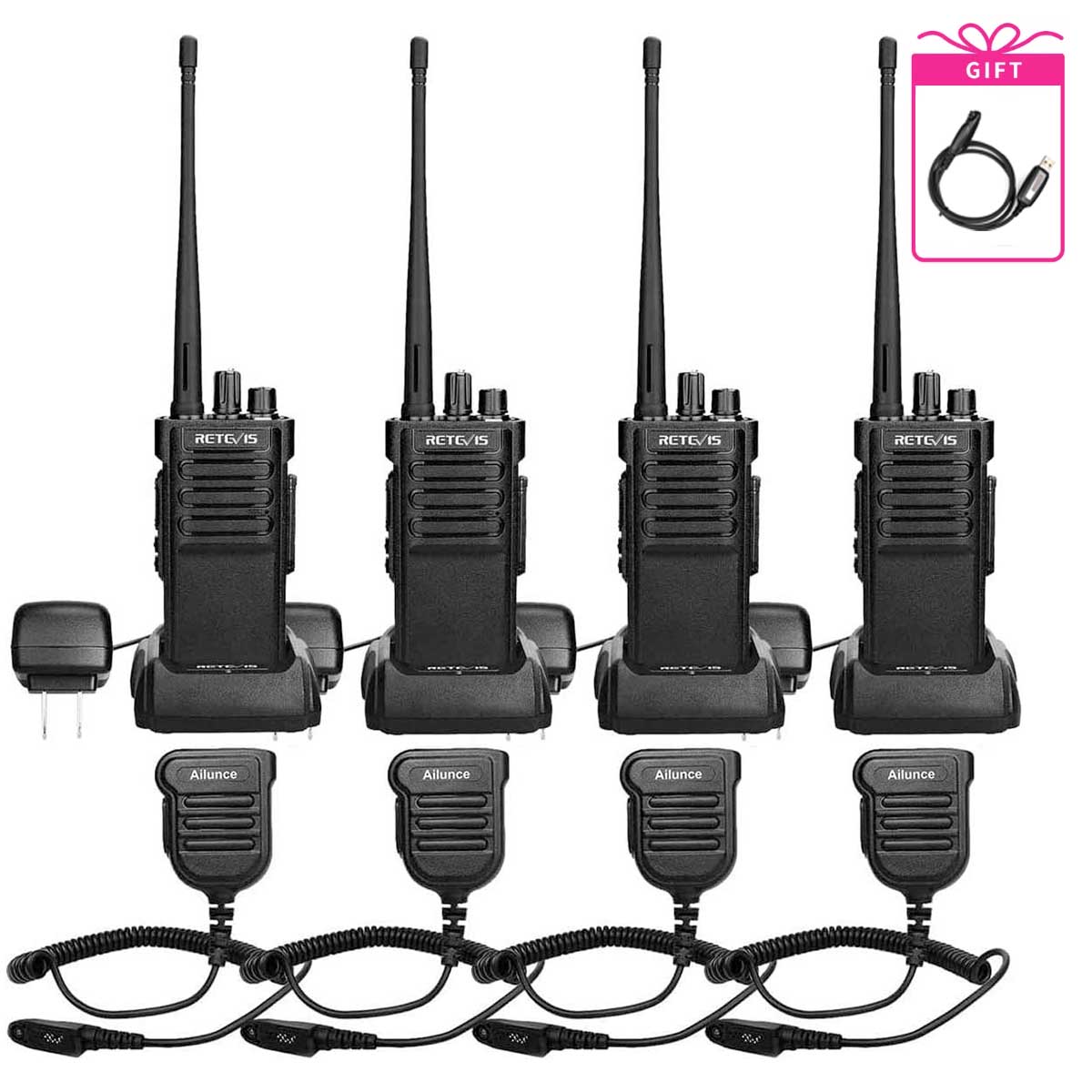
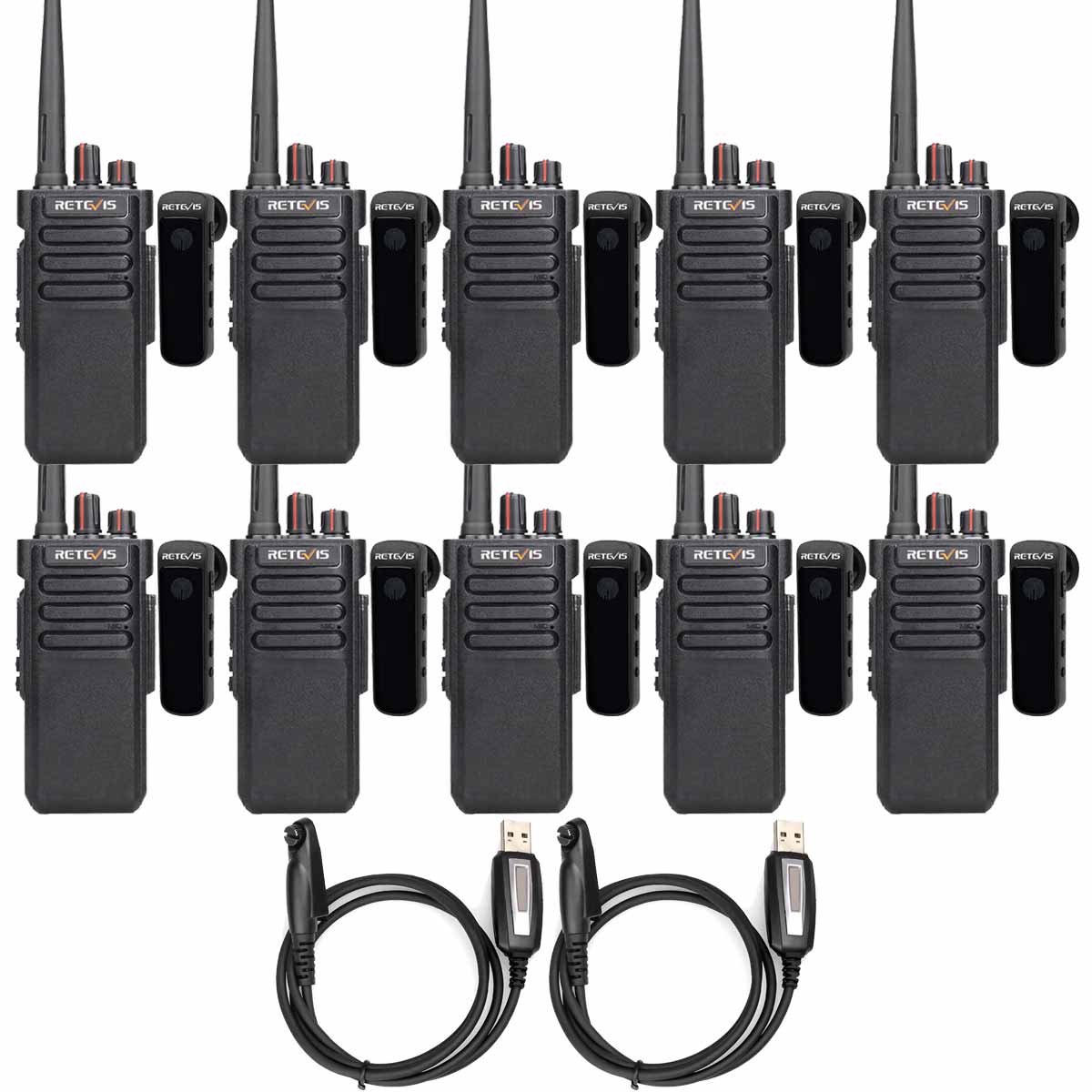
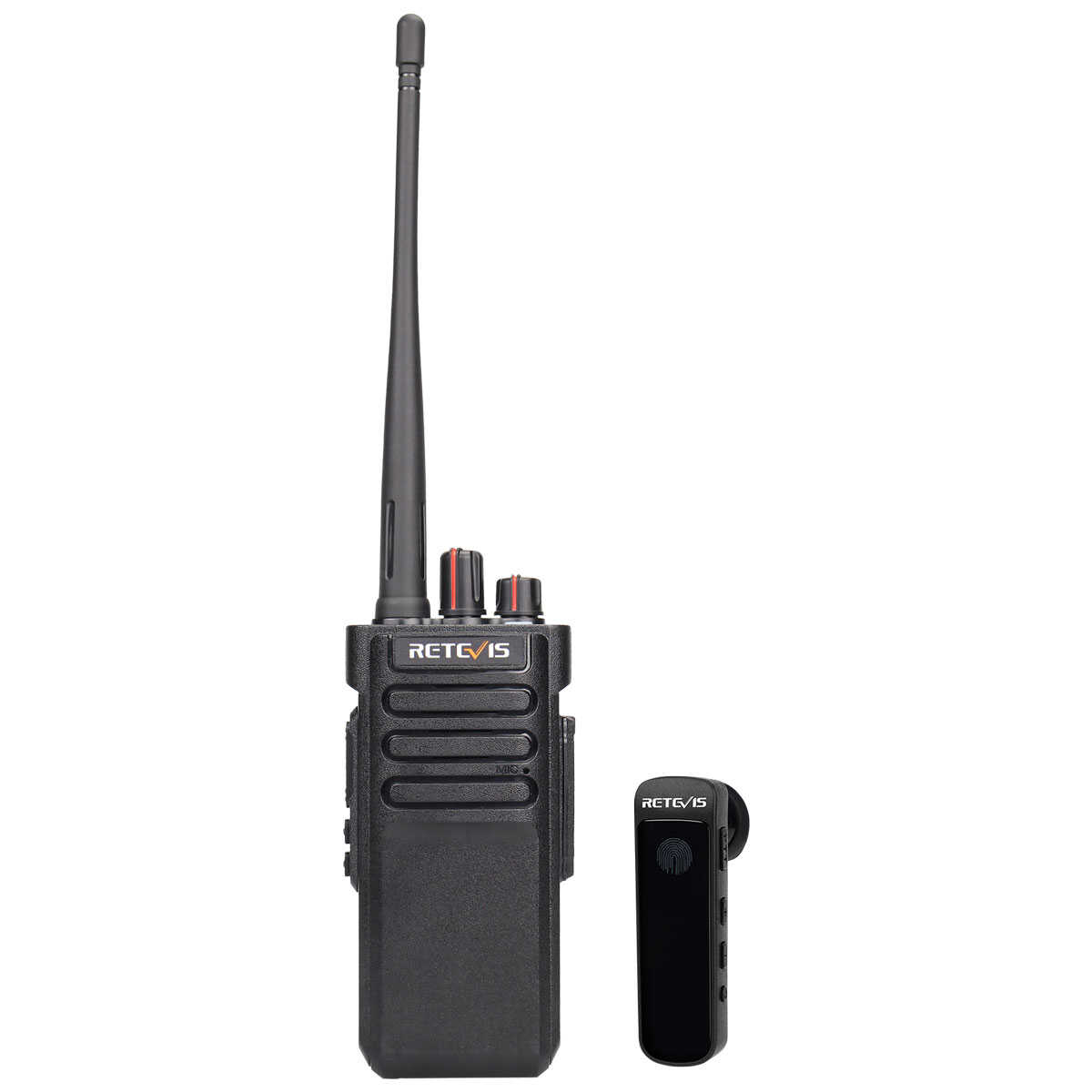
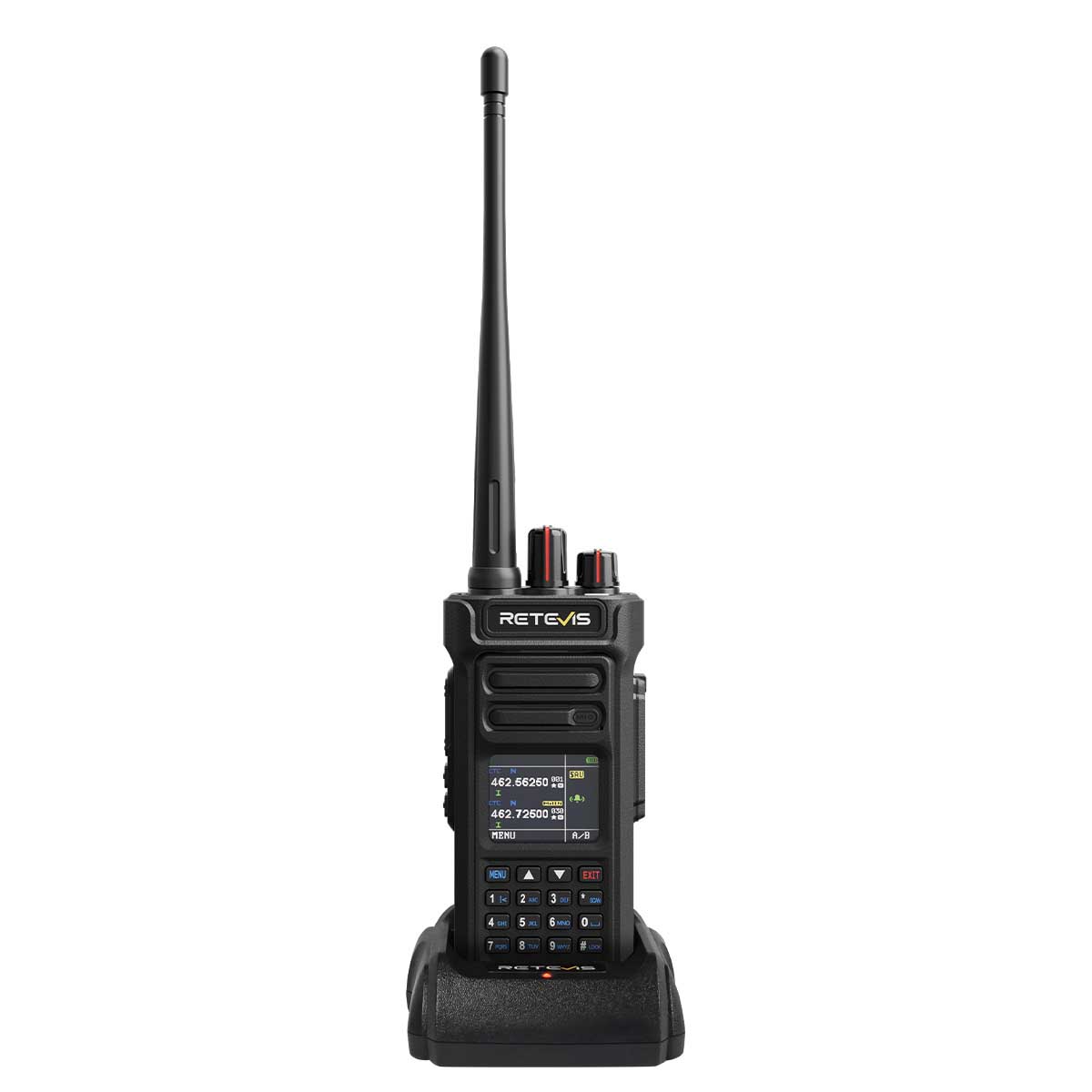
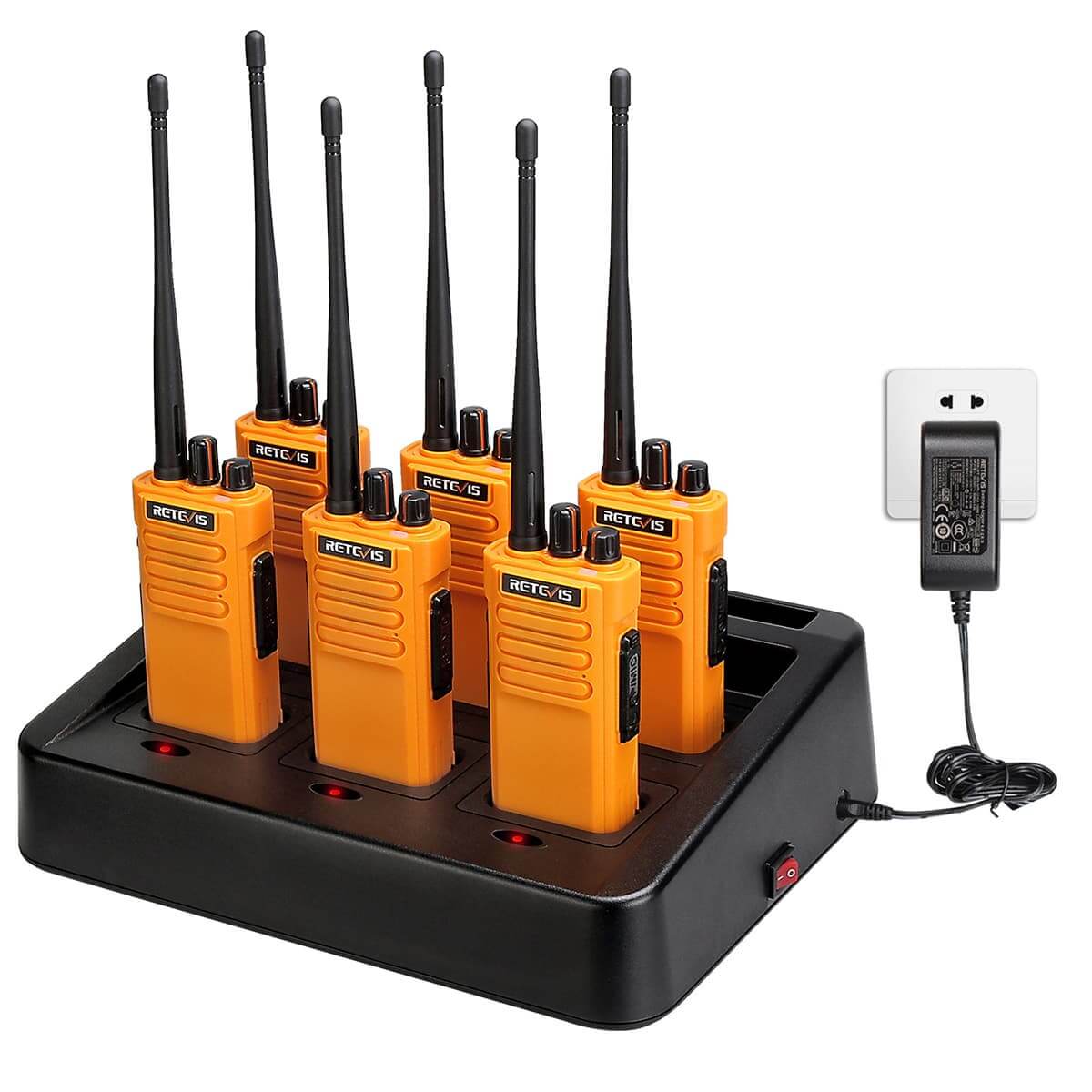
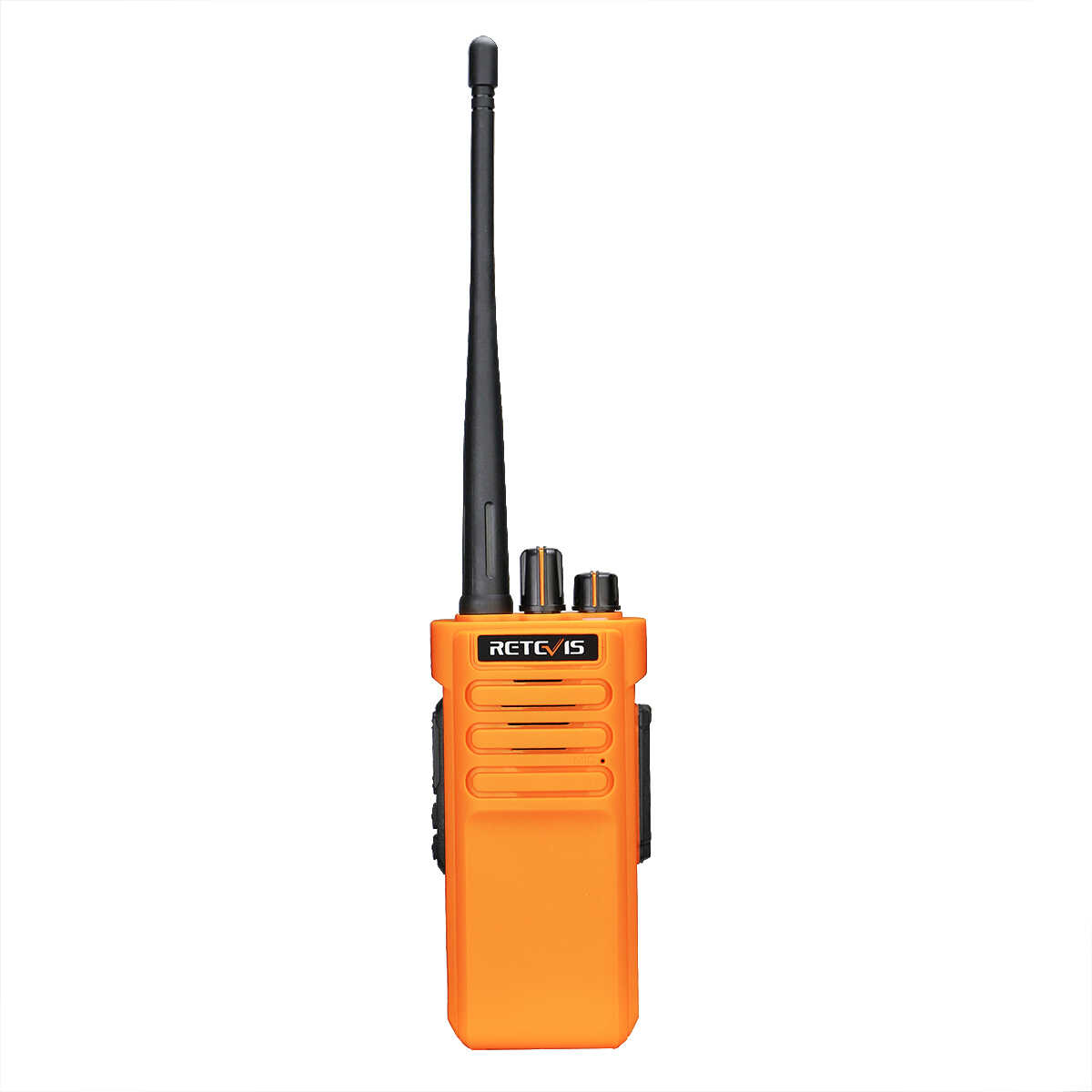
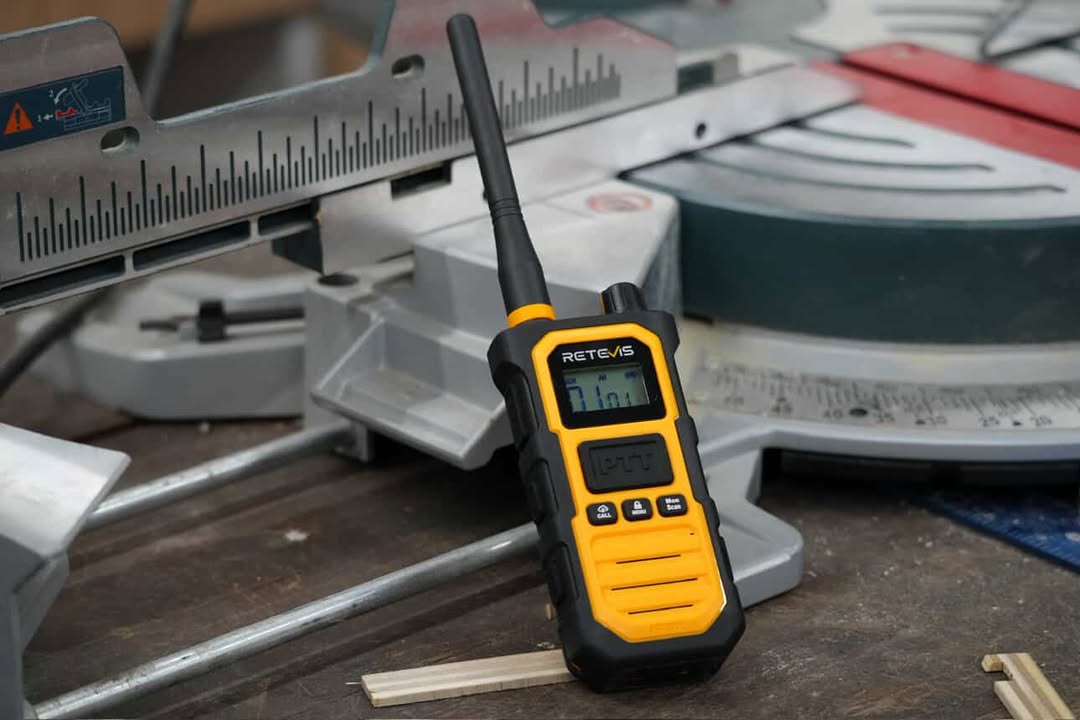
Reduce dependence on voice-only communication by using professional construction walkie talkies designed for noisy environments.
Important features include:
- Loud audio output
- Noise reduction
- Rugged construction
- Long battery life
- Simple push-to-talk operation
For demanding jobsites, heavy duty construction radios provide more reliable communication than consumer devices.
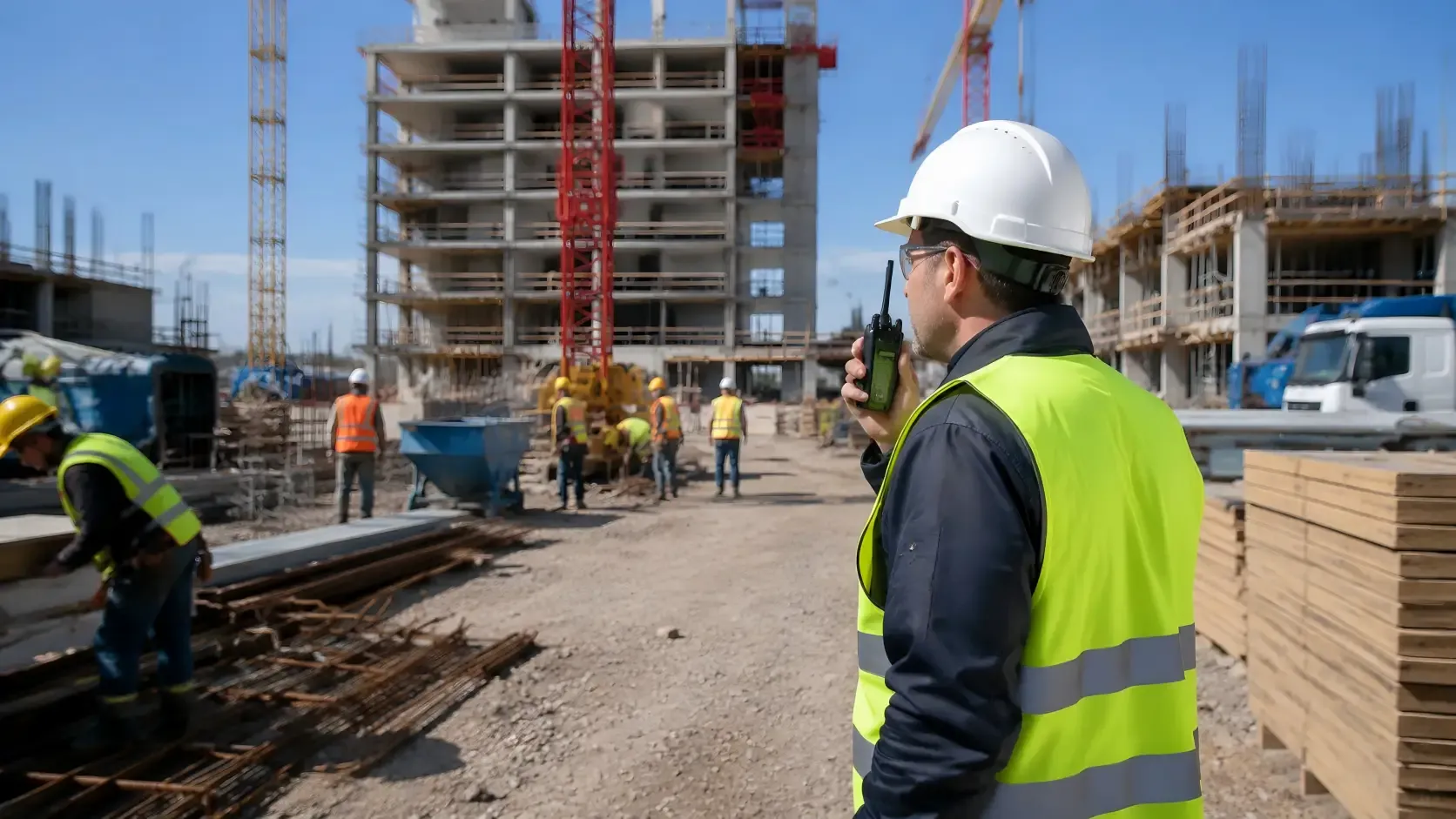
2. Large Jobsite Areas Make Coordination Difficult
Large commercial projects, industrial sites, and multi-level buildings often have crews working in different locations.
Walking between areas or searching for supervisors wastes time and slows decision-making.
This is especially challenging when managing multiple crews on construction sites.
How to Fix It
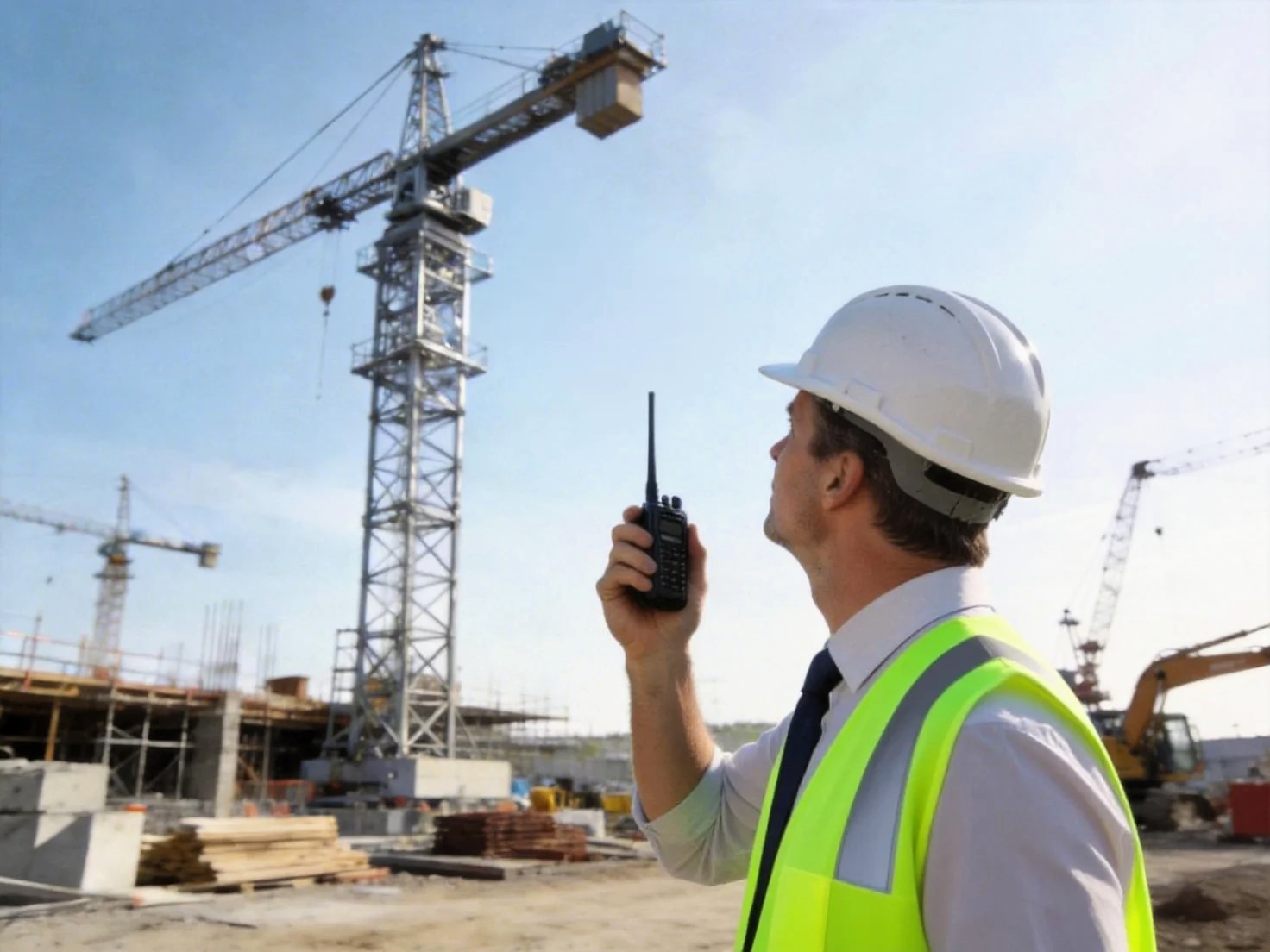
Long-range communication systems help teams coordinate instantly across different work zones.
A practical setup may include separate channels for:
- Project managers
- Foremen
- Equipment operators
- Safety teams
- Logistics teams
This helps reduce phone calls and manual coordination for construction equipment moves and daily operations.
3. Subcontractor Misalignment Causes Delays
One of the biggest builder problems with subcontractor management is poor communication between trades.
Electricians, HVAC teams, concrete crews, and other contractors often depend on each other's schedules. When updates are missed, projects experience:
- Work conflicts
- Blocked access
- Delayed handoffs
- Additional rework
How to Fix It
Create a shared communication process:
- Define who communicates updates
- Establish emergency contacts
- Assign communication channels
- Standardize reporting procedures
A reliable construction site communication system helps connect different teams and reduces coordination gaps.
4. Phone-Only Communication Slows Field Operations
Phones are useful for documentation, photos, and project records. However, they are often inefficient for urgent field communication.
Workers may be:
- Wearing gloves
- Operating equipment
- Working in noisy areas
- Moving between locations
Calls may be missed and group updates may be delayed.
Two-Way Radios vs Construction Communication Apps
Digital construction communication apps can help with project documentation and scheduling, but they are not always ideal for urgent field communication.
Two-way radios provide:
- Instant push-to-talk communication
- One-to-many team updates
- Faster emergency response
- Easier operation in active work areas
The best communication strategy often combines both tools: apps for project management and radios for real-time operations.
5. Poor Safety Communication Increases Risk
Safety depends heavily on fast and accurate communication.
When communication breaks down on site, workers may not receive important information about:
- Equipment movement
- Hazard areas
- Changing conditions
- Emergency situations
How to Improve Construction Safety Communication
A strong process should include:
- Emergency channels
- Clear reporting procedures
- Equipment coordination rules
- Standard communication terms
Two-way radios for construction allow teams to share urgent information immediately and improve emergency response.
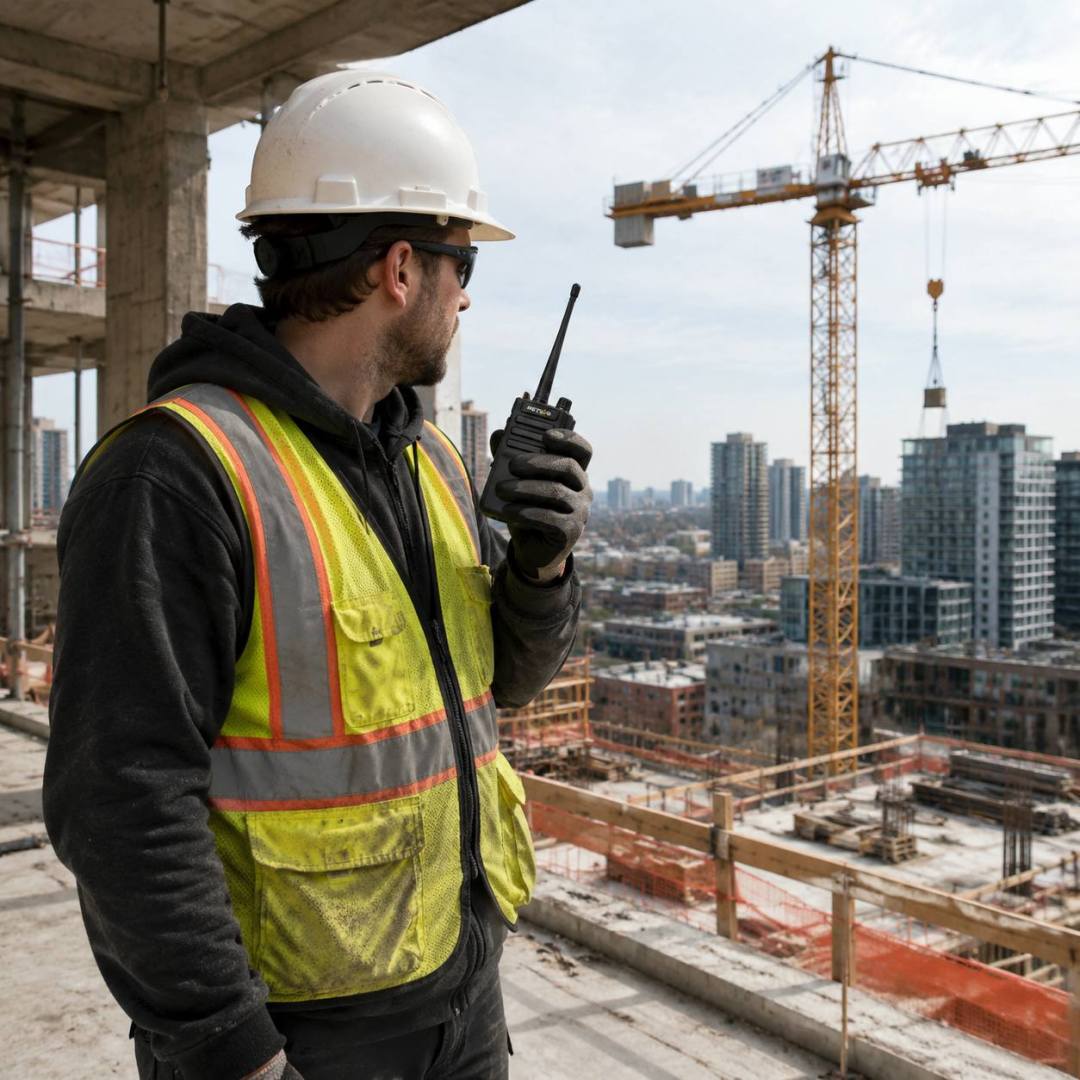
6. Supervisors Lack Real-Time Jobsite Visibility
Project managers and supervisors cannot be everywhere at once. Without direct communication, problems may only be discovered after delays occur.
Common issues include:
- Material shortages
- Equipment conflicts
- Crew waiting time
- Unexpected schedule changes
How to Fix It
Improve construction supervisor communication by creating simple reporting methods:
- Location
- Problem
- Impact
- Required action
Real-time communication helps leaders respond faster and reduce construction site delays.
7. No Standard Communication Process Creates Confusion
Even the best communication tools cannot solve a site without clear rules.
Many construction teams experience problems because every crew communicates differently.
Create a Construction Communication Protocol
A simple system should define:
- Radio channels
- Team names
- Emergency procedures
- Reporting methods
- Communication responsibilities
Standard processes reduce miscommunication in construction and improve teamwork.
Why Construction Radios Remain Essential for Jobsite Communication
Modern construction projects use many digital tools, but radios remain valuable because they are designed for real-time field coordination.
Construction radios support:
- Instant communication
- Group coordination
- Equipment operations
- Safety alerts
- Emergency response
When selecting radios, construction teams should consider:
- Coverage range
- Audio clarity
- Durability
- Battery life
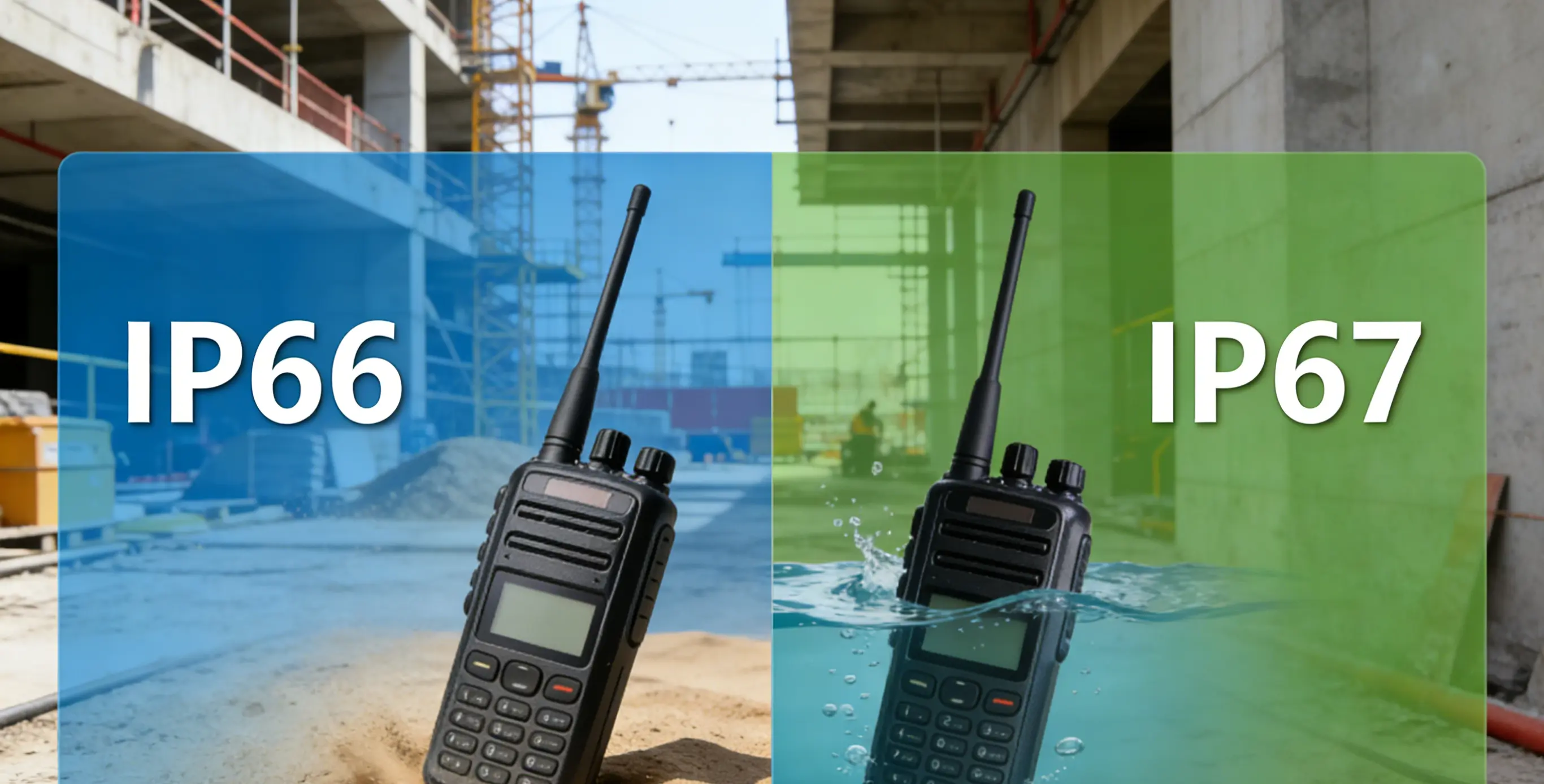
- Weather resistance
- Ease of operation
The right communication system helps create safer and more efficient jobsites.
5 Ways to Improve Construction Site Communication
1. Identify Communication Bottlenecks
Find where messages are delayed or misunderstood.
Ask:
- Where do teams lose time?
- Which tasks require faster coordination?
- Where do safety risks occur?
2. Standardize Communication Tools
Avoid different teams using unrelated systems.
Use consistent radios, channels, and procedures.
3. Improve Equipment Coordination
Clear communication helps reduce unnecessary phone calls and manual coordination during equipment movements.
4. Train Workers on Communication Rules
Teach teams to:
- Keep messages short
- Confirm important instructions
- Report issues early
5. Match Tools to Tasks
Use:
- Radios for urgent field communication
- Apps for documentation
- Email for formal records
Final Thoughts
Construction site communication directly affects productivity, safety, and project performance.
Noise, distance, subcontractor coordination, delayed updates, and unclear processes are common communication problems in construction projects. However, with better workflows and reliable communication systems, teams can reduce delays and improve jobsite coordination.
For many construction projects, combining professional construction radios with clear communication procedures creates a faster, safer, and more connected working environment.
FAQ About Construction Site Communication
What is a common problem on a jobsite that contributes to delays?
Common causes include poor communication, unclear responsibilities, delayed updates, equipment coordination issues, and subcontractor scheduling conflicts.
Why does communication break down on construction sites?
Communication often breaks down because of jobsite noise, large working areas, multiple teams, changing conditions, and inconsistent communication methods.
Are two-way radios better than phones for construction crews?
For urgent field communication, two-way radios are often more effective because they provide instant push-to-talk communication and group coordination without requiring workers to answer individual calls.
Which tasks are useful when using two-way radios?
Two-way radios are useful for:
- Responding quickly to jobsite emergencies
- Increasing safety communication
- Coordinating crews and equipment
They are less suitable for tasks like contacting clients or handling detailed project documentation.
How can construction companies improve jobsite communication?
Companies can improve communication by combining clear procedures, trained teams, and reliable construction site communication systems such as professional two-way radios.
Leave a Reply








 Google
 Amazon
Comments
No data Yet