Manufacturing Two-Way Radios for Factory Floors
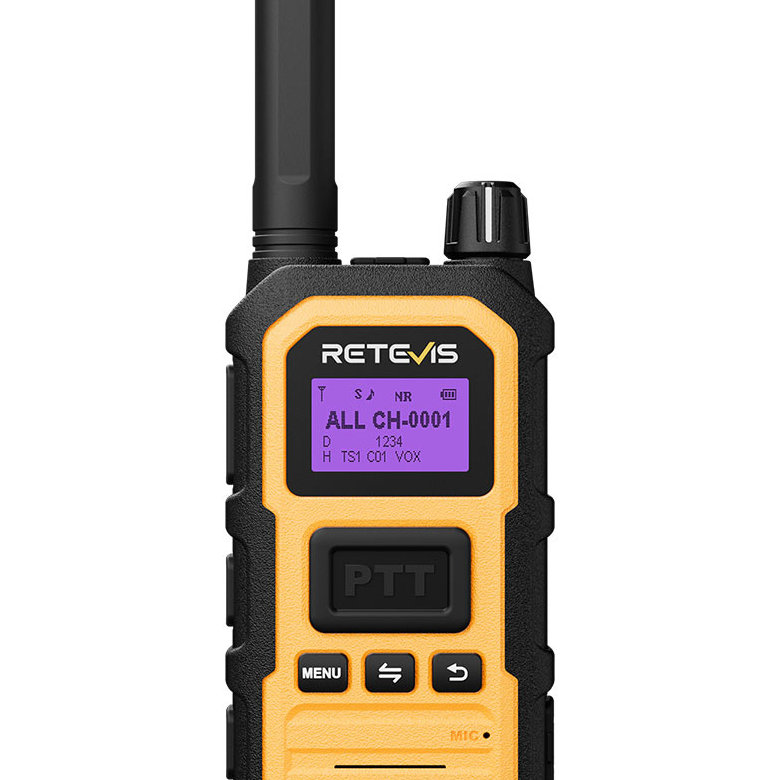
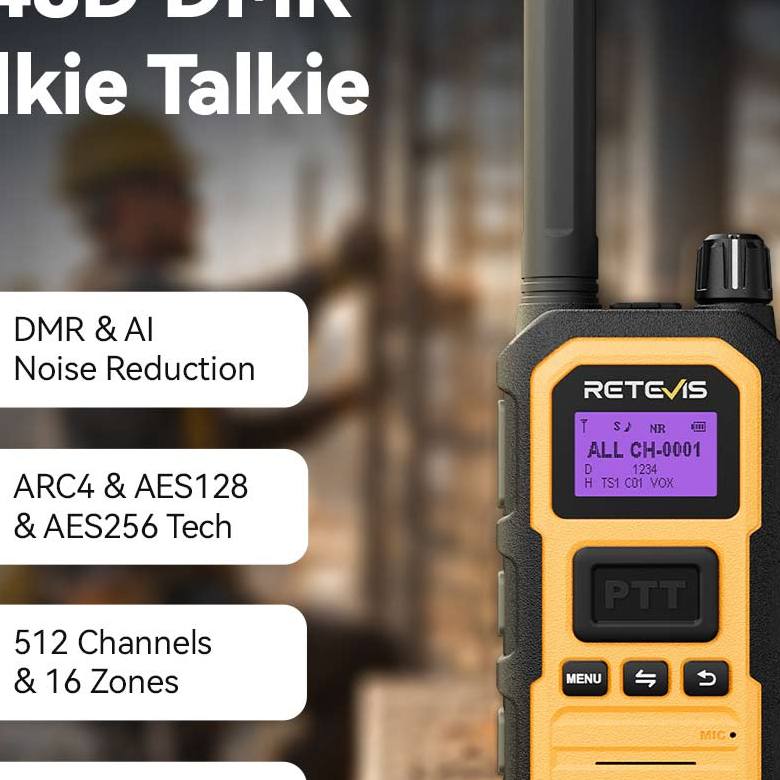

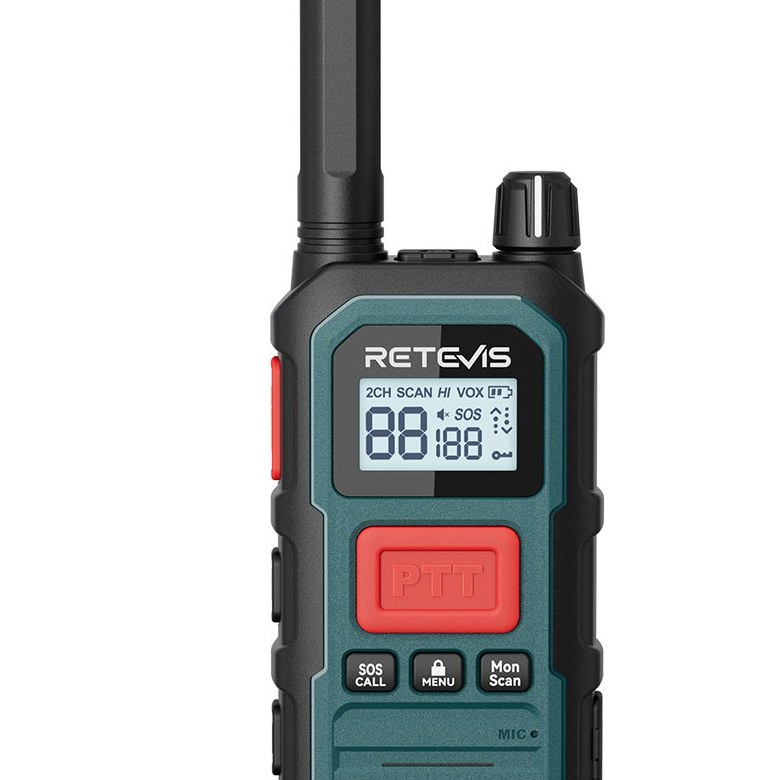
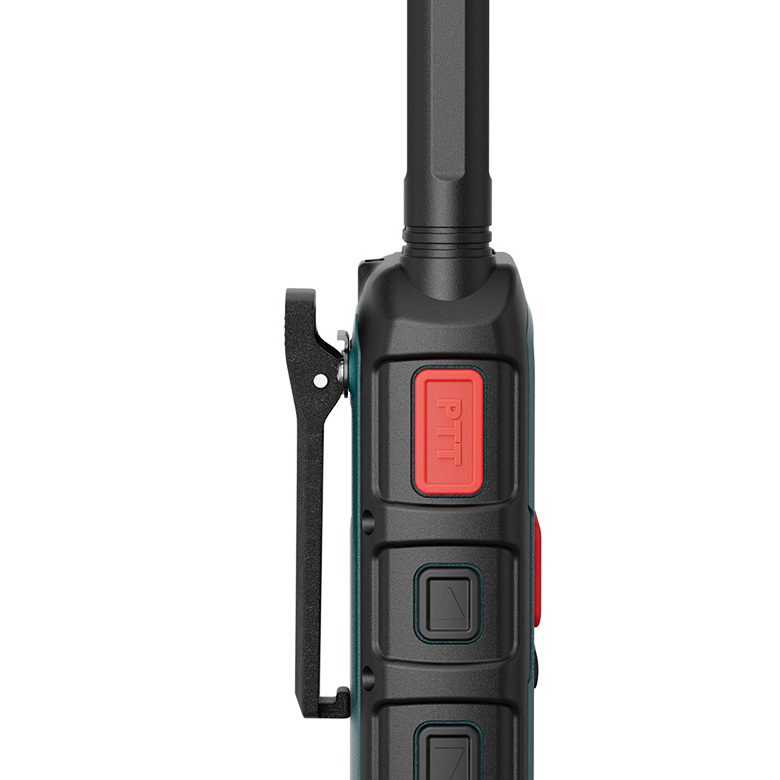
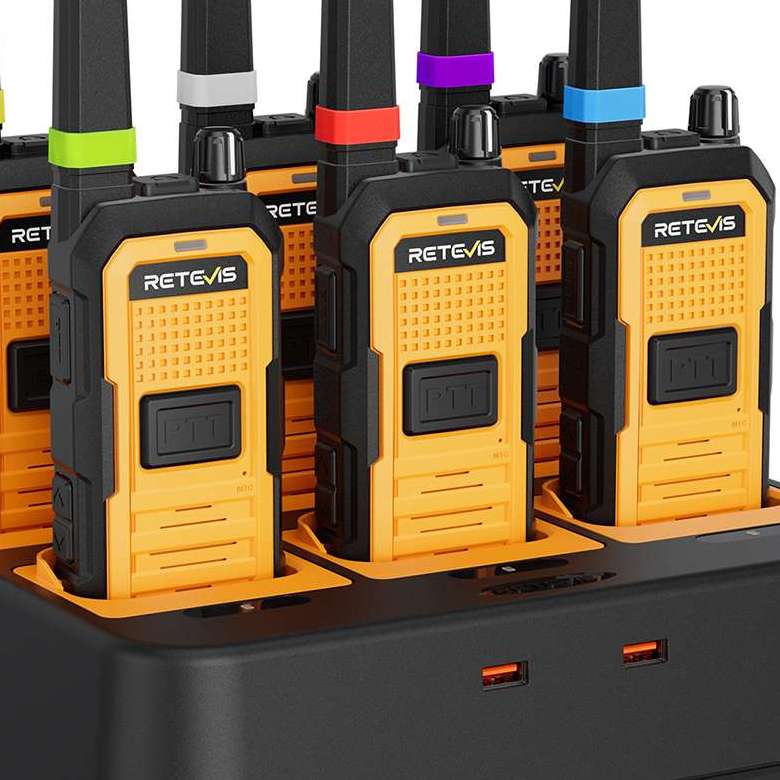
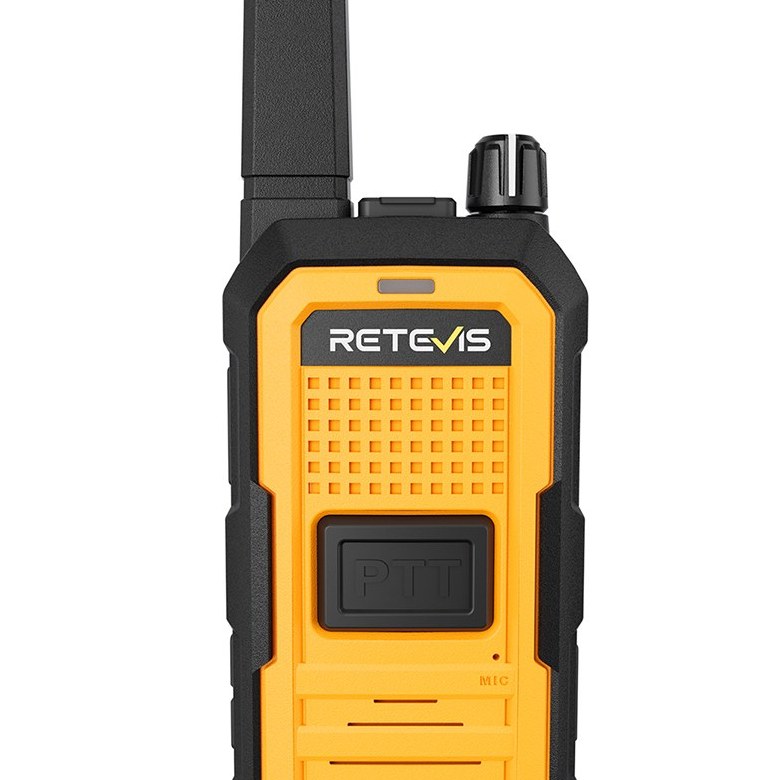
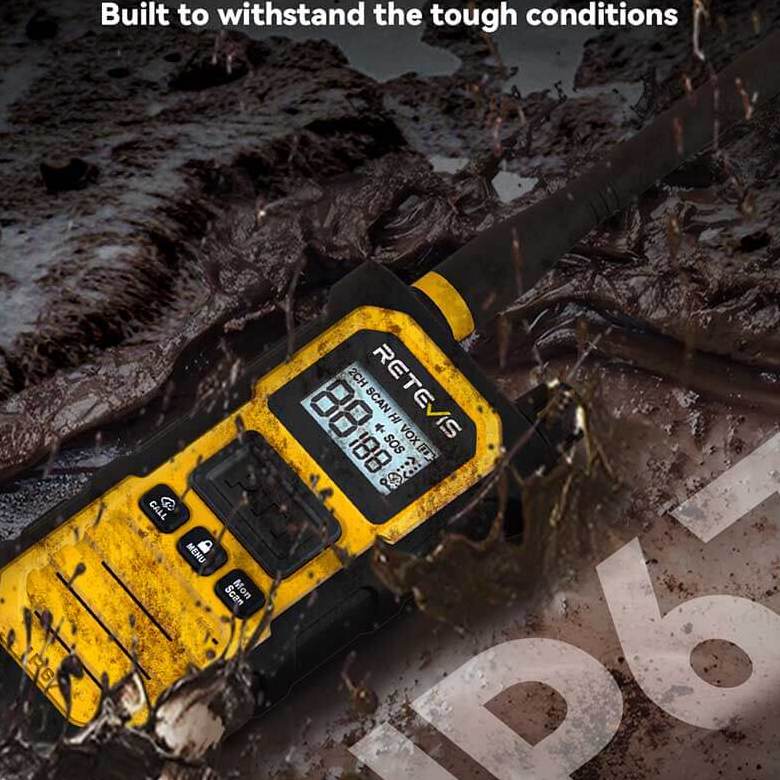
[{"Title":"IP67 Rated","Content":"Waterproof, dustproof, and survives 2m drops."},{"Title":"Noise Reduction","Content":"Filters background noise for crystal-clear audio."},{"Title":"Long Battery Life","Content":"2000mAh battery with Type-C fast charging."},{"Title":"Easy Operation","Content":"Oversized dual PTT buttons, glove-friendly."},{"Title":"Safety Features","Content":"NOAA alerts and one-touch emergency alarm."}]
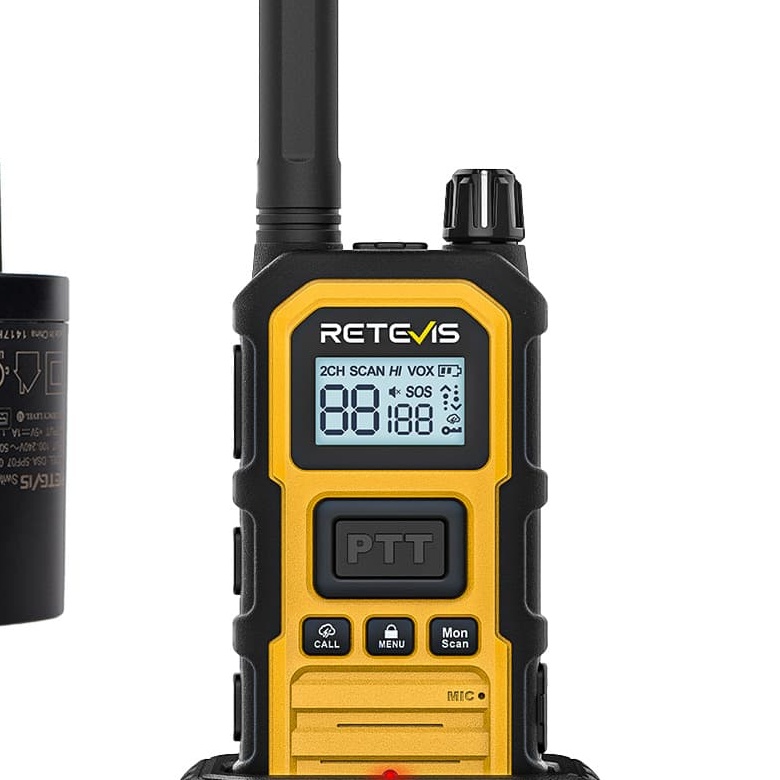
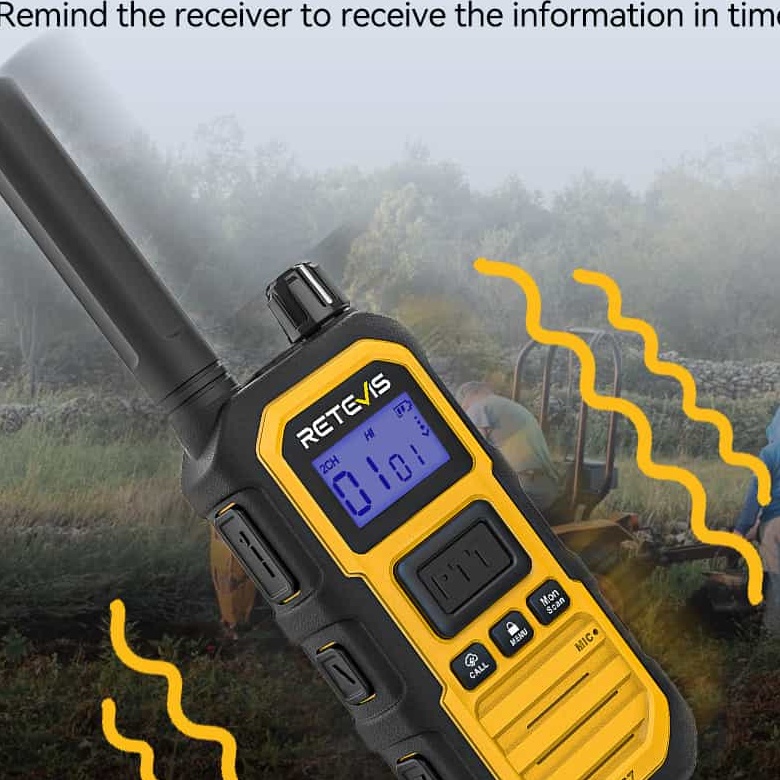
The Best Radios for Manufacturing Plant Use
Rugged Two-Way Radios Built for Factory Floors
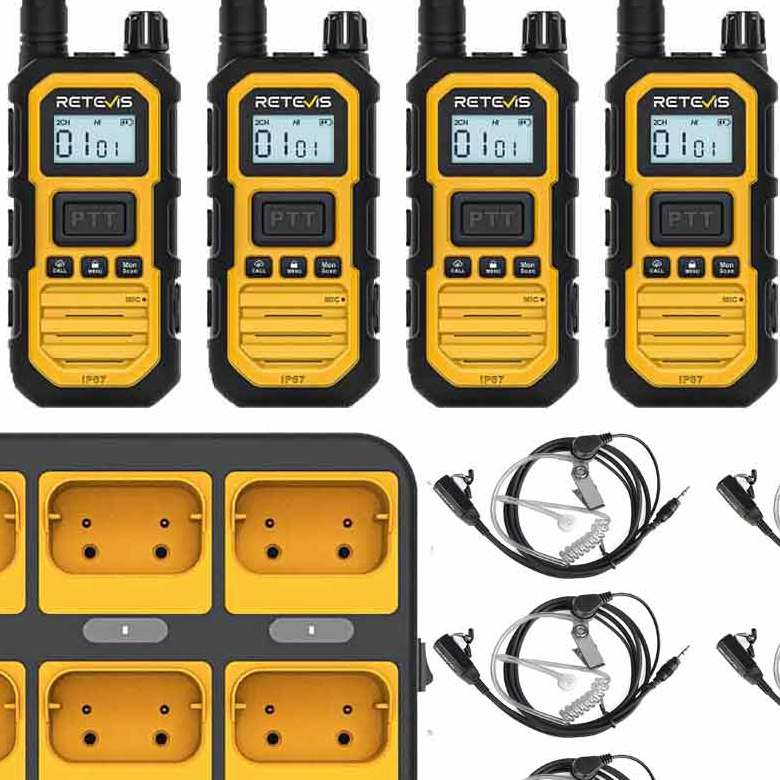
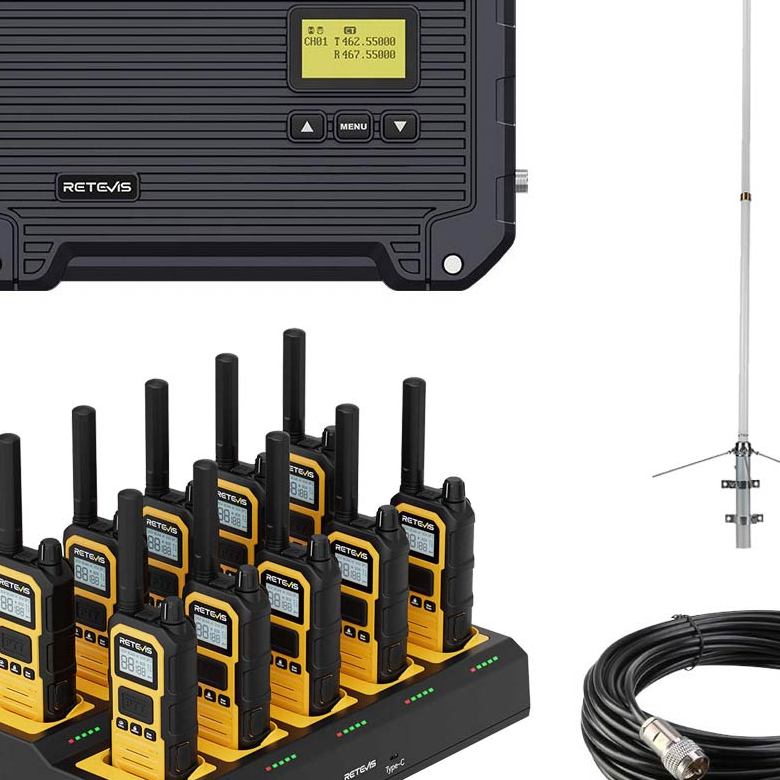
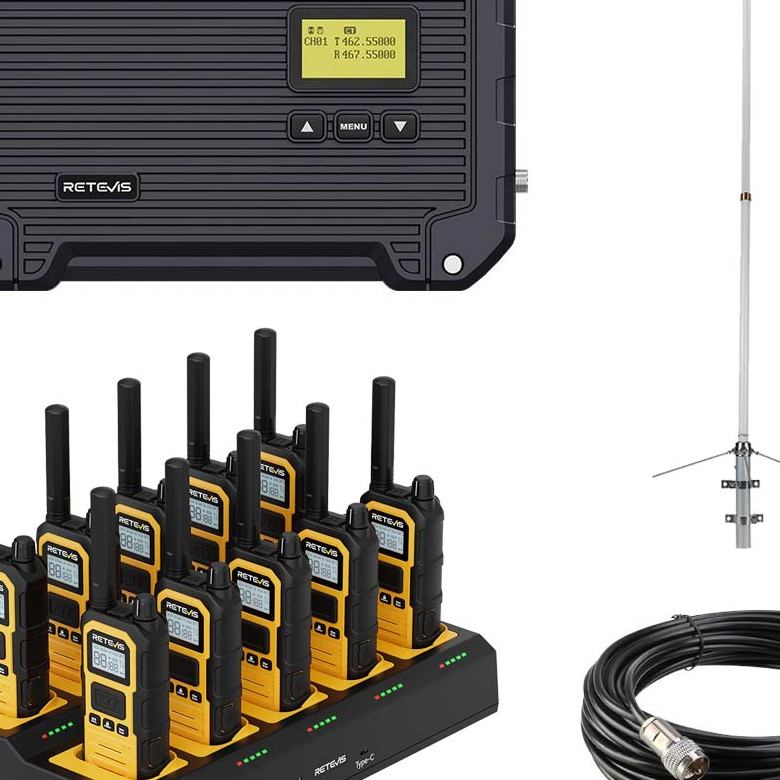
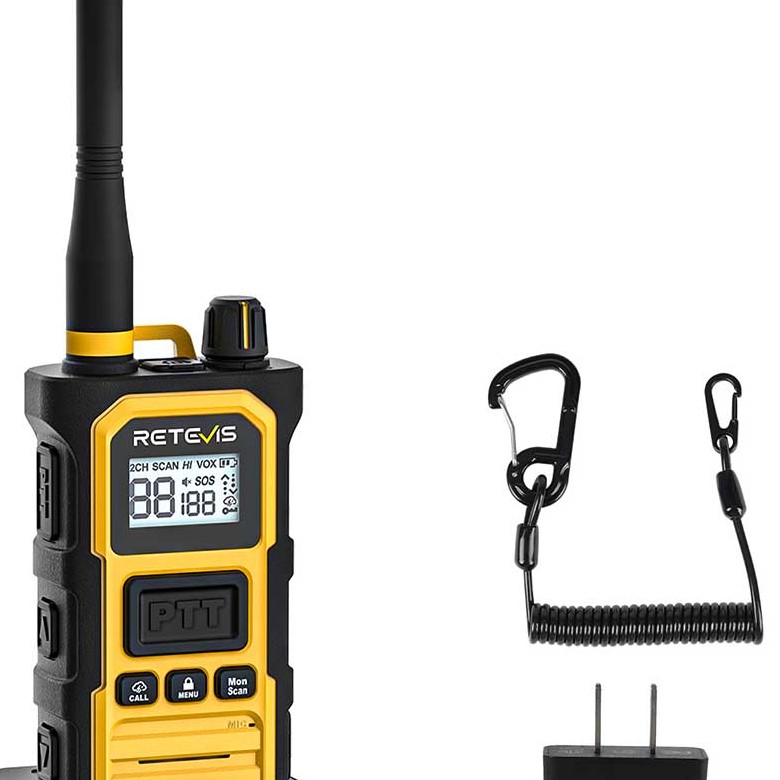
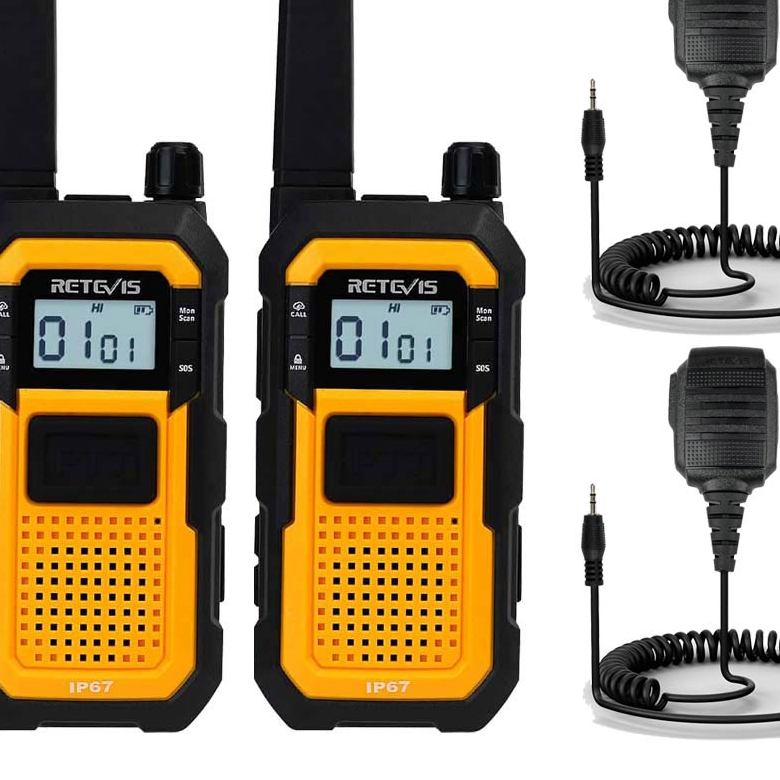
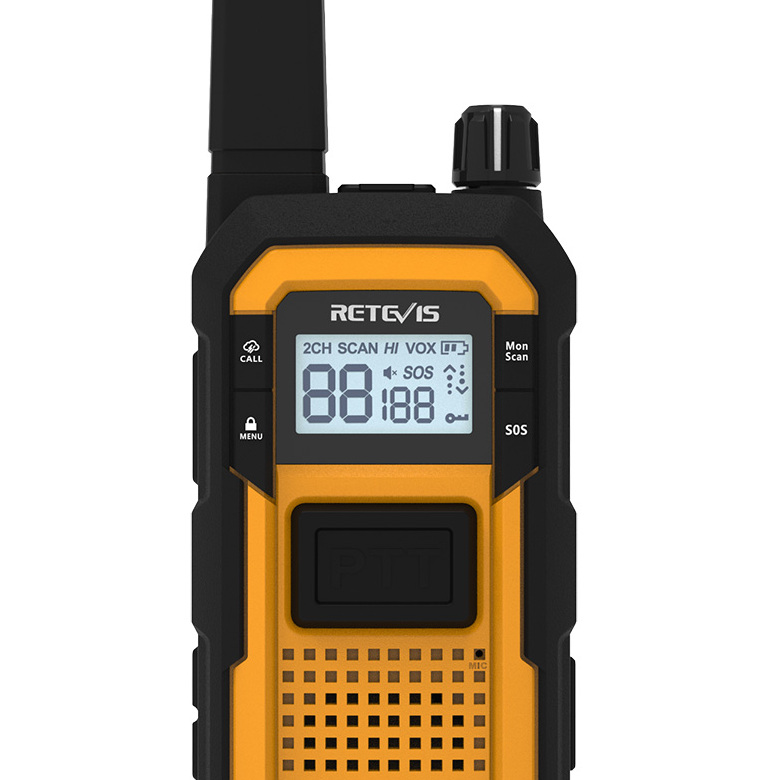
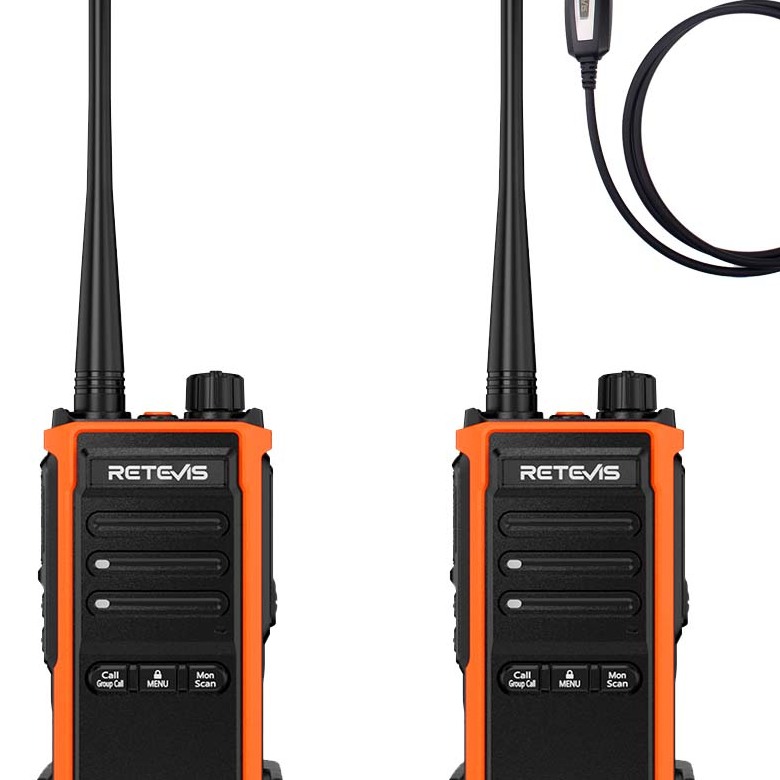
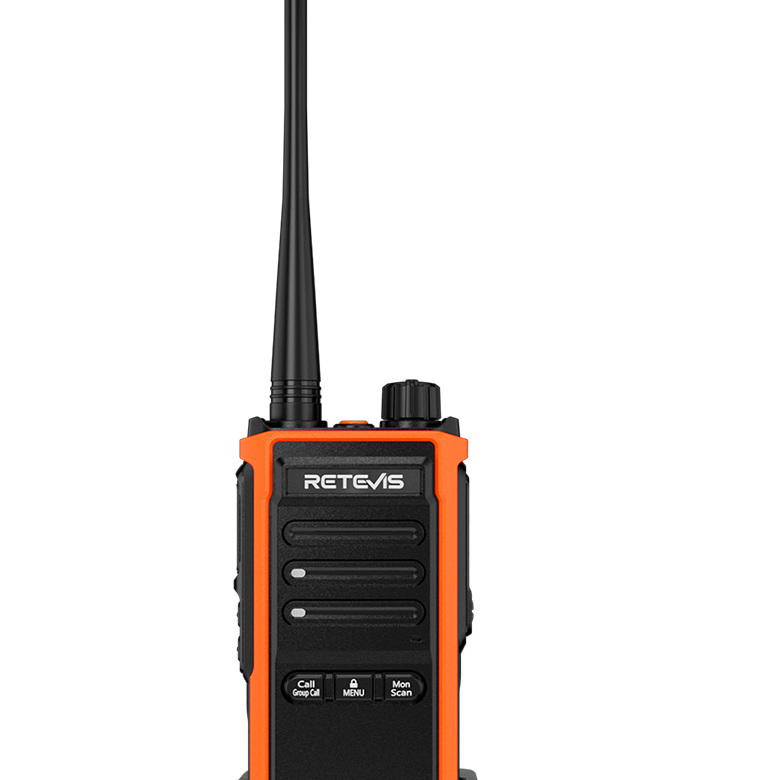
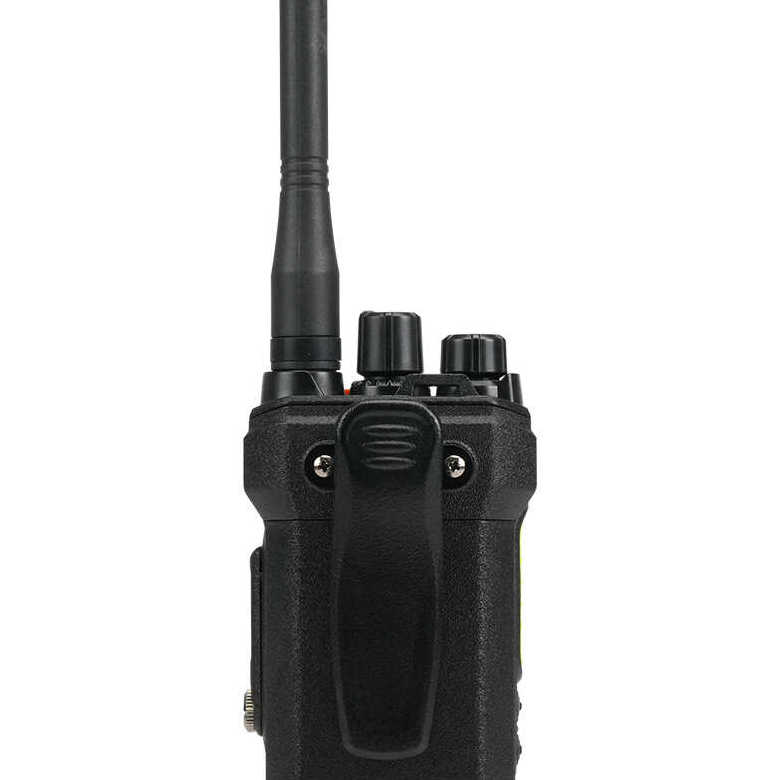
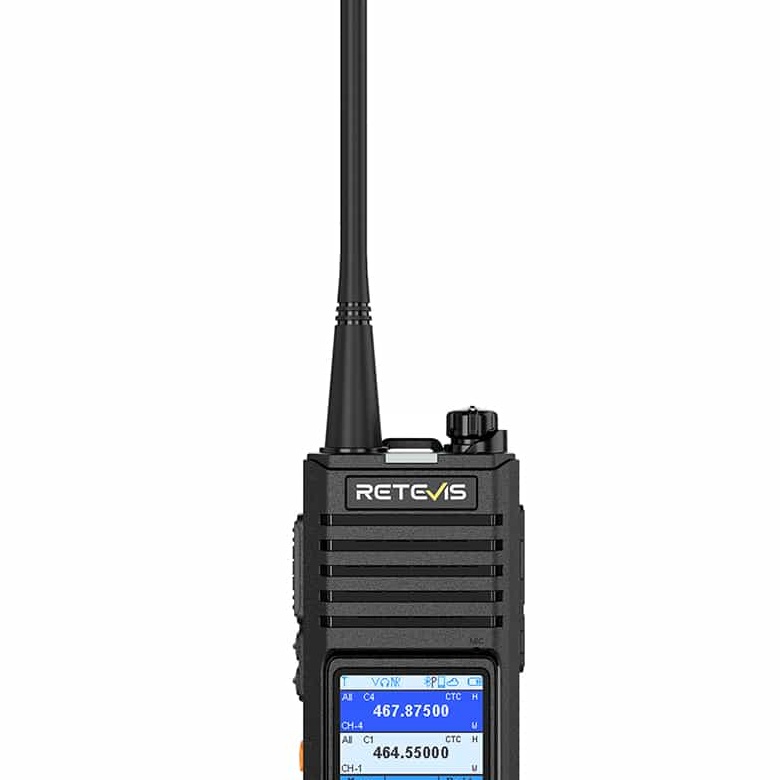
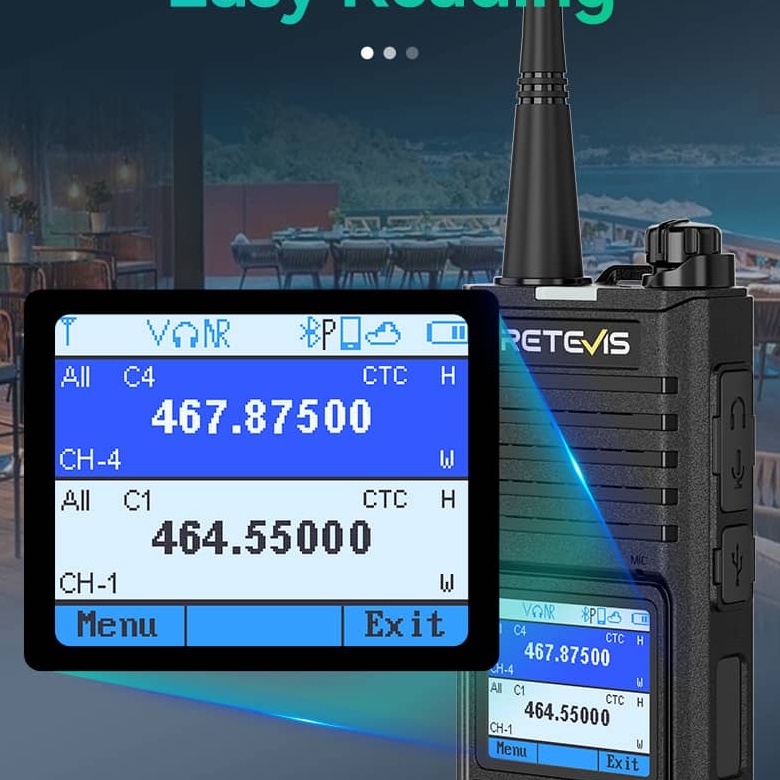
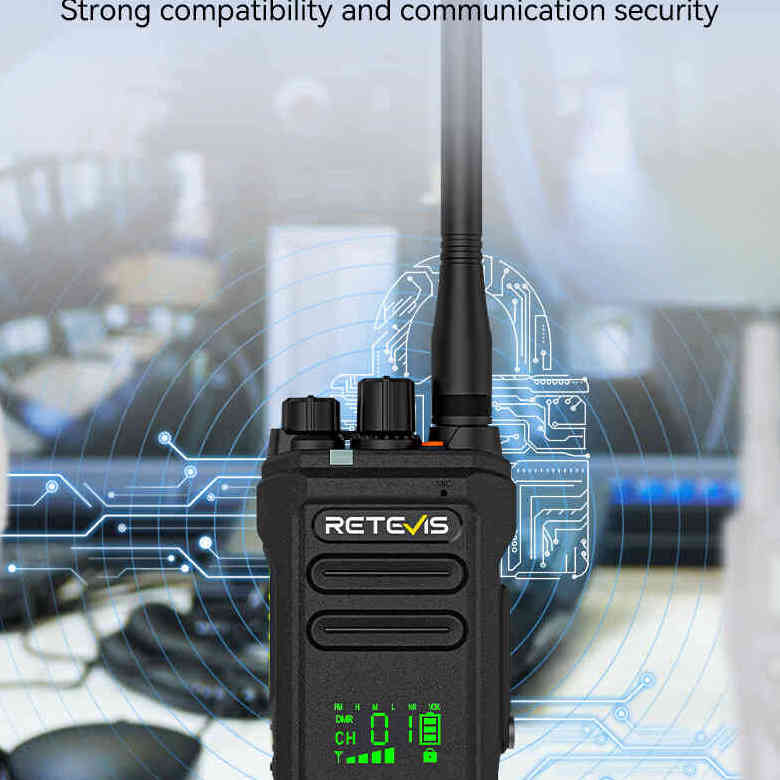
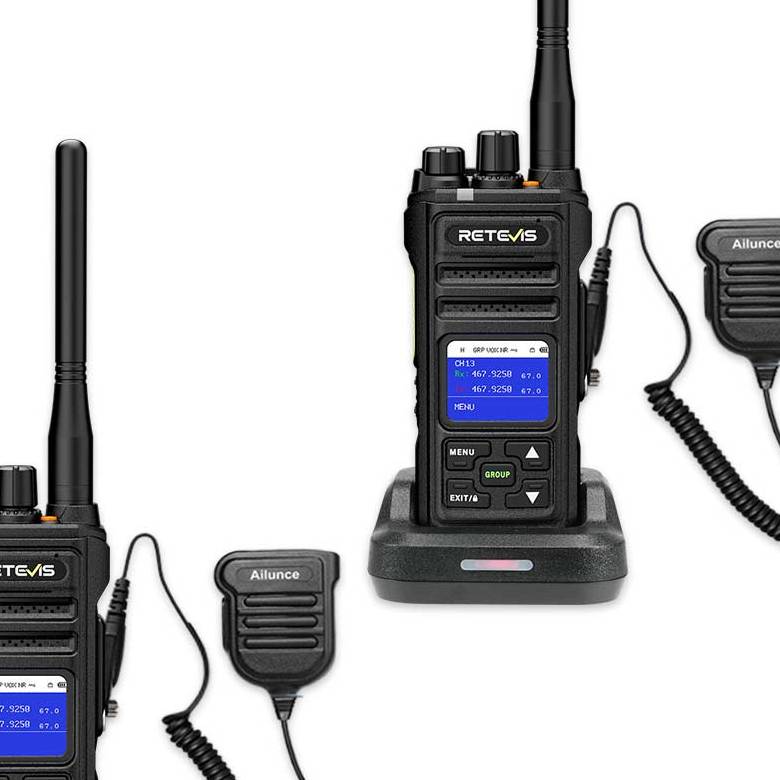
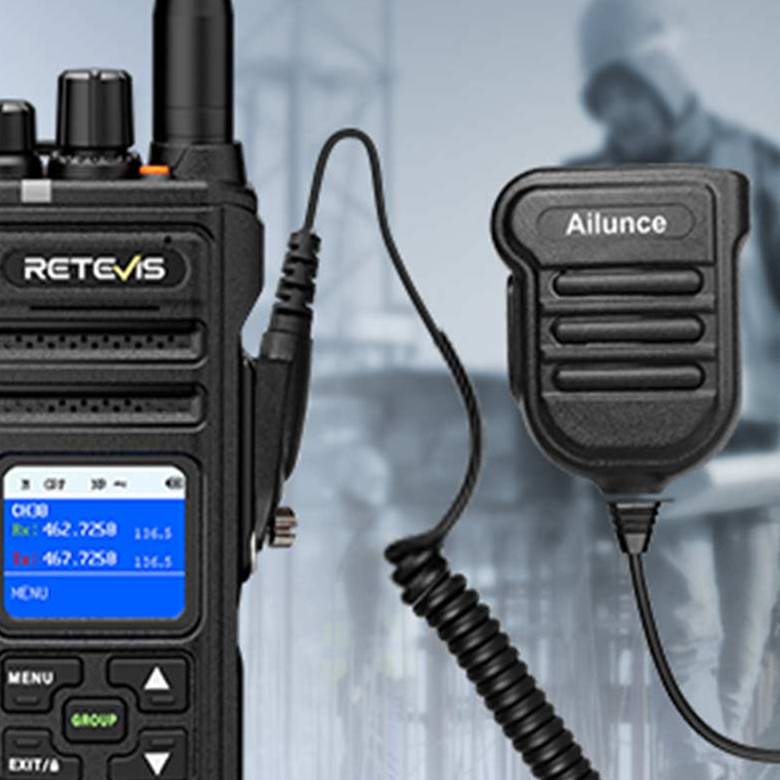
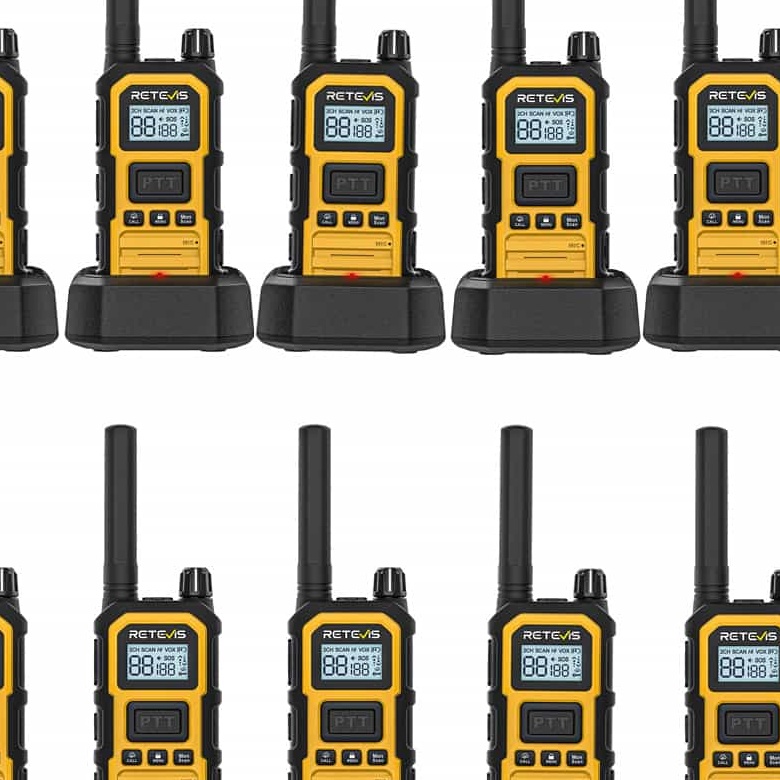
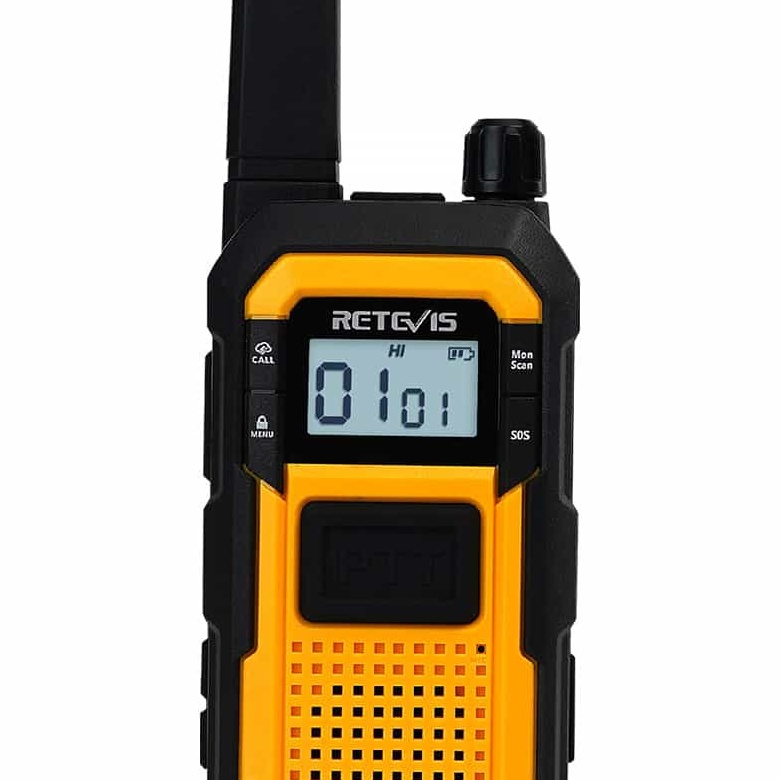
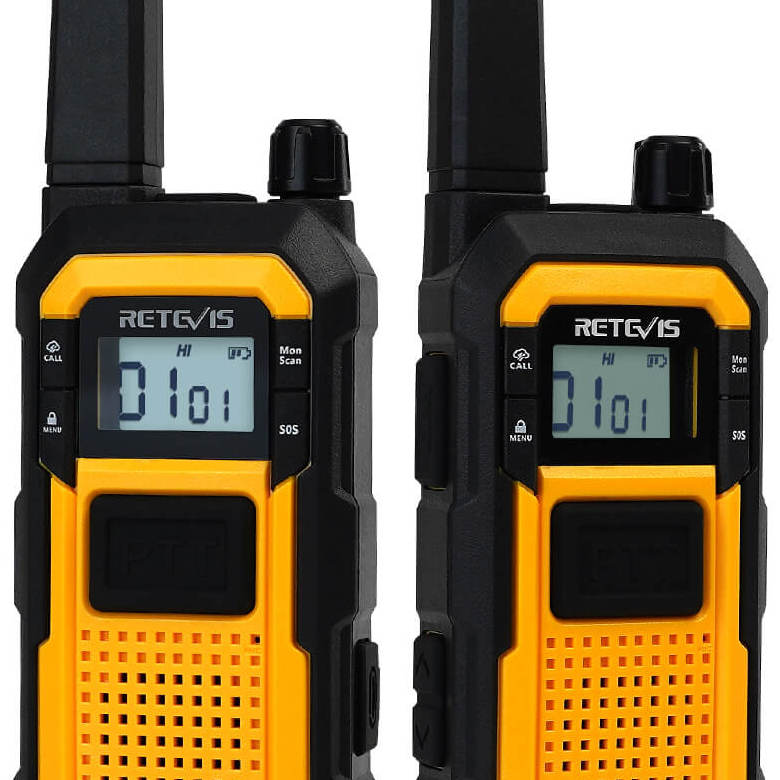
Retevis manufacturing two way radios provide dependable communication for factory floors. Designed for durability and long-term communication, every model delivers clear audio, extended battery life, and rugged performance in noisy environments. Ideal for improving coordination, safety, and productivity across large manufacturing facilities — paired with a radio repeater when the plant has steel structures, multiple floors or outdoor yards.
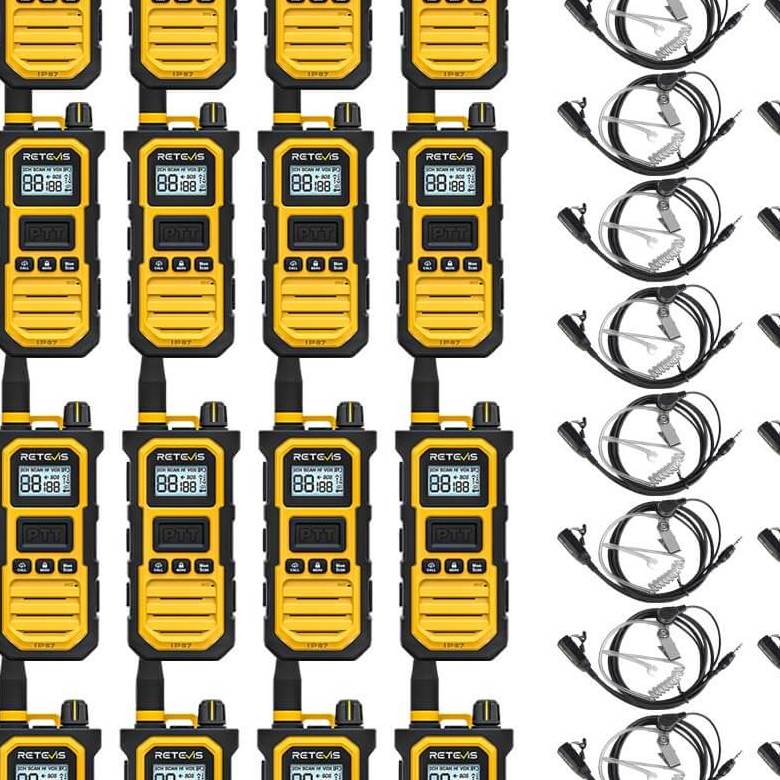
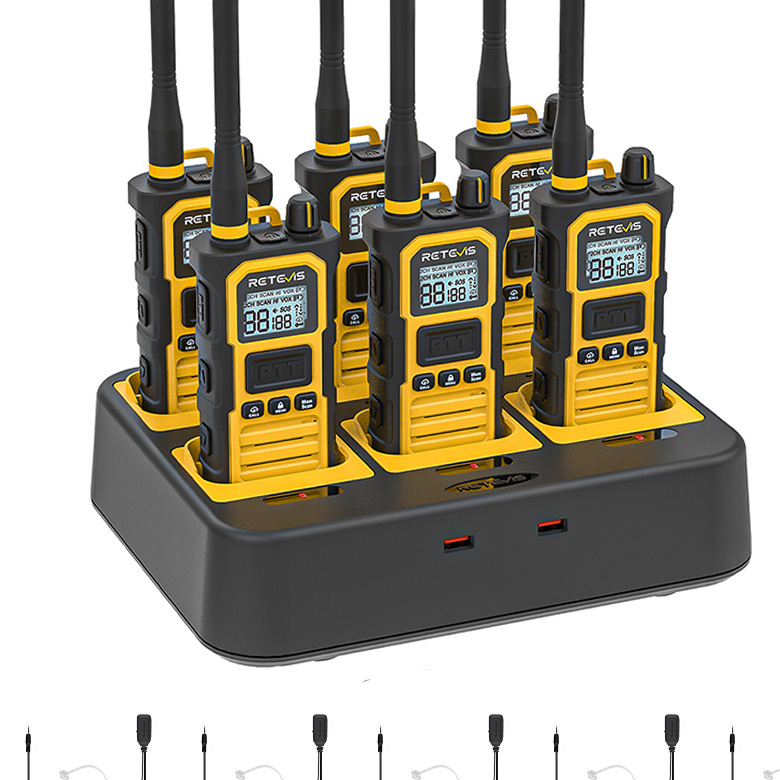
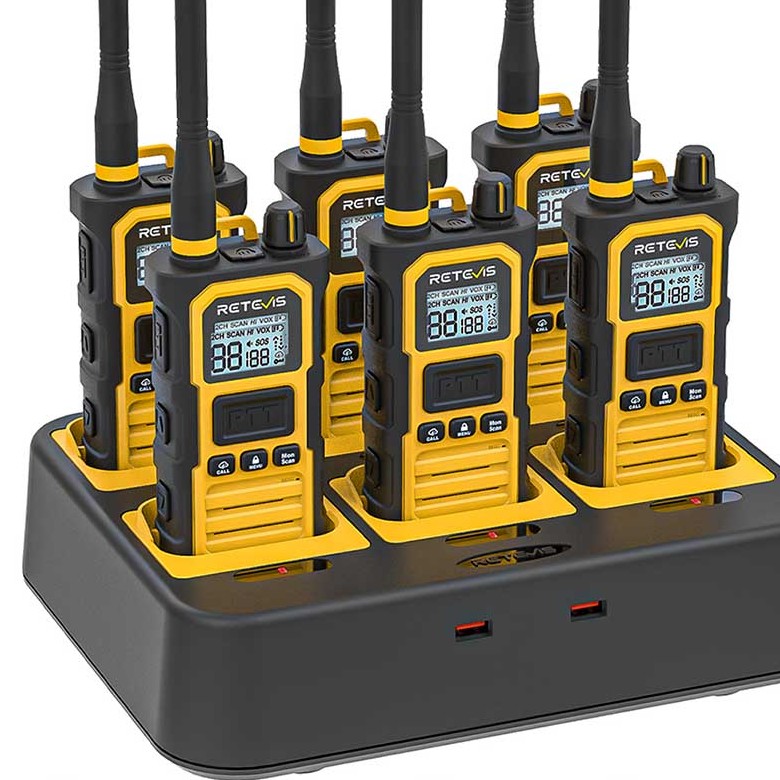
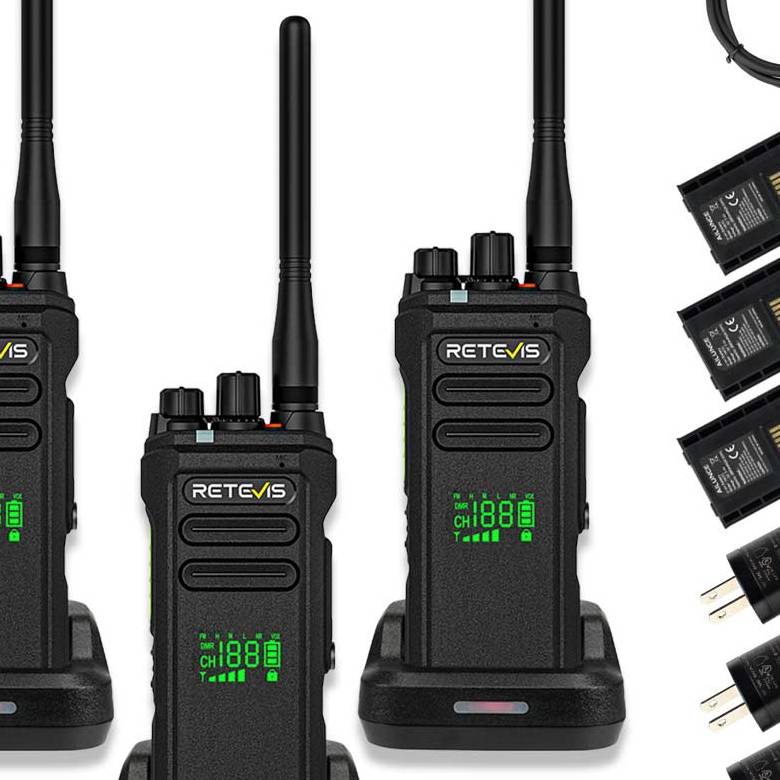
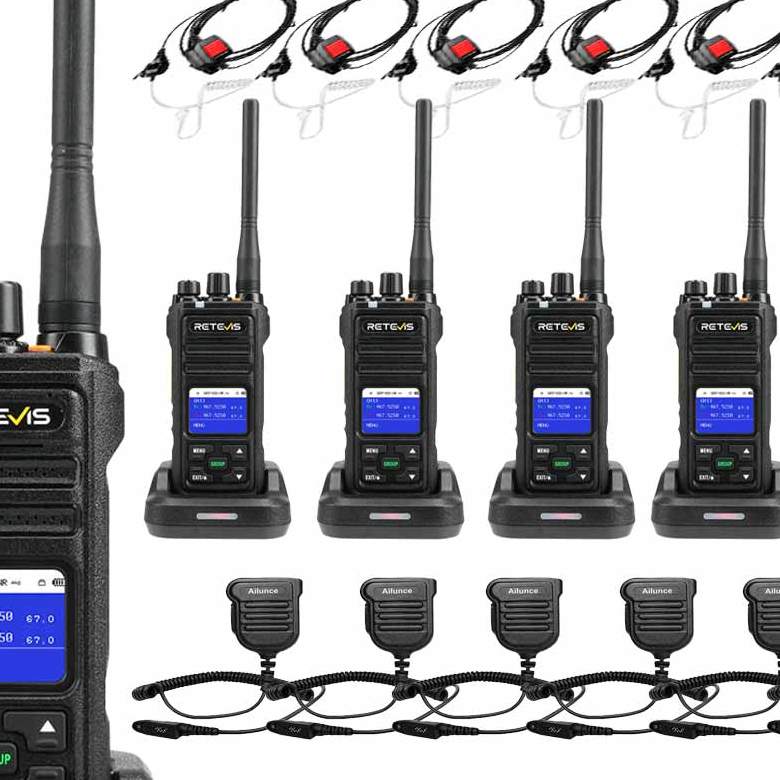
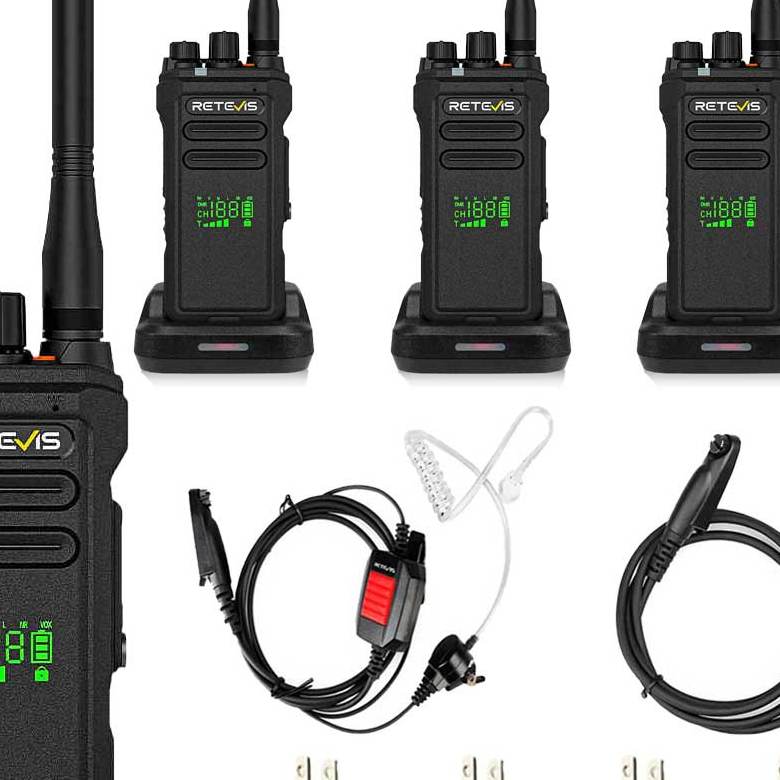
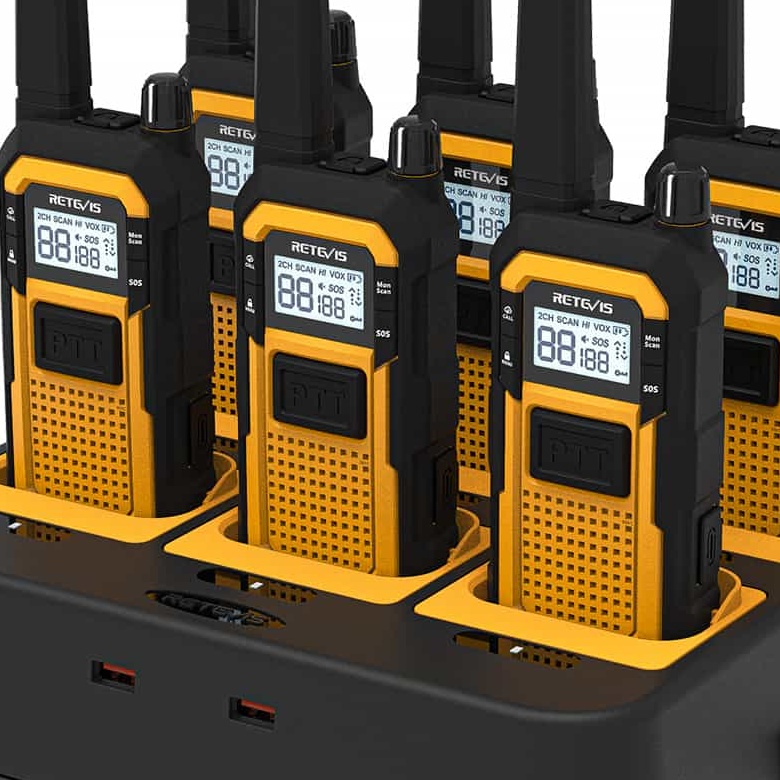
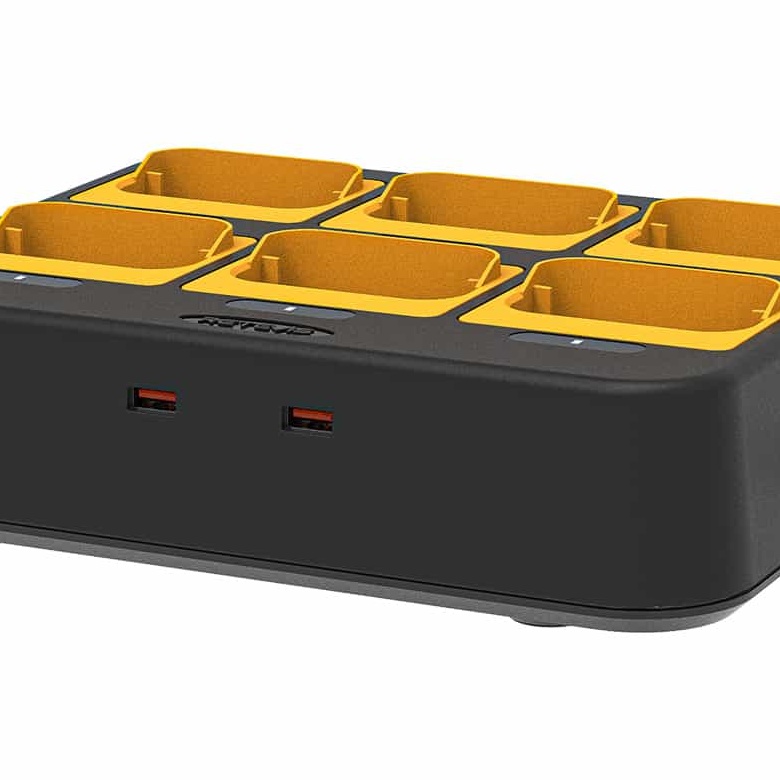
Every Retevis handheld in this range is rechargeable. For shift operations, multi-unit chargers and spare batteries avoid the downtime of charging radios one at a time. Whether you are equipping a single production line or a multi-building plant, theses radios are sized for real shift teams.
Manufacturing Radios: Frequently Asked Questions
1. Sealing grade — IP67 minimum. IP67 means fully dust-tight and survivable in one metre of water for 30 minutes. On a factory floor, dust and coolant ingress is the leading cause of early radio failure. For washdown or chemical splash zones, step up to IP68.
2. Noise handling, not just volume. A loud speaker alone does not solve a 95 dB stamping line. Look for AI or dual-microphone noise cancellation that separates voice from machinery, plus hearing-safe accessories.
3. Battery life matched to shift length. Plan for 12–16 hours per charge so a radio never dies mid-shift. Removable batteries allow hot-swapping on 24/7 operations.
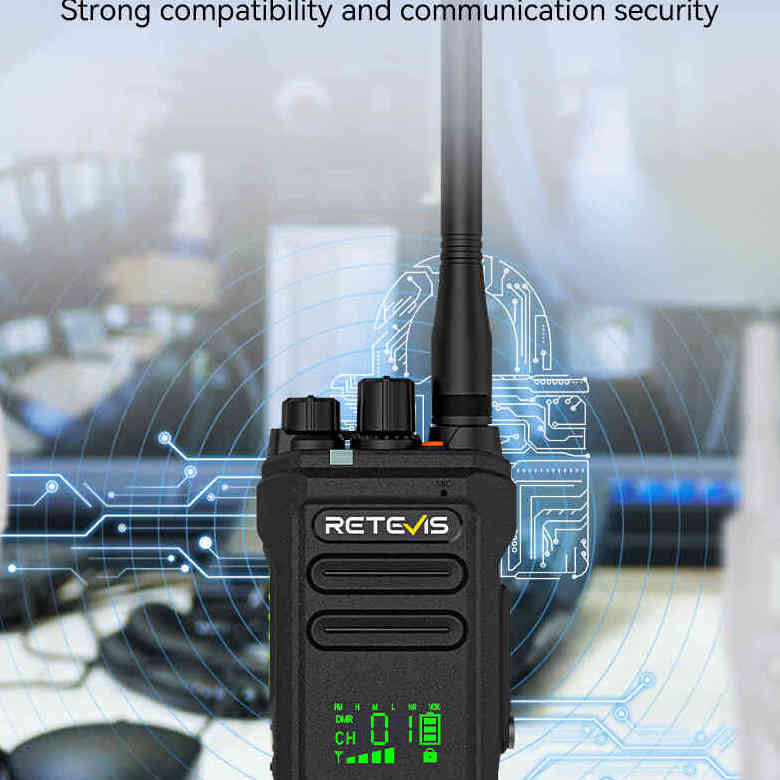
4. Analog + digital (DMR) compatibility. Mixed-mode radios join your existing analog fleet and migrate to DMR at your own pace — no single-shutdown replacement.
5. Safety integrations. Emergency alarm that overrides routine traffic, lone worker check-in, and man-down alerting matter most in remote plant zones and night shifts.
6. Range and coverage plan. Steel racking and concrete can each cut signal dramatically. Facilities with multiple buildings, high-bay areas or outdoor yards generally need a repeater, not just stronger handhelds.
On Retevis manufacturing radios, emergency alarm and lone worker are available on supported models; check the specification panel on each product page before specifying a fleet.
| Plant environment | Recommended setup | Why it fits |
|---|---|---|
| High-noise production floor (stamping, grinding, packaging) | Noise-reduction DMR handhelds + acoustic-tube earpieces | AI noise cancellation keeps voice intelligible above machine noise; earpieces restore clarity for the wearer |
| Large plant, steel racking, multiple bays | Handhelds + DMR repeater | Metal structures and racking create signal shadows; a repeater restores consistent coverage |
| Multi-building campus / outdoor yard / gatehouse | Repeater system kit + high-power handhelds | Extends coverage beyond line-of-sight and across buildings on one channel plan |
| Power plants & utility substations | Long-range encrypted radios + repeater | Wide footprints and interference from high-voltage equipment demand power and encryption |
| 24/7 shift operations | High-capacity batteries, multi-unit chargers, hot-swap spares | Continuous operation means radios must never leave the air between shifts |
| Hazardous / explosive-risk zones | Intrinsically safe certified radios | Standard radios can ignite flammable atmospheres — see our explosion-proof two-way radios |


 Google
 Amazon