

Table of Contents
4 Scalable Communication Setups Built for Every Construction Project Size
- Posted by:Retevis
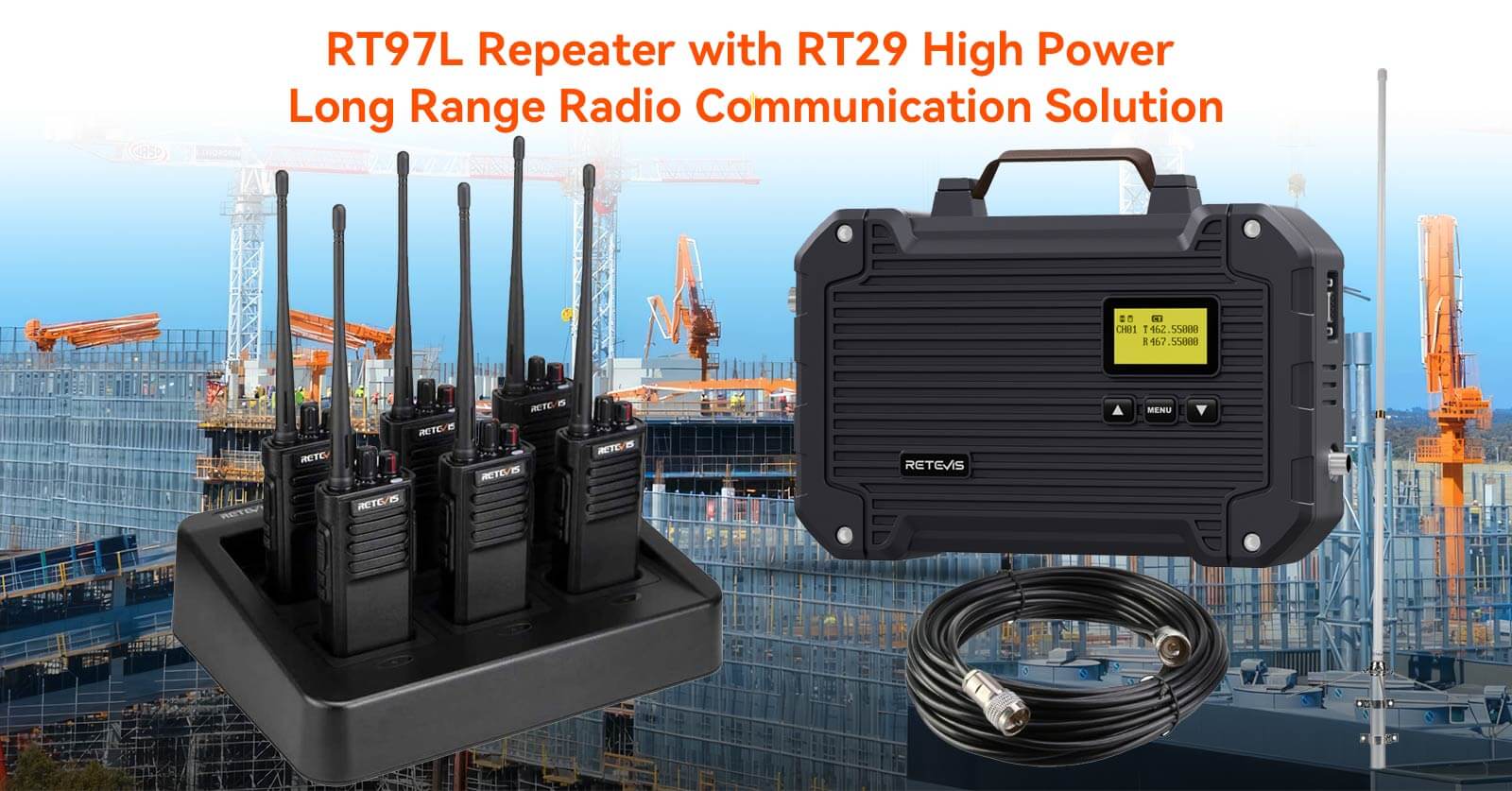
Mismatched communication systems create two costly issues on construction sites. Underpowered setups leave dead zones in basements and upper floors, which slows work and creates safety gaps. Overbuilt setups tie up budget that could go to other project priorities.
This guide covers 4 official Retevis setups, each matched to a specific project size. All performance numbers and deployment rules pull directly from Retevis official website documentation, with no untested claims added.
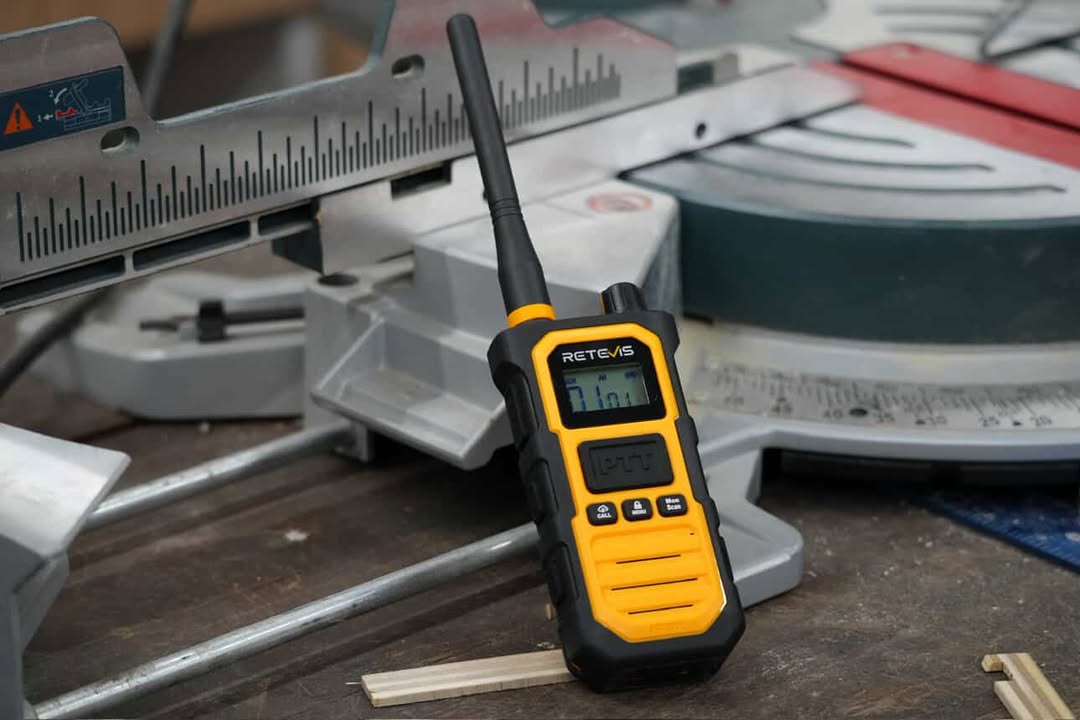
1. Standalone RT29 Handheld Fleet | Small Construction Projects
Best for: Sites under 20,000 sqm, buildings under 5 floors, small renovation and fit-out projects
Official configuration
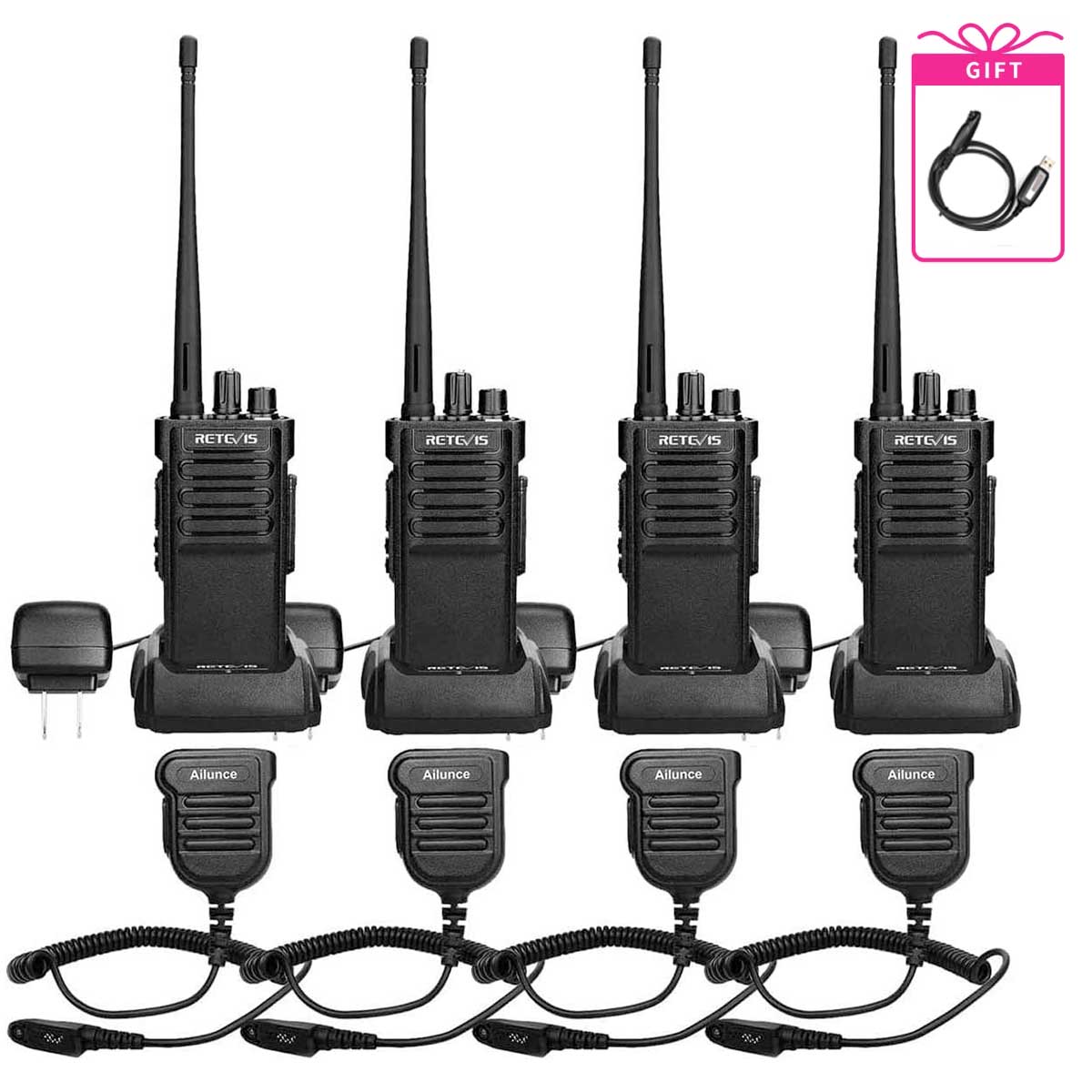
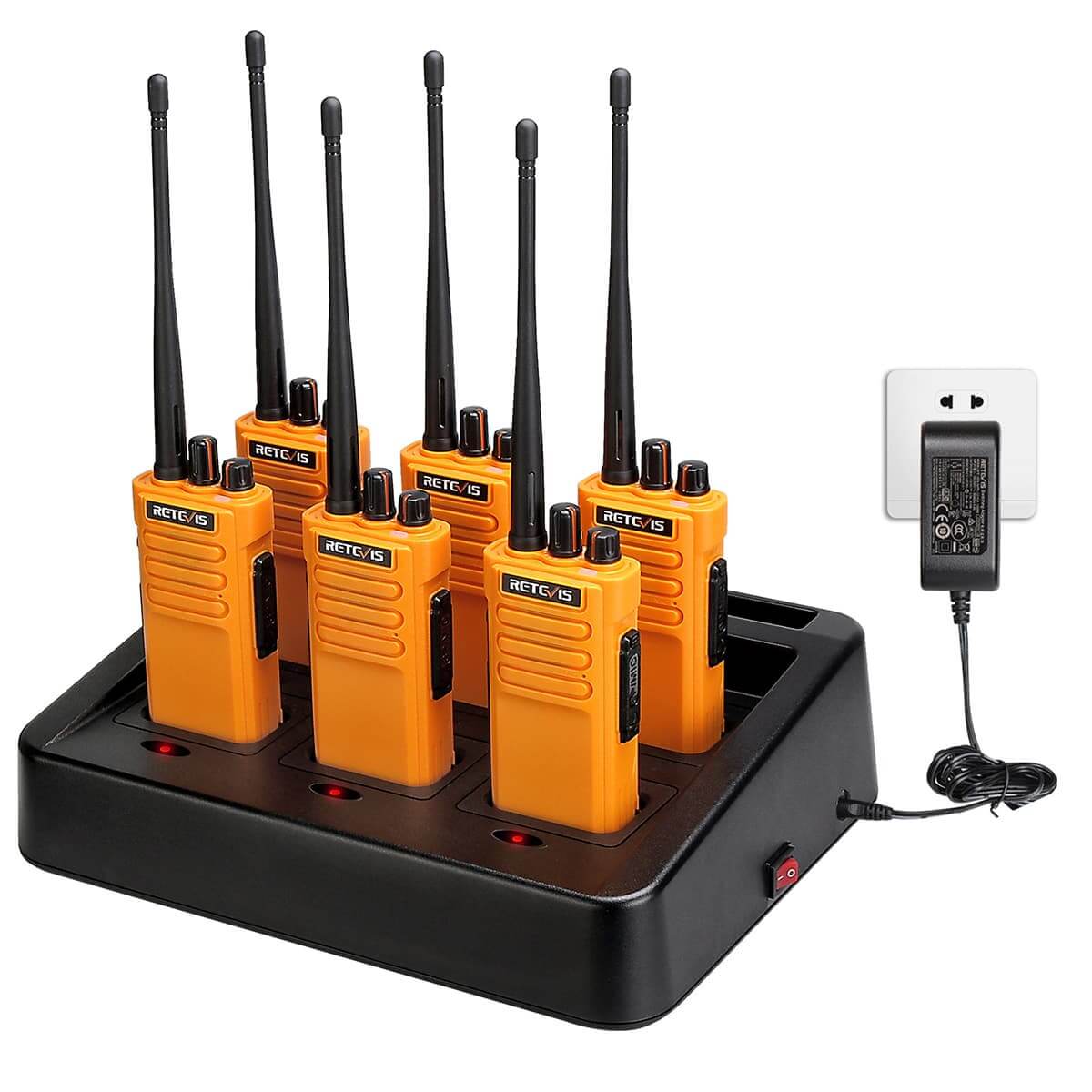
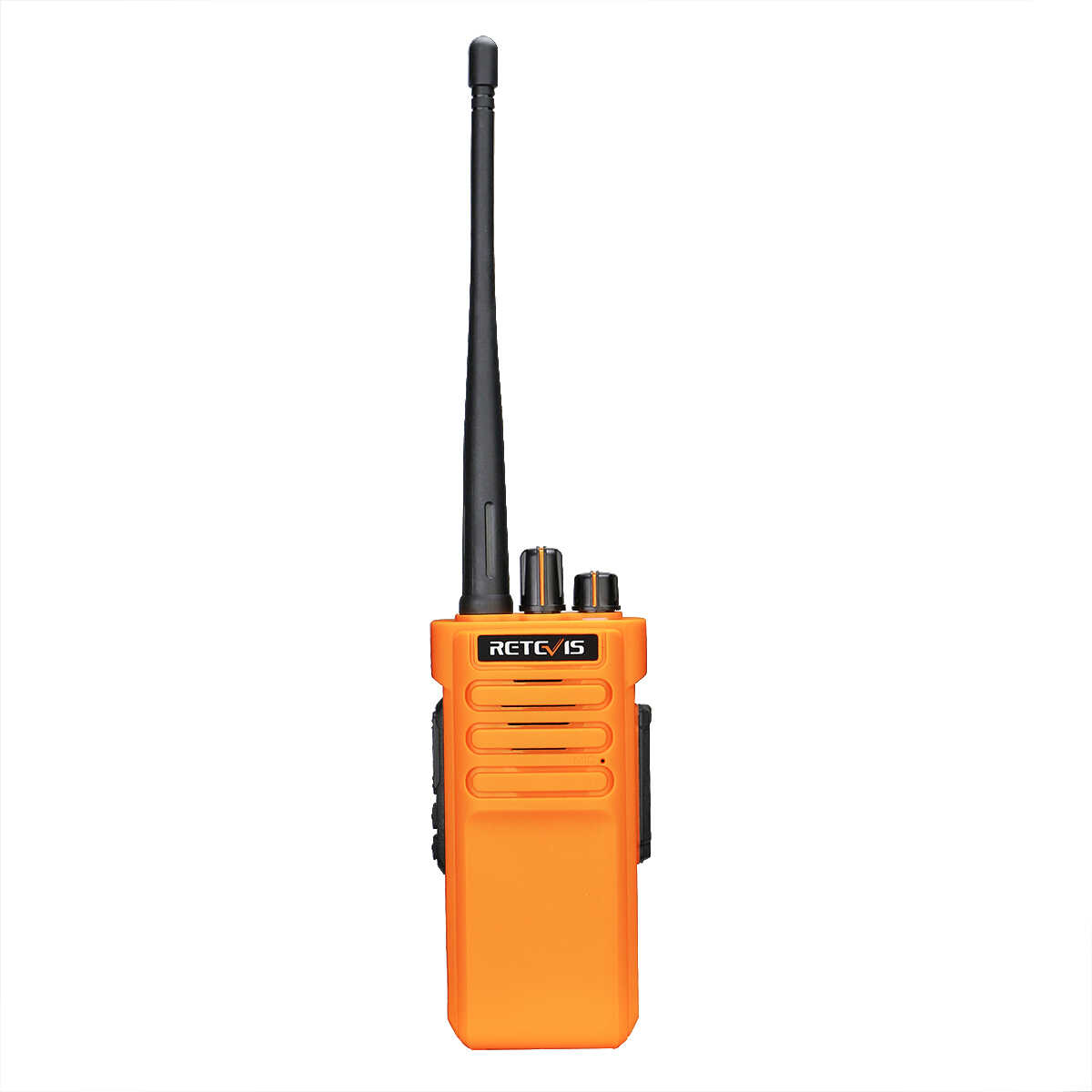
- Core hardware: Retevis RT29 rugged handheld radios, sold in 4, 6 and 10-unit packs
- No repeater required
- Optional 6-way charging dock for shift handover
Verified coverage specs (official data)
- 3 miles of clear communication in open outdoor job sites
- Reliable signal penetration across 3 to 5 concrete and steel floors
- Stable audio across single-building work zones and material storage yards
Key design features
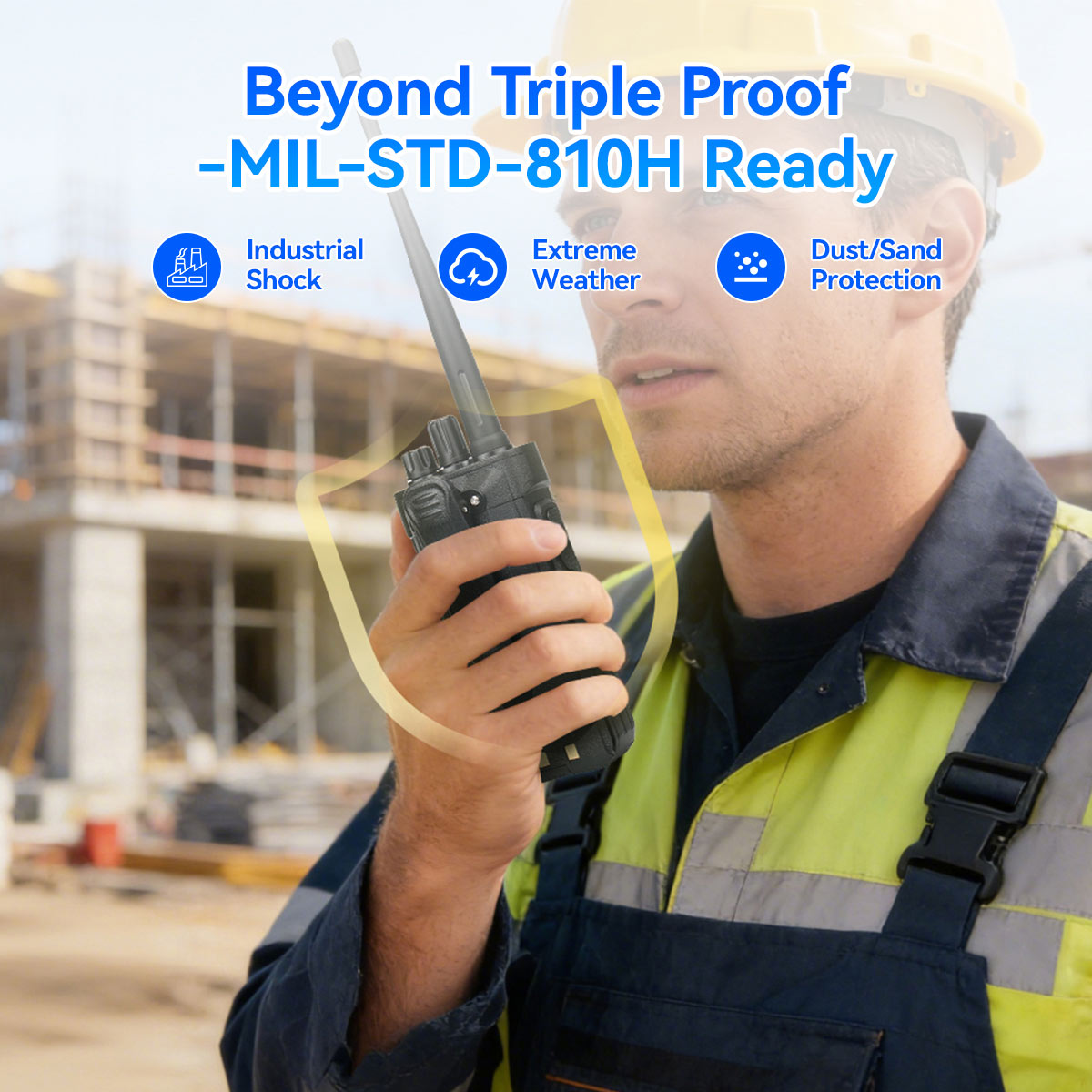
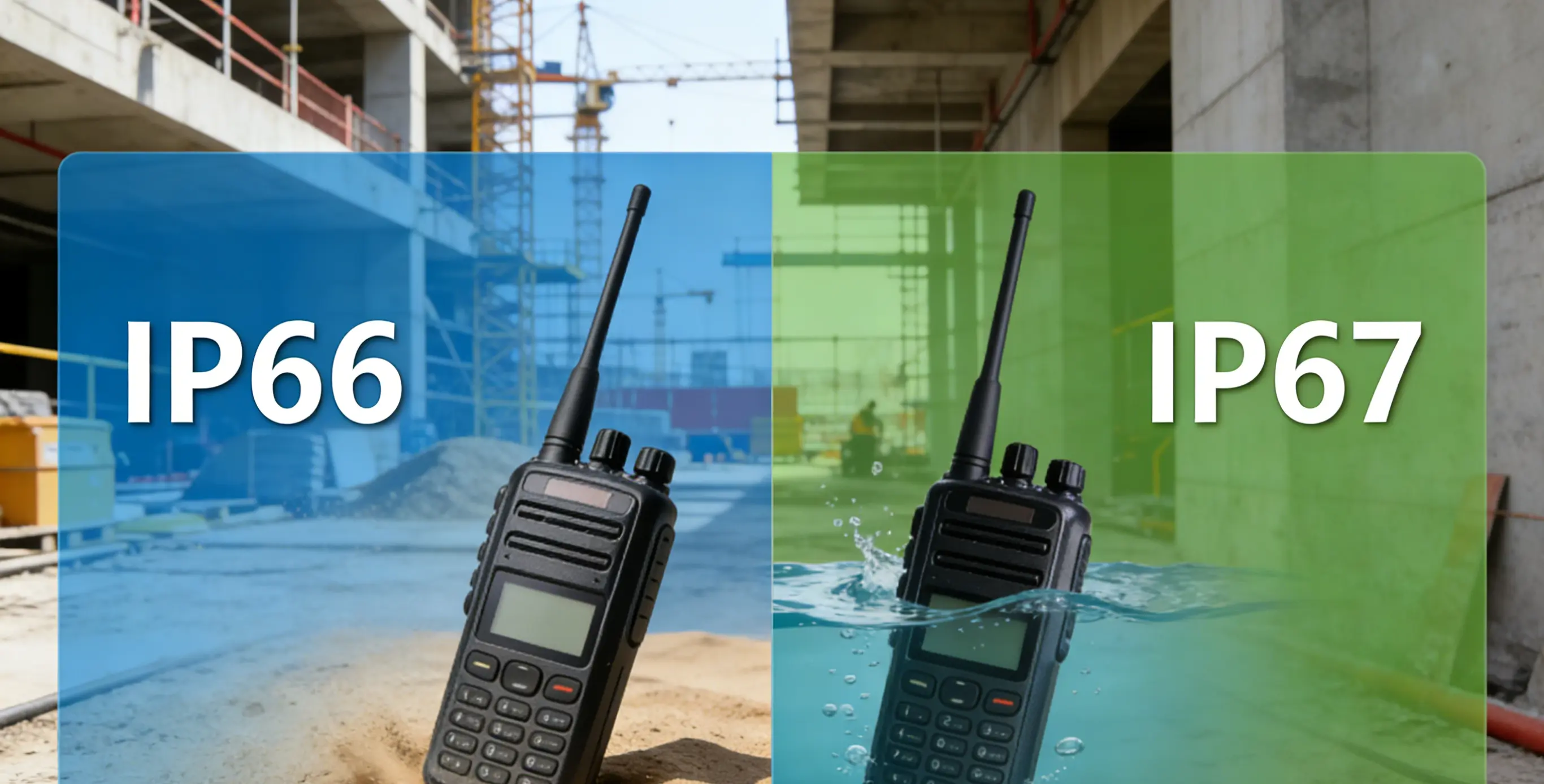
- IP67 dustproof and waterproof housing stands up to dust, rain and drops
- 16 programmable channels with privacy codes to separate work teams
- 3200mAh battery supports full-shift use without recharging
- Built-in SOS alert for on-site safety incidents
Official source: Retevis RT29 product page, Large Construction Site Communication Solution
2. Single RT97L Repeater + RT29 Bundle | Medium-Sized Projects
Best for: 20,000 to 100,000 sqm sites, 6 to 15-floor commercial buildings, single large industrial plants
This is Retevis’ most widely specified plug-and-play bundle for mid-scale construction sites.
Official configuration
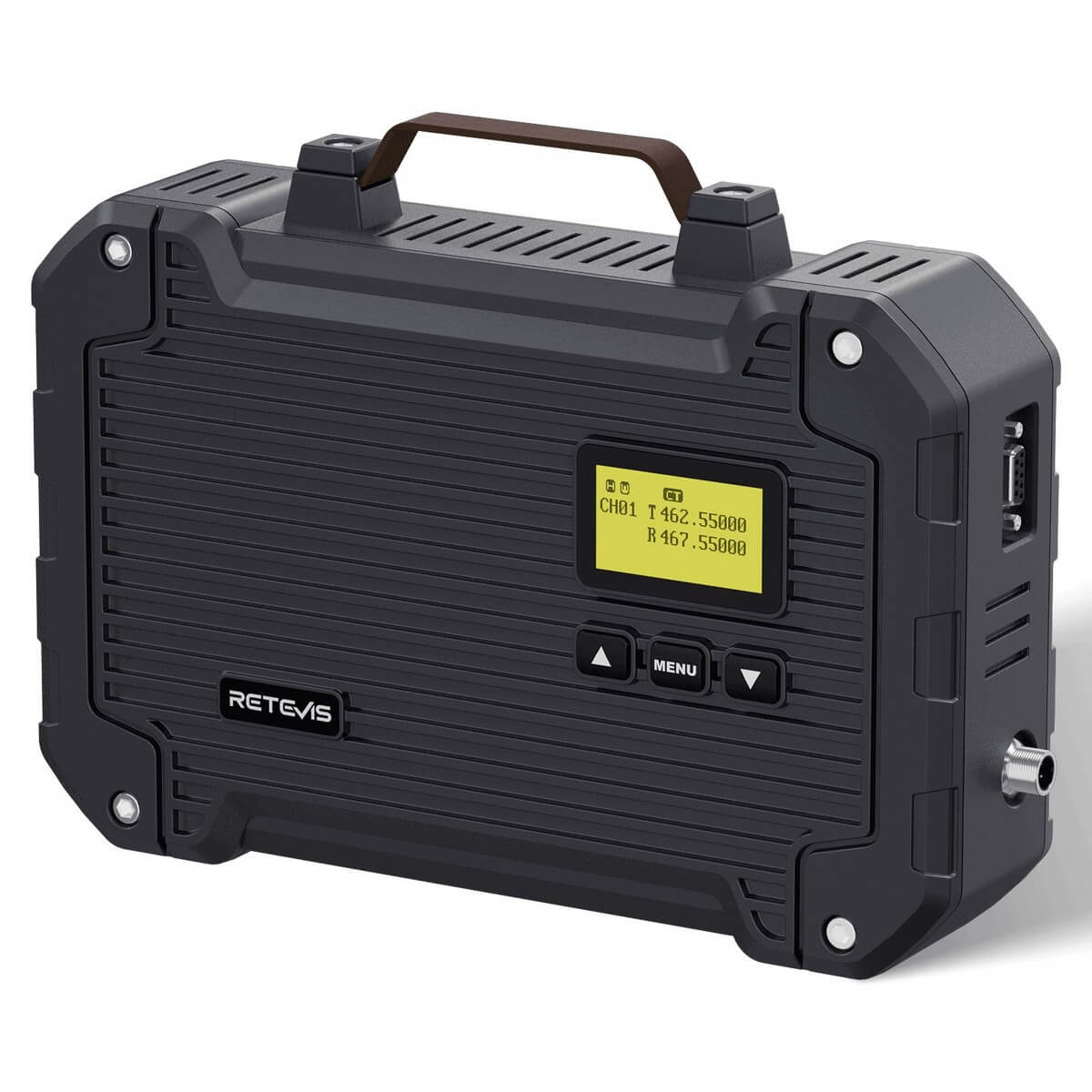
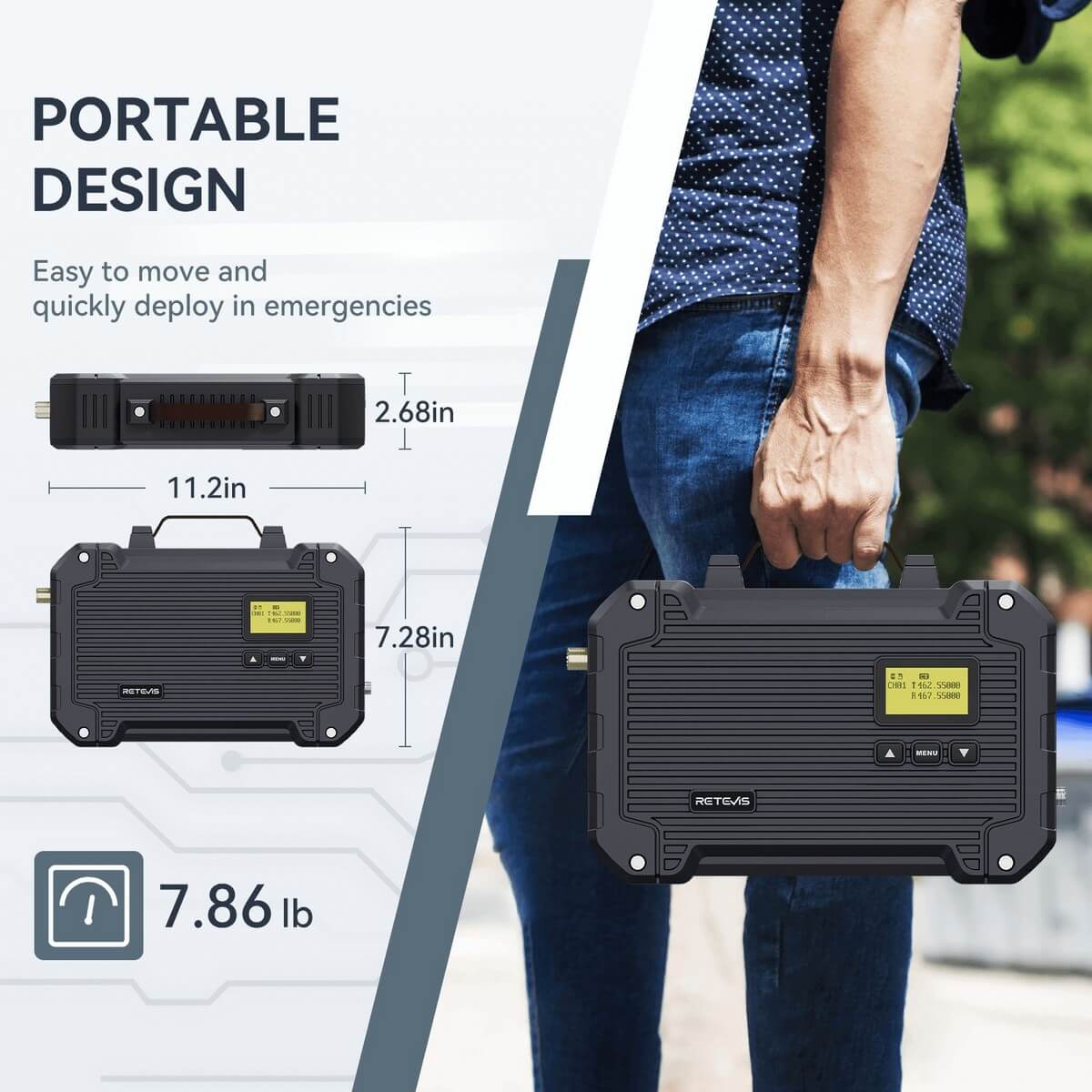
- 1× RT97L 25W portable GMRS repeater
- 4, 6, 10 or 50× RT29 handheld radios (customizable fleet size)
- High-gain fiberglass base antenna and coaxial cable
- Multi-unit charging stations
Verified coverage specs (official data)
- 15.5 to 25 miles of line-of-sight range in open industrial areas
- 8 to 12 floors of vertical signal penetration in steel-concrete buildings
- 1 to 3 km of seamless indoor and outdoor coverage across a single plant or building complex
Standard installation guidance (official)
- Mount the repeater in a central, sheltered location on site
- Install the external antenna at the highest available elevation for maximum range
- Add UPS backup power for emergency runtime
Official source: 25 Miles Radio Communication Solution RT97L & RT29
3. Dual RT97L Daisy-Chain Repeater System | Large Multi-Building Projects
Best for: Sites over 100,000 sqm, multi-building industrial parks, 15 to 20-floor commercial clusters, long linear construction zones
Retevis officially supports daisy-chaining two RT97L repeaters to expand coverage without extra controller hardware.
Official configuration
- 2× RT97L 25W repeaters connected via daisy-chain link
- Scalable fleet of RT29 handheld radios (10+ units)
- Two elevated antenna positions at opposite ends of the site
Verified performance specs (official data)
- Doubles the total coverage area of a single repeater setup
- Supports seamless signal handover as workers move between zones
- Eliminates dead zones caused by heavy steel cores, concrete structures or site terrain
Key design advantage
- Plug-and-play linking requires no advanced programming work
- Portable repeater housing works for both temporary and permanent installation
- All 16 channel groups work consistently across both repeater zones
Official source: RT97L Repeater Upgrade: Double Your Coverage with Dual Daisy Chaining
4. Repeater + Mobile Radio Hybrid Network | Ultra-Large Complex Sites
Best for: Mega-scale construction campuses, hilly or obstructed sites, linear infrastructure projects, spread-out multi-phase sites
This setup uses fixed repeaters for core coverage and vehicle-mounted mobile radios to fill gaps in remote or moving work areas.
Official configuration
- 2+ linked RT97L fixed repeaters for core site coverage
- Vehicle-mounted mobile radios for excavators, dump trucks and site service vehicles
- RT29 handheld radios for all on-foot workers
Verified coverage performance
- Fixed repeaters cover core work zones, offices and permanent facility areas
- Vehicle-mounted units extend coverage to remote edge areas and moving work fronts
- Full connectivity across spread-out, multi-phase construction sites
Official source: Two-Way Communication Solution For Large Construction Site
Quick Selection Guide by Project Scale
|
Project Scale |
Recommended System |
Open-Air Coverage |
Vertical Coverage |
Core Use Case |
|
Small (<20,000 sqm, <5 floors) |
RT29 standalone fleet |
3 miles |
3–5 floors |
Small renovation, single-trade projects |
|
Medium (20k–100k sqm, 6–15 floors) |
1× RT97L + RT29 bundle |
15.5–25 miles |
8–12 floors |
Mid-rise commercial, single industrial plants |
|
Large (>100k sqm, multi-building) |
Dual RT97L daisy-chain system |
Doubled single-repeater range |
15+ floors, multi-building |
Industrial parks, commercial campuses |
|
Ultra-large / complex terrain |
Repeater + mobile radio hybrid network |
Full site + mobile edge coverage |
Full site across varied terrain |
Mega projects, linear infrastructure |
3 Official Design Best Practices
These rules come directly from Retevis deployment guides, and apply to all four system sizes.
- Never size by open-air range alone. Steel frames, concrete cores and low-emissivity glass reduce indoor range by 60 to 80 percent. Always plan for real building penetration, not just line-of-sight ratings.
- Antenna height beats raw power. A well-positioned antenna at the highest site point delivers better coverage than a higher-wattage repeater mounted low. Prioritize elevation in your layout plan.
- Build 20–30% expansion capacity into the initial design. All Retevis systems support extra radios and channel adjustments later. Adding spare capacity upfront reduces rework as the project grows.
Final Note
All four construction site communication systems outlined above are official Retevis solutions with published, verifiable specs. They scale cleanly from small renovation projects to mega-scale industrial campuses, so teams can standardize on one product family across all work.
For final system design, always run an on-site signal survey to account for unique building materials, terrain and local frequency rules.




 Google
 Amazon
Comments
No data Yet