

Table of Contents
Best Construction Site Communication Tools in 2026: Radios, Apps, Headsets & Jobsite Solutions
- Posted by:Retevis
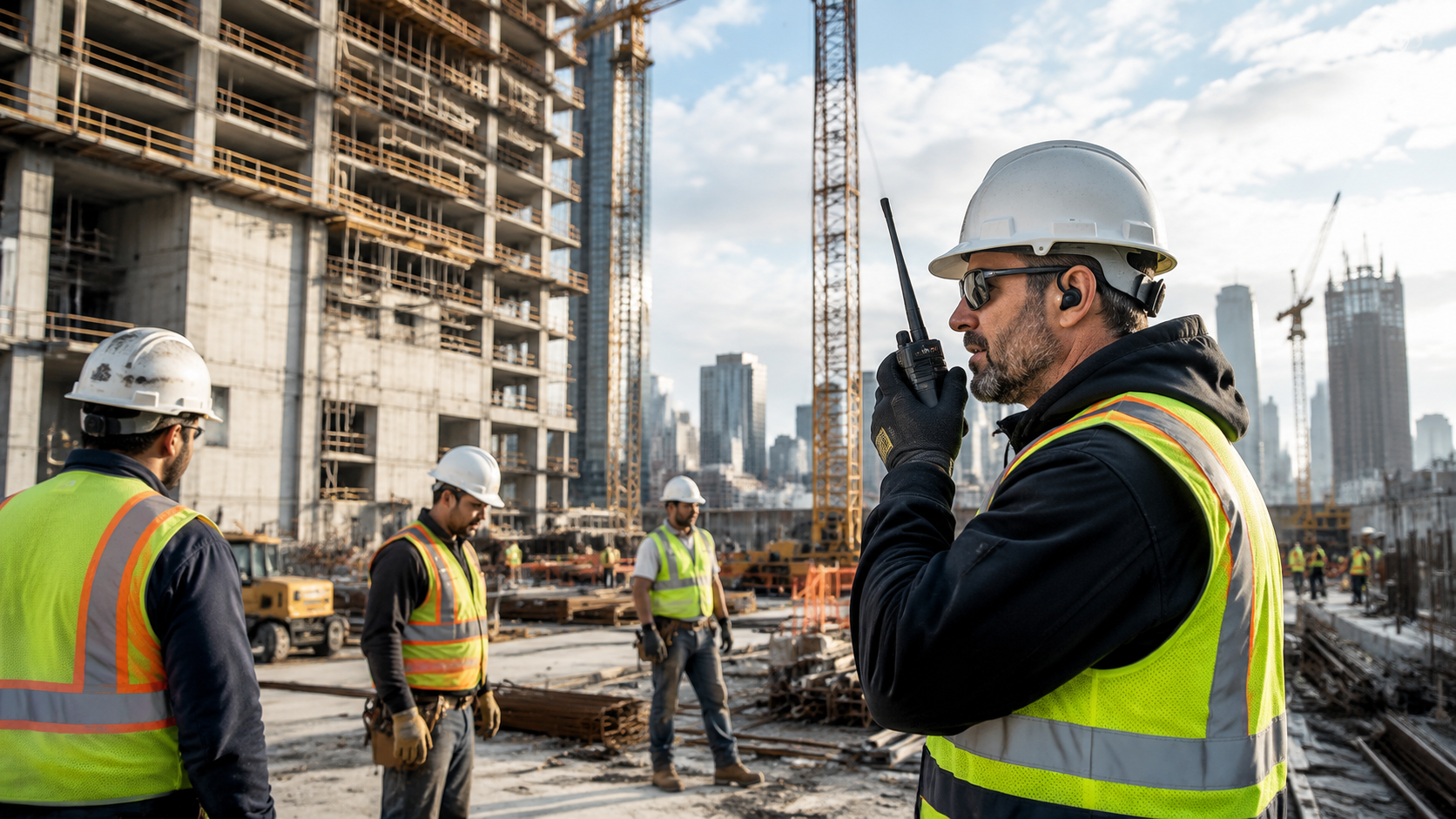
Construction sites are bigger, louder, and more complex than ever. In 2026, crews often work across high-rise buildings, warehouses, road projects, industrial plants, and utility sites where noise, weather, distance, and safety risks affect daily operations.
In these environments, clear communication is essential. It helps teams coordinate tasks, respond faster, avoid delays, and reduce safety risks. Poor communication can lead to missed instructions, rework, equipment conflicts, and preventable incidents.
This guide explains the most useful construction site communication tools in 2026, how they compare, and which types of jobsites benefit most from each one.
Why Communication Matters on Construction Sites
Construction work depends on timing and coordination. On many jobsites, multiple crews, subcontractors, operators, and supervisors are working at the same time. Materials may be arriving while equipment is moving and tasks are happening in different areas of the site.
Without fast and reliable communication, even small misunderstandings can cause delays.
Noise is another major challenge. Engines, drilling, cutting, traffic, and heavy machinery can make verbal communication difficult. That is why many contractors rely on communication tools that work clearly in loud, active environments.
Good communication improves:
- crew coordination
- response time
- worker safety
- productivity
- overall jobsite efficiency
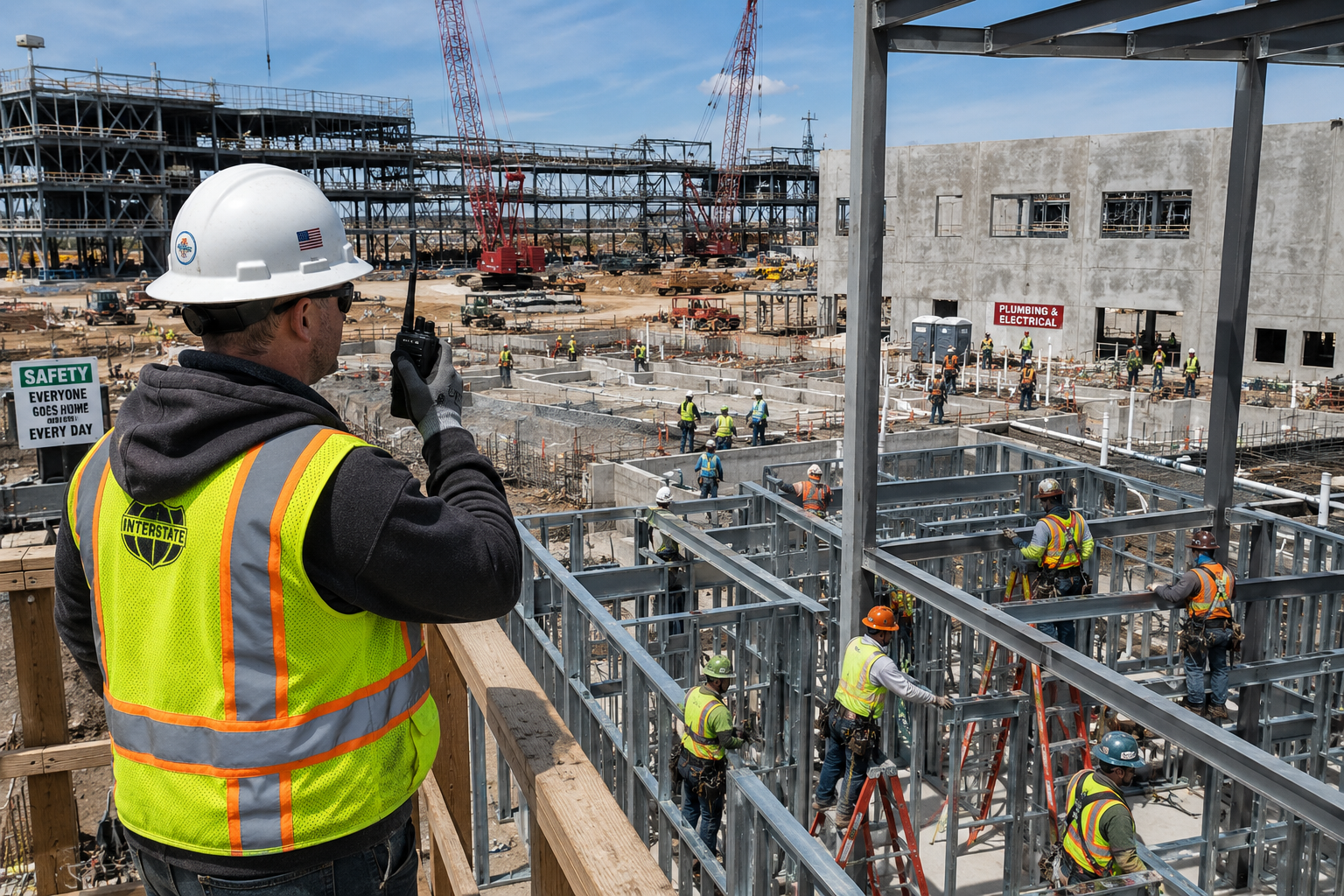
What to Look for in Construction Communication Tools
Not every communication tool works well on a construction site. The right choice depends on site size, layout, noise level, and the type of work being done.
Here are the main features to consider.
Long range
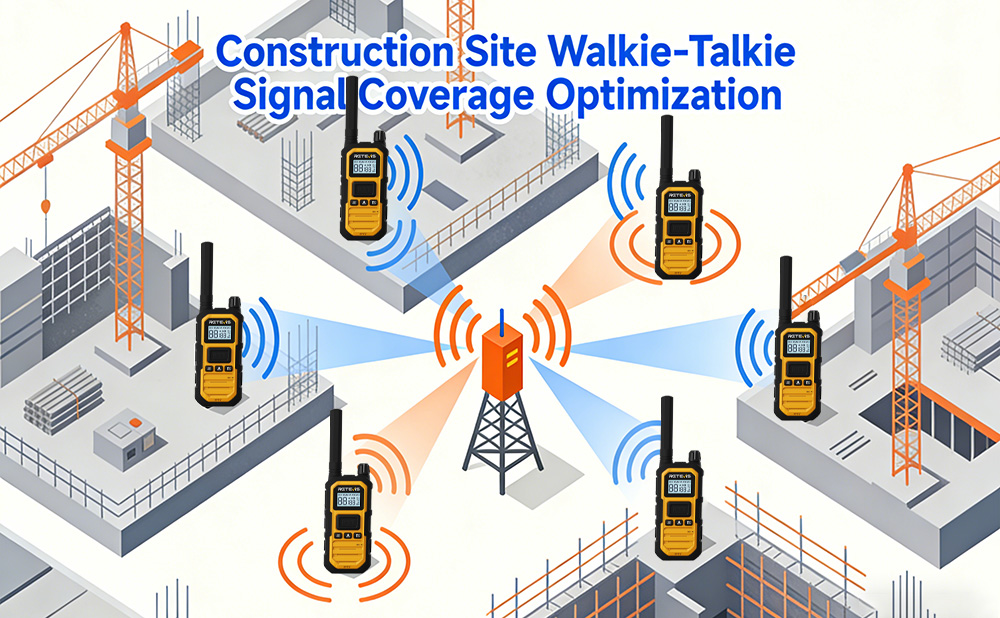
Large sites and multi-floor buildings require reliable coverage across distance and obstacles such as concrete and steel.
Clear audio
Construction is noisy, so voice clarity matters. Audio should remain understandable around machinery and equipment.
Rugged design
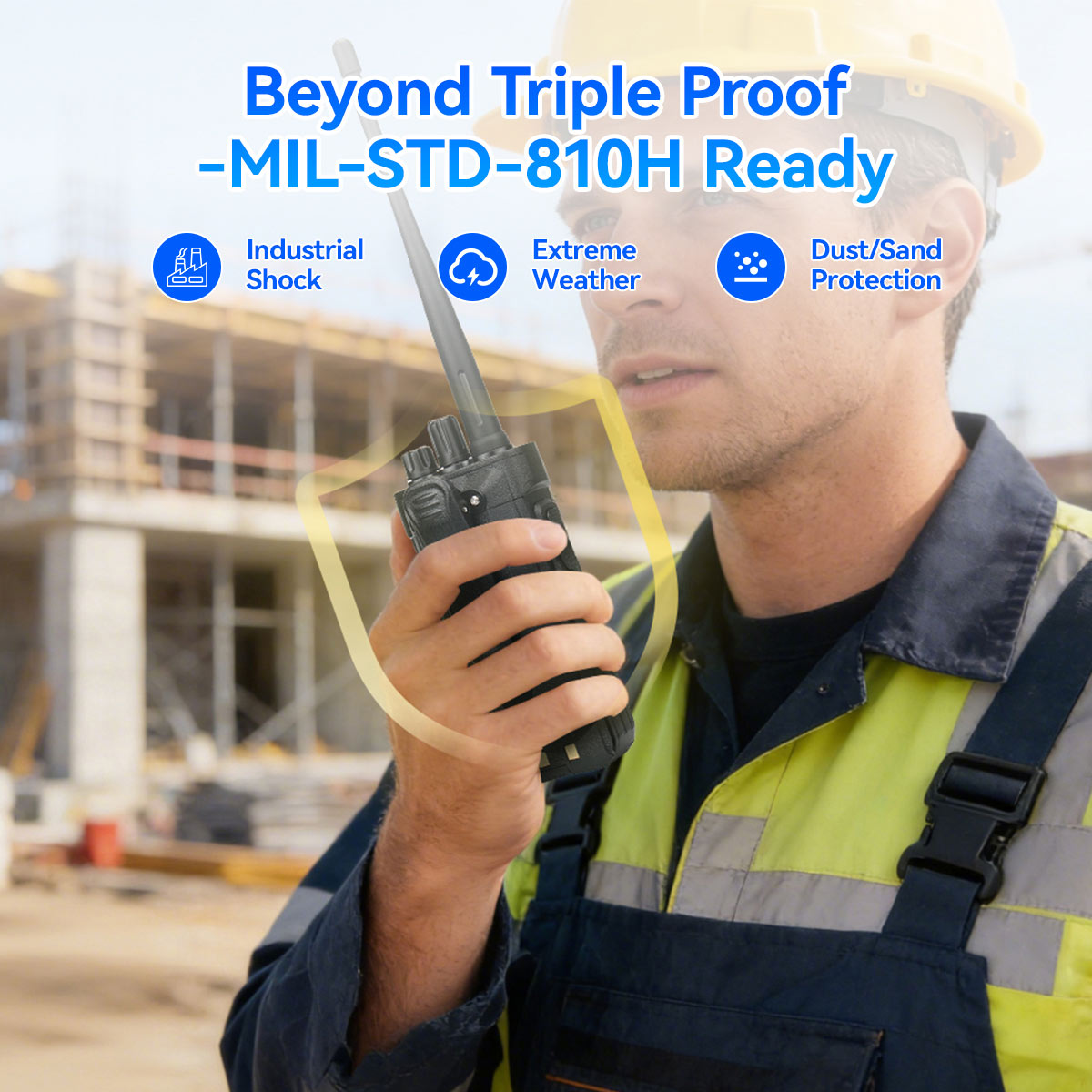
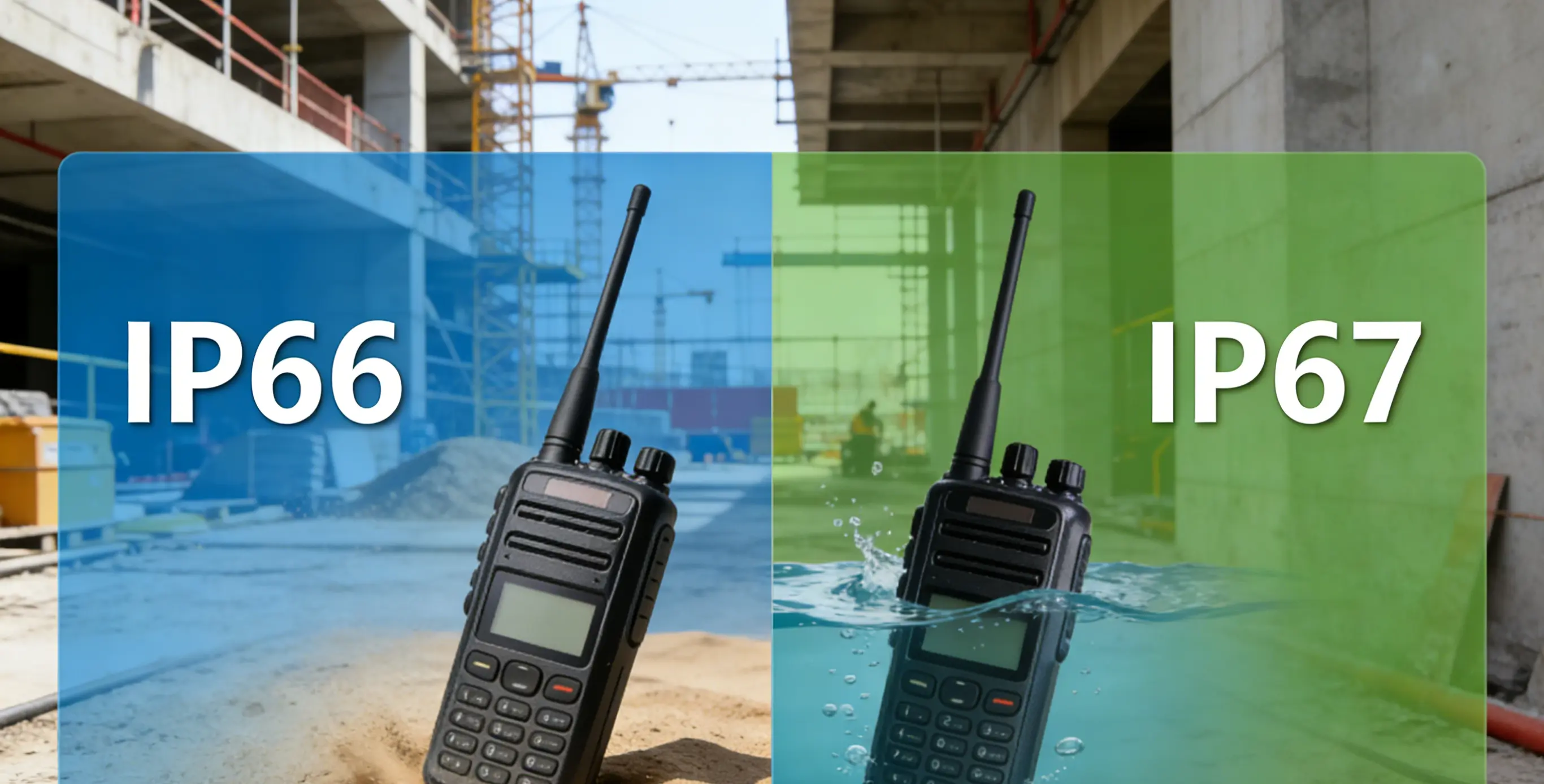
Dust, rain, vibration, drops, and rough handling are common on jobsites. Durable equipment usually performs better over time.
Long battery life
Crews often work long shifts, so communication devices should last through the workday without interruption.
Hands-free use
Many workers need both hands for tools, materials, or equipment. Headset support or voice-activated use can improve convenience and safety.
Team coordination
Larger sites often need separate communication groups for supervisors, logistics teams, security, or field crews.
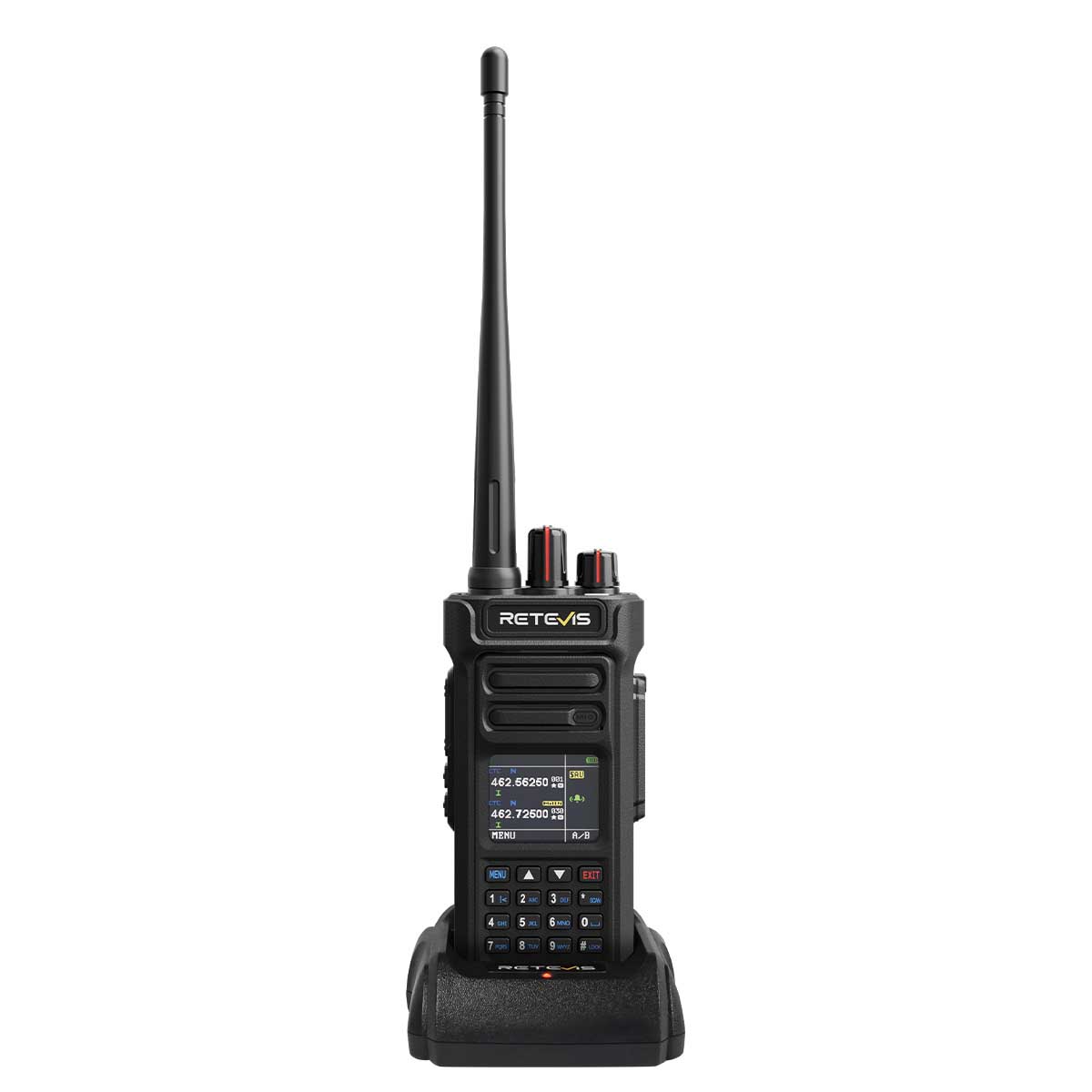
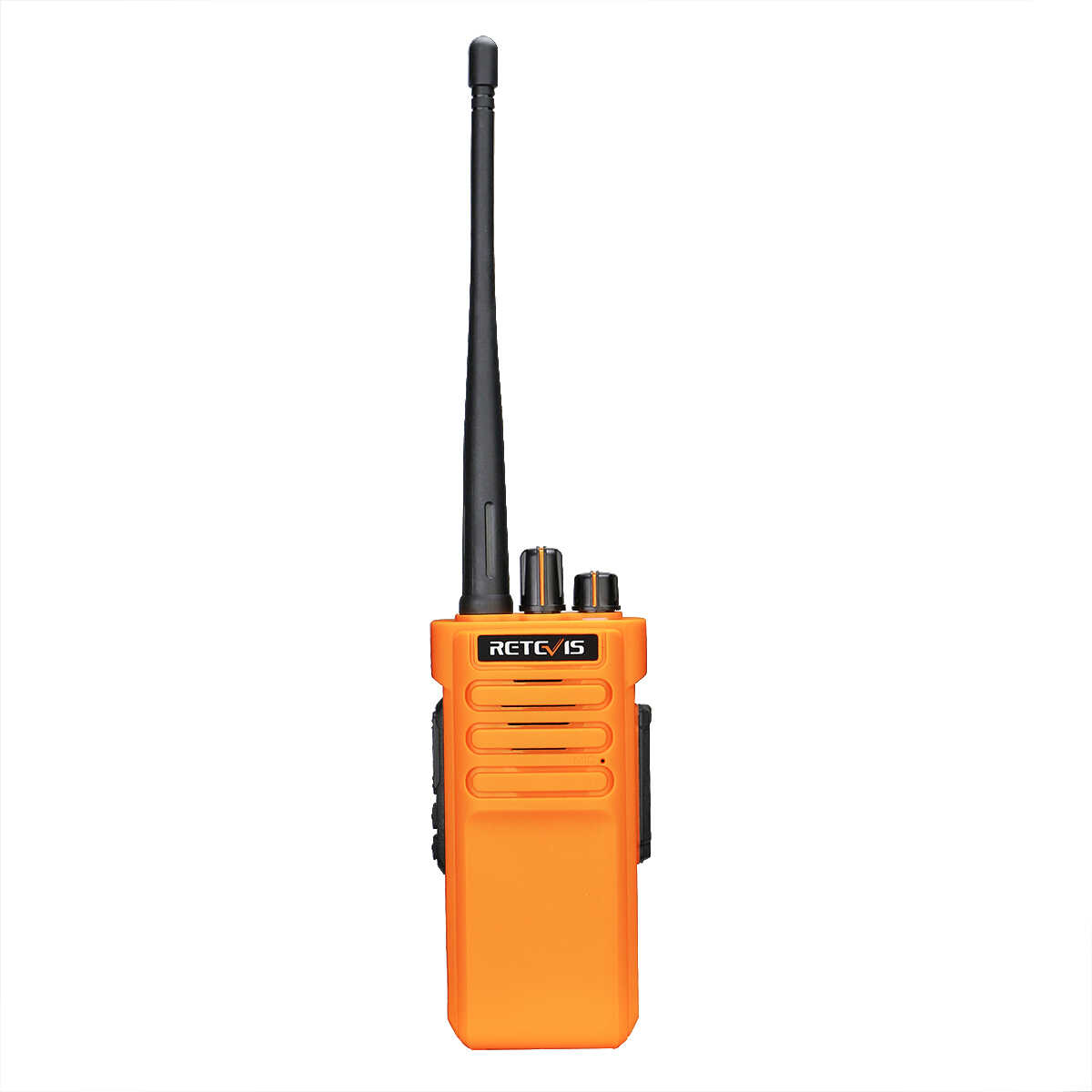
1. Two-Way Radios
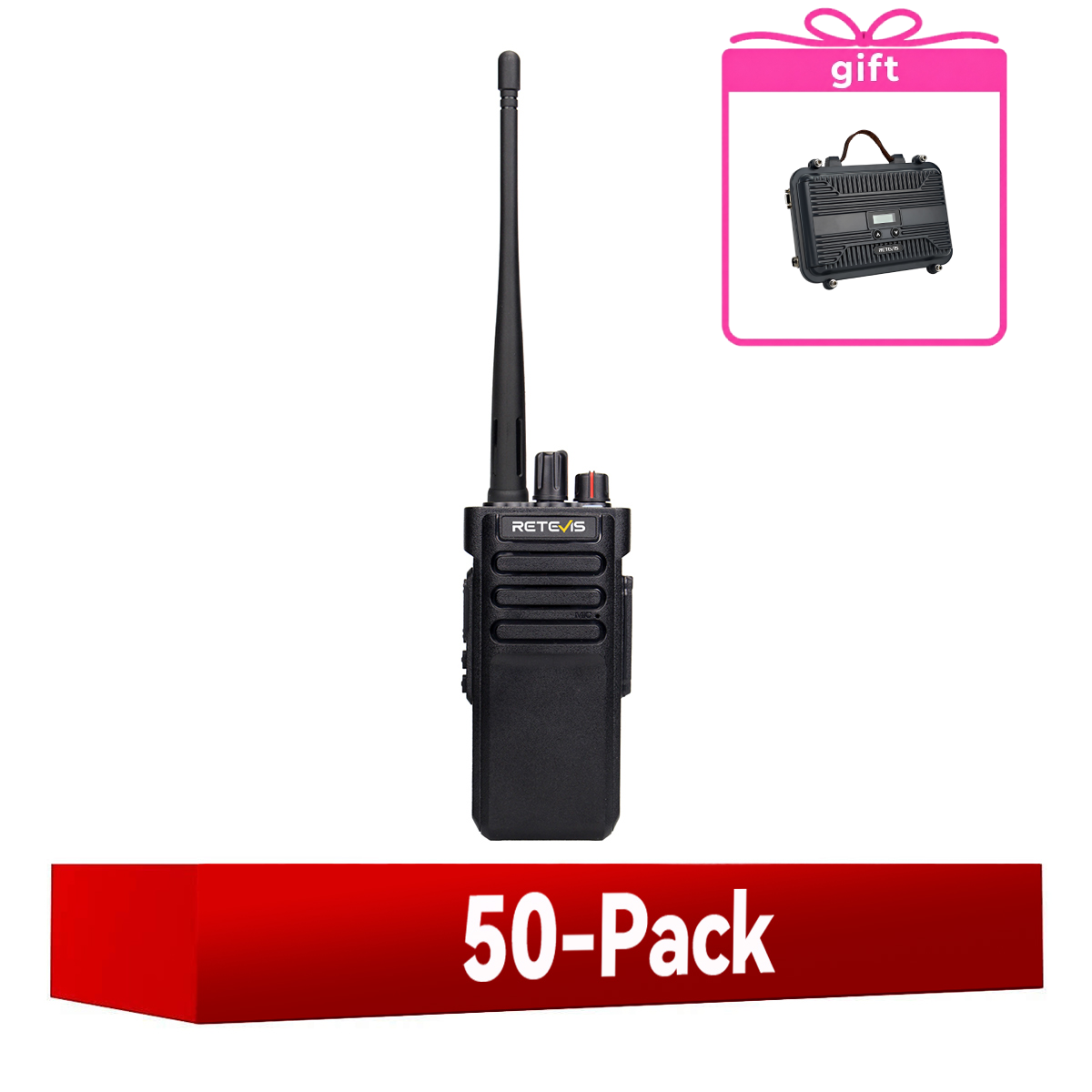
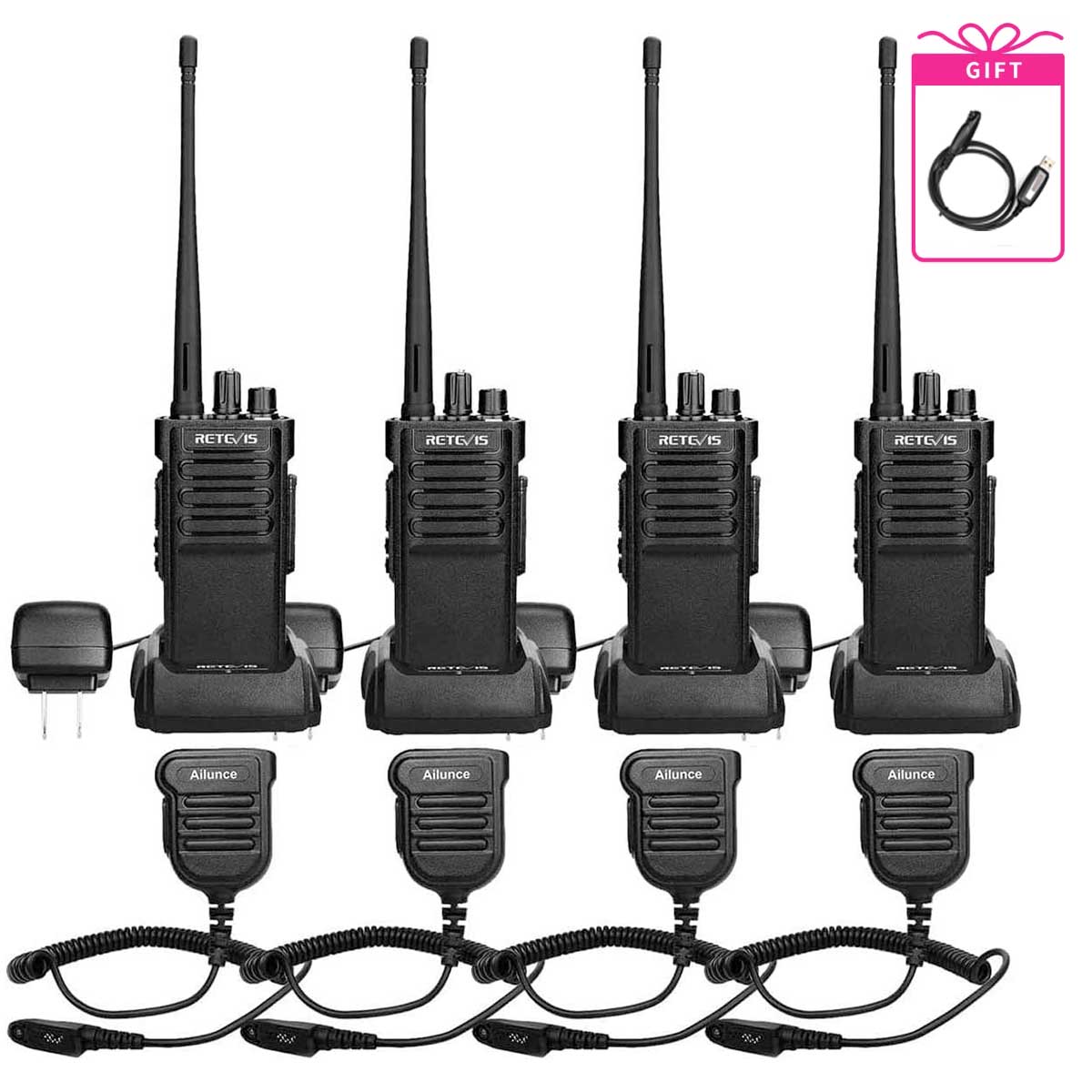
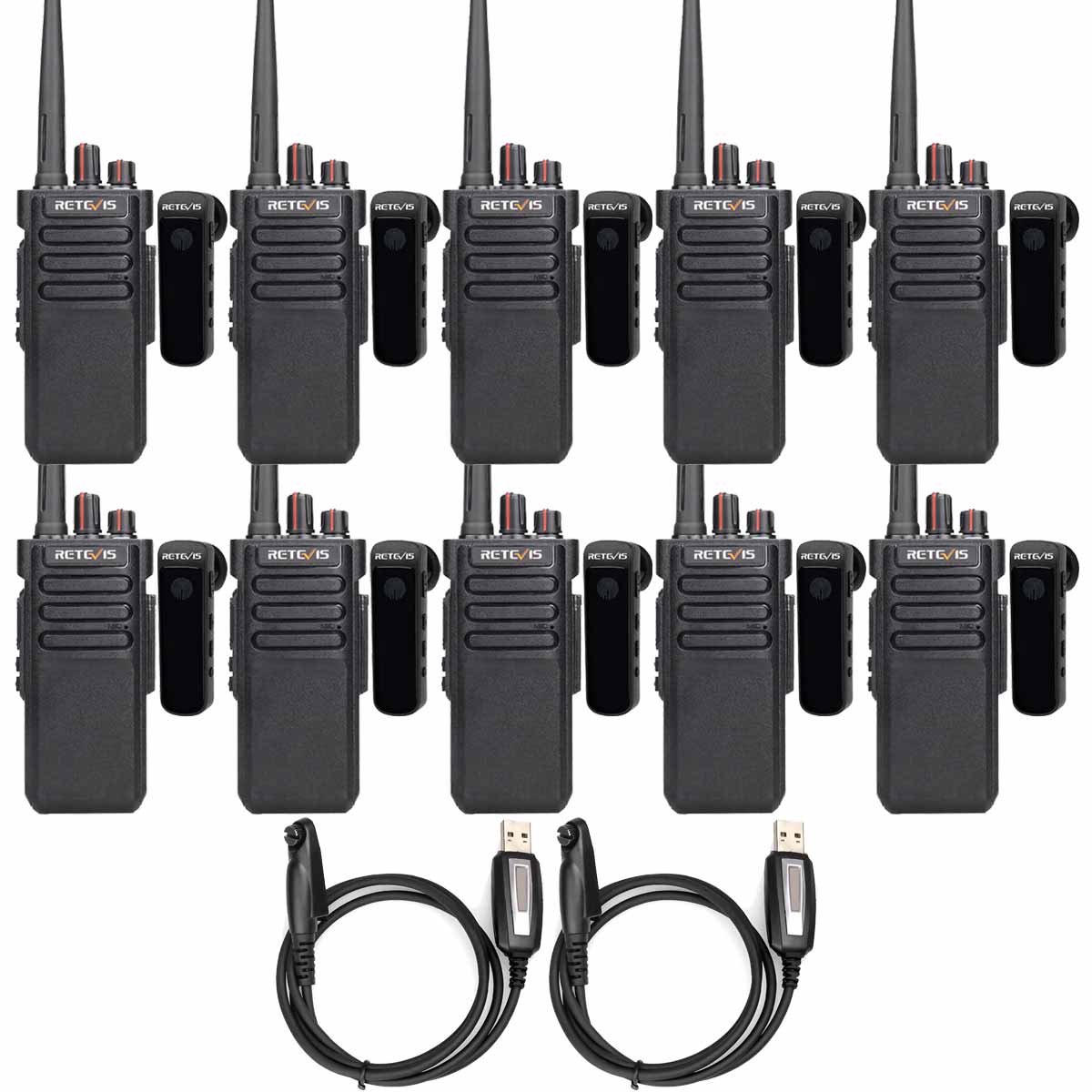
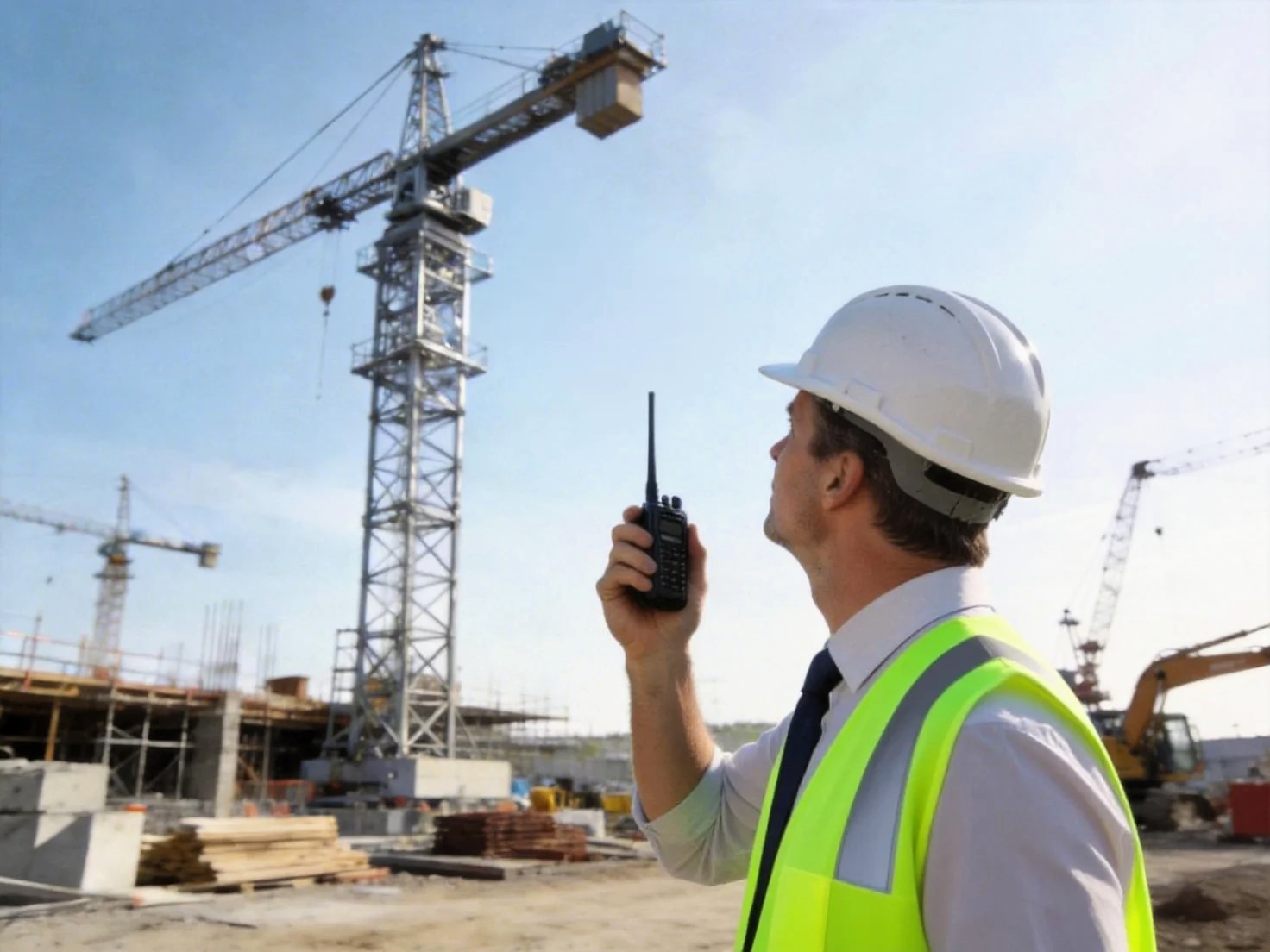
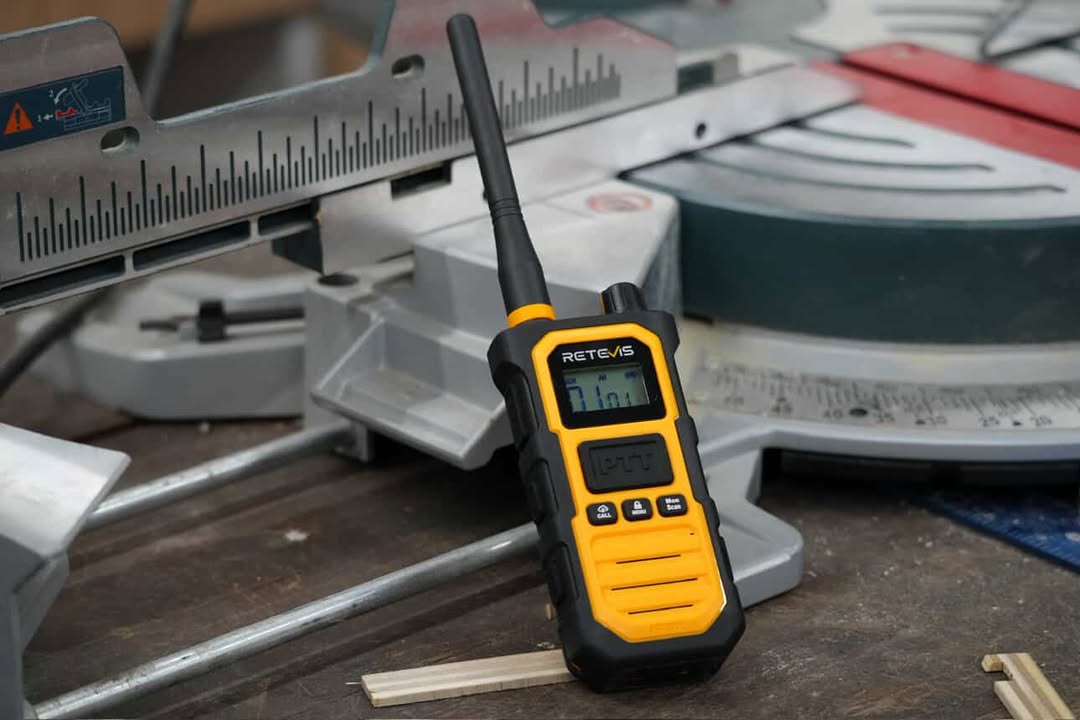
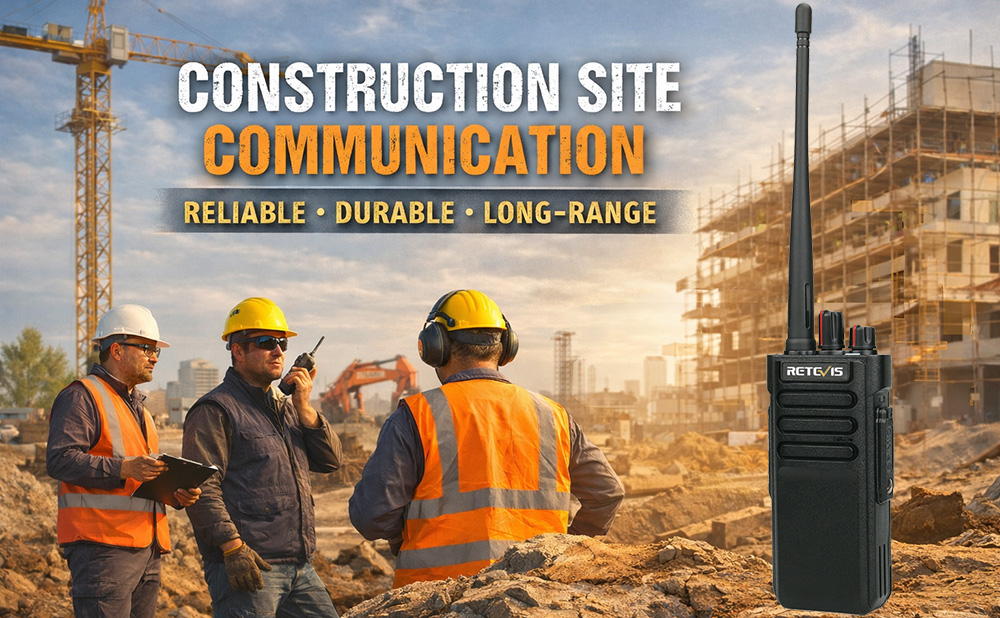
Two-way radios remain one of the most practical communication tools for construction sites. They provide instant push-to-talk communication and do not rely on cell service or Wi-Fi.
This makes them especially useful for:
- high-rise construction
- roadwork
- utility projects
- warehouses
- industrial jobsites
Their biggest advantage is speed. Workers can send and receive instructions immediately, which is important in fast-moving or safety-sensitive situations.
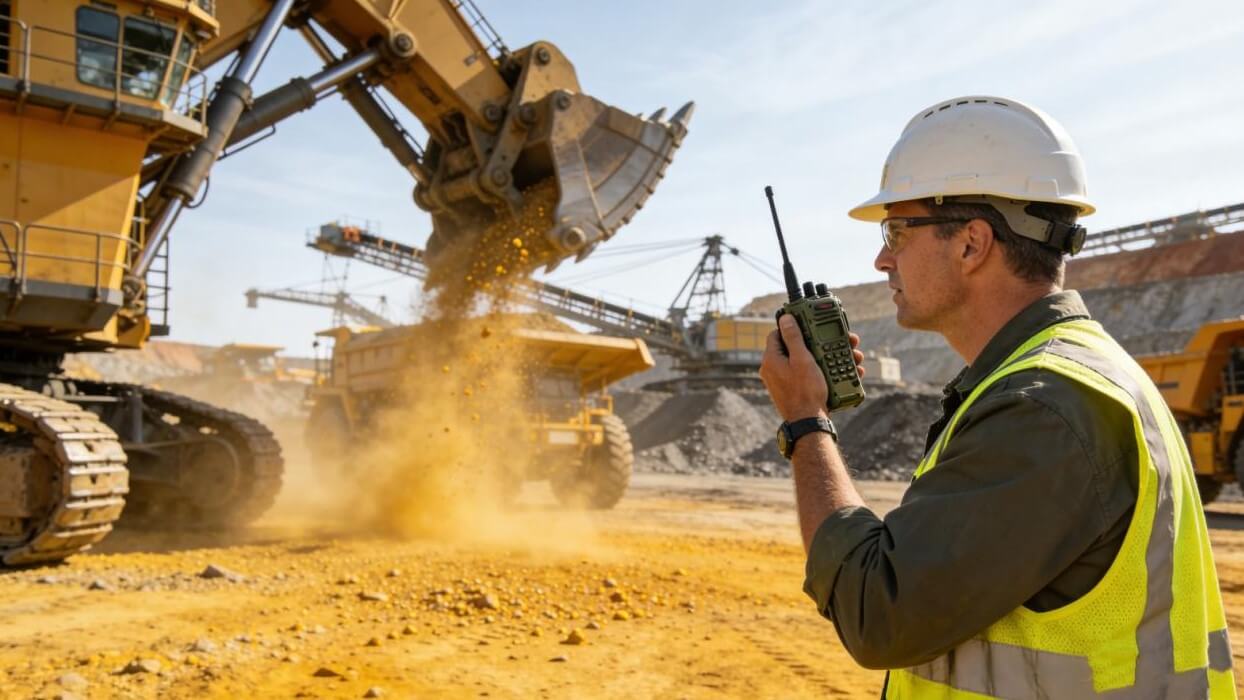
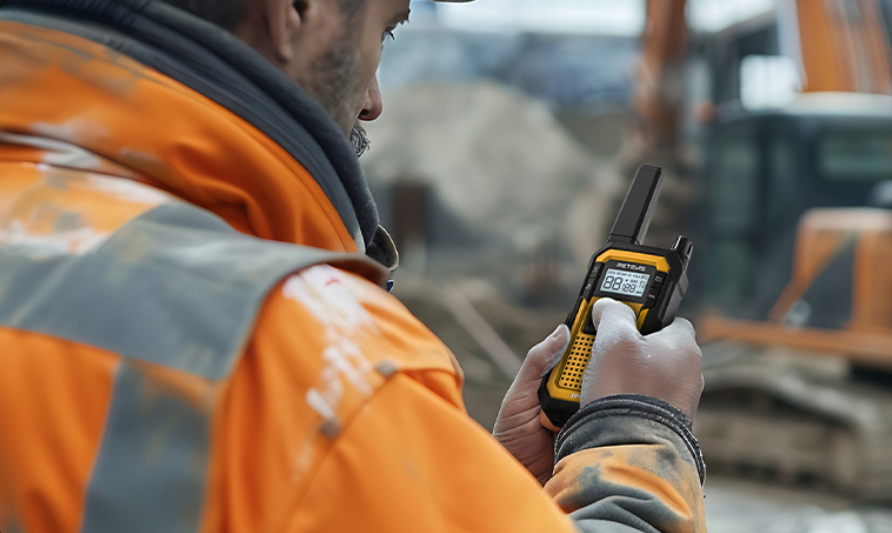
They are also well suited for tough environments where dust, weather, and constant movement make phones less practical. For many contractors, radios are still the foundation of daily jobsite communication.
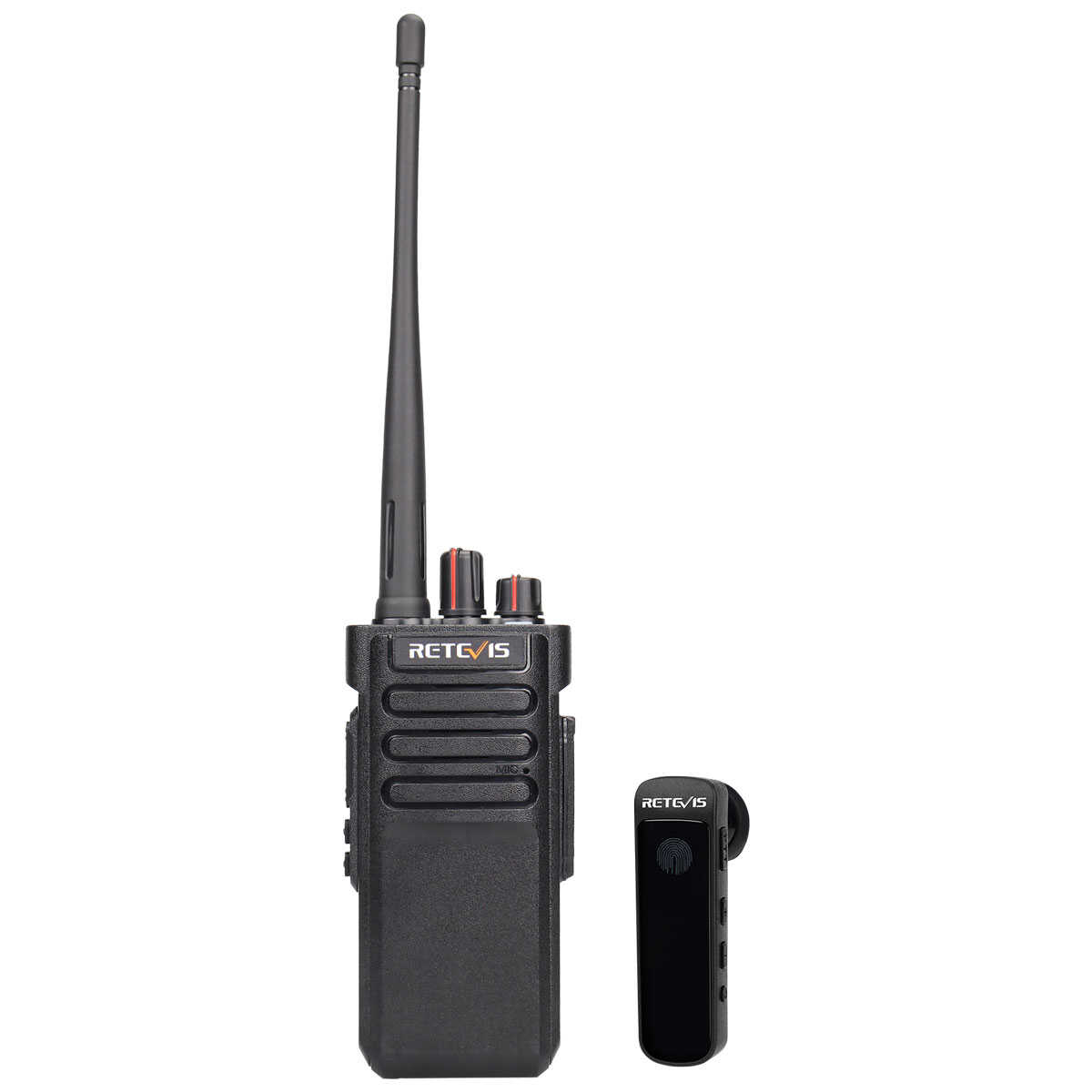
2. Walkie Talkies with Earpieces
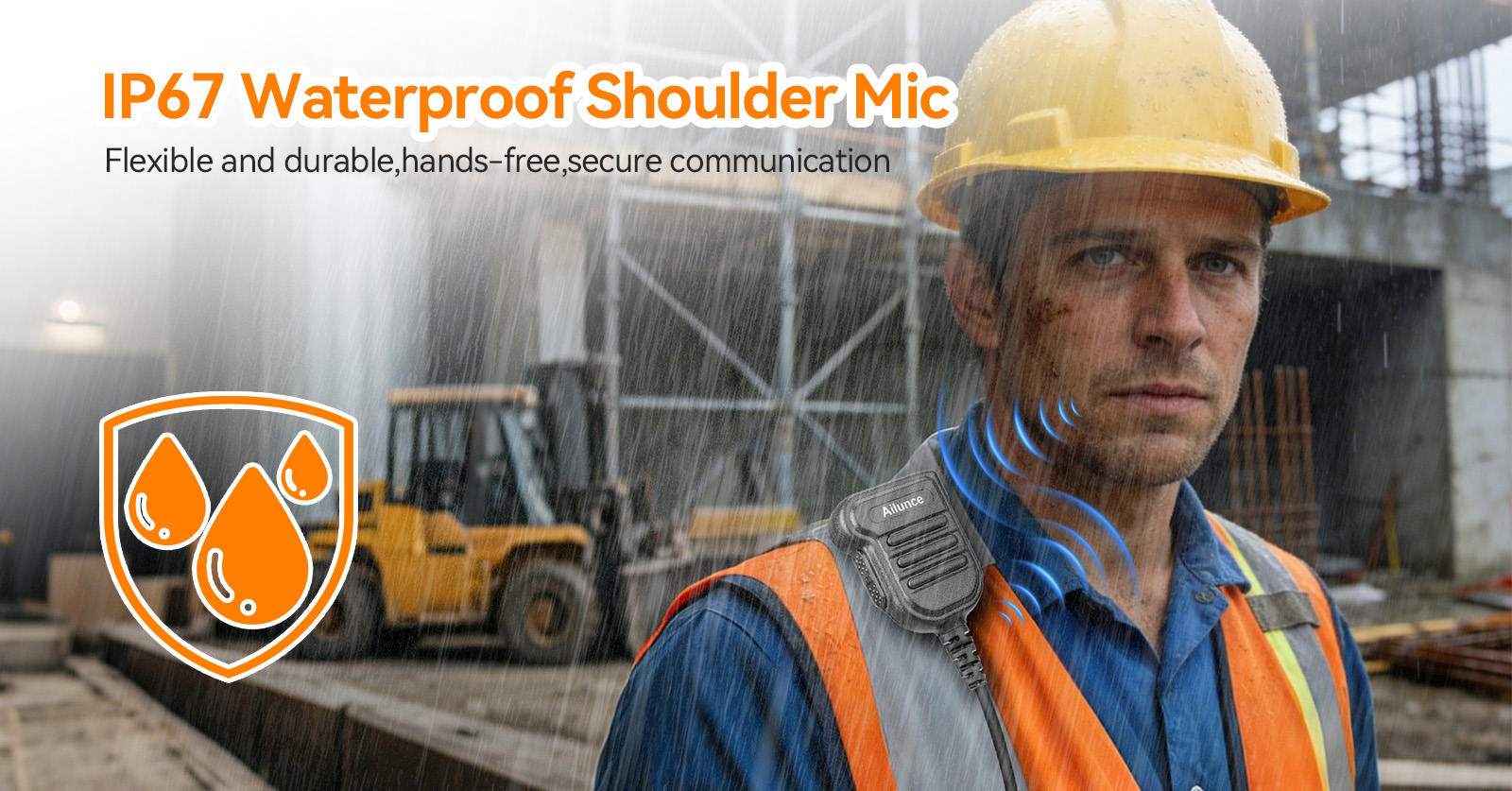
Walkie talkies paired with earpieces or headsets work well in loud environments where workers need clearer audio or more discreet communication.
This setup is often useful for:
- supervisors
- spotters
- forklift operators
- logistics teams
- security staff
In noisy work zones, earpieces can reduce repeated messages and improve accuracy. They can also make communication easier for workers who need to move frequently without holding a device all the time.
For sites with heavy equipment or constant background noise, this can be a practical upgrade to standard radio use.
3. Construction Communication Apps
Construction apps are useful for planning, updates, and documentation. Many teams use them for:
- team messaging
- schedules
- daily reports
- file sharing
- task tracking
- issue reporting
These tools are valuable for office-to-field coordination and recordkeeping. Project managers and supervisors can use them to keep plans, updates, and reports organized in one place.
However, apps are usually slower than radios for urgent communication. They also depend on smartphones, battery life, and network access. For that reason, apps are often best used alongside other communication tools rather than as the only solution.
4. Wireless Headsets
Wireless headsets help workers stay connected while keeping both hands free. They are commonly used by operators, supervisors, warehouse teams, and coordinators managing active work areas.
Their main advantage is convenience. Workers can communicate while moving materials, driving equipment, or checking deliveries.
Headsets can also improve audio clarity in loud areas, especially when paired with radios. On their own, though, they are usually not enough for full-site communication. They work best as part of a larger communication setup.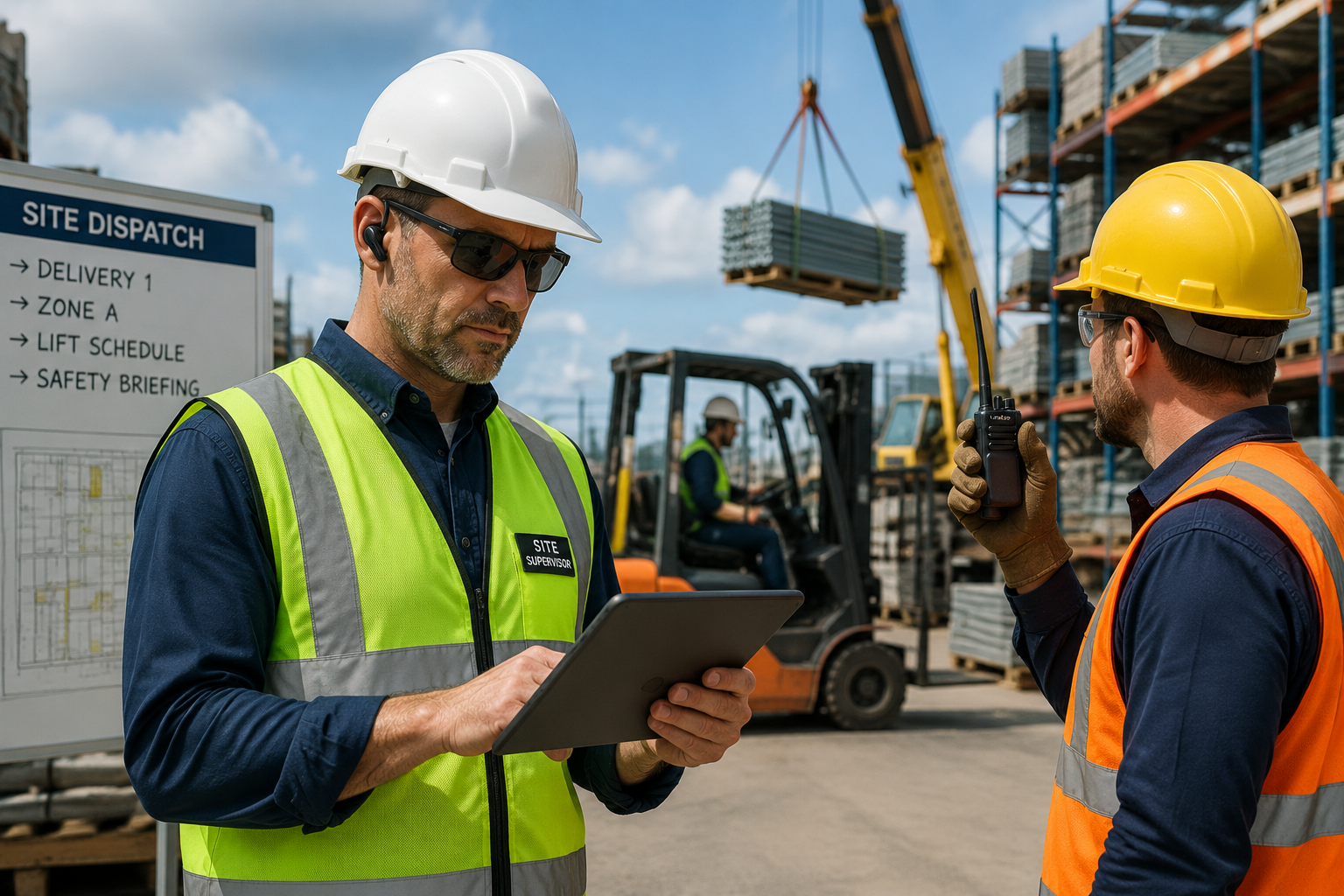
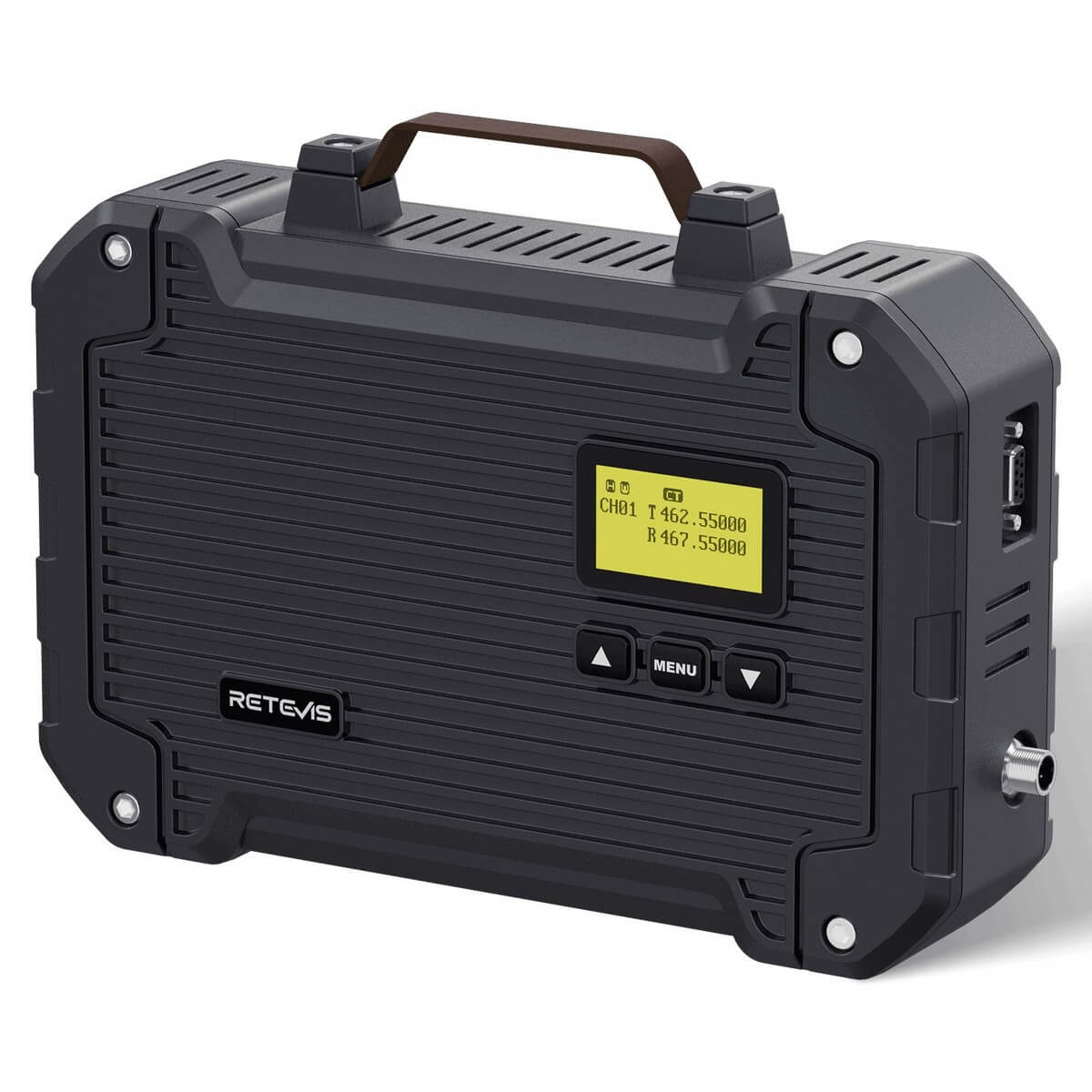
5. Emergency Alert and PA Systems
Large construction sites may also need emergency communication systems. Public address systems and alert systems can be useful for:
- evacuation announcements
- weather alerts
- restricted-area warnings
- site-wide safety messages
These tools are important for emergencies and large-scale notifications. They help reach many workers at once, especially when immediate instructions need to be broadcast across the site.
Still, they are not meant to replace everyday team communication. Their role is mainly to support safety and emergency response.
6. Smartphones
Smartphones are useful for managers and supervisors who need to handle calls, share photos, access plans, or communicate with vendors and off-site teams.
They are flexible and familiar, which makes them valuable for project coordination and documentation. For example, phones are often used to send updates, review drawings, record issues, or communicate with subcontractors.
But smartphones also have limits on construction sites. They are easier to damage, less practical with gloves, and slower for instant crew-wide communication. That is why they work best as a support tool rather than the main communication method in the field.
7. Hybrid Communication Systems
Many of the best-performing jobsites use a combination of communication tools rather than relying on just one.
A typical hybrid setup may include:
- radios for field communication
- apps for reporting and scheduling
- headsets for hands-free use
- smartphones for external communication
- PA systems for emergency alerts
This approach gives each team the tool that fits its role. It also helps reduce communication gaps between field crews, supervisors, office staff, and safety personnel.
For most projects, a hybrid system offers the best balance of speed, clarity, and flexibility.
Radios vs Apps vs Headsets
Each communication tool has a different role.
| Tool | Best For | Main Strength | Main Limitation |
|---|---|---|---|
| Two-way radios | Instant field communication | Fast and reliable | Limited for documentation |
| Apps | Planning and reporting | Good for organization | Slower in urgent situations |
| Headsets | Hands-free communication | Better mobility | Usually need another system |
| Smartphones | Calls and documentation | Flexible and familiar | Less durable on jobsites |
For most construction sites, there is no single perfect tool. The best setup usually combines several systems based on the size and complexity of the project.
Best Communication Tools for Different Construction Environments
High-rise construction
High-rise projects require strong signal coverage and reliable communication across multiple floors. Fast communication between ground crews, supervisors, and upper-floor teams is especially important.
Roadwork and outdoor projects
Outdoor crews often work across longer distances and changing weather conditions. They usually benefit from durable communication tools with strong range and long battery life.
Industrial and utility sites
These environments often involve heavy noise, moisture, metal structures, and demanding working conditions. Clear audio and rugged design matter more here.
Warehouses and material yards
Warehouses and storage yards depend on fast coordination between loading teams, supervisors, forklift operators, and security staff. Radio-based systems often work well in these settings.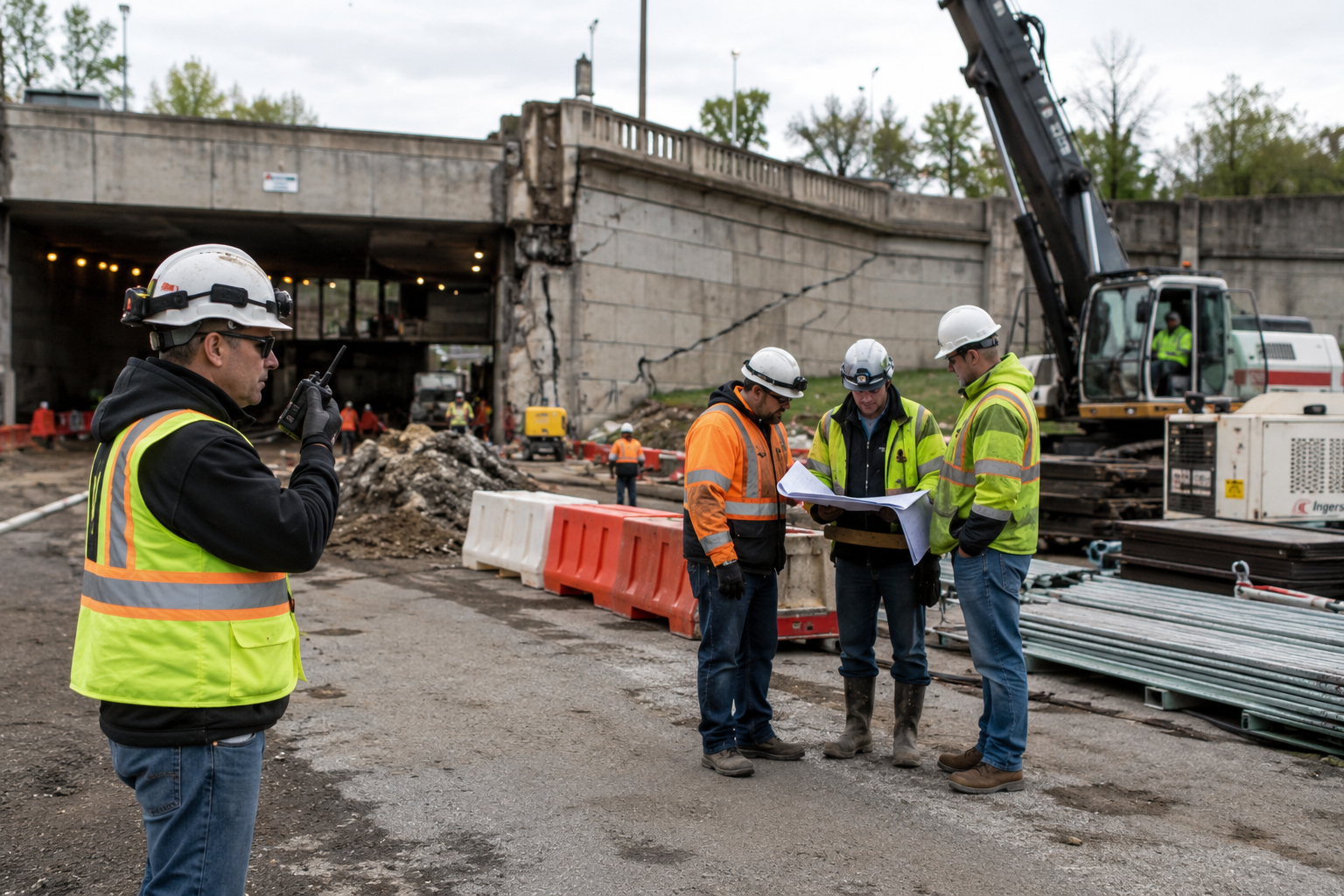
Why Radios Still Matter
Even as apps and connected devices become more common, two-way radios still play a major role in construction communication.
They remain popular because they are:
- fast to use
- reliable in noisy environments
- practical for field work
- less dependent on signal infrastructure
- effective for urgent coordination
For many crews, radios are still the easiest way to share information quickly and clearly during the workday.
Recommended Communication Setup for 2026
A practical communication setup depends on project size.
Small teams
- radios for direct communication
- one app for schedules and updates
- smartphones for calls and photos
Mid-size jobsites
- radios for field crews
- headsets for supervisors or operators
- apps for task tracking and reporting
Large projects
- radios for multiple teams
- separate channels by department
- headsets for key personnel
- apps for management and documentation
- emergency alert system for site-wide communication
The goal is not to use more tools than necessary. It is to choose the right mix for the environment and the way the crew works.
Conclusion
The best construction site communication tools in 2026 are the ones that match real jobsite conditions.
Noise, distance, weather, site size, and crew structure all affect which communication system works best. Radios, apps, headsets, and smartphones each have a role, but they serve different purposes.
For most construction sites, the strongest approach is a simple combination: radios for fast field communication, apps for planning and reporting, and headsets or phones where needed.
Clear communication helps crews work safer, respond faster, and keep projects moving. On today’s jobsites, that makes the right communication setup an important part of overall performance.
Frequently Asked Questions
What are the best communication tools for construction sites?
The most common construction communication tools include two-way radios, walkie talkies, communication apps, wireless headsets, and smartphones. The best choice depends on the site and the type of work.
Are radios better than phones on a construction site?
For instant crew communication, radios are often more practical. They are faster to use, work better in noisy environments, and do not depend on cellular service.
Why are communication apps useful in construction?
Apps help with scheduling, updates, documentation, task tracking, and file sharing. They are especially useful for project management and office-to-field coordination.
What makes a communication tool good for construction work?
Useful construction communication tools usually offer clear audio, durable design, long battery life, ease of use, and reliable performance in loud or outdoor conditions.
What is the best setup for large construction sites?
Large jobsites usually benefit from a hybrid system that combines radios, headsets, apps, and emergency alert tools. This helps different teams stay connected without overloading one system.
Why do two-way radios still matter in 2026?
Two-way radios still matter because they provide fast, reliable, real-time communication in environments where speed, clarity, and durability are critical.
Call to Action
Looking for a better communication setup for your jobsite?
Choose tools that fit your site conditions, crew structure, and safety needs. A reliable communication system can improve coordination, reduce downtime, and support safer construction operations every day.
Contact: sales@retevis.com





 Google
 Amazon
Comments
No data Yet