

Table of Contents
Best Mobile Ham Radios for Vehicles in 2026: Find the Right Radio for Your Driving Style
- Posted by:Retevis

Mobile ham radios remain one of the most reliable communication tools for drivers, off-road enthusiasts, road travelers, and amateur radio operators. Cellular networks work well in cities, but signal coverage can quickly disappear on mountain roads, remote trails, forests, and rural highways.
A good mobile ham radio helps you stay connected with friends, local repeaters, emergency communication groups, and fellow operators across a much wider area. The challenge is finding a radio that matches your needs without paying for features you may never use.
This guide looks at what makes a good mobile ham radio and recommends several models based on real operating needs rather than just technical specifications.
What Makes a Good Mobile Ham Radio?
Many operators focus on power output first. Power matters, but it is only one part of the equation.
The best mobile ham radios should offer:
- Clear and consistent audio
- Reliable signal performance
- Easy programming and setup
- A user-friendly interface
- Flexible installation options
- Features that match your operating style
For most operators, a radio that is simple to use every day often provides a better experience than a radio packed with advanced features that rarely get used.
Four Types of Mobile Ham Radio Users
Before choosing a radio, think about how you plan to use it.
1. The New Ham Operator
Getting your first amateur radio license is exciting. Many new operators want a mobile radio that works well without a steep learning curve.
Common challenges include:
- Learning radio programming
- Understanding repeaters
- Choosing antennas
- Installing equipment in a vehicle
For this group, simplicity matters.
Recommended: RETEVIS RT95
The RT95 is a practical choice for new operators.
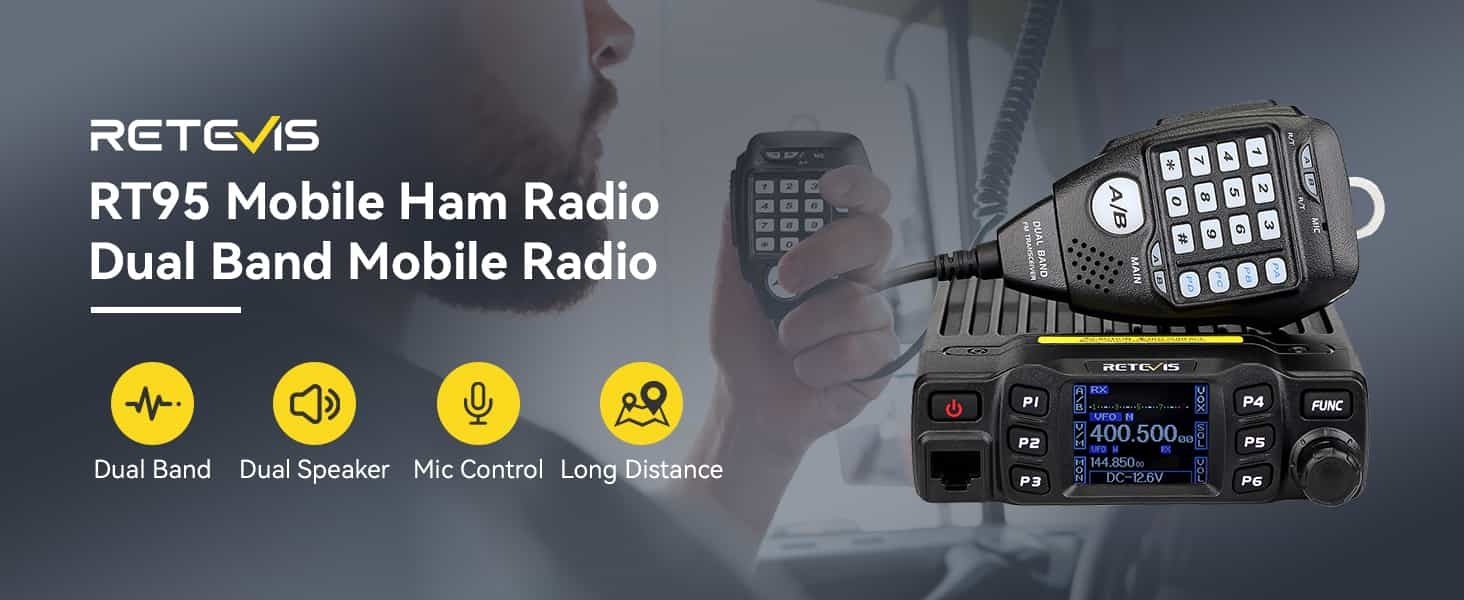
Why it works:
- Dual-band VHF/UHF operation
- Compact design for easy installation
- CHIRP programming support
- Clear display and simple controls
- Enough power for daily mobile communication
Many new operators want to spend more time making contacts and less time navigating complicated menus. The RT95 delivers exactly that.
2. The Daily Driver
Some operators use their radio during daily commutes, weekend trips, local events, and road travel.
Their priorities often include:
- Fast access to local repeaters
- Simple controls while driving
- Clean installation
- Dependable performance
Recommended: RETEVIS MA1
Modern vehicles offer less dashboard space than older models. Large radios can become difficult to install.
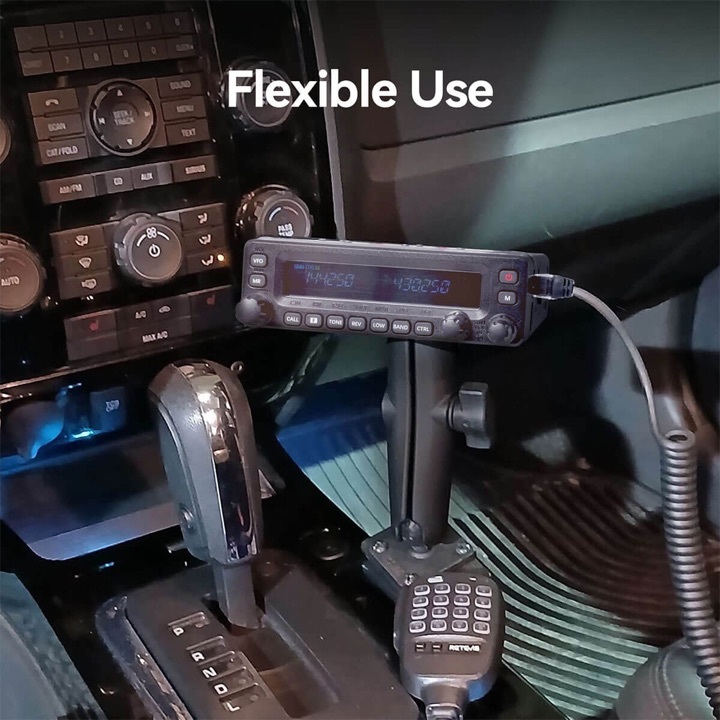
The MA1 addresses this challenge with a split-panel design that gives drivers more flexibility.
Key benefits include:
- 50W output power
- Dual-band operation
- Flexible mounting options
- Large, easy-to-read display
- Convenient operation while driving
For drivers who spend hours on the road each week, comfort and convenience make a noticeable difference.
3. The Overlanding and Adventure User
Overlanding continues to grow in popularity across North America, Australia, and Europe.
Mobile coverage often disappears in remote areas. Communication between vehicles becomes more valuable as groups spread out across trails and backcountry routes.
Common needs include:
- Long-range communication
- Reliable operation in remote locations
- Easy communication between vehicles
- Durable equipment for outdoor use
Recommended: RETEVIS MA1
The MA1 fits this type of operation well.
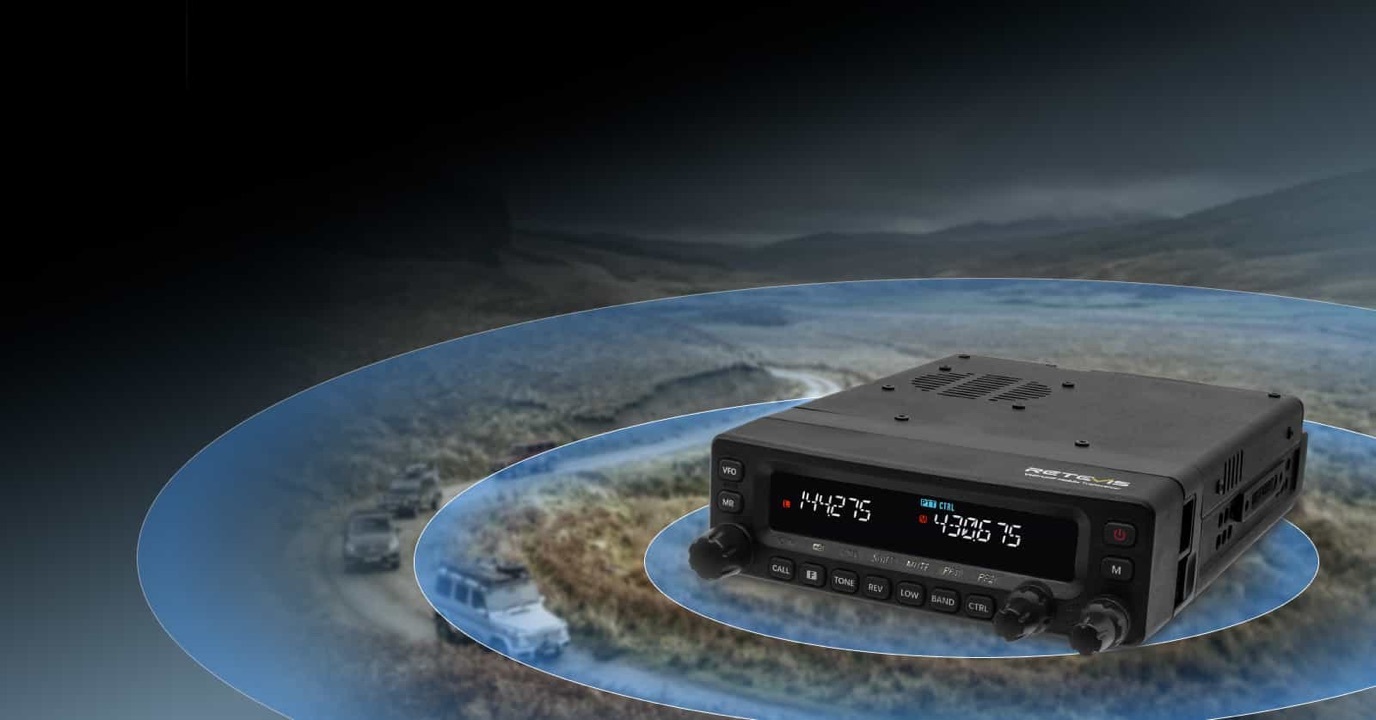
Its higher power output helps improve communication range, while the flexible installation design works well in trucks, SUVs, and adventure vehicles.
During multi-vehicle trips, operators often need quick access to communication without relying on cellular service. A properly installed mobile radio can provide that connection throughout the journey.
4. The Emergency Communication Enthusiast
Many amateur radio operators participate in emergency communication activities or prepare for situations where traditional communication systems become unavailable.
Their focus is often on:
- Network flexibility
- Access to multiple communication methods
- Reliable operation during extended events
- Communication across larger groups
Recommended: RETEVIS RT90
The RT90 combines analog and digital operation in one platform.
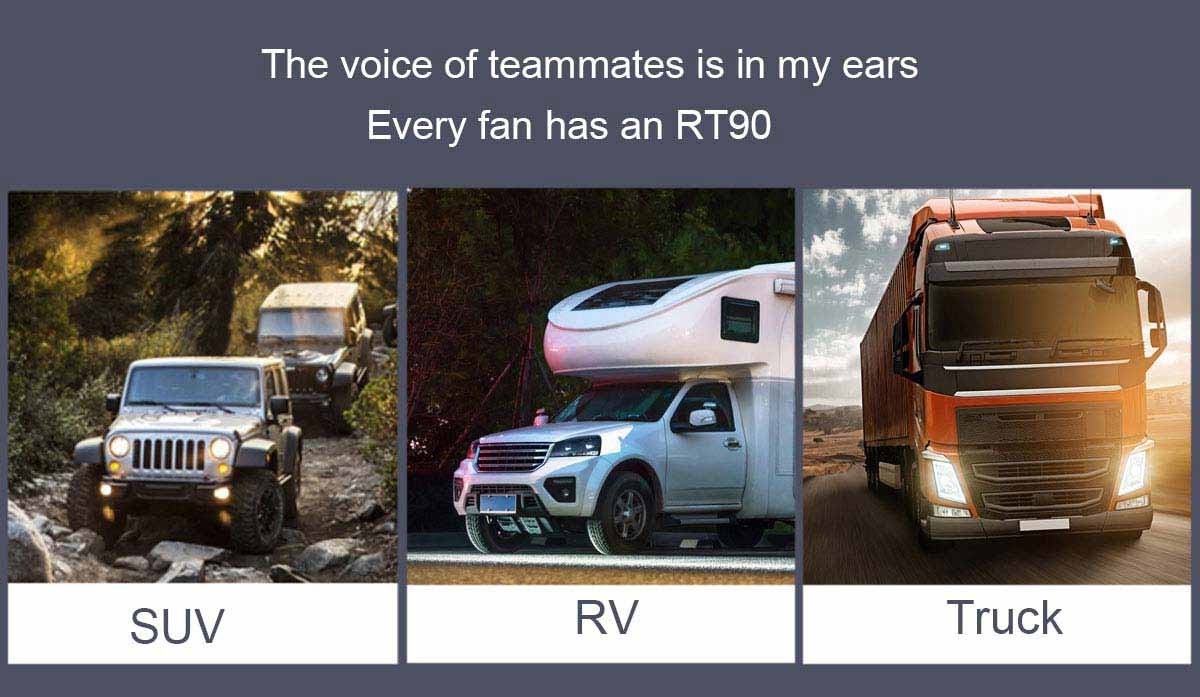
Highlights include:
- Dual-band operation
- Analog and DMR capability
- Optional GPS functions
- Large channel capacity
- Support for group communication
A radio that supports both analog and digital communication provides more operating options when conditions change.
Looking for HF Mobile Operation?
Some operators want to explore communication beyond local and regional coverage.
HF operation opens the door to longer-distance contacts and a different operating experience.
Recommended: RETEVIS Ailunce HS4
The HS4 is designed for operators interested in portable and mobile HF activity.
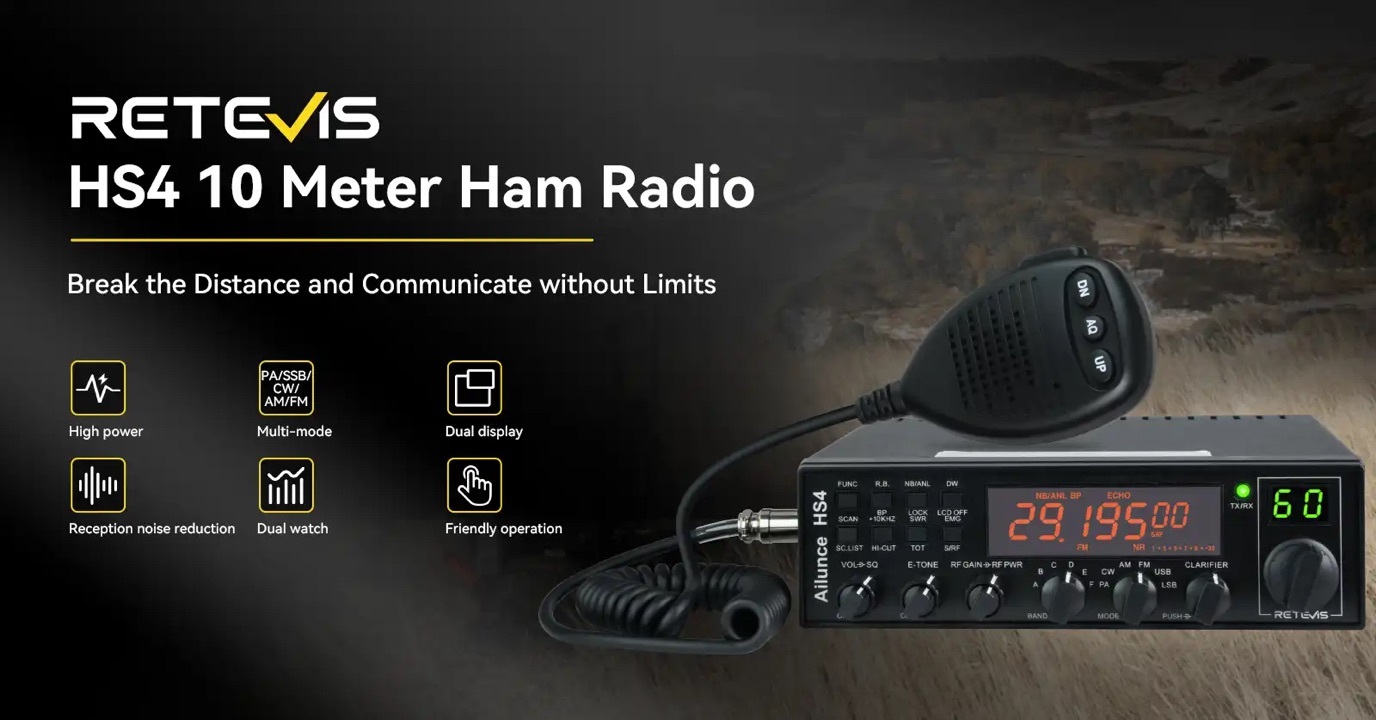
Key features include:
- 10-meter amateur band support
- SSB, AM, FM, USB, LSB, and CW modes
- Compact design
- Suitable for mobile and portable setups
It is a good option for operators who want to expand beyond traditional VHF and UHF communication.
Mobile Ham Radio Setup Tips
A great radio can only perform as well as the installation behind it.
Choose the Right Antenna
The antenna often has a greater impact on performance than the radio itself.
A well-installed antenna can dramatically improve signal quality and communication range.
If you are still comparing antenna options, check out our guide:
Best Ham Radio Antennas: 10 Types Compared, Pros, Cons & Best Uses
The guide covers antenna styles, mounting methods, and the advantages of each option.
Use Proper Power Connections
Many performance issues come from poor power wiring.
For best results:
- Connect directly to the vehicle battery when possible
- Use appropriate wire size
- Install proper fuses
- Avoid sharing power lines with noisy accessories
Find a Practical Mounting Location
The radio should remain easy to operate without blocking vehicle controls.
Popular locations include:
- Dashboard mounts
- Center consoles
- Under-seat installations
- Split-panel installations
Avoid Common Beginner Mistakes
New operators often run into the same problems:
- Choosing an antenna that is too small
- Ignoring antenna tuning
- Using poor grounding methods
- Mounting the radio where controls are difficult to reach
Fixing these issues can improve performance more than upgrading the radio itself.
Explore More at HAM RADIO 2026 in Germany
If you want to see mobile radios and antenna solutions in person, consider visiting HAM RADIO 2026 in Friedrichshafen, Germany, from June 26–28, 2026.
As Europe's largest amateur radio exhibition, the event brings together enthusiasts, operators, and equipment developers from around the world. Attendees can explore mobile ham radios, antennas, and accessories, ask questions directly to experts, and watch live demonstrations.
The RETEVIS team will be participating, showcasing practical solutions for mobile operation, HF/VHF/UHF communication, and adventure setups. Whether you're new to mobile ham radios, enjoy road trips and overlanding, or are preparing for emergency communication, visiting HAM RADIO 2026 is a great way to learn, compare, and get hands-on experience.
Which Mobile Ham Radio Is Right for You?
|
Your Goal |
Recommended Model |
|
First mobile ham radio |
RT95 |
|
Easy installation |
RT95 |
|
Daily commuting |
MA1 |
|
Road trips and travel |
MA1 |
|
Overlanding and off-road communication |
MA1 |
|
Digital DMR operation |
RT90 |
|
Emergency communication activities |
RT90 |
|
Mobile HF operation |
HS4 |
Final Thoughts
The best mobile ham radio is not always the most powerful model or the one with the longest feature list.
The right choice depends on how you operate, where you travel, and what communication challenges you face most often.
For new operators, the RT95 offers an easy starting point.
For drivers and adventure users, the MA1 delivers flexibility and strong mobile performance.
For operators interested in digital communication, the RT90 provides additional capability.
For HF enthusiasts, the HS4 opens new operating opportunities beyond local coverage.
Choose the radio that fits your operating style, pair it with a quality antenna, and enjoy more time on the air wherever the road leads.





 Google
 Amazon
Comments
No data Yet