

Table of Contents
Ham Radio for Emergency Communications: Why It's Your Best Backup (2026)
- Posted by:Retevis
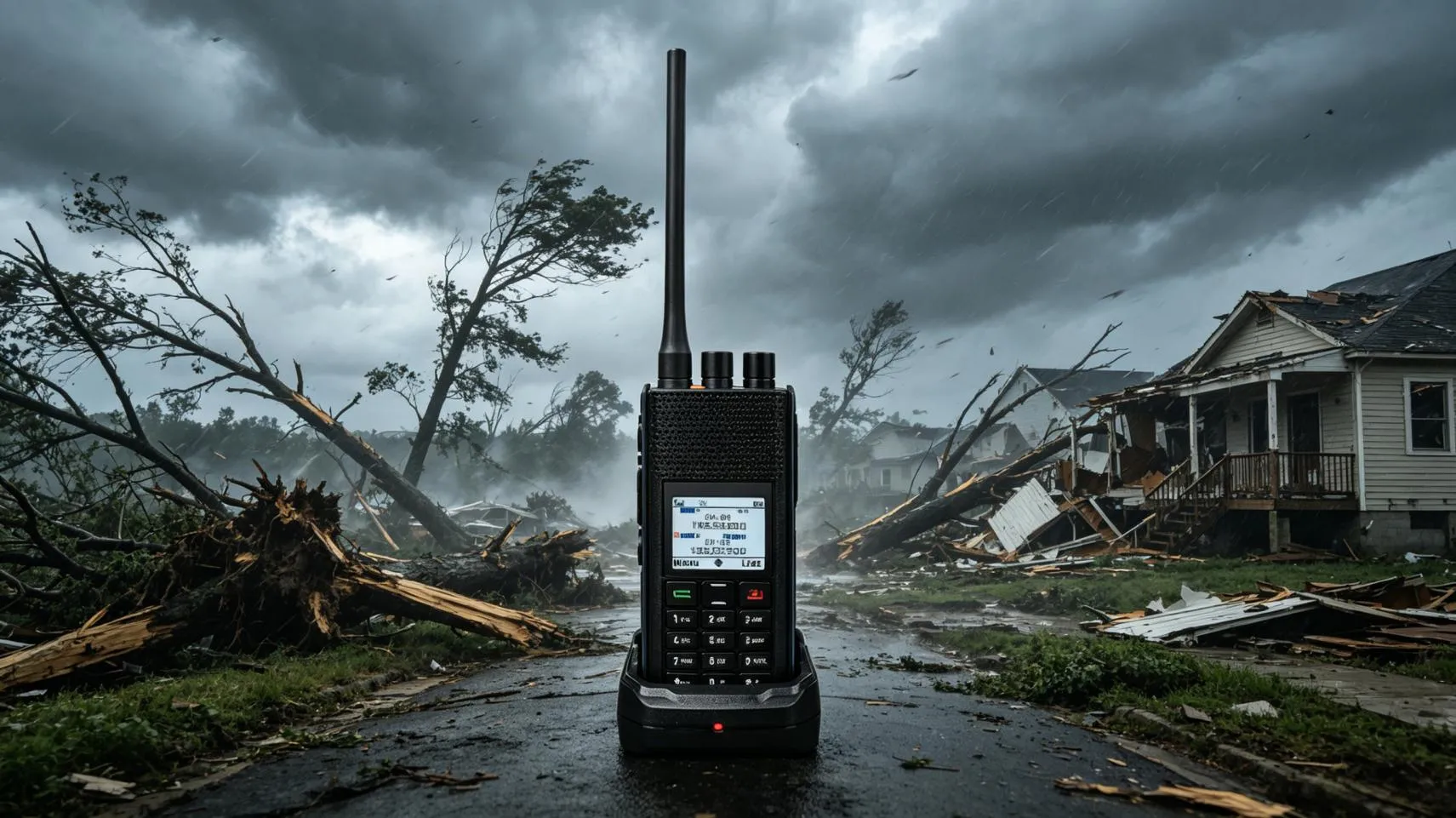
As we enter early June, the U.S. hurricane season is in full swing, and summer wildfire and flood risks are rising across North America and Europe. Disasters don’t wait for you to be ready— neither on communication.
That’s why ham radios have long been the trusted backup for preppers, first responders, and anyone determined not to be caught off guard.
But many beginners still ask the same questions: Are ham radios good for emergencies? Are they easy to use under pressure? And what’s the best way to operate one when every second matters?
In this guide, we’ll break down how ham radios work in real emergencies, how to use them effectively, and how to choose the right model for reliable family and outdoor preparedness.
Why Ham Radios Still Work When Everything Else Fails?
Unlike cell service or home internet, which depend on towers and power infrastructure, ham radios operate on an independent, decentralized network. They can continue transmitting even when cellular networks, Wi-Fi, and municipal electricity fail. This resilience is exactly why amateur radio remains a trusted backup communication tool during major disasters and infrastructure outages.

What Does Ham Radio Emergency Communication Actually Mean?
Unlike casual radio chats, ham radio emergency communications are standardized, purpose-driven systems for public safety and disaster response. They provide official backup for fire departments, rescue teams, and community emergency groups, activating when mainstream networks fail. Ham radios support real-time communication during earthquakes, floods, wildfires, and hurricanes, relay NOAA weather alerts, and ensure reliable connections during power outages, large outdoor events, and rescue drills—making them a cornerstone of professional emergency preparedness.
What makes them even more practical? Their built-in features are tailored for tough emergency scenarios.
|
Core Feature |
How It Helps in Disasters |
|
Dual VHF/UHF frequency bands |
Supports local communication and access to emergency relay networks |
|
Removable batteries + external power support |
Works continuously during long-term power outages |
|
Lightweight & portable |
Easy to carry and store in emergency bags or survival kits |
|
Anti-interference design |
Ensures clear sound in bad weather and complex signal environments |
|
No network/fee required |
Operates independently without relying on cell towers or Wi-Fi |
Can You Use a Ham Radio in an Emergency?
This is another common worry for beginners: can you legally and freely use a ham radio in an emergency? The rules are far more flexible than most people think, and they prioritize human safety above standard regulations.
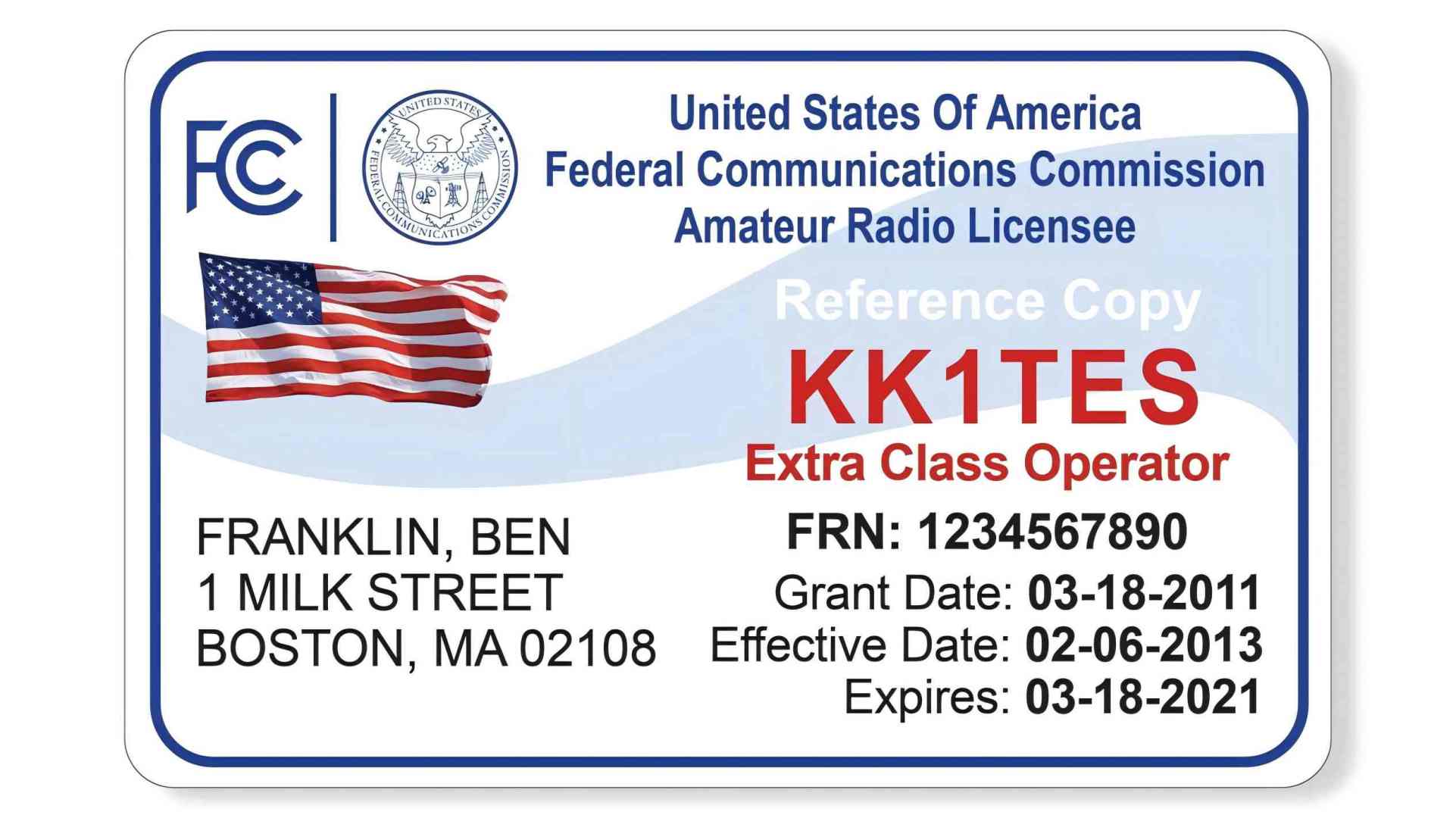
Under normal circumstances, using a ham radio requires a valid amateur radio license, which unlocks different frequency bands and helps prevent interference. However, nearly all global radio regulations include an emergency exception: if human life or property is at immediate risk and no licensed operators are available, anyone can legally use a ham radio to send distress signals—no license or prior experience needed.
That said, getting a basic ham license is still highly recommended. Licensed operators can join local emergency nets, coordinate with official rescue teams, and actively help others, rather than just calling for rescue. For long-term preparedness, a license turns a ham radio from a personal lifeline into a community resource, rather than just calling for rescue passively.
How to Use a Ham Radio in an Emergency
Owning a ham radio means nothing if you don’t know how to use a ham radio in an emergency properly. Crisis scenarios are chaotic, and messy operation can block vital rescue signals or waste precious time. Here are simple, field-tested steps anyone can follow.
Step 1: Prep your device quickly
Check your radio’s battery level first, or connect a portable power bank for continuous use. Turn up the speaker volume, disable unnecessary noise reduction modes, and make sure your antenna is firmly installed for stable signal reception.
Step 2: Tune into standard emergency frequencies
Stick to universal public emergency calling frequencies to connect with nearby operators and rescue teams fast. Common options include the 146.52 MHz VHF simplex channel and dedicated NOAA weather alert frequencies for real-time disaster updates.
Step 3: Follow basic communication etiquette
Always listen first before transmitting to avoid interrupting ongoing emergency traffic. Keep your messages short, clear, and plain. State your location, current situation, and specific needs briefly, then pause between transmissions to reserve space for more urgent calls.
Step 4: Join local emergency nets
In large-scale disasters, local amateur radio emergency groups will launch unified communication nets. Tune to the designated frequency, check in following basic rules, and assist with message relay or situation feedback as needed.
Usage Tips for Better Preparedness
Pre-program emergency frequencies ahead of time, keep spare batteries and portable antennas ready, and join local ham radio drills to build real-world confidence. When a crisis happens, preparation matters more than equipment alone.
Best Ham Radio for Emergency Preparedness: Top Retevis Picks
A solid emergency preparation plan needs reliable gear, so choosing the best ham radio for emergency preparedness matters a lot.
Ailunce H1 – The Ultimate Emergency Ham Radio (Top Pick)
A dual‑band (VHF/UHF) DMR digital ham radio built for reliability, range, and critical communication when cell towers and Wi‑Fi fail.
- 6W High Power & Dual‑Band (2m/70cm) – Longer range than typical 5W radios; covers both local VHF and UHF for regional nets and nearby rescue teams.
- DMR Digital + Analog Dual Mode – Crystal‑clear digital audio (no static) in disasters; still works with any analog ham radio for maximum interoperability.
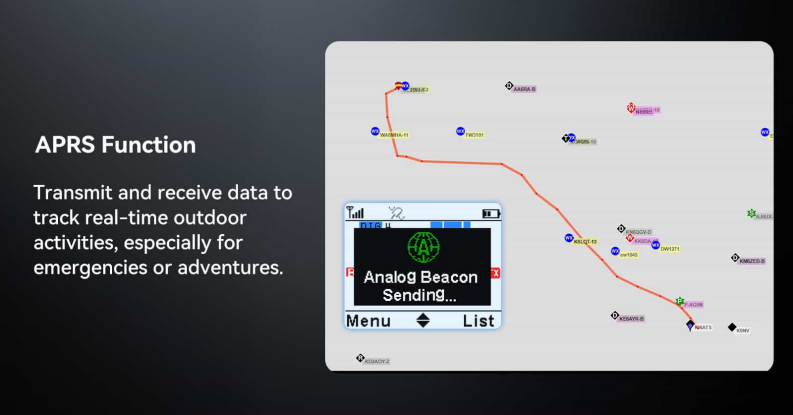
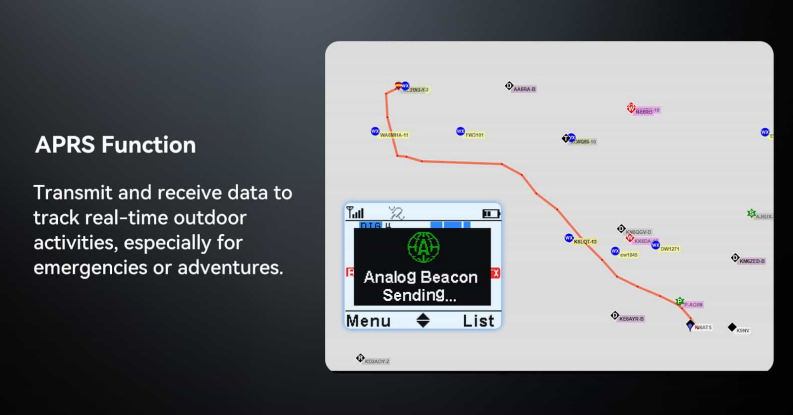
- Built‑in GPS + APRS – Real‑time location tracking, send/receive emergency beacons, share coordinates with first responders; works even without cell service.
- 2900mAh Battery + USB‑C Charging – Lasts days in blackouts; charge via power bank, solar panel, or car charger.
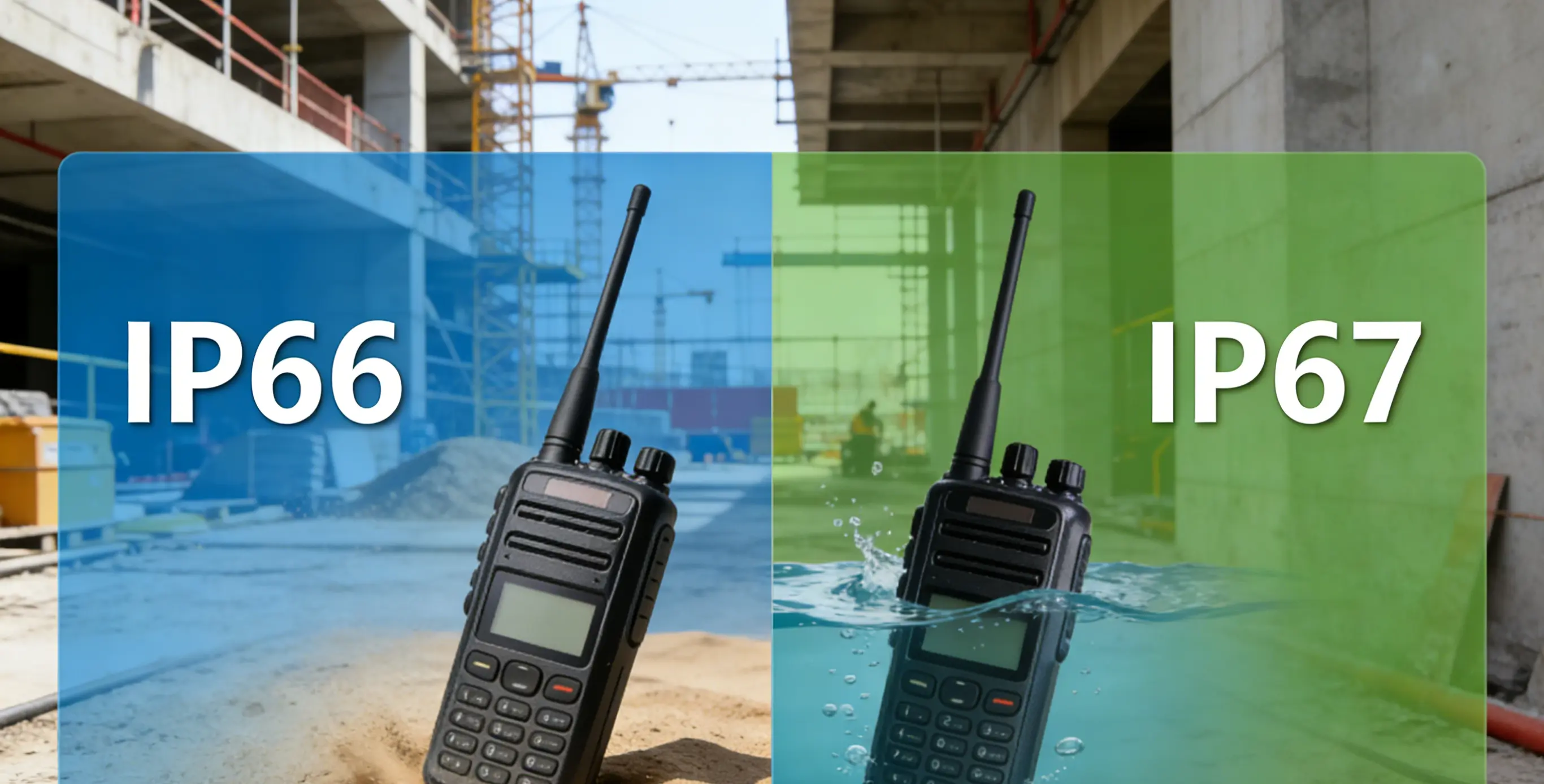
- IP67 Rugged – Dustproof, rainproof, withstands drops; works in storms, floods, wildfires.
- Emergency Alarm & Lone Worker – One‑button SOS; sends alert + location if you’re injured or trapped.
- 500K Contacts + 4000 Channels – Store local repeaters, emergency nets, and group IDs; ready to go out of the box.
- Same Frequency Relay – Enhanced coverage range, improved communication quality.
Best for: Hurricane, wildfire, tornado, earthquake, grid down; search & rescue, family emergency communication, preppers.
Ailunce HA2 – Budget‑Friendly Emergency Ham Radio (Runner‑Up)
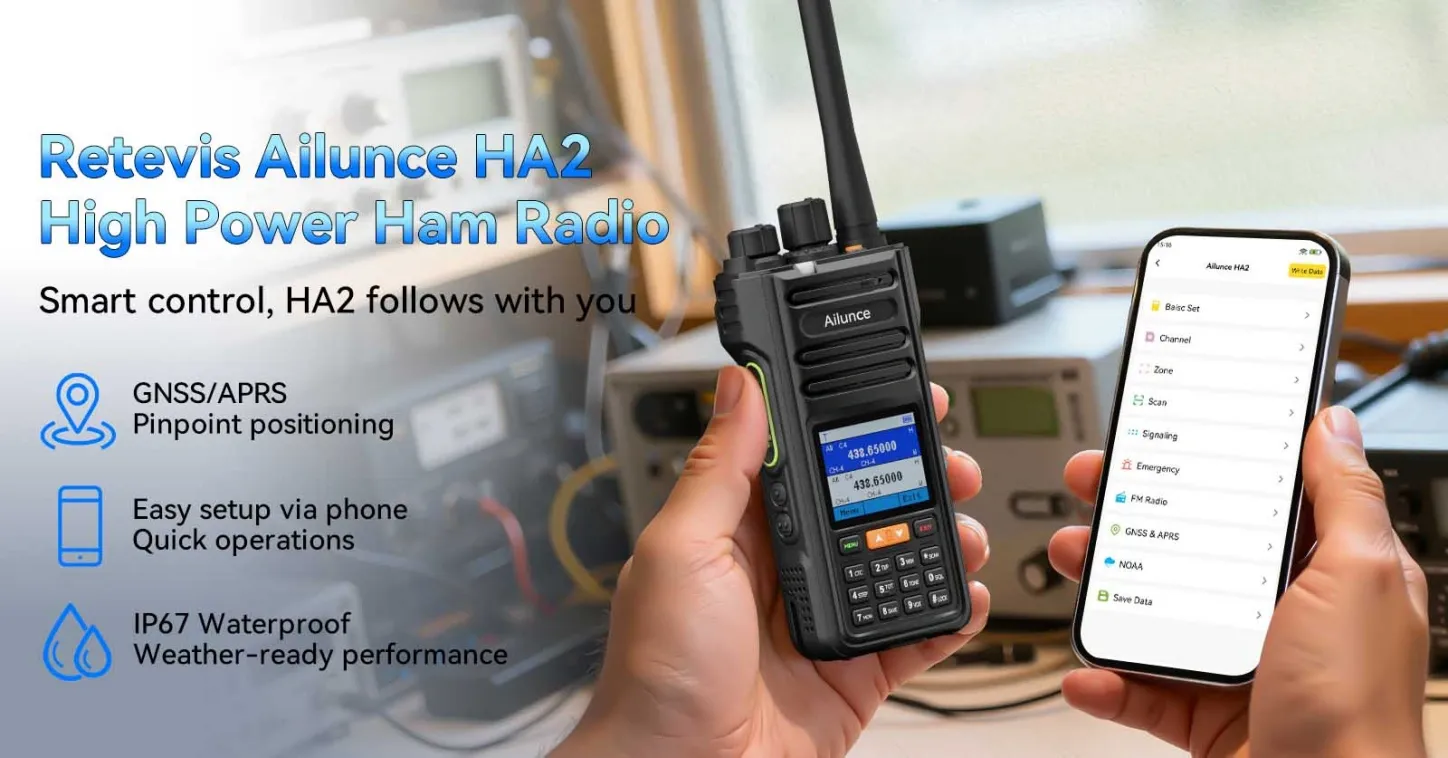 If you want pro‑grade emergency features at a lower price, the Retevis Ailunce HA2 is our runner‑up.
- 10W Super High Power – Longer range than most handhelds; ideal for wide‑area emergency nets.
- VHF/UHF + Airband + NOAA – Listen to weather alerts, aviation frequencies, and local ham bands all in one radio.
- GPS + APRS – Same location tracking as H1; great for sharing positions during evacuations.
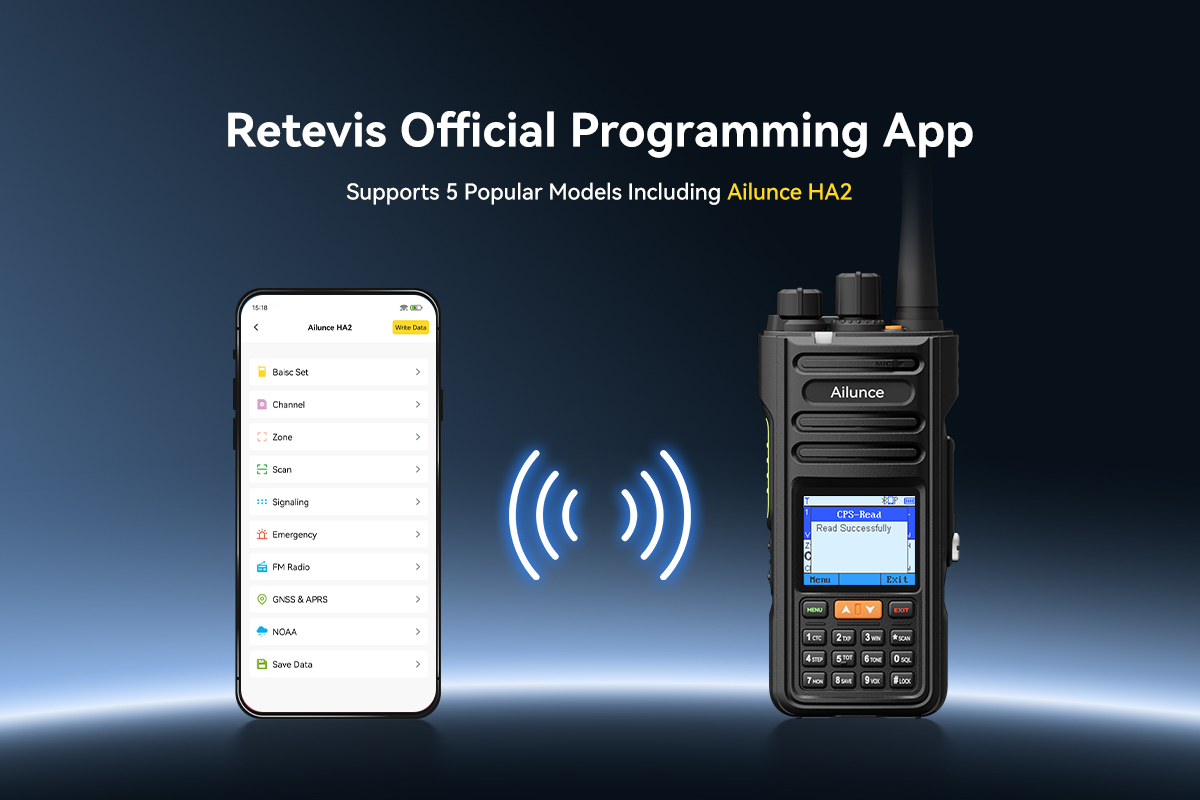
- Bluetooth APP Programming – No computer needed; set frequencies and settings from your phone.
- IP67 Waterproof – Tough enough for rain, mud, and harsh outdoor conditions.
- USB‑C Charging – Convenient power bank charging for extended use.
Best for: Budget preppers, secondary radio, family members, outdoor adventures, storm monitoring.
Final Thoughts & News
When modern communication systems fail, ham radios remain a reliable lifeline. Professional emergency ham radio networks fill the gaps in public crisis communication, while a high-quality Retevis ham radio can make your emergency plan truly practical. Whether you’re preparing for family safety or outdoor adventures, a well-equipped ham radio is your most dependable backup when the unexpected strikes.
We’re also excited to announce that Retevis will be attending the upcoming HAM RADIO exhibition in Friedrichshafen, Germany.
✅ Date: June 26–28, 2026
✅ Booth: Indoor A1‑242
Visit us to test, handle, and experience the Ailunce H1, HA2, and our full range of ham radios in person. Enjoy exclusive surprises, engaging activities, and free Ailunce HA2 giveaways.
Whether you’re an experienced operator or just getting started with emergency communications, our team is ready to answer your questions and help you choose the right ham radio for your preparedness needs.
We can’t wait to connect with you in Friedrichshafen!



 Google
 Amazon
Comments
No data Yet