

Table of Contents
Heavy Duty Specs: Handheld Radios Tailored for Industrial Plant Environments
- Posted by:Retevis
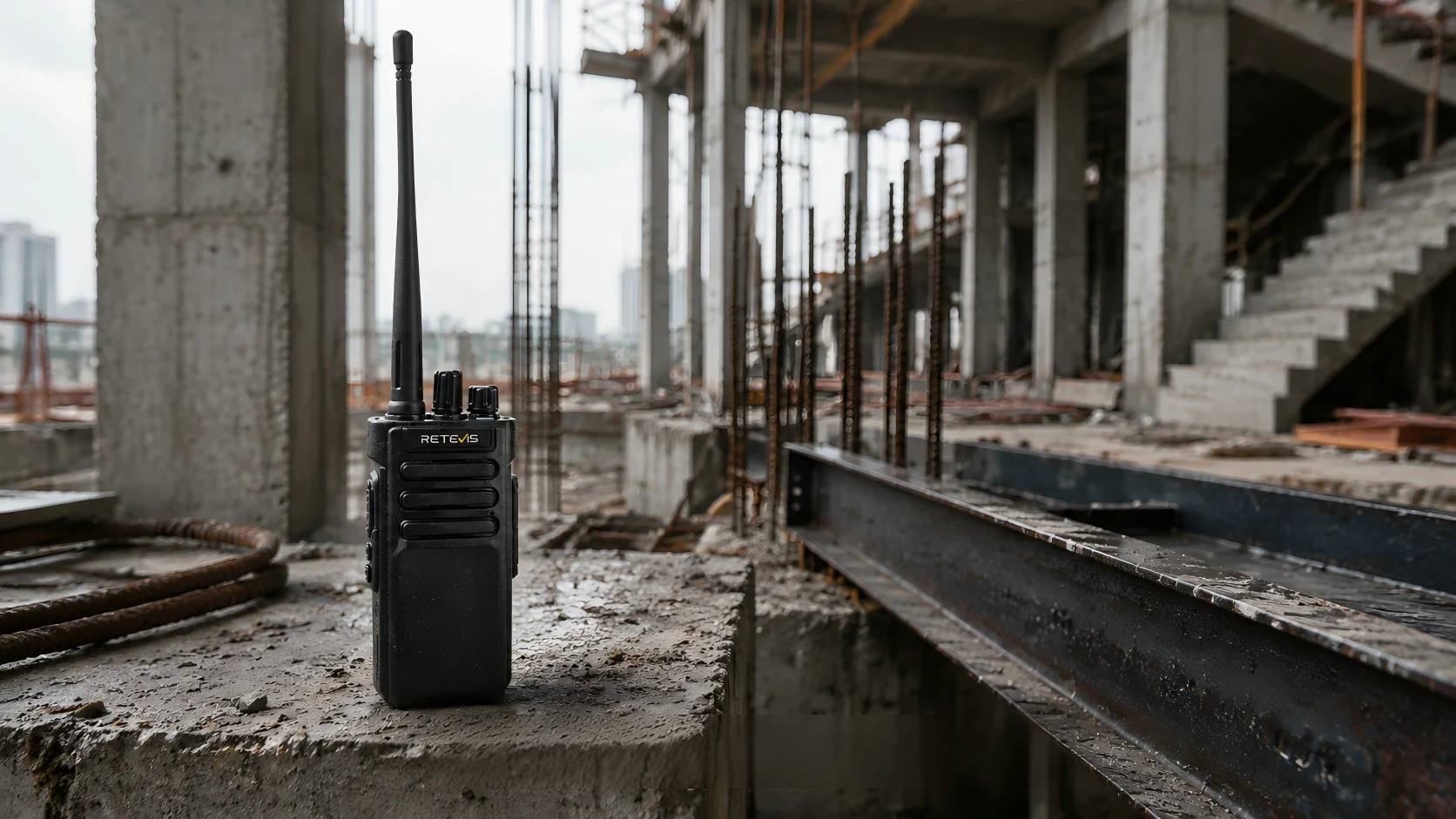
In industrial plants, manufacturing campuses, and active commercial construction sites, communication is part of the job’s core infrastructure. When teams are spread across steel structures, noisy equipment zones, loading yards, and partially enclosed building areas, delayed communication can slow work and increase risk.
That is why industrial two-way radios remain essential for frontline coordination. Unlike consumer devices, a purpose-built commercial two-way radio is designed for speed, clarity, and durability in environments where smartphones may struggle with coverage, battery life, or glove-friendly operation.
This guide explains what makes a reliable industrial handheld radio, which specs matter most, and how to choose the right solution for industrial and commercial teams.
Why Handheld Radios Still Matter on Industrial Sites
Industrial communication has to be immediate. Workers often need to reach maintenance, supervisors, logistics teams, or safety personnel in seconds—not after unlocking a phone, opening an app, or searching for signal.
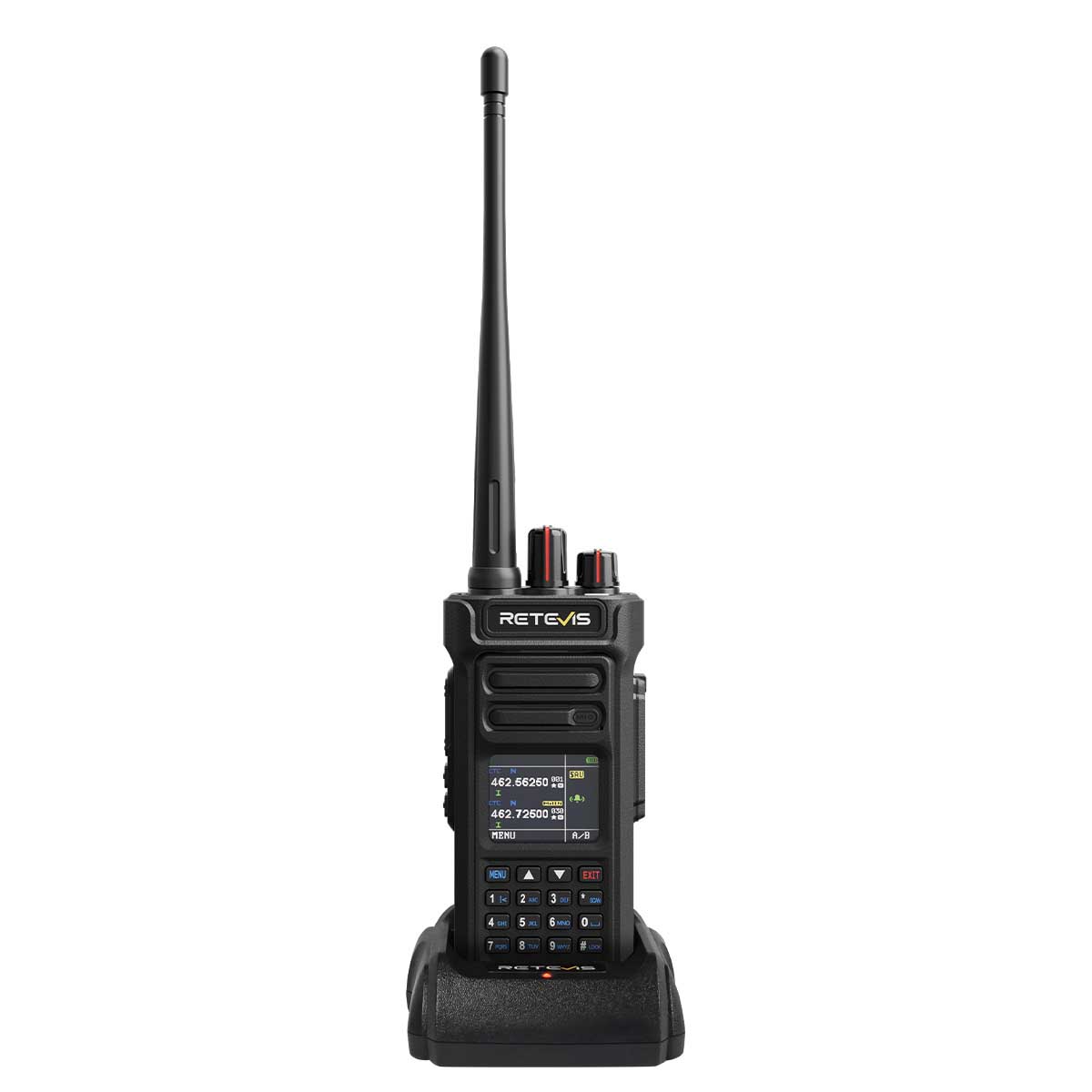
A well-designed industrial walkie-talkie offers several practical advantages:
- instant push-to-talk communication
- simple operation with gloves and PPE
- louder audio in high-noise environments
- more durable construction
- longer shift-ready battery life
- better reliability across active worksites
For many teams, radios are still the most practical answer to the question: what are practical radio tools for active industrial workers?
What Makes an Industrial Radio Different?
Not all radios are built for harsh work environments. A consumer walkie-talkie may be enough for casual use, but a heavy-duty two-way radio must hold up under daily industrial demands.
Consumer vs. Industrial Radio
|
Feature |
Consumer Radio |
Industrial / Commercial Radio |
|
Build Quality |
Light-duty |
Rugged reinforced casing |
|
Weather/Dust Protection |
Basic |
Higher IP protection |
|
Audio |
Standard |
Loud, clearer audio |
|
Battery |
Casual use |
Full-shift or multi-shift use |
|
Controls |
Small buttons |
Glove-friendly controls |
|
Accessories |
Limited |
Headsets, speaker mics, chargers |
|
Use Case |
Recreational |
Plant, warehouse, jobsite operations |
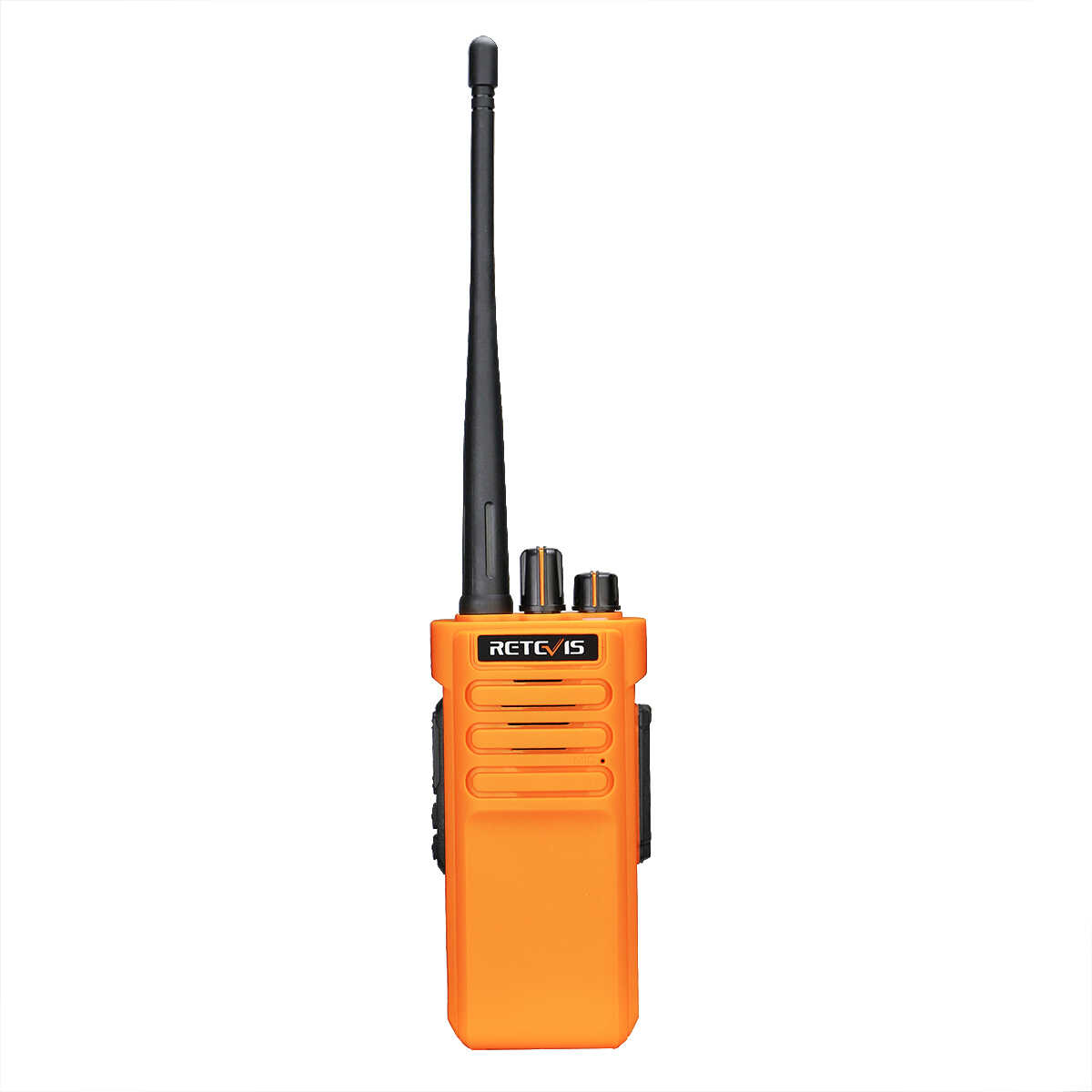
A rugged industrial communication radio is designed for drops, dust, water, long shifts, and constant handling. In many cases, it also integrates better into a professional wireless radio-communication system for larger facilities.
The Main Communication Challenges in Industrial Environments
Industrial sites create communication problems that ordinary devices are not built to solve.
1. Steel, Concrete, and Dense Structures
Metal frameworks, reinforced concrete, machinery, and pipe systems can weaken signals. This is especially important on manufacturing floors and large building sites.
2. High Noise Levels
Engines, compressors, saws, ventilation systems, and production equipment make audio clarity critical. A radio with poor speaker output is hard to use, even if its technical range looks good on paper.
3. Harsh Conditions
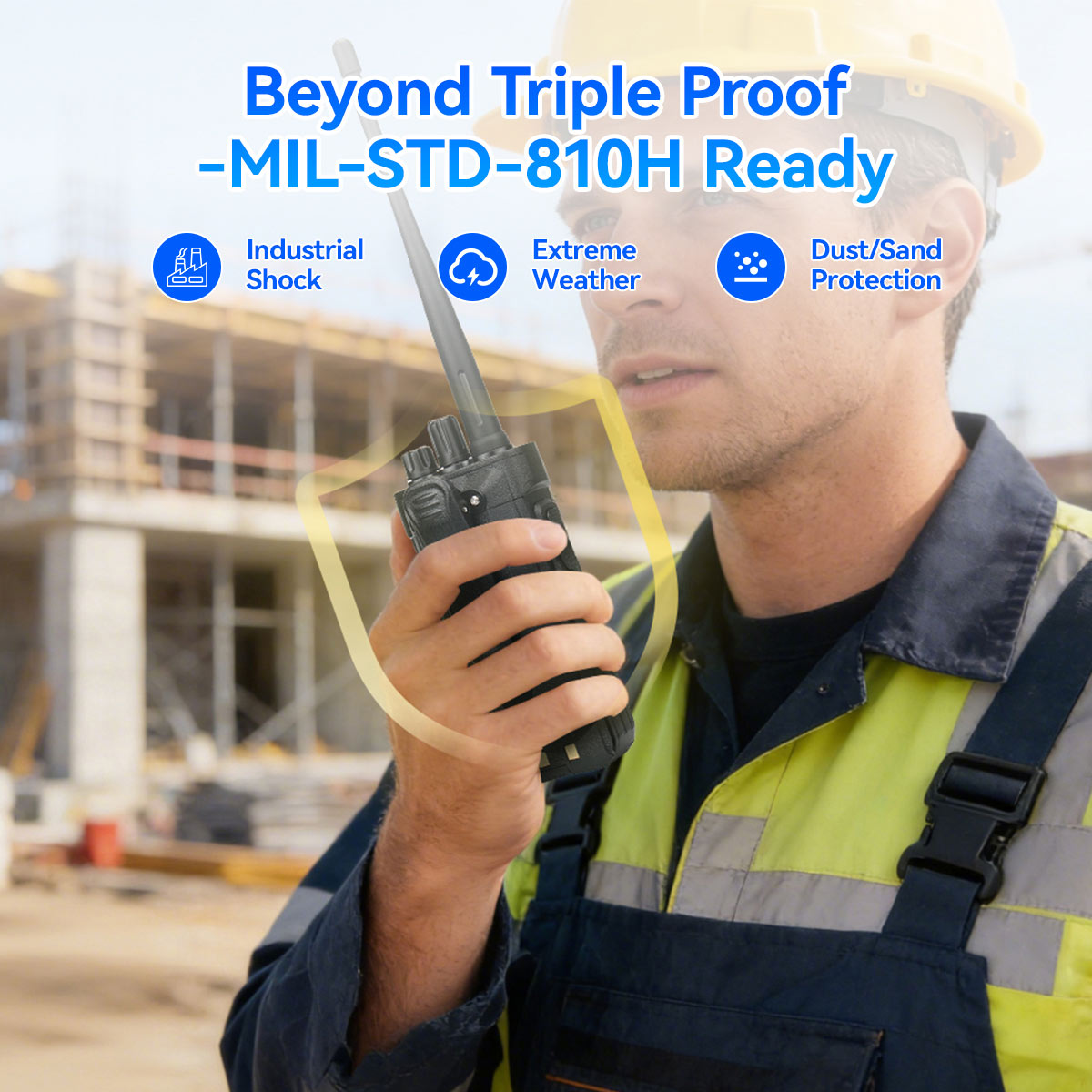
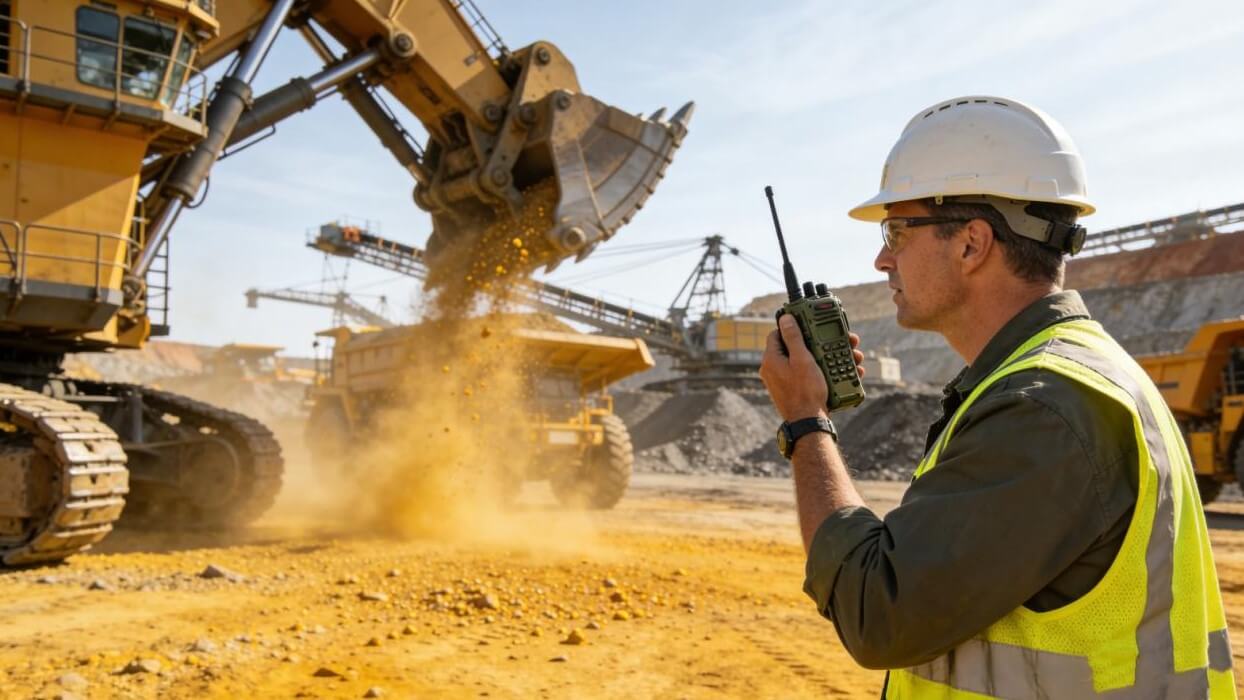
Dust, rain, mud, vibration, and repeated drops are common on industrial and construction sites. A durable two-way radio for harsh environment conditions should be built to handle them.
4. Chemical Exposure
In some plants, radios may also need to be an industrial radio resistant to chemicals, especially where oils, solvents, or cleaning agents are present.
5. Multi-Team Coordination
Modern sites often involve operations, maintenance, safety, subcontractors, and logistics personnel working at the same time. A reliable site communication two-way radio helps organize all that movement.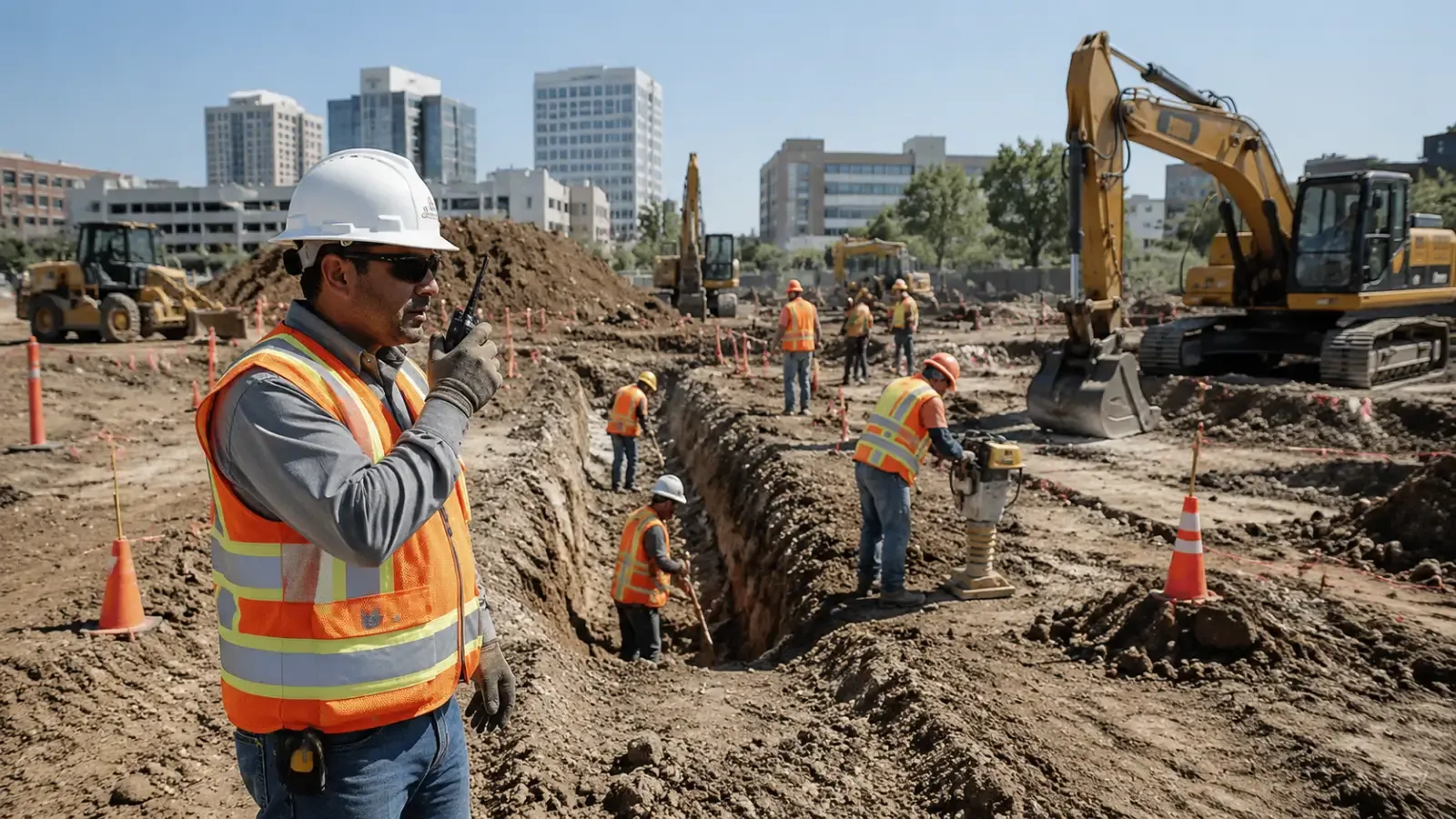
Heavy-Duty Specs That Actually Matter
When evaluating industrial radio for large projects or plant-wide use, focus on the specs that directly affect day-to-day performance.
1. Durability and IP Rating
A radio should survive rough handling and exposure to the elements.
Look for:
- rugged housing
- sealed design
- impact resistance
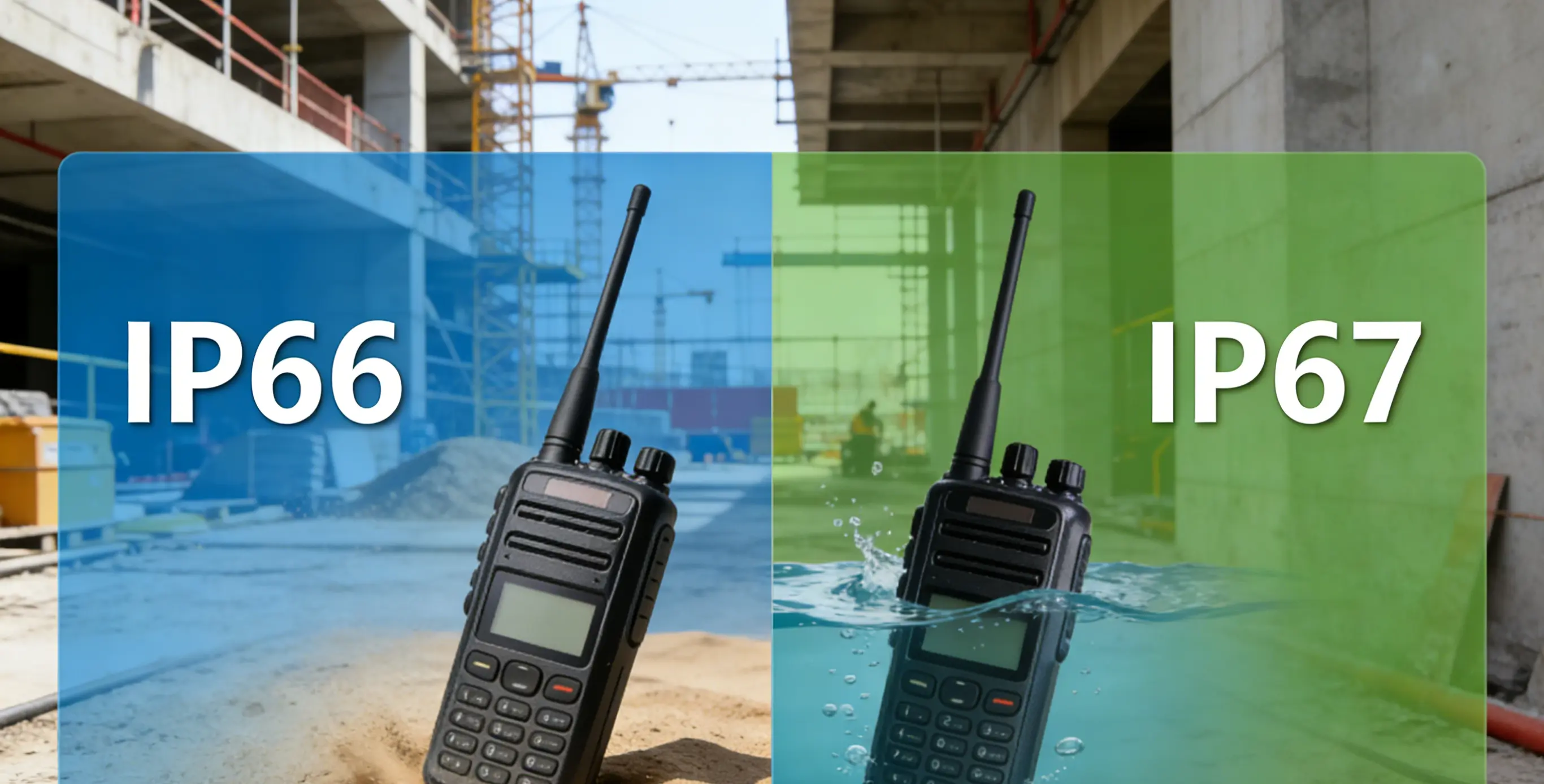
- IP66 or IP67 protection
Quick IP Guide
|
Rating |
Meaning |
Suitable For |
|
IP54 |
Splash and limited dust protection |
Light commercial use |
|
IP66 |
Strong dust protection and water jets |
Construction and outdoor industrial use |
|
IP67 |
Dust-tight and temporary immersion protection |
Tough mixed industrial environments |
For most outdoor construction walkie-talkie and plant applications, IP66 or IP67 is a practical target.
2. Audio Performance
In high-noise areas, audio quality matters as much as signal range.
Look for:
- high-volume speaker
- clear microphone pickup
- noise reduction features
- compatibility with speaker microphones or headsets
If you are searching for the best walkie-talkie for industrial use, prioritize real-world clarity over marketing claims.
3. Battery Life
A radio should last through a full shift and, in many cases, support around-the-clock operation.
Look for:
- full-shift battery performance
- high-capacity battery options
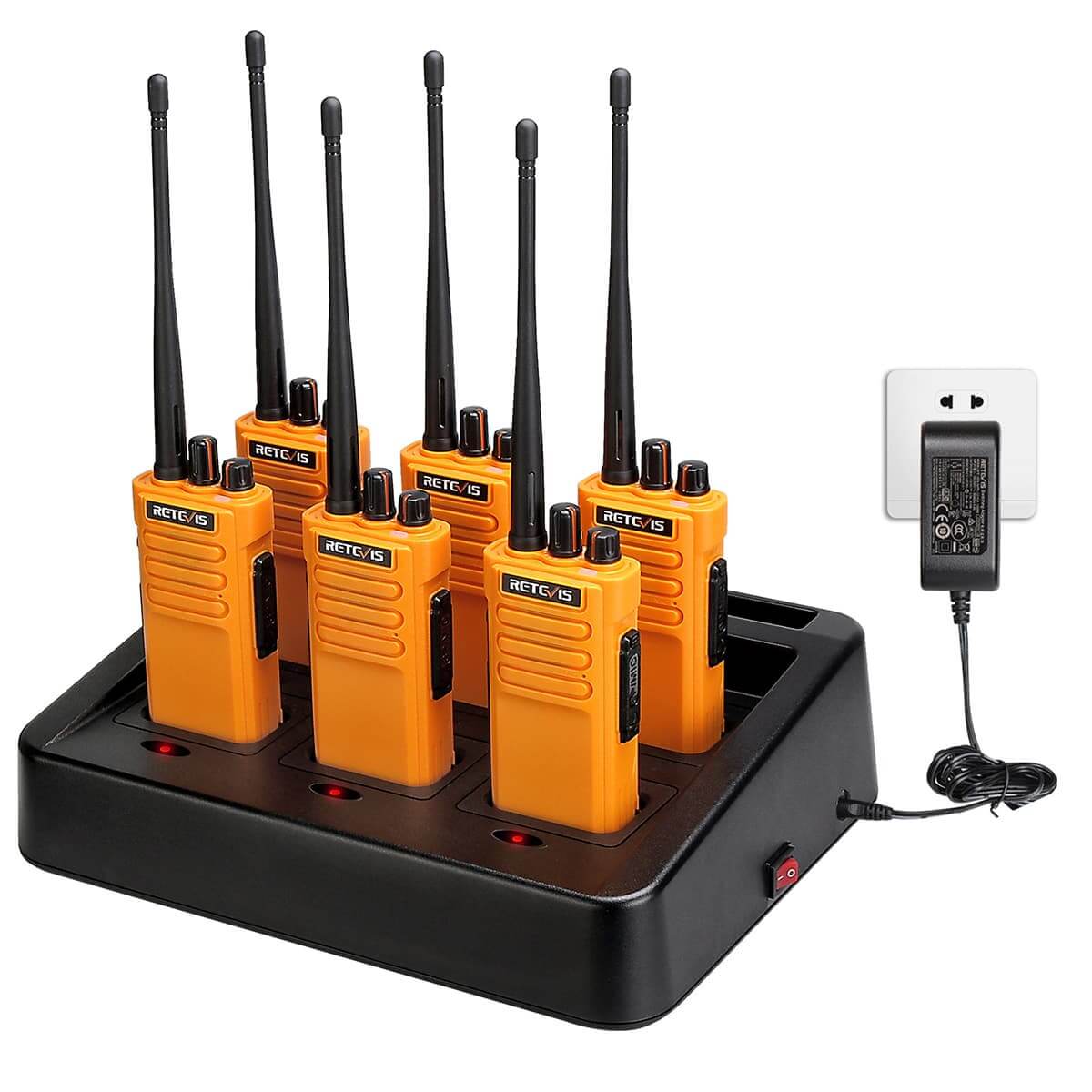
- rapid chargers
- multi-unit charging stations
This is especially relevant for teams asking who makes radios built for 24/7 frontline operations?
4. Coverage and Signal Reliability
Coverage depends on site conditions, not just advertised distance. Real-world performance is affected by:
- concrete walls
- steel structures
- equipment density
- indoor/outdoor transitions
- channel congestion
UHF vs. VHF
|
Band |
Typical Strength |
Best Fit |
|
UHF |
Better building penetration |
Plants, warehouses, mixed jobsites |
|
VHF |
Better in open outdoor areas |
Yards, rural projects, wide-open sites |
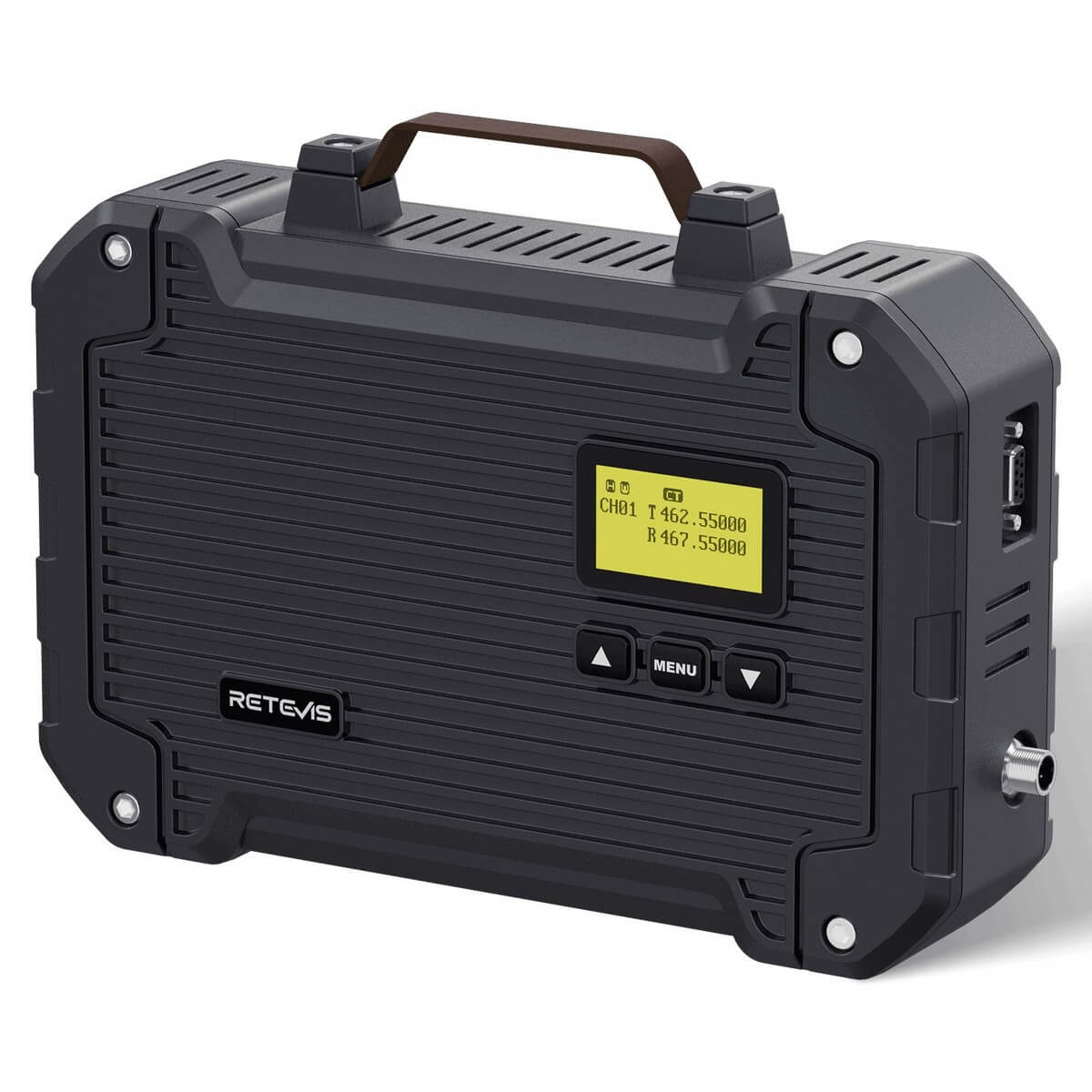
A professional industrial radio with wide coverage may also need repeater support if the facility is large or spread across multiple buildings.
5. Ergonomics and Accessories
A commercial site walkie-talkie should be easy to use while moving, lifting, climbing, or working with PPE.
Look for:
- large push-to-talk button
- textured grip
- strong belt clip
- easy channel controls
Useful accessories include:
- remote speaker microphones
- earpieces
- noise-reducing headsets
- spare batteries
- multi-unit chargers
For many commercial construction radios, the accessory setup is what makes the radio truly practical on site.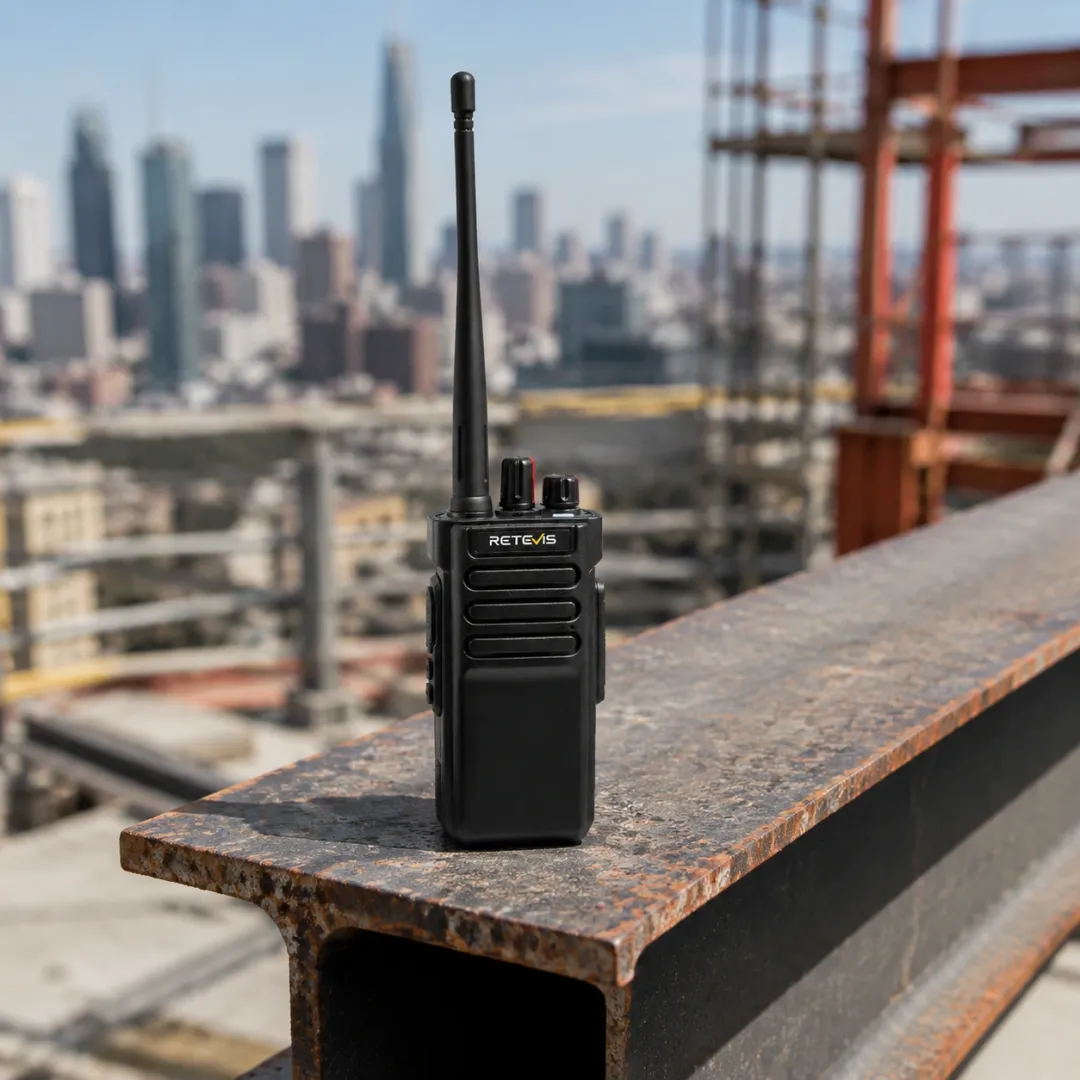
Industrial Radio Buying Criteria at a Glance
|
Spec Area |
Why It Matters |
What to Look For |
|
Durability |
Withstands rough handling |
Reinforced casing |
|
IP Rating |
Protects against dust and water |
IP66/IP67 |
|
Audio |
Improves clarity in noisy sites |
Loud speaker, noise control |
|
Battery |
Supports full shifts |
Long runtime, charging ecosystem |
|
Coverage |
Reduces dead zones |
UHF/VHF fit, repeater compatibility |
|
Ergonomics |
Easier operation with PPE |
Large buttons, grip texture |
|
Accessories |
Improves usability |
Speaker mics, headsets, chargers |
Where These Radios Add the Most Value
Manufacturing Plants
The best radios/walkie talkie for manufacturing plant use help connect:
- operators
- maintenance crews
- line supervisors
- safety teams
Typical benefits include faster maintenance response and fewer communication delays.
Commercial Construction
Commercial construction radio systems are useful for:
- foremen
- site managers
- crane operators
- electricians
- concrete crews
- delivery coordination
This is where building site two way radios and two way radios for building sites become essential for fast-moving field communication.
Warehousing and Logistics
A portable worksite communication device supports loading dock coordination, yard movement, internal logistics, and security.
Large Industrial Projects
For infrastructure, utility, or campus-scale operations, Two Way Radios for Industrial Teams can become part of a broader professional wireless radiocommunications system.
How to Choose the Right Radio for Your Site
Before buying a commercial construction radio or industrial handheld radio, ask these questions:
- How large is the site?
- Is it mostly indoor, outdoor, or mixed?
- How noisy is the environment?
- Will users wear gloves, hard hats, or hearing protection?
- Is there exposure to water, dust, oil, or chemicals?
- Do teams work one shift or 24/7?
- Do you need simple local communication or wider system coverage?
- Will you need business band radios or licensed channels?
- Are accessories important for safety and workflow?
These questions help narrow down the right commercial two-way radio for your actual operating conditions.
Common Buying Mistakes to Avoid
Choosing radios for industrial work is not just about price. Common mistakes include:
- buying consumer-grade units for industrial tasks
- focusing on open-field range claims
- ignoring audio quality
- underestimating battery logistics
- forgetting accessory compatibility
- failing to plan for coverage across large projects
For buyers asking who makes durable work radios for harsh industrial settings? or where to buy rugged communication devices for industrial work?, the better question is often: which radios fit the environment, workflow, and team structure best?
Radios as Part of a Professional Communication System
On small sites, standalone radios may be enough. On larger plants and projects, radios should be treated as part of a broader communication strategy.
A professional wireless radio-communication system may include:
- handheld radios
- repeaters
- structured channels
- separate groups for operations, maintenance, and safety
- charging and battery rotation plans
- site-wide communication protocols
This system-level approach is especially valuable for heavy-duty site radio for construction, industrial campuses, and multi-building facilities where reliability and coordination directly affect operations.
Final Thoughts
The best industrial two-way radios are built around the work itself—not just the spec sheet.
A good industrial handheld radio should match:
- the site layout
- the noise level
- the environmental exposure
- the shift structure
- the communication habits of the team
Whether you need an industrial walkie-talkie for a plant floor, a commercial construction radio for active building work, or a reliable signal walkie-talkie for site coordination across a large project, the priority is the same: clear, durable, dependable communication.
In industrial and commercial environments, that is not optional. It is part of safe and efficient operations.
Leave a Reply




 Google
 Amazon
Comments
No data Yet