
Table of Contents
Why IP67 Two-Way HAM Radios Matter During Hurricane Season
- Posted by:Retevis
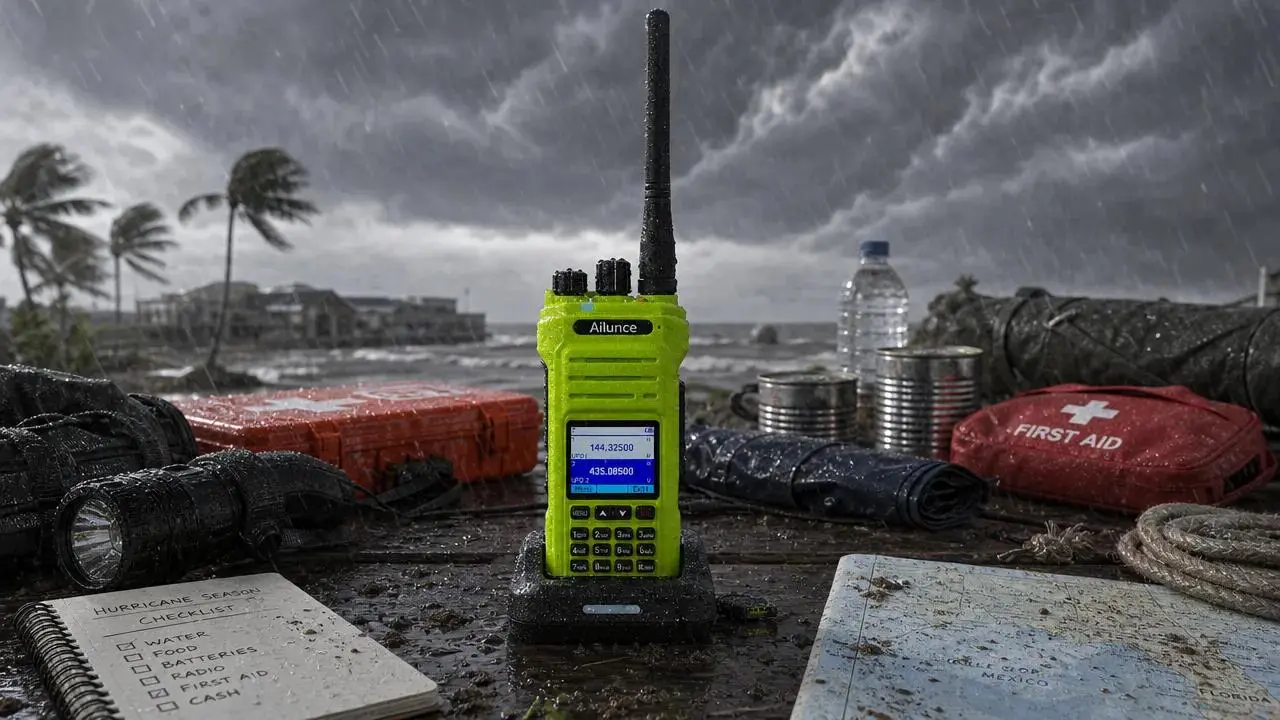
When Hurricane Helene made landfall on September 26, 2024, it did not just knock down power lines. According to the Federal Communications Commission's official Disaster Information Reporting System, 48.7% of cell sites in North Carolina's affected counties were out of service by October 1. In some mountain communities, residents were completely cut off for days. No calls. No texts. No data.
The Federal Emergency Management Agency (FEMA) has been clear: organizations and individuals need communication systems that do not depend on public infrastructure. For HAM operators and emergency preppers, that message is not new. But for anyone building a hurricane-season kit, it raises a practical question—will your radio survive the same storm that destroyed the cell network?
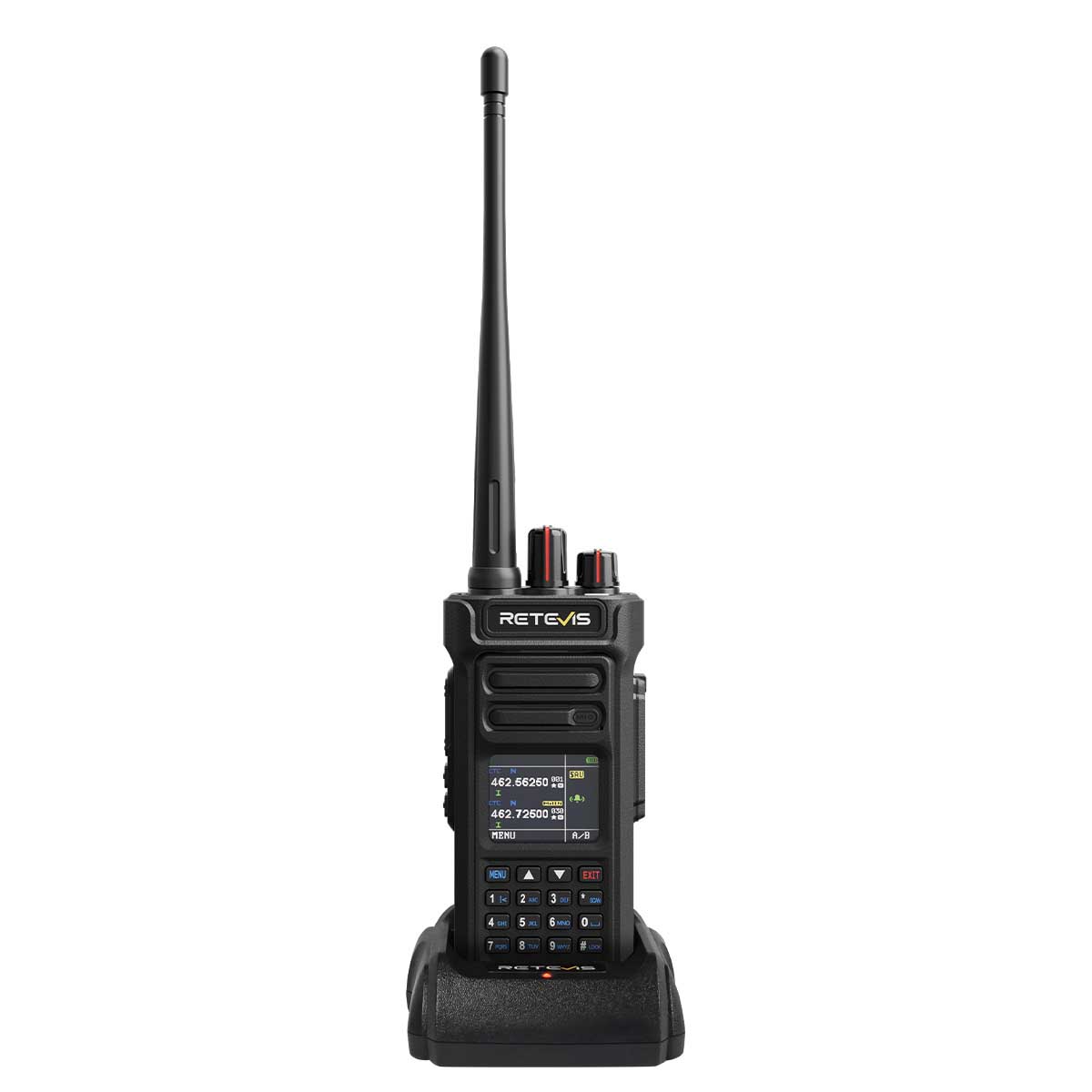
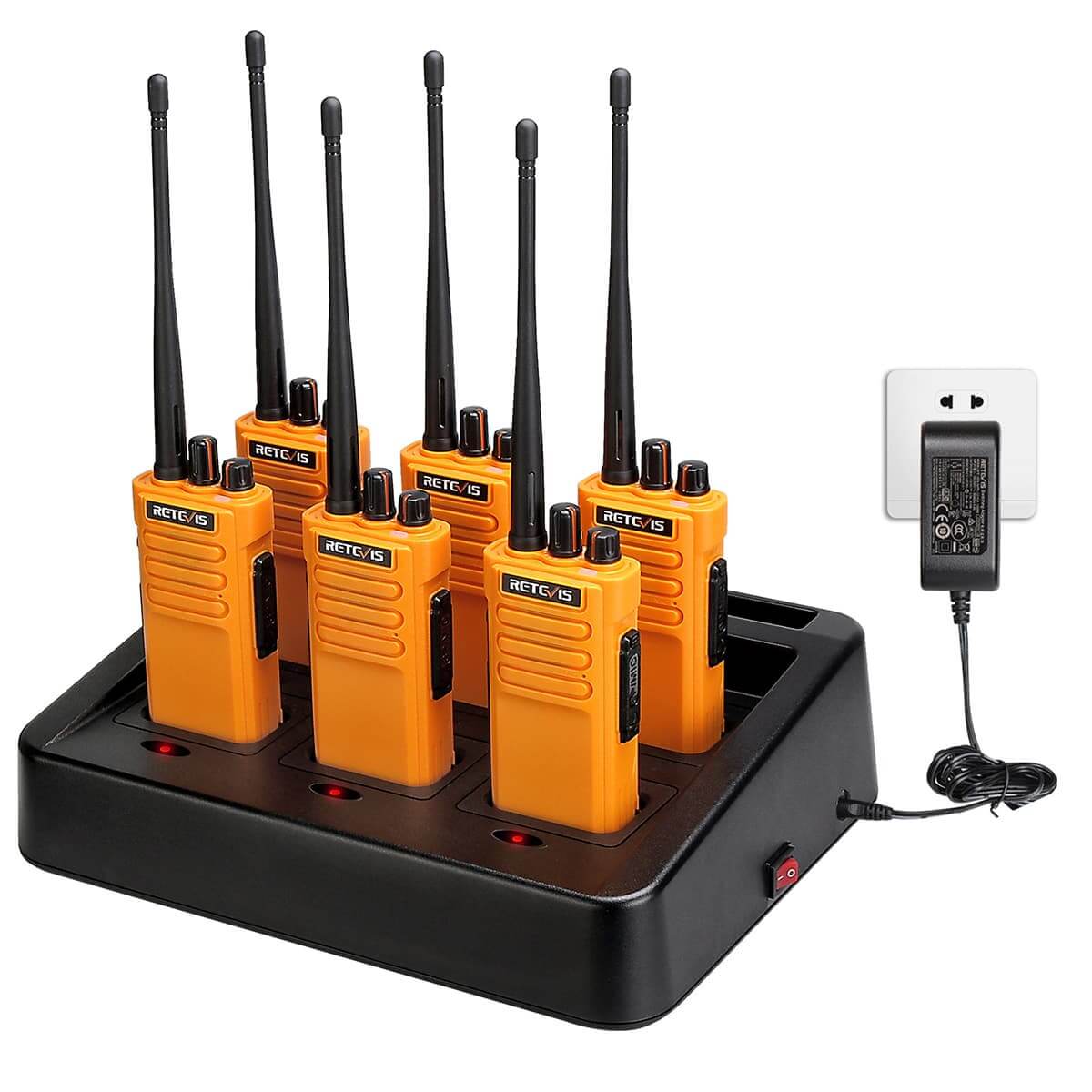
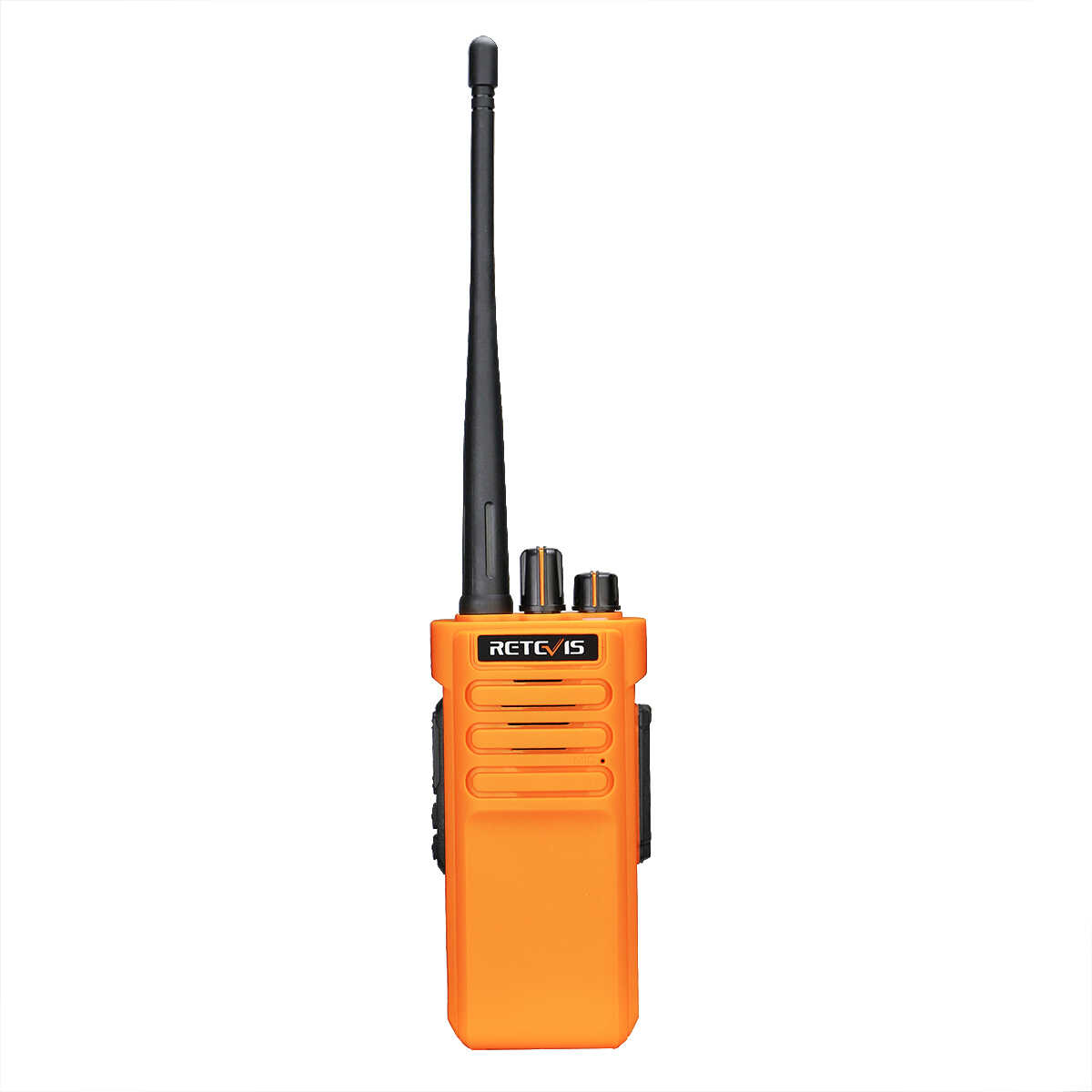
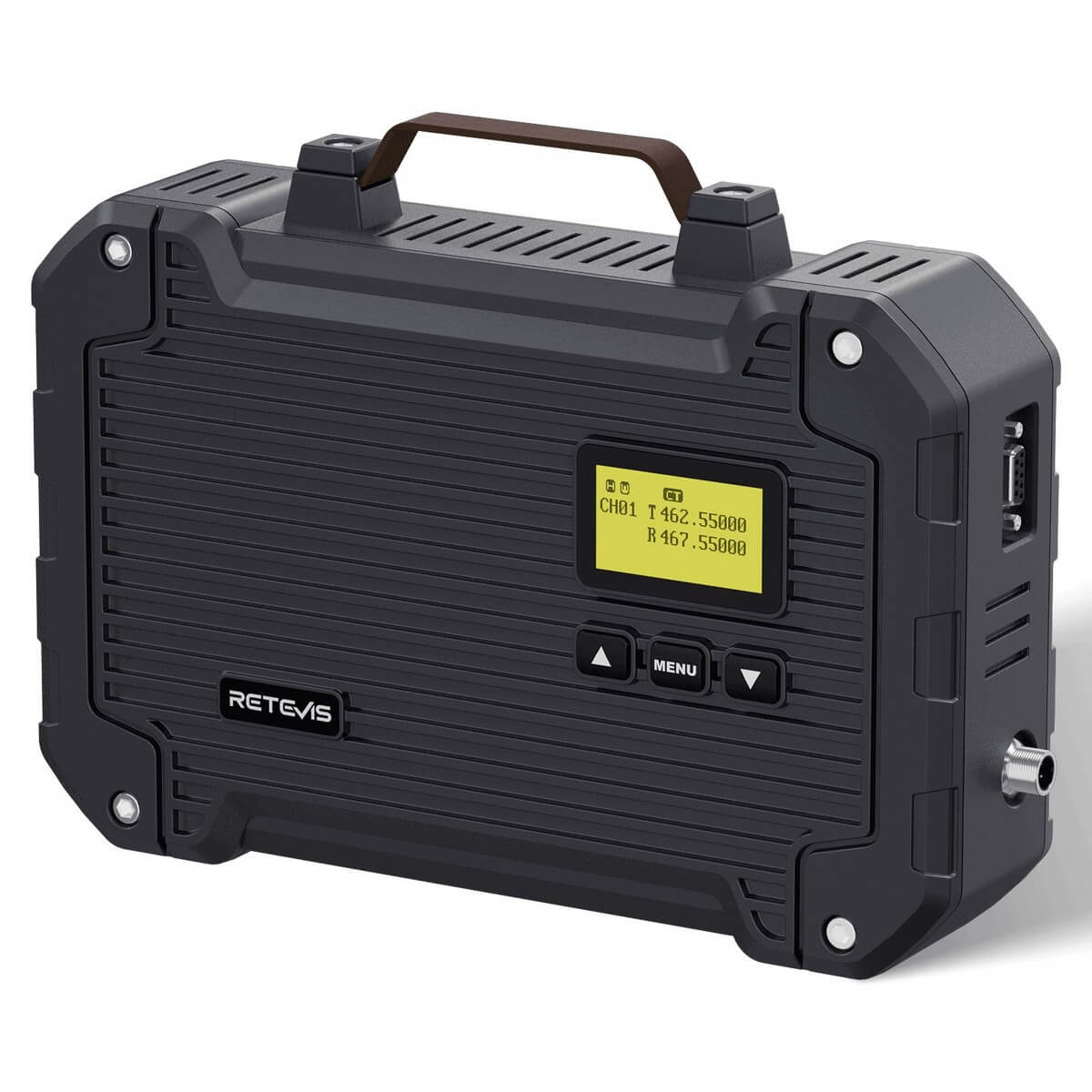
That is where an IP67 two way HAM radio for hurricane season becomes more than a piece of gear. It becomes a lifeline.
What Does IP67 Protection Mean?
To understand why IP67 matters, it helps to know what the rating means.
IP stands for Ingress Protection. It is a standard that shows how well a device resists dust and water.
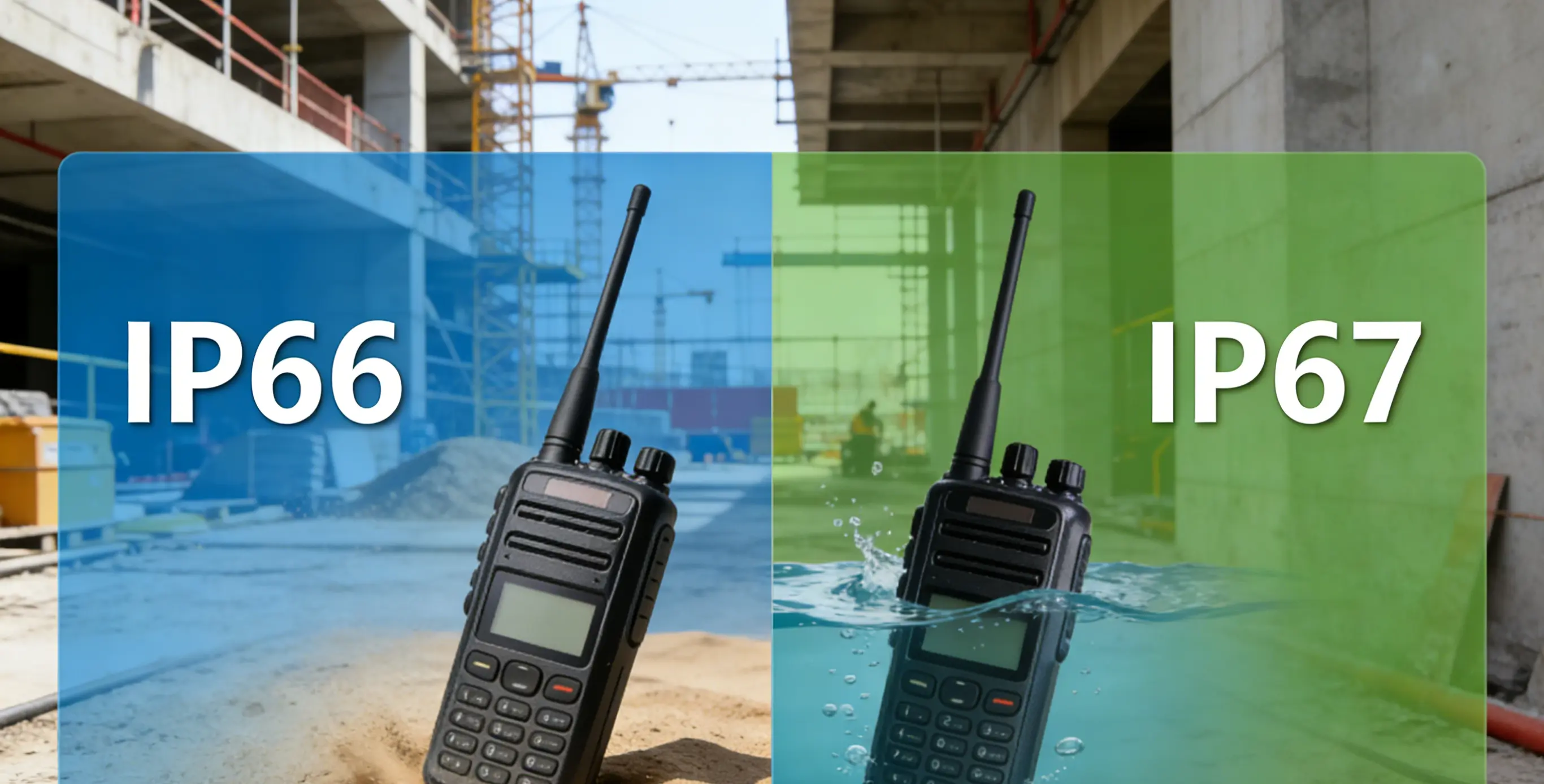
The first number, 6, means the device has complete dust protection. Dust cannot enter the inside of the radio in normal conditions. This is important in outdoor use, especially in places where wind, dirt, or debris are present.
The second number, 7, means the device can handle temporary water immersion. In simple terms, it can survive short-term exposure to water under tested conditions.
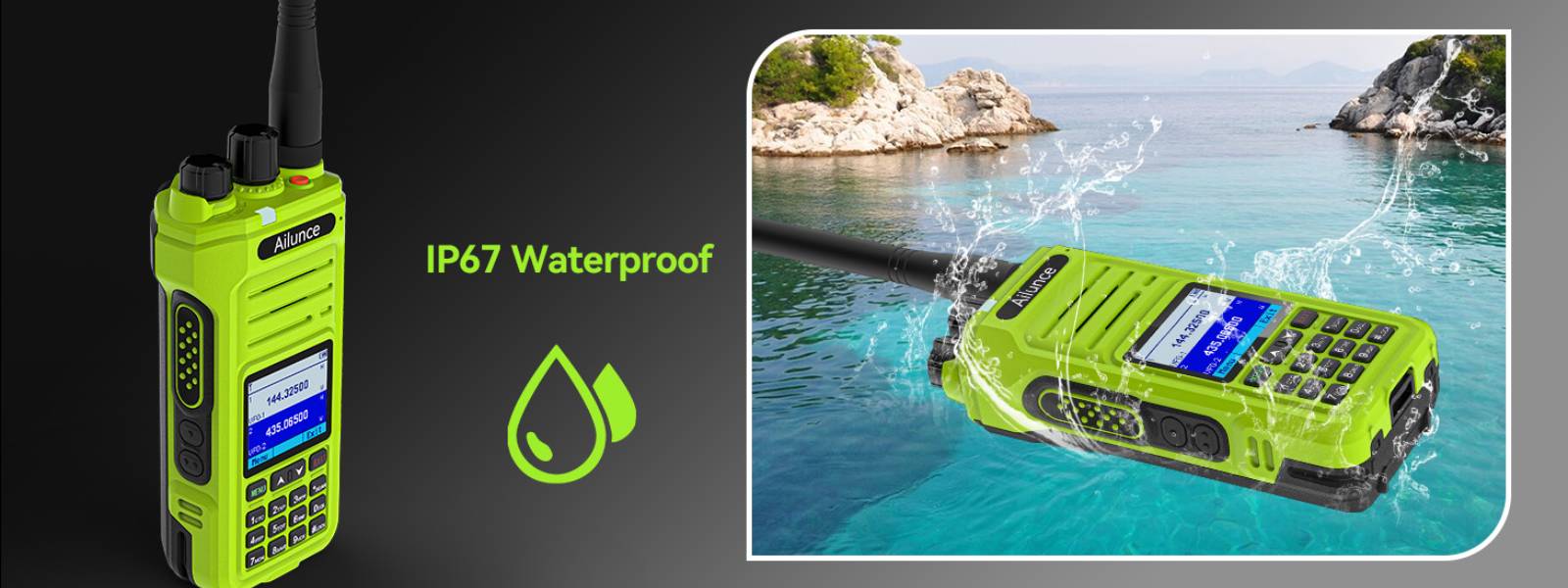
That does not mean the radio is waterproof forever or ready for unlimited underwater use. It means the radio has protection against common water exposure in demanding environments. For hurricane season, that difference is very important.
|
Rating |
Dust Protection |
Water Protection |
Hurricane Suitability |
|
IP54 |
Limited |
Splashing only |
Light rain only |
|
IP65 |
Dust-tight |
Water jets |
Heavy rain, no submersion |
|
IP67 |
Dust-tight |
Immersion (1m/30min) |
Flooding, mud, heavy rain |
|
IP68 |
Dust-tight |
Continuous submersion |
Over-engineered for most hurricane use |
Why IP67 Matters During Hurricane Season
Hurricanes bring conditions that are hard on communication gear. IP67 helps radios handle those conditions better.
1. Protection Against Heavy Rain
One of the most obvious threats during a hurricane is rain. Not light rain, but long periods of heavy rainfall. A radio may be used in wet hands, in damp clothing, or in places where rain keeps hitting the device for hours.
An IP67 two-way radio reduces the risk of water entering the internal parts of the radio. This can help the device continue working when the weather is harsh. For emergency communication, that kind of protection is valuable because you may not have the option to wait for better conditions.
2. Protection Against Flooding and Accidental Drops
Flooding is another major problem during hurricanes. Water can collect around buildings, roads, and evacuation areas. A radio may be placed on a wet surface, dropped in shallow water, or exposed to splashes during movement.
IP67 protection helps the radio survive these situations better than a standard device. It can give users more confidence when they need to work in damp or flooded areas. In real emergency use, even a short loss of equipment can create problems. IP67 helps reduce that risk.
3. Protection Against Dust, Mud, and Outdoor Conditions
The danger does not end when the storm passes. After a hurricane, the environment is often dirty, muddy, and full of debris. People may need to move through outdoor areas, temporary shelters, or damaged locations. Dust and mud can get into unprotected equipment and affect performance over time.
Because IP67 radios are sealed against dust, they are better suited for this kind of use. This does not make them indestructible, but it does help protect the internal components from common outdoor contamination. In storm recovery, that can make a real difference.
How IP67 Supports Reliable Emergency Communication During Hurricanes
Amateur radio operators have long served as the backbone of emergency communication when public networks collapse. Organizations like ARES (Amateur Radio Emergency Service) and RACES (Radio Amateur Civil Emergency Service) activate during hurricanes to provide traffic handling, shelter coordination, and situational awareness to local officials.
What it does is help the radio stay available when the environment becomes difficult.
That is a major advantage in emergency communication. During hurricanes, mobile networks may be unstable, and power may be interrupted. In that situation, radios often become a backup communication tool. If the device itself cannot handle rain, moisture, or dirt, then even the best communication plan can fail.
This is why IP67 matters so much. It supports reliability by helping the radio continue to function in real-world conditions where other systems may already be under stress.
During Hurricane Helene, amateur radio operators with simple handheld radios filled the gaps in neighborhoods where no other communication existed.
IP67 Applications in Hurricane Season Scenarios
To see the value of IP67 more clearly, it helps to look at a few common hurricane-season situations.
Emergency Shelters
Emergency shelters are often crowded, humid, and busy. Radios may be handled many times a day. They may also be used in places where people come in from the rain and carry moisture with them.
In this kind of setting, an IP67 HAM radio is better protected against accidental water exposure and dust. That makes it a more practical choice for long-term use in shelter environments.
Evacuation and Outdoor Travel
During evacuation, weather can change quickly. A radio may be used in a car, outside a building, or while moving between locations in wet conditions. A device without protection may be more likely to fail if exposed to rain or splashing water.
An IP67 two-way HAM radio helps lower that risk. It gives users a better chance of keeping their communication gear working during travel and relocation.
Field Communication
After a hurricane, communication often moves into the field. People may work outdoors, walk through muddy ground, or operate in areas where the storm has left damage behind. In these conditions, radios face more than just moisture. They also face dirt, debris, and rough handling.
IP67 protection helps the radio tolerate these conditions better. That makes it useful for emergency teams, volunteers, and anyone who needs a dependable radio in the field.
Conclusion: Why IP67 Protection Matters in Severe Weather
Hurricane season is a test for every piece of communication equipment. Rain, flooding, mud, and dust can all create problems at the worst possible time. That is why IP67 matters.
An IP67 two-way HAM radio is not about marketing. It is about practical protection in a difficult environment. It helps communication equipment stay ready when weather becomes severe and conditions are unpredictable.
For emergency use, that kind of protection can make a real difference. When the storm arrives, the goal is not just to have a radio. The goal is to have a radio that can keep working when you need it most.
FAQ: Common Questions About IP67 Radios and Hurricane Prep
Can I use a regular walkie talkie, or do I need IP67?
You'd better not. Standard FRS radios often carry an IP54 rating—fine for a drizzle, but not for flood conditions. If your radio might be dropped in water or buried in mud, IP67 is the minimum realistic standard.
Do I need a license?
It depends on the service. FRS (Family Radio Service) requires no license. GMRS requires an FCC license (currently $35, no exam). Amateur (HAM) radio requires passing an exam but offers the greatest frequency flexibility and is the standard for formal emergency nets like ARES.
Is IP67 enough, or should I buy IP68?
For hurricane and flood scenarios, IP67 is sufficient. IP68 is designed for sustained submersion—useful for marine professionals, but overkill for most emergency-preparedness users.



 Google
 Amazon
Comments
No data Yet