
Table of Contents
Safe Rigging & Lifting: Communication Systems for Crane & Heavy Equipment Operators
- Posted by:Retevis
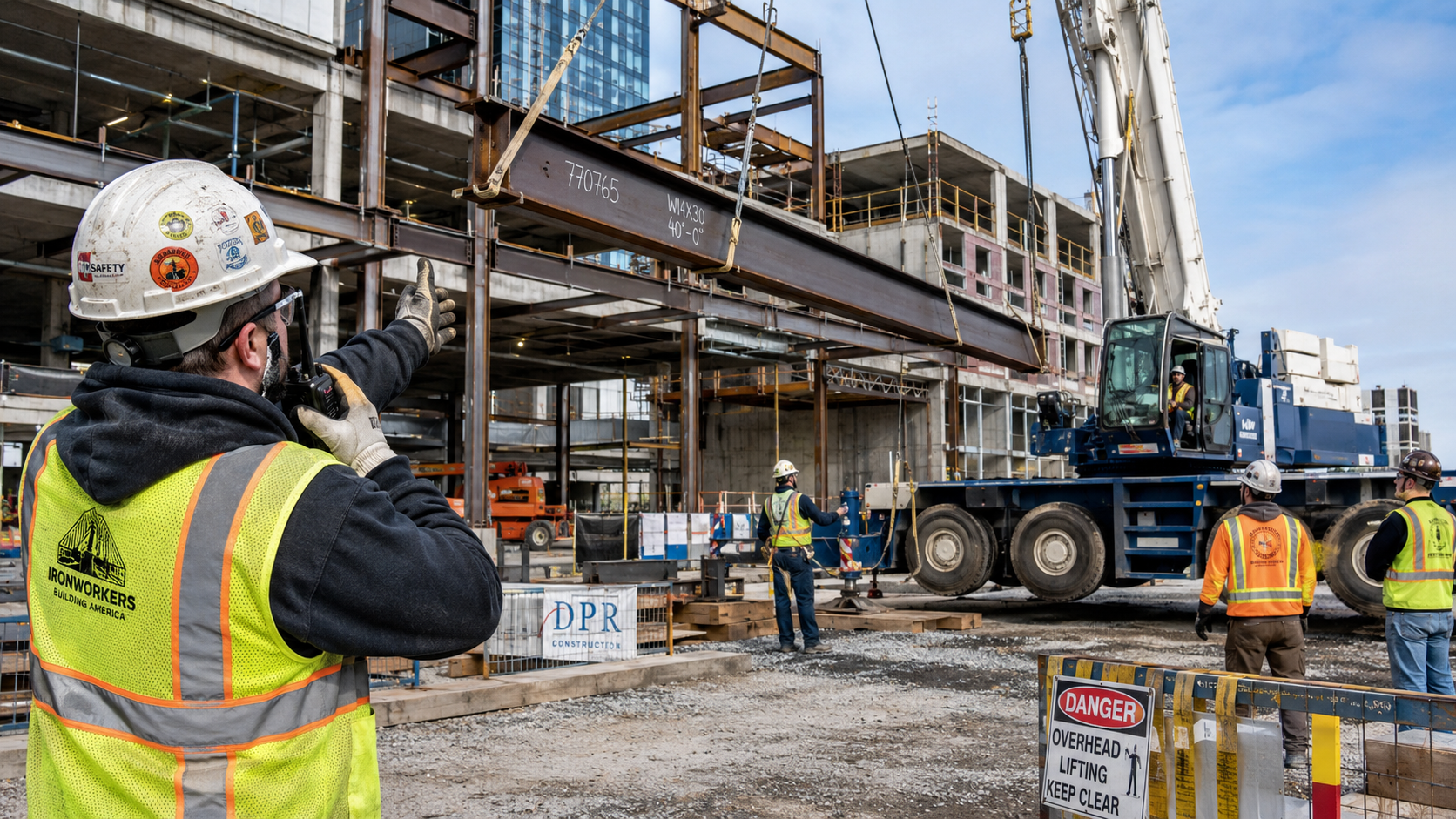
On a busy construction site, a lift may last only a few minutes, but the margin for error is measured in seconds. When crane operators, riggers, signal persons, and ground crews cannot communicate clearly, even a routine pick can turn into a safety risk.
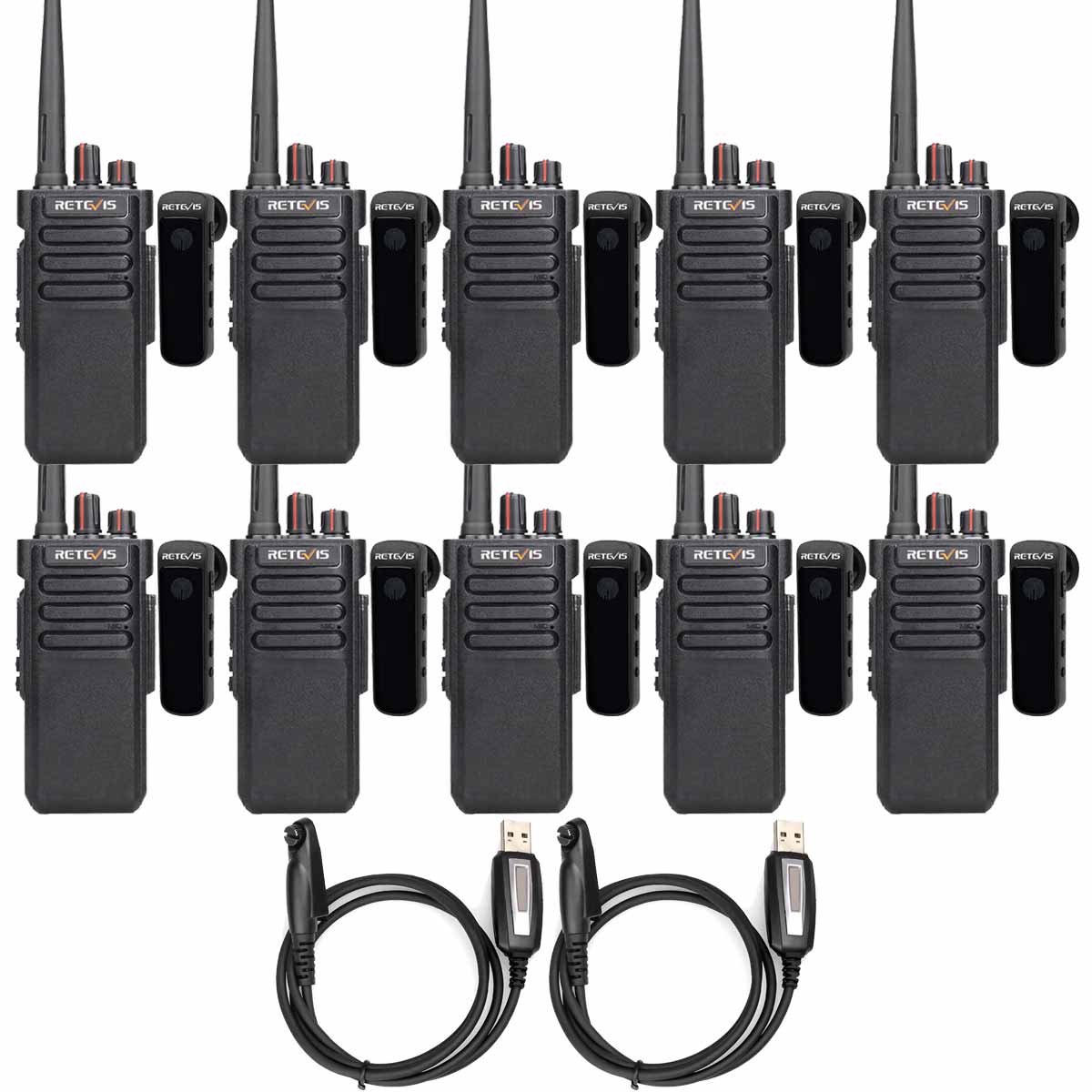
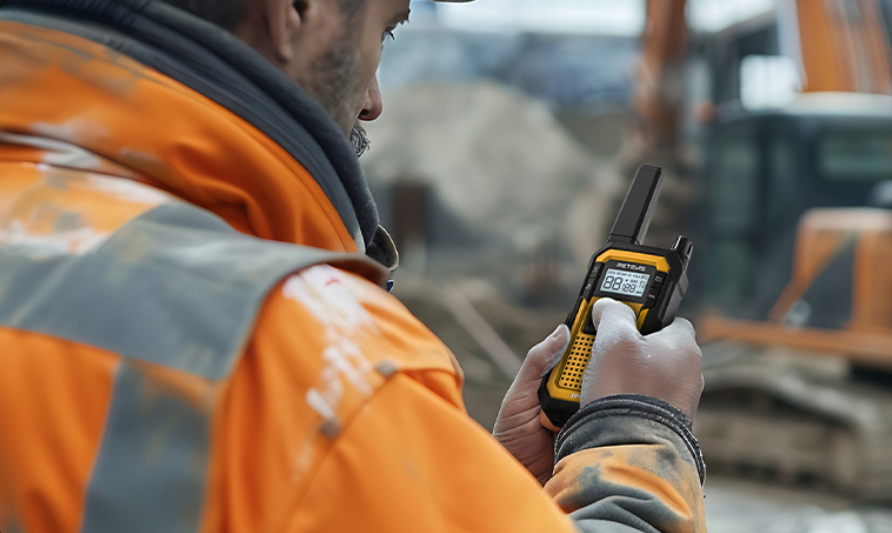
That is why a reliable walkie talkie for heavy machinery is more than a convenience. In noisy, high-risk environments, it helps teams coordinate lifts, reduce misunderstandings, and respond faster when conditions change. For crane teams and heavy equipment operators, communication is a key part of safe lifting and efficient site operations.
Why Communication Matters in Rigging and Lifting
Lifting work involves several people working from different positions on the site. The crane operator may have limited visibility from the cab. The signal person may see the load path but not the full landing area. Ground crews may spot a hazard that others cannot see.
At the same time, construction sites create real communication challenges, including:
- engine and equipment noise
- long distances between crews
- steel, concrete, and structural interference
- blind lifts and blocked sightlines
- changing weather and site conditions
In these situations, a dependable crane operator radio system helps crews stay aligned in real time. Instead of relying only on shouting or visual cues, teams can use a crane operator two way radio system to deliver clear instructions during critical lifting operations.
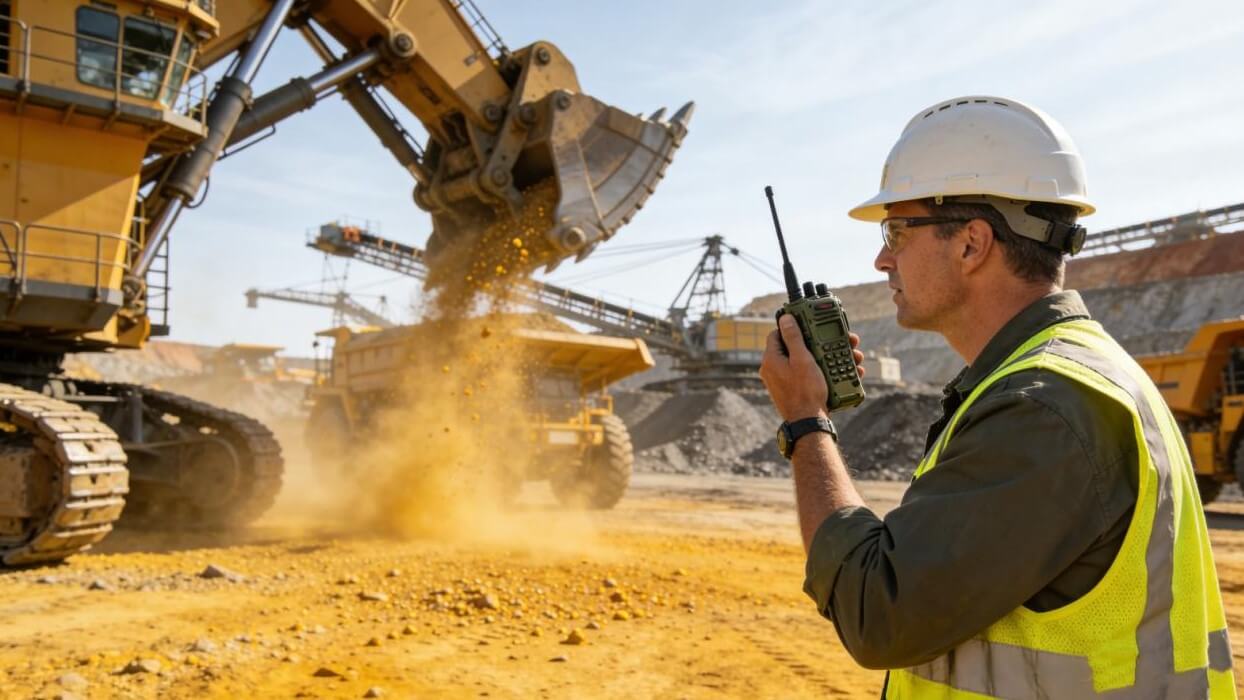
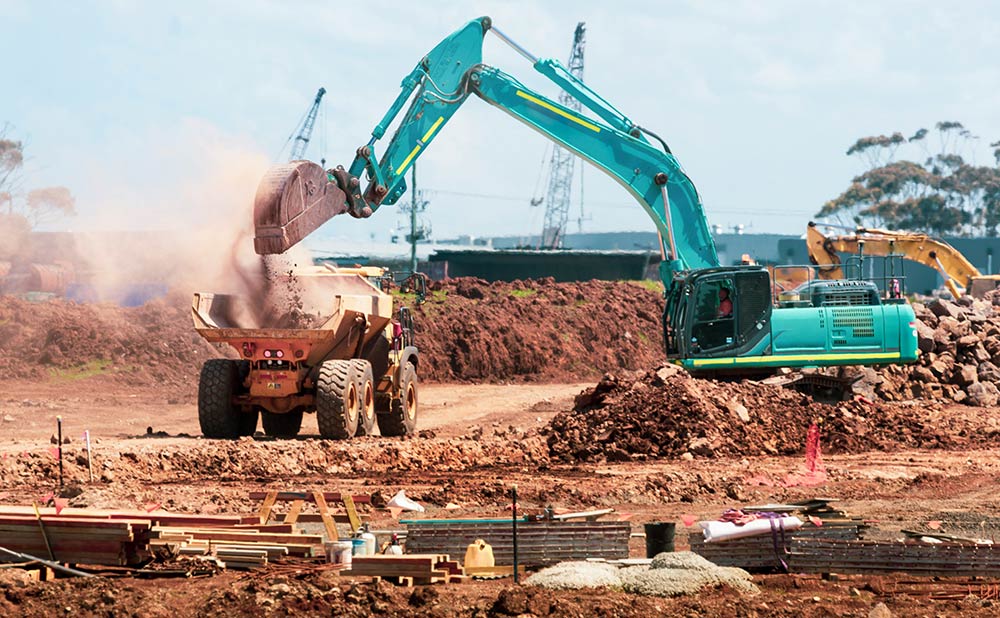
This is especially important in walkie-talkie for heavy machinery zones, where cranes, loaders, excavators, and trucks may all be working at once. The more active the site, the more valuable a reliable radio for heavy equipment becomes.
Hand Signals and Radios Work Best Together
Hand signals remain an essential part of crane operations, but they are not always enough. They depend on direct line of sight, daylight, and clear visibility. On many modern jobsites, those conditions do not always exist.
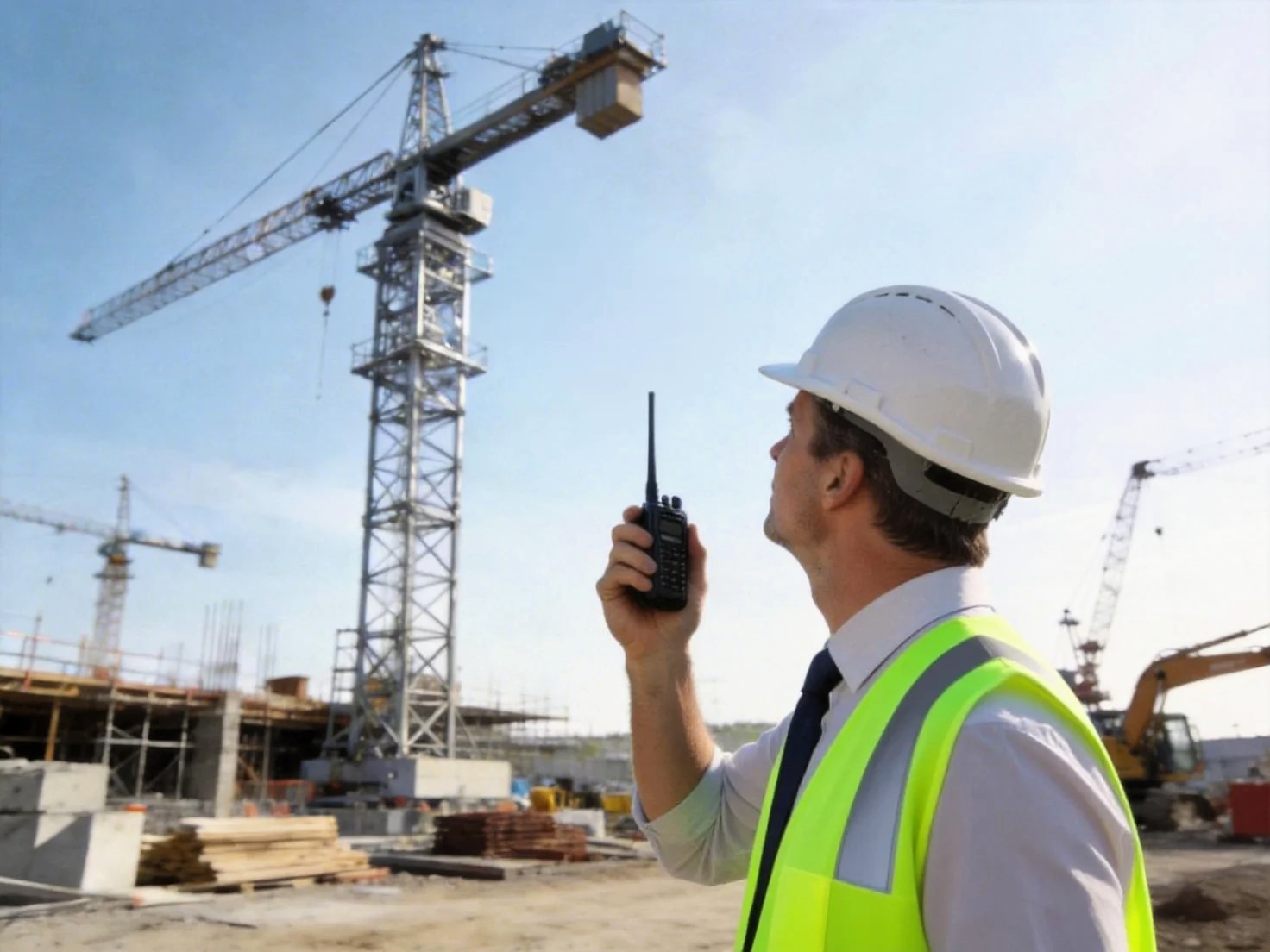
High-rise construction, bridge projects, industrial plants, interior lifting, and congested commercial sites often create blind spots. In these cases, a crane operator walkie talkie system gives the operator and signal person a more dependable way to communicate.
The safest approach is to use both methods together:
- a clear lift plan
- one designated signal person
- standard hand signals
- a defined radio protocol
- agreed emergency stop language
A professional walkie-talkie for crane and machine operators should support formal lifting procedures, not replace them. For many contractors, combining hand signals with a reliable walkie-talkie for crane operators and engineers leads to better coordination and fewer delays.
What to Look for in a Walkie Talkie for Heavy Machinery
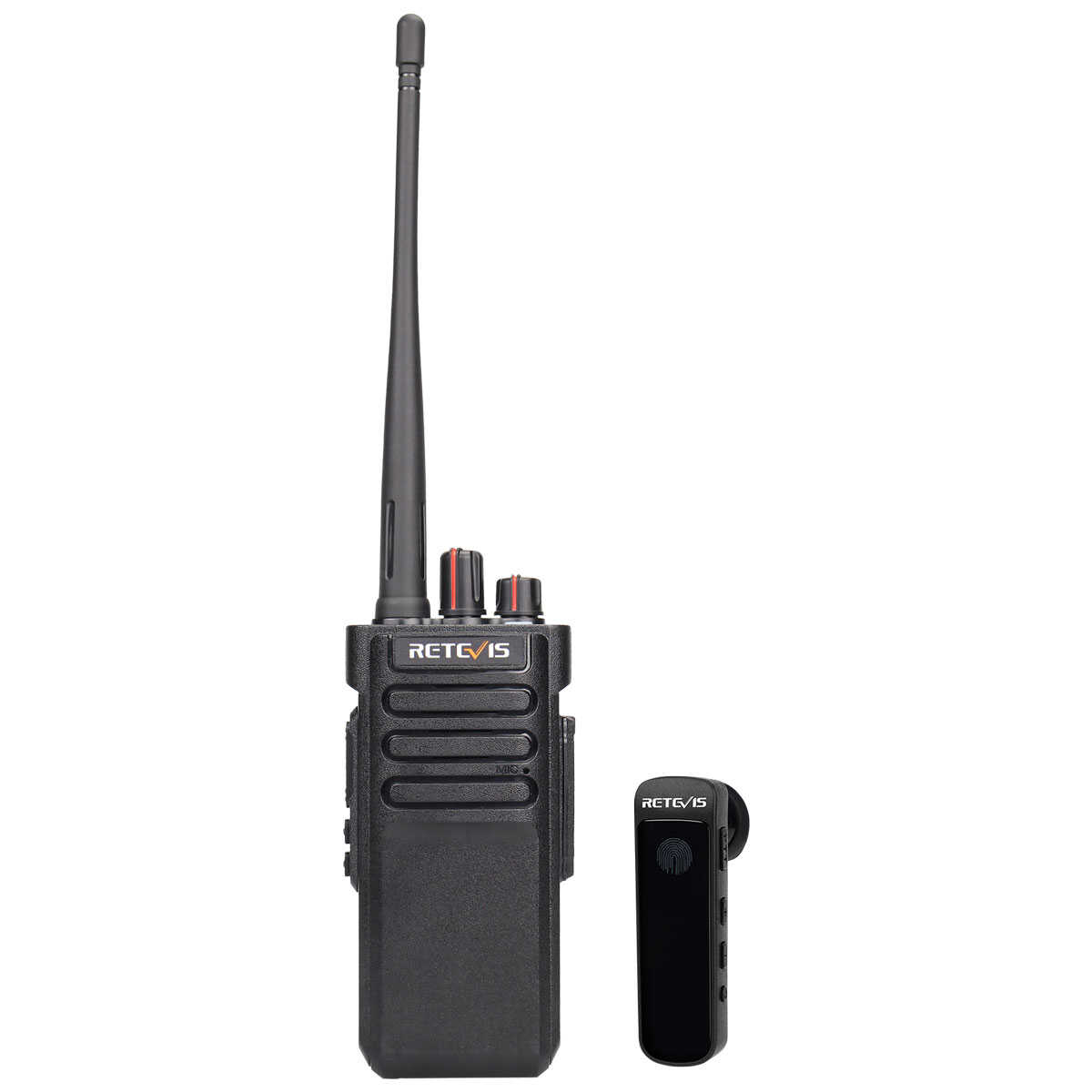
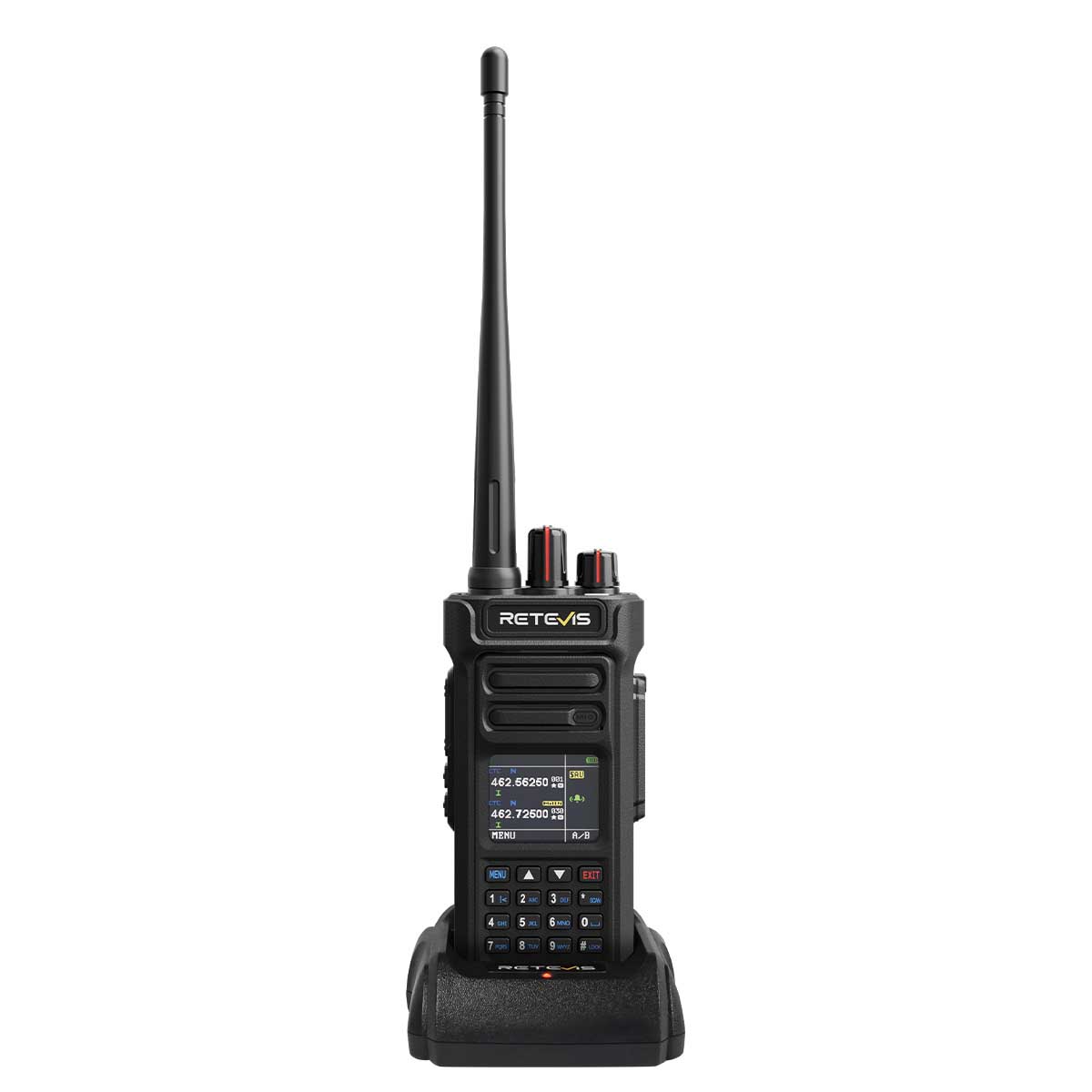
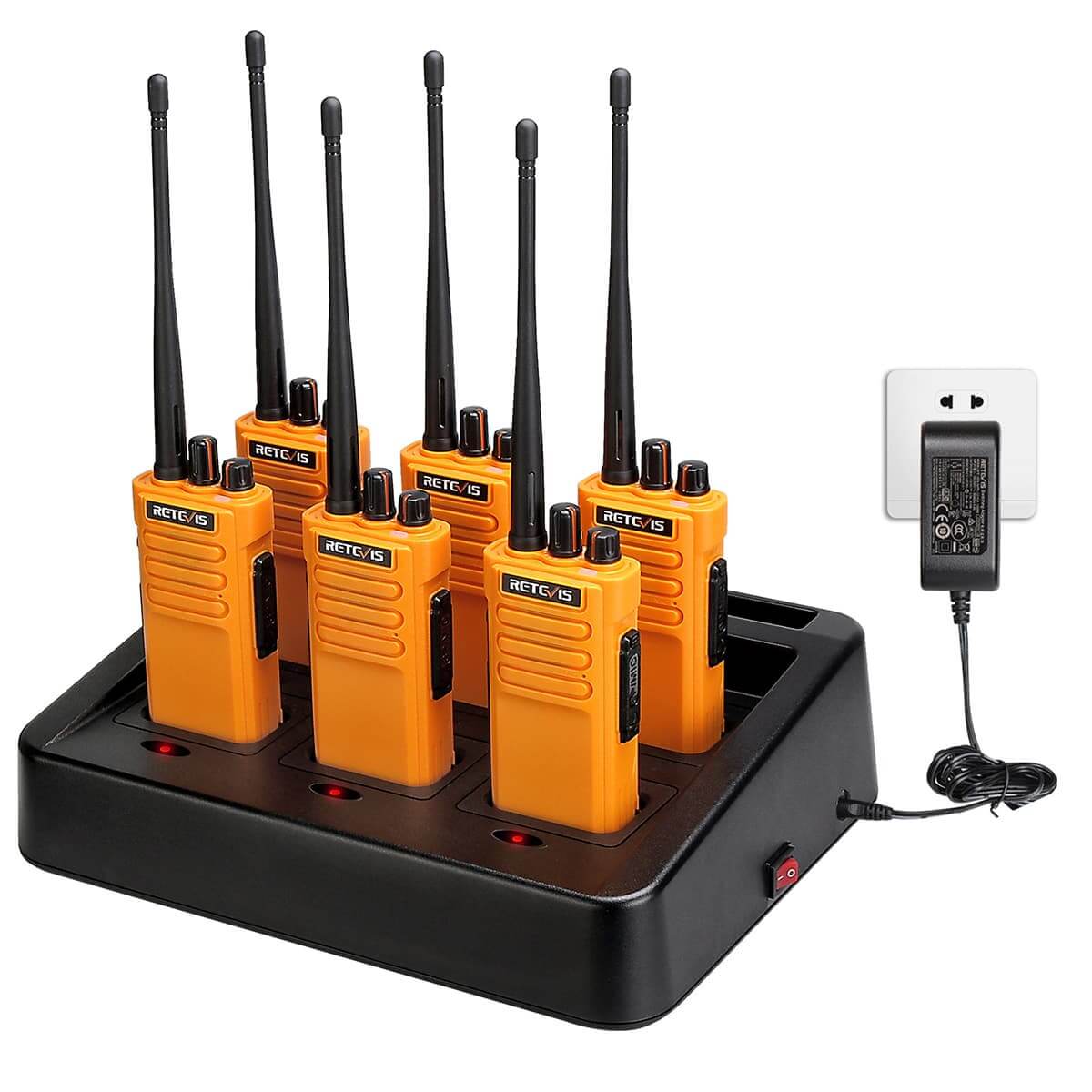
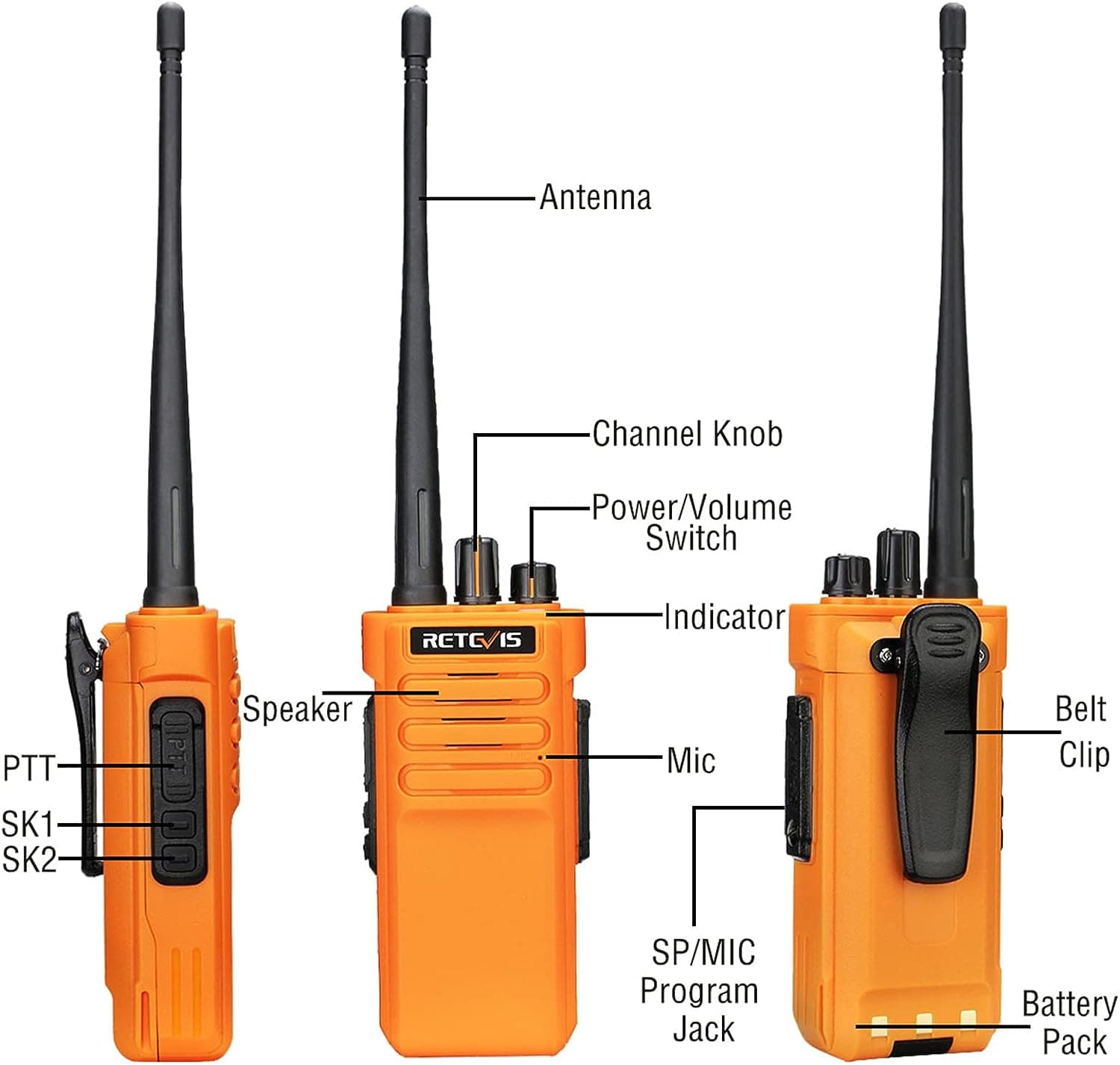
Not every device is suitable for lifting operations. A consumer radio may work for light use, but it often falls short in demanding construction environments. A professional walkie talkie for heavy equipment should be built for real jobsite conditions.
Loud, clear audio
Audio clarity is critical on sites with engines, alarms, hydraulic systems, and metal impact noise. A good two way radio for heavy equipment should provide:
- high speaker volume
- clear voice transmission
- noise reduction
- wind-noise control
When operators or riggers need to repeat instructions, productivity drops and risk increases.
Rugged design
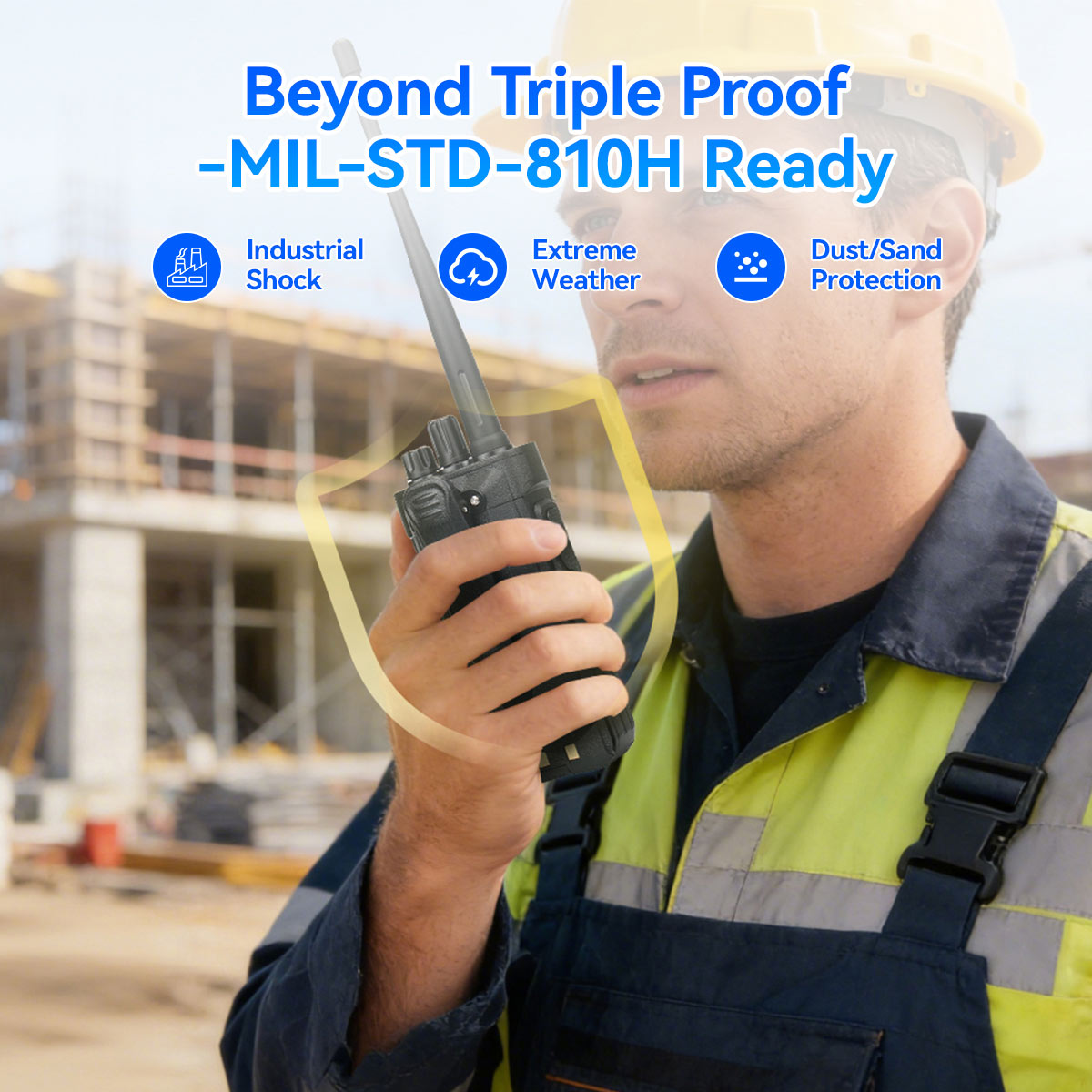
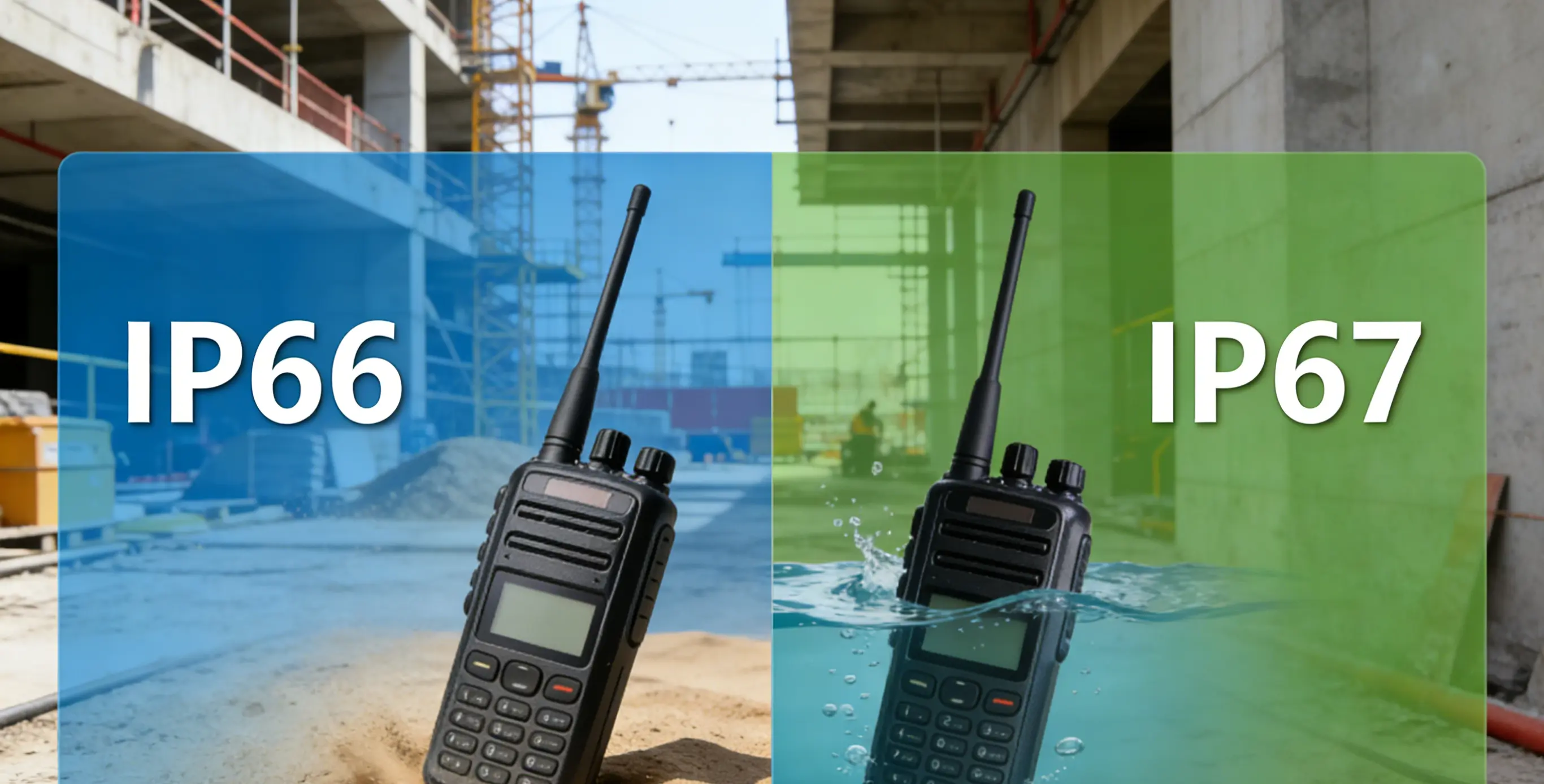
A walkie talkie for heavy machinery should handle dust, moisture, vibration, drops, and rough daily use. Look for:
- durable housing
- water and dust resistance
- glove-friendly controls
Reliable coverage
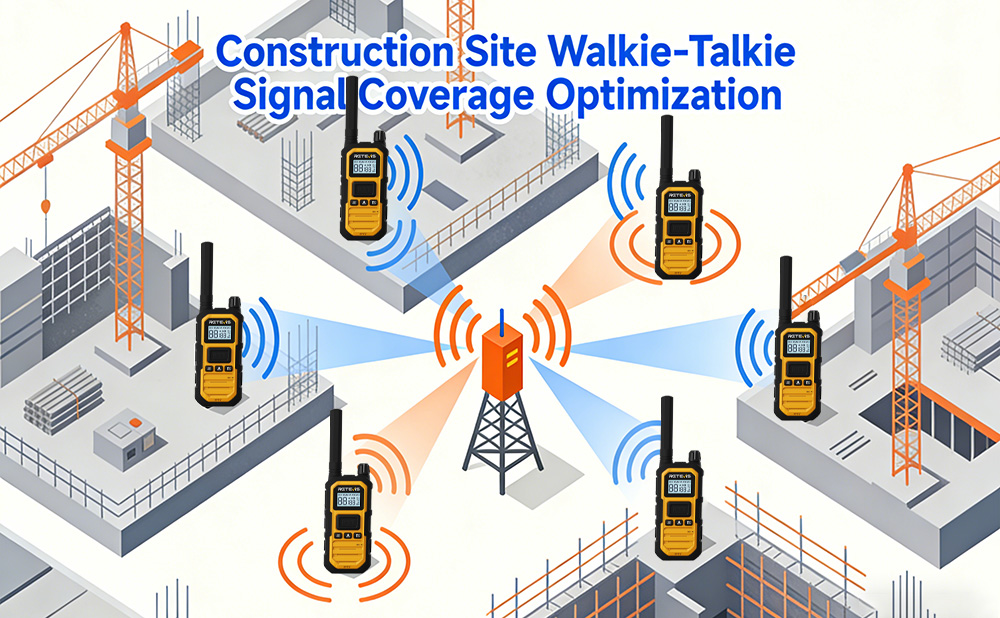
Large construction sites, steel framing, concrete walls, and elevation changes can all affect signal strength. A walkie-talkie for heavy machinery zones should deliver dependable communication across the actual work area, not just in ideal open conditions.
Hands-free options
Operators cannot always stop to grab a handheld radio. Useful accessories include:
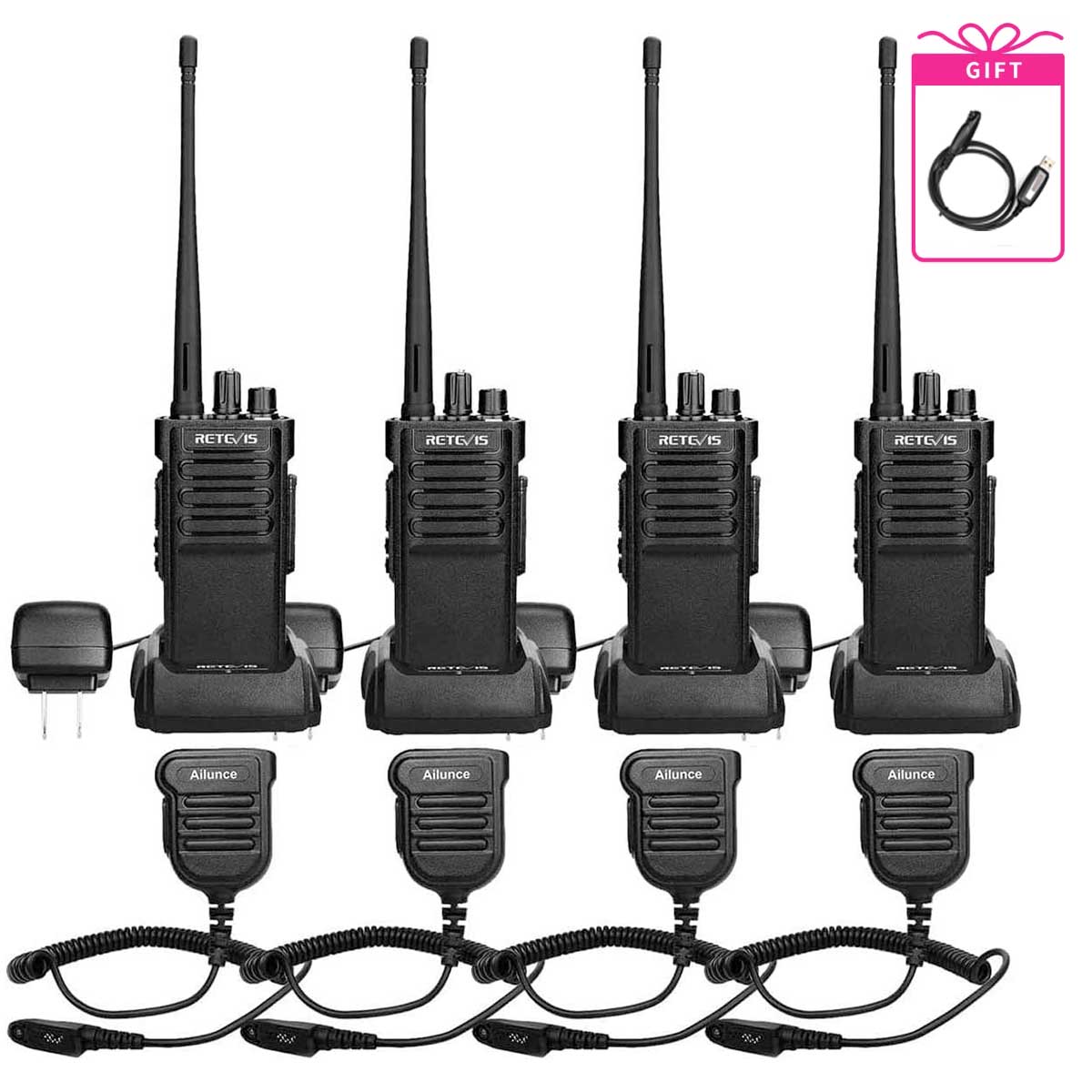
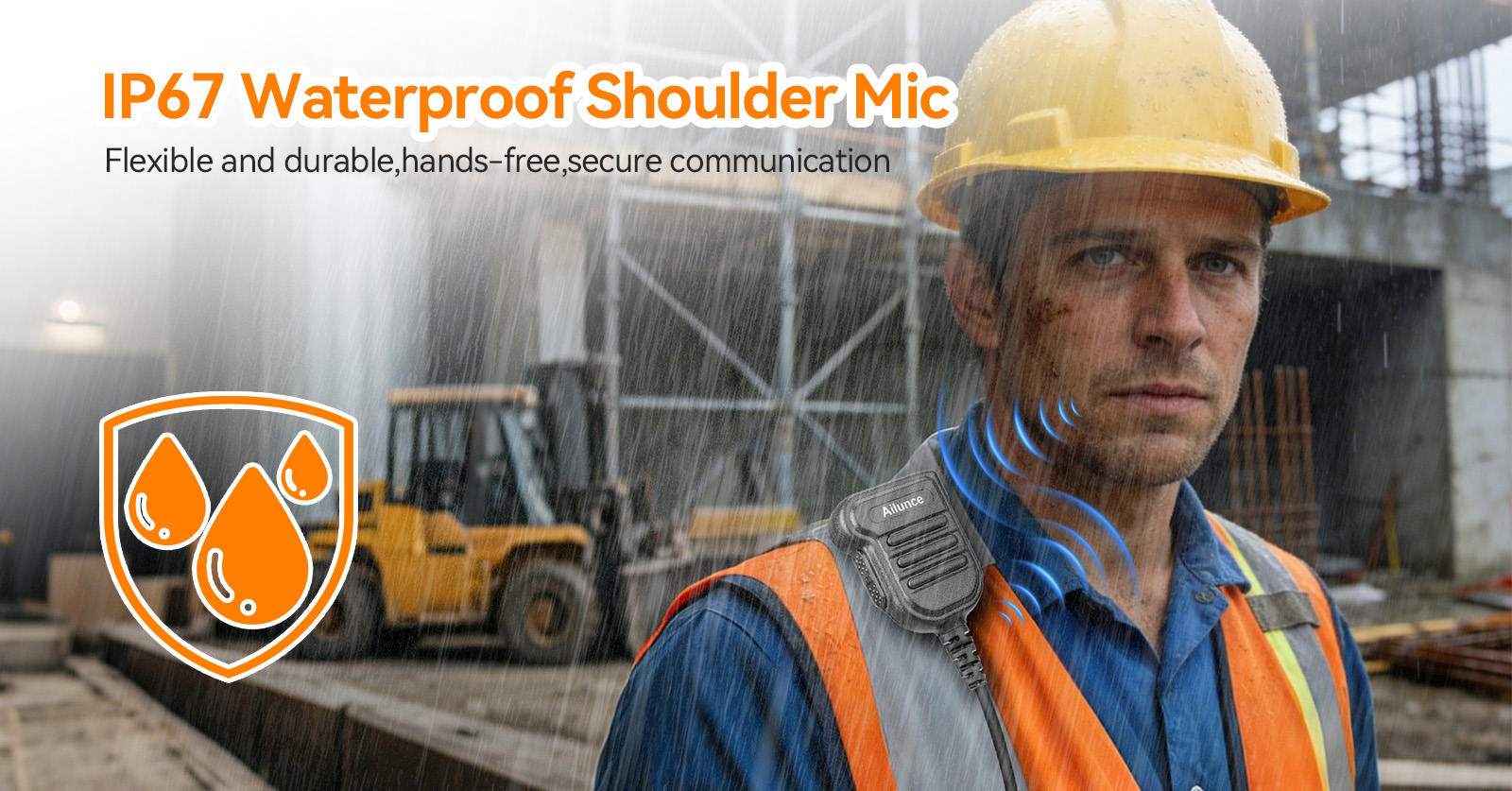
- speaker microphones
- push-to-talk headsets
- hard-hat compatible earpieces
This is especially important for portable radios for heavy equipment operators who need to stay mobile while remaining in contact with supervisors and spotters.
Battery life for full shifts
Construction shifts are long, and lifting schedules often change throughout the day. A radio should last through the full shift without becoming unreliable during key operations.
Why Crane and Heavy Equipment Operators Need the Right Radio System
A heavy machinery operator two-way radio must support more than general site communication. During lifting work, instructions need to be short, clear, and controlled. Misheard commands can lead to load swings, landing errors, or unsafe movements near crews and structures.
A strong crane operator radio system should include:
- dedicated channels for lifting operations
- clear audio in high-noise environments
- compatibility with PPE and headset accessories
- simple controls for fast use under pressure
- reliable performance across crane and equipment work zones
The same principle applies to other machines. A dependable walkie talkie for heavy equipment helps excavator operators, loader operators, telehandler drivers, and support crews coordinate safely in active work areas.
Best Practices for Safe Radio Communication
Even the best equipment only works when crews use it properly. To improve safety during lifts and heavy equipment movement:
- assign one primary signal person
- keep instructions short and standard
- confirm critical commands when needed
- perform radio checks before the lift
- use dedicated channels for crane operations
- establish clear stop-work language such as “Stop. Stop. Stop.”
These simple communication habits can make a major difference on busy jobsites.
Final Thoughts
Safe lifting depends on more than crane capacity, rigging hardware, and operator experience. It also depends on whether the right people can communicate clearly at the right time.
The right radio for heavy equipment can help crane operators, riggers, engineers, and machine crews work more safely and efficiently in noisy, fast-changing environments. Whether you need a walkie talkie for heavy machinery, a crane operator two way radio system, or portable radios for heavy equipment operators, the goal is the same: clear communication that supports every lift.
Frequently Asked Questions
Why do crane operators need radios if hand signals are already used?
Because hand signals depend on visibility and line of sight. Radios help during blind lifts, noisy conditions, and long-distance coordination.
What is the best walkie-talkie for heavy machinery zones?
The best choice is usually a rugged radio with clear audio, reliable coverage, long battery life, and PPE-compatible accessories.
What should a crane operator radio system include?
Clear audio, dedicated channels, durable construction, headset compatibility, and enough range for the jobsite are the key features.




Comments
No data Yet