
Table of Contents
One-Touch Teamwork: Utilizing Group Call & Broadcast Modes on Work Sites
- Posted by:Retevis
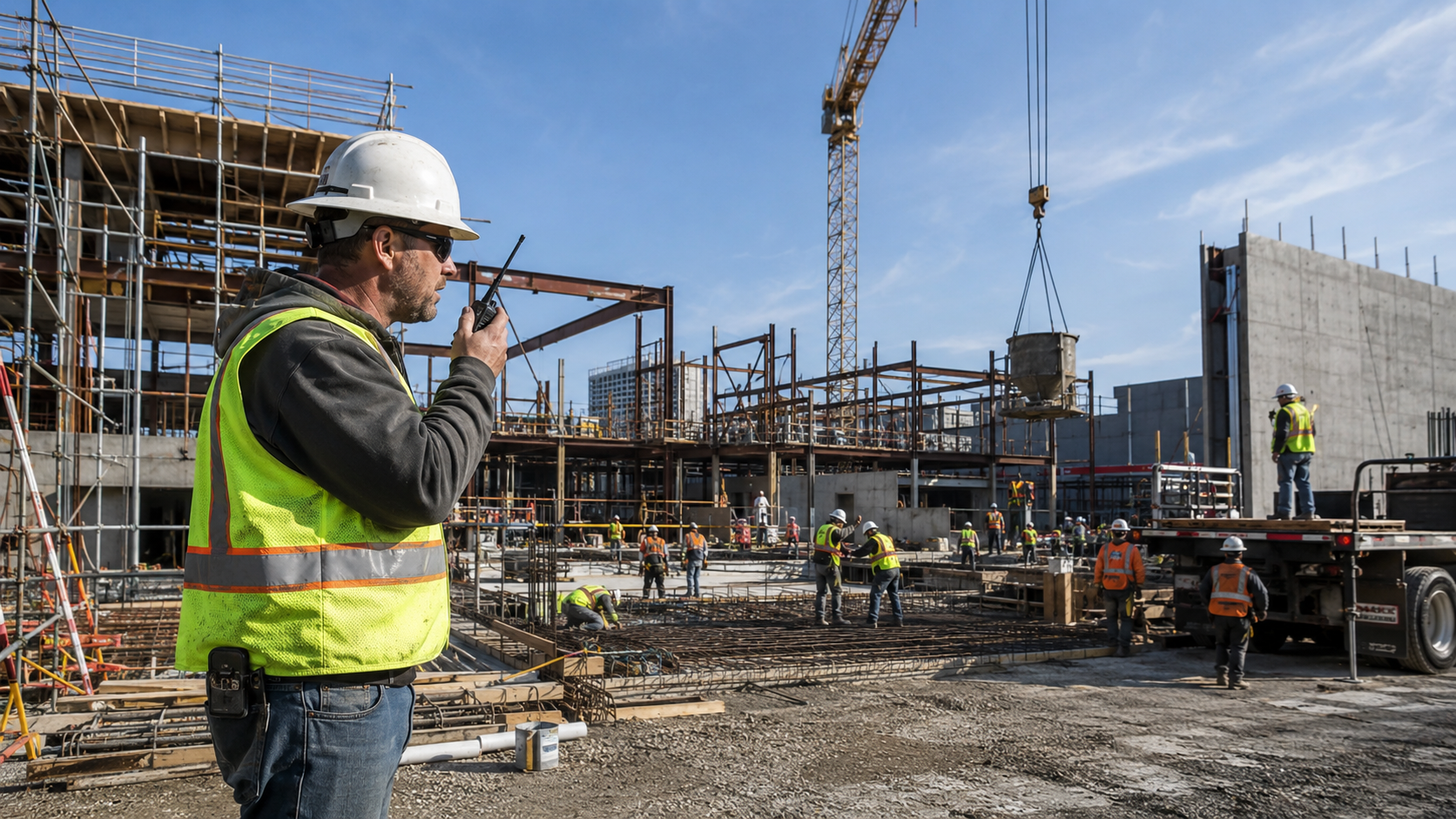
On a busy construction site, communication needs to be immediate, clear, and reliable. Crews are often spread across multiple work zones, equipment is constantly moving, and site conditions can change in seconds. In that environment, delayed messages do more than slow productivity—they can create real safety risks.
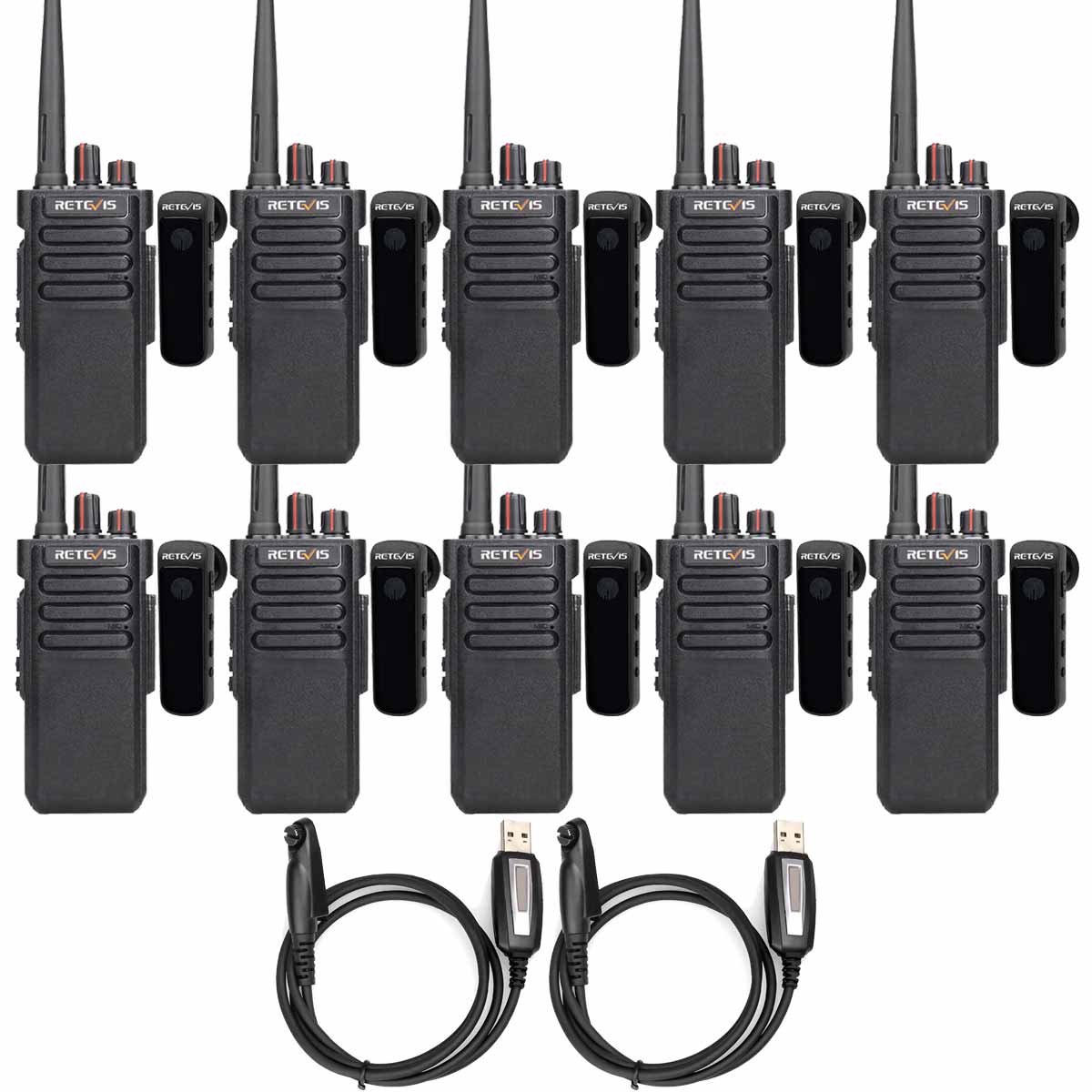
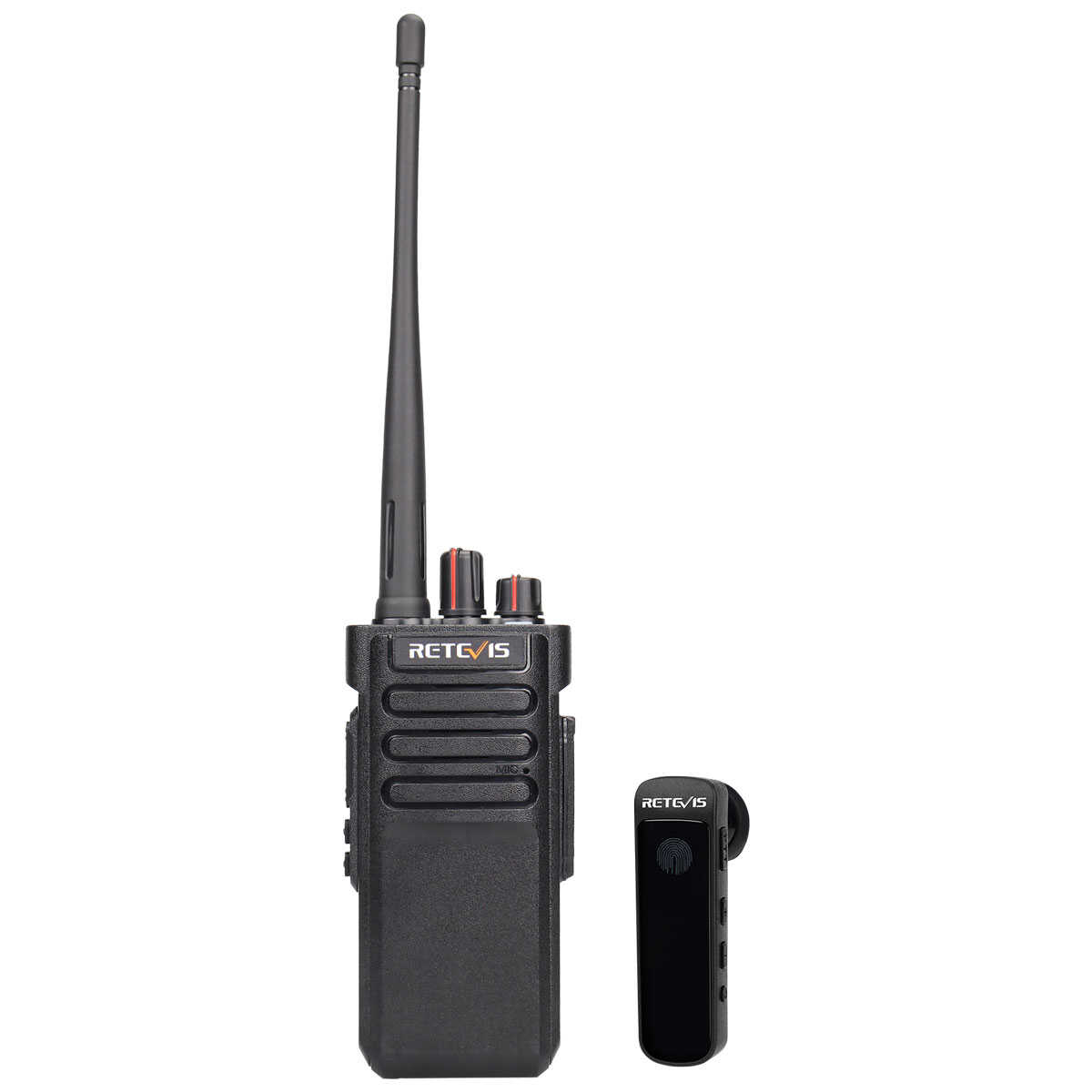
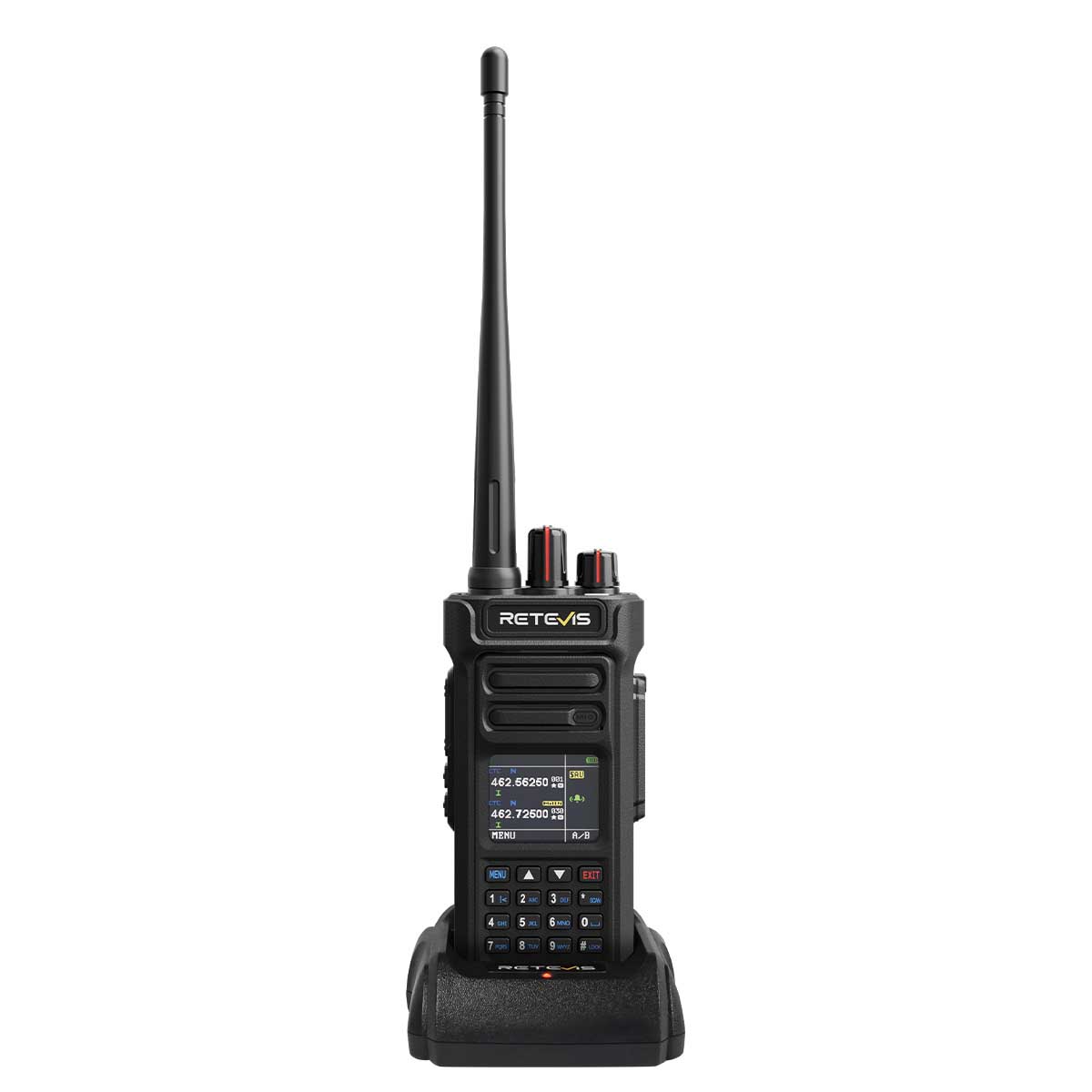
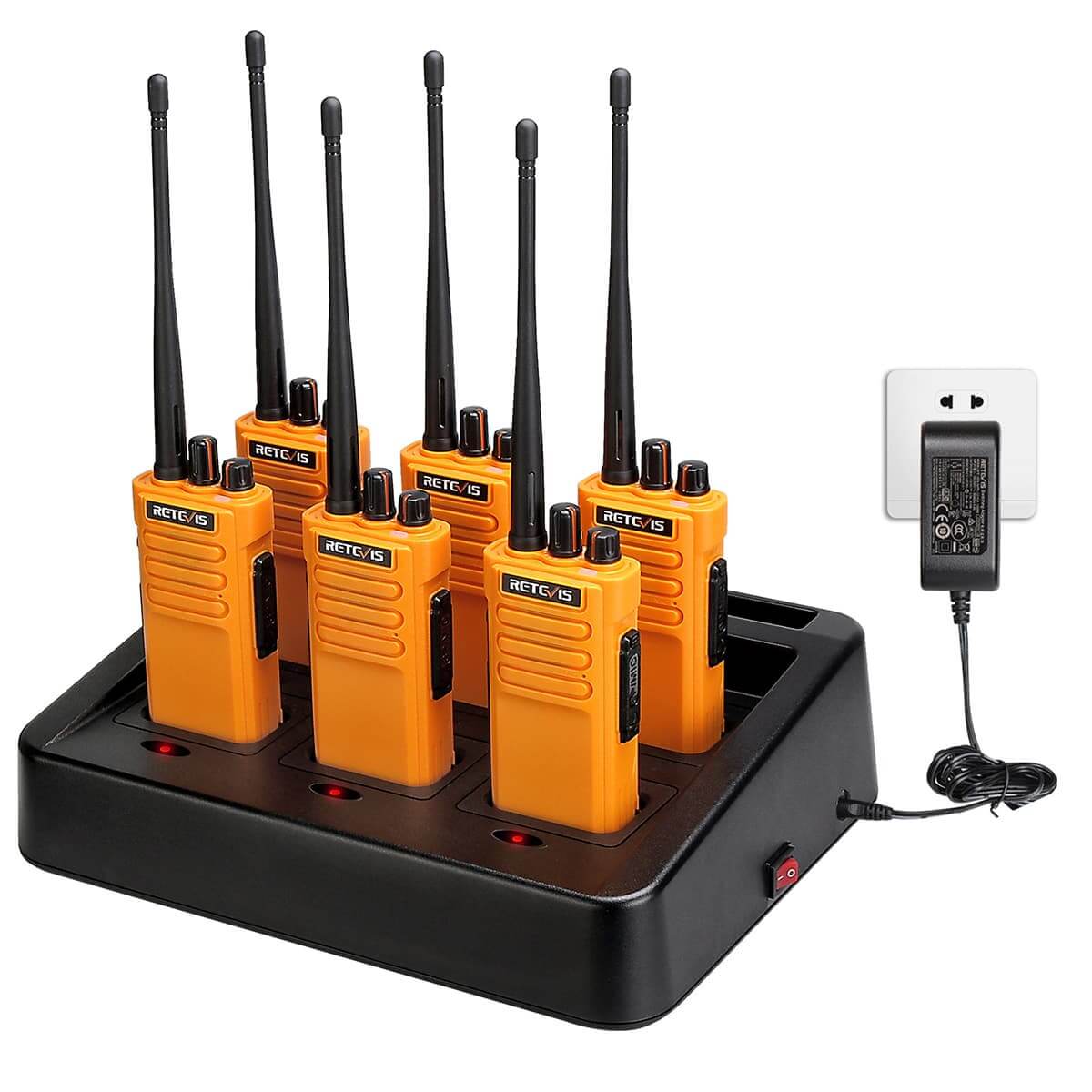
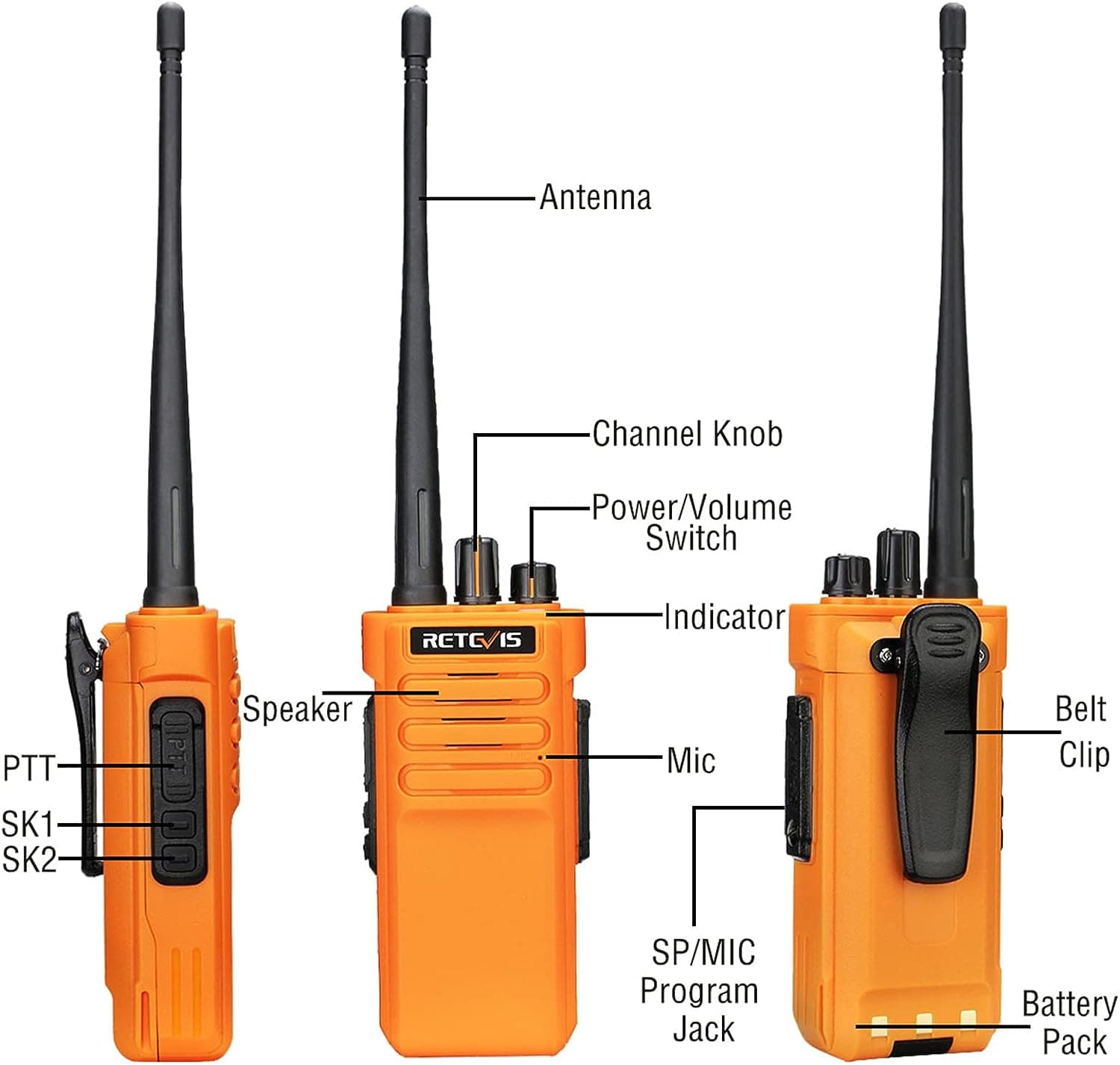
That is why many contractors still rely on a walkie talkie for team communication rather than depending only on mobile phones. For fast-moving job sites, features such as group call and broadcast modes for instant coordination can make a major difference in how teams operate.
Why Fast Site Communication Still Matters
Construction projects rarely involve just one crew. A typical site may include concrete teams, steel workers, electricians, plumbing contractors, delivery staff, safety personnel, and supervisors all working at the same time. Without a structured communication system, even simple updates can become inefficient.
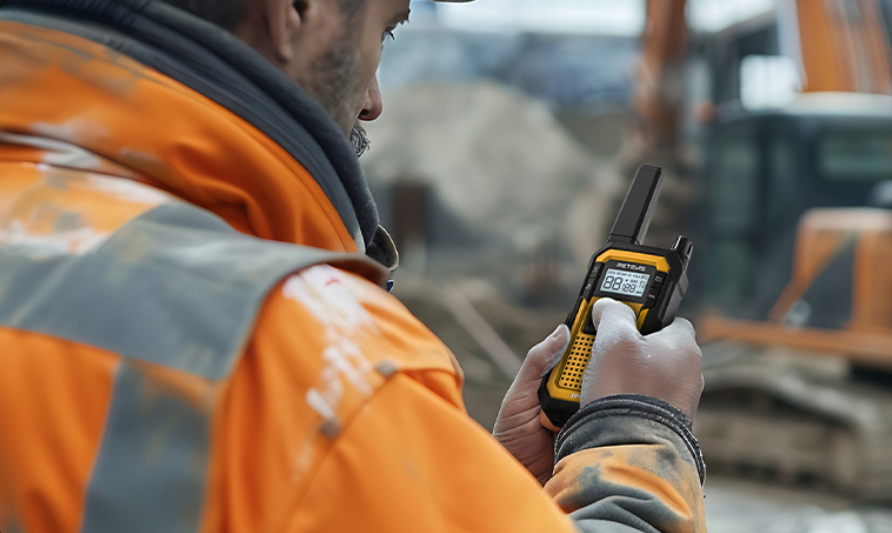
A team walkie talkie allows workers to communicate with one button press. There is no need to unlock a phone, search for contacts, or wait for a call to connect. More importantly, radios support communication methods built for operations, not casual conversation.
For teams working in noisy and time-sensitive environments, this is one of the reasons why Two-Way Radios Construction Teams Trust remain essential on modern job sites.
What Are Group Call and Broadcast Modes?
Two features are especially useful for site coordination:
Group Call
Group call lets one user speak to a specific team or department at the same time. For example, a foreman can contact only the framing crew, or a project manager can reach only the logistics team.
This helps reduce channel congestion and ensures the message goes directly to the people who need it. On larger projects, this is a key feature in the best walkie talkies for large construction teams.
Broadcast Mode
Broadcast mode allows one message to be sent to all radios, or to multiple groups at once. This is especially useful for site-wide communication, such as:
- severe weather alerts
- emergency instructions
- crane or lift movement notices
- delivery changes
- evacuation updates
In practical terms, group call is best for routine crew coordination, while broadcast is best for urgent or broad communication.
How These Features Improve Job Site Performance
The value of group call and broadcast is not just convenience. They support faster decisions, stronger site control, and better safety management.
1. Faster Coordination Across Crews
On large projects, supervisors often need to update several workers at once. Repeating the same message one person at a time wastes time and increases the chance of inconsistency. A walkie talkie for construction crew operations should allow team leaders to contact the right group instantly.
For example, if materials arrive at the gate, the logistics team can alert the receiving crew immediately. If a schedule change affects one trade only, the supervisor can reach that group without distracting the entire site.
2. Better Safety Communication
Construction sites require fast response to risk. A two-way radio for outdoor construction team use is especially valuable when weather, equipment movement, or restricted-area updates need to be communicated without delay.
Broadcast mode is particularly effective for:
- warning all crews about incoming storms
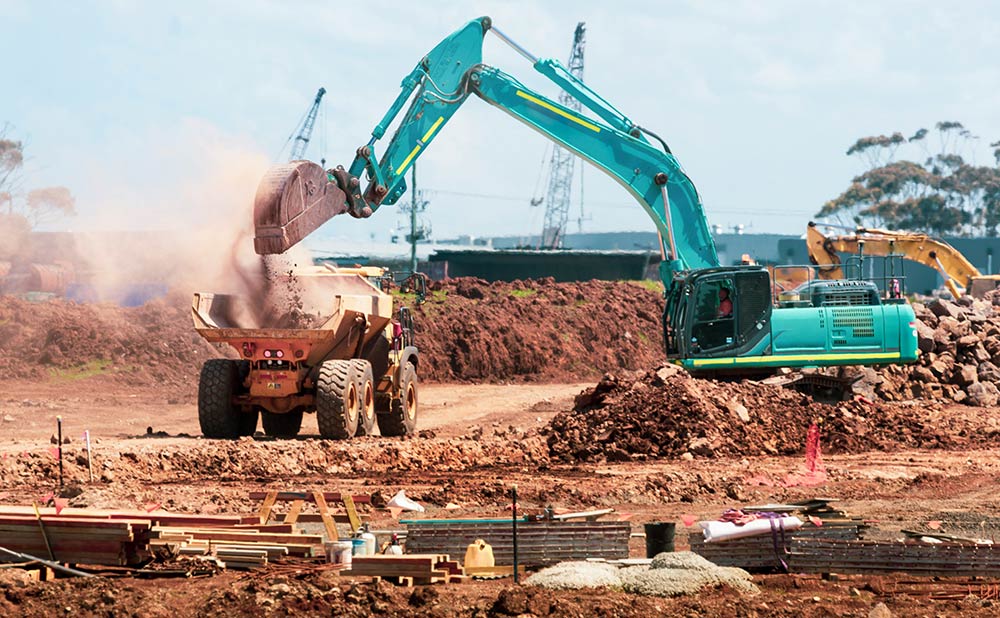
- notifying workers of active heavy equipment movement
- sending emergency stop or evacuation instructions
- alerting teams to changing access routes
For related safety planning, you can link here: [Construction Site Safety Communication Guide]
3. Reduced Downtime
When communication is immediate, crews spend less time waiting, walking, and repeating instructions. Group call improves coordination between trades, site managers, and support staff, helping keep work moving.
This is one reason why many firms looking for the best two-way radios for construction teams prioritize communication features just as much as rugged design.
Why Radios Often Work Better Than Phones on Site
Mobile phones are useful for photos, documents, and longer conversations, but they are not always the best tool for instant field coordination.
On construction sites, phones can be slowed down by:
- poor signal coverage
- app or call connection delays
- difficulty using touchscreens with gloves
- missed calls in noisy environments
- shorter battery life during active use
By contrast, a professional two-way radio for contractor teams is designed for immediate push-to-talk communication in demanding conditions. Many models also offer loud audio, durable housings, and simple controls that are easier to use with PPE.
What to Look for in a Construction Team Radio
Not every radio is suitable for contractor use. The best walkie talkies for large construction teams should support both operational efficiency and on-site reliability.
Here are a few features worth prioritizing:
- Group call and broadcast capability for structured communication
- Loud, clear audio for high-noise environments
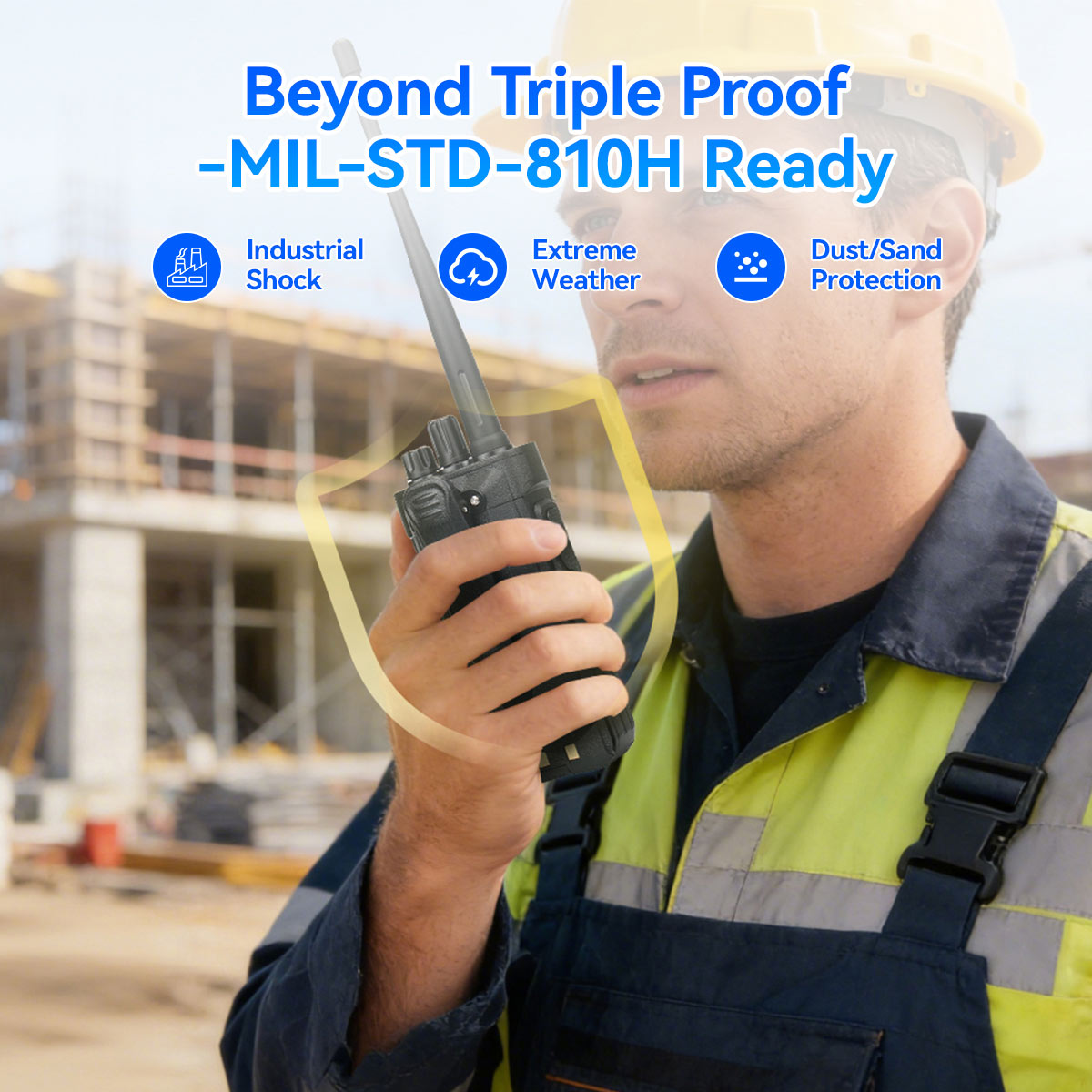
- Rugged construction for dust, impact, and outdoor use
- Long battery life for full-shift performance
- Reliable coverage across large or obstructed work areas
- Accessory support such as speaker microphones or earpieces
Best Practices for Using Group Call on Work Sites
To get the most from radio communication, teams should organize usage clearly from the beginning of the project.
A simple setup might include:
- one talk group for site management
- one for safety personnel
- separate groups for major trades
- broadcast access for supervisors or designated leaders only
It also helps to establish basic radio rules:
- keep messages short and specific
- identify the team or person you are calling
- confirm critical instructions
- reserve broadcast for high-priority updates
These steps improve clarity and prevent unnecessary traffic on the system.
Final Thoughts
Construction work depends on coordination. When teams are spread out, working around noise, equipment, and changing conditions, communication must be simple and immediate.
That is where group call and broadcast modes for instant coordination stand out. They help crews stay aligned, reduce delays, and improve safety without adding complexity to daily operations.
For contractors, foremen, and project managers, choosing a reliable walkie talkie for team communication is not just about hardware—it is about building a faster, safer, and more controlled work environment.




Comments
No data Yet