
Table of Contents
Two Way Radio vs Walkie Talkie: Key Differences, Features, and Best Uses
- Posted by:Retevis
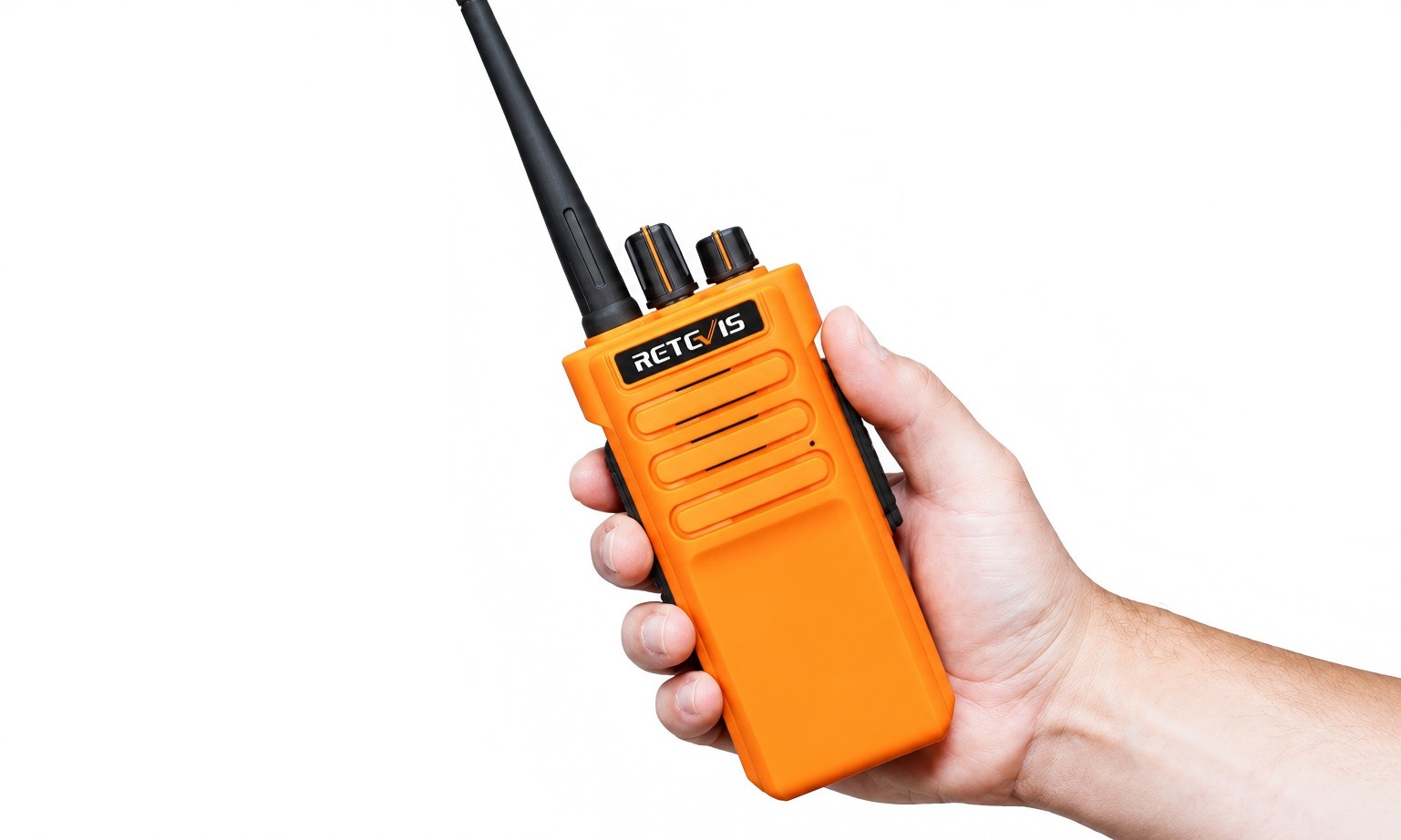
In today's world of smartphones and instant messaging apps, you might think two-way radio communication is outdated. But the opposite is true. For example, in fieldwork, outdoor adventures, or emergency rescue operations during natural disasters, where lack of network base stations or mobile network overload prevents mobile phones from communicating properly, two-way radios can still function.
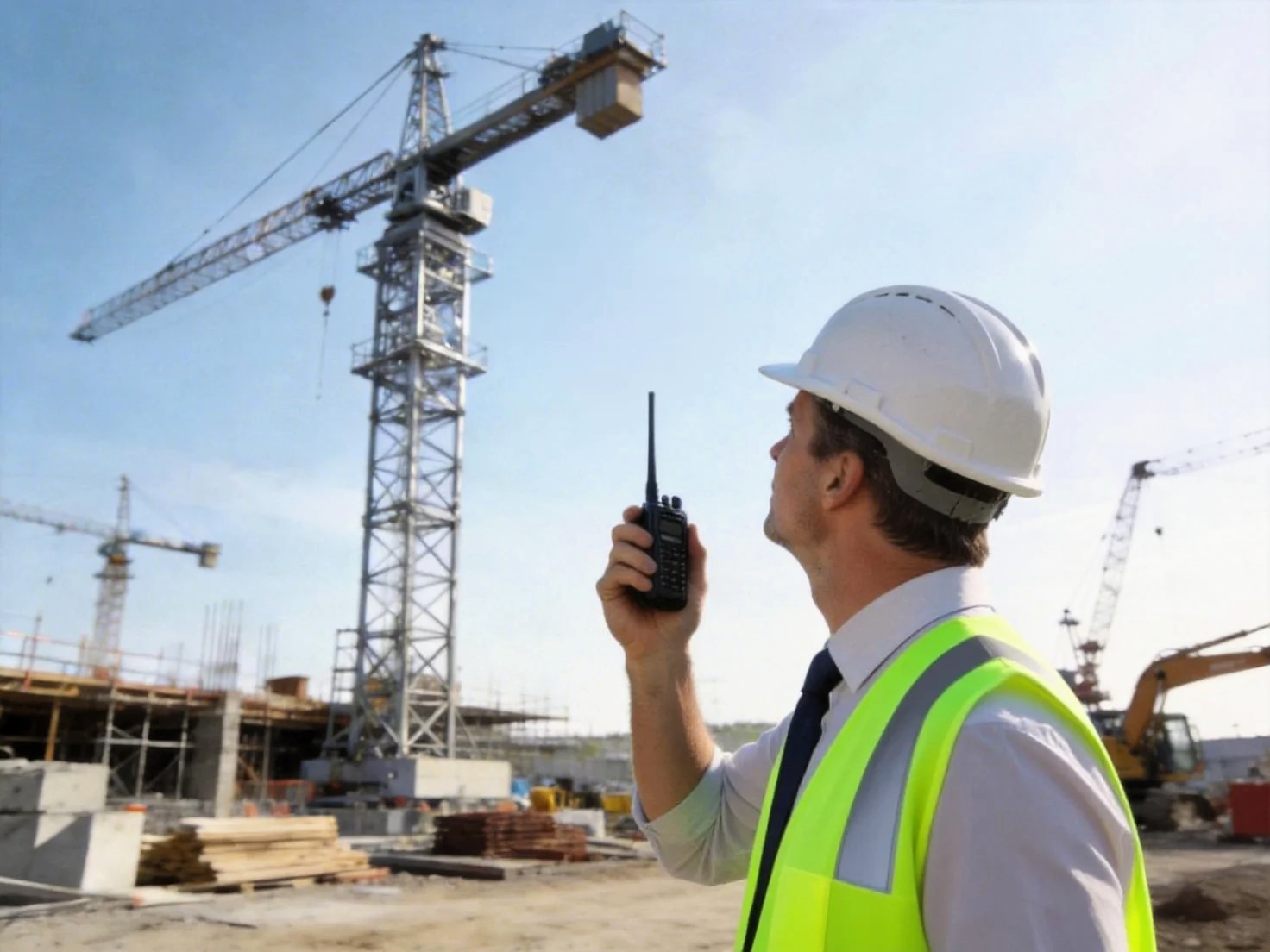
Reliable communication is not only convenient but also crucial. Construction workers, event coordinators, security teams, truck drivers, hikers, and emergency responders all use portable walkie talkies for fast, clear, and uninterrupted communication. There's often confusion between the concepts of portable walkie talkies and two-way radios. So what's the difference between the portable walkie talkies vs two-way radios?
To be precise, a walkie-talkie is typically a simple, portable communication device suitable for everyday or short-range communication. Two-way radios, on the other hand, usually refer to more advanced communication systems used by businesses and industrial teams. A detailed comparison is provided below.
What is a Two-way Radio?
A two-way radio, unlike a standard radio, is a wireless communication device that transmits audio information by transmitting and receiving radio frequency signals. Two way radios allow users to talk back and forth instantly.
The portable radio signaling system was first created in 1937 by Canadian engineer Donald Hines. Over time, handheld two way radios evolved into everyday communication tools.
These two way radios operate on specific frequencies and are designed for dependable communication across different environments. Many industries rely on them because they work even when mobile networks fail.
Core Features of Two Way Radios
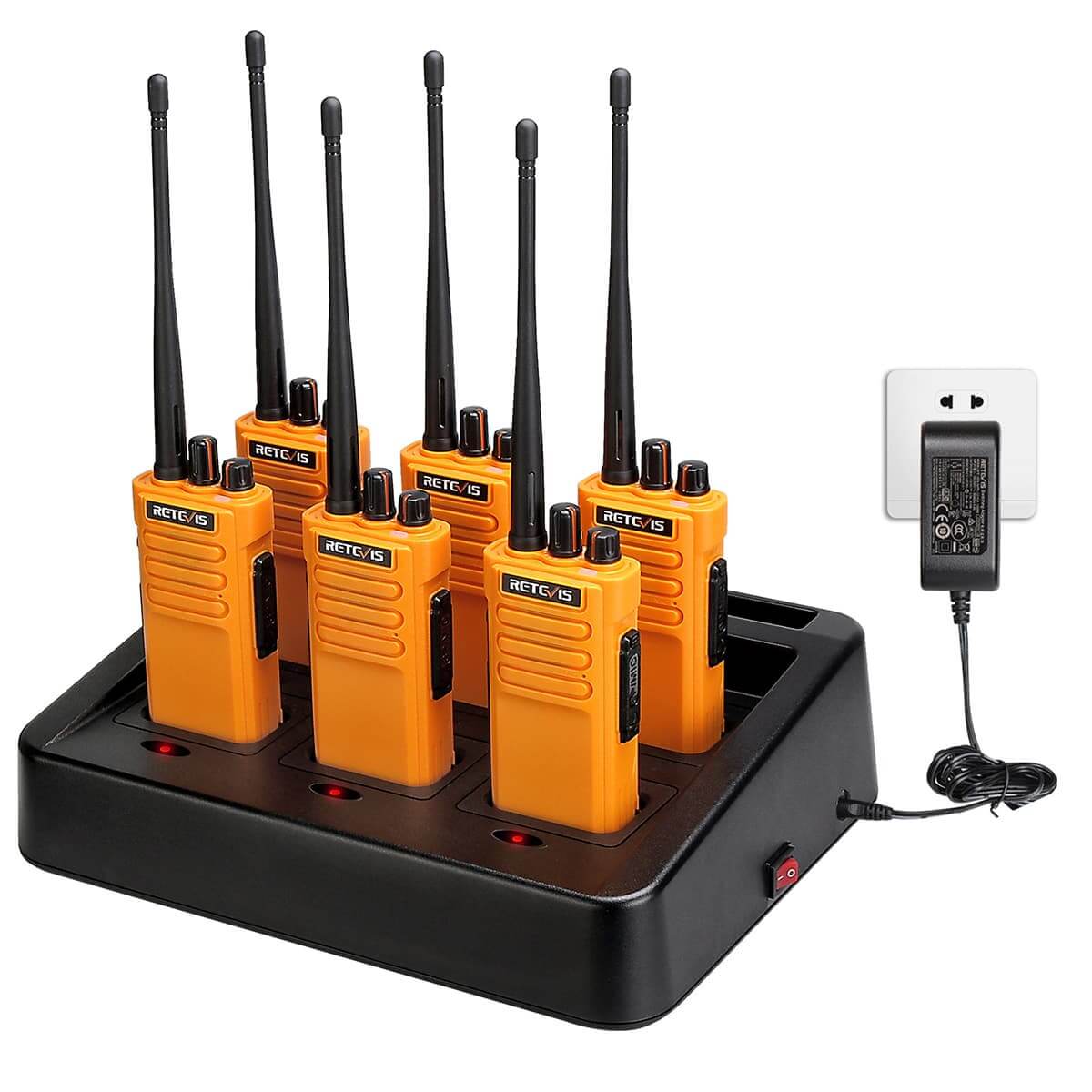
Handheld two way radio communication allows instant voice exchange between users carrying portable devices. The professional two way radios often include:
- Long-range communication
- Noise reduction technology
- Emergency alert functions
- Programmable channels
- Waterproof and rugged designs
- Encryption and privacy settings
These features make radios ideal for construction sites, warehouses, security teams, and emergency response operations.
What is a Walkie Talkie?
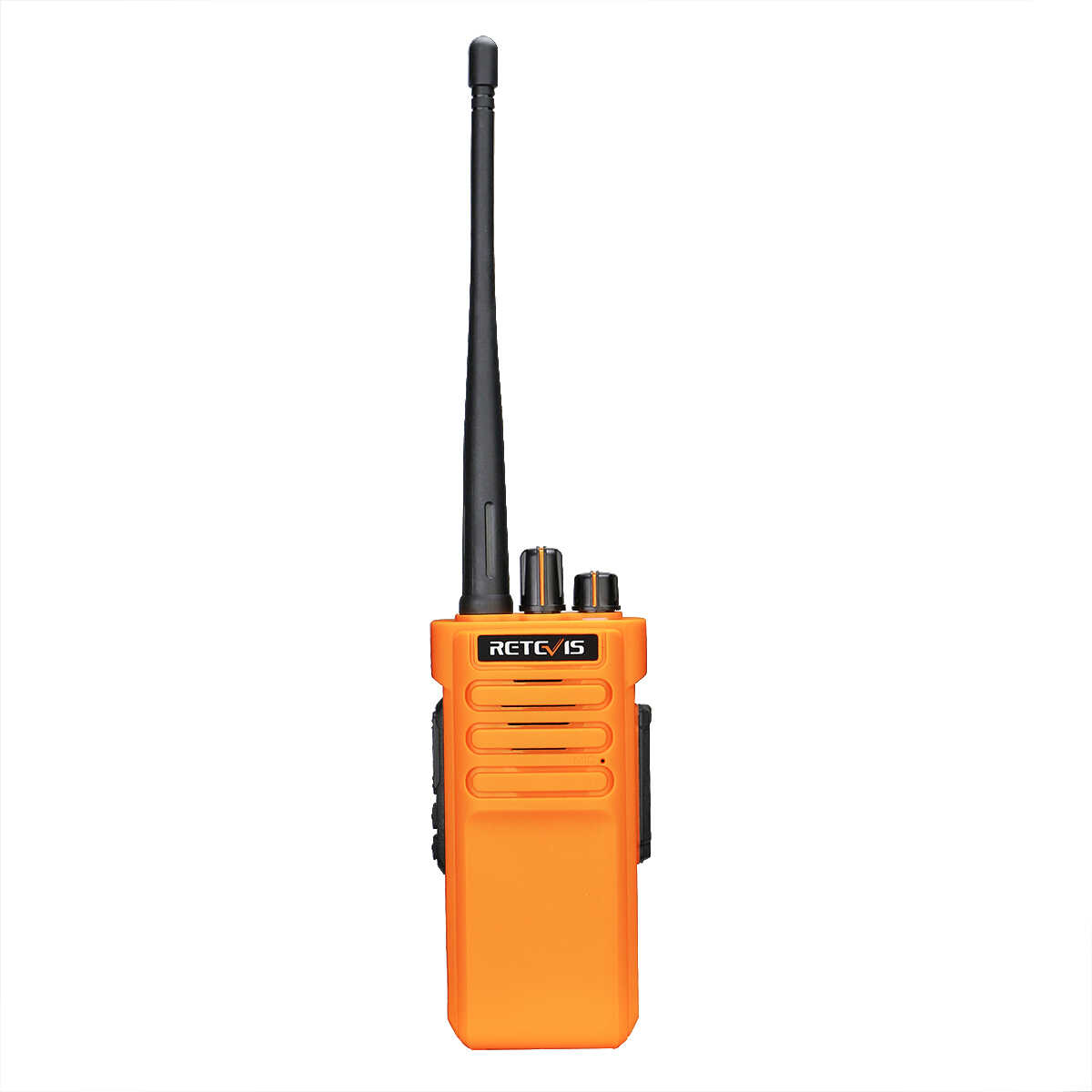
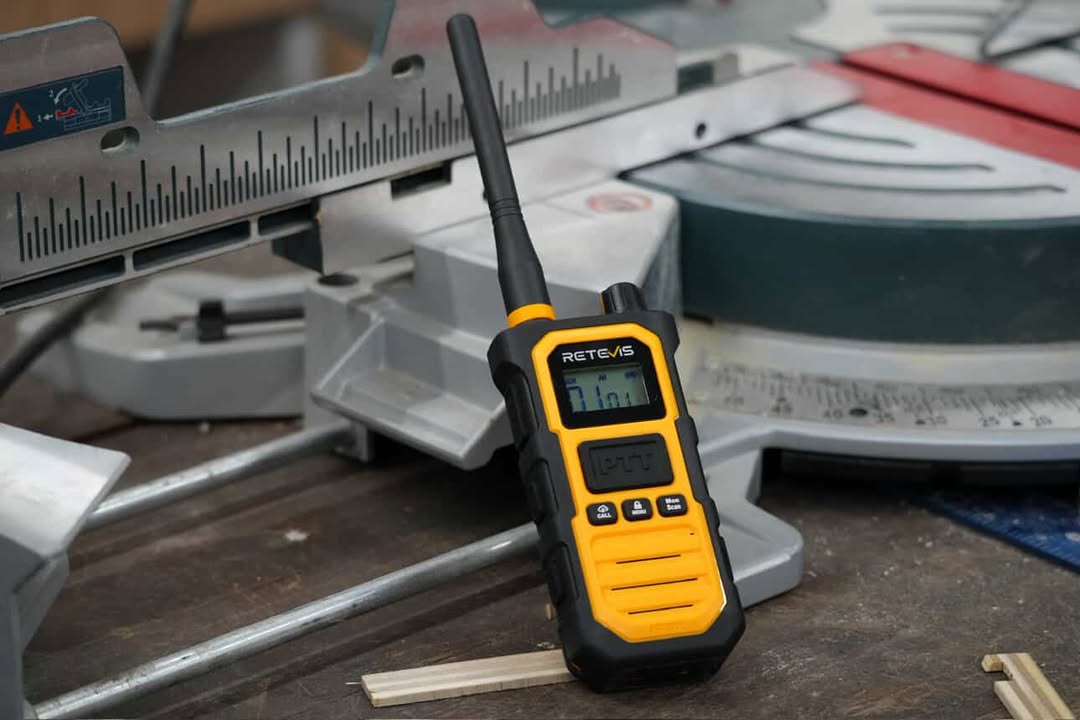
A walkie talkie is essentially a portable, two-way wireless device, typically designed for short-range voice communication. Walkie talkies also work by using wireless radio waves to transmit signals, allowing voice information to be sent between devices tuned to the same frequency. That’s one reason radios remain essential during emergencies. Even when phone networks crash or lose coverage, radios often continue working reliably.
The walkie-talkie was first invented in 1940 by Galvin Manufacturing Company (forerunner of Motorola) and became popular during World War II as portable military radios that allowed soldiers to maintain communication while on the move. Over time, walkie-talkies evolved into everyday communication tools.
The Walkie-talkies Typically Features
- Lightweight and portable
- Easier to use
- Lower cost
- Suitable for short-range communication
Due to their ease of use, walkie-talkies are frequently used by family activities, campers, hikers, and organizers of small events.
Key Differences Between Two Way Radios and Walkie Talkies
Professional radios prioritize performance, durability, and scalability. Consumer walkie talkie focus on simplicity and affordability. A basic walkie talkie may work fine at a campsite, but on a noisy construction site filled with steel beams and concrete barriers, professional-grade radios often have wider communications coverage. The terms of two way radios and standard walkie talkies are often used interchangeably, but there are practical differences worth understanding.
| Feature | Two Way Radio | Walkie Talkie |
|---|---|---|
| Typical Use | Professional & industrial use | Recreational or small business use |
| Power Output |
Professional radios may operate at 4 to 50 watts, can transmit farther and more clearly. |
Consumer walkie talkies often use lower power levels with lower coverage. |
| Range |
Professional two-way radios often offer greater range thanks to higher power output, stronger antennas, and repeater compatibility. |
Consumer walkie talkies usually work best over limited range. |
| Durability |
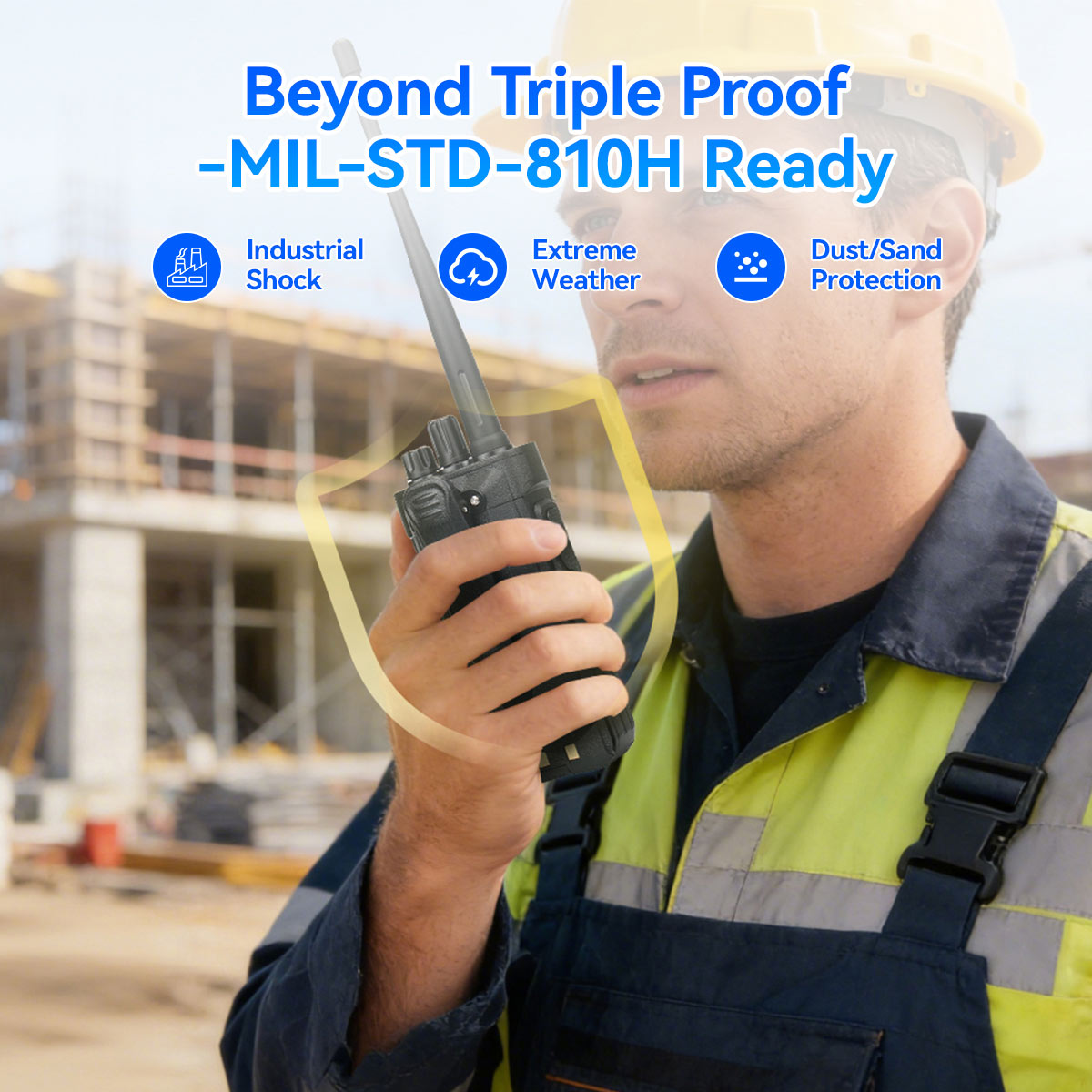
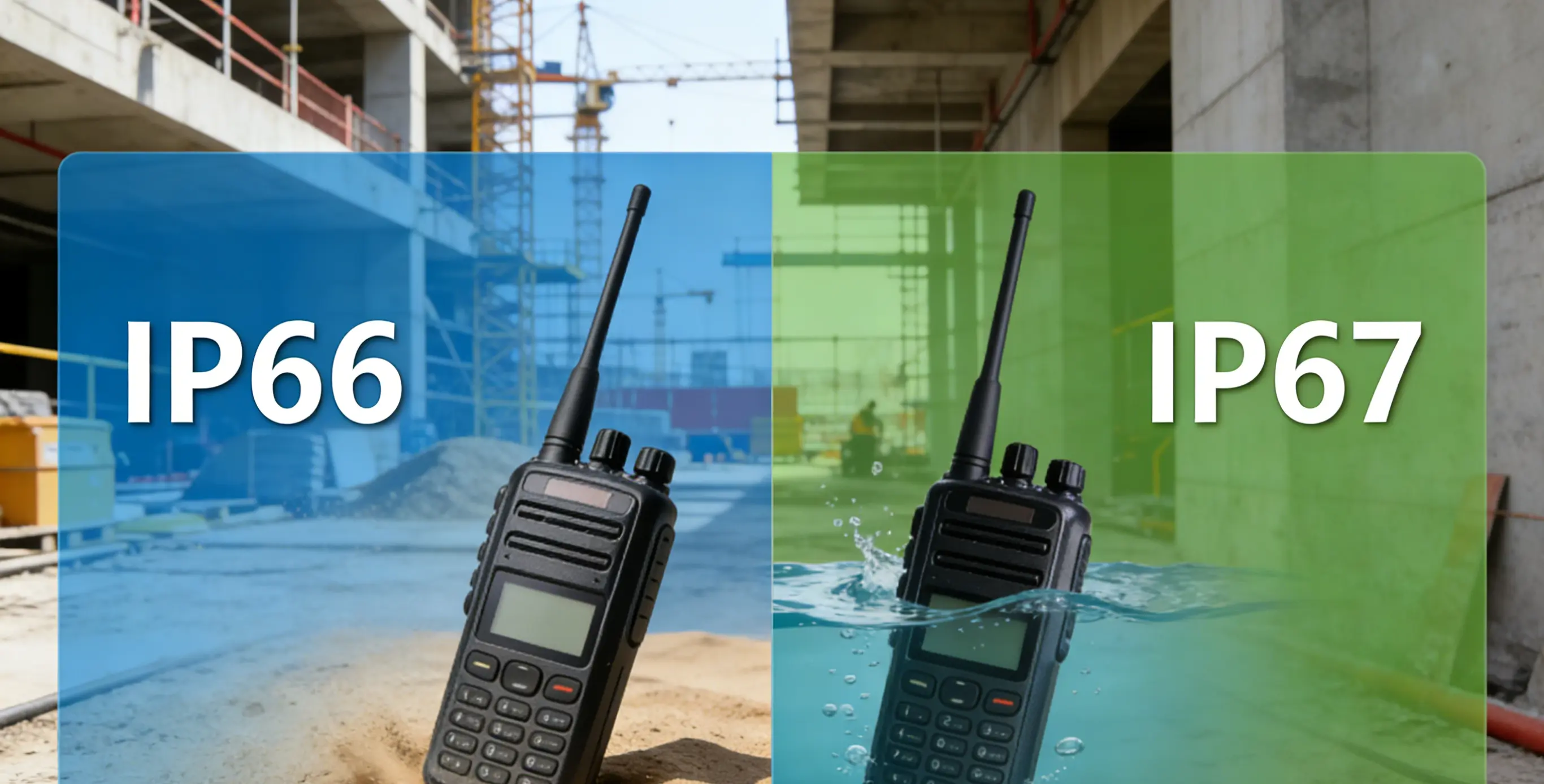
Construction crews and security teams need industrial two-way radios that can survive harsh environments.Featured rugged & heavy duty design, waterproof ratings, drop resistance, and reinforced housings. |
Most walkie talkies are built for light recreational use. Less rugged and lightweight. |
| Licensing |
Two way radio often require FCC licensing for regulated frequencies. |
FRS walkie talkies generally don’t require licensing in the United States, while GMRS and certain business radios may. |
| Audio Quality | Industrial radios often provide clearer audio in loud environments like factories, concerts, and construction sites. Enhanced clarity & noise reduction. |
Walkie talkies generally focus on basic voice communication. |
| Battery Performance | Professional two way radios last entire work shifts without charging.
High-capacity lithium-ion batteries & Longer operational time. |
Standard rechargeable and moderate battery life. |
Two Way Radio Emergency Communication Features
Advanced radios emergency communication features may include:
- GPS tracking
- NOAA weather channels
- Multiple communication channels
- Lone worker functions
- Man-down alarms
- Emergency alerts
- Privacy codes
- Digital encryption
Ham Radio vs Walkie Talkie
Another common comparison is ham radio vs walkie talkie. Ham radios, also called amateur radios, are more advanced communication systems used by licensed operators. Walkie talkies typically don’t require one for basic use.
Ham radios are legendary during disasters when internet and phone systems fail. They’re often used by emergency volunteers and preparedness communities. Walkie talkies, meanwhile, are better suited for short-distance local communication.
Best Uses for Two Way Radios and Walkie Talkies
Choosing between a walkie talkie and a professional two way radio depends on your environment and goals.
Best for Business and Industrial Use
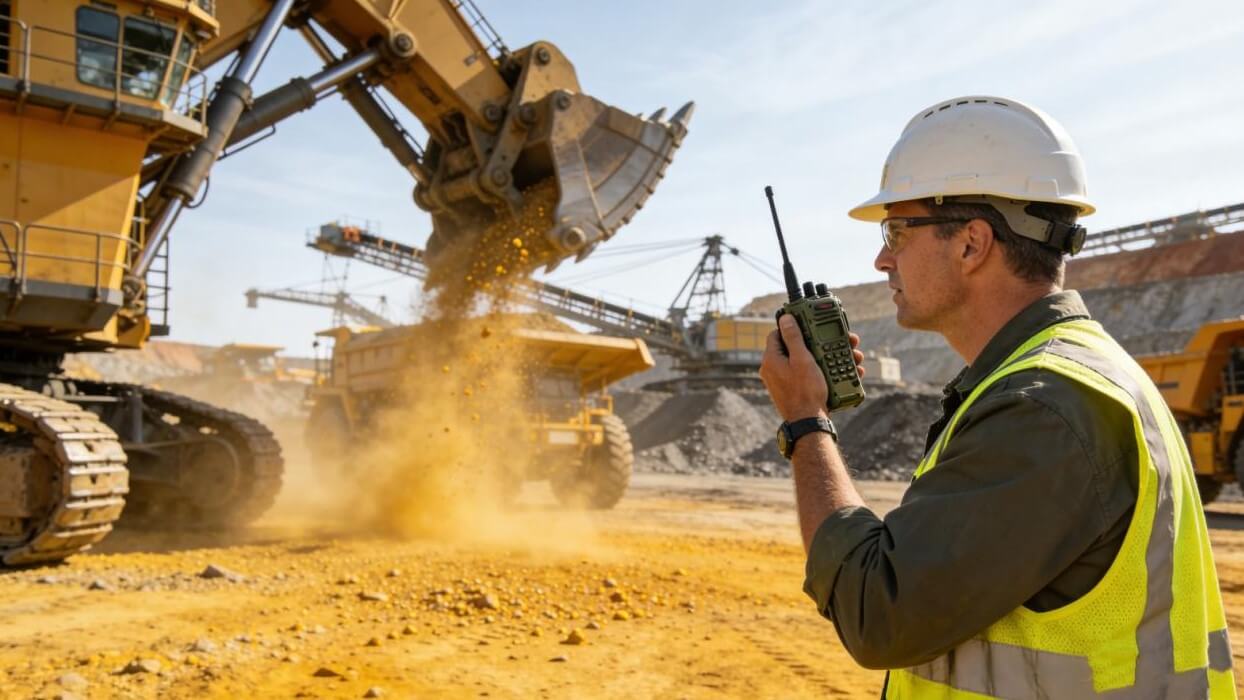
For construction sites, warehouses, manufacturing plants and hotel communication, professional two way radios are usually the smarter choice. Why? Because downtime caused by poor communication can cost far more than the radios themselves.
Best for Families and Outdoor Activities
Casual outdoor activities like hiking, camping, skiing, or family trips often work well with standard walkie talkies. They’re affordable, lightweight, and easy to operate.
Emergency Preparedness
Reliable communication becomes priceless during storms, blackouts, or emergencies. Many amateur keep radios in emergency kits, while emergency teams often rely on commercial radios or ham radios.
Security and Large Events
Large venues require instant coordination. Professional two way radios help secutiy or event management teams communicate quickly without delays.
Future Trends in Handheld Radio Communication
Some radios even combine traditional radio frequencies with cellular networks, creating hybrid communication systems, such as PoC radios. Modern handheld radio communication systems now include:
- GPS location tracking
- Digital encryption
- LTE integration
- Smart dispatch software
- trunking radio systems
Final Thoughts
Based on the above comparison, we find that the distinction between two-way radios and walkie-talkies ultimately boils down to their intended use, operational range, durability, and specific communication requirements. In the end, the best device depends on where and how you communicate. Walkie talkies are simple, portable, and great for casual use. But for demanding environments where teamwork and safety matter, professional two way radios provide the dependable, reliable communication modern teams need.



 Google
 Amazon
Comments
No data Yet