
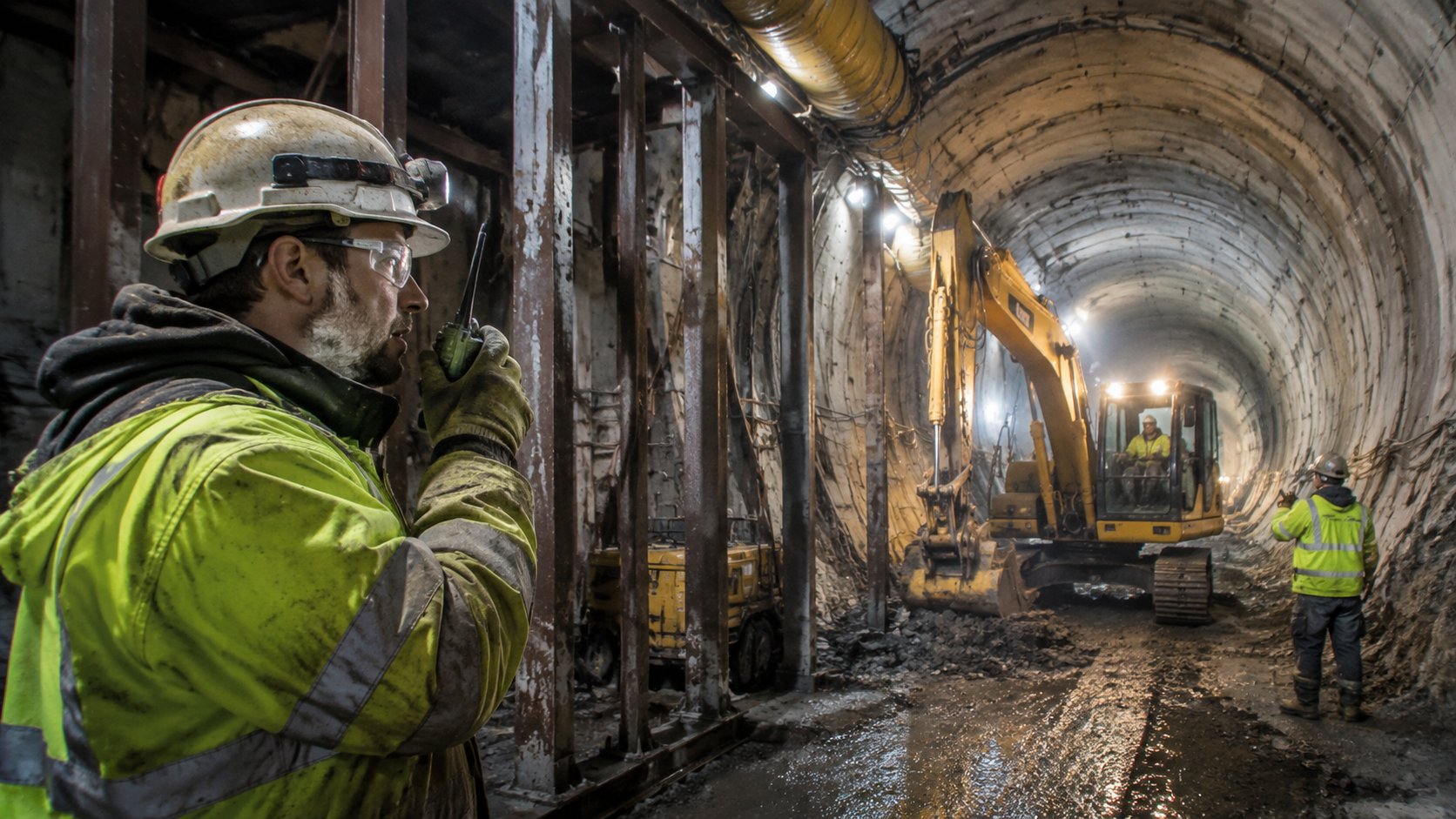
Reliable communication is harder to achieve underground than many construction teams expect. In tunnel environments, signals must compete with reinforced concrete, steel structures, rock, curved layouts, heavy machinery, dust, moisture, and constant noise. Under those conditions, even routine coordination can break down quickly.
That is why radio selection should be treated as a safety and operations decision—not just an equipment purchase. For tunneling and excavation teams, the right communication tools help reduce delays, improve coordination around machinery, and support faster emergency response when conditions change.
If you are evaluating walkie talkies for tunnel work, here are the key factors that matter most.
Why Tunnel Communication Is So Challenging
Above-ground jobsites already create interference through structural materials and equipment congestion. Underground works add a different level of complexity.
The main issue is obstruction. Concrete linings, rock, soil, steel supports, and segmented tunnel geometry can all weaken transmission. Curves, shafts, chambers, and advancing work zones also create non-line-of-sight conditions that make communication less predictable than in open environments.
Noise is another major factor. Drilling, loading, ventilation, pumping, and transport equipment can easily overwhelm weak audio systems. As a result, a radio may technically receive a message but still fail to deliver usable communication.
This is why underground projects often require devices with a strong signal in obstructed environments such as steel structures, tunnels, or high-rise buildings rather than standard handhelds intended for lighter-duty use.
Why Reliable Radios Matter Underground
In tunneling, communication problems do more than slow work down. They can create safety exposure.
Crews may need to warn operators before equipment enters a blind area, coordinate restricted access, report water ingress, respond to ventilation issues, or issue stop-work instructions without delay. In these situations, message clarity and timing matter.
A dependable emergency communication walkie-talkie is often one of the most practical tools for underground incident response, especially where mobile coverage is limited or unavailable.
What to Look for in Walkie Talkies for Tunnel Work
Not all radios are suitable for dense underground environments. When comparing walkie talkies for tunnel work, buyers should focus on field performance over advertised range claims.
1. Strong Signal Performance
The first requirement is stable communication under obstruction. A strong signal two-way radio should be able to maintain usable performance in concrete-heavy, steel-dense, and non-line-of-sight conditions.This is one reason many contractors prefer a strong signal industrial radio over consumer-grade devices.
2. Clear Audio in High-Noise Areas
Audio quality is just as important as signal strength. Tunnels are high-noise environments, and weak speakers or poor microphone pickup can reduce communication value even when coverage is acceptable.
Look for radios that offer:
- strong speaker output
- clear voice pickup
- noise-reducing audio
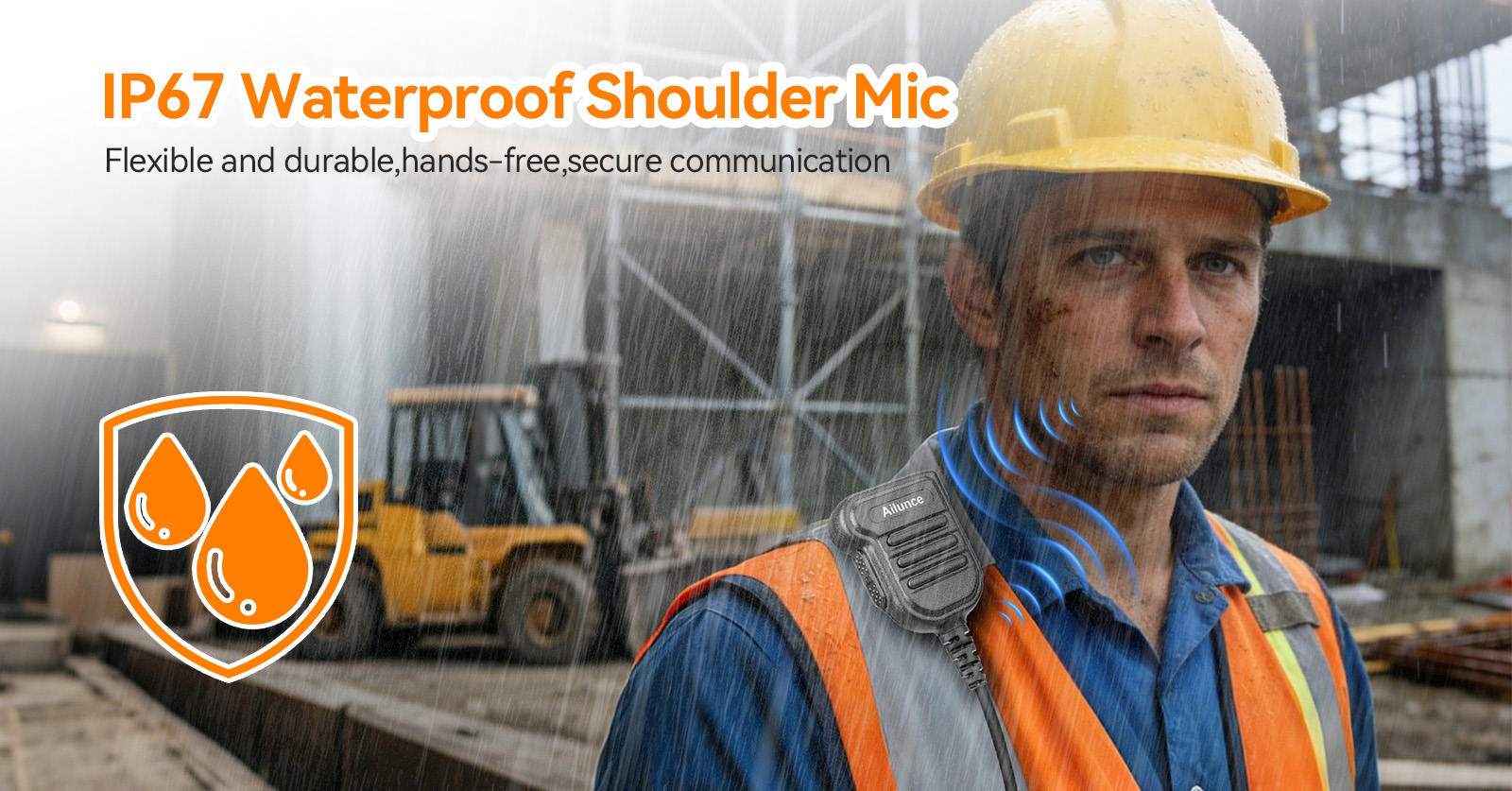
- headset or speaker mic compatibility
- hands-free options where needed
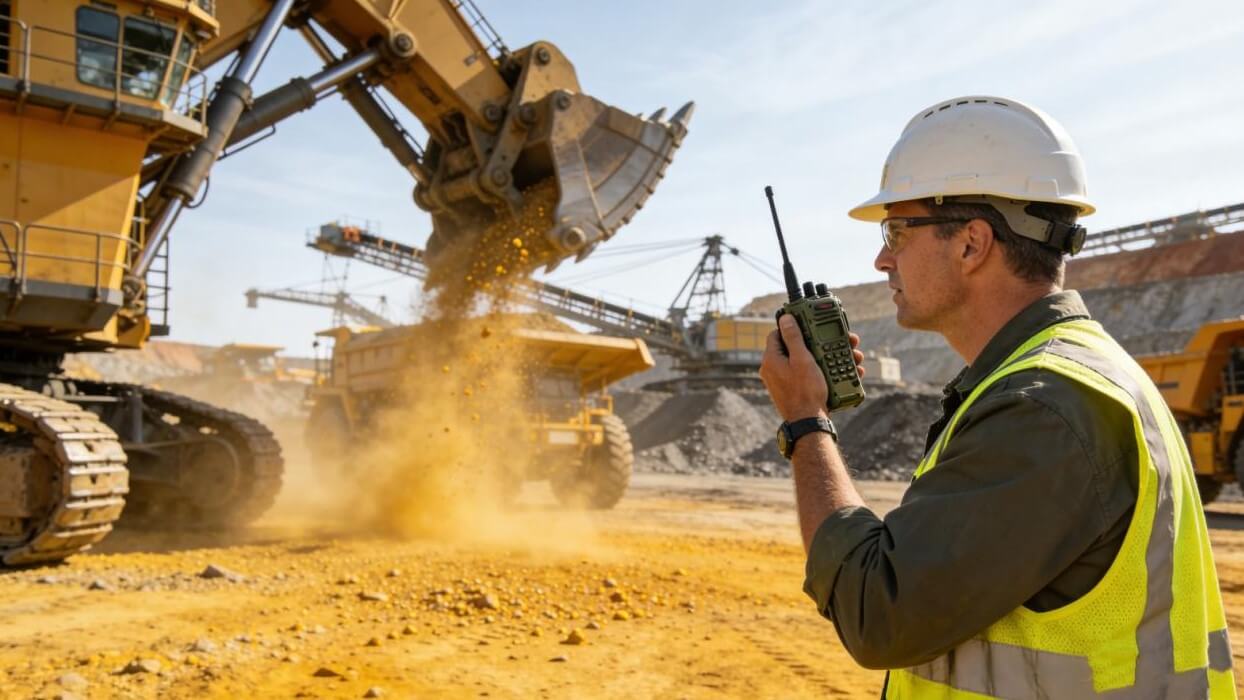
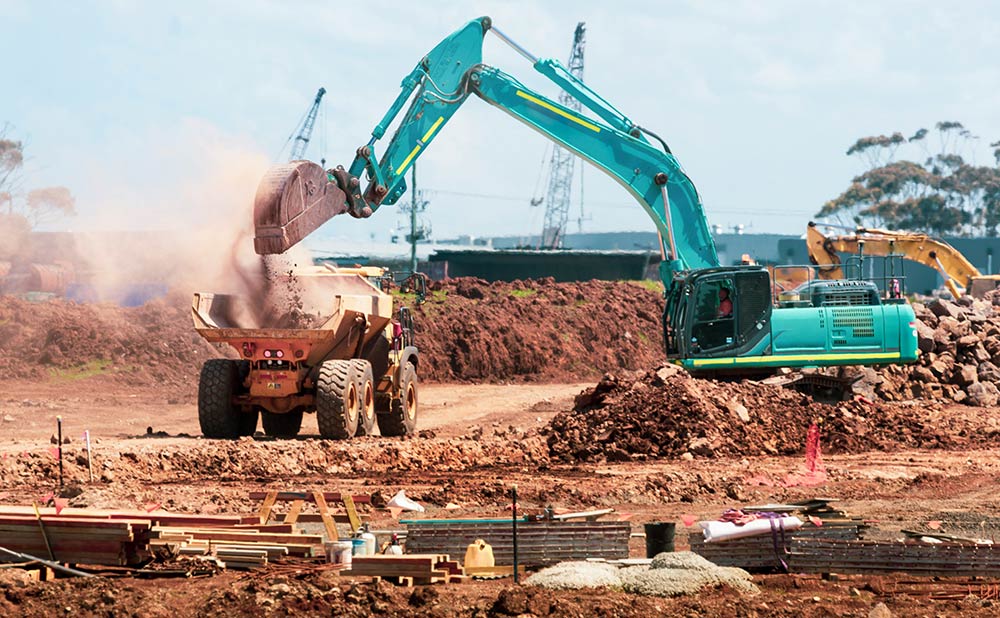
These features are especially important in a walkie-talkie for heavy machinery zones, where crews must communicate around engines, pumps, alarms, and moving equipment.
3. Rugged Protection for Harsh Conditions
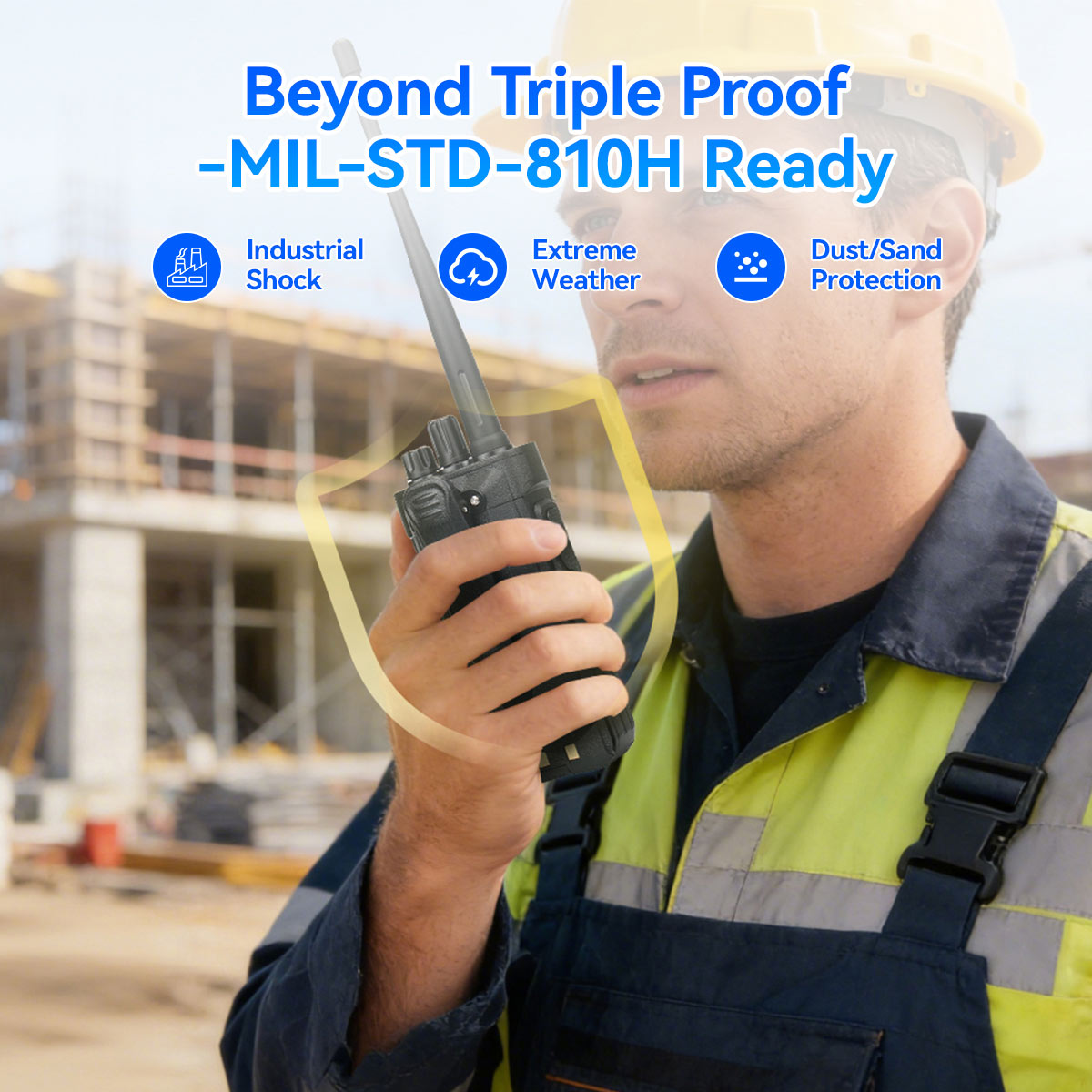
Underground jobsites are rough on equipment. Radios are regularly exposed to dust, water spray, mud, vibration, and accidental drops.
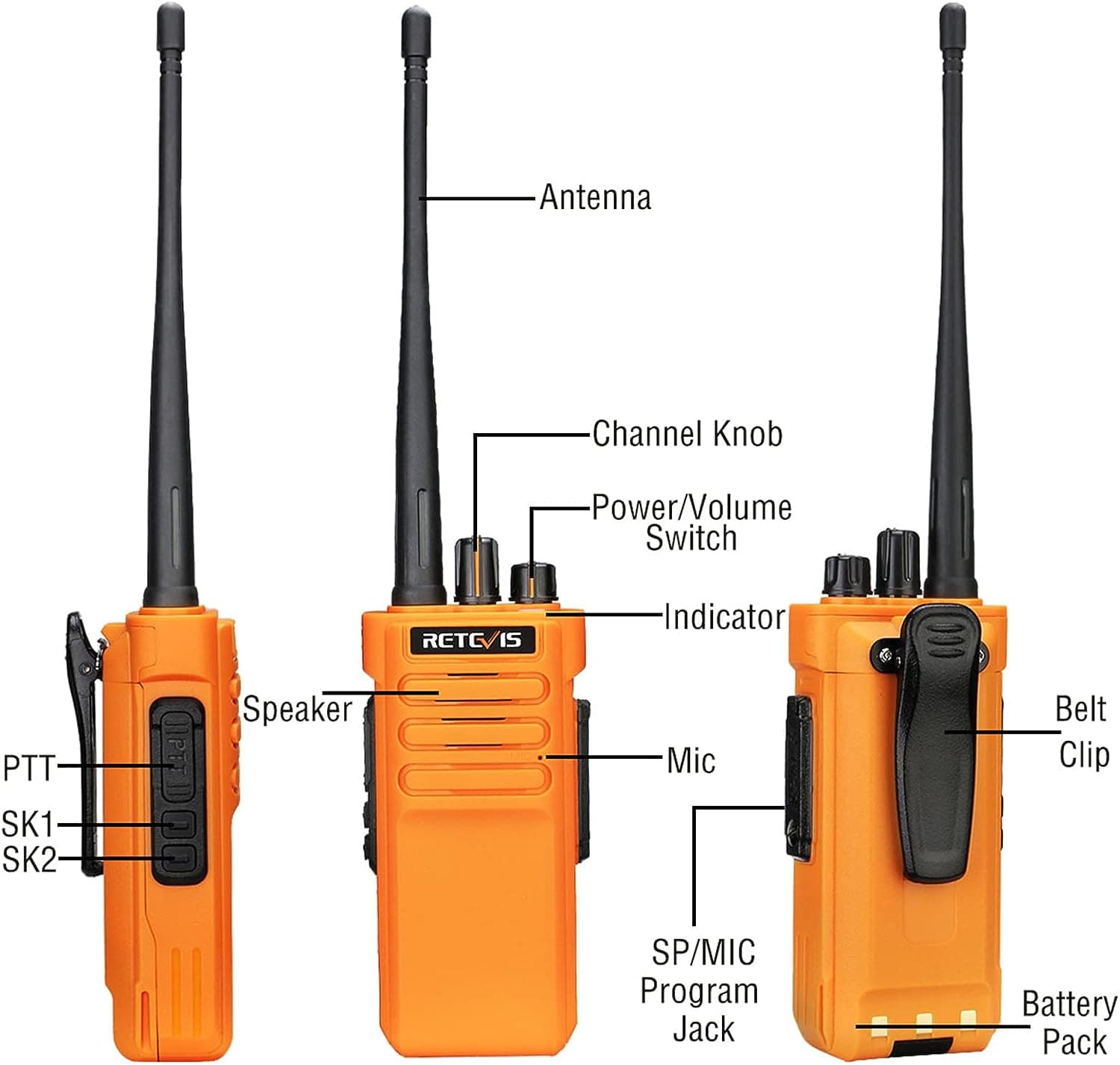
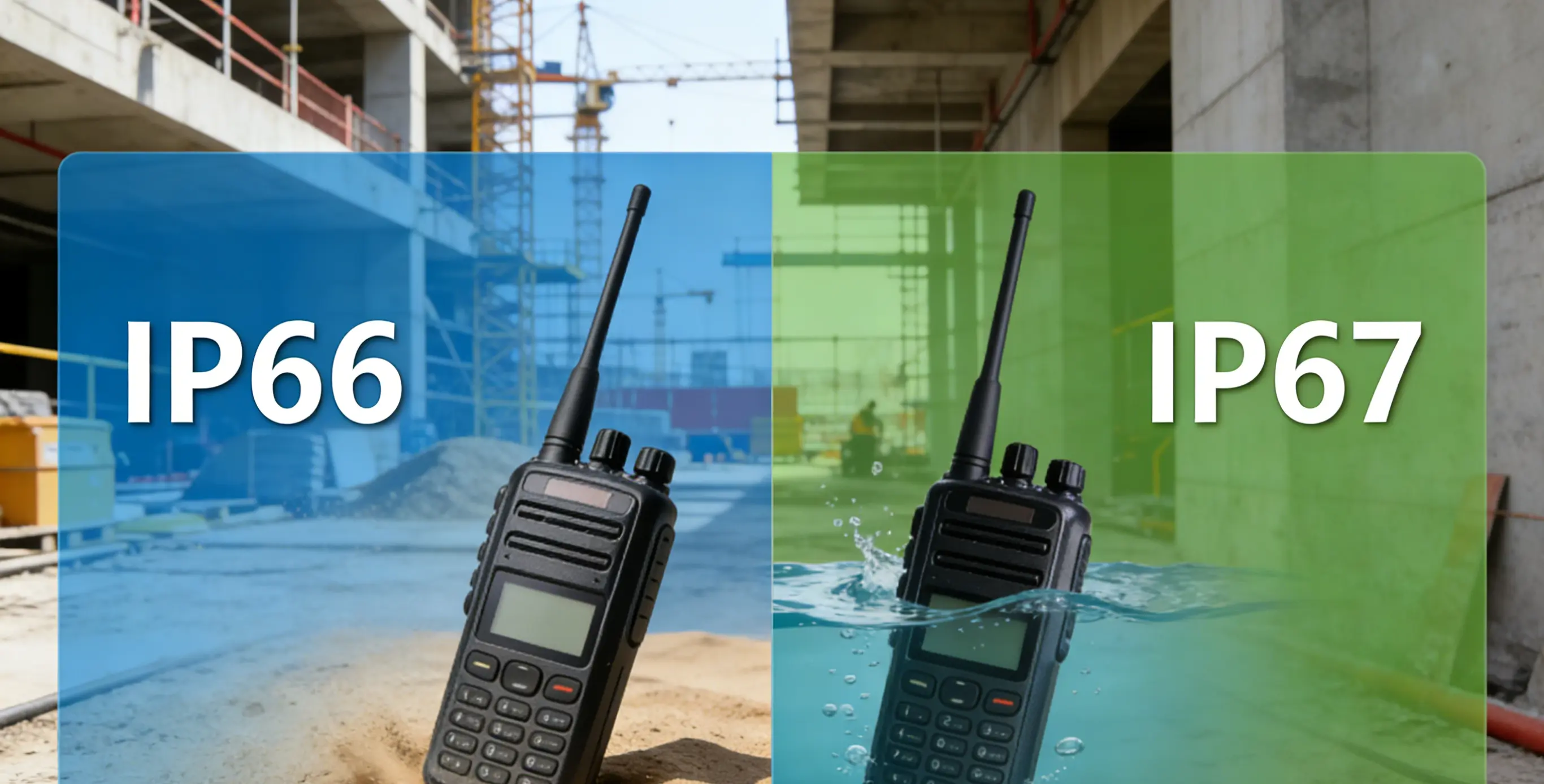
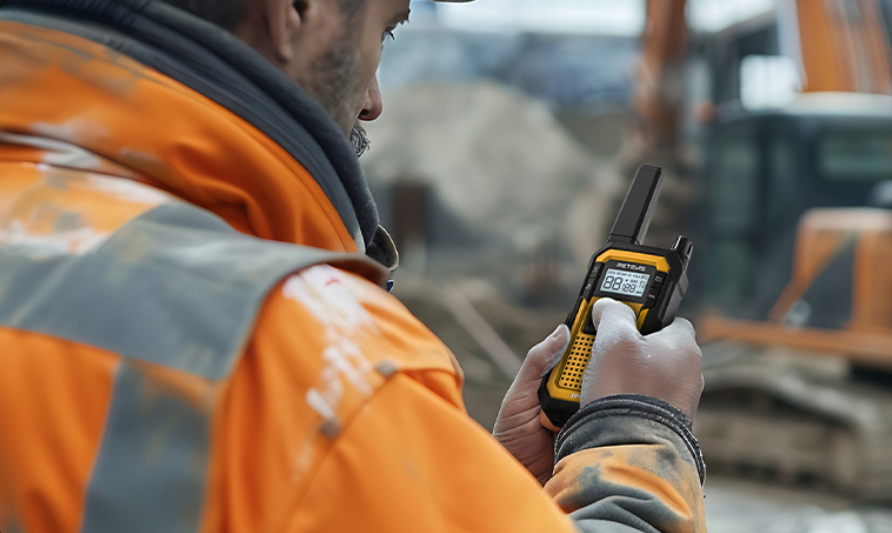
A proper heavy-duty walkie-talkie should be built for that reality. Durable housings, water and dust protection, and impact resistance all matter. On sites with wet or dirty conditions, some contractors prefer IP67-rated units.
4. Battery Life That Covers the Shift
Long shifts and overtime are common in tunneling. A radio that cannot last through active use creates avoidable communication gaps.
Battery planning should include:
- all-shift runtime
- high-capacity battery options
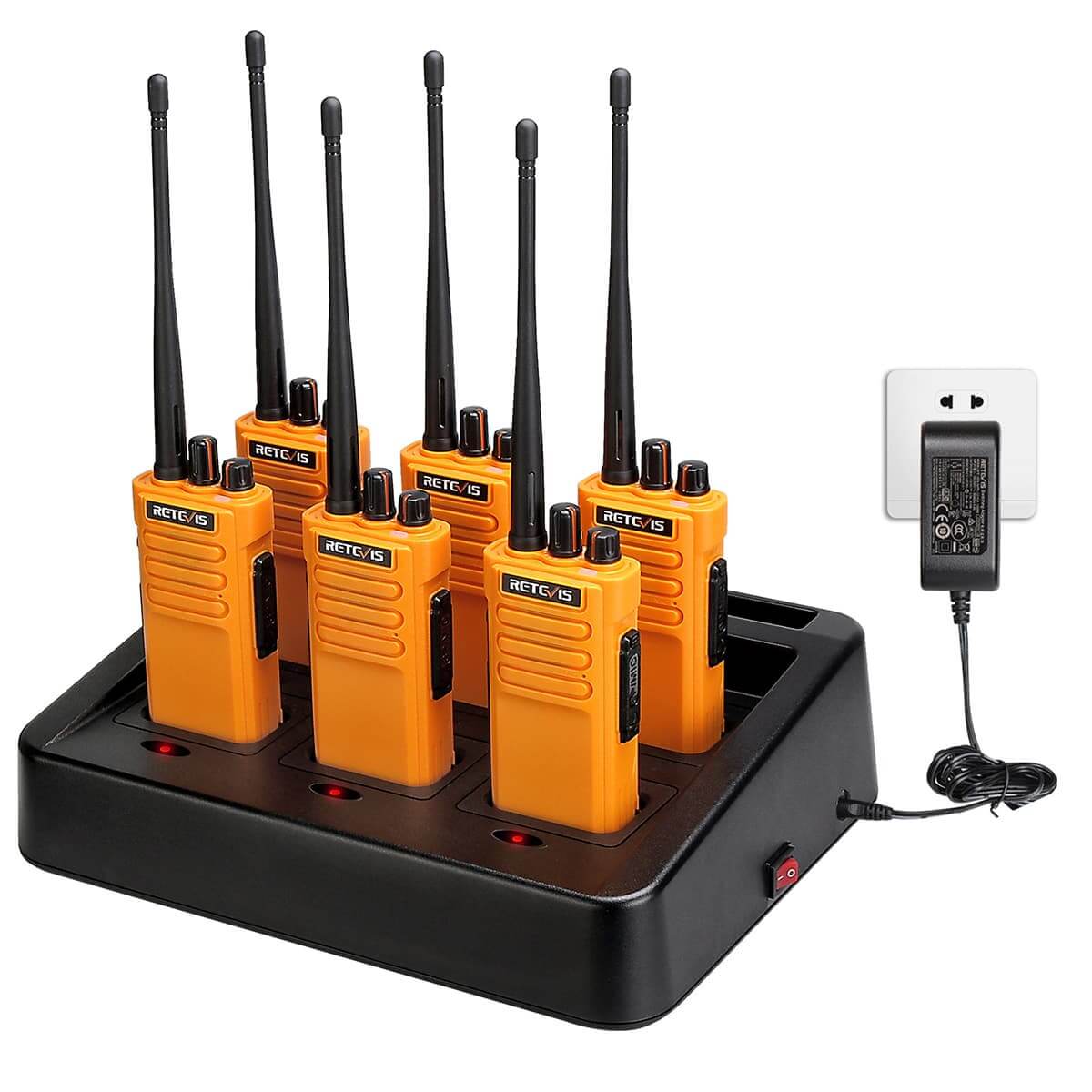
- charging routines for multi-crew operations
- spare battery availability
This becomes even more important when choosing an industrial radio for remote locations, where charging access may be limited.
5. Emergency and Team Coordination Features
Underground communication systems should support more than basic voice transmission. Depending on the site, useful features may include:
- emergency alert button
- priority calling
- group communication
- lone worker support
- man-down functionality
For larger crews, multi-channel coordination can also help separate teams by zone or function and reduce unnecessary channel traffic.
Why Industrial Radios Are Usually the Better Fit
Consumer radios may be adequate for light-duty surface work, but tunnel conditions quickly expose their limitations. Underground projects demand stronger signal performance, better audio, more durable construction, and more reliable power management.
That is why many buyers source construction communication gear designed for industrial use. In most cases, industrial radios are simply better aligned with the realities of tunneling, excavation, and utility work.
Common Mistakes Buyers Make
A few buying mistakes show up repeatedly on underground projects:
Choosing based on open-field range claims
Published mileage does not reflect actual tunnel performance.
Underestimating noise conditions
If workers cannot hear clearly near active equipment, the radio is not fit for the job.
Overlooking ruggedness
Dust, water, vibration, and drops are normal underground conditions—not exceptions.
Ignoring battery logistics
A good radio still fails if crews do not have enough runtime or charging support.
Skipping real-world testing
Site trials are one of the best ways to confirm whether a radio can perform in actual tunnel conditions.
Best Practices for Tunnel Radio Use
Even the best hardware needs a solid communication plan behind it. To improve reliability underground:
- test radios in real site conditions
- identify dead zones before full deployment
- assign channels by team or work area
- train crews on standard call procedures
- keep spare batteries and accessories available
- review communication performance as work progresses
A strong signal industrial radio performs best when paired with clear procedures and regular field review.
Final Takeaway
Tunnel communication is different from surface communication in every practical sense. Signal obstruction, non-line-of-sight conditions, machinery noise, and harsh environmental exposure all place higher demands on handheld radios.
The best walkie talkies for tunnel work are those that combine strong signal performance, clear audio, rugged protection, dependable battery life, and emergency-ready features. Whether the need is for a heavy-duty walkie-talkie, a walkie-talkie for heavy machinery zones, or a broader industrial radio for remote locations, the goal is the same: reliable communication in one of construction’s most challenging environments.




Comments
No data Yet