

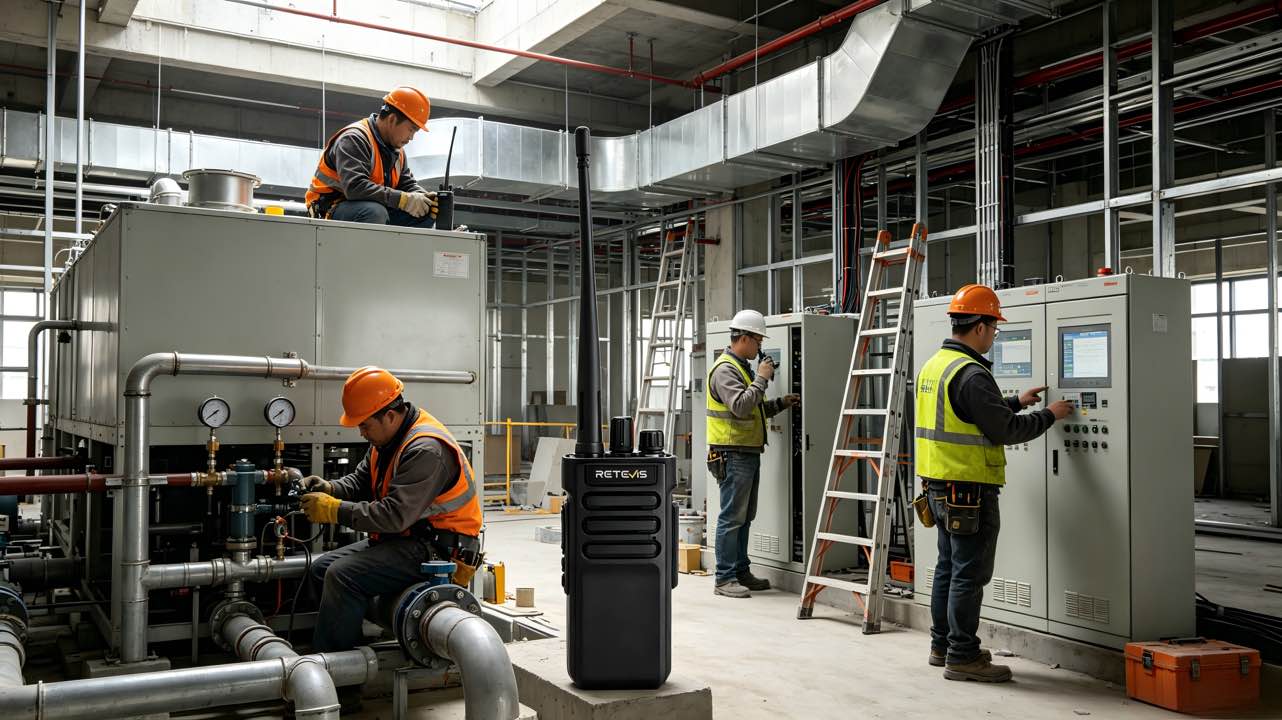
Mechanical and HVAC projects run on coordination. During installation, startup, and commissioning, teams are often split across rooftops, mechanical rooms, controls panels, shafts, and occupied interior spaces. One technician may be checking an air handler, another may be adjusting controls, while a supervisor is trying to verify system response from another part of the building. When communication is slow or unclear, even routine tasks can take longer than they should.
That is why a reliable radio for HVAC team communication still plays an important role on modern jobsites. In noisy, fast-moving environments, instant push-to-talk communication helps crews coordinate tasks, respond faster, and keep commissioning on schedule.
Why Communication Is a Critical Part of HVAC Commissioning
Mechanical and HVAC systems do not get commissioned in one place. Testing and verification usually involve multiple people, multiple systems, and multiple trades working at the same time. A small communication delay can hold up airflow checks, startup sequences, troubleshooting, or punch-list closure.
Typical communication challenges on HVAC jobs include:
- Teams working in different parts of the building
- Noise from equipment and active trades
- Repeated back-and-forth during testing
- Coordination between mechanical, electrical, and controls teams
- Delays caused by missed calls or unclear instructions
In other words, HVAC work does not just require technical skill. It also depends on dependable construction site communication tools that work under real field conditions.
Why Phones Are Not Always the Best Jobsite Solution
Smartphones are useful, but they are not always ideal for live construction environments. Signal can be weak in concrete and steel structures, especially in basements, plant rooms, or enclosed service spaces. Calls also take time to connect, and phones are less convenient when workers are wearing gloves or carrying tools.
Most importantly, phones are built for one-to-one communication. HVAC commissioning often requires one person to update a whole crew instantly. That is where a two way radio for HVAC team use becomes more efficient.
Quick Comparison: Phones vs. Radios on HVAC Jobsites
|
Communication Tool |
Main Strength |
Main Limitation on Site |
Best Use Case |
|
Mobile Phone |
Good for detailed one-to-one calls |
Slower to connect, relies on signal, less practical with PPE |
Off-site coordination, supplier calls, management updates |
|
Messaging App |
Useful for sharing photos and written notes |
Not ideal for urgent, real-time field coordination |
Documentation, punch-list follow-up |
|
Site Communication Radio |
Instant push-to-talk group communication |
Requires channel discipline and basic team setup |
Live installation, startup, troubleshooting, commissioning |
For active field work, a site communication radio is often the fastest way to get the right message to the right people.
How Two-Way Radios Improve HVAC Workflow
A good walkie talkie for HVAC team communication helps reduce one of the biggest hidden costs on site: wasted time. When teams cannot communicate quickly, they walk more, wait longer, and repeat tasks more often.
Here is how radios improve workflow:
Faster startup and testing
During equipment startup, one person can make an adjustment while another confirms results in real time. This is especially useful for AHUs, RTUs, VAV boxes, and control devices.
Less unnecessary movement
Instead of walking between the rooftop, the control room, and the mechanical room, technicians can communicate instantly and stay focused on the task.
Better troubleshooting
When a system is not responding properly, the installer, controls tech, and supervisor can isolate the issue faster through live updates.
Improved coordination across trades
Mechanical teams rarely work alone. A reliable two way radio for HVAC team operations makes it easier to coordinate with electrical, BAS, and general site supervision.
Stronger safety communication
Crews can quickly report access issues, equipment status, lift movement, leaks, or unexpected conditions.
Common HVAC Tasks That Benefit from Radios
The practical value of a radio for HVAC team communication is easiest to see in real jobsite situations.
|
HVAC Activity |
Typical Communication Need |
How Radios Help |
|
AHU or RTU startup |
Confirm power, controls response, airflow, alarms |
Allows instant communication between roof crew, controls technician, and supervisor |
|
VAV box testing |
Verify zone response, damper movement, thermostat changes |
Reduces repeated trips between test points |
|
Duct pressure testing |
Coordinate readings across different sections of the system |
Speeds up adjustment and result confirmation |
|
Mechanical room troubleshooting |
Report equipment status in loud conditions |
Improves clarity and response time |
|
Final commissioning |
Coordinate between installer, controls team, and PM |
Helps close issues faster and keep handover moving |
These are exactly the moments where wireless two-way radios for construction provide practical value rather than just convenience.
Why Multi-Channel Radios Make More Sense on Larger Projects
On a small site, one radio channel may be enough. On a larger build, it often creates too much chatter. HVAC teams may be talking over electrical crews, supervisors, or other subcontractors, which increases the chance of missed instructions.
A multi-channel job site radio helps organize communication. Different groups can use separate channels while still remaining connected when needed. For example:
- HVAC installers on one channel
- Controls technicians on another
- Site supervisors on a coordination channel
- A separate channel for commissioning or urgent site issues
This is where a multi-channel job site two way radio becomes especially useful. It helps reduce confusion, keep communication relevant, and improve focus during critical stages of the project. On larger commercial and industrial jobs, a multi-channel job site walkie talkie is often a much better fit than a basic consumer device.
What to Look for in a Radio for HVAC Teams
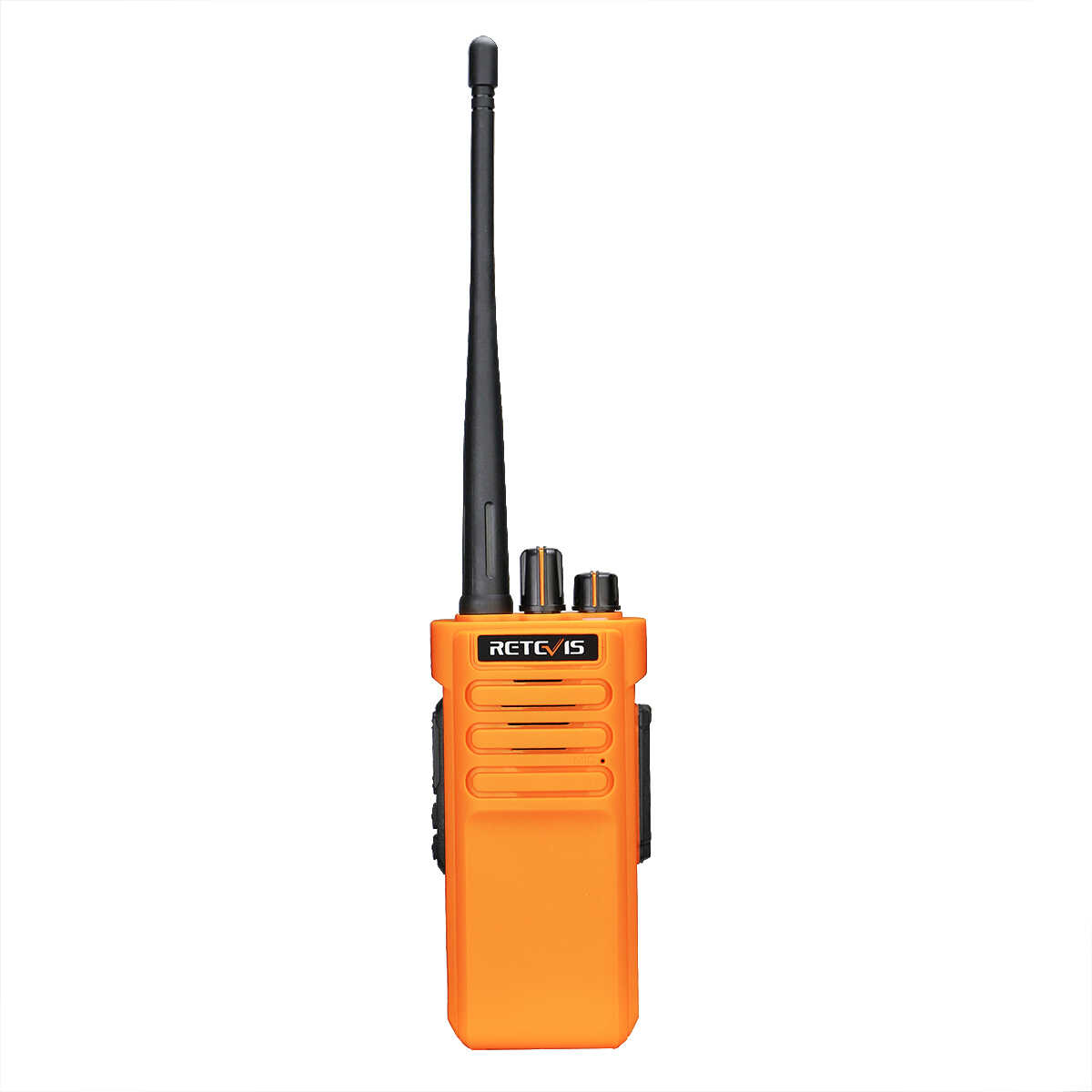
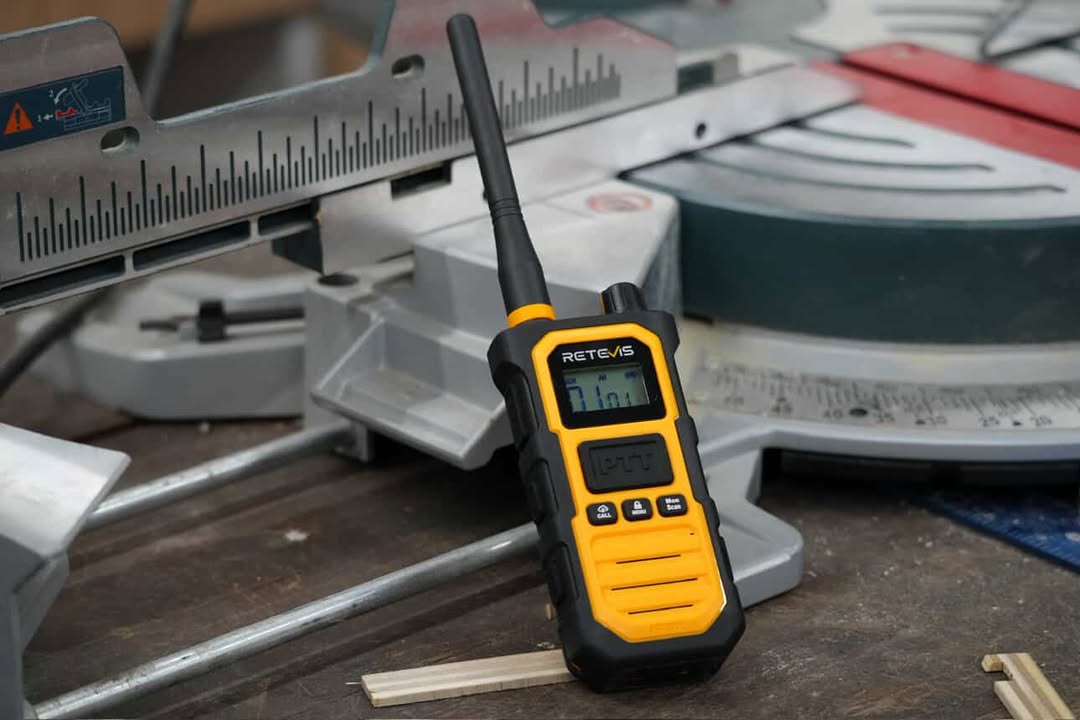
Not every radio is suitable for mechanical contractors. If you are selecting a walkie talkie for HVAC team use, focus on the conditions your crew actually faces.
Key features include:
- Clear audio: important for noisy plant rooms, rooftops, and active interiors
- Reliable coverage: needed across multiple floors, service corridors, and enclosed spaces
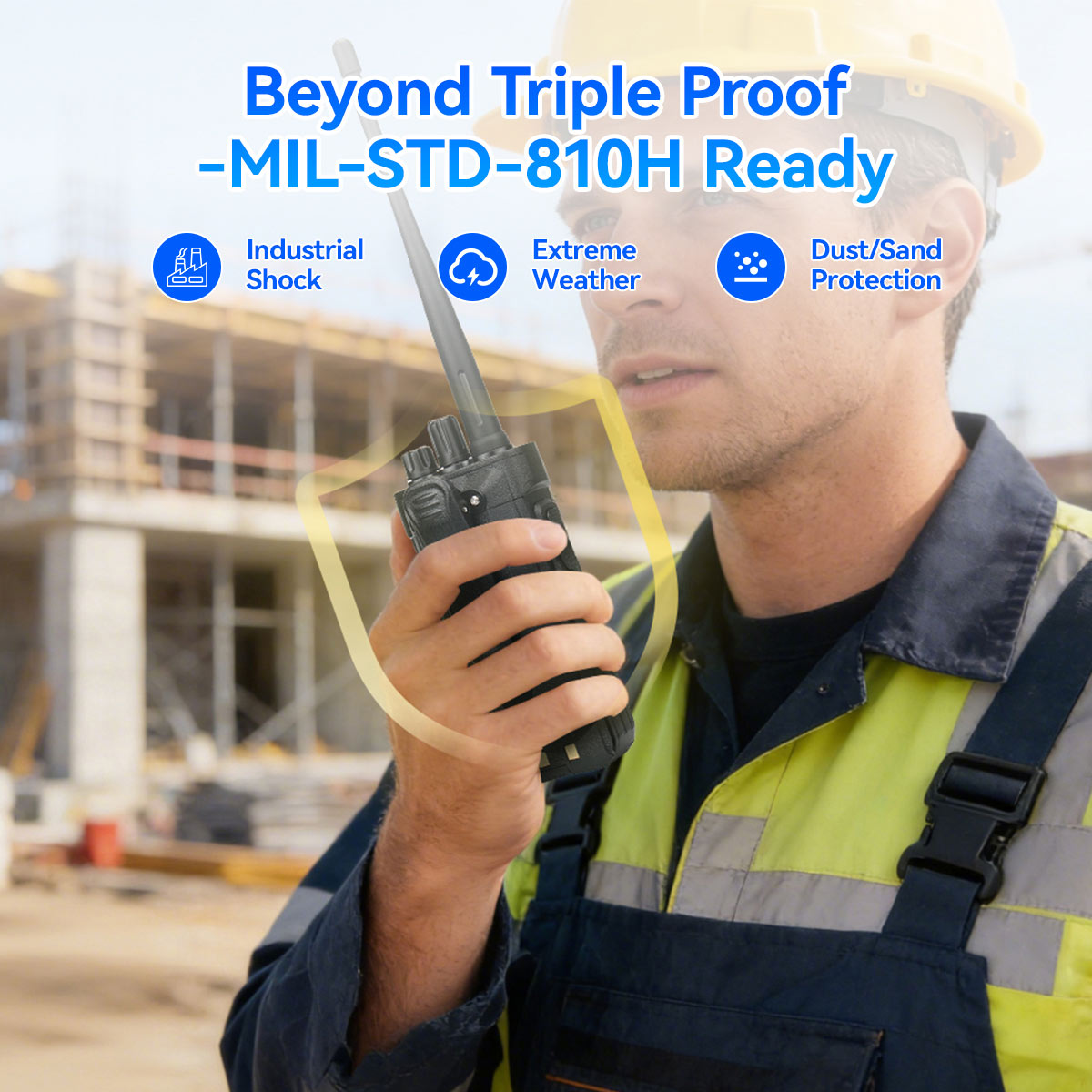
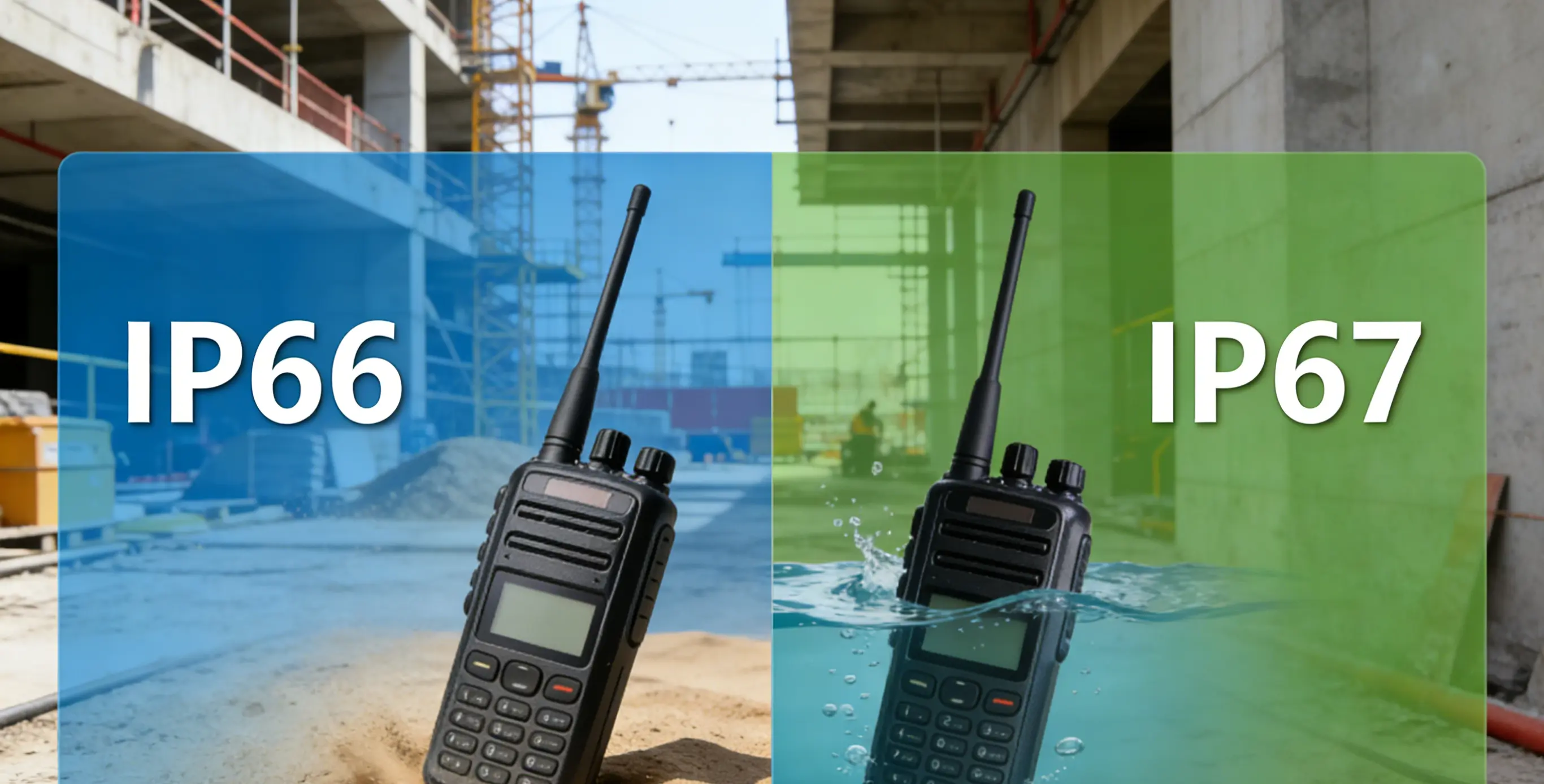
- Rugged design: dust, moisture, drops, and daily wear are normal on site
- Long battery life: startup and commissioning days can run long
- Simple controls: radios should be easy to use with gloves and PPE
- Multi-channel support: important for larger jobs and multi-trade coordination
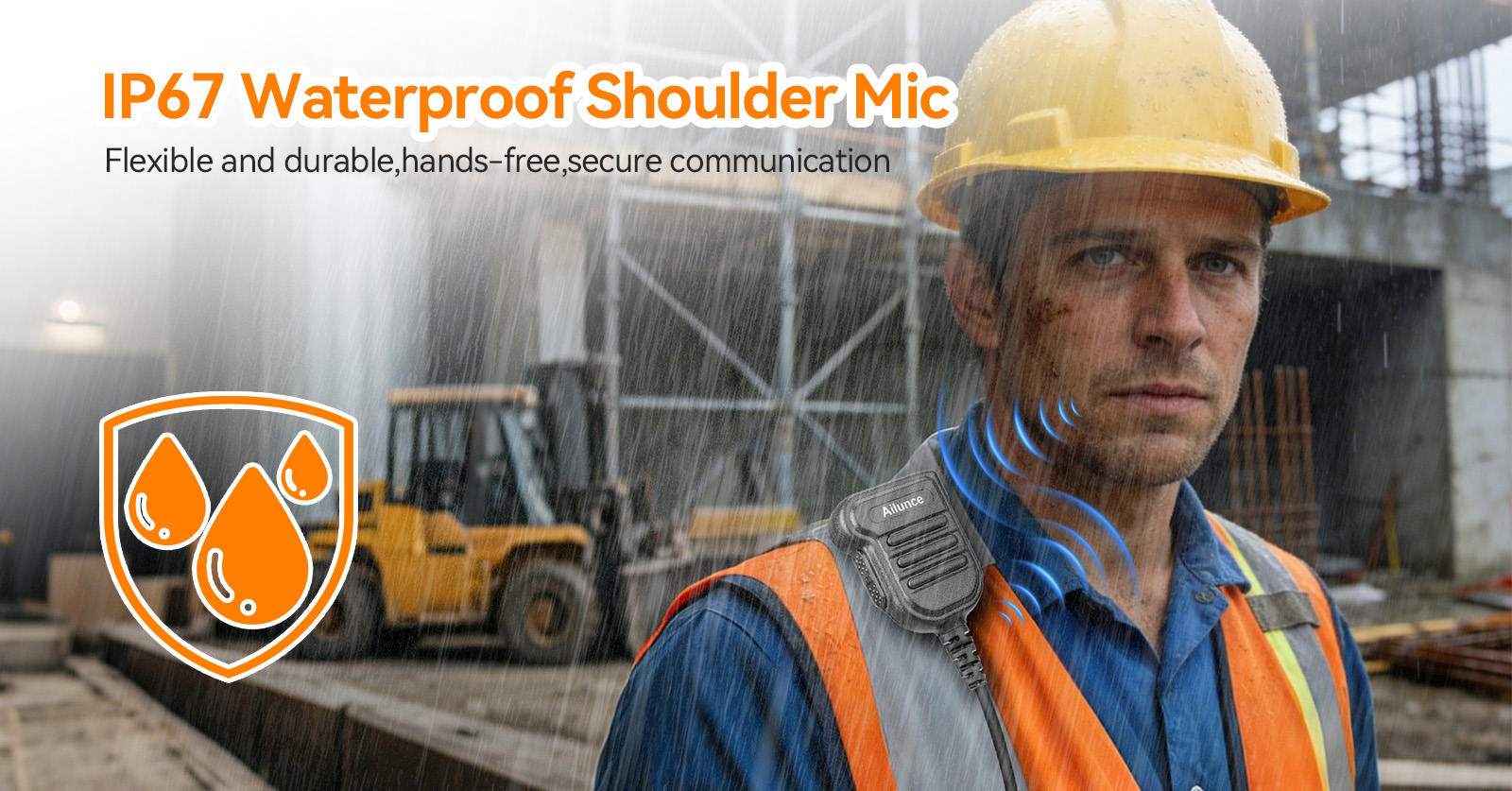
- Accessory compatibility: speaker mics or earpieces can support hands-free work
For many contractors, the right radio for HVAC team communication is the one that works consistently without adding complexity.
Best Practices for Better Radio Communication on Site
Even a reliable radio system works better when teams use it consistently. A few simple habits can make a big difference:
- Assign channels by team or function
- Keep messages short and specific
- Repeat critical instructions or readings when needed
- Test radios before startup and commissioning begins
- Plan for charging or spare batteries
- Set clear rules for urgent communication
Clear phrases such as “RTU-2 ready,” “Confirm airflow Level 4,” or “Switch to commissioning channel” are more effective than long, unclear conversations.
Final Thoughts
Mechanical and HVAC commissioning depends on timing, accuracy, and teamwork. The more complex the project, the more important reliable communication becomes. A dependable site communication radio helps reduce delays, improve coordination, and support faster issue resolution across the jobsite.
For contractors looking to streamline installation and commissioning, a rugged two way radio for HVAC team use is a practical investment. It is not just about talking more easily. It is about keeping people aligned, minimizing wasted time, and helping projects move forward with fewer communication gaps.
If your teams regularly work across rooftops, mechanical rooms, and controls spaces, the right construction site communication tools can make a noticeable difference—especially when deadlines are tight and every test cycle counts.




 Google
 Amazon
Comments
No data Yet