Why LED Work Lights Are Causing Radio Interference on Construction Sites: Fix Tips
Posted by:Retevis
Reliable construction radio communication is essential for jobsite safety, productivity, and coordination—especially during night work. But on many active projects, crews begin noticing radio interference on construction sites as soon as LED work lights, amber strobes, generators, and other electrical equipment are turned on. These interference sources can create static, distorted audio, and missed transmissions, making it harder for workers and supervisors to stay connected. Understanding how LED light interference affects two-way radios is the first step toward improving communication performance in demanding construction environments.
×
Subscribe to Retevis Updates
Sign up now and unlock exclusive offers on your subscription!
Communication Problems Often Start After the Lights Turn On
Many construction crews notice the same problem.
Radio communication works fine during the day. Workers can hear each other clearly. Equipment operators receive instructions without any issues.
Then the sun goes down.
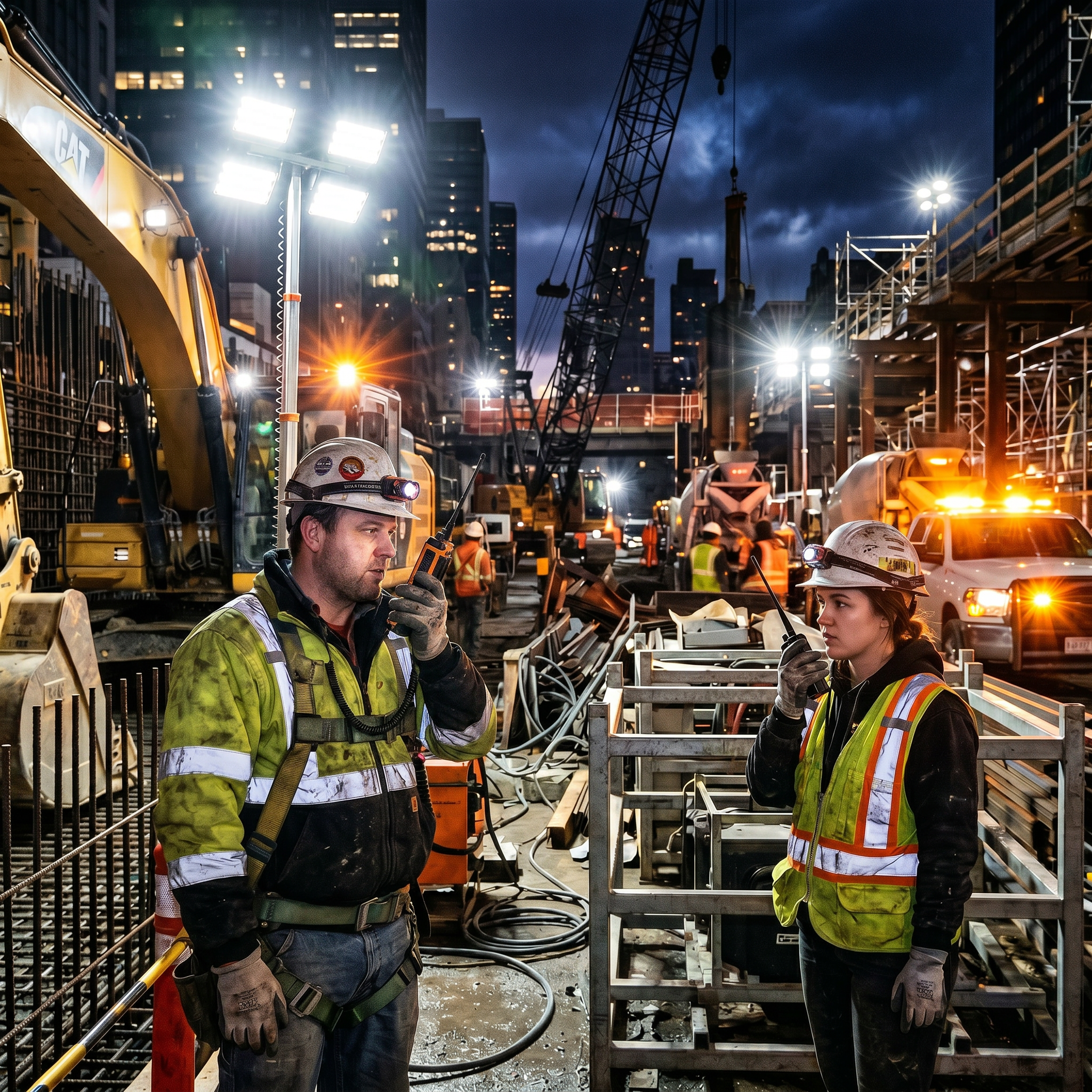
The work lights come on. Amber safety strobes start flashing. Suddenly the radios begin producing static. Voices sound distorted. Some transmissions are missed completely.
Workers repeat messages. Supervisors ask for confirmations. Equipment operators stop to verify instructions.
At first, many people blame the radio.
In reality, the radio is often reacting to something else happening on the jobsite.
Why LED Work Lights Can Interfere With Radios
The problem usually isn't the LED light itself.
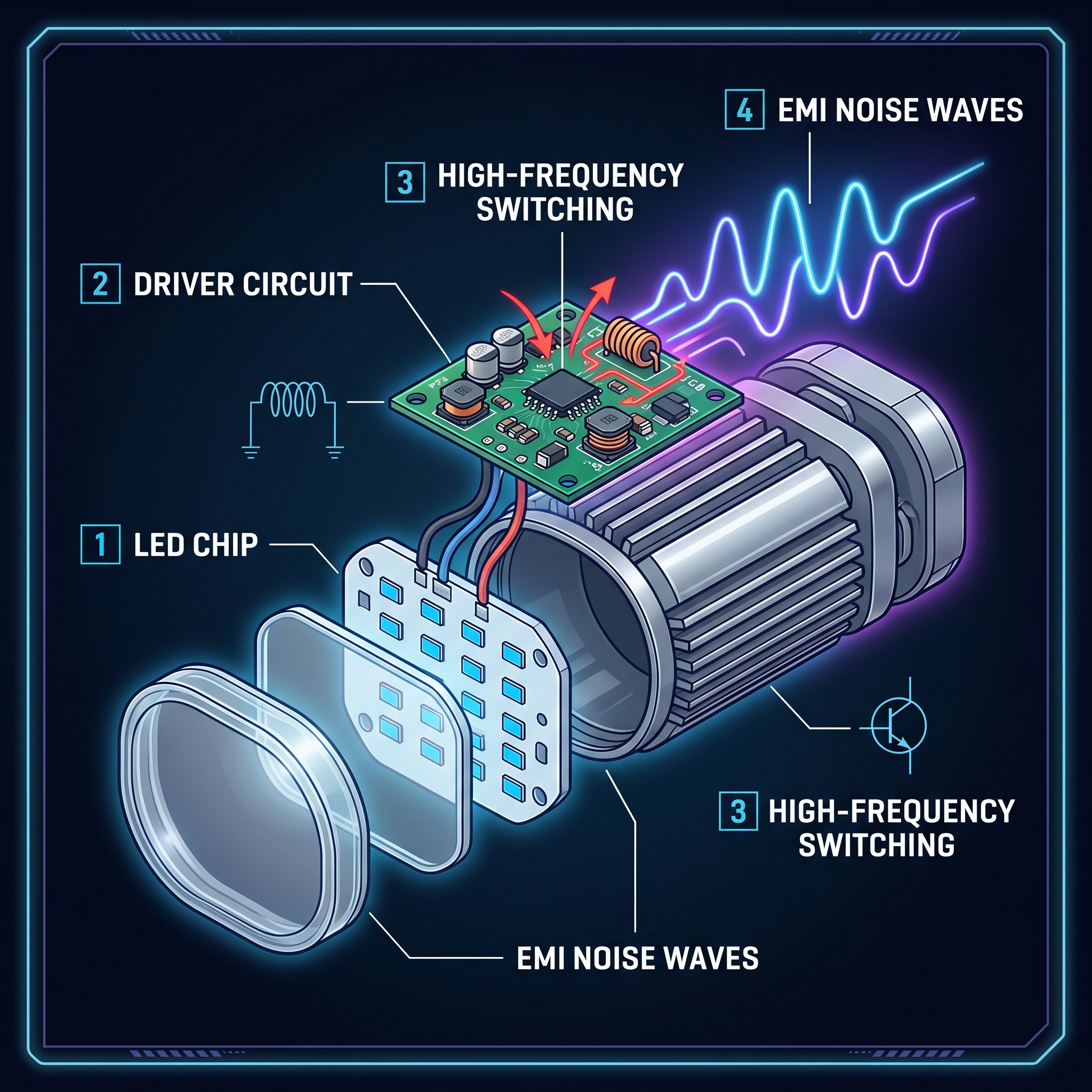
The real source of interference is the electronic driver inside the light.
Modern LED work lights use electronic circuits to regulate power. These circuits switch on and off thousands of times every second. During this process, they can generate electromagnetic noise.
That noise spreads through the surrounding area.
Nearby radios may pick up part of this noise. Instead of hearing a clear voice transmission, workers hear static, buzzing sounds, or broken audio.
The issue becomes more noticeable when crews work close to lighting towers, temporary lighting systems, or equipment fitted with LED warning lights.
Amber Strobes Are Often the Biggest Culprit
Many contractors specifically mention amber safety strobes when discussing radio interference.
There is a reason for that.
Unlike standard work lights, strobe lights constantly flash on and off. Every flash requires the internal electronics to switch power repeatedly.
More switching means more electrical noise.
This is why crews sometimes notice a strange pattern.
Radios work normally when the strobe light is turned off
As soon as the strobe starts flashing, communication quality drops
This does not happen with every strobe light. Higher-quality lighting systems often include better EMI suppression. However, lower-cost products frequently generate much more interference than expected.
Construction Sites Are Full of Interference Sources
LED lighting is only part of the story.
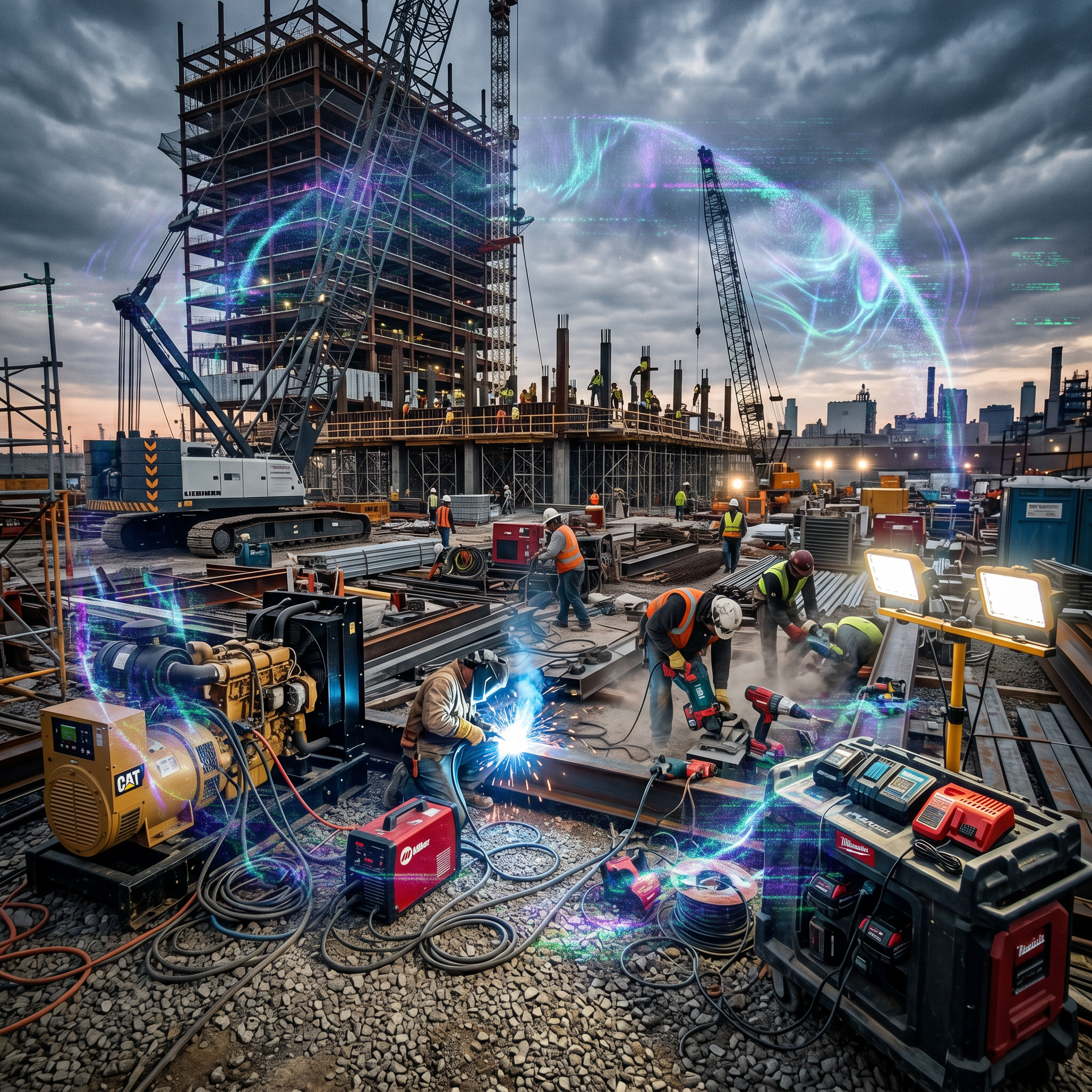
Construction sites contain many devices that generate electrical noise.
Portable generators are common
Battery charging stations operate throughout the day
Radio interference creates more than just an annoying sound.
It slows down communication.
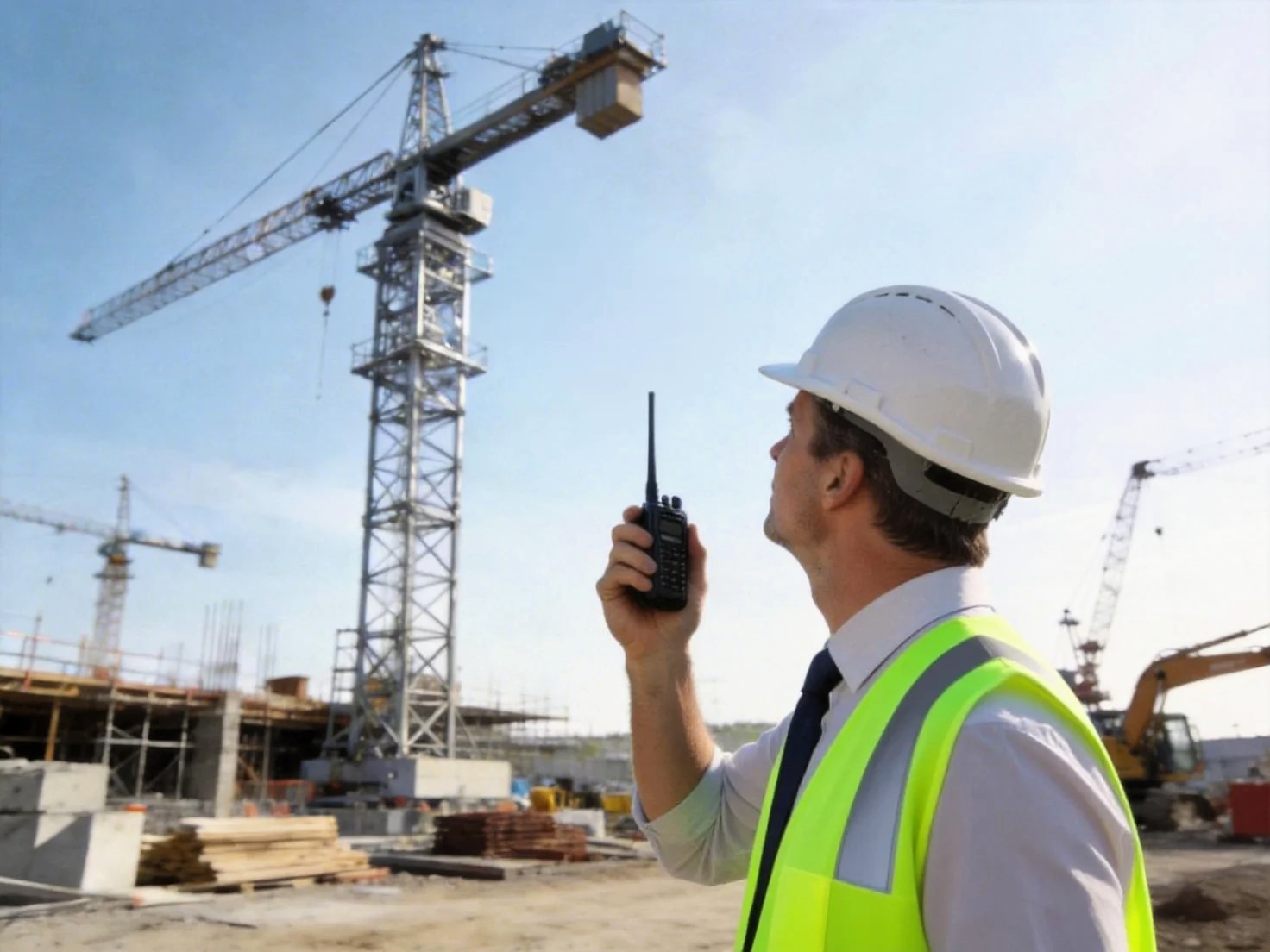
A crane operator may need instructions repeated multiple times. A worker guiding heavy equipment may have to stop and ask for clarification. A supervisor may need to verify that a message was actually received.
These small delays add up.
Over the course of a shift, communication problems can reduce efficiency and increase frustration across the entire crew.
On busy jobsites, unclear communication can also create safety concerns. Workers depend on fast and accurate information when operating machinery, moving materials, and coordinating tasks.
Why Some Radios Handle Interference Better Than Others
Not every radio responds the same way to electrical noise.
Many entry-level radios are designed primarily for basic communication. They perform well under normal conditions but may struggle when interference levels increase.
Their receivers can become overwhelmed by nearby electrical noise. Weak signals become harder to hear. Background static becomes more noticeable.
Professional-grade radios are built differently.
They typically feature:
Stronger receivers
Better filtering
Improved resistance to interference
This helps them maintain communication quality even when surrounding conditions become more difficult.
The difference becomes obvious on large jobsites where lighting systems, generators, and heavy equipment operate simultaneously.
The Advantage of Higher Power
One of the most effective ways to improve communication reliability is to increase signal strength.
A stronger radio signal has a better chance of standing out from background noise.
Think about trying to have a conversation near a busy road.
A person speaking quietly can easily be drowned out by traffic noise. A louder voice becomes easier to understand.
Radio communication works in a similar way.
When interference exists, stronger transmissions help ensure that important messages reach their destination.
This is why high-power construction radios are often preferred for large projects, road construction zones, utility work, and infrastructure projects.
Other Ways to Reduce LED Radio Interference
Several practical steps can help improve communication performance.
The first is increasing distance from the interference source.
Even moving a radio a few feet away from an LED driver or lighting control box can reduce the amount of noise being received.
Equipment maintenance also matters.
Damaged antennas reduce signal strength and make radios more vulnerable to interference. Regular inspections can prevent many communication problems before they occur.
Lighting selection is another factor.
LED work lights designed to meet strict electromagnetic compatibility standards generally produce less interference than low-cost alternatives.
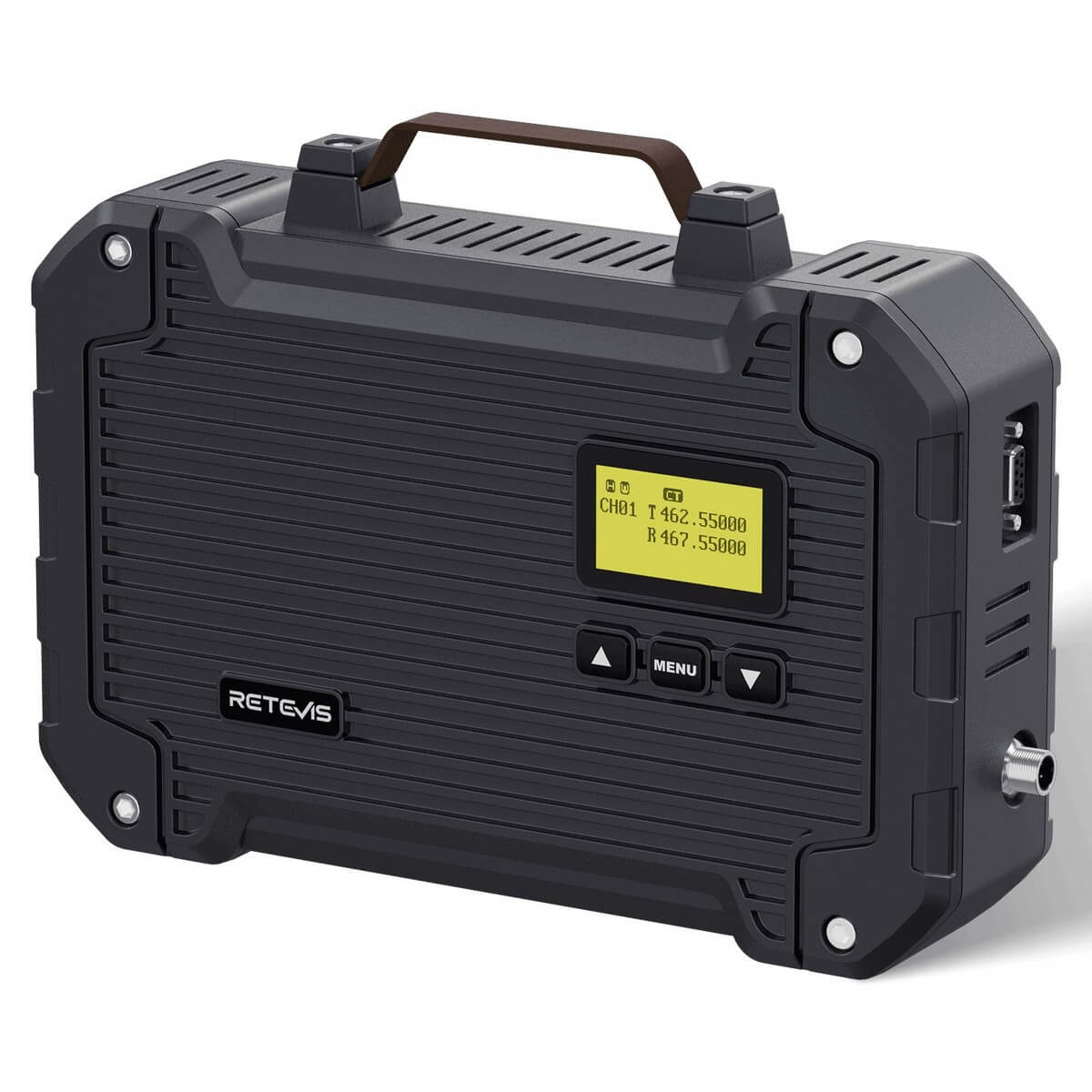
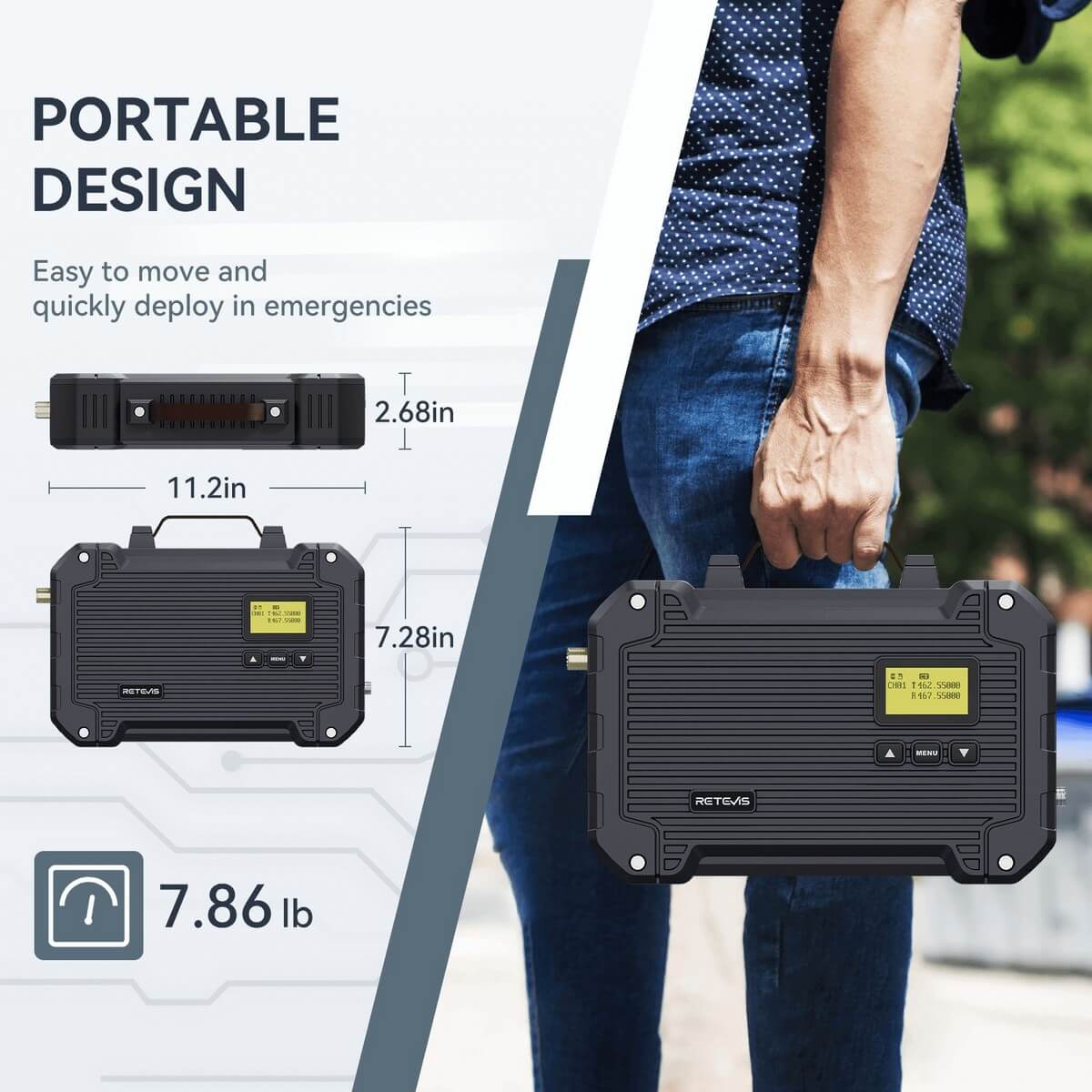
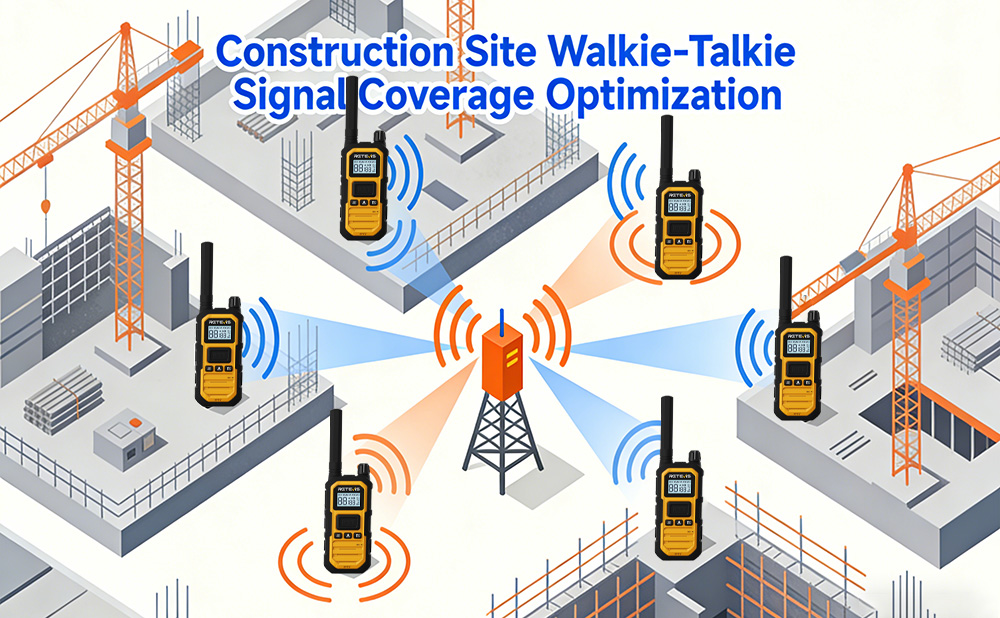
For larger projects, additional coverage solutions such as repeaters can help maintain strong communication across the entire site.
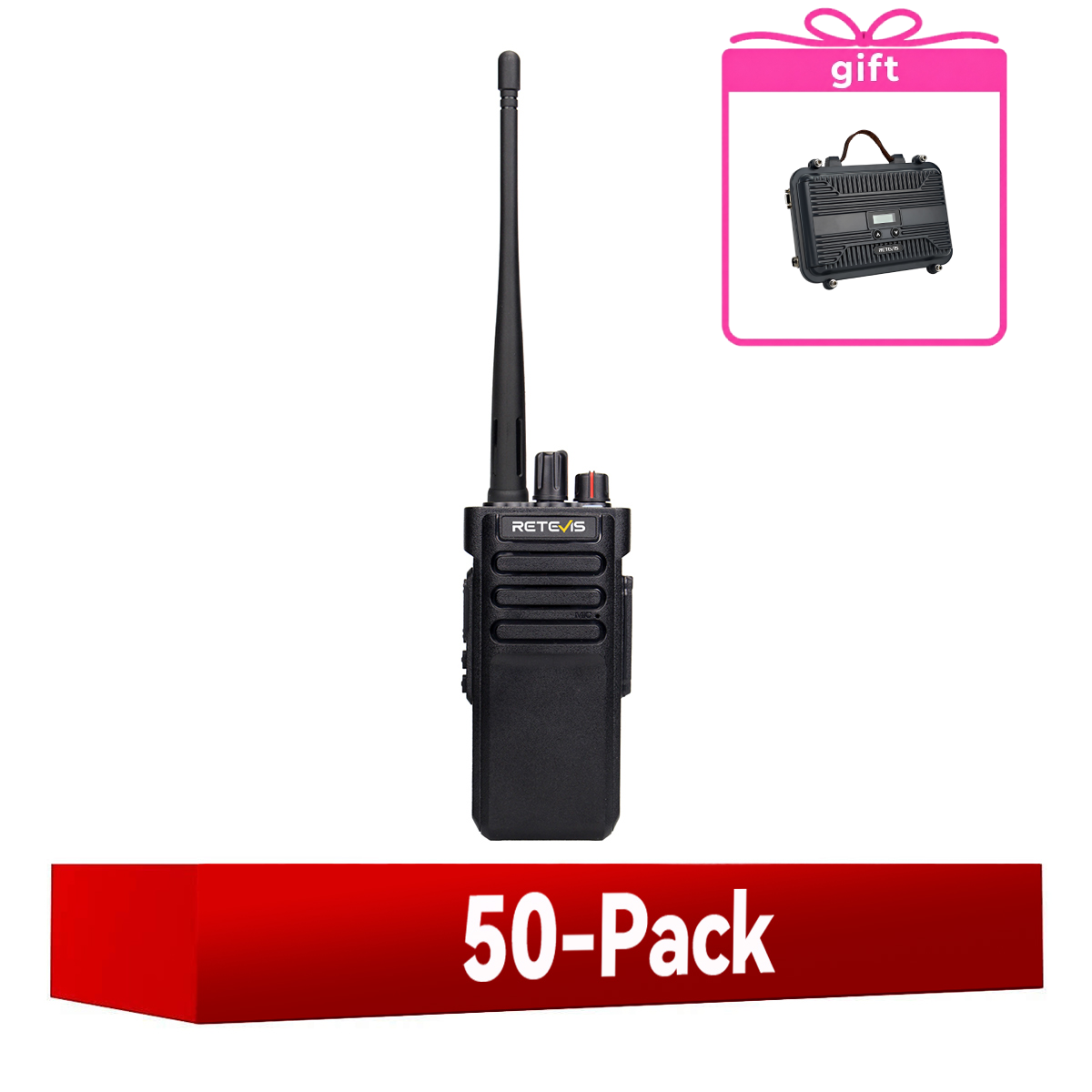
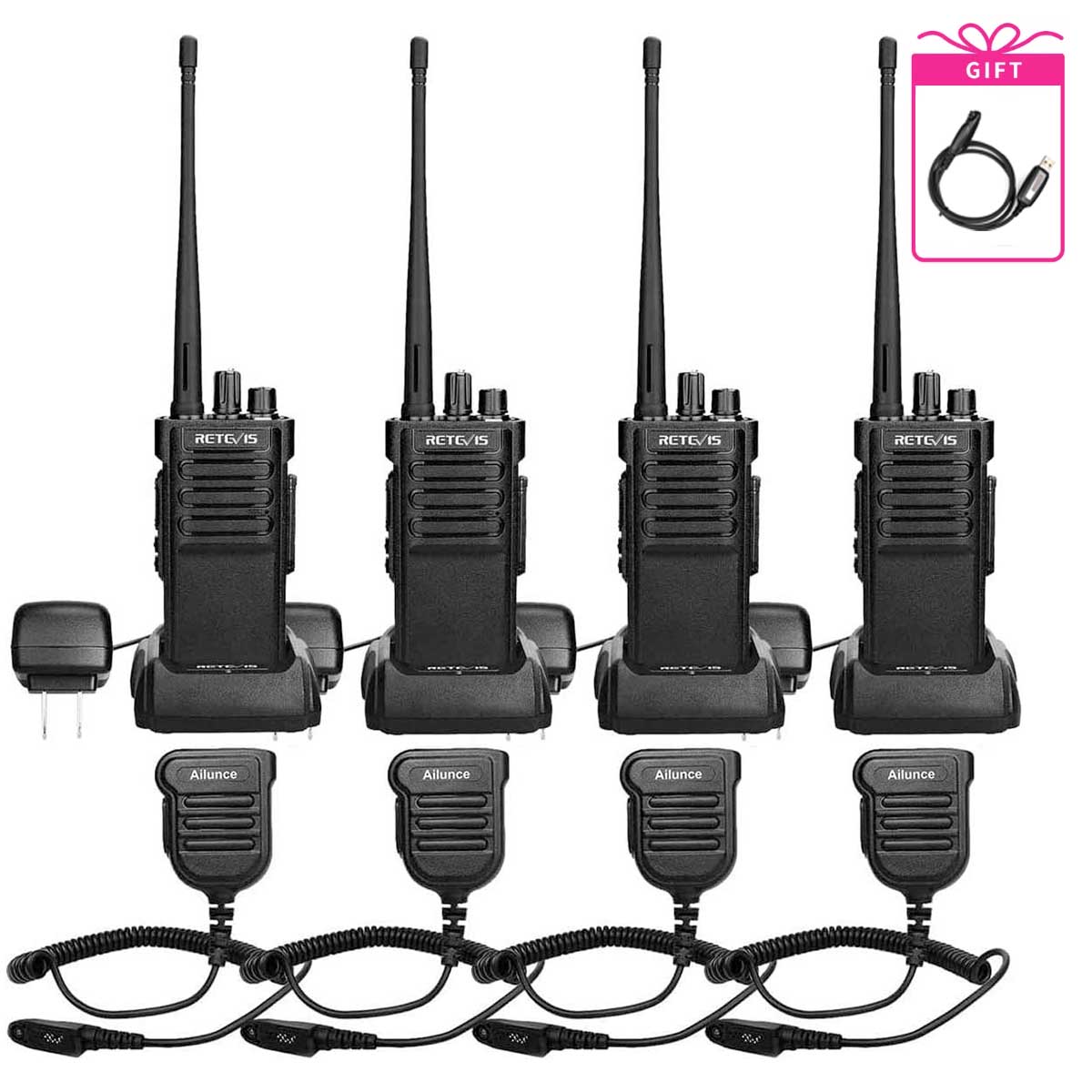
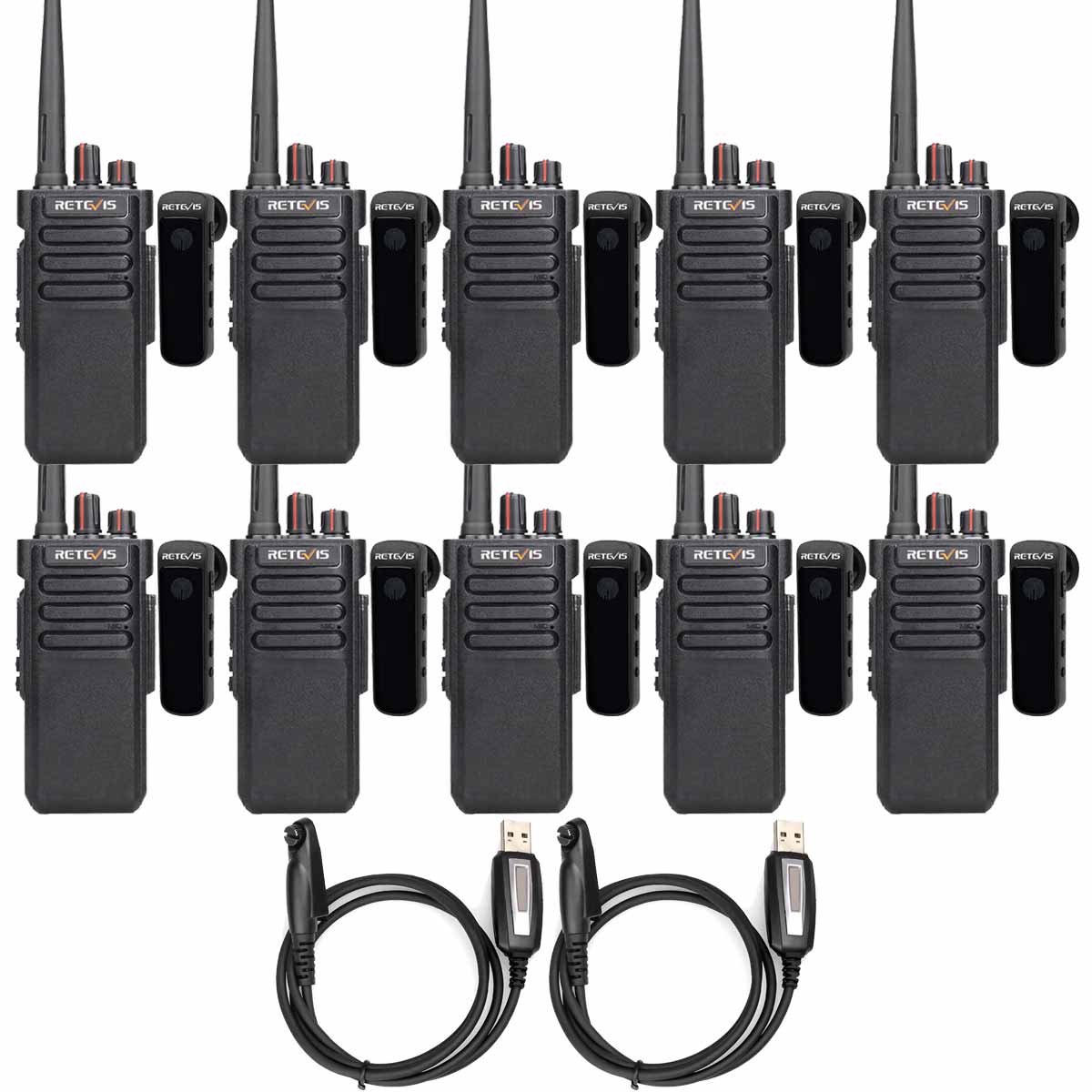
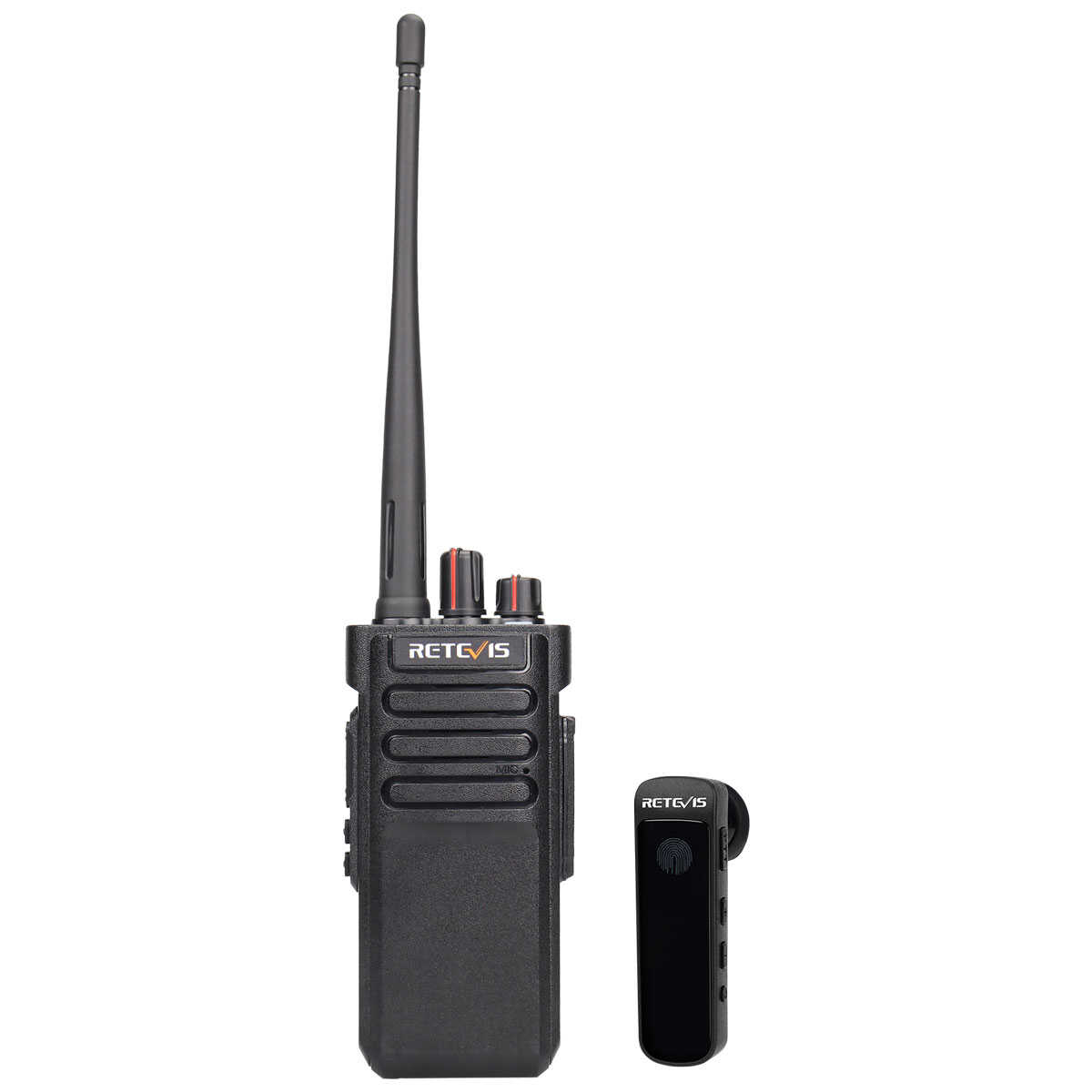
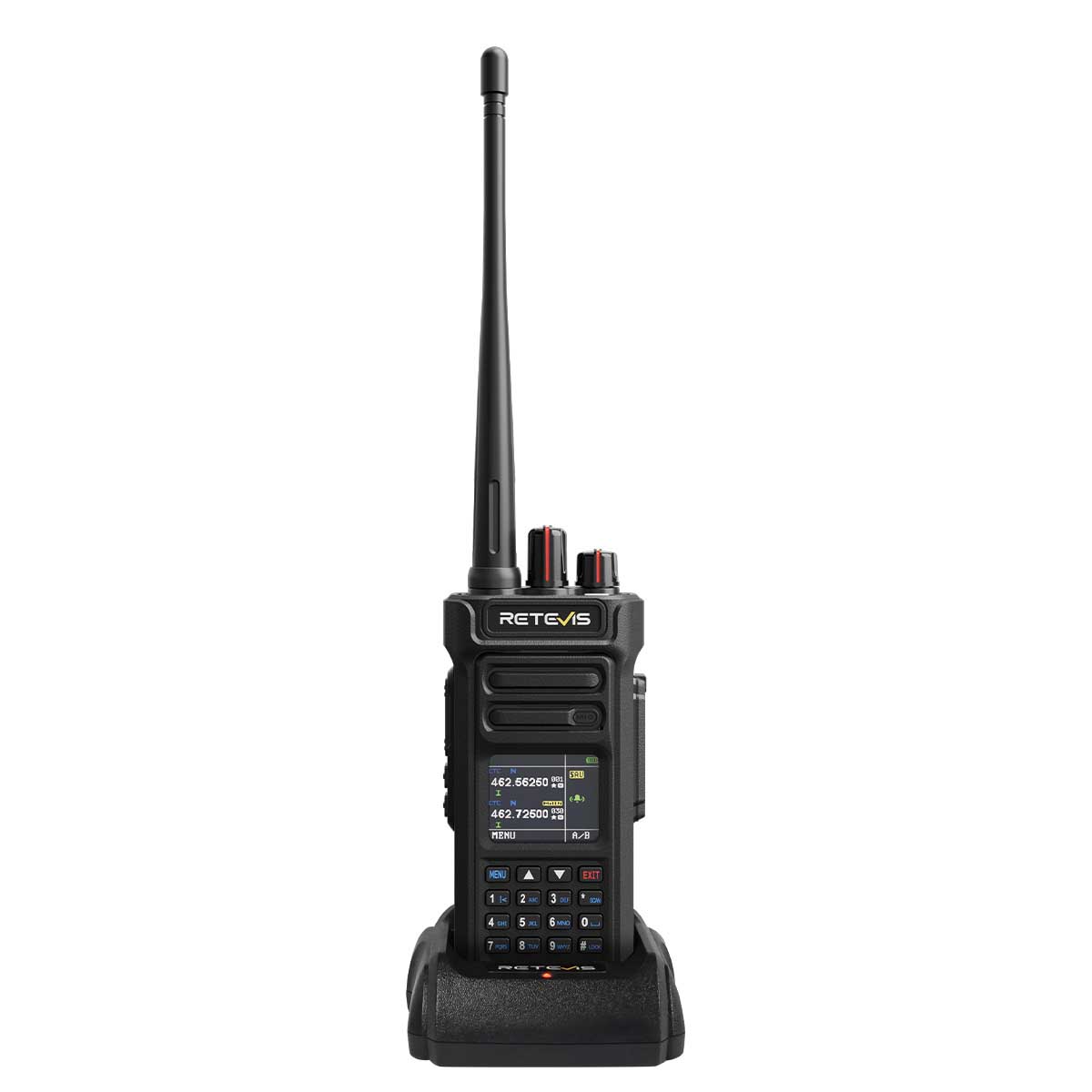
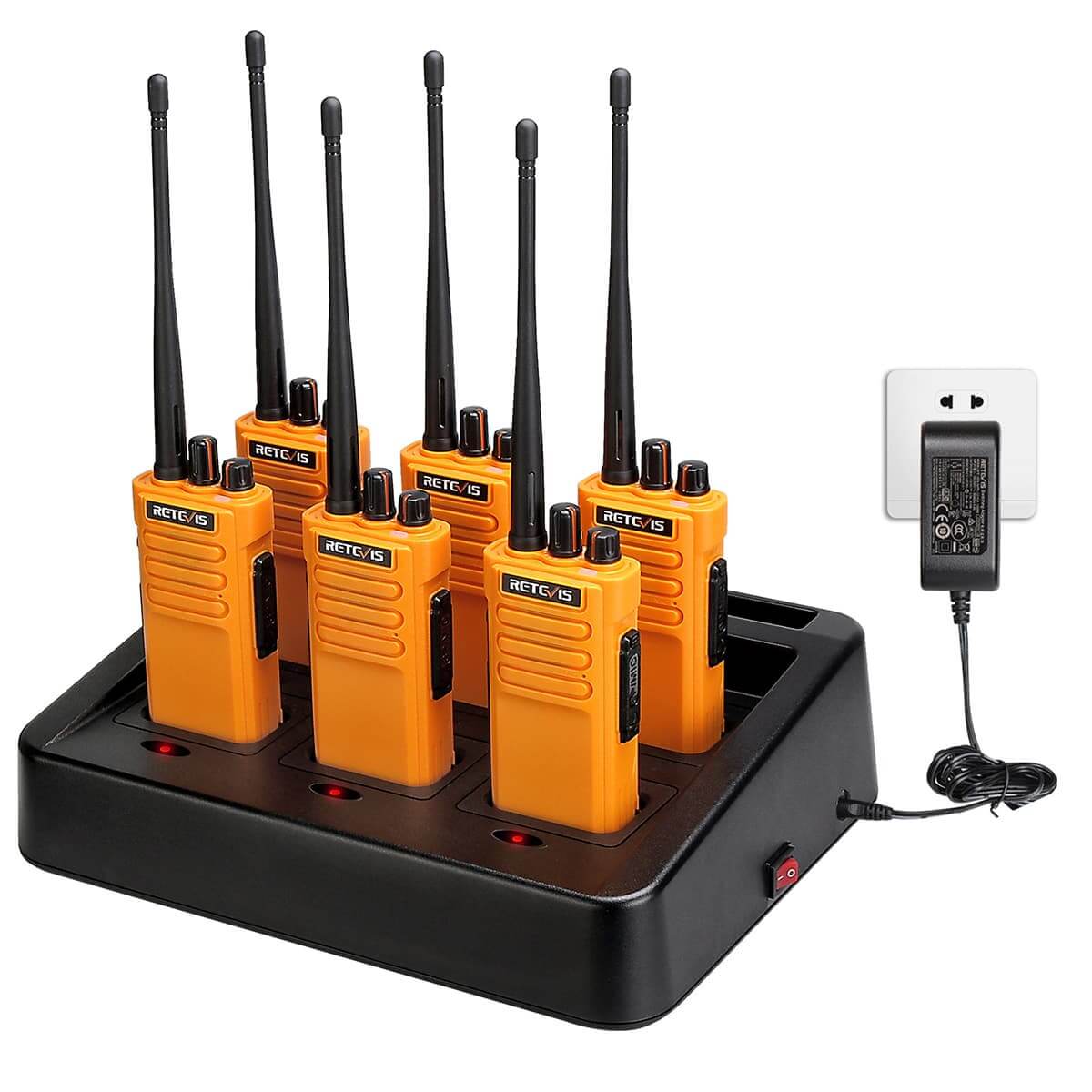
Why the RETEVIS RT29 Fits Construction Environments
Construction crews need more than basic radio communication.
They need equipment that can handle long shifts, harsh weather, and challenging RF conditions.
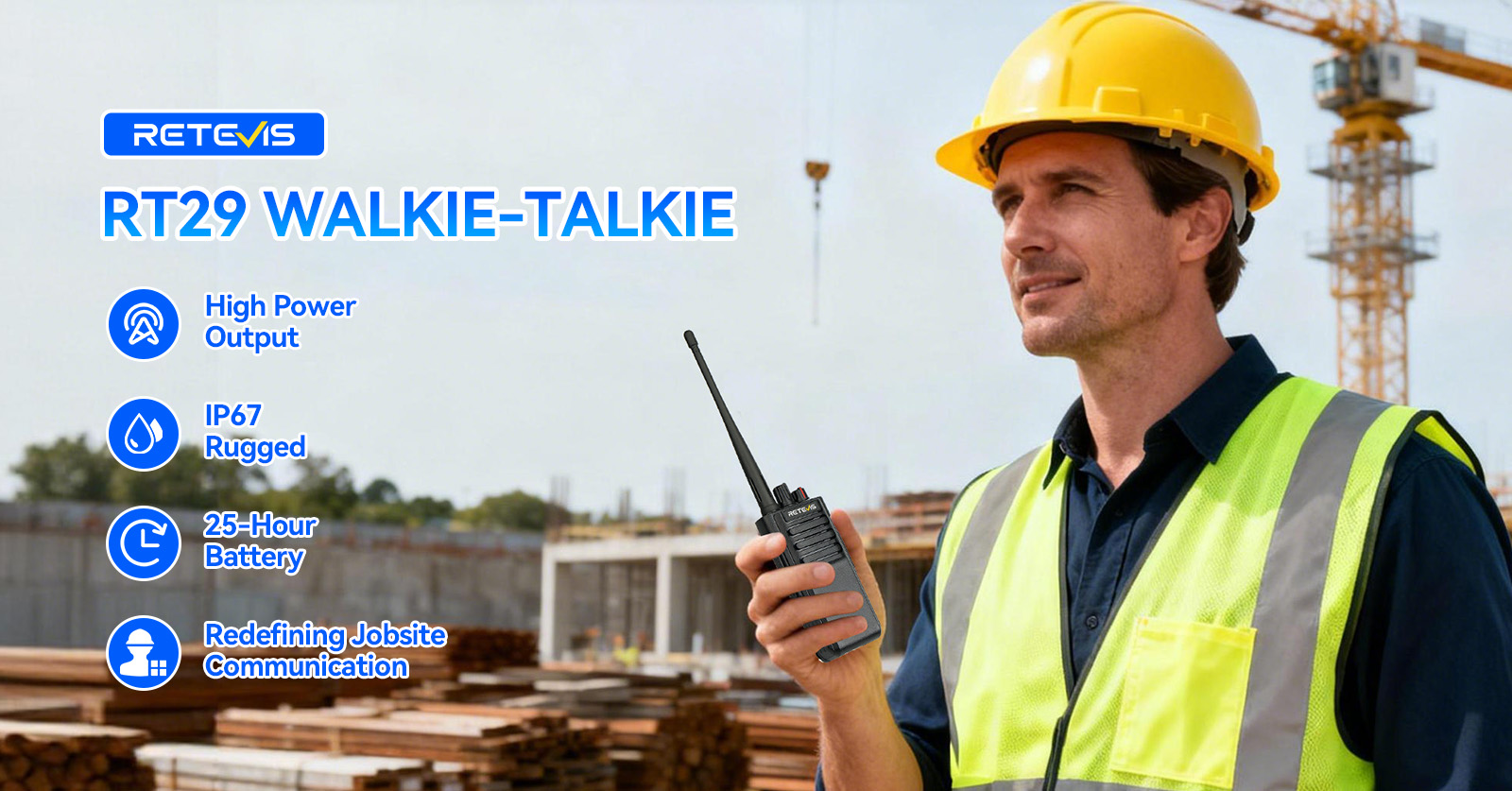
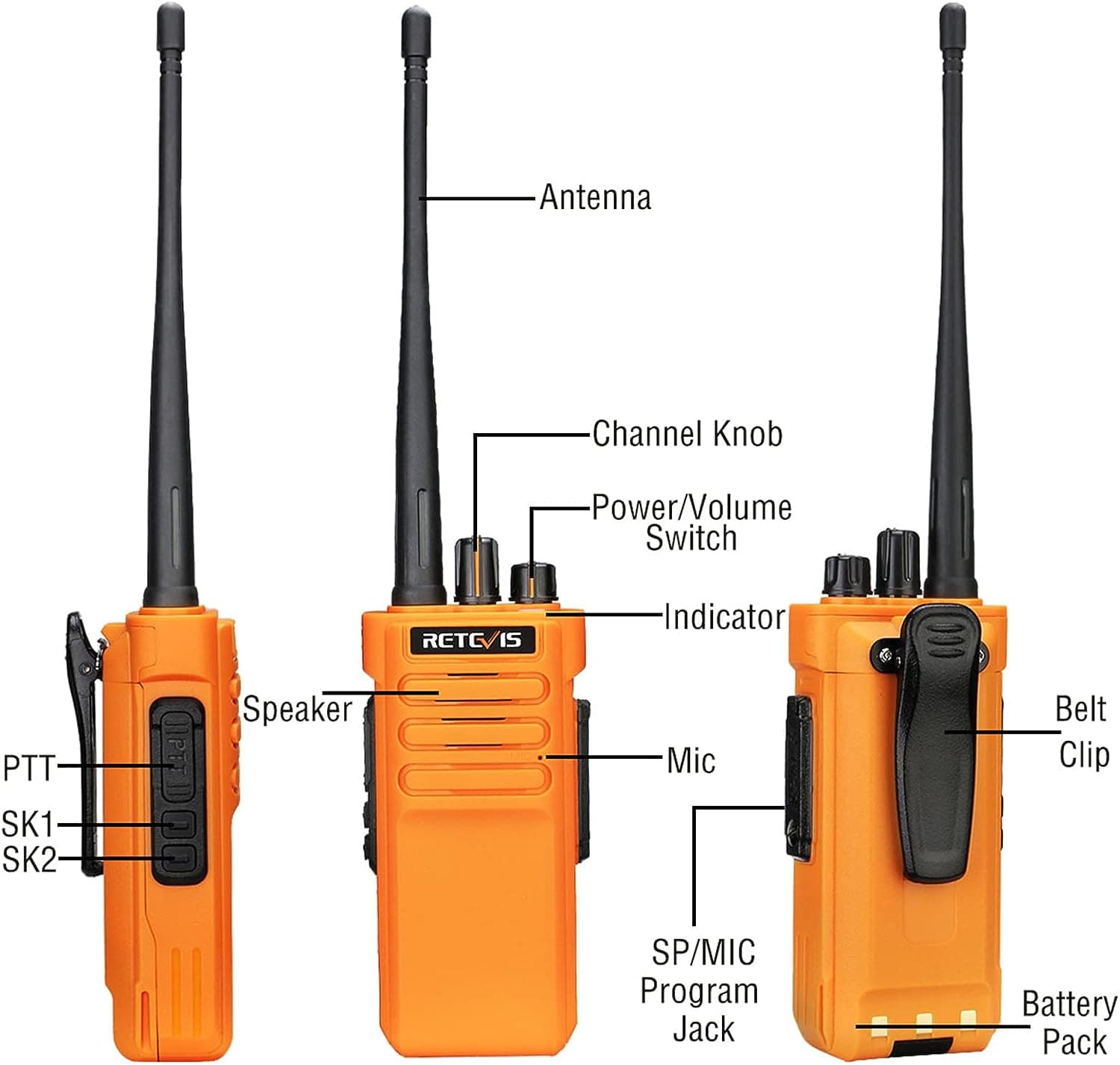
The RETEVIS RT29 was designed with these requirements in mind.
Its high-power output helps maintain strong communication across large jobsites. Workers can stay connected even when interference sources are present nearby.
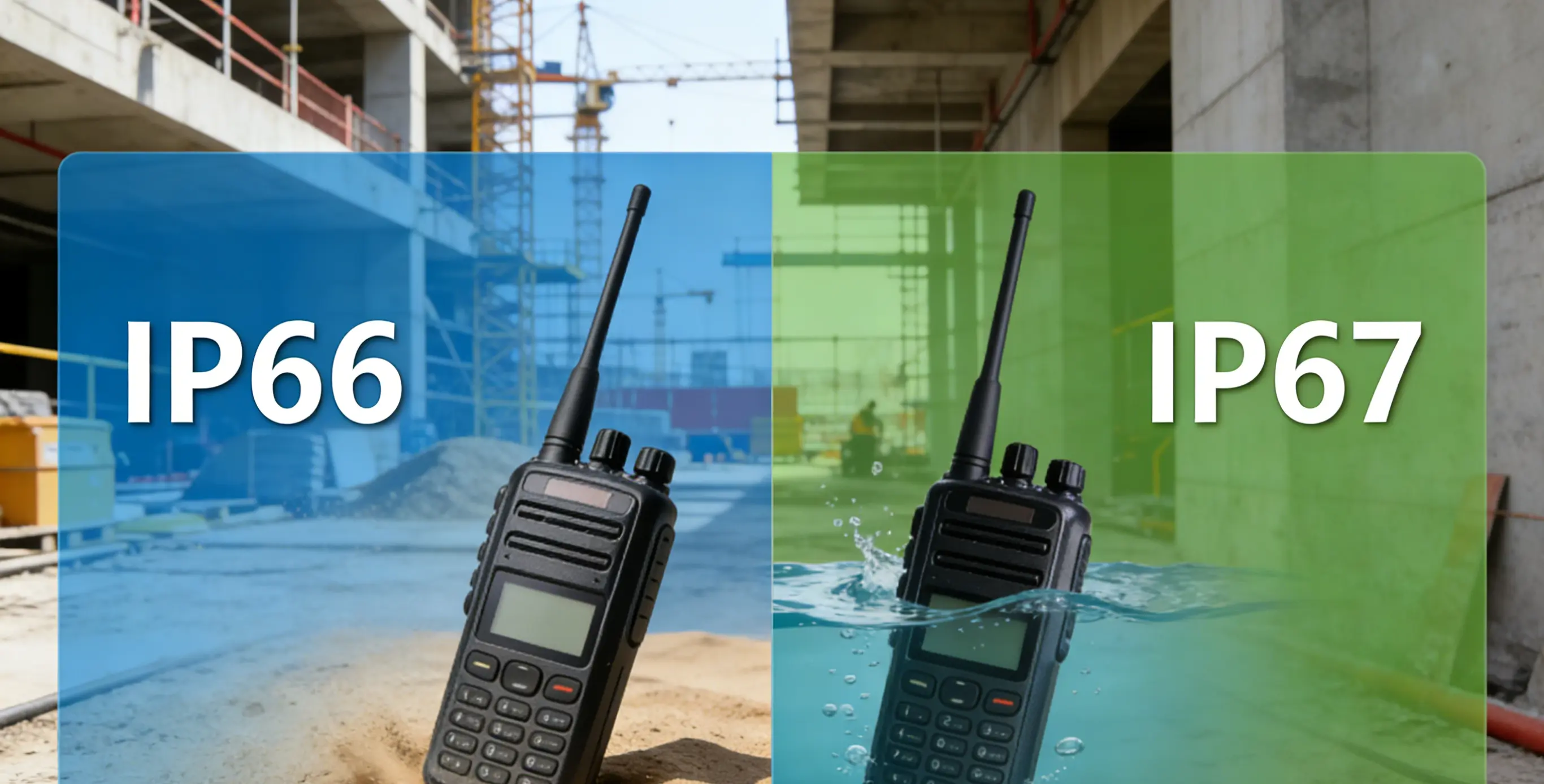
The rugged housing is built for demanding work environments. Daily drops, dust, and rough handling are common realities on construction projects.
Rain is another challenge. The RT29's water-resistant design helps crews stay connected during changing weather conditions.
Long battery life is equally important. A radio that cannot last through an entire shift creates its own set of problems. The RT29 is designed to support extended operation, helping workers maintain communication throughout the workday.
For crews dealing with LED lighting interference, strong signal performance can make a noticeable difference in day-to-day operations.
×
Subscribe to Retevis Updates
Sign up now and unlock exclusive offers on your subscription!
Reliable Communication Starts With the Right Equipment
LED work lights, amber strobes, generators, and other electrical equipment are now standard on many construction sites.
The interference they generate is unlikely to disappear.
The good news is that communication problems caused by interference can often be reduced or eliminated through the right combination of equipment and jobsite practices.
A high-power construction radio, proper antenna maintenance, quality lighting systems, and good site planning all contribute to better communication.
When every instruction matters, reliable communication becomes more than a convenience. It becomes an essential part of jobsite safety, productivity, and efficiency.










Comments
No data Yet