Construction Radio Communication Guide: Why Simple Radios Work Better on Jobsites
Posted by:Retevis
Why does less often become more in construction communication?
Walk onto a modern construction site, and technology is everywhere: GPS-guided machinery, BIM models, cloud collaboration. Yet when we look at the tools responsible for construction radio communication,—are becoming simpler. Fewer buttons, fewer menus, even no screens in some cases.
For teams that depend on long shift communication radios, this shift is not a step backward. It is a response to the realities of the jobsite.
In environments where workers face noise, fatigue, weather exposure, and constant safety considerations, simplicity often delivers more value than sophistication.
×
Subscribe to Retevis Updates
Sign up now and unlock exclusive offers on your subscription!
Construction Radio Communication: The Paradox of Simplicity
More Technology Everywhere—Except in Jobsite Communication Devices
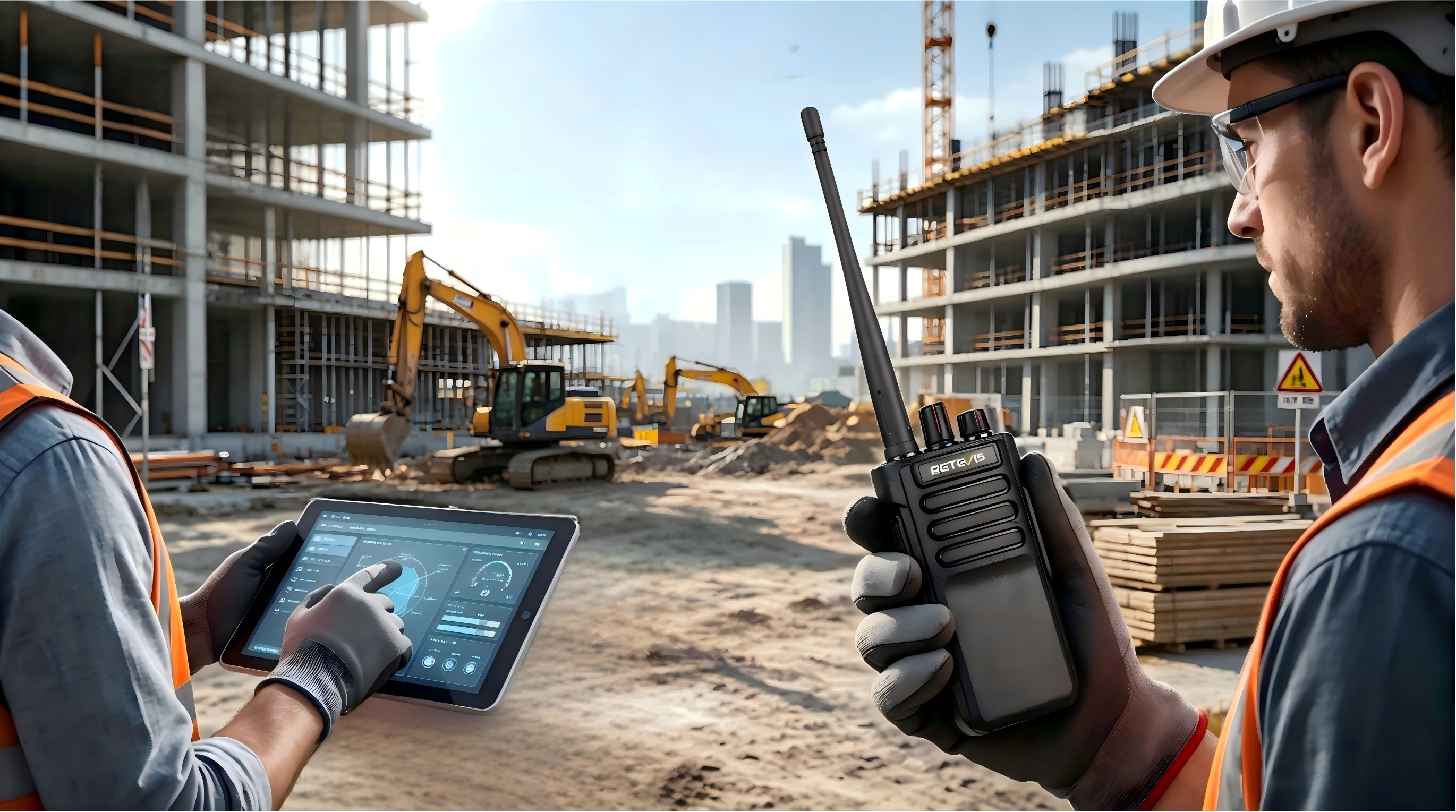
Construction sites have embraced digital tools for scheduling, blueprinting, and safety reporting. Yet the most critical layer of daily coordination—voice communication—remains stubbornly analog in spirit.
In most industries, technology follows a predictable path: devices become smarter, interfaces become more sophisticated, and feature lists become longer.
Construction radios appear to be moving in the opposite direction.
At first glance, this trend may seem outdated. Why would an industry embrace simplicity when the rest of the world is pursuing complexity? The answer lies not in the limitations of technology, but in the realities of the construction environment.
Construction Environments Punish Complexity
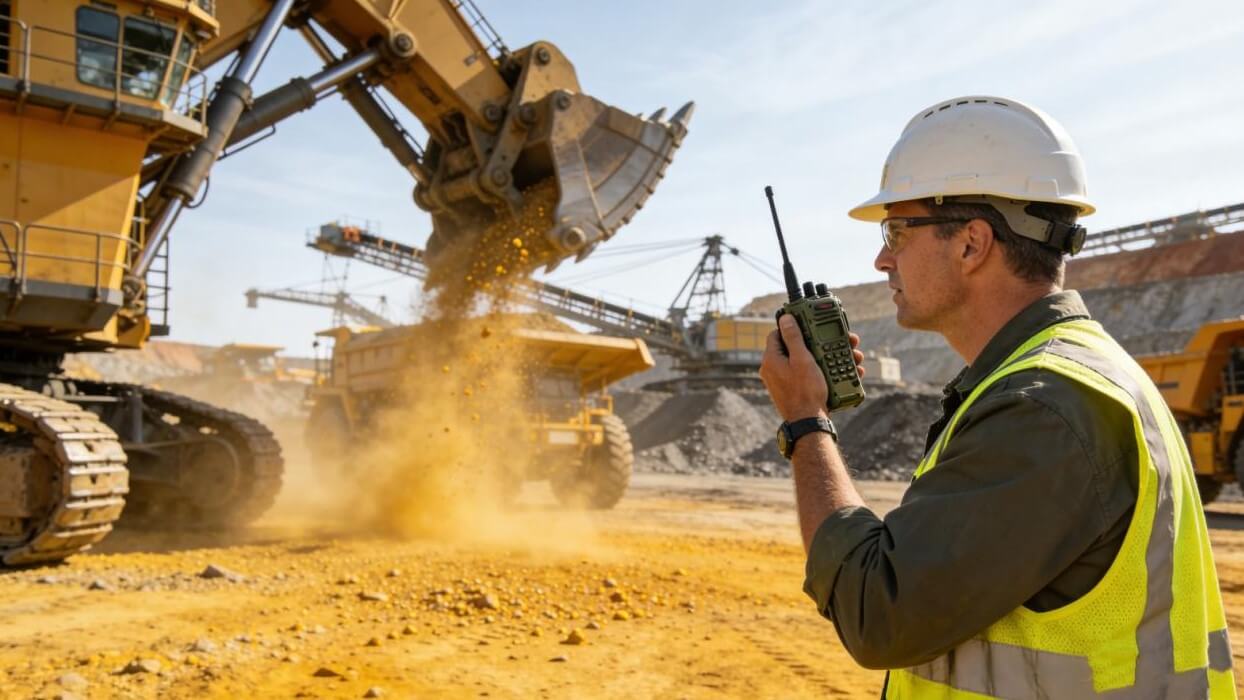
Construction sites are uniquely effective at exposing unnecessary complexity. Workers operate around moving equipment, changing site conditions, weather challenges, and safety hazards. Their primary objective is not interacting with communication devices—it is completing physical work safely and efficiently.
Every additional menu, setting, or interface element introduces friction. A feature that seems useful in a product demonstration may become an obstacle when a worker is wearing gloves, standing on scaffolding, or operating in poor visibility.
Over time, construction environments naturally filter out designs that demand excessive attention. This is why successful jobsite communication devicestend to prioritize immediate usability over feature abundance.
In construction, simplicity is not a limitation. It is an adaptation.
Why Human Factors Shape Simple Construction Two-Way Radio Design
When communication challenges occur on construction sites, the issue is often attributed to inadequate training. Human factors research suggests a different explanation.
Construction workers continuously manage competing demands throughout the workday. They monitor equipment, coordinate with coworkers, maintain situational awareness, and respond to changing conditions. Physical fatigue further increases mental strain over long shifts.
This leaves limited cognitive bandwidth available for operating communication equipment.
A radio that requires workers to navigate multiple menus or remember complex settings effectively competes for the same mental resources needed to perform their jobs safely.
This is why a simple construction two-way radio often delivers better real-world performance than a feature-rich alternative. The objective is not reducing functionality. It is reducing the effort required to access that functionality.
The Shift from Visual Interaction to Tactile Interaction
Most modern consumer electronics are designed around screens. Construction sites, however, are environments where visual interaction is often compromised.
Dust can obscure displays. Bright sunlight reduces readability. Night work limits visibility. Gloves make precision touch controls impractical.
Under these conditions, tactile interaction becomes more reliable than visual interaction.
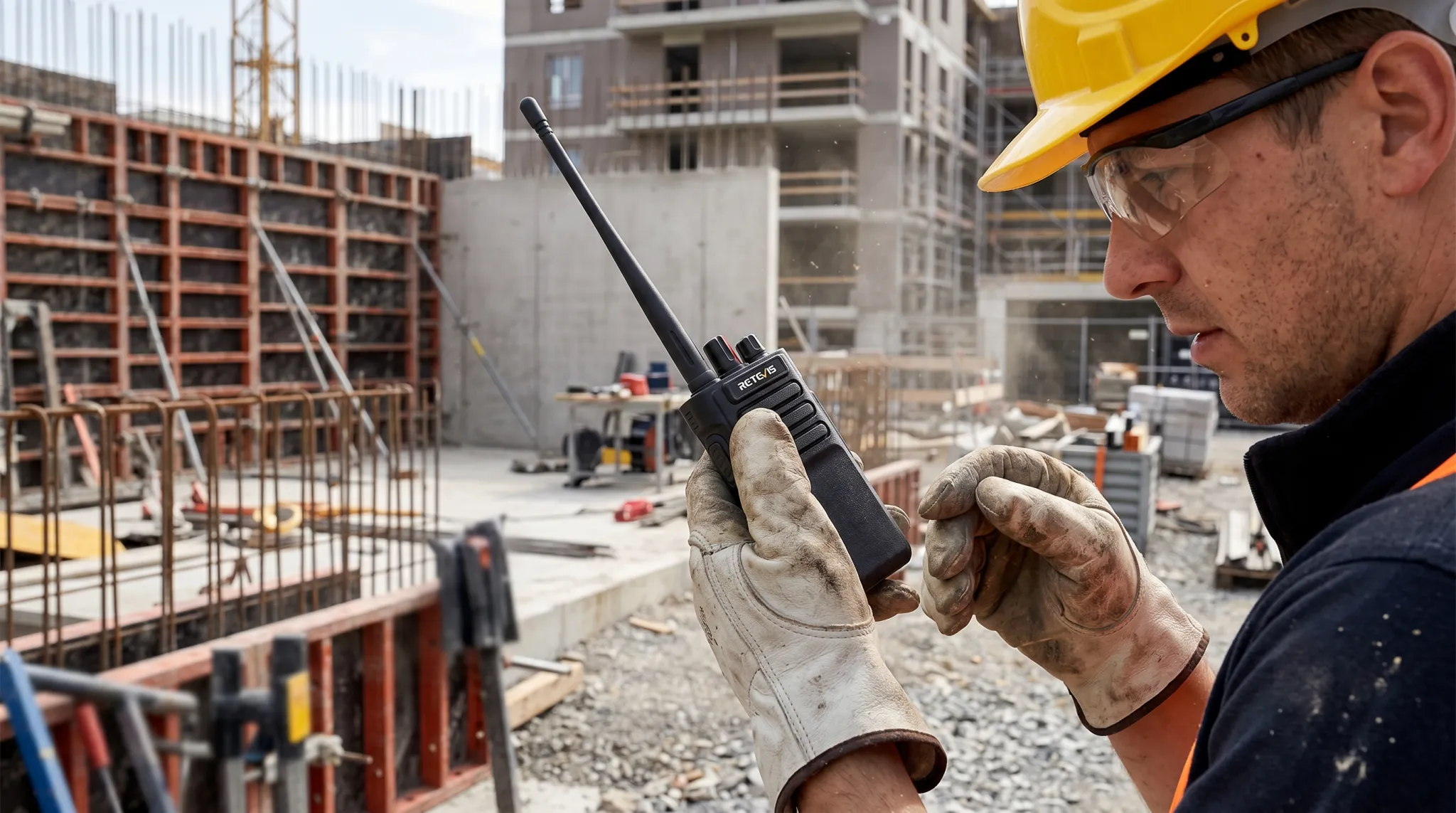
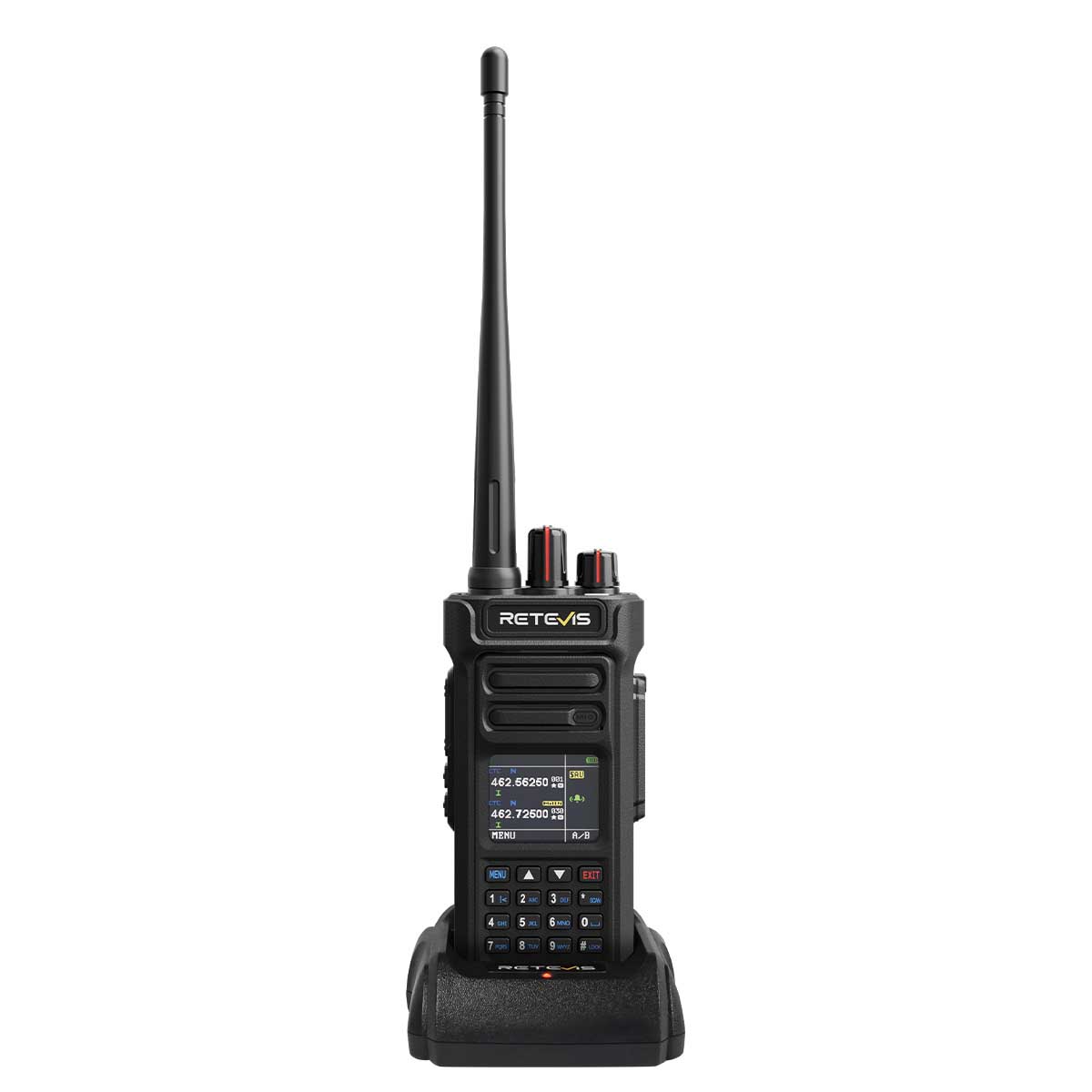
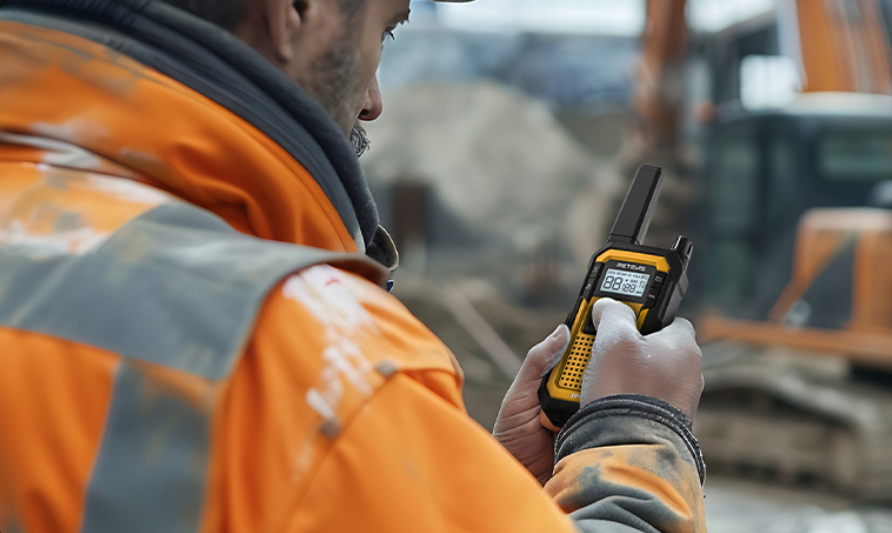
This helps explain the enduring popularity of minimal button two-way radios. Large, clearly identifiable controls allow workers to operate devices through touch alone, reducing dependence on visual attention and improving response speed.
Long Shift Communication Radios and the Hidden Cost of Interruptions
Battery Failure Is Rarely a Communication Failure
Battery life is frequently discussed as a hardware specification, but its true impact is operational.
When a radio loses power, communication does not disappear entirely. Workers can often rely on phones, supervisors, or backup equipment. The greater issue is the disruption introduced into the workflow.
Someone must locate a charger. Equipment may need to be reassigned. Shift supervisors may need to coordinate replacements. These interruptions consume time and attention, even when communication itself remains possible.
Long Battery Life Reduces Management Friction
This is why long battery life walkie talkie designs remain highly valued in construction environments.
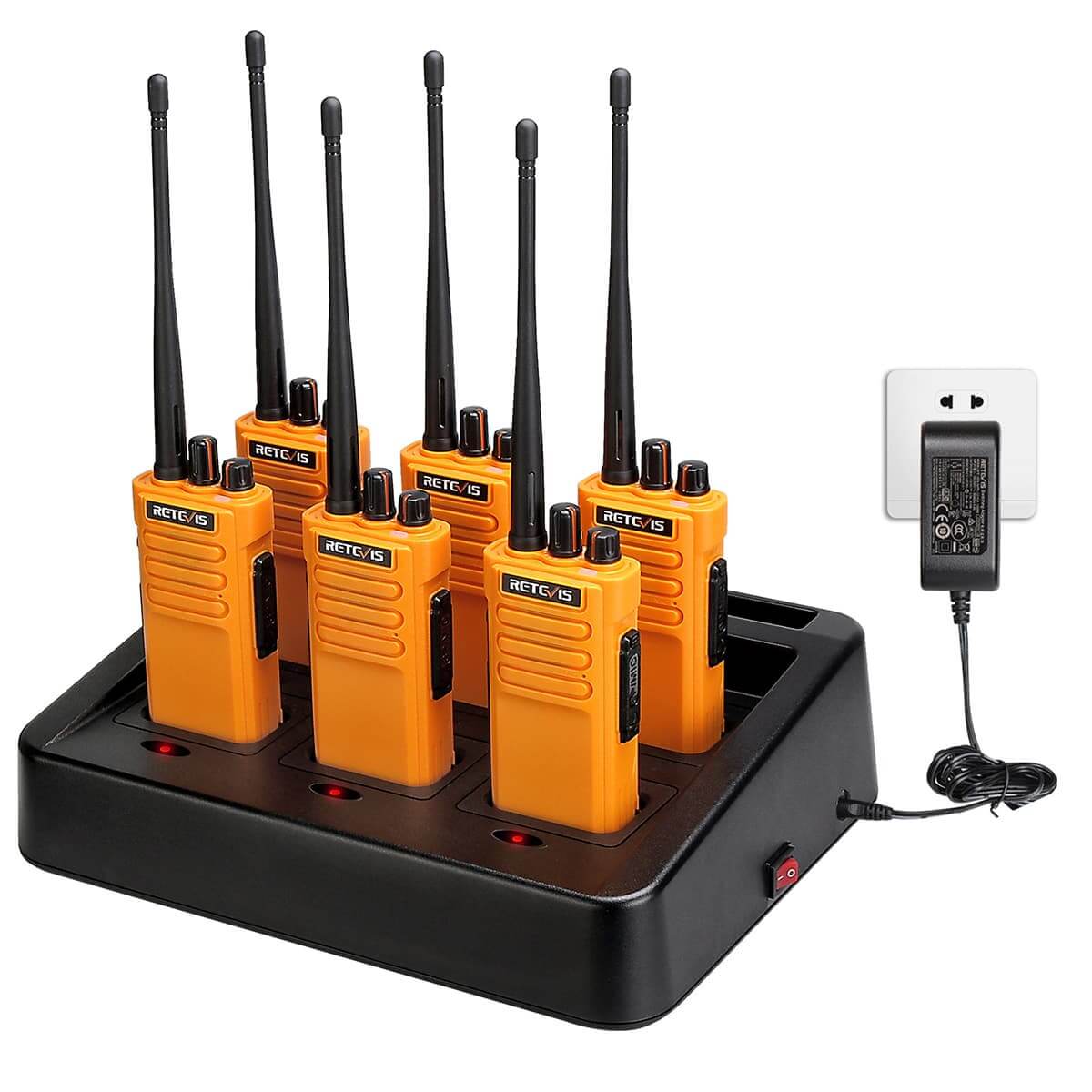
For supervisors managing multiple crews, communication equipment becomes easier to assign, track, and maintain when batteries reliably last through an entire shift.
The value of long shift communication radios is not simply that they stay powered longer. Their real advantage is reducing operational friction and helping communication systems remain predictable throughout the day.
A Real-World Example of Reliable Radios for Construction Workers
Long Shifts and Workflow Continuity
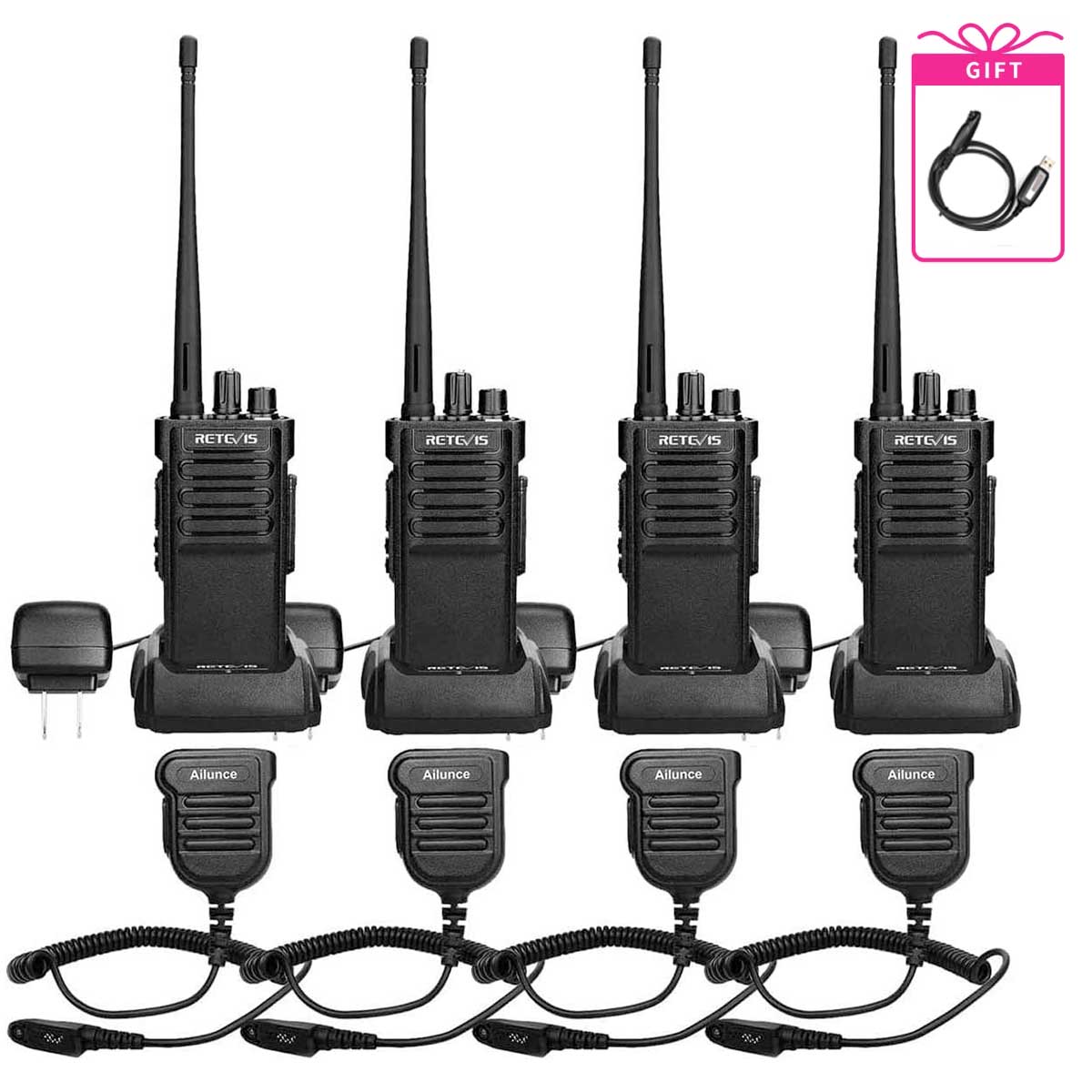
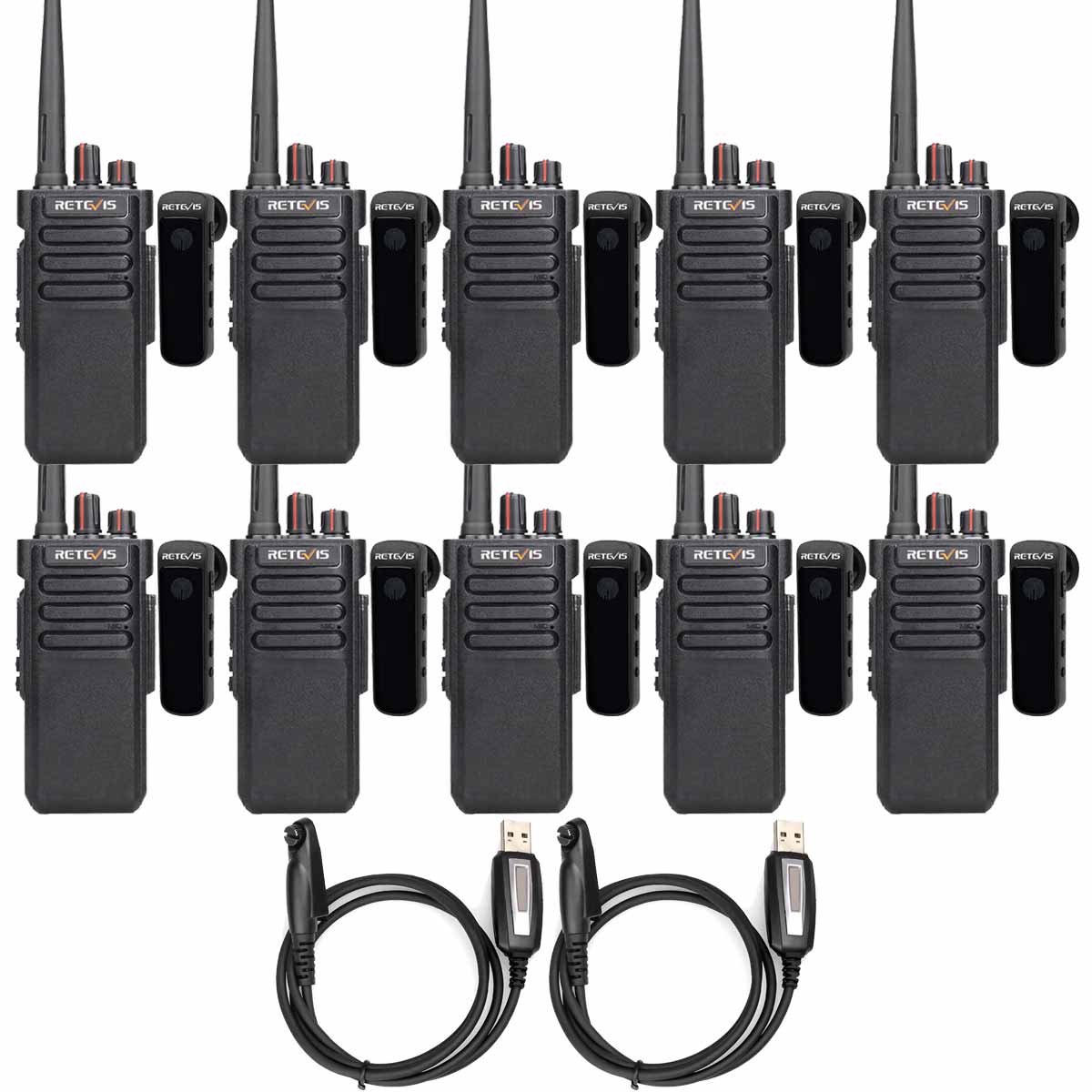
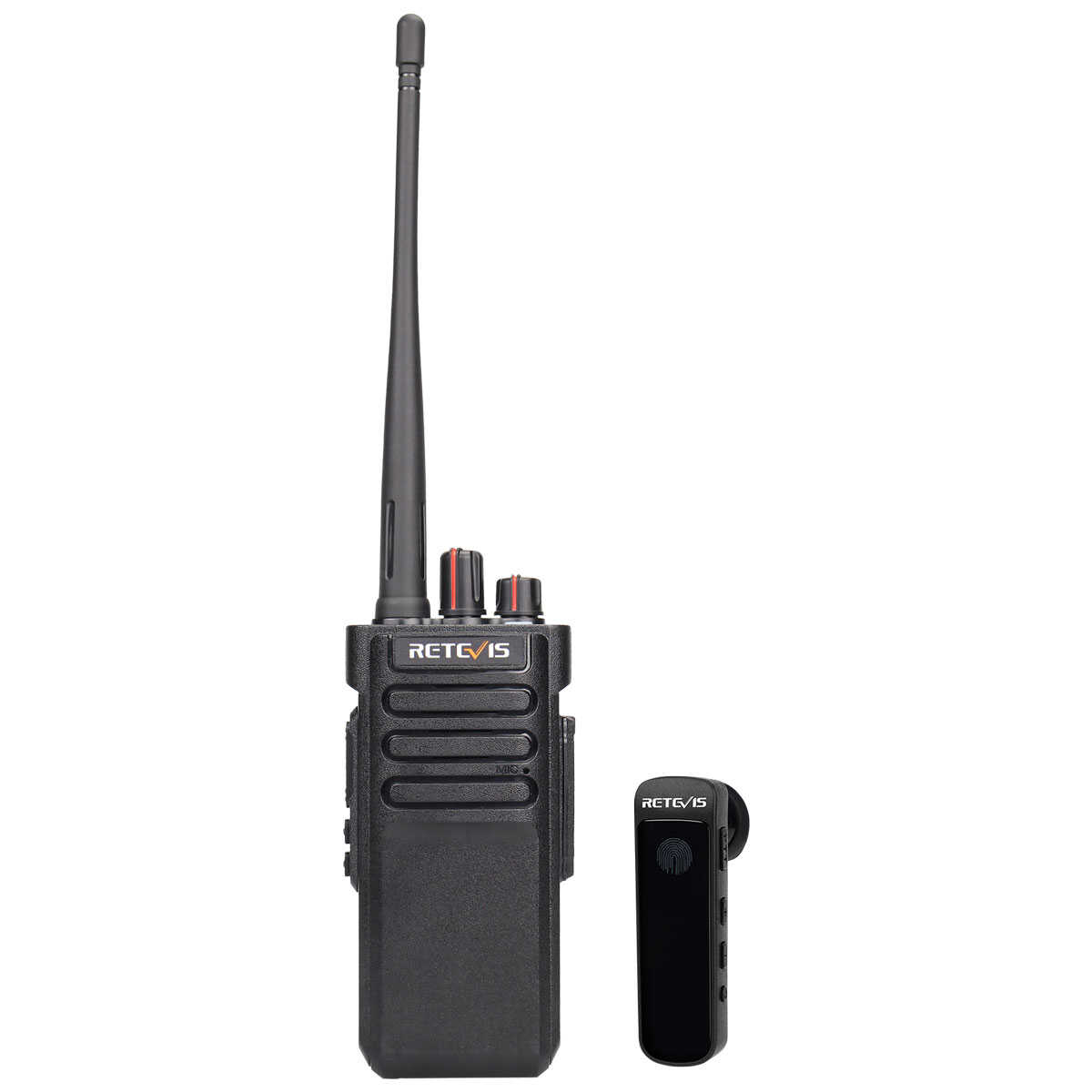
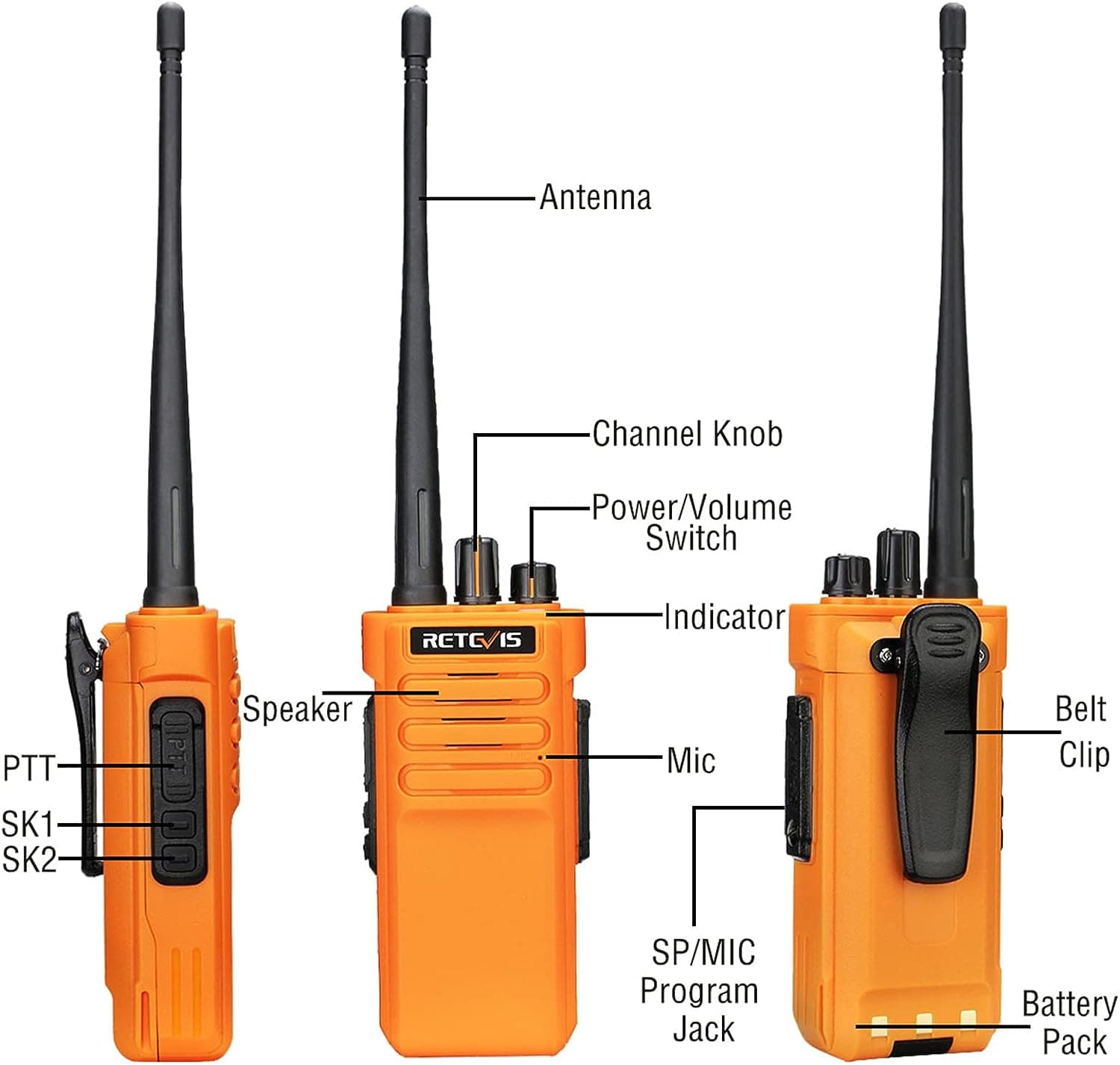
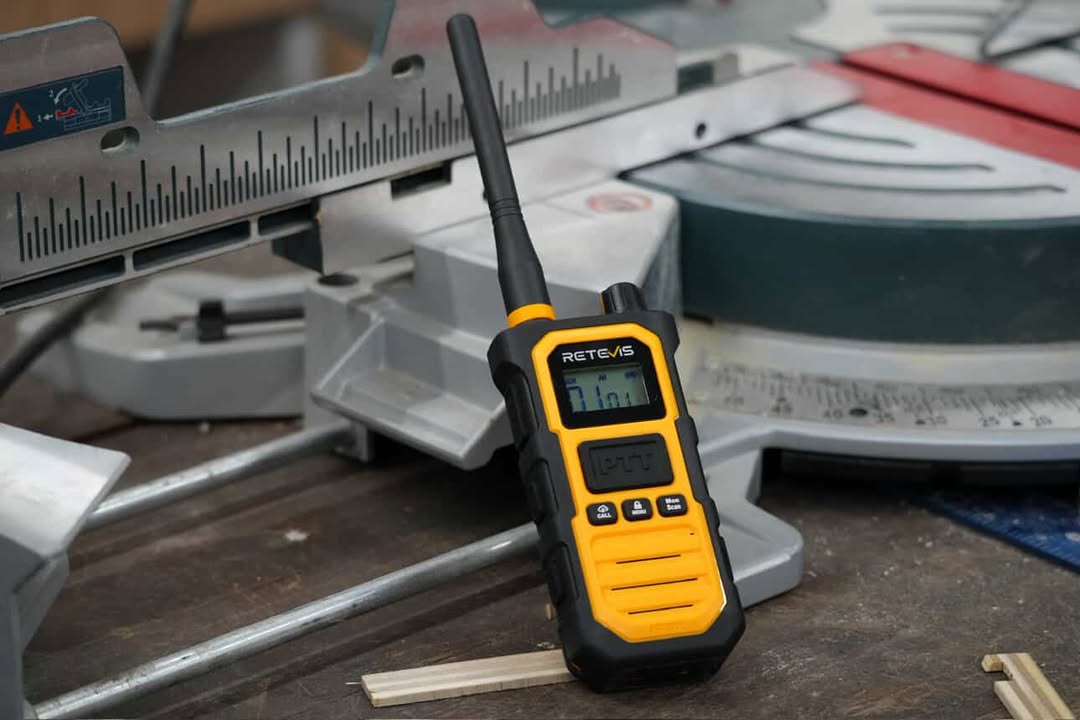
The Retevis RT29 serves as a practical example of how these principles can be implemented.
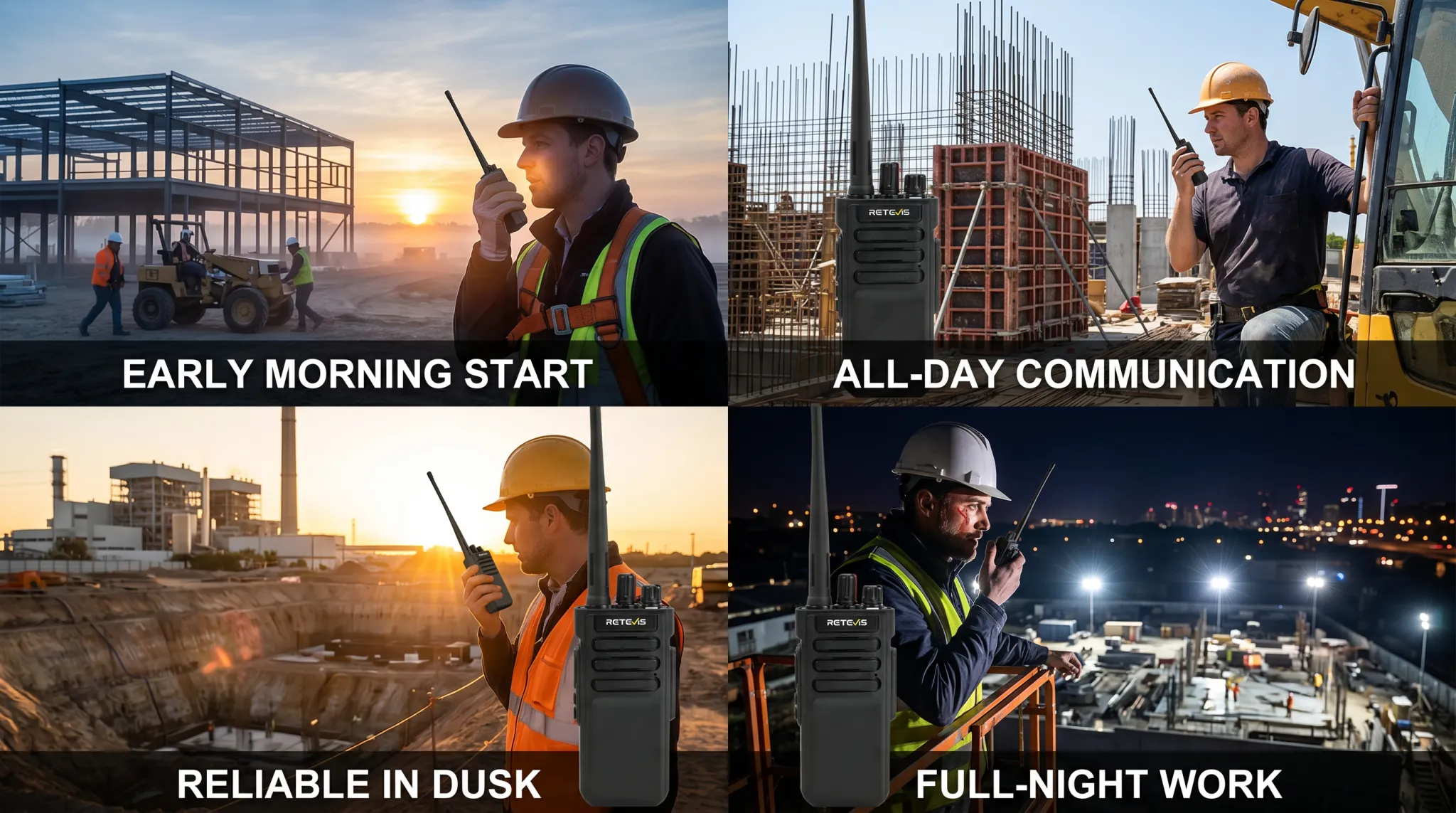
Its 3200mAh battery directly addresses the workflow continuity challenges discussed earlier, helping crews maintain communication throughout extended work periods.
Three Buttons and Tactile Operation
The radio's screen-free design and three-button layout align closely with tactile operation principles. Workers can quickly identify and use controls without relying heavily on visual attention.
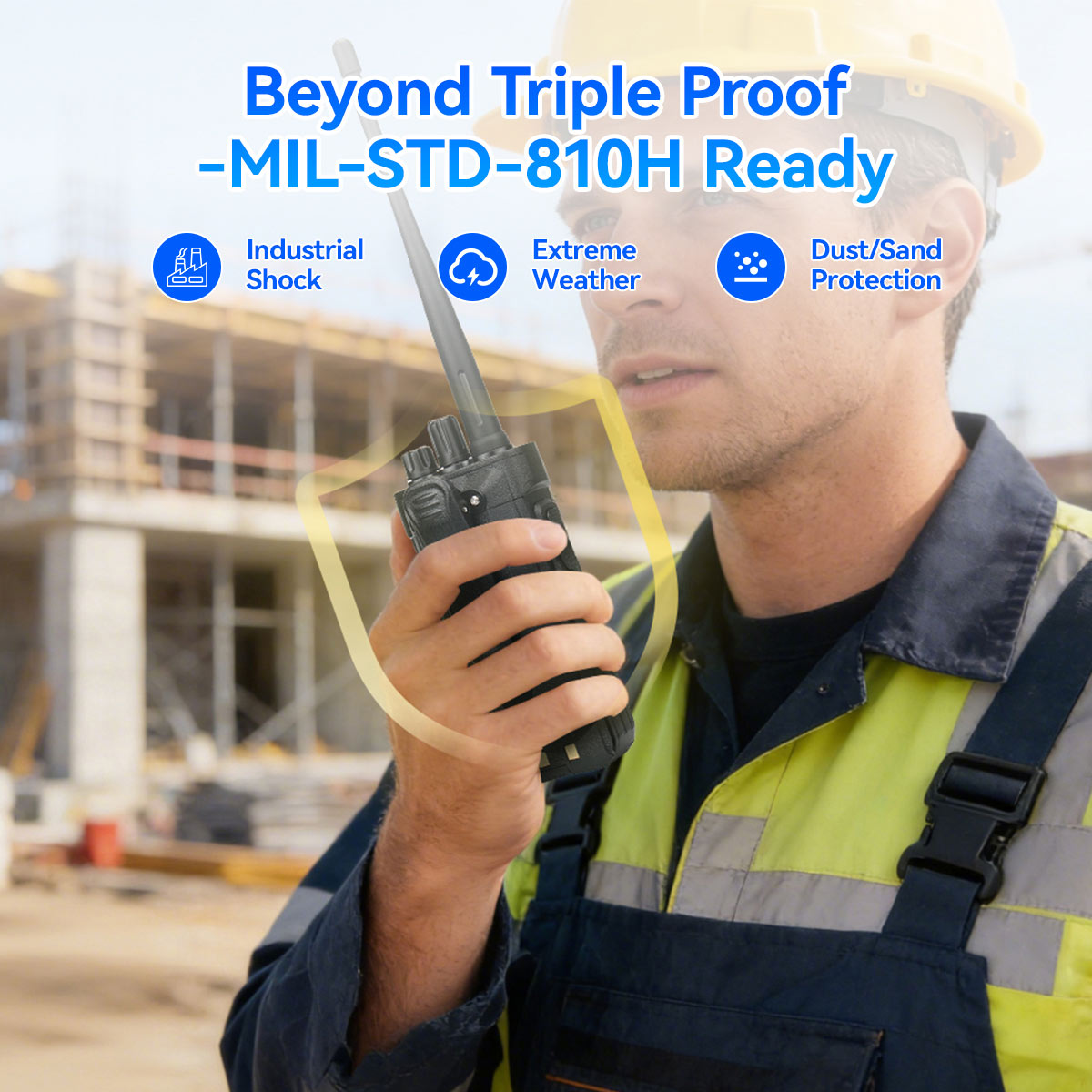
IP67 Protection and Rugged Minimalism
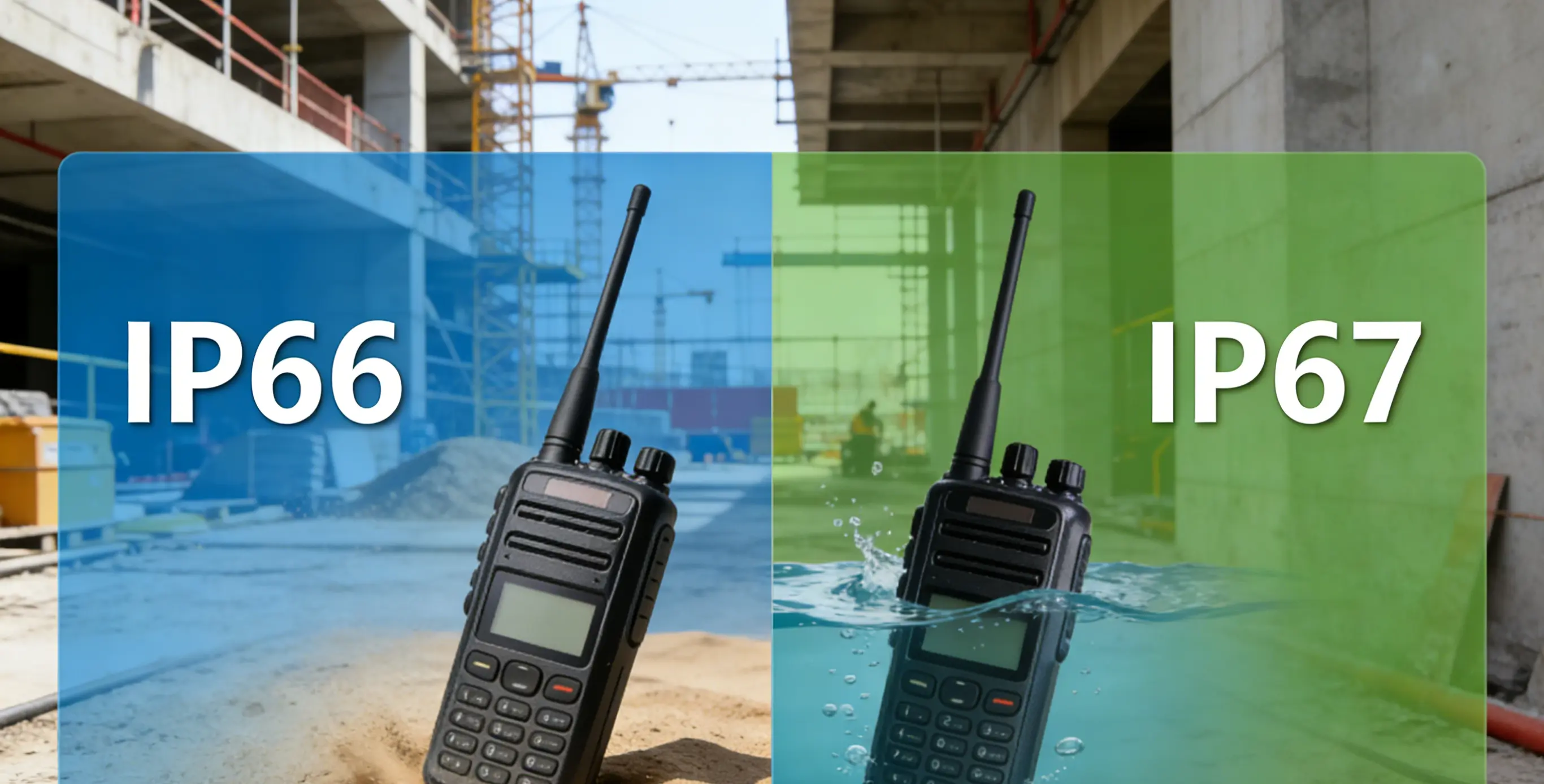
Its IP67 protection rating and durable ABS housing demonstrate how rugged minimalism can improve both usability and durability, making it a practical heavy-duty walkie talkie for workers in demanding environments.
Conclusion: Simplify to Amplify
The construction industry is complex enough without adding complicated gadgets. Built for the Long Shift means engineering radios that disappear into the workflow — reliable, long-lasting, and incredibly simple.
Good construction radio communication is not a luxury on job sites—it is the invisible backbone that keeps every lift, delivery, and safety check running on time.
The ultimate goal of communication technology is not to attract attention. It is to remove obstacles. When workers no longer need to think about their radios, they can focus entirely on safety, productivity, and the work itself.
For project managers and site supervisors, that raises an important question:
Does your current radio system help your team focus on the job, or does it constantly demand attention?
If batteries regularly need replacing mid-shift, if workers struggle with unnecessary controls, or if communication becomes another task to manage rather than a tool that supports the work, it may be time to rethink what reliability really means.
Retevis RT29 delivers exactly that — a tool built for the long shift, designed to simplify, engineered to endure. I believe it will be a reliable and efficient choice, Don't you want to have a try? Contact us to get your jobsite communication devices.
×
Subscribe to Retevis Updates
Sign up now and unlock exclusive offers on your subscription!







Comments
No data Yet