
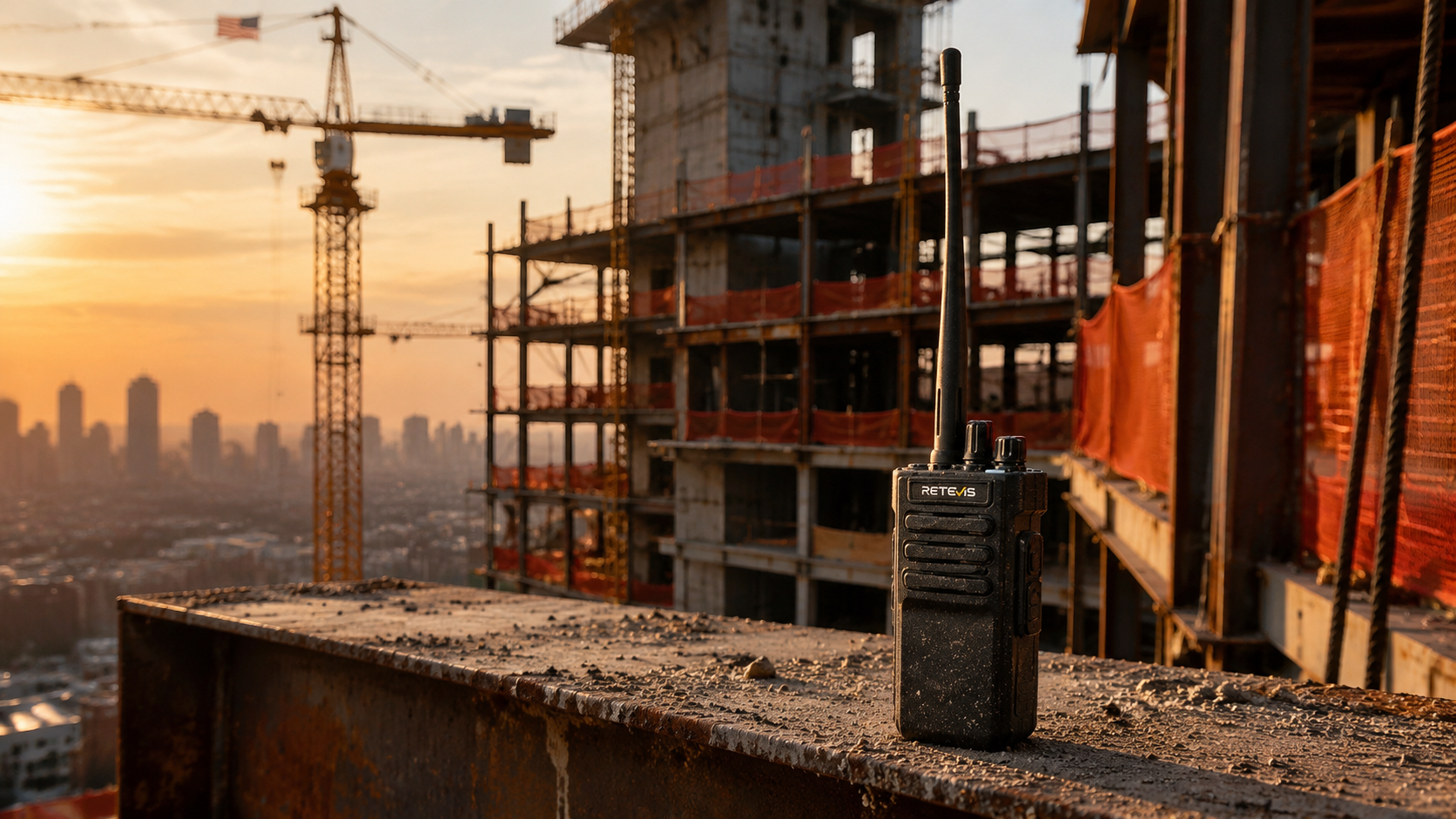
Explore the best two way radios for construction. Learn how construction radios, worksite radios, and portable contractor radios improve safety, communication, and efficiency, supported by industry data and standards.
Why Construction Sites Require Dedicated Radios
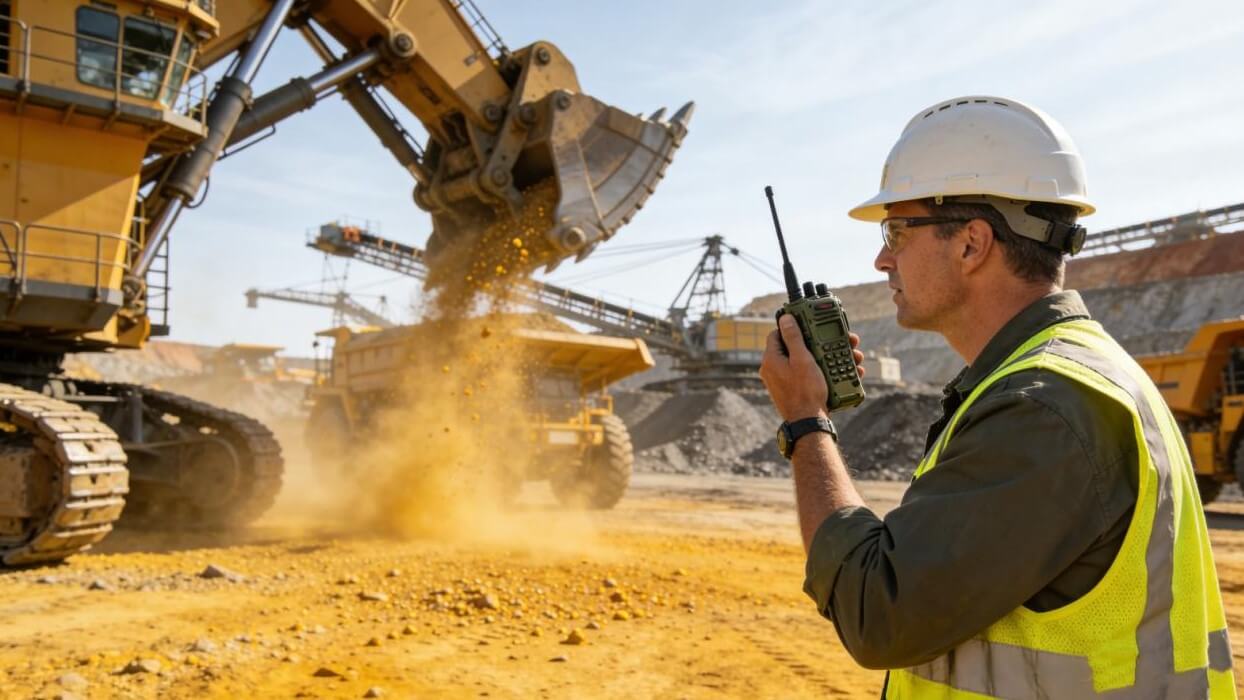
Construction environments present unique challenges for communication:
-
Signal Dead Zones – Basements, elevator shafts, and high-rise towers often have poor cell coverage. A study by the National Institute for Occupational Safety and Health (NIOSH) highlights that underground or enclosed spaces on sites can reduce mobile signal strength by up to 80%.
-
Excessive Noise – Typical construction machinery produces sound levels of 85–110 decibels, far exceeding safe hearing levels. Phones cannot filter this background noise effectively, making conversations difficult.
-
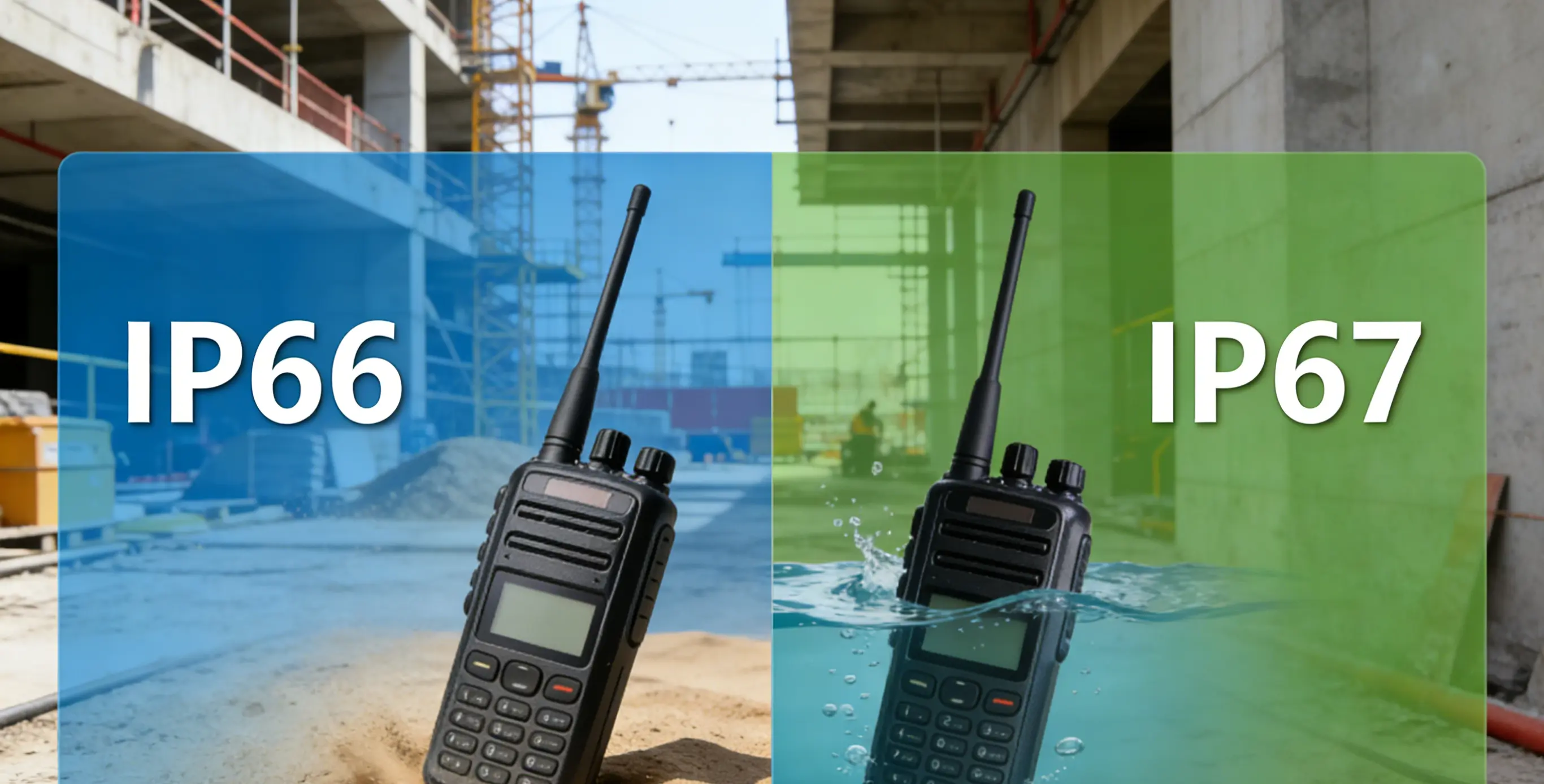
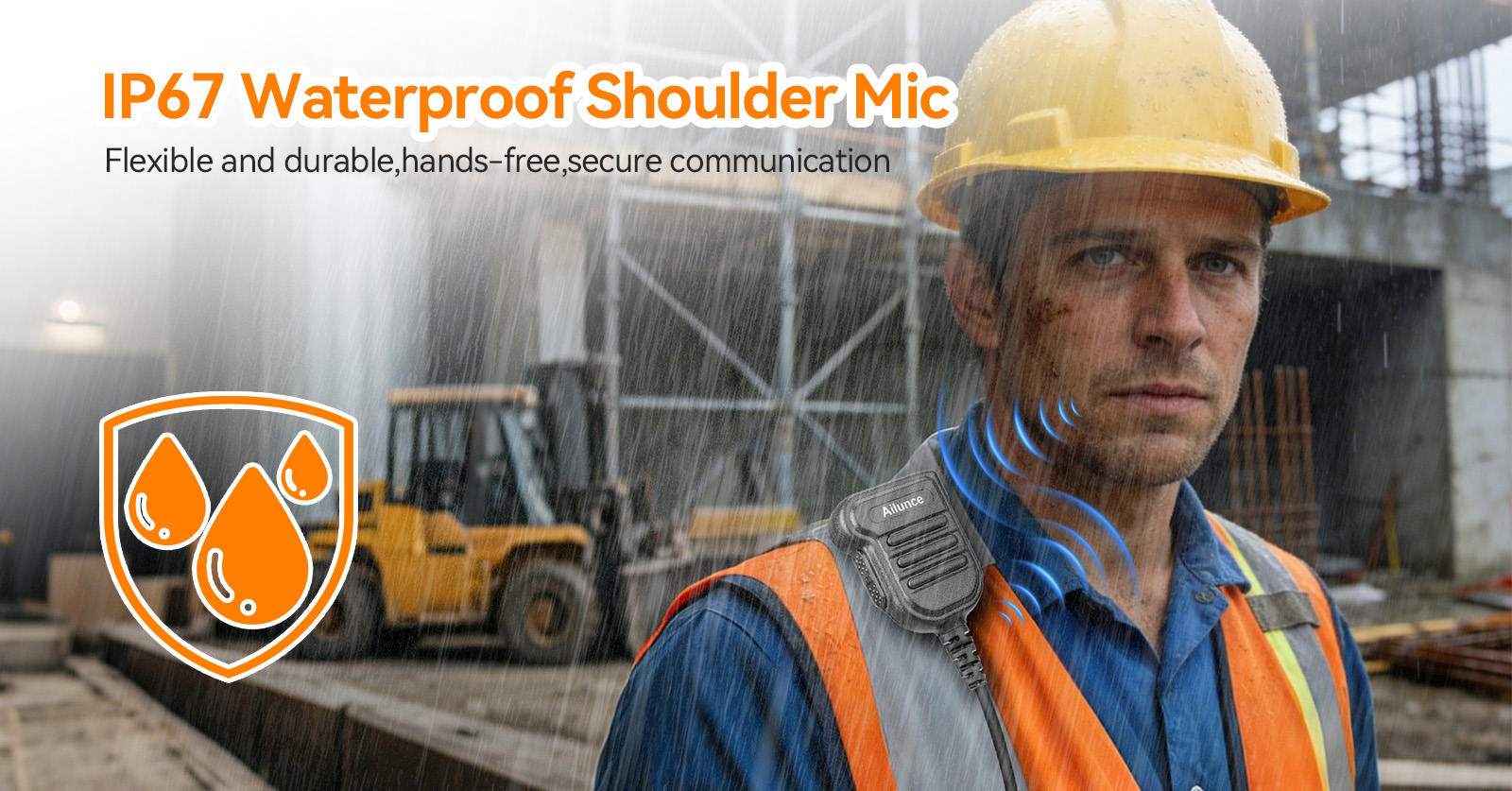
Environmental Risks – Dust, debris, and water exposure are constant hazards. An IP67-rated construction radio can withstand immersion in water up to 1 meter for 30 minutes and is fully dustproof, unlike most smartphones.
-
Battery Dependency – Long shifts often exceed the working life of a smartphone battery. Work radios typically offer 12–24 hours of continuous operation, supporting entire workdays without recharging.
Using construction site radios or job radios addresses these challenges directly, providing instant and reliable connectivity across the site.
Key Advantages of Construction Radios on Job Sites
Construction two way radios offer several key advantages that directly impact safety and productivity:
1. Instant Group Communication
Unlike phones, which require individual dialing, contractor radios allow one-to-many communication. A single transmission reaches all crew members simultaneously, reducing response time for urgent situations. Research from the Construction Industry Institute (CII) indicates that rapid communication can improve on-site response time by up to 40%.
2. Independent Connectivity
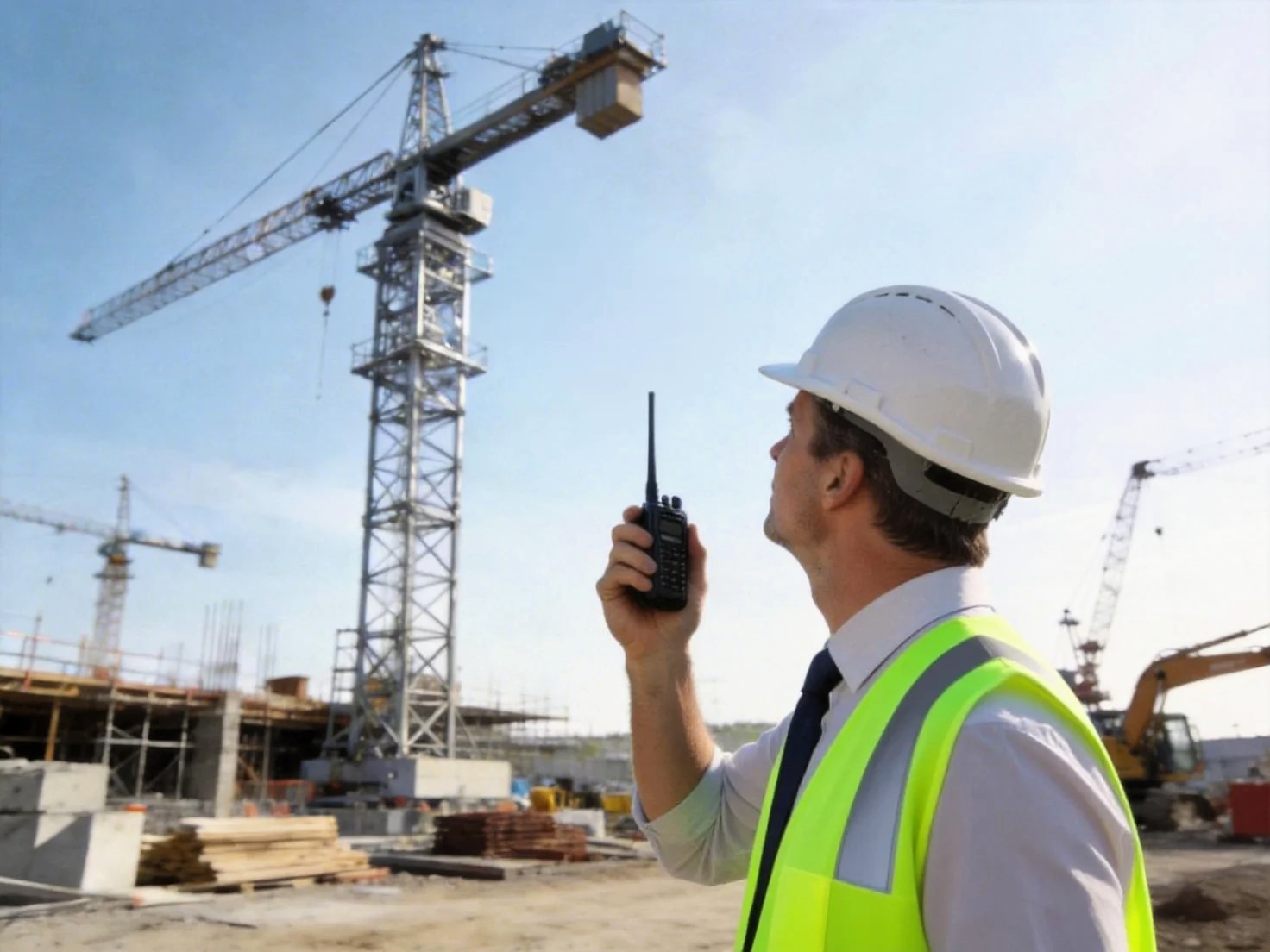
Construction radios do not rely on cellular networks. Teams working in remote or obstructed locations, such as crane tops or deep foundations, remain in constant contact. This feature is critical for projects spanning multiple acres or high-rise developments.
3. Rugged and Durable Design
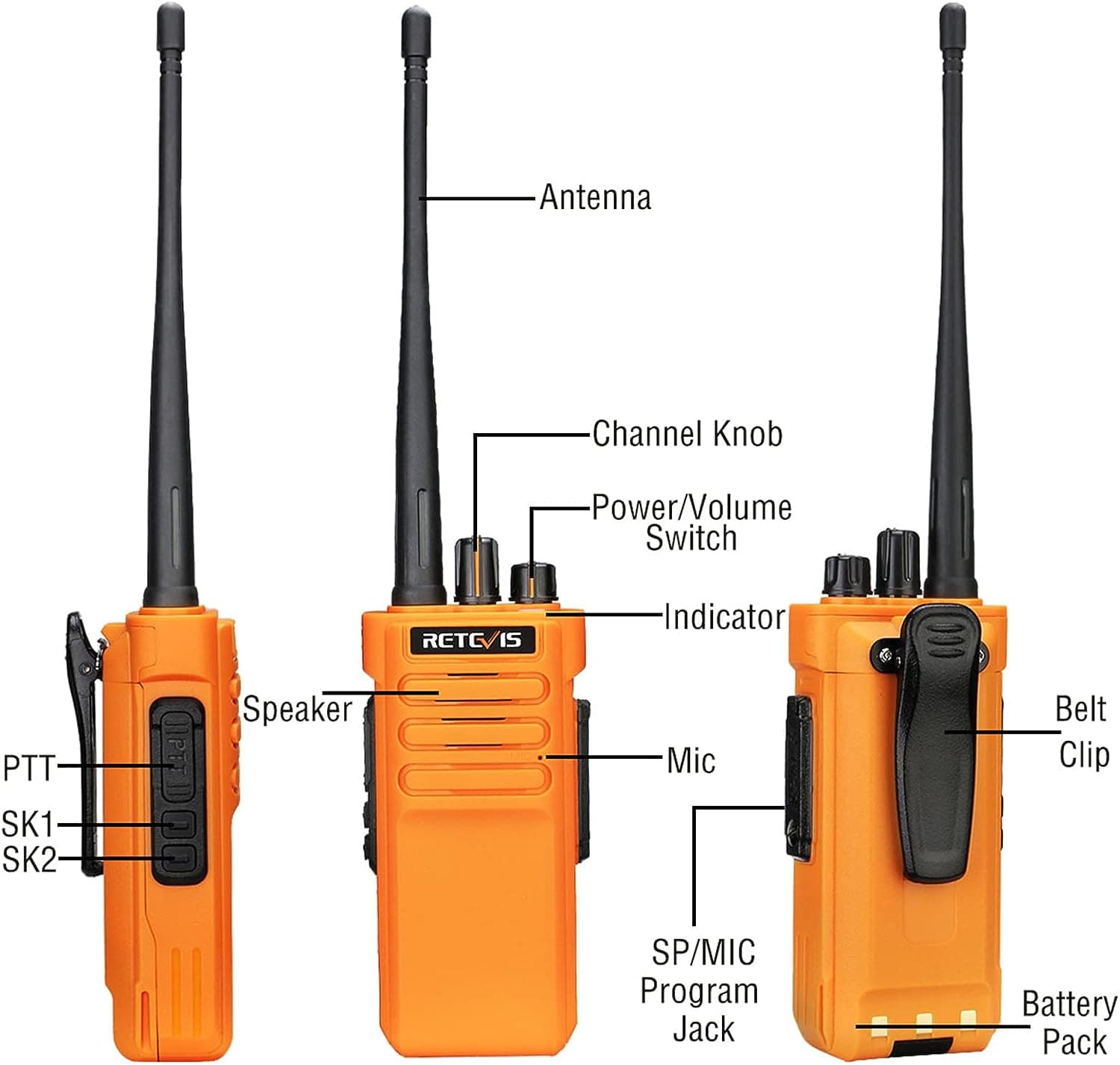
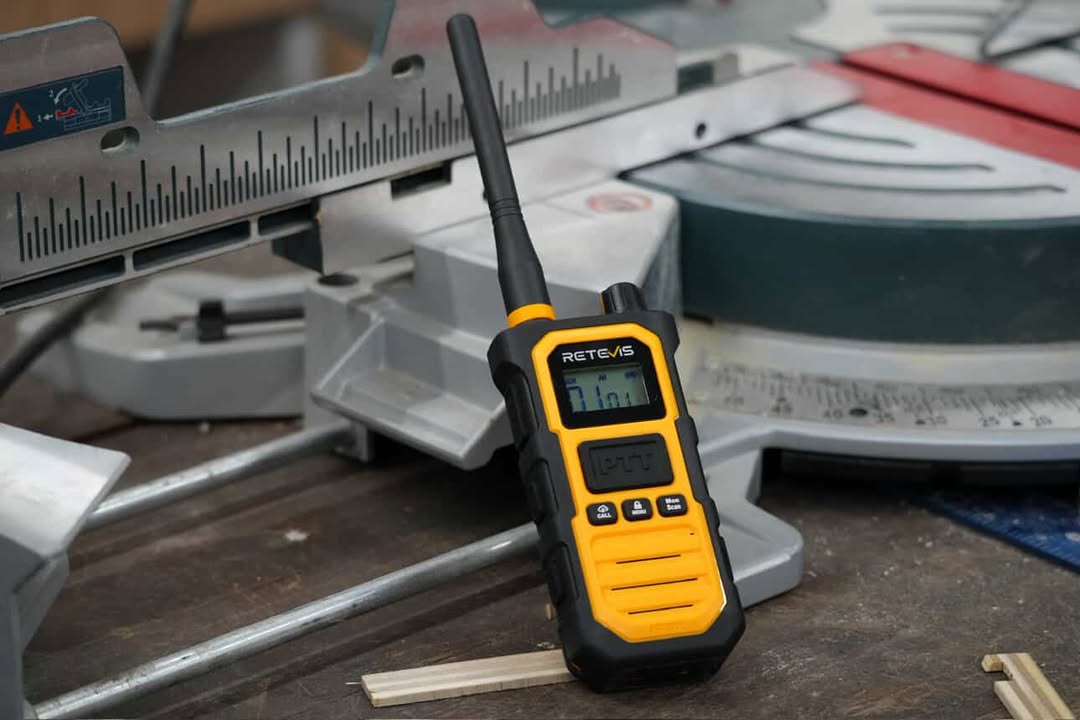
Modern portable work radios are engineered to survive the harshest environments. IP67 ratings, shock-resistant exteriors, and noise-canceling microphones ensure durability and clarity in conditions that would damage smartphones. For example, the NR30D construction radio is tested to withstand drops from 1.5 meters onto concrete while maintaining functionality.
4. Cost Efficiency and Long Battery Life
Worksite radios eliminate monthly fees associated with cell networks. Batteries in professional radios often support multiple shifts or days, depending on the model, allowing continuous communication without interruptions.
Choosing the Right Radio Based on Jobsite Needs
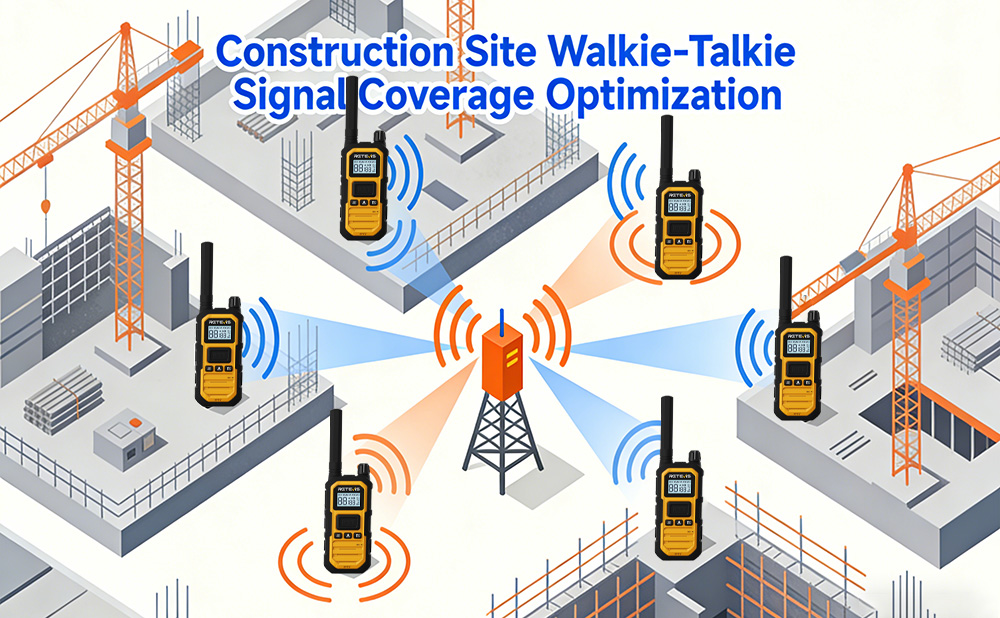
Not all construction sites have the same communication requirements. Construction two way radios are categorized by range and site complexity:
Short-Range Radios
Ideal for small or low-rise construction projects (up to 5 floors). These job radios cover 0.5–1 kilometer effectively, suitable for warehouses or single-building projects.
Mid-Range Radios
Designed for mid-rise buildings or indoor construction (5–25 floors). Mid-range construction work radios provide 1–3 kilometers of reliable communication, often with noise-reduction features.
Long-Range Radios
Required for high-rise towers, crane operations, or large open sites exceeding 5 kilometers. Construction site radios with long-range capabilities ensure teams across multiple buildings or remote areas stay connected.
Pro Tip: Distance capability is affected by terrain, building materials, and site layout. Always consider the site’s physical conditions when selecting a radio.
Enhancing Safety and Productivity with Construction Radios
Construction radios are more than communication devices—they’re integral to workplace safety and operational efficiency:
- Emergency Response: Instant alerts can be sent to the entire crew in case of accidents or hazards.
- Task Coordination: Supervisors can assign tasks and monitor progress in real-time.
- Compliance: Using radios can support OSHA compliance, ensuring that safety protocols are maintained even in challenging conditions.
Industry data shows that construction teams using radio workplace systems experience 30–50% fewer miscommunication-related delays compared to teams relying solely on phones or emails.
Supporting Industry Standards
Professional construction radios comply with standards such as:
- IP Ratings (IP65–IP67) for dust and water protection
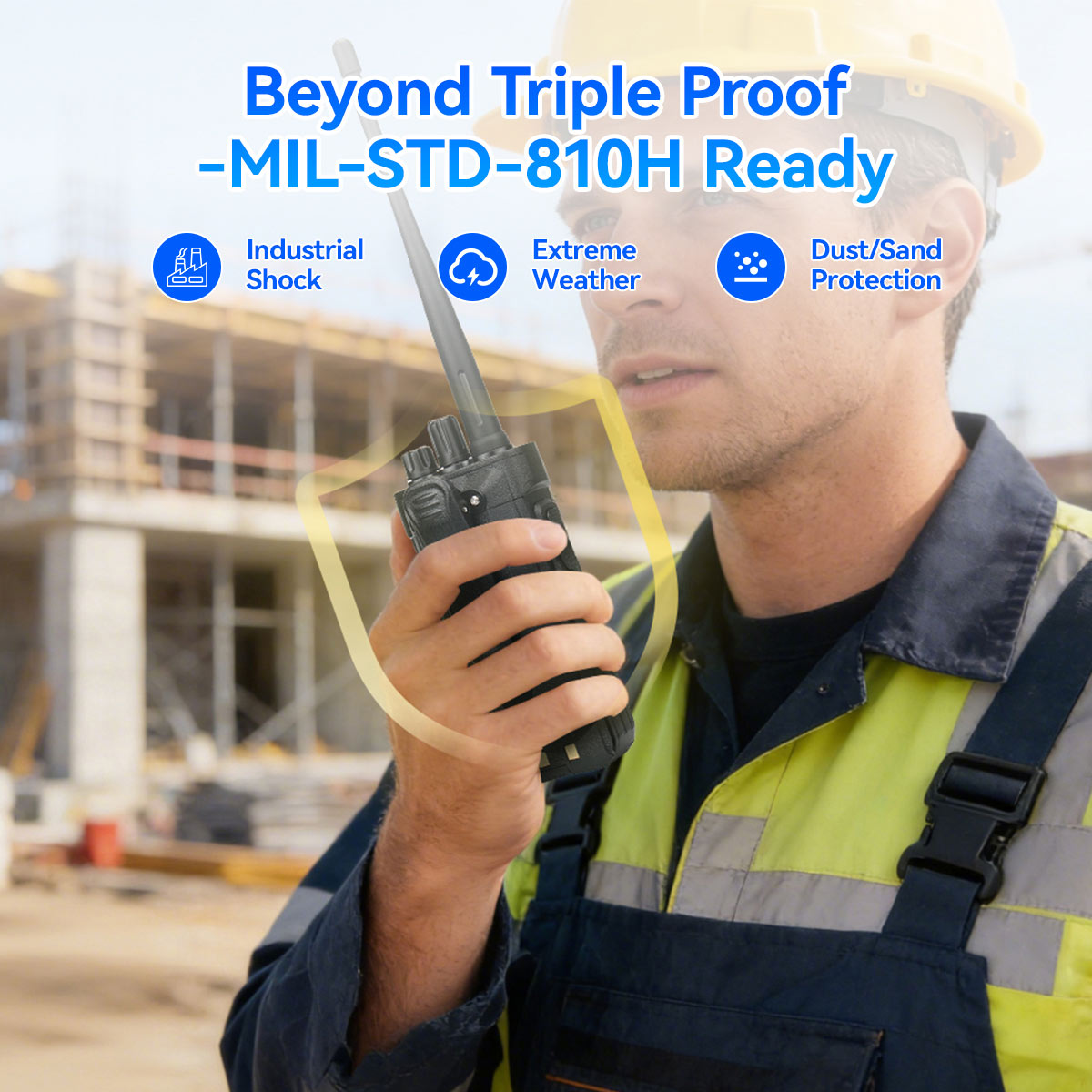
- MIL-STD-810 for shock and drop resistance
- ANSI noise standards for effective audio clarity in high-decibel environments
These certifications ensure that radios can handle real-world construction scenarios where conventional devices fail.
Conclusion
Selecting the best two way radios for construction is a critical decision for contractors aiming to improve safety, communication, and efficiency on the jobsite. From short-range work radios for small projects to long-range construction site radios for high-rise developments, these devices provide unmatched reliability and durability.
By integrating construction radios, contractor radios, and portable work radios into daily operations, construction teams can maintain continuous communication, respond quickly to emergencies, and optimize workflow—all while meeting industry safety standards.




Comments
No data Yet