

Table of Contents
Construction Safety Week 2026: Build Safer Sites
- Posted by:Retevis
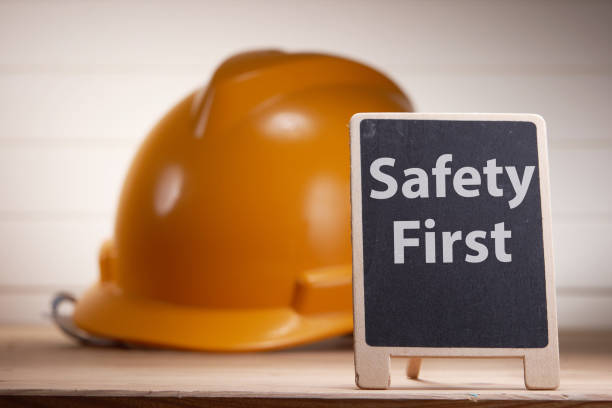
Ever walked past a construction site and wondered how workers stay safe among towering cranes, heavy machinery, and constant motion? That’s exactly where construction safety week steps in.
At its core, what is construction safety week? It’s a nationwide initiative dedicated to promoting safer work environments across the construction industry. More than just a campaign, it’s a movement—one that encourages companies and workers to pause, reflect, and improve safety practices.
Think of it like a reset button. A chance to realign priorities, reinforce habits, and remind everyone that safety isn’t optional—it’s essential.
When Is Construction Safety Week 2026?
When is construction safety week in 2026? National Construction Safety Week 2026 is scheduled to take place in early May, continuing its tradition of being observed annually across the United States. During this week, construction companies, contractors, and workers come together to highlight safety awareness and education.
This dedicated timeframe creates a shared moment across the industry—like a synchronized effort where everyone focuses on one goal: making job sites safer.
The Importance of Safety in Construction
Construction sites are dynamic, fast-paced, and sometimes unpredictable. One moment everything runs smoothly, and the next, a small oversight can lead to serious consequences. That’s why safety isn’t just a checklist—it’s a mindset.
From falls and equipment hazards to environmental risks, workers face daily challenges. Without proper precautions, these risks can escalate quickly. Construction Safety Week reminds us that every helmet worn, every harness secured, and every protocol followed can save lives. It’s not just about compliance. It’s about people—friends, coworkers, and families waiting at home.
Construction Safety Week Ideas
Looking for ways to make the most of the week? There are countless construction safety week ideas that can turn awareness into action.
Daily Safety Themes
Assign themes like “Fall Protection Monday” or “Equipment Safety Wednesday.” This keeps the focus fresh and engaging throughout the week.
Toolbox Talks
Short, daily discussions can spark meaningful conversations. Workers can share experiences, concerns, and suggestions in a relaxed setting.
Interactive Activities
Think quizzes, safety drills, or even friendly competitions. When learning feels interactive, it sticks.
Visual Campaigns
Posters, banners, and signage around the site serve as constant reminders. A simple message can make a big impact when seen daily.
The goal? Keep safety top of mind without making it feel like a chore.
Construction Safety Strategies That Work
Awareness of jobsite safety is just the beginning. Real change comes from action. Let’s dive into practical strategies that truly make a difference.
1. Proper Use of PPE
Personal Protective Equipment is the first line of defense. Helmets, gloves, goggles, and boots aren’t just accessories—they’re lifesavers.
2. Hazard Identification
Spotting risks early can prevent accidents. Regular site inspections help identify potential dangers before they escalate.
3. Ongoing Training
Safety training shouldn’t be a one-time event. Continuous education ensures workers stay updated on best practices and new regulations.
4. Technology Integration
From wearable safety devices to AI-powered monitoring systems, technology is transforming construction safety. These tools provide real-time insights and alerts.
5. Clear Safety Protocols
Simple, well-documented procedures reduce confusion and improve compliance. Everyone should know exactly what to do in any situation.
6. Emergency Preparedness
Accidents can still happen. Having a solid emergency plan ensures quick response and minimizes impact.
7. Leadership Commitment
When leaders prioritize safety, it sets the tone for the entire team. Actions speak louder than words.
8. Mental Health Awareness
Safety isn’t just physical. Stress and fatigue can lead to mistakes. Supporting workers’ mental well-being is equally important.
9. Regular Equipment Maintenance
Faulty equipment is a hidden danger. Routine checks keep machines running safely.
10. Accountability Culture
Encourage workers to look out for each other. A strong safety culture thrives on shared responsibility.
Communication Strategy for Safer Job Sites
Imagine trying to coordinate a busy construction site without clear communication. It’s like conducting an orchestra without a conductor—chaotic and risky.
That’s where communication strategies come into play.
The Role of Jobsite Radios
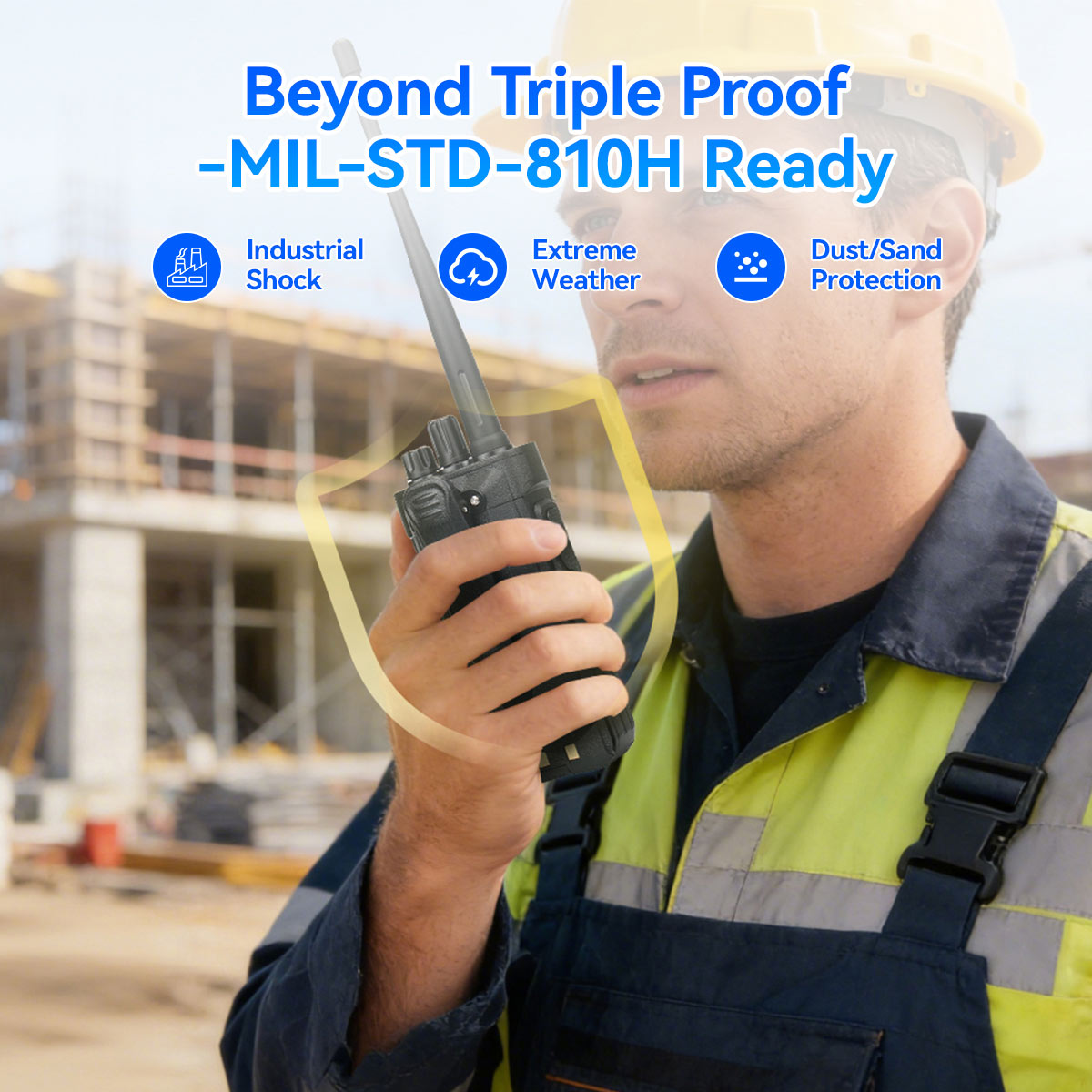
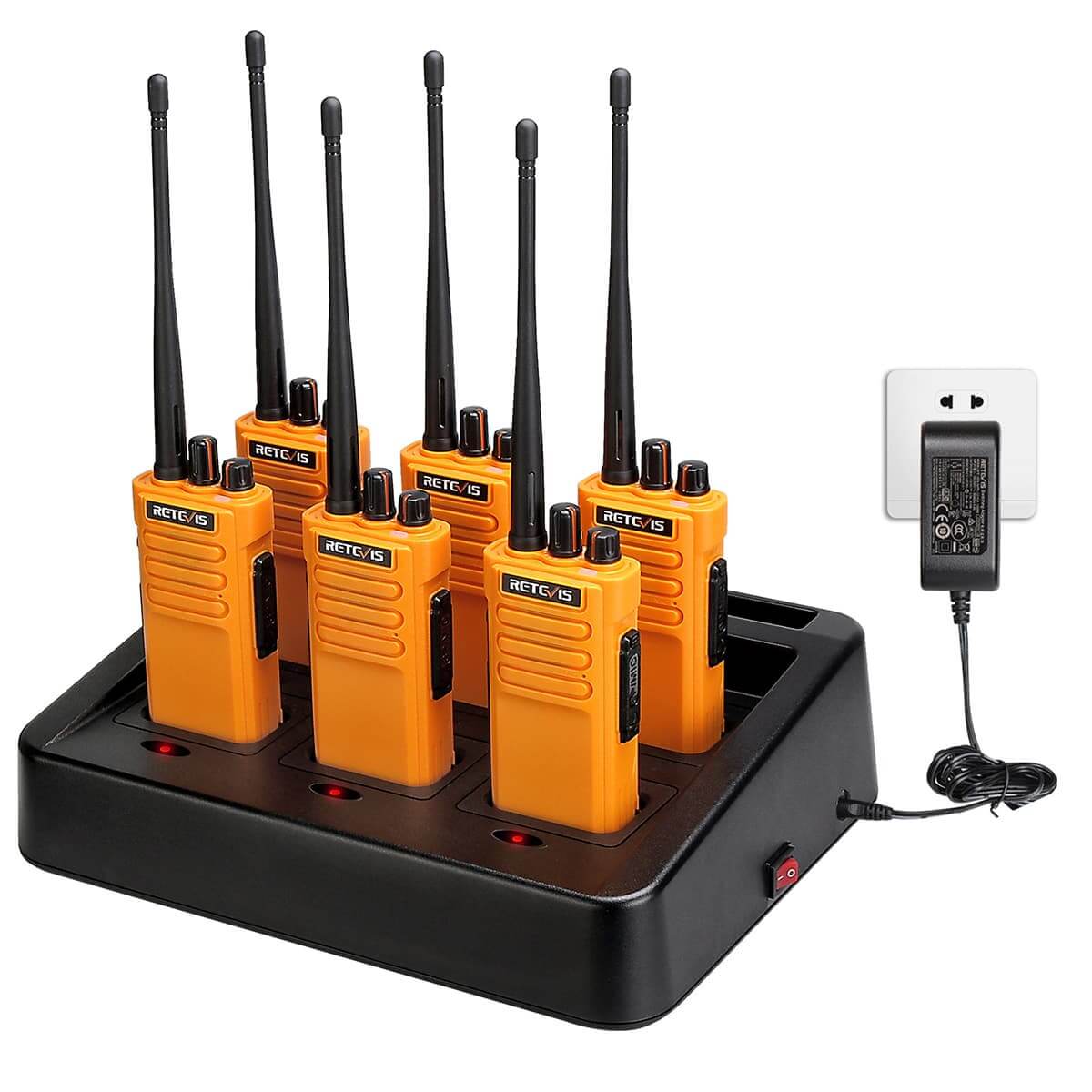
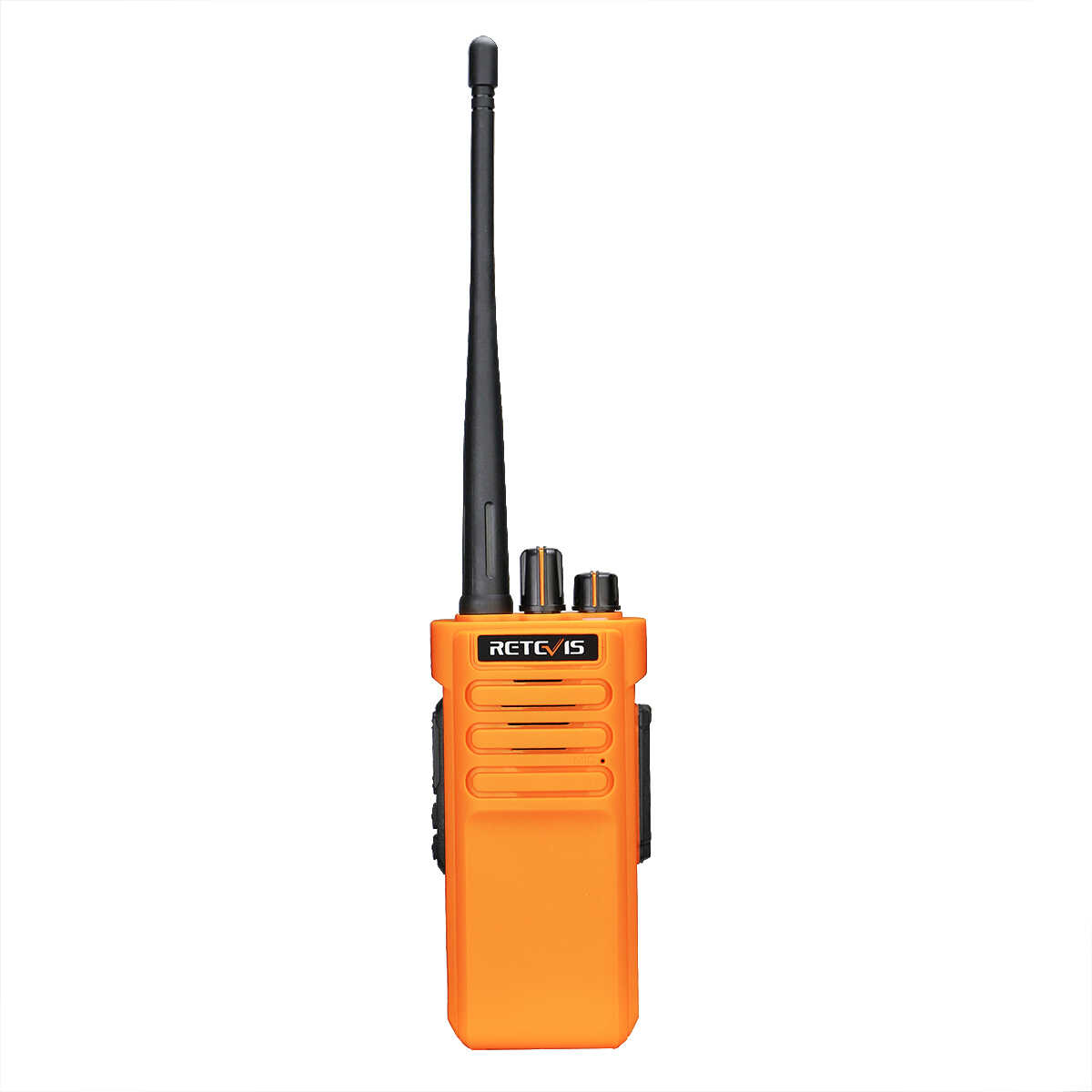
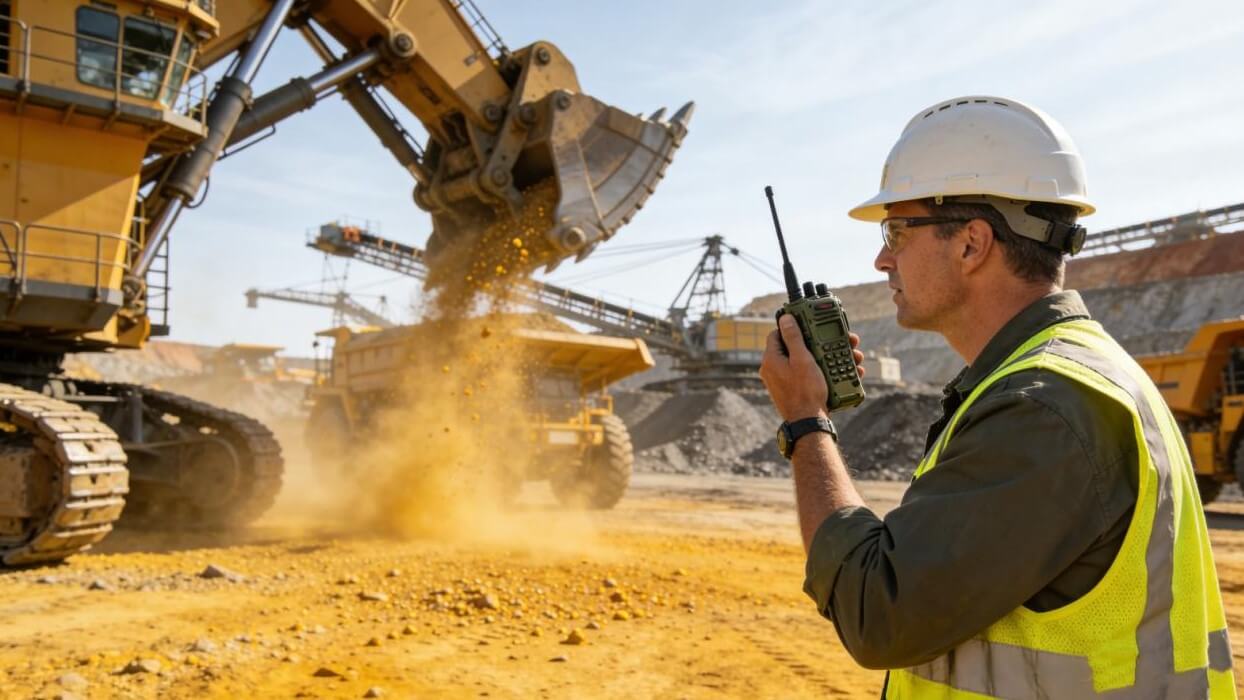
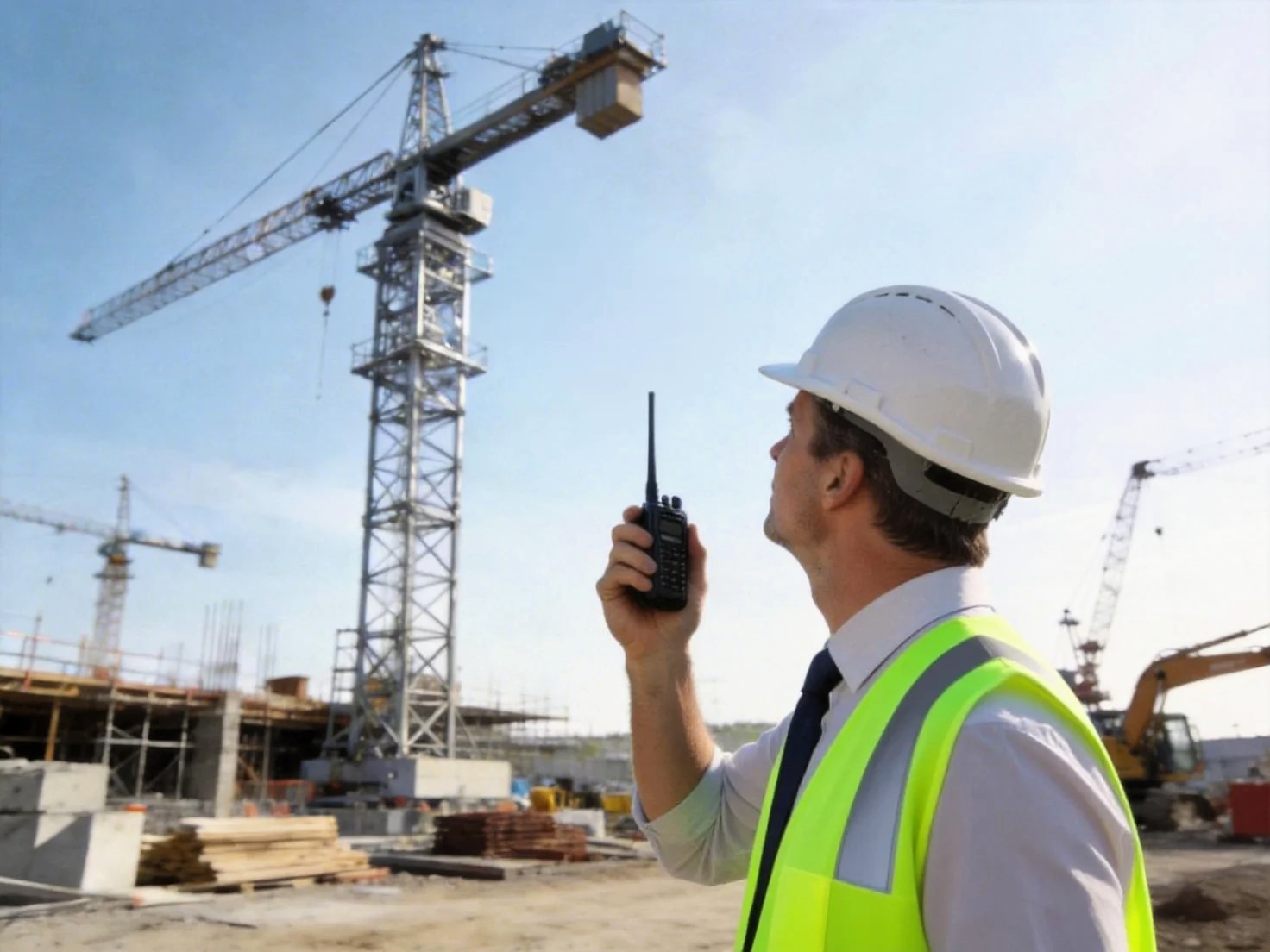
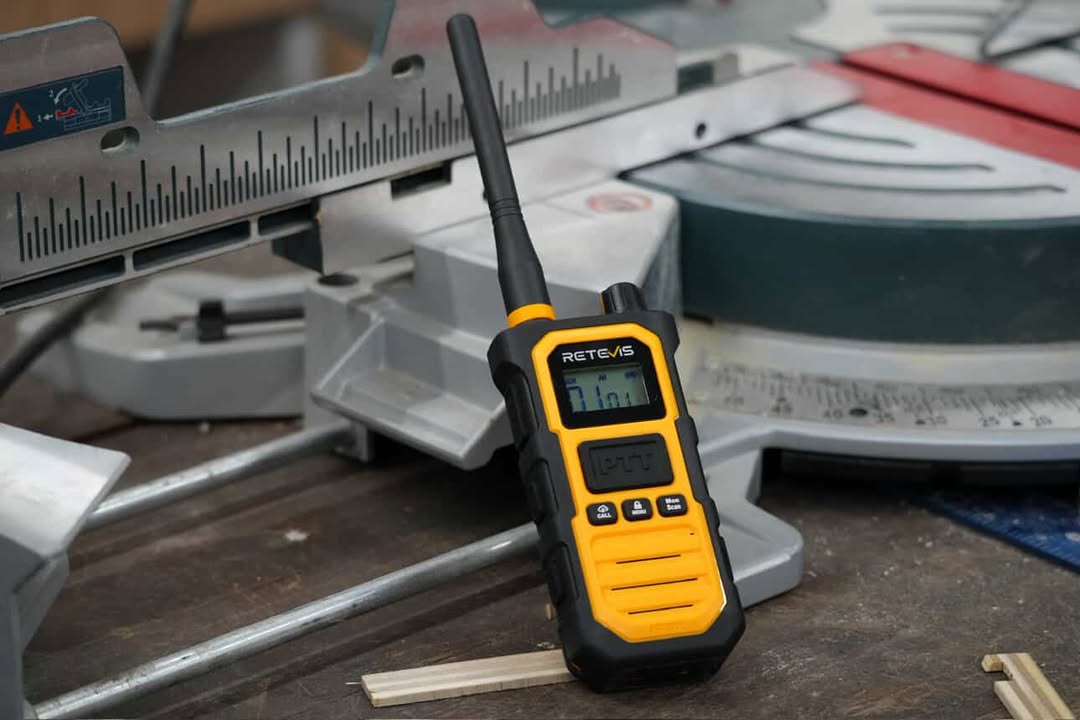
Modern construction sites benefit greatly from jobsite walkie talkie radio solutions. These radio systems allow instant communication across large areas, ensuring messages are delivered quickly and clearly.
Real-Time Alerts
Whether it’s a hazard warning or an emergency evacuation, intercoms enable immediate alerts. Seconds matter, and fast communication can prevent accidents.
Improved Coordination
Teams can stay connected without relying solely on hand signals or radios. This reduces misunderstandings and keeps operations smooth.
Enhancing Safety Awareness
Regular announcements can reinforce safety messages throughout the day, keeping everyone informed and alert.
In short, effective communication isn’t just helpful—it’s lifesaving.
Construction Safety Tip of the Week
A simple construction safety tip of the week can go a long way.
Here are a few examples:
- Always double-check your equipment before use
- Stay hydrated and take breaks to avoid fatigue
- Never bypass safety protocols for speed
- Keep your workspace clean and organized
- Report hazards immediately
These small habits, repeated daily, build a strong foundation for long-term safety.
How Companies Can Participate
Getting involved in National Construction Safety Week 2026 doesn’t require a massive budget—just commitment.
Plan Ahead
Set goals, schedule activities, and prepare materials in advance.
Engage Leadership
When leaders actively participate, it motivates the entire team.
Encourage Employee Involvement
Give workers a voice. Their insights are invaluable.
Track Progress
Measure improvements and identify areas for growth.
Participation isn’t about perfection—it’s about progress.
Conclusion: Building a Safer Future Together
Construction Safety Week isn’t just another date on the calendar—it’s a reminder of what truly matters.
From understanding what is construction safety week to exploring actionable strategies, the message is clear: safety is everyone’s responsibility.
Key Takeaways
- Construction Safety Week promotes awareness and safer job sites
- National Construction Safety Week 2026 takes place in early May
- Strong safety strategies reduce risks and save lives
- Communication tools like intercoms enhance coordination and safety
- Simple weekly safety tips can create lasting habits
At the end of the day, every safety measure taken is a step toward protecting lives. And isn’t that the strongest foundation any project can have?
Leave a Reply














 Google
 Amazon
Comments
No data Yet