
Table of Contents
Construction Site Safety: Protecting Workers, Projects, and Productivity
- Posted by:Retevis
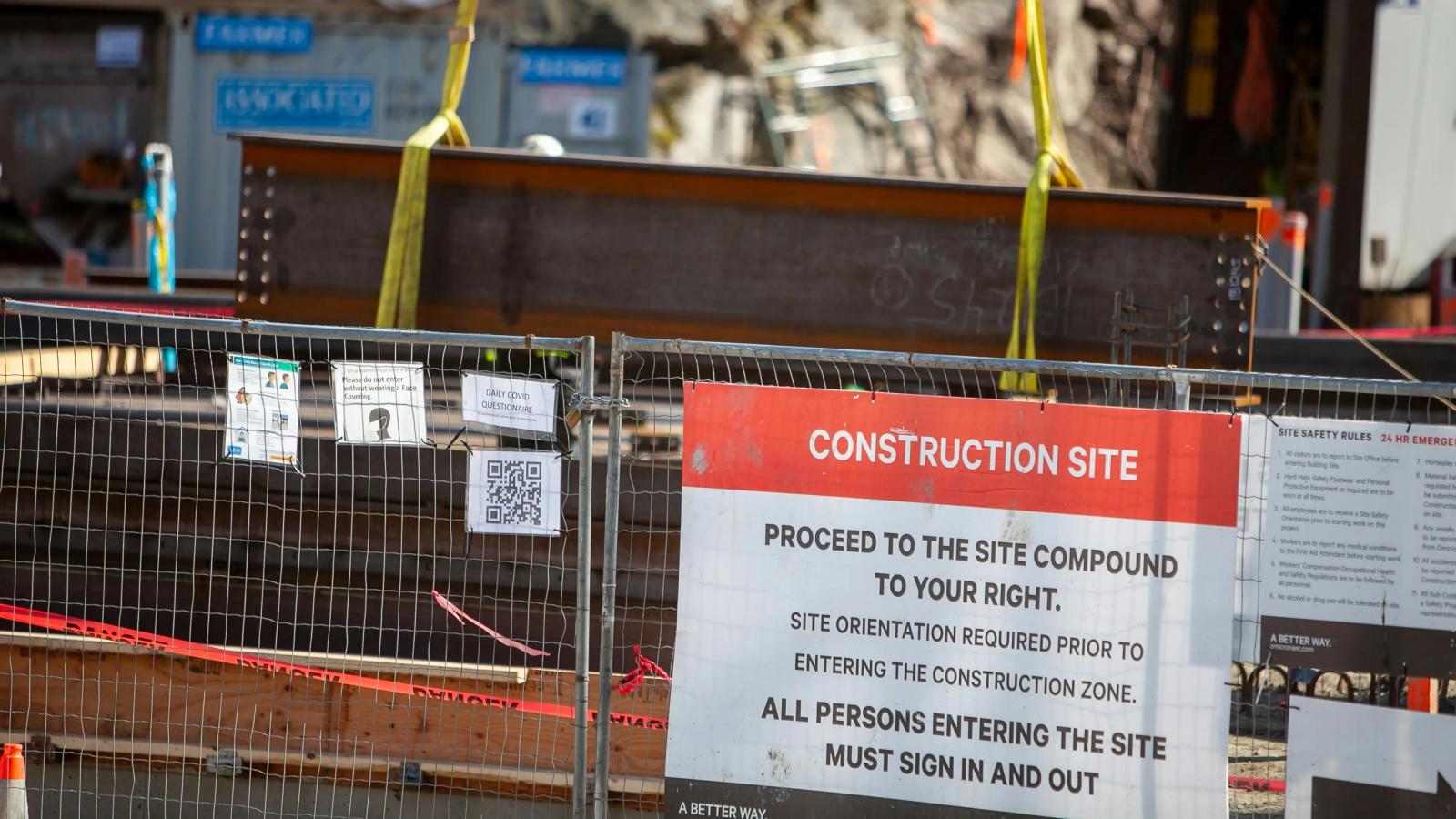
What Is Construction Site Safety?
What is construction site safety? Simply put, it’s the policies, procedures, equipment and behaviors that are in place to keep workers, visitors and neighboring communities safe from harm while construction work is occurring.
Hard hats and reflective vests are not the only aspects of construction workplace safety. It consists of:
- Hazard recognition
- Assessment of risk
- Training of employees
- Emergency Readiness
- Maintenance of equipment
- Safe communication practices
The construction industry is one of the most dangerous industries in the world. According to OSHA, thousands of workers are injured each year from falls, electrocution, struck-by incidents and caught-in-between accidents. These hazards are known as the “Fatal Four” hazards in construction safety at the workplace.
A safe construction site is not something that just happens. It’s developed through planning, discipline, teamwork.
Why Construction Site Safety Matters
Think of driving a car without brakes. This is what a construction site without safety procedures looks like. Injuries, legal penalties, damaged reputations, and project delays are just a few of the devastating consequences that can result from unsafe practices.
This is the importance of construction jobsite safety:
Saving Lives
Every worker must go home safe. Proper safety measures in construction site operations reduce fatalities and life-altering injuries.
Improving Productivity
Safe sites tend to be better organized and more efficient. When people feel secure, they can focus better.
Lowering Costs
Accidents can lead to medical costs, lawsuits, insurance claims and project shutdowns. Investing in construction site safety management is going to save you money in the long term.
Ensuring Legal Compliance
Workplace safety construction standards are strictly enforced by regulatory agencies such as OSHA. Heavy penalties can be imposed for non-compliance.
Typical safety hazards on a construction site
Construction sites have many possible risks. The first step in prevention is to understand the safety hazards of the construction site.
Falls from height
Falls continue to be the leading cause of death in construction. Workers often work on scaffolds, ladders and rooftops.
Prevention Advice
- Use safety harnesses and guardrails
- Routine Scaffolding Inspections
- Train employees on fall protection systems.
Electrical Dangers
Deadly conditions can exist with temporary wiring, exposed cables and power tools.
Safety and Security
- Lockout/tag out procedures
- Ground fault protection
- Routine equipment checks
Heavy Machinery Accidents
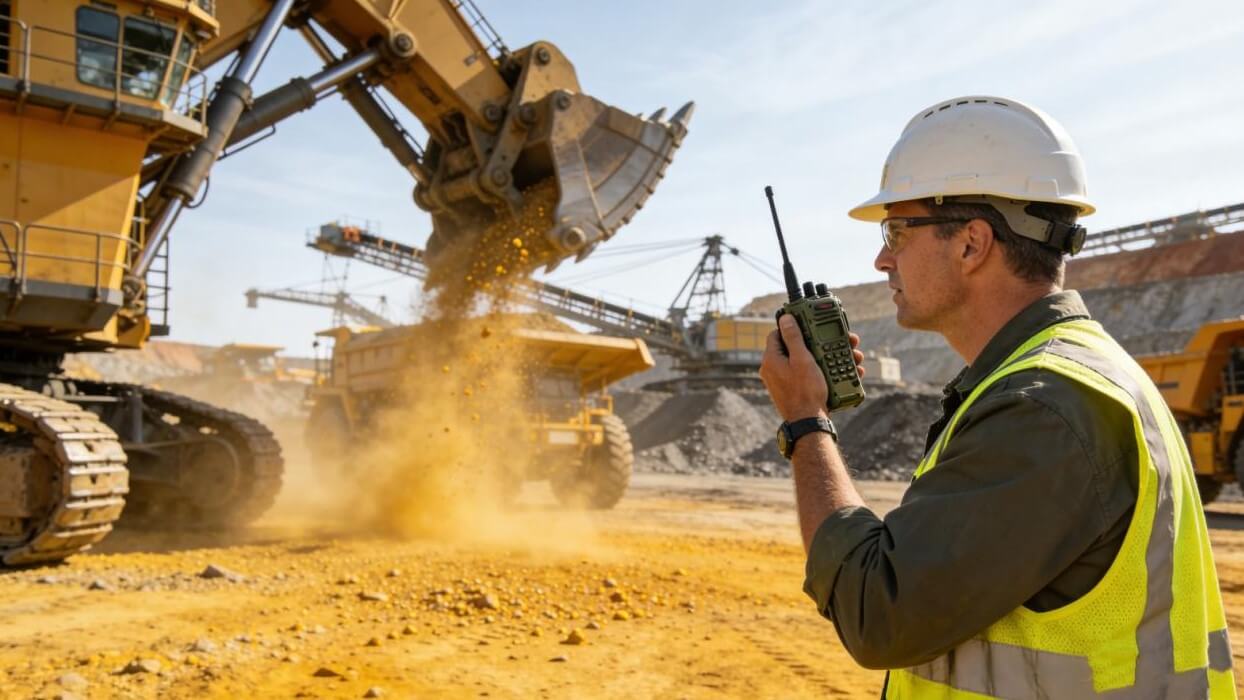
Safety on the jobsite is important when dealing with construction equipment. Cranes, bulldozers, forklifts, and excavators are no joke.
General Risks
- Blind spots
- Equipment rollover
- Worker strikes
Trench and Excavation Dangers
Trench safety on jobsite operations is often overlooked until tragedy strikes. Cave-ins can happen suddenly and bury workers within seconds.
Protective Systems
- Trench boxes
- Sloping
- Shoring systems
Slips, Trips, and Falling Objects
A cluttered site can become a minefield of hazards.
Prevention Strategies
- Keep pathways clear
- Use toe boards and netting
- Wear slip-resistant footwear
Construction Site Safety Management
Construction site safety management is the engine that keeps safety systems running smoothly. Without leadership, safety rules often become little more than words on paper.
Responsibilities of Site Managers
Site supervisors play a major role in construction workplace safety training and enforcement.
Their duties include:
- Conducting safety meetings
- Monitoring worker compliance
- Investigating incidents
- Maintaining documentation
Building a Safety Culture
A strong safety culture encourages workers to report hazards without fear. When employees feel heard, safety improves naturally.
Communication Matters
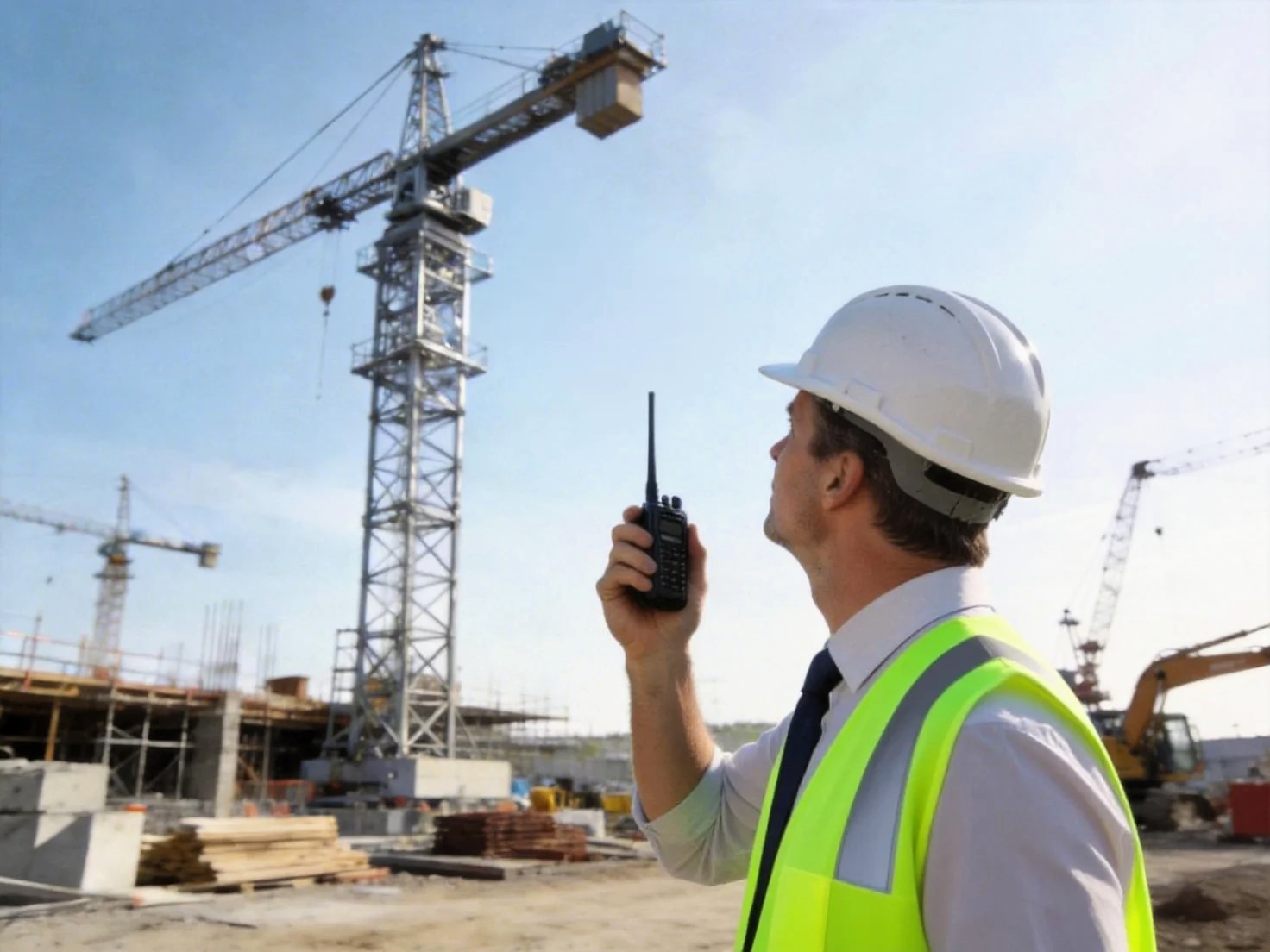
Clear communication prevents confusion and accidents. Daily toolbox talks, visual signage, and digital reporting systems all strengthen jobsite safety.
What Is a Construction Site Safety Audit?
What is a construction site safety audit? It’s a systematic evaluation of workplace conditions, policies, equipment, and worker behaviors to ensure compliance with safety standards.
Think of it like a health checkup for your jobsite.
Key Elements of a Safety Audit
Site Inspections
Inspectors review ladders, scaffolding, machinery, and work areas.
Documentation Reviews
Safety manuals, training records, and inspection reports are analyzed.
Employee Interviews
Workers may be questioned about procedures and concerns.
Benefits of Safety Audits
- Identifies hidden hazards
- Reduces accident risks
- Improves compliance
- Enhances worker confidence
Regular audits are a cornerstone of effective construction site safety management.
Construction Workplace Safety Training
Even the best safety policies can fail without proper training. Construction workplace safety training equips workers with the knowledge and confidence needed to recognize and avoid hazards.
Practical Safety Training Program for New Construction Workers
New hires face a steep learning curve. A practical safety training program for new construction workers should include:
- PPE usage
- Hazard communication
- Fall protection
- Emergency response
- Equipment operation basics
Toolbox Talks
Short daily safety meetings reinforce awareness and encourage teamwork.
Hands-On Learning
People learn better by doing. Interactive demonstrations and mock drills improve retention far more than long lectures.
Construction Site Safety Signs and Communication
Construction site safety signs are silent guardians. They communicate risks instantly, even in loud environments where verbal instructions may not be heard.
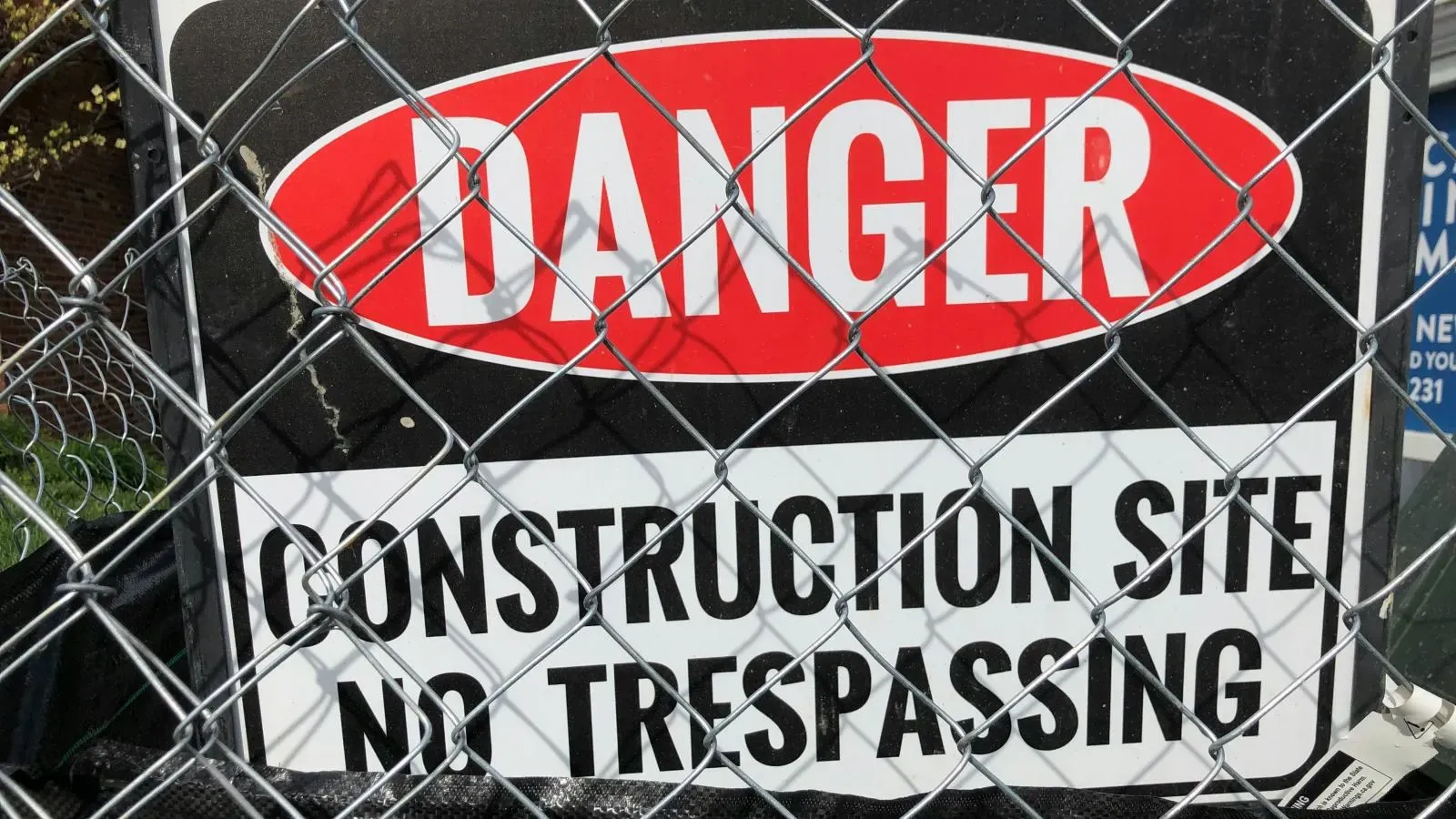
Common Types of Safety Signs
Warning Signs
Alert workers to potential hazards.
Mandatory Signs
Indicate required actions like wearing PPE.
Prohibition Signs
Prevent unsafe activities.
Emergency Signs
Direct workers to exits and first-aid stations.
Best Practices for Signage
- Use large, visible text
- Include universal symbols
- Position signs strategically
- Replace damaged signage immediately
Good communication can mean the difference between order and chaos.
Construction Jobsite Safety Checklist
A construction jobsite safety checklist helps teams maintain consistency and accountability.
Daily Checklist Items
Personal Protective Equipment
- Hard hats
- Safety glasses
- Gloves
- High-visibility clothing
Site Conditions
- Clean walkways
- Secure scaffolding
- Proper lighting
Equipment Inspections
- Brake checks
- Hydraulic systems
- Backup alarms
Emergency Preparedness
- Fire extinguishers
- First-aid kits
- Emergency contact information
Using a checklist creates a proactive approach instead of reacting after accidents occur.
Construction Equipment Jobsite Safety
Heavy equipment can boost productivity, but it can also become dangerous if mishandled.
Construction Machine Jobsite Safety Basics
Operators should:
- Conduct pre-use inspections
- Follow manufacturer guidelines
- Stay alert to blind spots
- Maintain safe distances from workers
Spotters and Communication
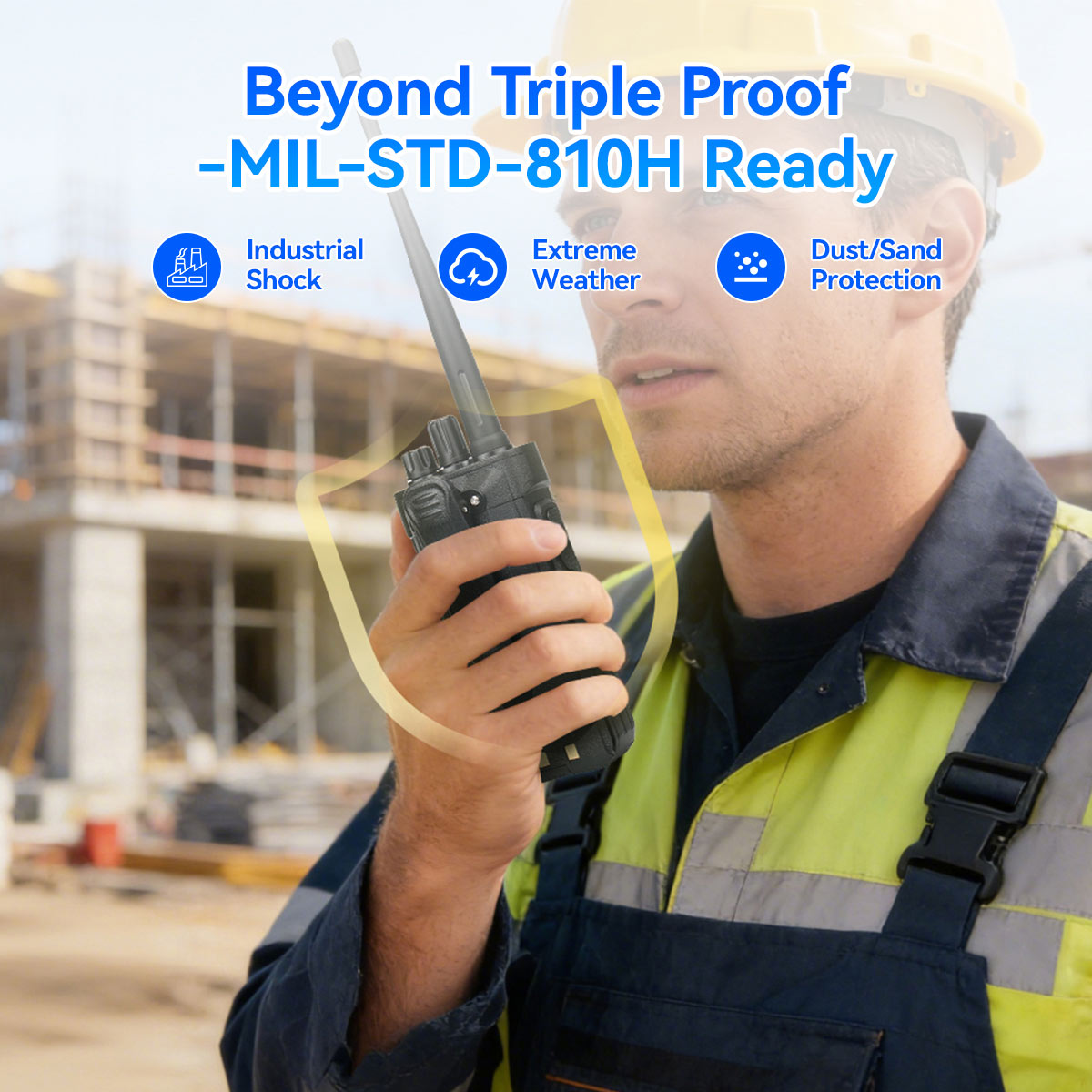
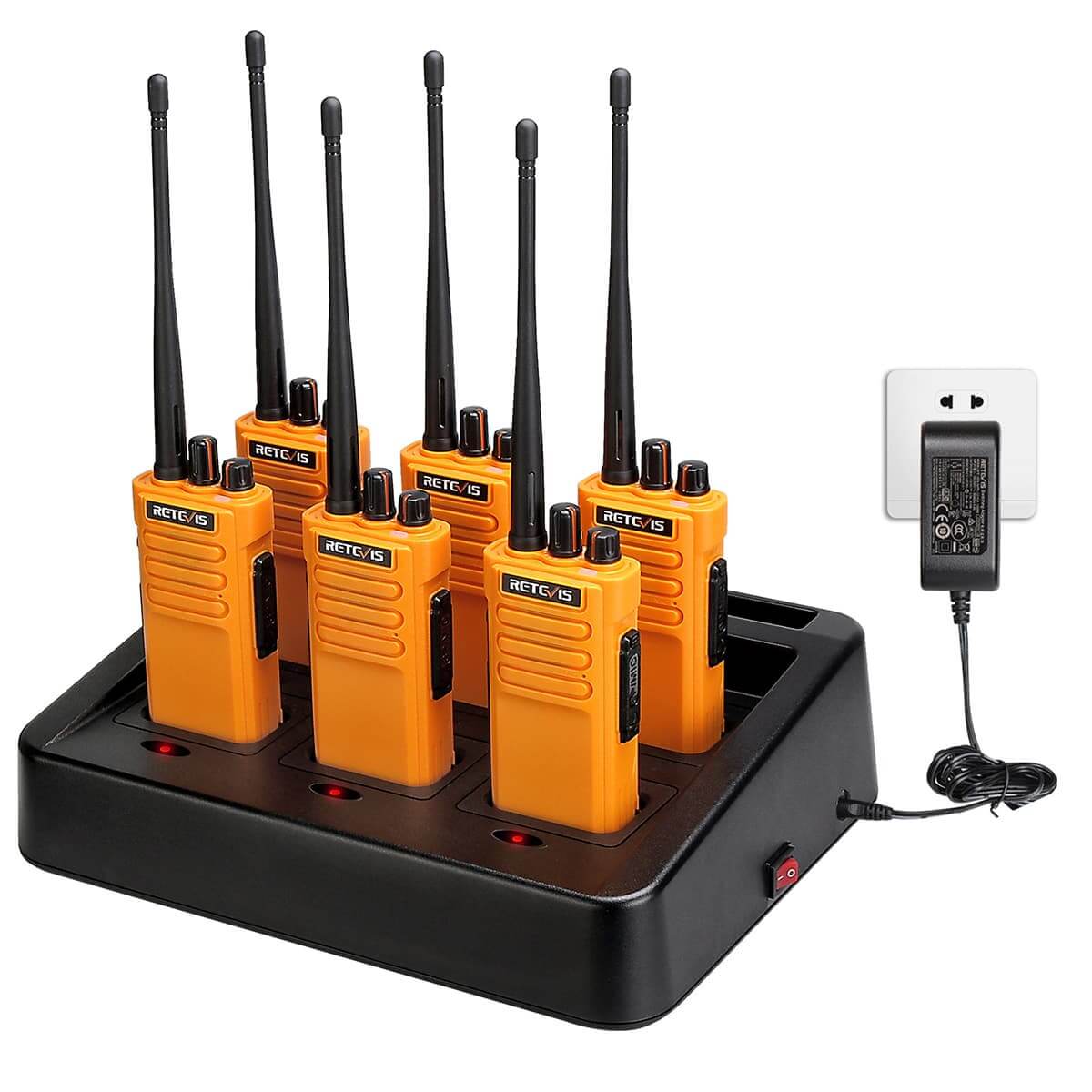
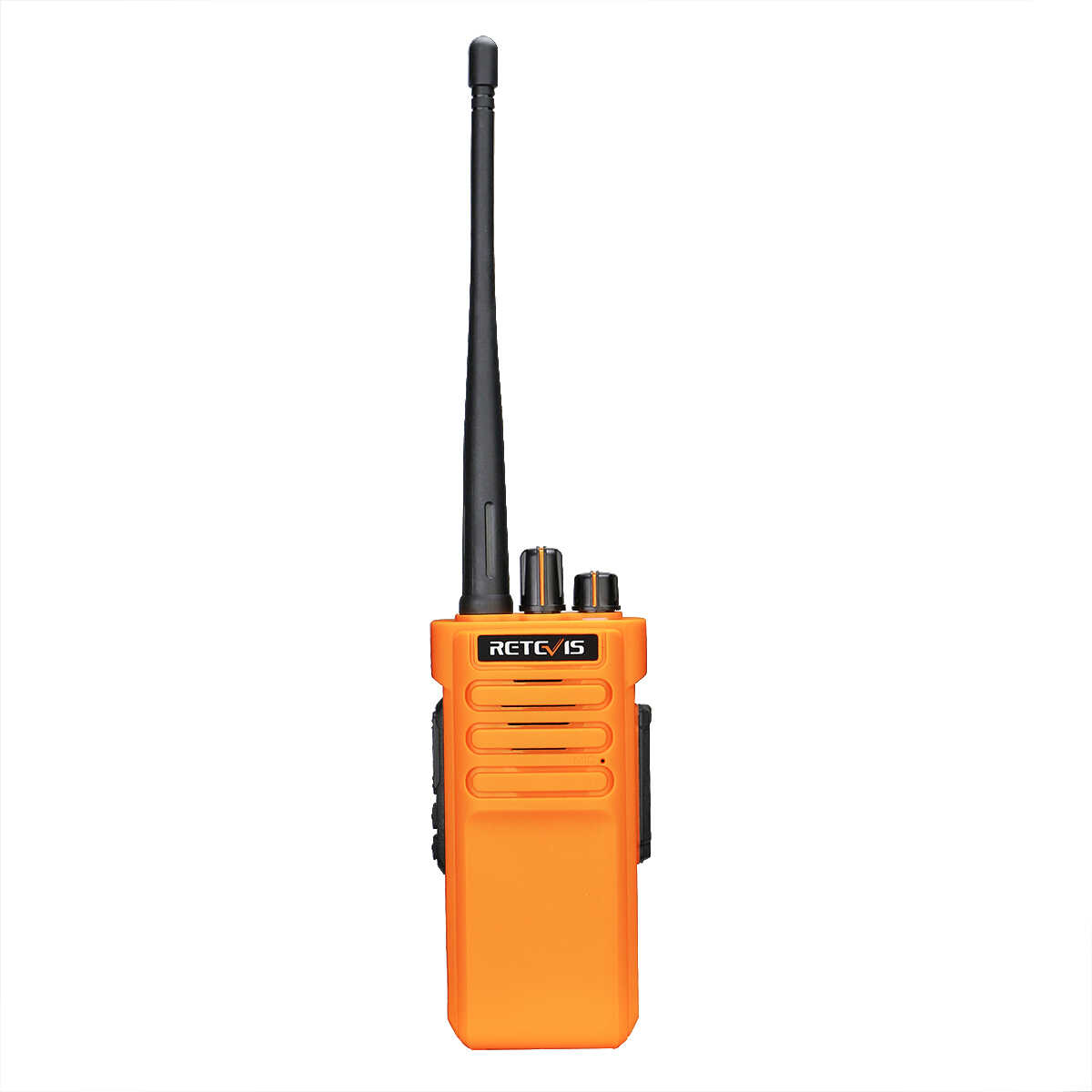
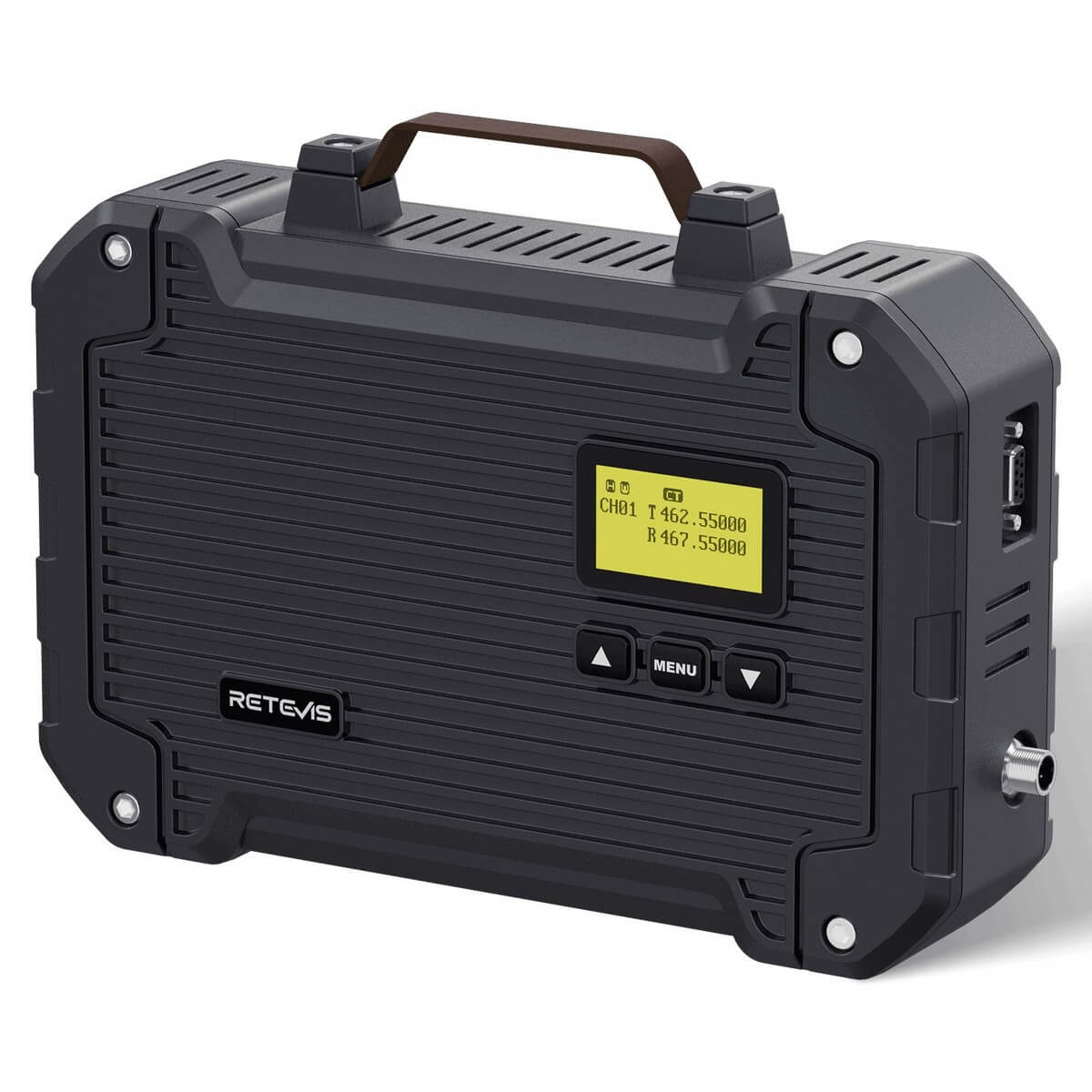
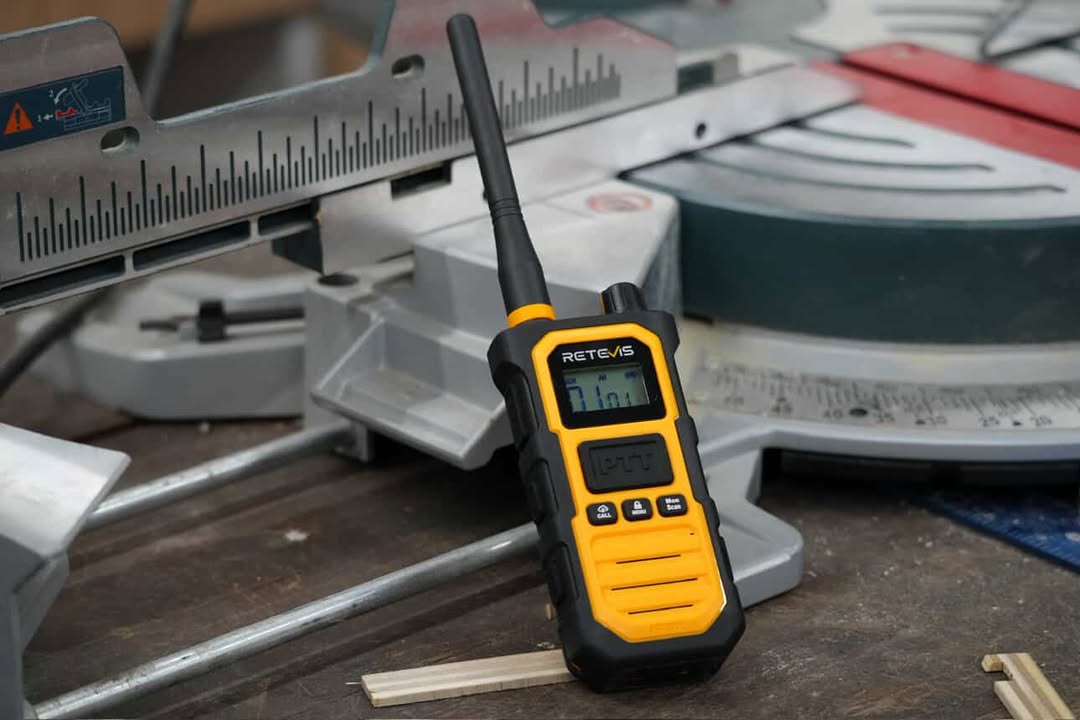
Spotters act like an extra pair of eyes. Hand signals and two way radio communication help operators maneuver safely.
Maintenance Matters
Faulty brakes or worn tires can quickly turn equipment into a hazard. Preventive maintenance is essential for construction equipment jobsite safety.
Trench Safety on Jobsite
Trenches may look harmless from the surface, but they are among the deadliest construction hazards.
Why Trenches Collapse
Soil conditions can shift unexpectedly due to weather, vibrations, or nearby loads.
OSHA Trench Safety Requirements
Protective systems are generally required for trenches deeper than five feet.
Essential Trench Safety Practices
- Inspect trenches daily
- Keep heavy equipment away from edges
- Provide safe exits within 25 feet
- Monitor weather conditions
When it comes to trench safety on jobsite operations, shortcuts can cost lives.
Why Clean Concrete Cutting Matters for Jobsite Safety
Concrete cutting creates fine silica dust that can seriously damage the lungs over time.
Health Risks of Silica Dust
Workers exposed to silica may develop:
- Silicosis
- Lung cancer
- Respiratory illnesses
Advantages of Clean Concrete Cutting
The benefits of clean concrete cutting make it obvious why this is critical for jobsite safety:
- Air that is clean
- More visibility.
- Less hazardous clean-up
- Better working conditions
Dust Control Solutions - Wet cutting techniques
- Vacuum extraction systems
- Respirator and PPE
A cleaner site is usually a safer site.
Top Construction Site Safety Tips
Want practical construction site safety tips? Here are a few of the most successful strategies of successful contractors.
Prioritize PPE
Personal protective equipment is body armor for the battlefield.
Promote reporting of hazards
Workers should feel free to report unsafe conditions as soon as they occur.
Organize Work Spaces
Good housekeeping reduces the risk of slips, trips and fire hazards.
Conduct Routine Inspections
Routine inspections catch problems before they get serious.
Mental awareness promotion
Fatigue, stress and distractions can add to the risk of accidents. Encourage workers to focus and get proper sleep.
Leverage Technology
Construction jobsite safety is being transformed by modern tools such as drones, wearable sensors and digital reporting apps.
The Human Side of Construction Safety
Every safety rule is based on a real person. The safety of construction goes far beyond simple regulations and checklists. It’s about saving lives. And saving futures.
Jobsite safety culture develops trust, confidence and teamwork. Motivation and engagement is boosted by protecting workers.
The Human Side of Jobsite Safety
Behind every safety rule is a real person—a parent, friend, or spouse. Construction safety isn’t only about regulations and checklists. It’s about protecting lives and preserving futures.
A culture of jobsite safety creates trust, confidence, and teamwork. Workers who feel protected are more motivated and engaged.
Frequently Asked Questions
What are the safety rules on construction sites?
Construction site safety rules are intended to reduce the risks of the workplace. These practices include the use of PPE, following equipment protocols, maintaining clean workspaces, and reporting hazards in a timely manner.
Why is construction site safety training important?
Training helps workers to identify hazards, use equipment correctly and react in emergency situations. It helps to reduce accidents and improve compliance.
How often are safety audits to be conducted?
Regular safety audits, especially prior to major project phases and after incidents, should be conducted.
What is the purpose of safety signs on building sites?
Site safety signs provide clear visual warnings and instructions that can help to prevent accidents at work.
Final Thoughts
Construction site safety is more than a checklist. It’s a commitment to people, to professionalism and to long-term success. Everything from knowing about construction site safety, to having construction workplace safety training to doing regular safety audits helps make things safer.
The best methods of safety management for construction sites include education, communication, accountability and technology. Small improvements can make a life-saving difference, whether that’s improving trench safety on jobsite excavations, improving construction machine jobsite safety, or understanding the importance of clean concrete cutting for jobsite safety.
It takes time to build a safe construction site. It is built decision by decision, worker by worker, precaution by precaution.
If you are a construction manager or work on a construction site, now is a good time to review your safety procedures, refresh your training programs and promote open communication among your team. Safer jobsites protect workers, increase productivity and build stronger businesses for the future.









 Google
 Amazon
Comments
No data Yet