

Table of Contents
Waterproof Walkie Talkies for Rainy Construction Sites: A Complete Guide for Safety and Efficiency
- Posted by:Retevis
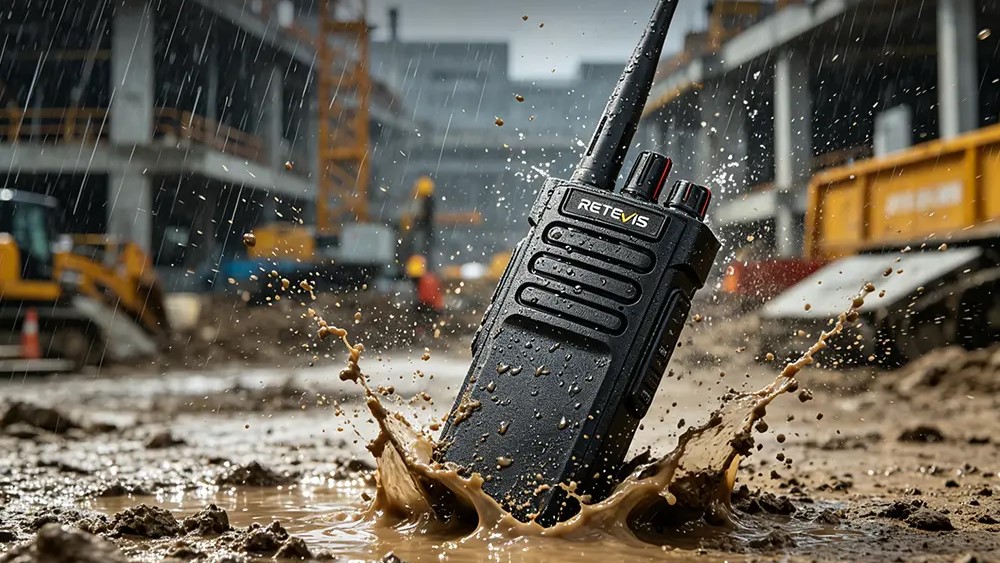
Rainy weather brings unique challenges to construction sites—slippery surfaces, reduced visibility, and equipment damage risks top the list. But one often-overlooked issue is communication breakdowns. Standard walkie talkies fail to withstand heavy rain, leading to short circuits, distorted audio, and interrupted connectivity. These failures don’t just slow down work—they put workers’ safety at risk. What’s more, construction teams often struggle to predict rainfall timing and intensity, making it hard to adjust work plans in advance and avoid safety hazards. Waterproof walkie talkies, especially those with NOAA (National Oceanic and Atmospheric Administration) weather alert functionality, are no longer an optional accessory for rainy construction sites; they’re a critical tool that keeps teams connected, compliant, protected, and prepared. This guide breaks down everything you need to know about choosing, using, and maintaining these essential devices.
Core Requirements for Waterproof Walkie Talkies in Rainy Construction Sites
Construction sites demand equipment that can handle harsh conditions, and rainy weather amplifies those demands. When selecting waterproof walkie talkies for your team, focus on these non-negotiable features to ensure reliability in heavy rain and muddy environments. 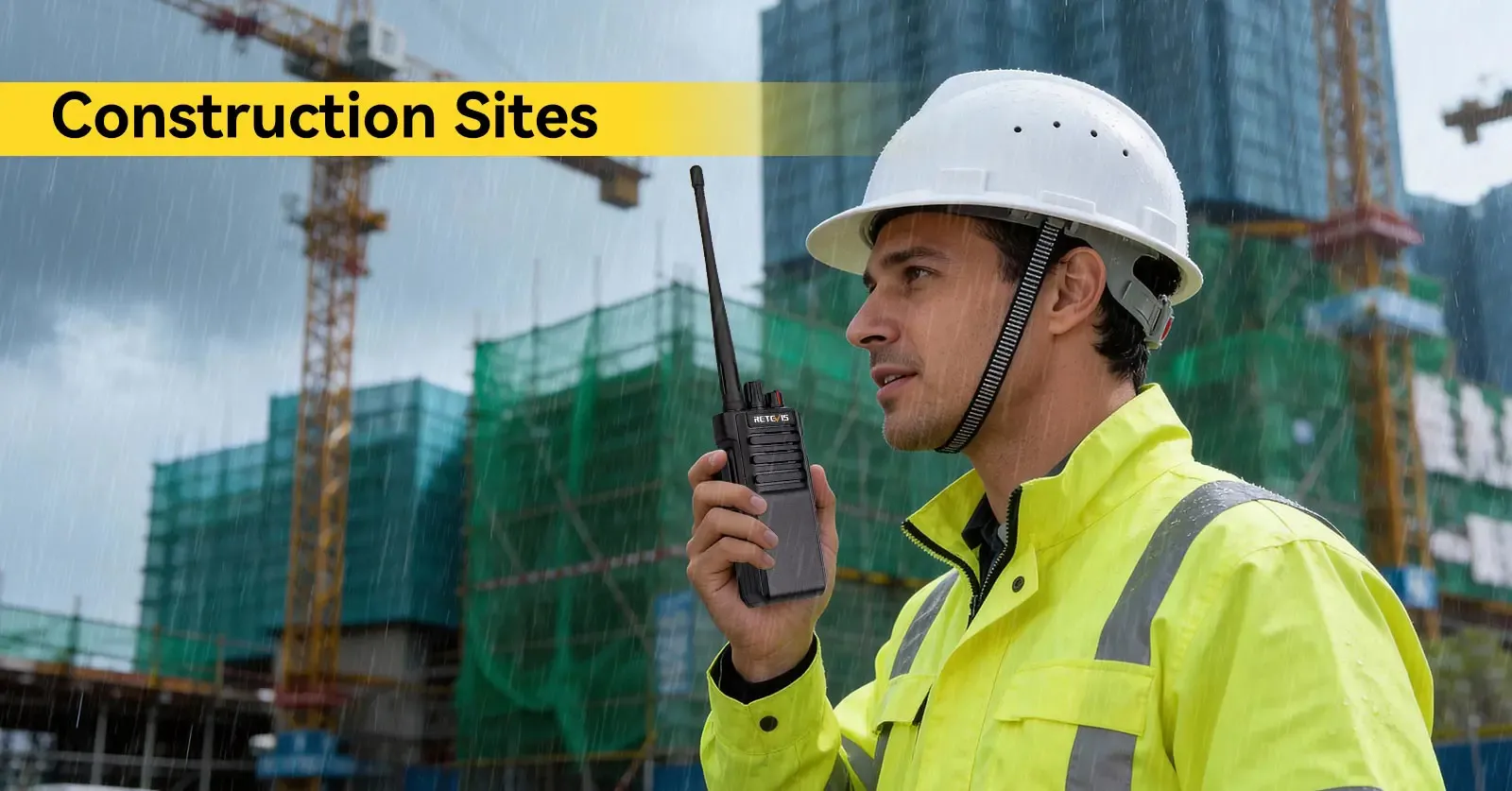
Waterproof rating is the foundation
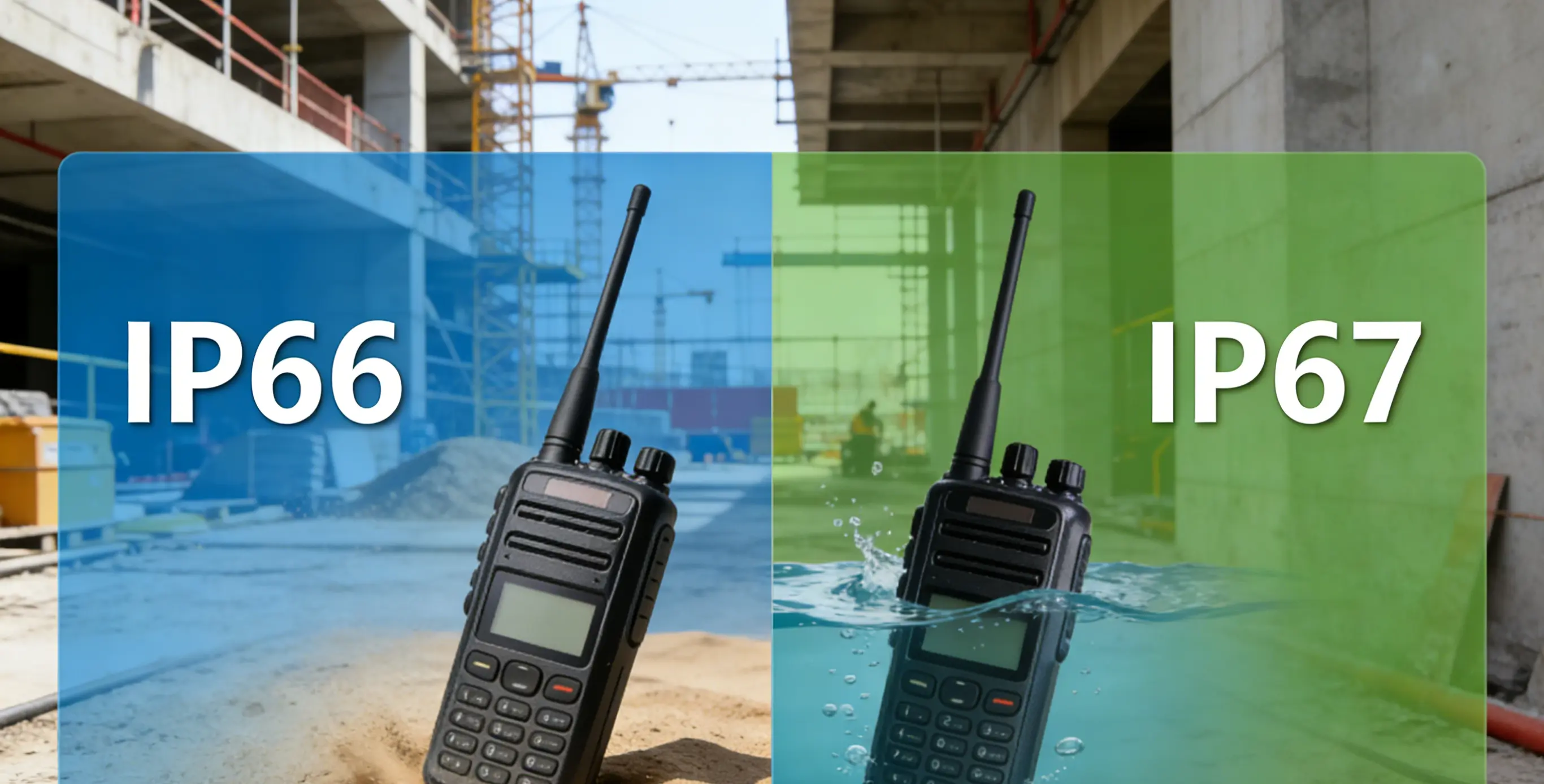
Look for devices with an IP67 or IP68 rating—these are the gold standards for construction-grade durability. An IP67 rating means the walkie talkie is completely dust-tight and can withstand submersion in 1 meter of water for 30 minutes, enough to handle heavy downpours and accidental drops into puddles. An IP68 rating offers even more protection, supporting submersion in deeper water for longer periods, ideal for sites prone to flooding or prolonged rain.
Durability goes beyond waterproofing
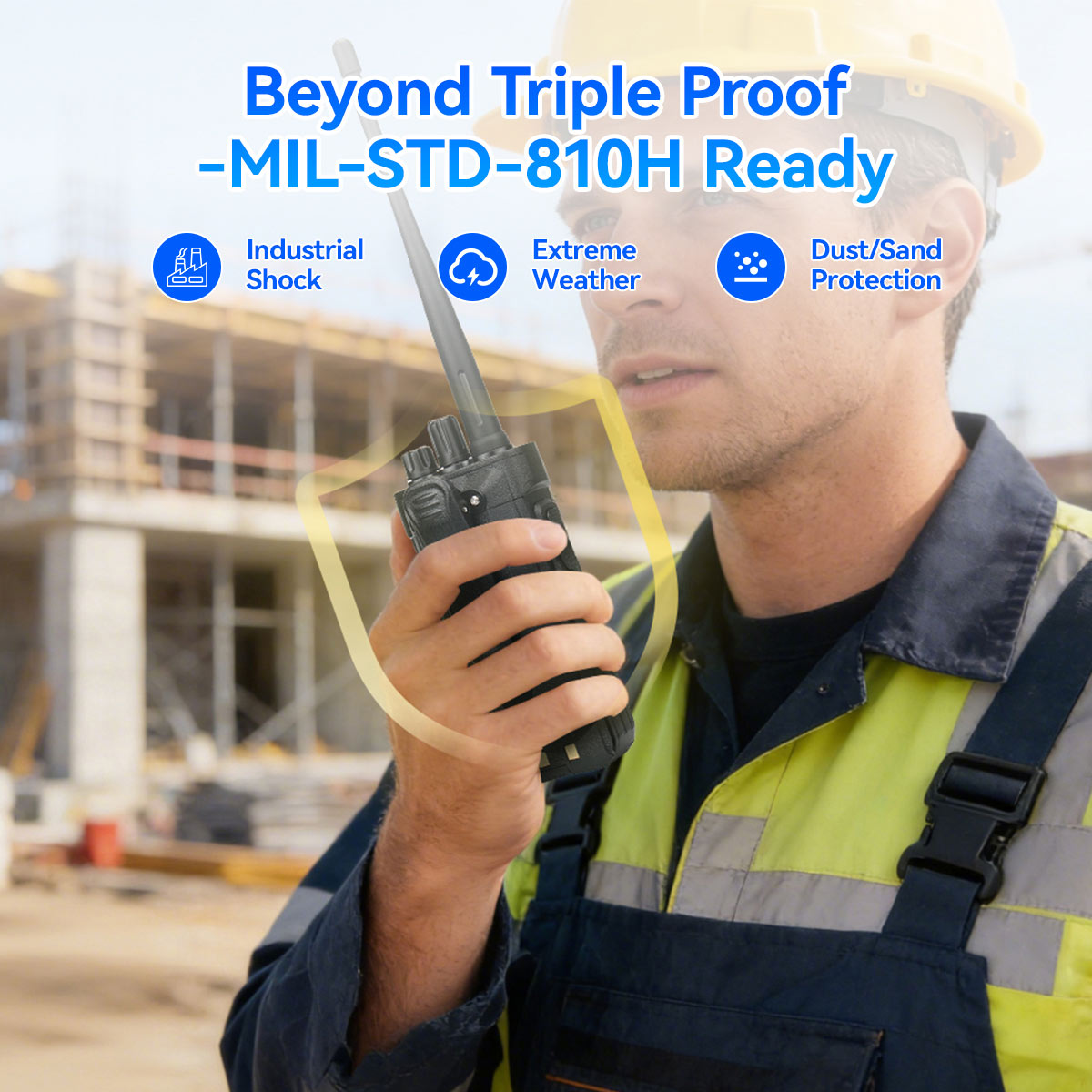
Construction sites are full of drops, impacts, and debris, so rugged waterproof walkie talkies must be shock-resistant, able to withstand falls from at least 2 meters onto concrete. Dust resistance is also critical—rain mixes with sawdust and concrete powder, which can clog speakers and circuitry if the device isn’t fully sealed.
Audio clarity in noisy environments is another must
Heavy rain, roaring machinery, and power tools create constant background noise, so waterproof walkie talkies with noise-canceling audio technology filter out distractions, ensuring messages come through crisp and clear. This feature is non-negotiable for relaying safety instructions and task updates.
Long battery life is essential for all-day shifts
Rainy days often mean longer work hours to make up for delays, so look for devices with 10+ hours of continuous use on a single charge. Rechargeable lithium-ion batteries are preferred, and a low-battery alert—audible or on-screen—prevents unexpected power failures.
Finally, ease of use and NOAA weather alert functionality matter. Workers wear thick gloves in rainy weather, so oversized or dual push-to-talk (PTT) buttons allow for quick, one-handed operation without fumbling. A non-slip housing also helps, even when hands are wet or oily. Additionally, waterproof walkie talkies with NOAA can receive real-time weather alerts, including heavy rain warnings, allowing construction teams to deploy in advance, reschedule outdoor work, and avoid unnecessary safety risks caused by sudden downpours.
Key Technology Analysis of Waterproof Walkie Talkies
Understanding the technology behind waterproof walkie talkies helps you make informed decisions and avoid overpaying for unnecessary features. Here’s a breakdown of the most critical technologies for rainy construction sites.
- IP Rating Explained: The IP (Ingress Protection) rating system measures a device’s resistance to solids and liquids. The first digit (6 in IP67/IP68) indicates dust protection—6 means completely dust-tight. The second digit (7 or 8) indicates water protection: 7 means protection against submersion in 1 meter of water for 30 minutes; 8 means protection against submersion in deeper water (usually 2 meters or more) for extended periods. Don’t confuse IPx4 (splash-proof) with IP67/IP68—splash-proof devices can’t withstand heavy rain or submersion, making them unsuitable for construction sites.
- Frequency Bands: UHF (Ultra High Frequency) is the best choice for construction sites, even in rainy weather. UHF signals penetrate steel and concrete more effectively than VHF, ensuring connectivity across multiple floors, behind walls, and in large outdoor areas. This is critical for rainy days when visibility is low and workers can’t rely on visual cues.
- Noise-Canceling Audio: Dual-mic noise-canceling technology uses two microphones to filter out background noise—like rain, machinery, and wind—while amplifying the user’s voice. This ensures clear communication even in 100+ dB environments, a common scenario on construction sites during rain.
- Long Range Capabilities: Long range waterproof walkie talkies are essential for large construction sites. Look for devices with 2+ watts of power, which provides sufficient range to cover medium to large sites (200,000–400,000 square feet) without the need for repeaters. For multi-building sites or extremely large areas, consider devices with cellular connectivity (PoC) for global range, though these rely on cell signal and may not be ideal for remote sites with poor coverage.
- NOAA Weather Alert Function: NOAA weather alert technology allows walkie talkies to receive real-time weather broadcasts and emergency alerts, including heavy rain, thunderstorm, and flood warnings. This feature is particularly valuable for construction sites, as it enables teams to monitor weather changes in advance, adjust work schedules, and move workers and equipment to safe areas before rainfall, minimizing safety risks and work delays.
Selection Tips for Waterproof Walkie Talkies in Rainy Construction
Choosing the rightwaterproof walkie talkie starts with matching features to your site’s specific needs. Follow these tips to avoid costly mistakes and ensure your team has reliable communication in the rain.
- Verify the Waterproof Rating: Don’t take marketing claims at face value. Look for third-party certification of the IP rating—reputable manufacturers will provide documentation proving their devices meet IP67 or IP68 standards. Avoid devices labeled “water-resistant” without a clear IP rating; they won’t hold up to heavy rain.
- Prioritize Durability Over Features: Extra features are nice, but shock resistance, dust tightness, and waterproofing are non-negotiable. A device with fewer features but a proven IP68 rating and shock resistance will outperform a feature-rich device that fails in rainy, rugged conditions.
- Check for NOAA Functionality: For construction sites prone to sudden rain, choose waterproof walkie talkies with NOAA to ensure you can receive real-time weather alerts. This feature helps you stay ahead of rainfall, deploy in advance, and avoid unnecessary safety hazards.
- Check Compliance: Most construction walkie talkies require FCC licensing. FRS (Family Radio Service) devices are license-free but have limited power and range, suitable for small sites. GMRS (General Mobile Radio Service) devices require a simple, inexpensive FCC license and offer more power, ideal for larger sites. PoC (Push-to-Talk over Cellular) devices typically don’t require FCC licensing, as they operate over cellular networks.
- Test Audio Clarity: Before purchasing, test the device in a noisy environment to ensure the noise-canceling feature works. Clear audio is critical for safety, so don’t skip this step.
- Consider Crew Size: For small crews (5–15 people), 4–8 channels are sufficient. For larger crews (30+ people), look for devices with 16+ channels to avoid cross-talk and keep different trades (electricians, plumbers, framers) organized.
Usage and Maintenance Specifications for Waterproof Walkie Talkies in Rainy Weather
Even the best waterproof walkie talkies will fail if not used and maintained properly. Follow these guidelines to extend device life and ensure reliability in rainy conditions.
- Usage Best Practices: Avoid submerging devices longer than their IP rating allows—IP67 devices shouldn’t be submerged for more than 30 minutes. After use in heavy rain, wipe the device down with a dry cloth to remove water and debris. Don’t press buttons while the device is wet, as this can force water into the circuitry.
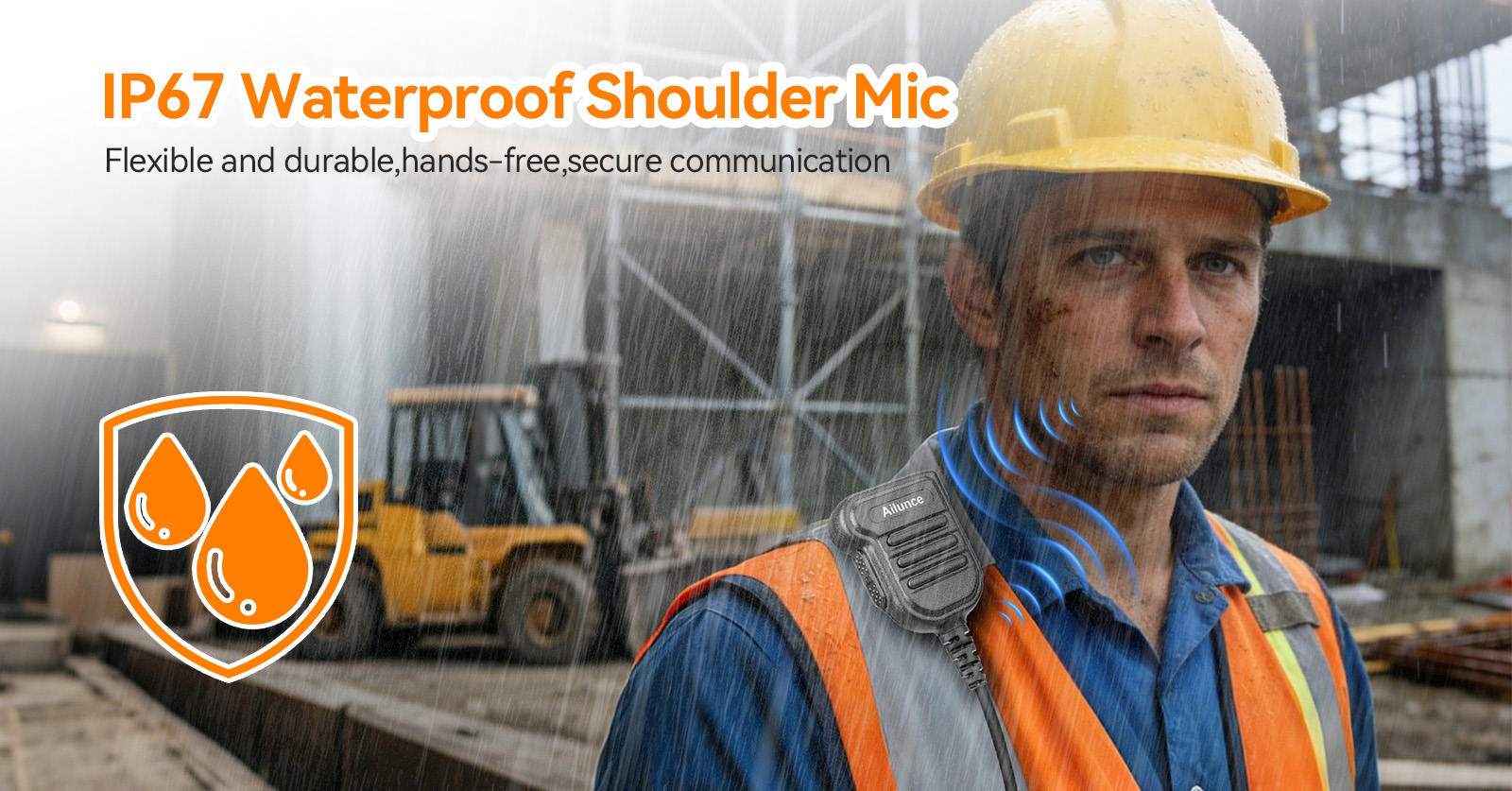
For NOAA functionality, ensure the device is tuned to local NOAA weather channels and the alert function is enabled to receive real-time rainfall warnings. Use a speaker microphone for walkie talkie waterproof if workers need hands-free operation; ensure the microphone also has an IP67/IP68 rating.
- Daily Maintenance: Clean the device regularly to remove dust, mud, and rain residue. Use a soft brush to clean the speaker and PTT buttons, and avoid harsh chemicals that can damage the housing. Check the battery contacts for corrosion—wipe them with a dry cloth if needed. Store devices in a dry, cool place when not in use, and charge them fully before each shift. For devices with NOAA, periodically check the channel tuning to ensure it remains connected to local weather broadcasts.
- Long-Term Maintenance: Inspect devices monthly for signs of wear, such as cracks in the housing or loose buttons. Replace batteries every 1–2 years, as lithium-ion batteries lose capacity over time. If a device is dropped in deep water or shows signs of water damage (distorted audio, power issues), stop using it immediately and have it inspected by a professional.
FAQ: Waterproof Walkie Talkies for Rainy Construction Sites
Q: Can waterproof walkie talkies really withstand heavy rain?
A: Yes, if they have an IP67 or IP68 rating. IP67 devices can handle heavy downpours and short submersion, while IP68 devices can withstand prolonged submersion and extreme rain. Always verify the IP rating before purchasing—IPx4 or lower devices will not hold up to heavy rain.
Q: Do I need an FCC license to use waterproof walkie talkies on a construction site?
A: It depends on the device. FRS devices are license-free and suitable for short-range communication (up to 2 miles). GMRS devices require an FCC license (approximately $35 per person) and offer longer range. Cellular (PoC) devices do not require FCC licensing, as they use cellular networks.
Q: Will rainy weather affect the range of waterproof walkie talkies?
A: Light rain has little effect, but heavy rain or fog can slightly reduce range. UHF frequencies are less affected by rain than VHF, making them the best choice for construction sites. For large sites, adding repeaters can help maintain range in rainy conditions.
Q: How long do waterproof walkie talkie batteries last in the rain?
A: Most high-quality waterproof walkie talkies have a battery life of 10–16 hours of continuous use. Rainy weather does not significantly affect battery life, but using features like noise cancellation or NOAA alerts may reduce it slightly. Always charge batteries fully before each shift and carry spare batteries for long shifts.
Q: Are waterproof walkie talkies dustproof too?
A: Yes, if they have an IP67 or IP68 rating. The first digit (6) in the IP rating indicates complete dust protection, which is critical for construction sites where dust, sawdust, and concrete powder are common. This prevents debris from clogging the speaker and circuitry.
Q: What is the role of NOAA in waterproof walkie talkies for construction sites?
A: NOAA weather alert functionality allows walkie talkies to receive real-time weather broadcasts and heavy rain warnings. This helps construction teams predict rainfall in advance, adjust work plans, and deploy safely, avoiding safety hazards and work delays caused by sudden downpours.
Q: Can I use a regular walkie talkie with a waterproof case instead of a waterproof walkie talkie?
A: Not recommended. Waterproof cases can provide basic protection against light rain, but they are not as reliable as fully sealed, IP-rated waterproof walkie talkies. Cases can trap moisture, add bulk, and interfere with buttons or audio. For rainy construction sites, a purpose-built waterproof walkie talkie (preferably with NOAA) is the safer, more reliable choice.
Conclusion
Rainy weather doesn’t have to stop construction work—but it does require the right tools. Waterproof walkie talkies, especially those equipped with NOAA weather alert functionality, are a critical investment in worker safety and project efficiency, ensuring clear communication and allowing teams to deploy in advance to avoid rainfall risks. By prioritizing IP67/IP68 waterproof ratings, durability, noise-canceling audio, long battery life, and NOAA functionality, you can keep your team connected, protected, and prepared.
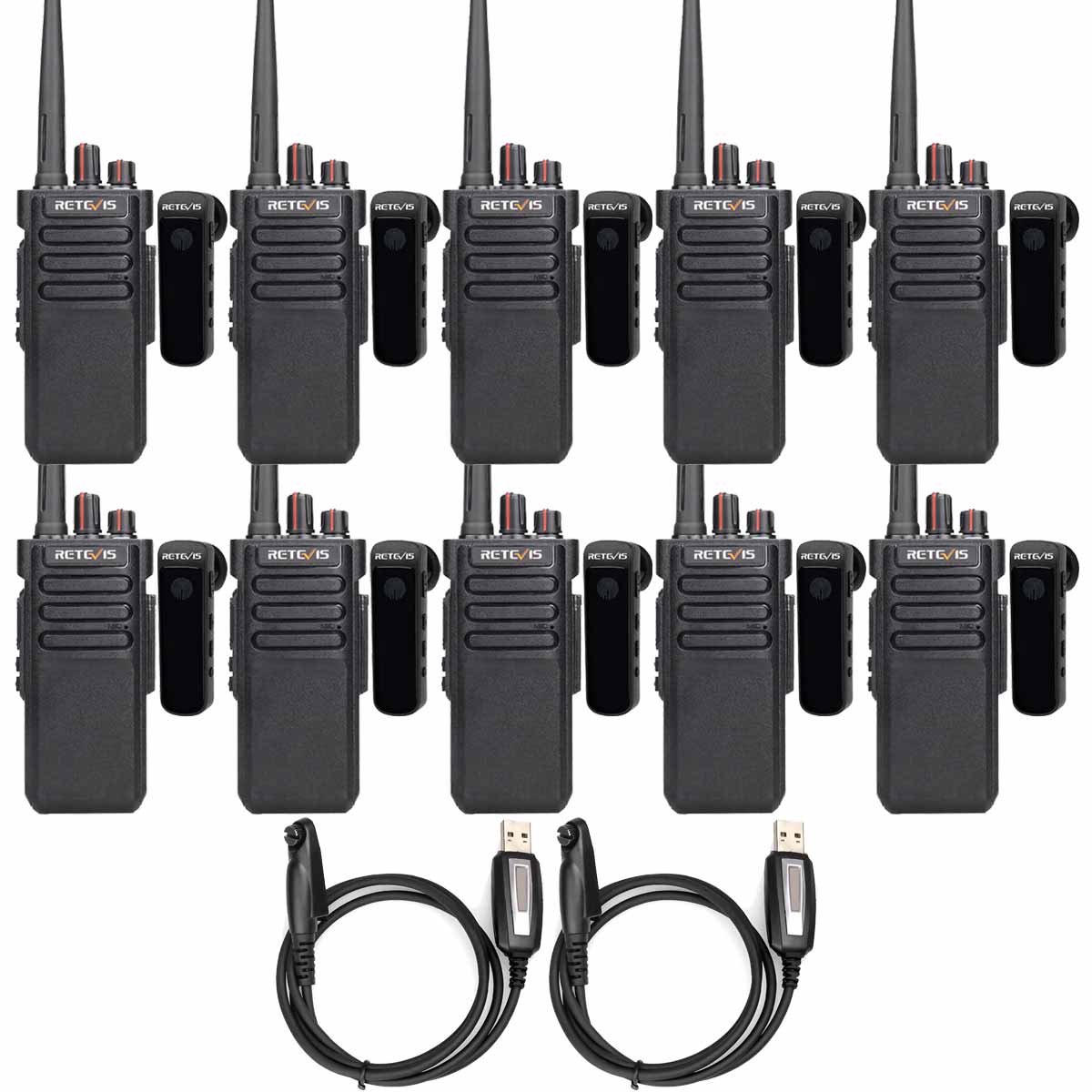
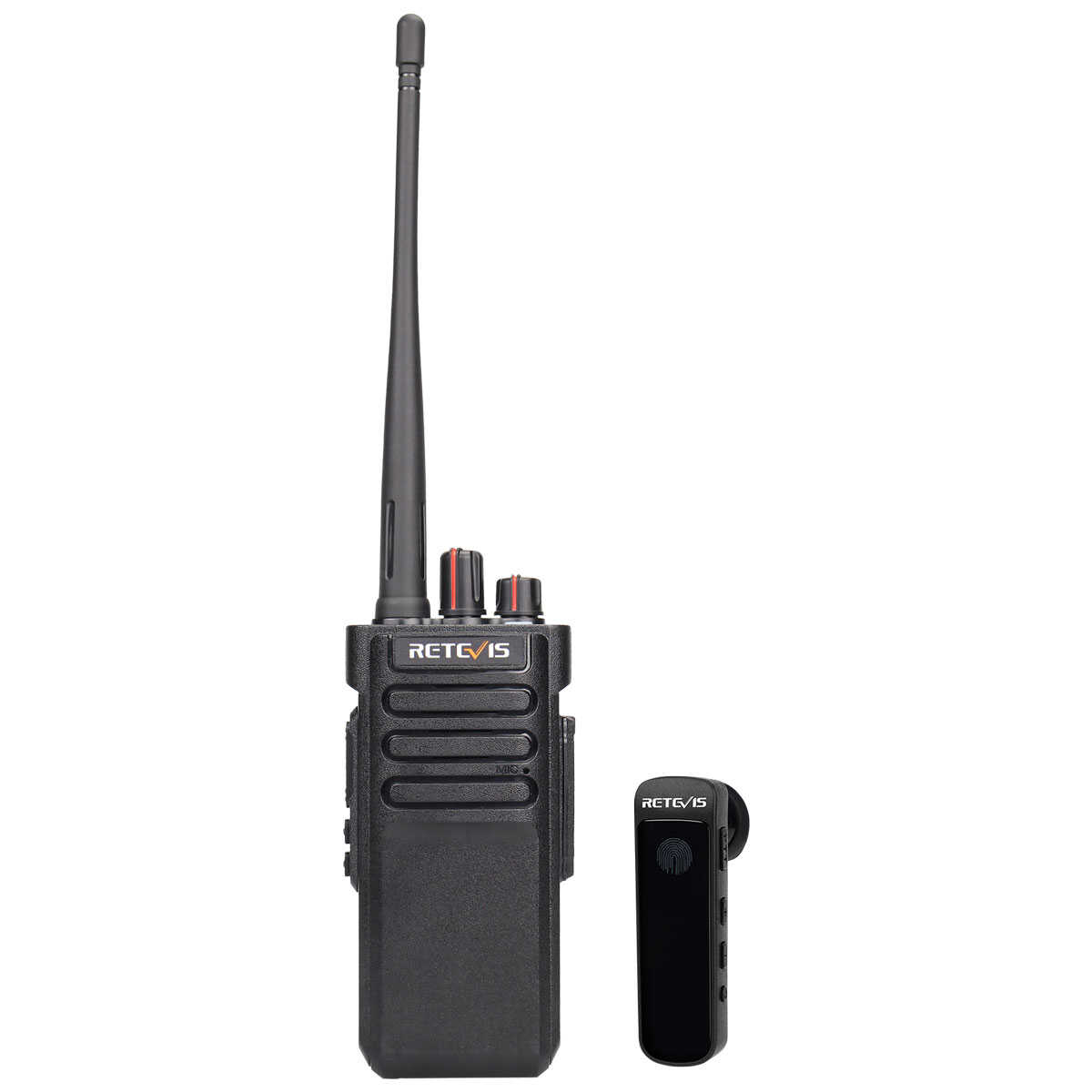
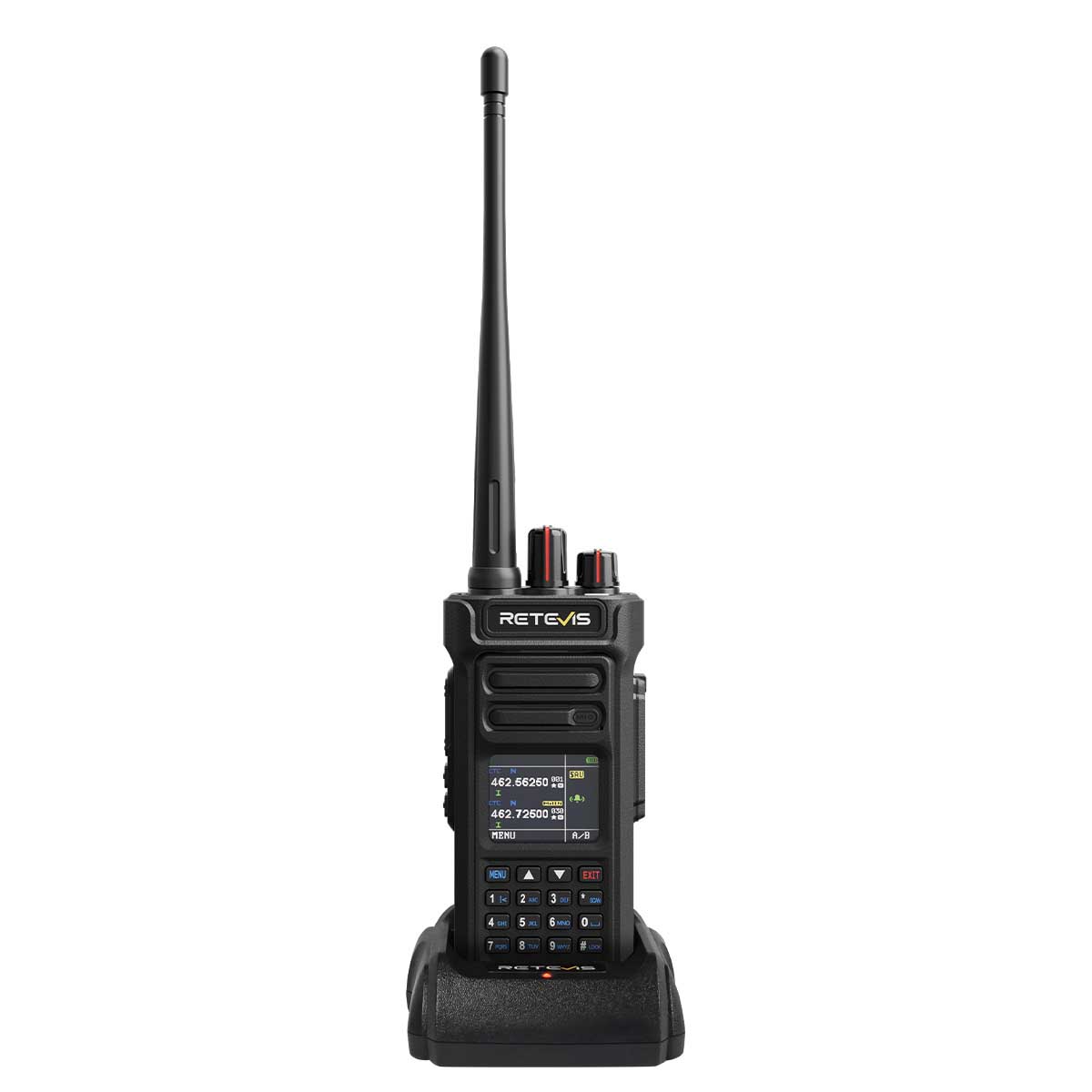
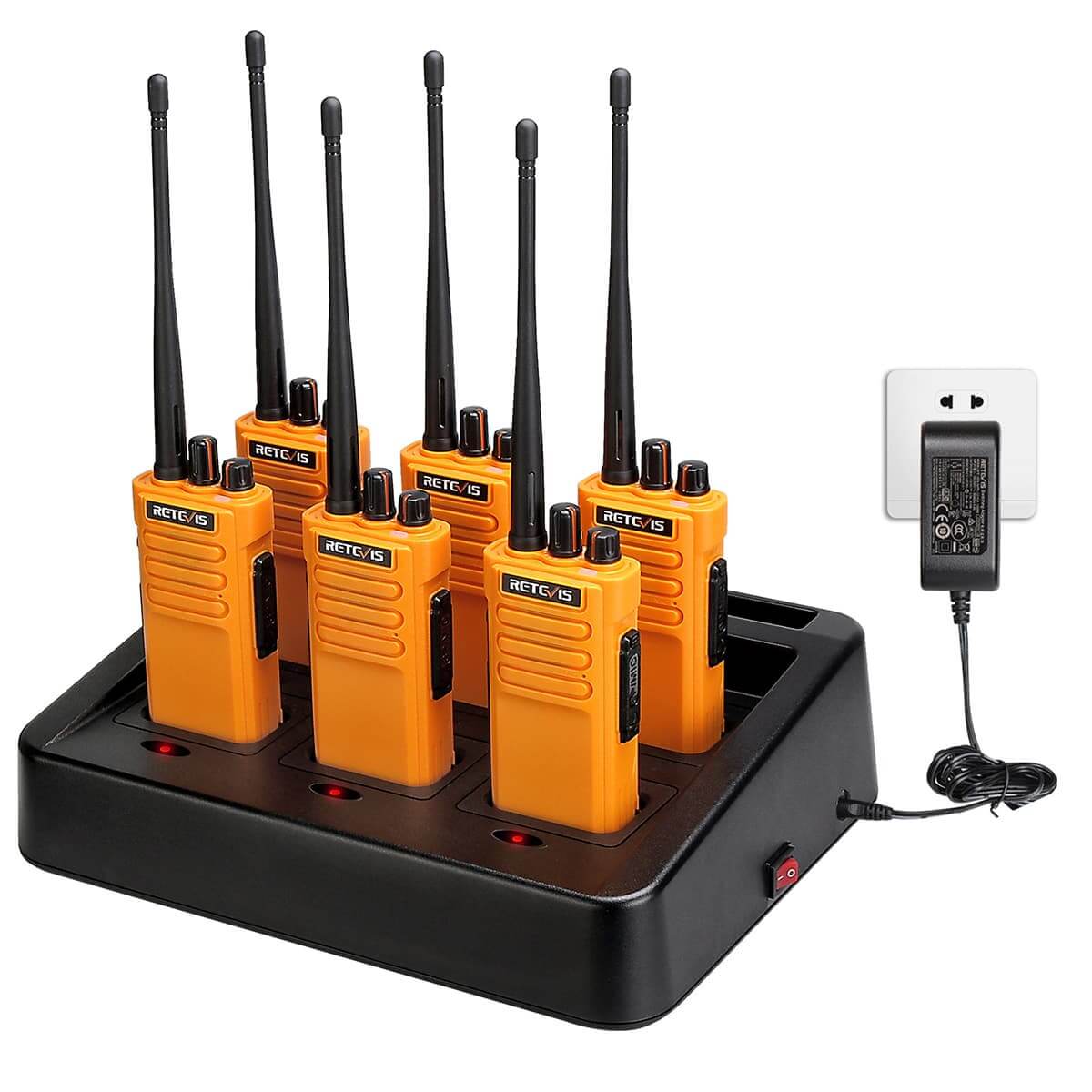
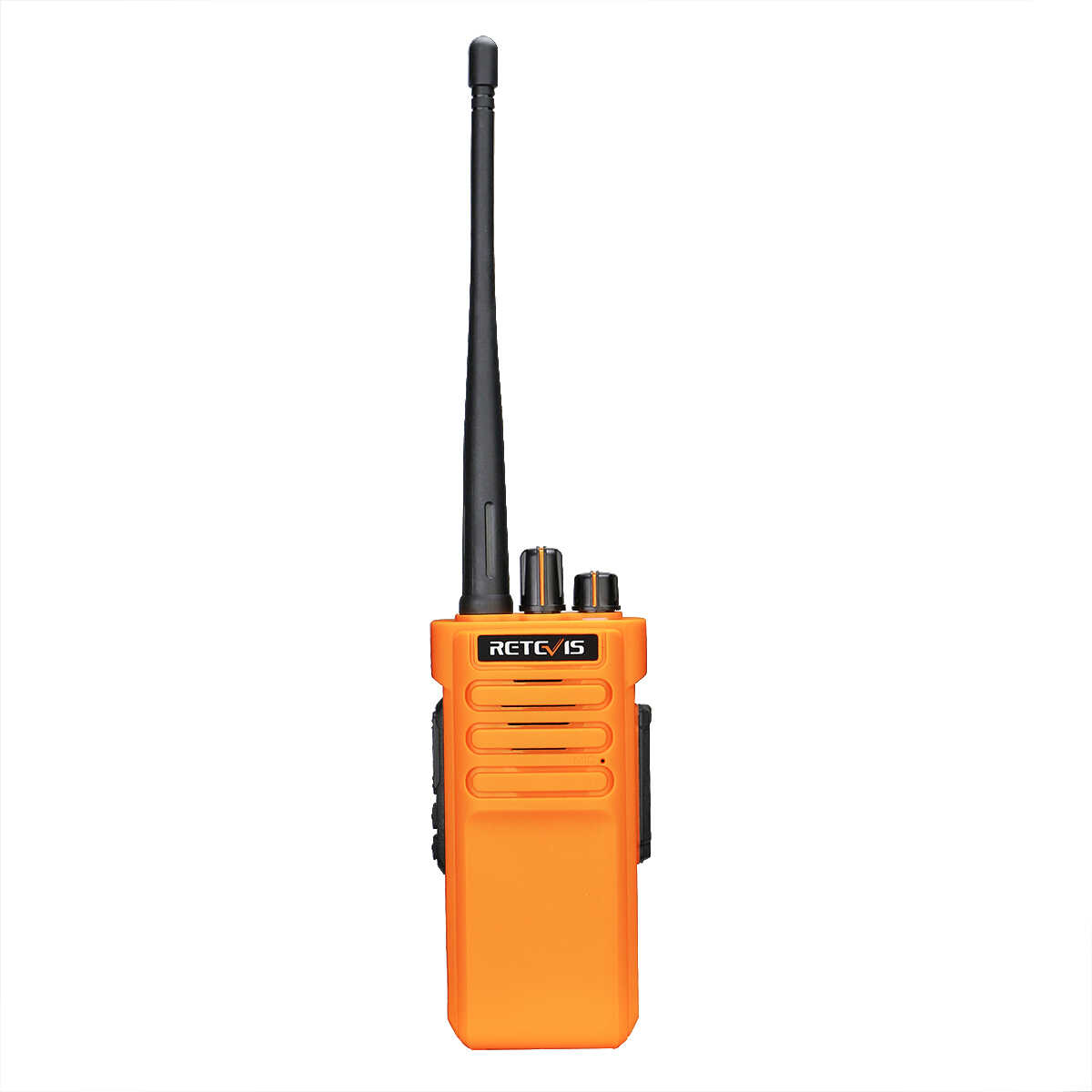
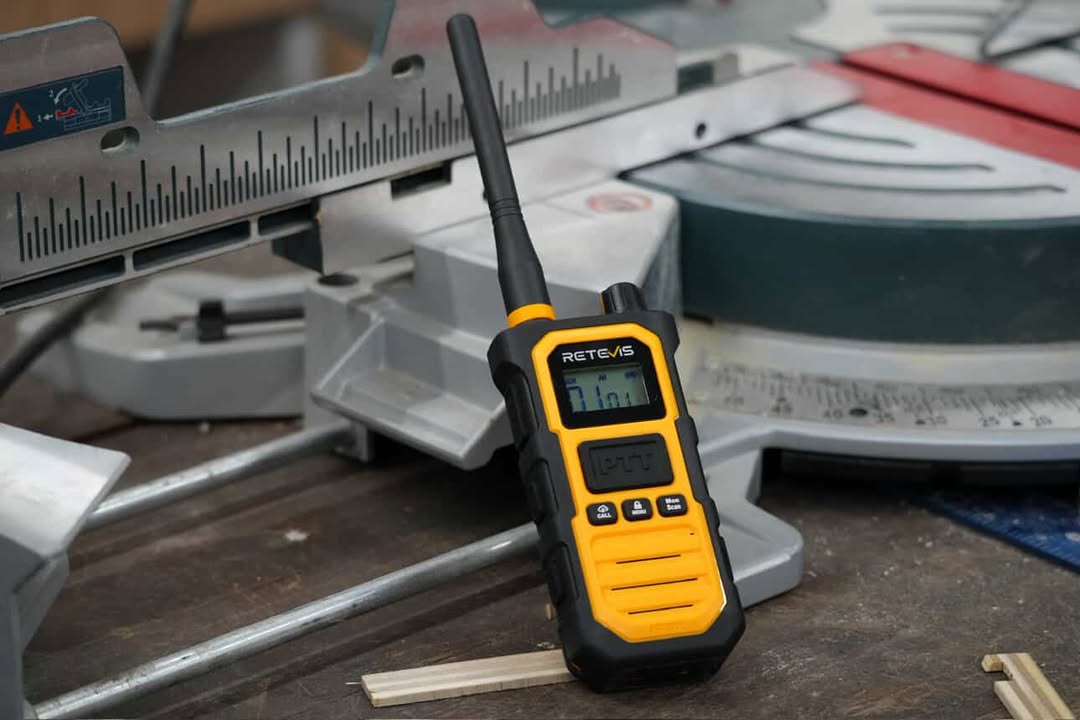
If you’re looking for a reliable option that meets all these requirements, the RETEVIS RB48 series & RT29 Series waterproof walkie talkies are a solid choice. With IP67 waterproof rating, shock resistance, noise-canceling audio, long battery life, and built-in NOAA weather alerts, they are perfectly suited for rainy construction site environments, balancing professionalism and practicality.
Remember, the best waterproof walkie talkies for construction sites are those that match your specific needs—whether you’re working on a small residential site or a large commercial project. Invest in quality, verify specifications, and train your team to use and maintain the devices properly. With the right tools, rainy days won’t slow down your site or compromise safety.
Leave a Reply




 Google
 Amazon
Comments
No data Yet