

Table of Contents
Programmable Two Way Radio: The Complete Solution for Construction Site Communication
- Posted by:Retevis
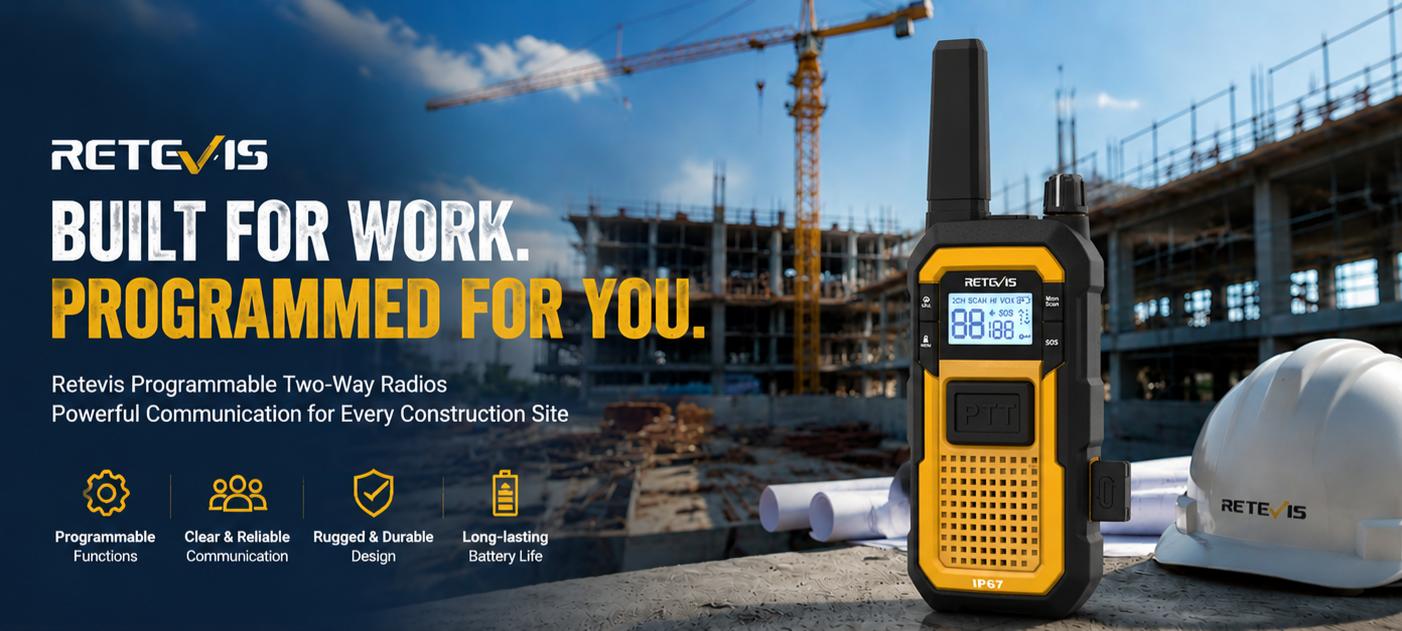
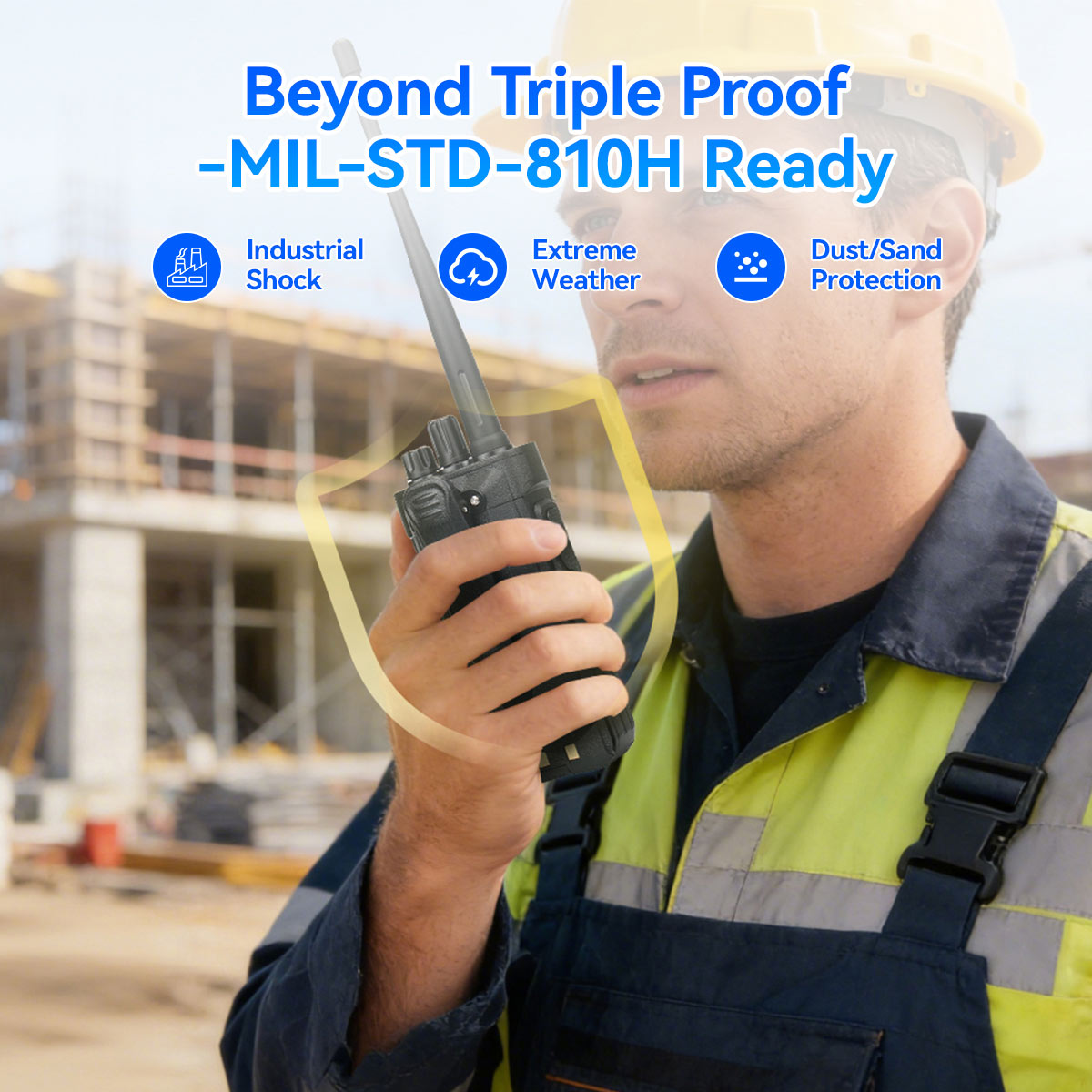
Construction sites live or die by reliable, instant on-site communication. A single missed message, crossed signal, or dropped transmission can lead to costly rework, project delays, safety risks, and misalignment between dozens of on-site teams. Basic fixed-channel walkie talkies work for small, short-term jobs, but they fall apart quickly on multi-story builds, large-scale developments, and busy job sites with steel framing, concrete barriers, and constant heavy machinery noise. A programmable two way radio solves every core communication pain point of construction work, with fully customizable settings built to adapt to the unique chaos of any job site.
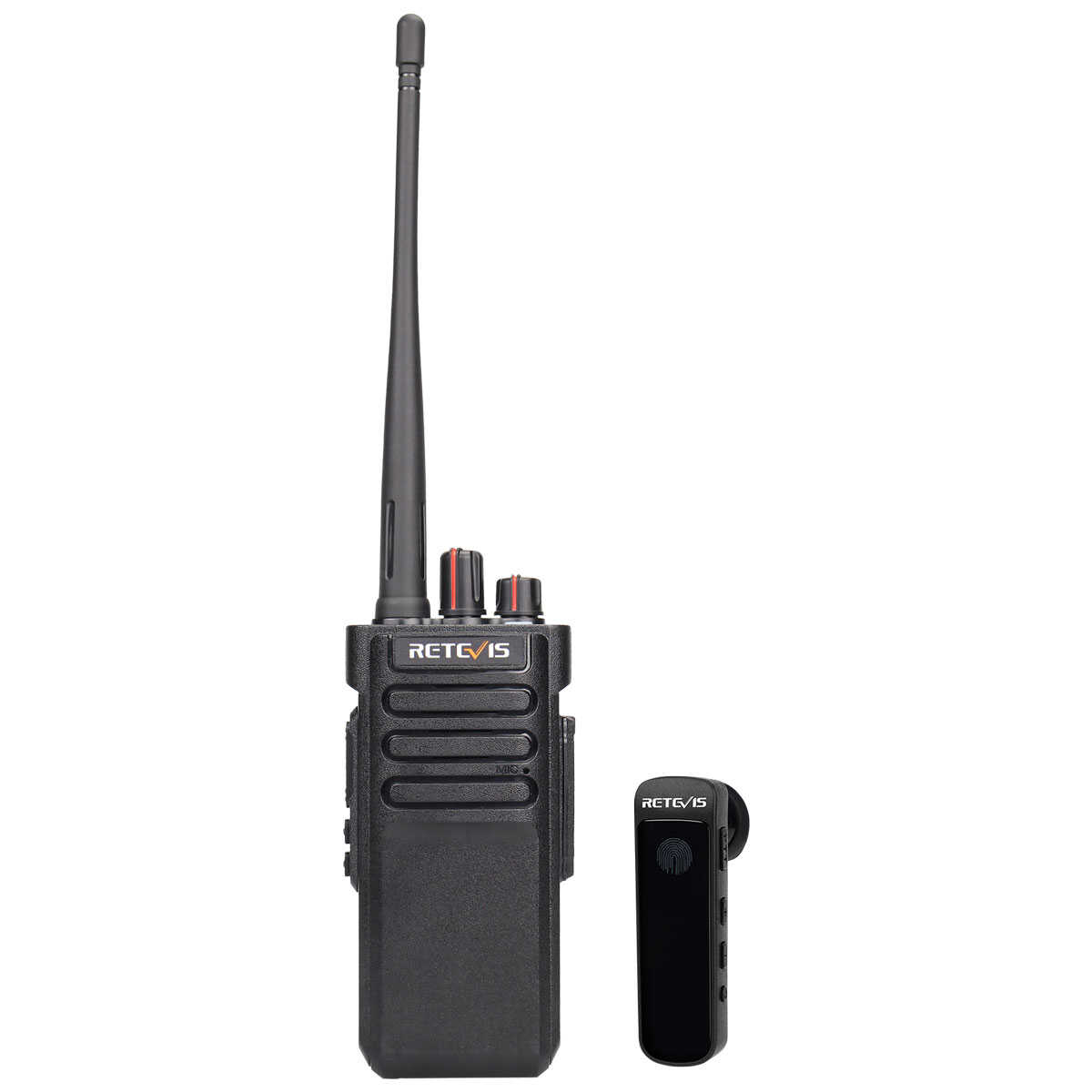
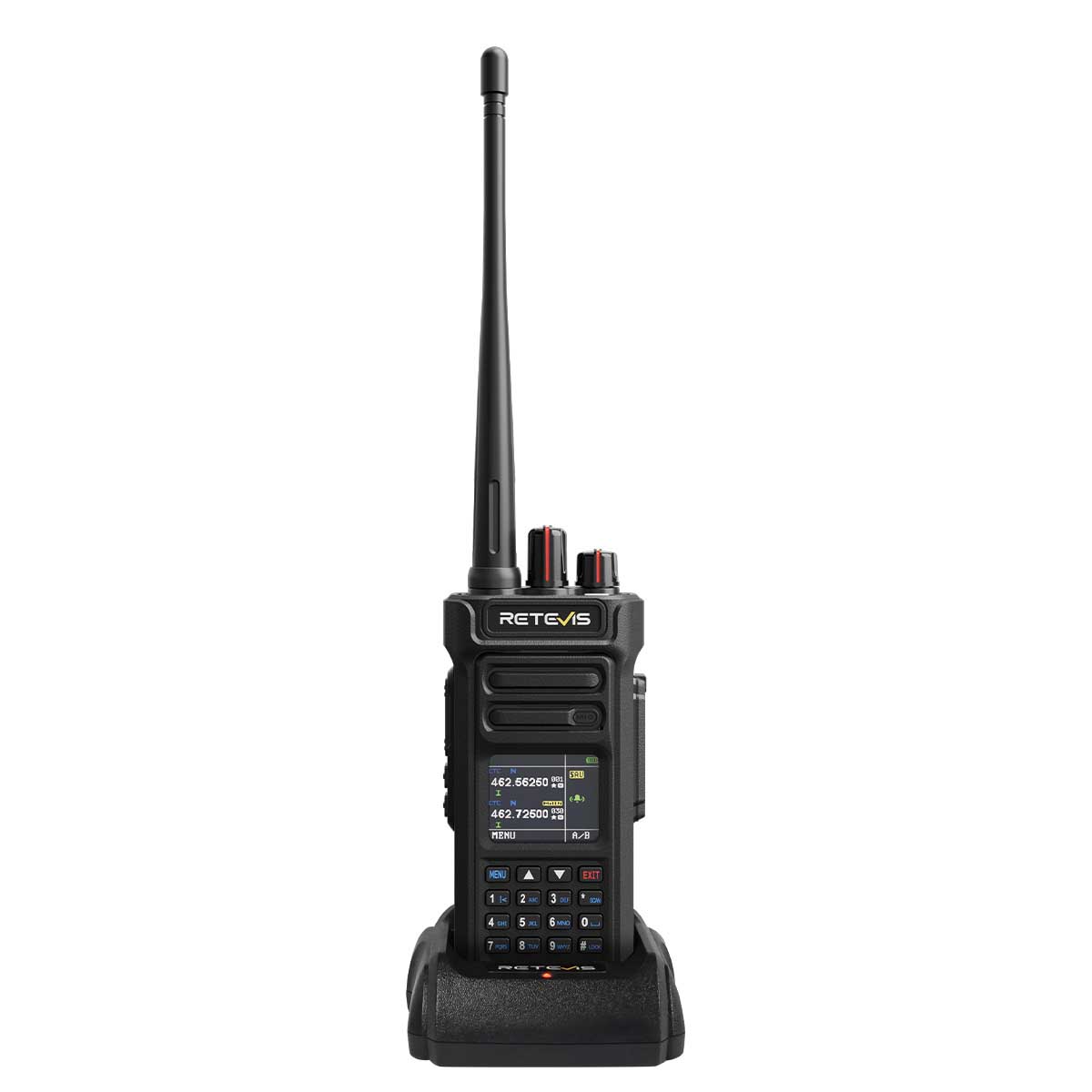
A programmable 2 way radio is not locked to factory-default frequencies and limited channels. Instead, a radio programmable for construction use lets you adjust frequencies, set dedicated talk groups, lock privacy codes, adjust transmission power, map shortcut functions, and configure safety features to match your exact site layout, team structure, and project needs. This level of customization turns a standard communication tool into a tailored system that works with your workflow, not against it.
Why a Programmable Radio Outperforms Fixed-Channel Devices on Construction Sites
Fixed-channel two-way radios are one-size-fits-all hardware, and construction sites are never one-size-fits-all. These rigid devices cannot adapt to changing site layouts, rotating teams, or the unique interference challenges of building environments. A programmable radio is built specifically to handle these variables, with four key advantages that make it the standard for best 2 way radios for construction sites:
1. Eliminates cross-talk and unwanted interference
Busy urban job sites often deal with signal overlap from nearby construction crews, public radio systems, and industrial equipment. Programmable settings let you lock in CTCSS/DCS privacy tones, so your team only hears communications from your own fleet. No more picking up stray chatter from neighboring sites, and no more critical messages getting lost to background static.
2. Adapts to steel, concrete, and multi-building layouts
Most construction projects rely on UHF frequencies, the best band for penetrating thick concrete and steel framing. A programmable radio lets you fine-tune frequencies and power settings to optimize signal strength for your exact environment, making it one of the best radios for communicating through steel and concrete on the market. Fixed-channel devices cannot adjust to these barriers, leading to dead zones and dropped calls on upper floors or enclosed work areas.
3. Supports segmented team communication
A single job site has separate teams: site management, floor crews, equipment operators, logistics, security, and emergency response. A programmable two way radio lets you set dedicated, isolated channels for each group, so general updates don’t interrupt critical equipment operations, and management calls stay separate from daily field communication. Fixed-channel radios lack this segmentation, forcing entire teams to listen to unrelated traffic all shift long.
4. Grows and changes with your project
Construction projects shift constantly: new floors get added, work zones move, subcontractors come and go, and project scope expands. A programmable radio lets you update channels, frequencies, and settings in minutes, without replacing hardware or reissuing devices to the entire crew. Fixed-channel models are locked in place, making them obsolete as soon as your site layout changes.
Critical Programming Settings for Construction Walkie Talkie Performance
The real value of a programmable two way radio comes from correct, site-specific programming. These are the core settings you’ll configure to optimize performance for any construction environment, no specialized technical experience required:
- Frequency Band Selection: Stick to UHF frequencies for all construction use. UHF signals penetrate concrete, steel, and dense job site obstacles far better than VHF, eliminating dead zones in basements, upper floors, and enclosed work areas.
- Transmission Power Adjustment: Program lower power settings for small, enclosed work areas to extend battery life and reduce unnecessary signal bleed. Set higher power for cross-building communication, long-range site coordination, and open-area development projects.
- Privacy & Squelch Coding: Enable and lock CTCSS/DCS tones for every channel to filter out external interference and prevent unauthorized signals from breaking through to your fleet. This is the single most important setting for clear, private on-site communication.
- Safety & Shortcut Function Mapping: Program dedicated side buttons for emergency alerts, monitor mode, and quick channel scan. These one-touch functions are critical for job site safety, letting workers trigger alerts or check for incoming calls without fumbling with menu settings.
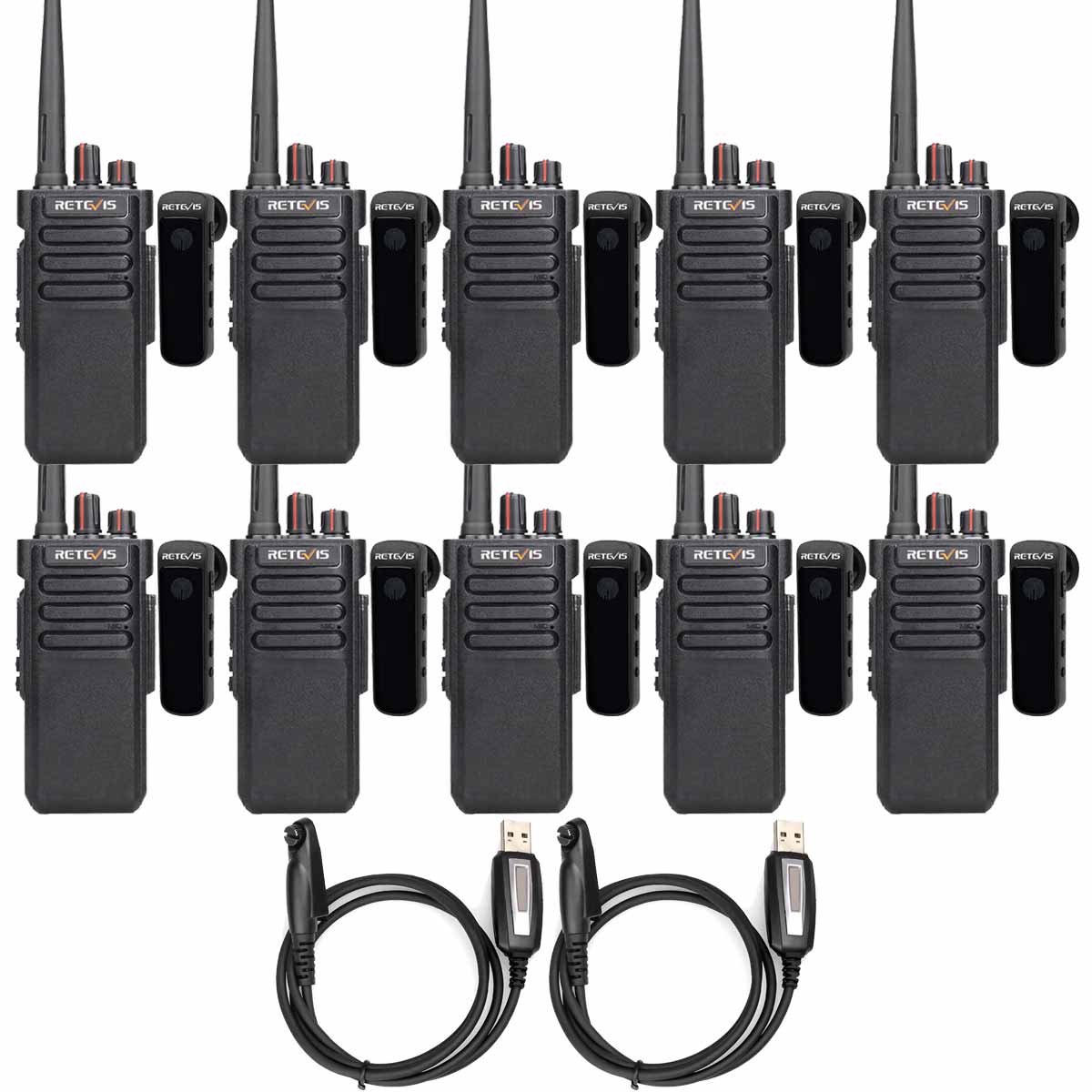
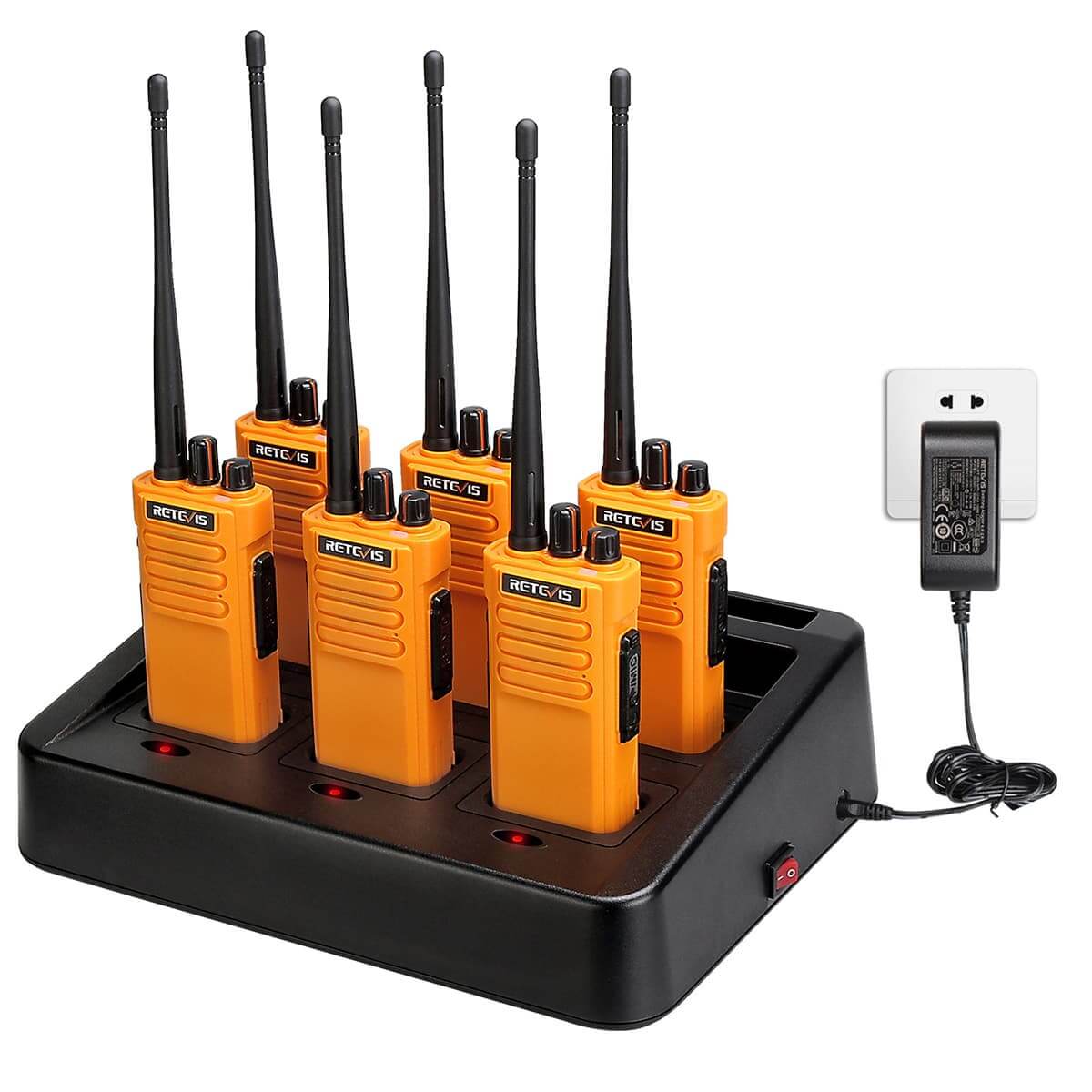
- Batch Channel Configuration: Program identical channel lists and settings across your entire fleet, so every crew member has the same access to talk groups and priority channels. This eliminates miscommunication from mismatched device settings.
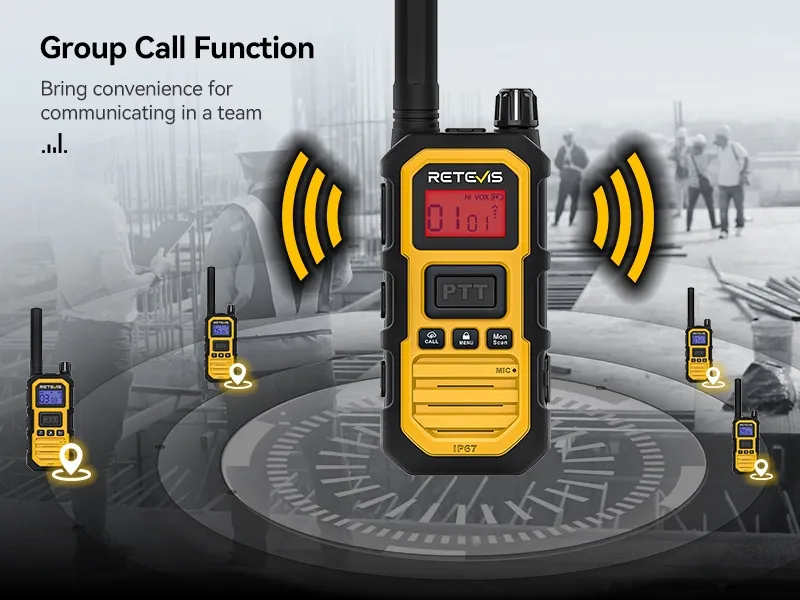
Radio Channel Planning Guide for Large Multi-Building Construction Sites
For large-scale developments, high-rises, and multi-building projects, structured channel planning turns a programmable 2 way radio into a unified command system. This standardized setup works for nearly all commercial construction projects, with clear, dedicated channels for every team:
- Channel 1: Site Command & Main Priority Channel (for project managers, emergency updates, and critical site-wide announcements)
- Channel 2: Field Construction Crews (general daily communication for on-site labor teams)
- Channel 3: Heavy Equipment & Machinery Operators (isolated channel for crane, excavator, and lift operations)
- Channel 4: Logistics & Material Delivery (coordination for material drops, supply runs, and warehouse sync)
- Channel 5: Security & Site Safety (dedicated channel for safety checks, perimeter security, and incident response)
- Channel 6: Emergency Backup Channel (locked, universal channel for all safety and emergency communications only)
This structure keeps communication organized, reduces unnecessary radio traffic, and ensures critical calls never get lost in general chatter. Best of all, you can adjust, add, or remove channels at any time as your project progresses.
On-Site Usage, Compliance & Long-Term Maintenance Tips
A properly programmed walkie talkie will perform reliably shift after shift, with a few simple best practices to extend its life and maintain compliance:
● Always program frequencies within licensed, legal bands for commercial two-way radio use, and avoid restricted public safety frequencies.
● Save a master copy of your radio programming file for batch updates, replacements, and adding new devices to your fleet.
● Test all programmed channels and settings with the full crew before full deployment, to confirm clear audio and no cross-interference.
● Program consistent battery-saving settings across all devices, to ensure full shift coverage without mid-shift power loss.
● For troubleshooting, most audio or connection issues stem from mismatched programming, not hardware failure – double-check frequency and privacy tone settings first.
Frequently Asked Questions
Q: Do I need professional software to program a construction two-way radio?
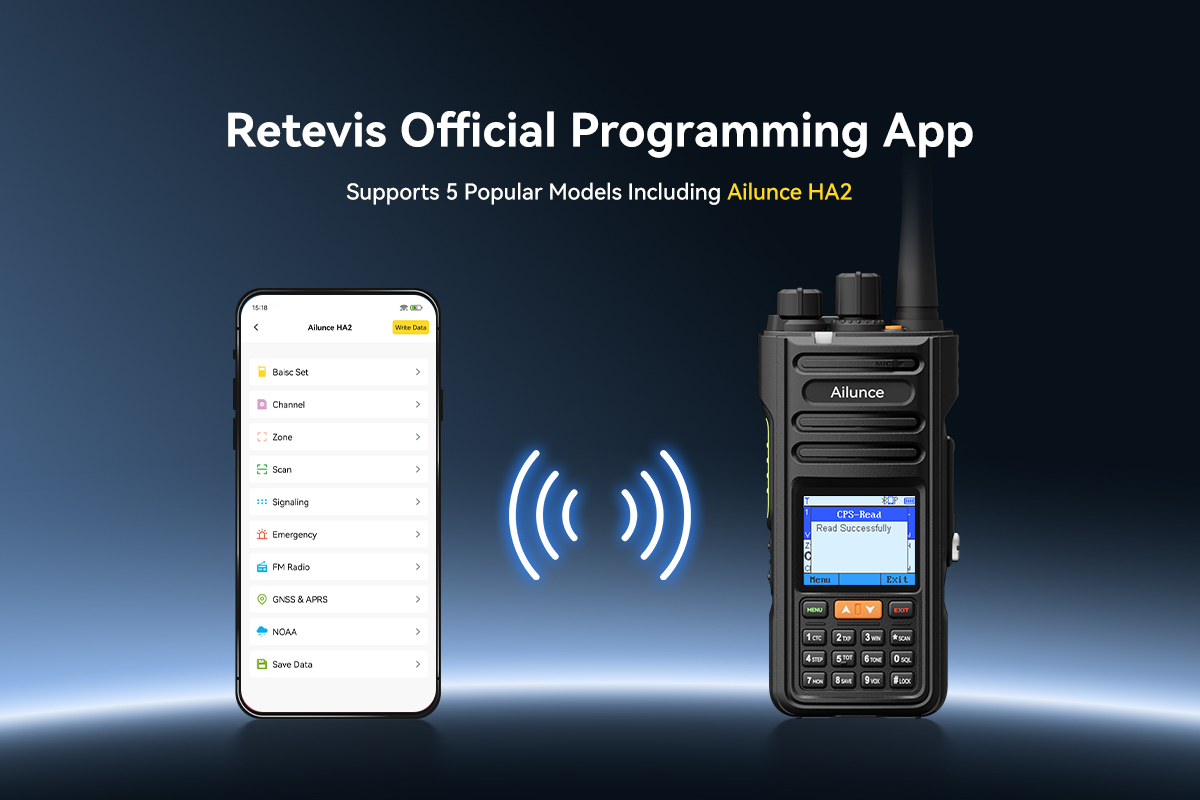
A: Yes, all commercial-grade programmable two way radios require dedicated Customer Programming Software (CPS) and a compatible programming cable to adjust frequencies, channels, and settings. Most professional models include official software from the manufacturer, and universal programming tools are available for cross-brand fleet compatibility. Basic consumer-grade radios do not offer the same customizable settings needed for construction use.
Q: Can a programmable radio work with older, existing fixed-channel radios on my site?
A: Yes. You can program your new programmable radio to match the exact frequencies and privacy tones of your existing fixed-channel devices, so the entire fleet can communicate seamlessly. This makes it easy to upgrade your equipment gradually, without replacing all devices at once.
Q: How far will a construction radio transmit on a job site?
A: Range depends on power settings, antenna quality, and site obstacles. On open, flat sites, a UHF radio can transmit up to several miles. On a typical multi-story construction site with steel and concrete barriers, reliable, clear transmission covers 3 to 5 miles consistently. For larger sites, you can program the radios to work with signal repeaters to extend full coverage across the entire property.
Q: How long does it take to program an entire fleet of construction radios?
A: Once you create a single master programming file with your preferred channels, settings, and privacy codes, you can copy the file to every device in minutes. Most full fleets can be fully programmed, tested, and ready for use in a single business day, as long as you have your channel plan and settings finalized in advance.
Q: Is a programmable two way radio worth the investment over basic fixed-channel models?
A: For any commercial construction project, long-term job site, or multi-team operation, yes. Fixed-channel radios have limited use cases and become obsolete as your site changes, while a programmable radio adapts to your project for years. The reduced miscommunication, eliminated interference, and improved safety coordination easily offset the upfront investment, with far less downtime and hardware replacement over time.
Q: Can I program these radios to work across multiple separate job sites?
A: Absolutely. You can program multiple sets of channel and frequency profiles into a single radio, or create separate programming files for each job site. This lets crews move between locations with the same device, simply switching to the pre-programmed profile for the active site, without reconfiguring settings from scratch.
Final Thoughts
A programmable radio is not just a better walkie talkie – it’s a communication system built specifically for the unpredictable, high-demand environment of construction work. Unlike fixed-channel devices that force your team to adapt to limited hardware, a programmable two way radio adapts to your site, your teams, and your project timeline. For clear, reliable, interference-free communication that scales with your work, it is the standard for professional construction site communication.
Leave a Reply




 Google
 Amazon
Comments
No data Yet