

Table of Contents
How to Extend the Range of Retevis RT22 Radios in a Large Facility
- Posted by:Retevis

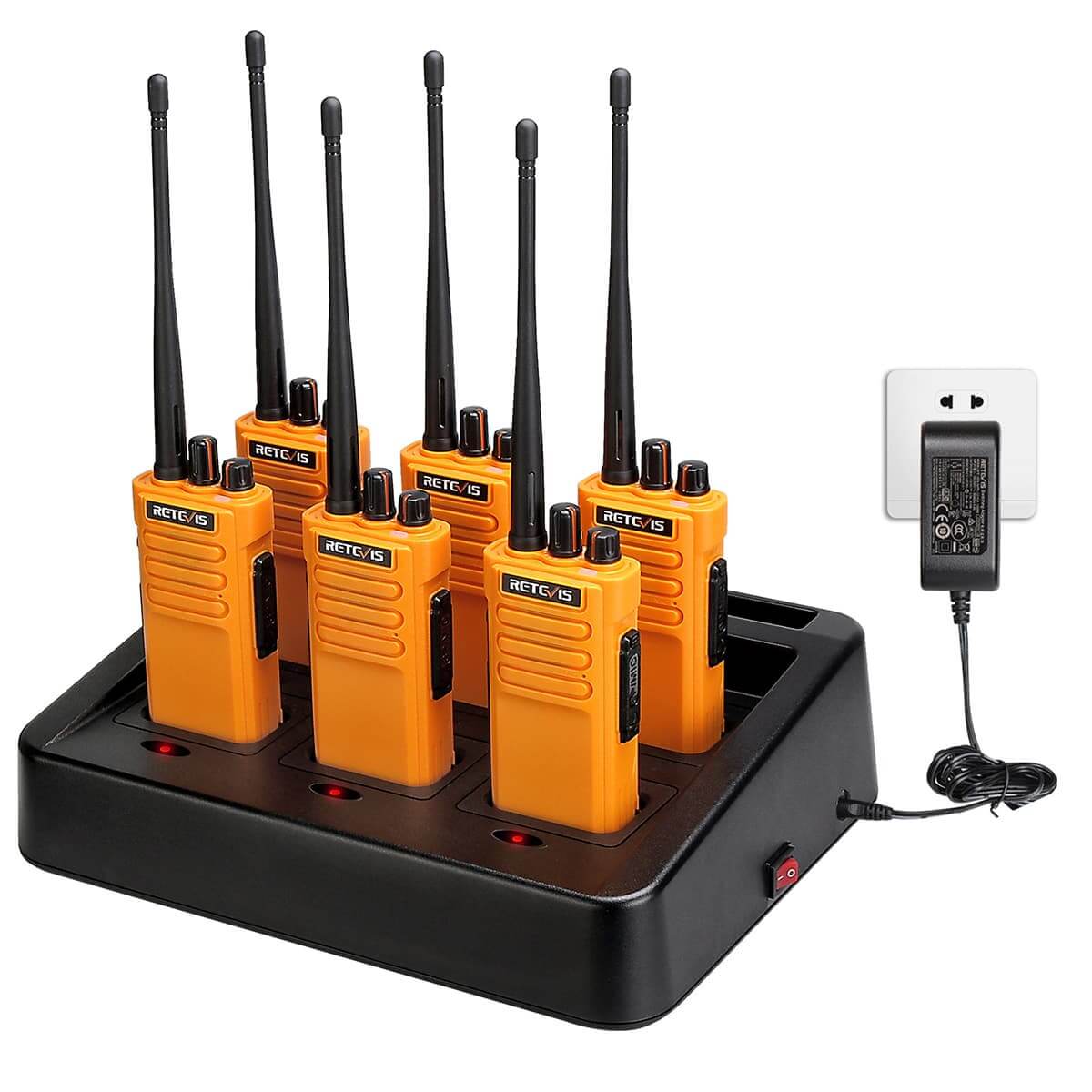
Clear communication matters in large facilities. In warehouses, hotels, schools, hospitals, and factories, staff need reliable radios to stay connected, solve problems fast, and keep work moving.
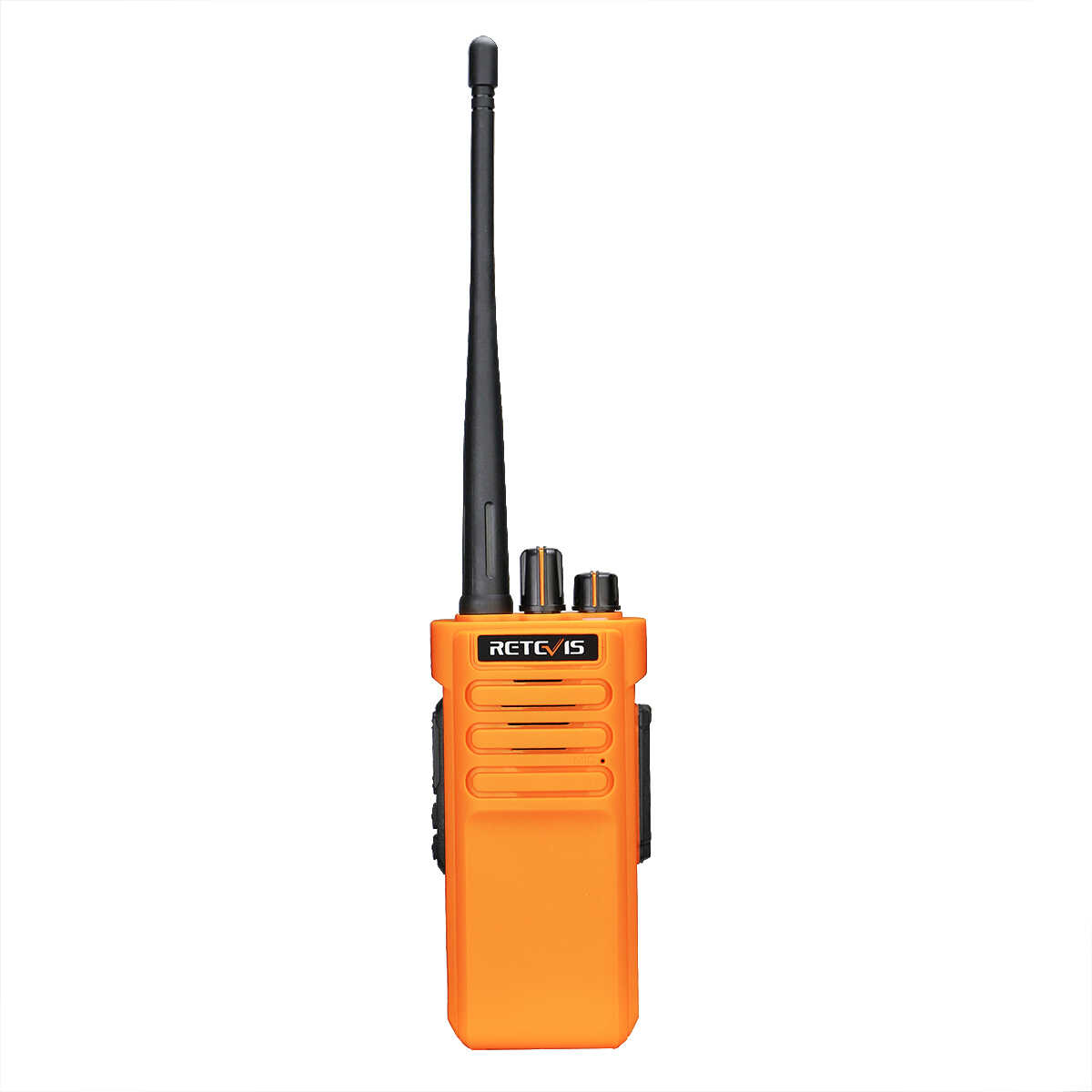
The Retevis RT22 is a small and easy-to-use radio for short-range onsite communication. But in a large building, signal problems can happen. Staff may work on different floors, behind concrete walls, near metal racks, or in large service areas. In these places, audio may become weak, or some areas may have no coverage at all.
So, how can you extend Retevis RT22 range in a large facility?
The answer depends on what you mean by “extend range.” You can improve Retevis RT22 range in real use by changing how staff use the radio, testing coverage, and managing channels well. But these steps will not turn the RT22 into a long-range repeater system. If your facility needs wider coverage than the RT22 can provide, you may need a higher-power radio or a repeater-capable system.
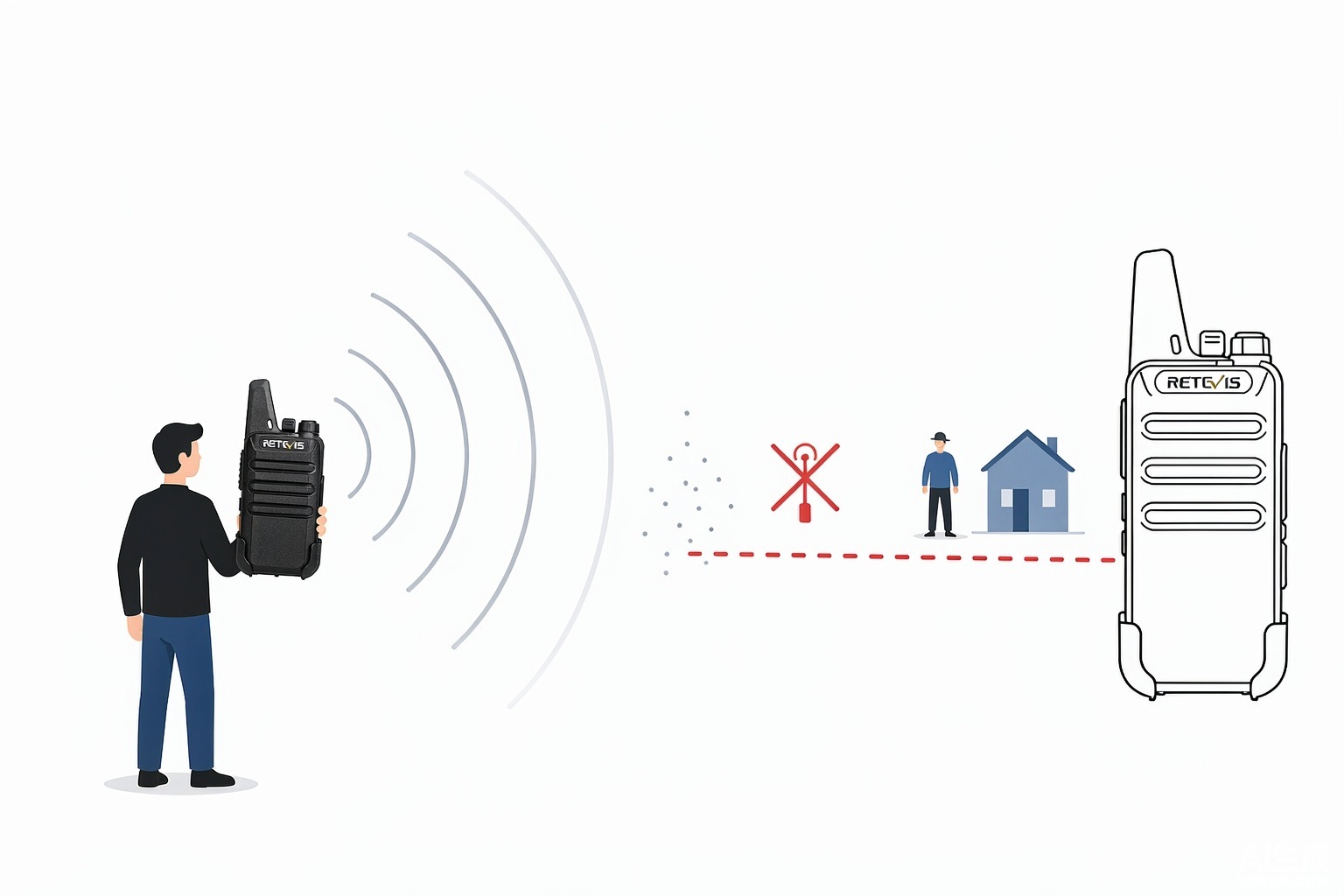
What Affects Retevis RT22 Range Indoors?
The Retevis RT22 works well for simple, short-range communication. In open areas, it can perform well. But large buildings often make communication harder.
If you want to know how to improve RT22 signal or how to extend walkie talkie range indoors, first look at the environment around your team.
-
Building Materials and Layout
Concrete, steel, brick, and other heavy materials can weaken radio signals. The signal gets weaker when it must pass through several walls or floors.
Common problem areas include:
- basements
- stairwells
- elevator areas
- storage rooms
- long hallways
- warehouse aisles with metal racks
- closed equipment rooms
A radio may work well in an open office but poorly in a back hallway or storage room. In warehouses, metal shelves and large machines can also block or weaken the signal.
The more obstacles between two radios, the harder it is to keep communication clear and stable.
2. How Staff Carry and Use the Radio
The way people carry the radio also affects performance.
For better daily use:
- keep the radio upright when talking
- do not cover the radio with your hand
- do not place it under heavy clothing if possible
- move to a more open area before making an important call
These steps will not turn the RT22 into a long-range radio. But they can help your team get better results from the radios they already use.
3. Channel Traffic and RF Interference
In busy facilities, several teams may use radios at the same time. Other nearby radio systems and RF activity may also affect audio quality.
If users hear broken audio or unexpected conversations, check whether:
- other users are on the same channel
- the problem happens only in certain areas
- the problem appears near specific equipment
Good channel planning helps reduce confusion, but it does not directly increase physical range.
4. Dead Zones
Some parts of a building naturally have weaker signal coverage. These areas may include:
- enclosed maintenance rooms
- lower-level service areas
- far corners of warehouses
- spaces behind thick walls
- areas surrounded by metal structures
If you want to improve Retevis RT22 coverage in a large facility, you should first find these dead zones.
Practical Ways to Improve RT22 Coverage
Before buying new radios, try a few simple steps to improve your current setup.
1. Improve Daily Radio Use
Make sure staff know how to use the radios the right way.
Tell them to keep the radio upright, avoid covering it while talking, and move away from large obstacles when possible.
If a message is important, ask them to move to a more open area before they transmit.
These small changes can reduce many common communication problems.
2. Test Coverage Across the Facility
A coverage test helps you see where the RT22 works well and where it does not.
Walk through the areas where staff work and test communication from different locations. Include:
- different floors
- stairwells
- storage rooms
- warehouse aisles
- loading areas
- equipment rooms
- areas behind thick walls
Write down where audio becomes weak, broken, or hard to understand.
This will show whether you only have a few dead zones or a bigger coverage problem.
3. Organize Channel Use
If too many people use the same channel, communication becomes harder to manage.
When possible:
- assign channels by team or department
- make sure staff know which channel to use
avoid unnecessary channel sharing
Privacy codes can block unwanted conversations from other users, but they do not increase physical range or make the signal stronger.
What Will Not Increase RT22 Range?
It is just as important to know what does not work.
Turning Up the Volume
Higher volume does not make the signal stronger. It only makes the received audio louder.
Using Privacy Codes
Privacy codes can reduce unwanted conversations, but they do not increase distance or improve signal strength.
Changing Channels
A different channel may reduce channel crowding in some cases. But it cannot remove walls, floors, or metal barriers.
Better Handling Alone
Using the radio correctly helps, but it cannot solve major building-related coverage problems by itself.
Knowing these limits can save time and help you focus on real solutions.
Can the Retevis RT22 Work With a Repeater?
If you want to use a repeater to extend RT22 range, there is one key point to know.
The U.S. FRS version of the Retevis RT22 does not work with a standard repeater system. The RT22 is made for direct radio-to-radio communication. It does not have the repeater settings or programming needed for standard repeater use.
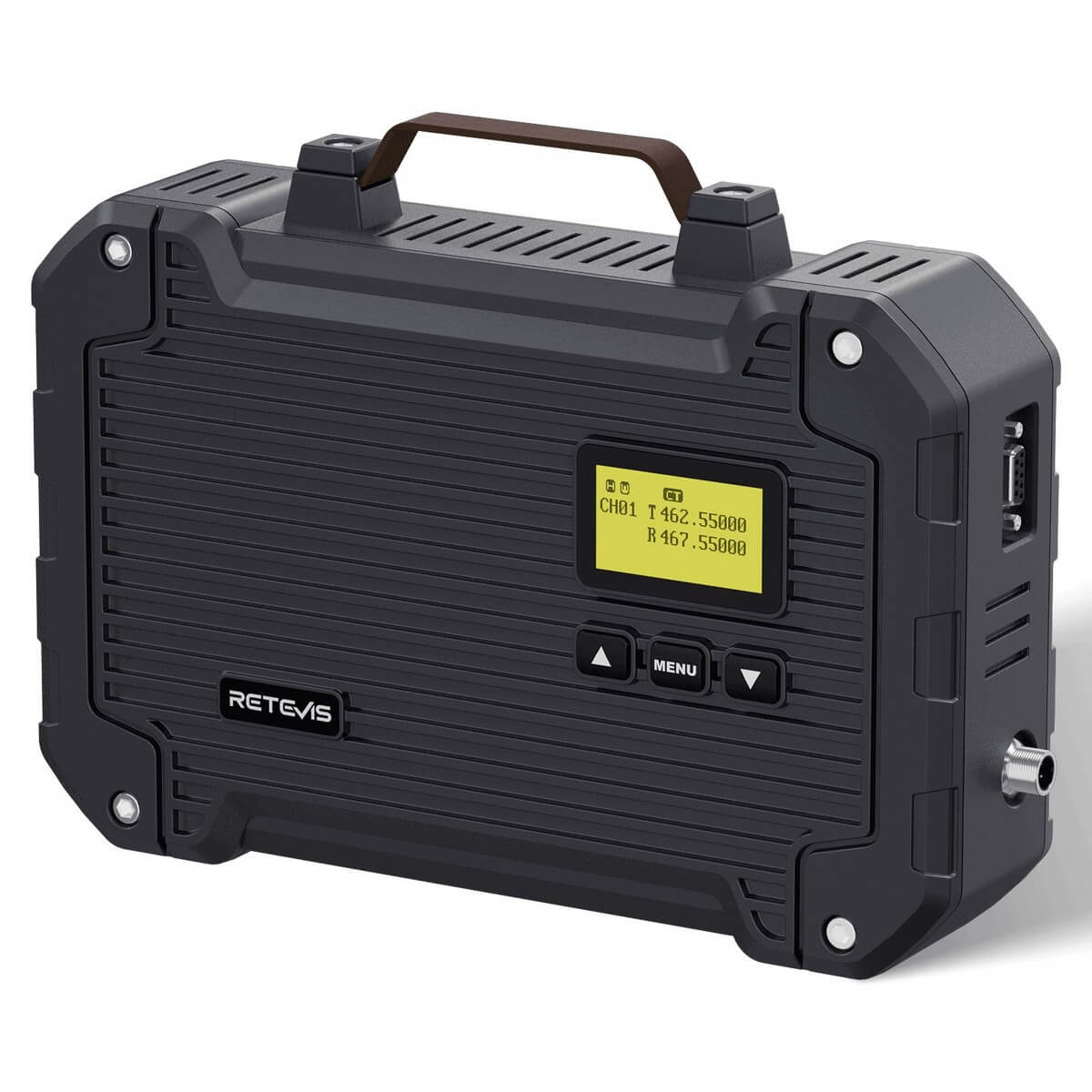
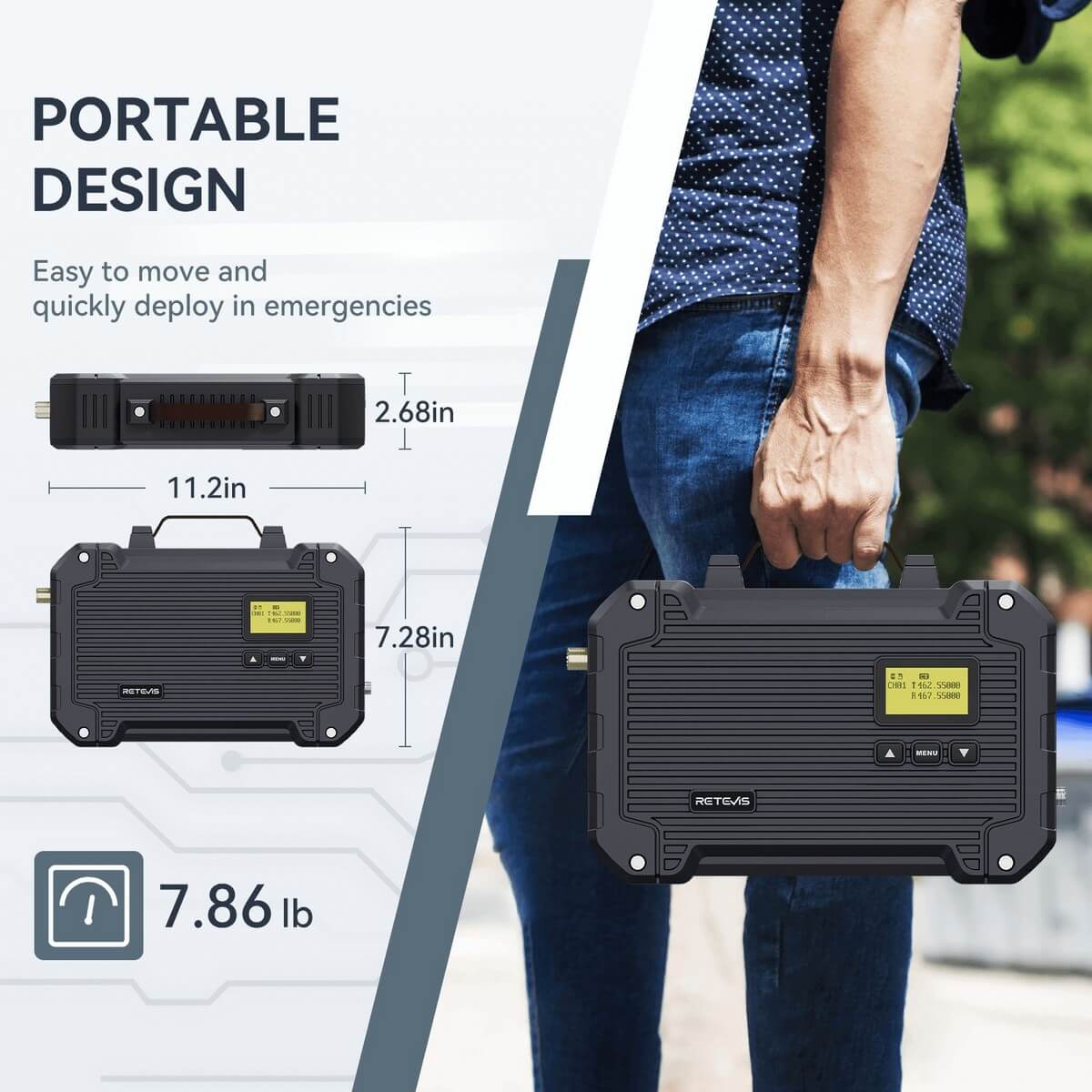
A repeater works in a different way. One handheld radio sends a signal to the repeater, and the repeater sends that signal back out from a better location. This can help users communicate across longer distances, multiple floors, or blocked areas.
But adding a repeater does not change the RT22’s basic design.
If your facility needs repeater-based coverage, you need a radio system that is built for repeater use.
Need More Range Without a Repeater?
Not every large facility needs a repeater system.
If your main problem is communication distance, and your team does not need a repeater, a long range walkie talkie may be a better option.
Need Wider Coverage Across a Large Facility?
If your team needs reliable communication across multiple floors, large warehouses, industrial sites, or other complex spaces, a repeater-capable radio system may be the better solution.
A repeater can receive and retransmit radio signals from a better location. Final coverage depends on antenna height, repeater placement, terrain, building structure, and system setup.
Retevis RT97P + RT29D DMR System
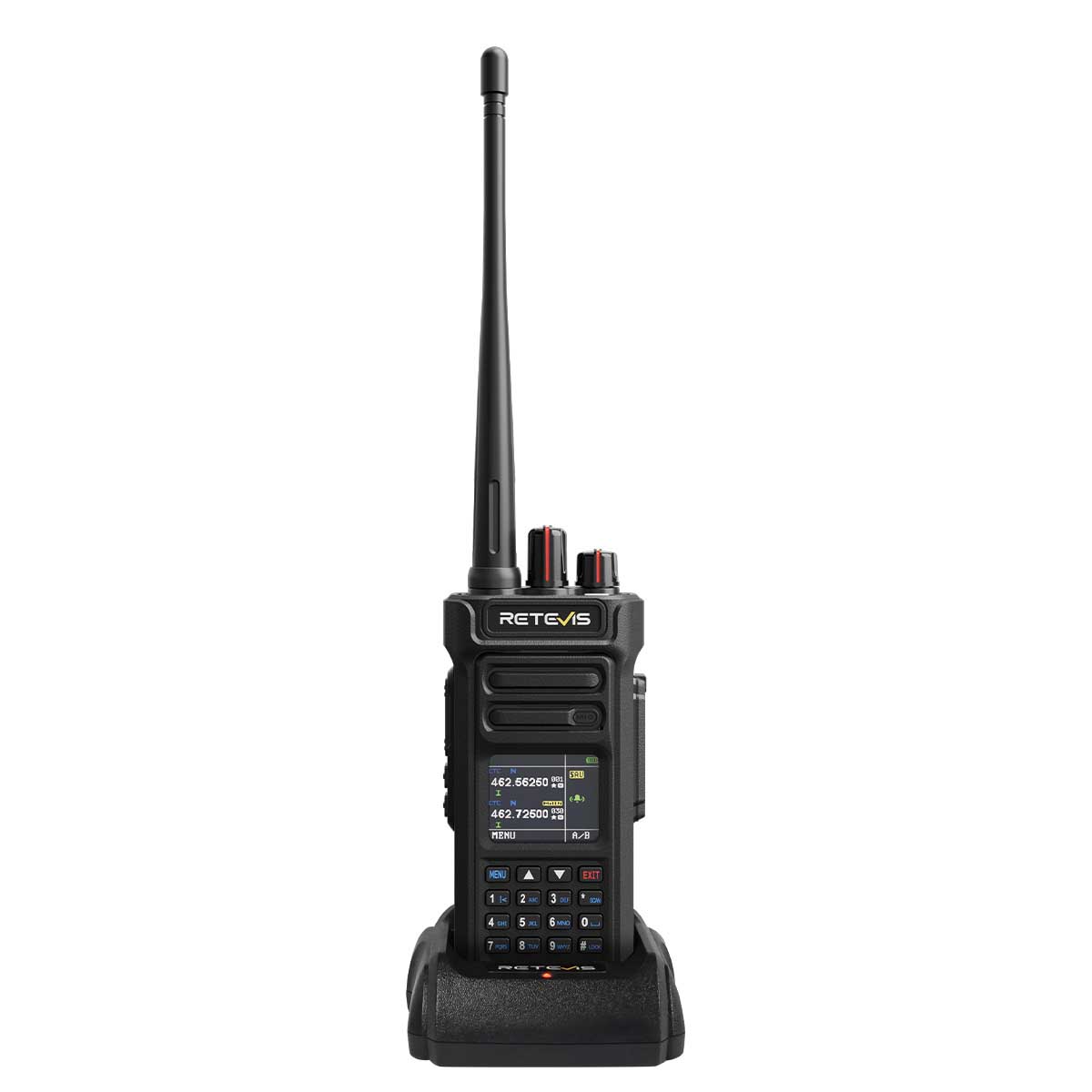
For large business operations, Retevis offers the RT97P + RT29D DMR system. This package combines a 10W RT97P DMR repeater with RT29D handheld radios. Retevis presents it as a solution for large business use. The RT29D supports DMR and analog modes, 128 channels, dual time slots, and IP67 waterproof protection.
This system may work well for:
- large warehouses
- factories
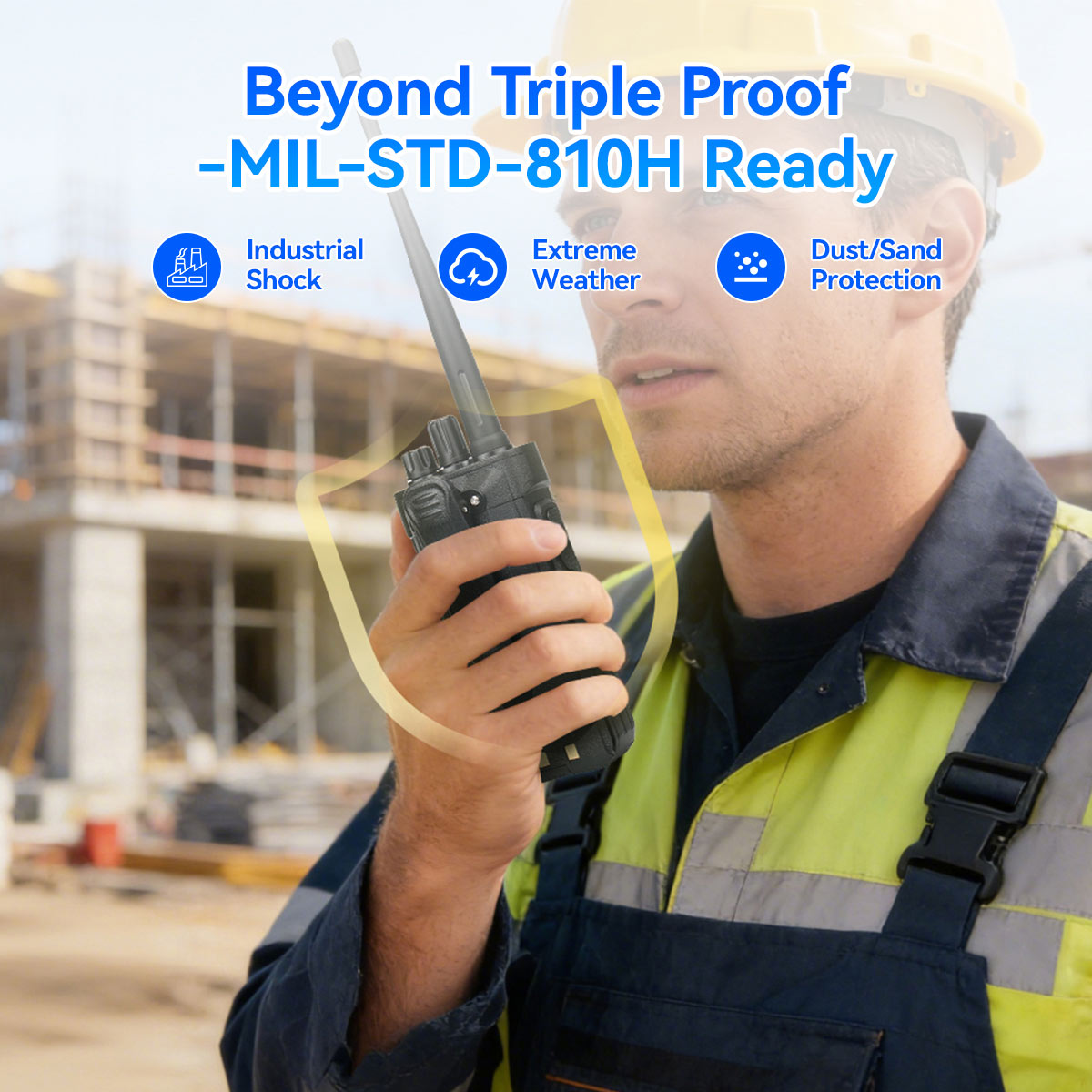
- construction sites
- mines
- ports
- large commercial properties
teams working in difficult indoor areas
How to Know If You Need a Different Retevis Solution
The right radio solution depends on how much coverage your team needs and how well your current RT22 setup works in daily use.
If your team works in a small area and only needs short-distance communication, the Retevis RT22 may still be the right choice. If the RT22 only has a few minor coverage issues, you may be able to improve performance by using the radios correctly, organizing channels better, and testing coverage across the facility.
But your current setup may be reaching its limit if:
- staff often report weak or broken audio
- important work areas are hard to reach
- communication fails between floors
- dead zones affect daily work
- your facility has grown a lot
- coverage tests show problems in several areas
- basic improvements have not fixed the problem
If these problems continue, it may be time to move to a different radio solution.
The goal is not just to make one handheld radio transmit farther. The goal is to choose a system that gives your team reliable communication where they actually work every day.
Final Thoughts
If you want to know how to extend Retevis RT22 range in a large facility, start with the basics.
Use the radios correctly, organize channels well, test coverage throughout the building, and identify the areas where communication fails.
But also understand the limits. Privacy codes, higher volume, and simple channel changes cannot overcome major physical barriers or make the U.S. FRS version of the RT22 repeater-capable.
Request a Coverage Assessment to discuss your facility’s communication needs and find the right Retevis solution for your site.
Leave a Reply



 Google
 Amazon
Comments
No data Yet