

Table of Contents
2027 Industrial Communication Systems for New Factory Projects: Radio Selection and Quantity Planning Guide
- Posted by:Retevis
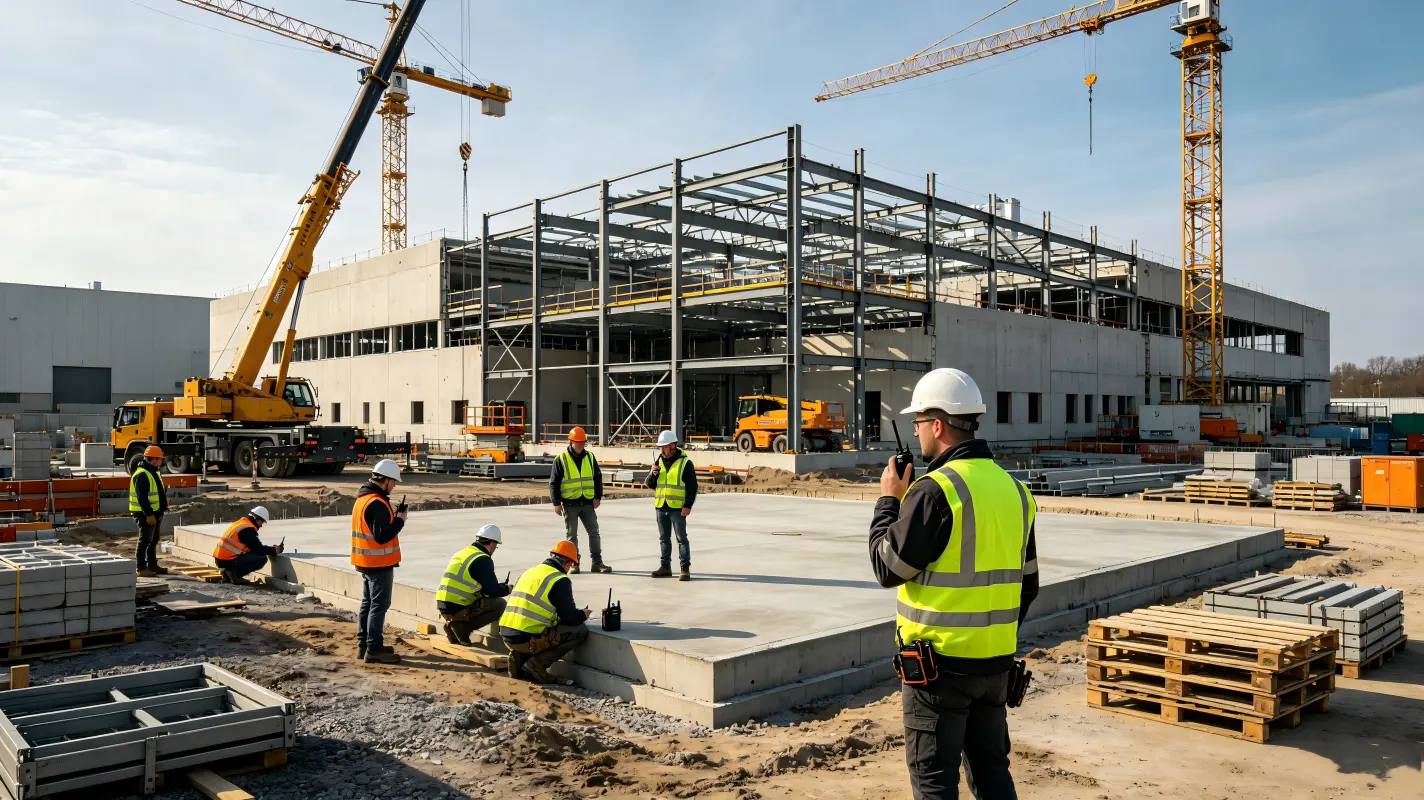
The Hidden Infrastructure Cost in Every New Facility Build
When industrial facility construction budgets are drafted, communication is often an afterthought. Project managers meticulously account for steel, HVAC, and automation lines, yet the two-way radio fleet is frequently reduced to a line item labeled "walkie-talkies—qty TBD." The result? A patchwork of consumer-grade devices that fail at the first concrete pour, or a last-minute rush order that costs 40% more than it should.
The reality is that communication infrastructure is not a consumable. It is a structural layer of the build. From the moment ground breaks to the day the production line goes live, every trade, inspector, and safety officer depends on clear, instant coordination. When that coordination fails, the cost is measured in schedule delays, rework, and—worst of all—preventable incidents.
For procurement teams heading into FY2027, the question is no longer whether to buy radios. It is how to plan the right system before the first shovel hits the dirt.
A Lifecycle Approach to Industrial Communication
Industrial communication needs are not static. They evolve as the facility evolves. A system designed only for operations will fail during construction; a system built only for construction will become obsolete the day the plant opens. The smart approach is to map communication requirements to the facility lifecycle.
Phase 1: Construction
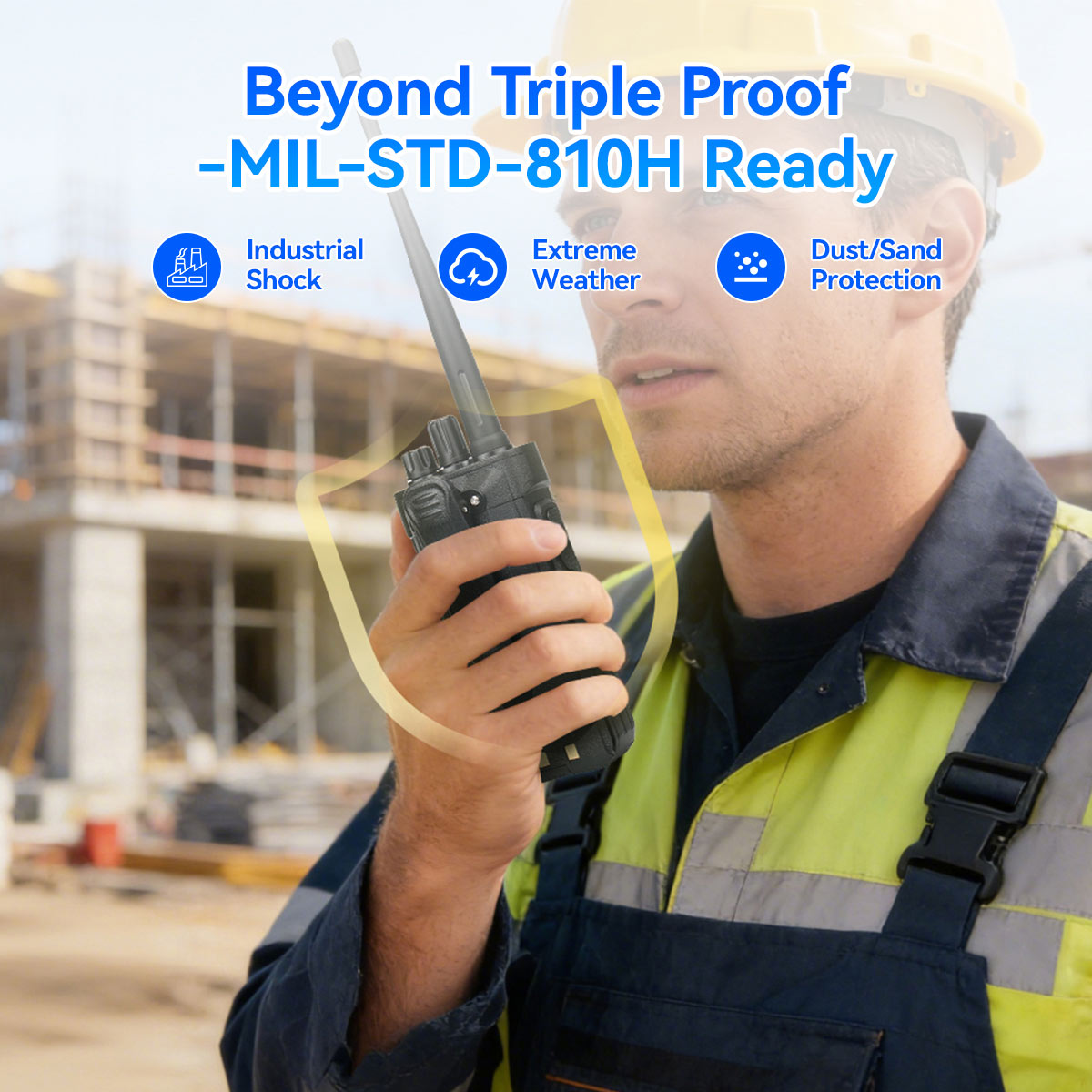
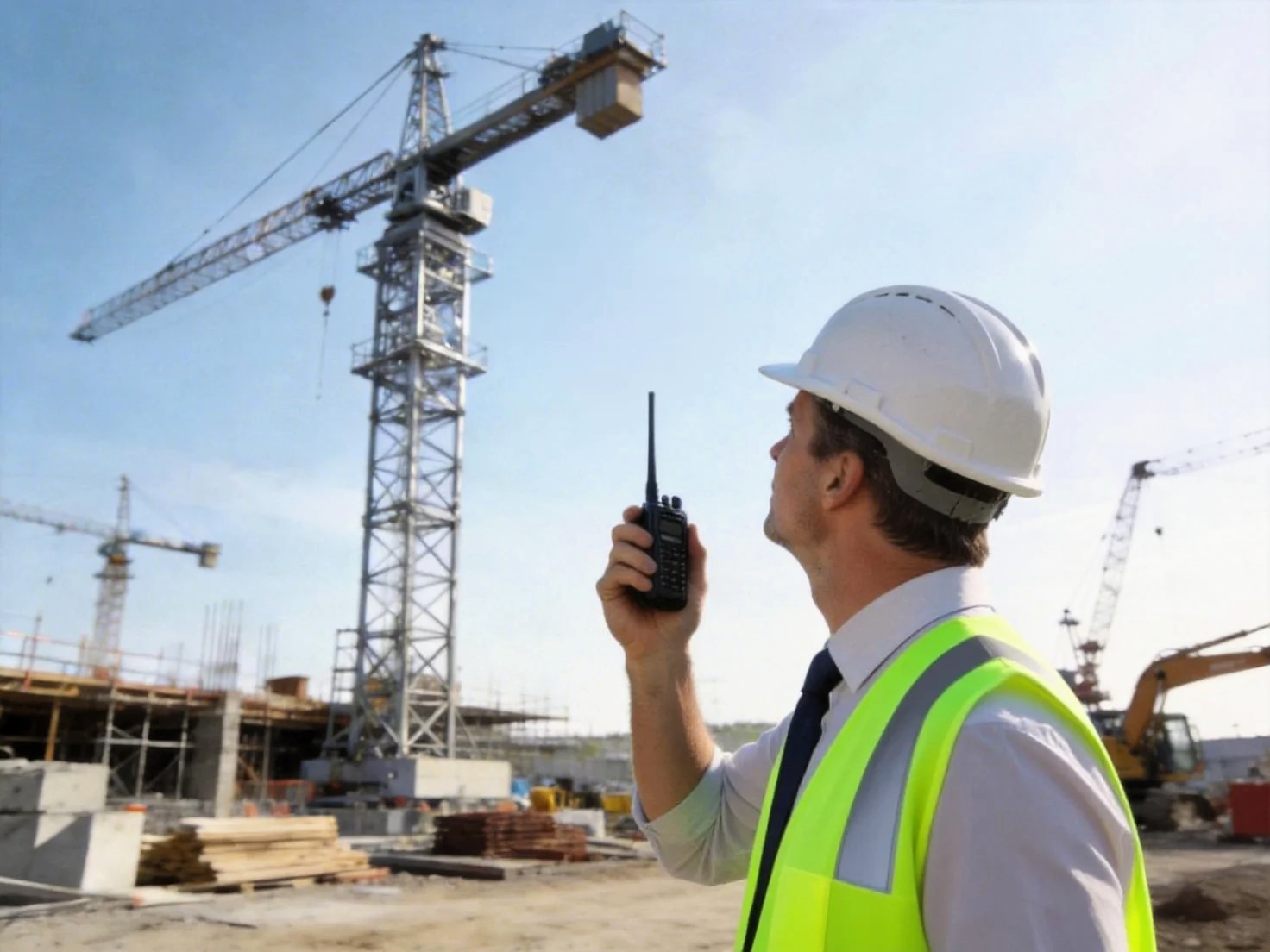
During the build phase, the site is dynamic. Contractors move daily, cranes shift, and temporary power creates electrical noise. Coverage must be broad—often spanning hundreds of thousands of square feet across multiple floors or outdoor laydown yards. Devices will be dropped, exposed to dust and rain, and passed between crews. Here, the priority is range, durability, and simplicity.
Phase 2: Commissioning
As equipment is installed and tested, the communication pattern shifts from "broadcast to all" to "targeted coordination." Electricians, controls engineers, and commissioning agents need to speak across disciplines without cross-talk. The risk of miscommunication peaks here, because a misunderstood instruction can damage million-dollar machinery.
Phase 3: Operations
Once the facility is live, the user base expands to shift supervisors, maintenance technicians, logistics operators, and safety officers. Channel congestion becomes the enemy. The system must support dense, concurrent conversations across production zones, warehouses, and administrative areas—while meeting safety compliance requirements like lone-worker monitoring.
How to Calculate Your Radio Fleet Size
Sizing a radio fleet is not guesswork. It is a function of three variables: workforce, zones, and shifts.
Step 1: Map by Role
Start with a role-based count. A typical manufacturing facility requires radios for:
- Management & Safety: 1 per supervisor or safety officer
- Maintenance & Electrical: 1 per technician on duty
- Logistics & Material Handling: 1 per forklift operator or yard coordinator
- Production Floor Leads: 1 per line lead or cell coordinator
- Security & Gate Control: 1 per guard station or access point
Step 2: Map by Zone
Next, validate coverage. A single high-power radio can cover up to 700,000 square feet in open construction sites or penetrate 50 floors vertically. But once walls, machinery, and metal racking go up, that range compresses. For operational facilities, plan one radio per user, but verify that your base station or repeater infrastructure matches the facility's physical layout.
Step 3: Adjust for Shifts and Redundancy
If you run three shifts, you do not necessarily need three times the radios—unless handoffs require simultaneous overlap. A more practical rule is:
- Base fleet: Peak concurrent users per shift
- +15–20% spare units: For charging cycles, equipment failure, and temporary contractors
- +10% management reserve: For visiting auditors, emergency response, or unplanned headcount
For a 200-person facility running two shifts, this typically lands between 120 and 150 radios.
Analog vs. Digital: The Procurement Decision That Lasts Five Years
The most consequential choice in FY2027 planning is not brand or model. It is architecture: analog or digital.
Analog (e.g., GMRS/FRS) remains relevant for one reason: speed and cost. Analog radios deploy instantly, require no programming infrastructure, and communicate across mixed contractor fleets who may already carry compatible devices. For the construction phase—where turnover is high and budgets are tight—this is a legitimate advantage.
Digital Mobile Radio (DMR), however, is the operational standard. DMR splits each channel into two time slots, effectively doubling call capacity without doubling spectrum costs. It delivers clearer audio at the edge of coverage, supports text messaging for noisy environments, and enables advanced safety features like emergency alerts and lone-worker monitoring.
The recommended strategy for FY2027: Deploy analog for construction if budget and timeline demand it, but select a digital-ready fleet for operations. Better yet, choose dual-mode digital radios that can operate in analog during the build and switch to digital DMR for commissioning and operations—protecting the investment across the full facility lifecycle.
Matching the Radio to the Role
With the framework in place, the final step is aligning device capabilities to operational realities. The following configuration is designed for a facility that prioritizes coverage during construction, efficiency during operations, and security across both.
For Construction: The Coverage Workhorse
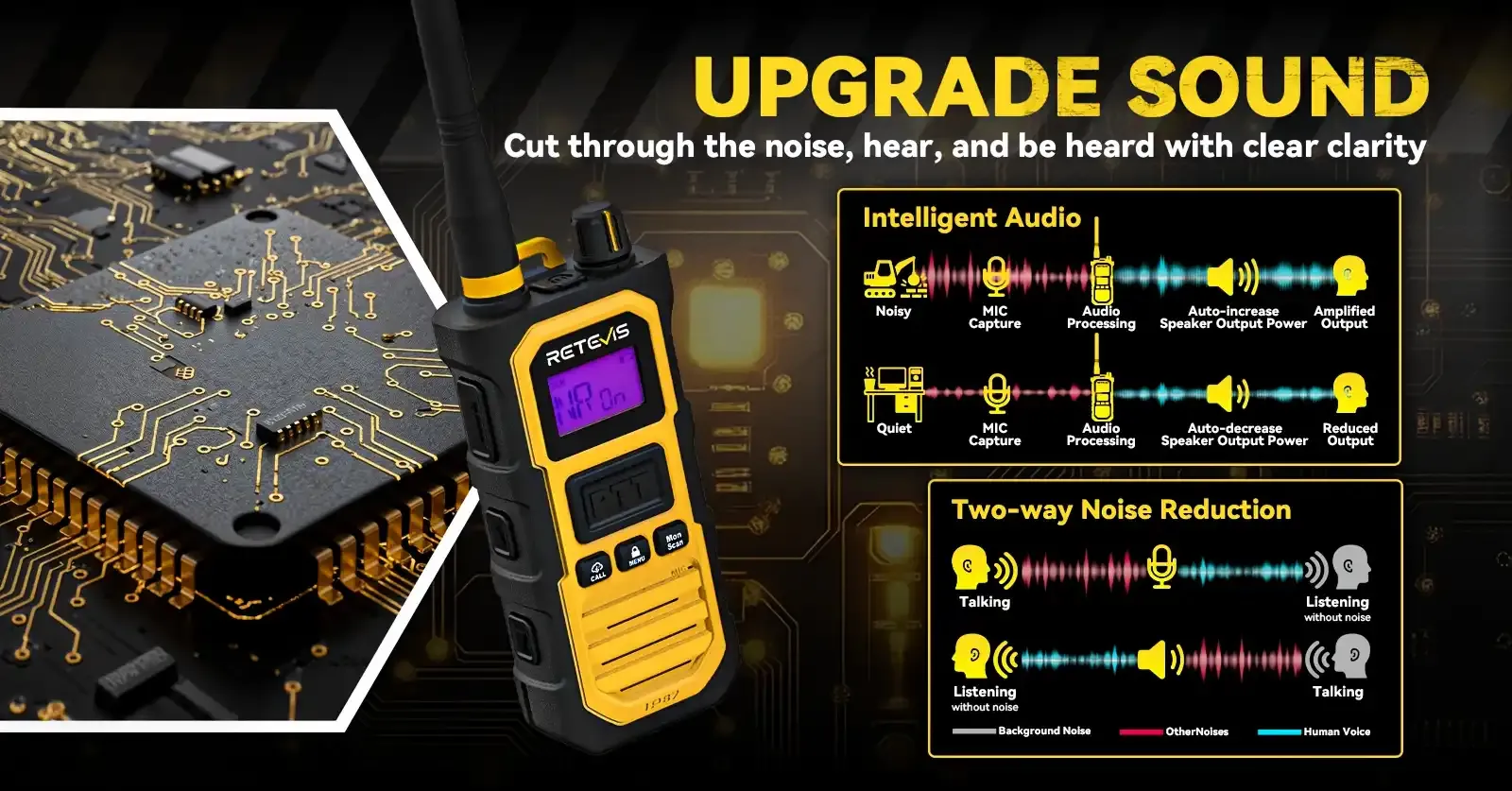
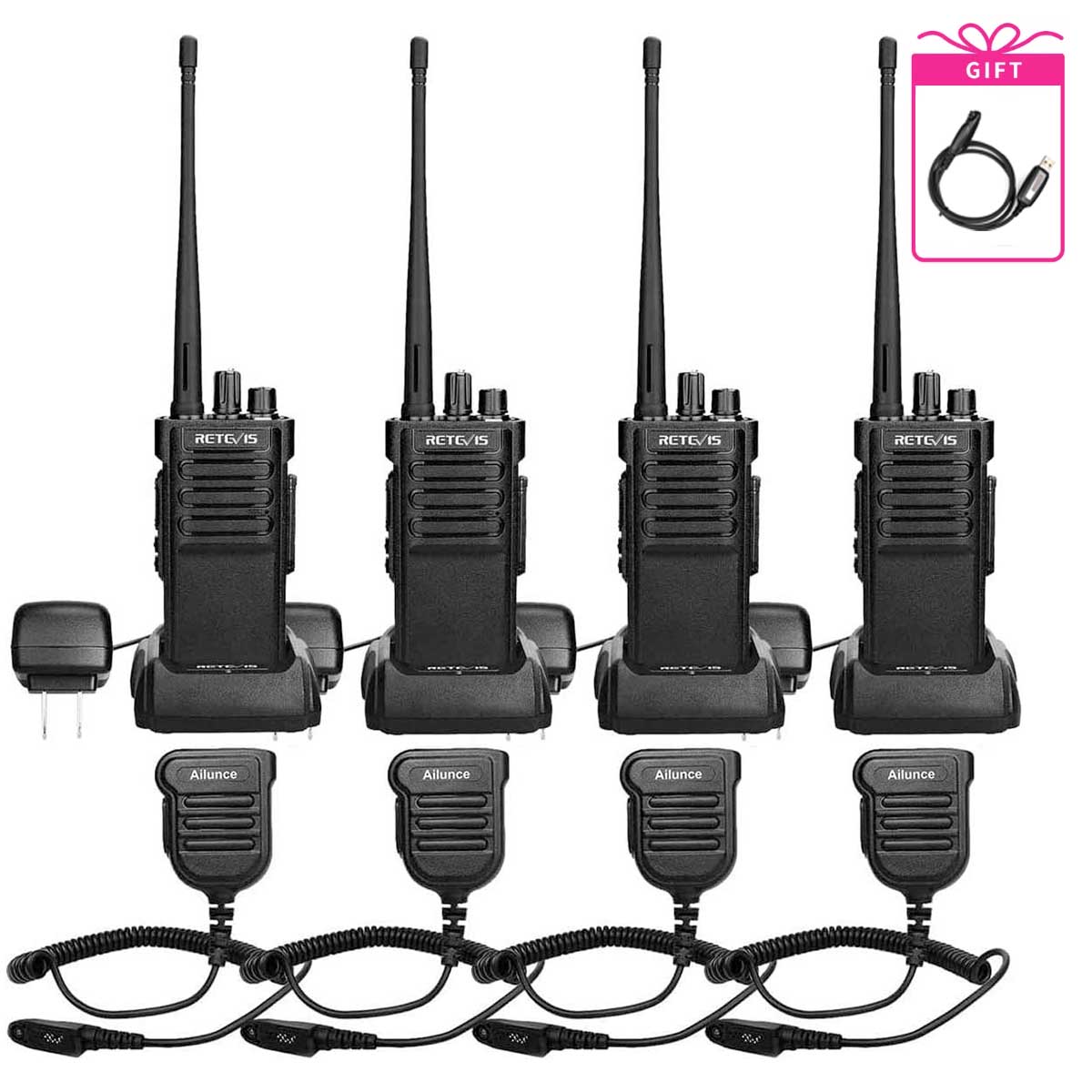
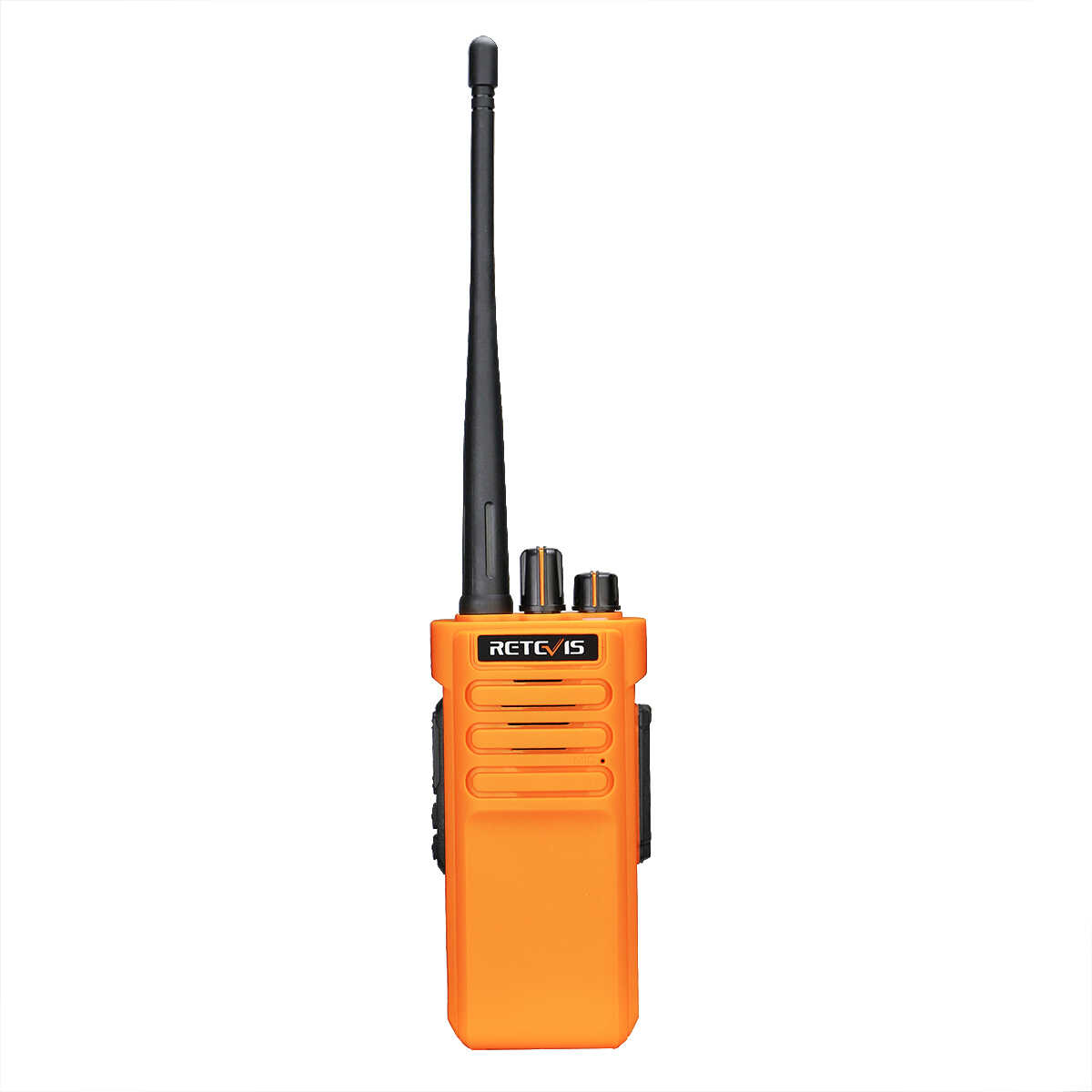
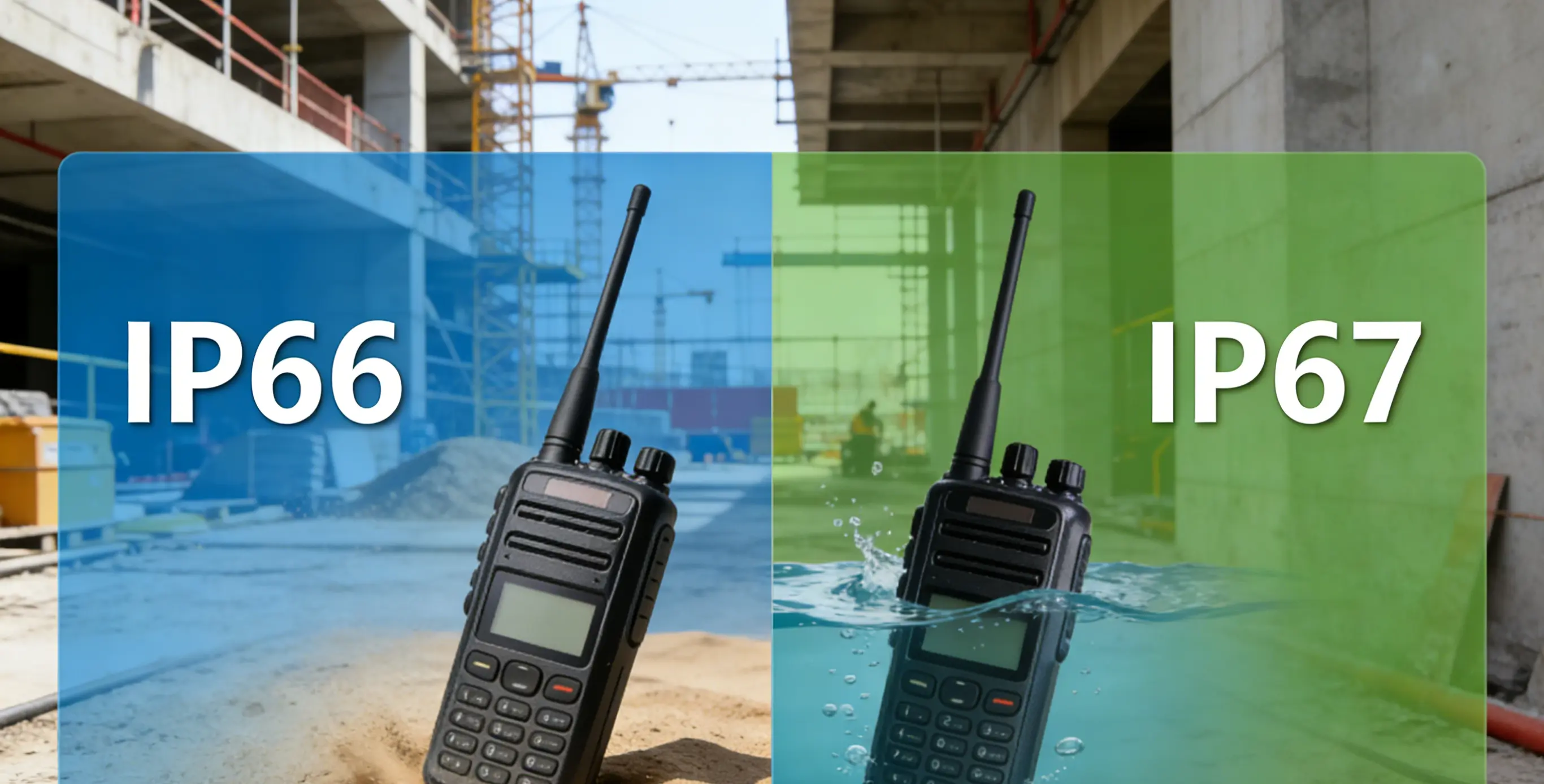
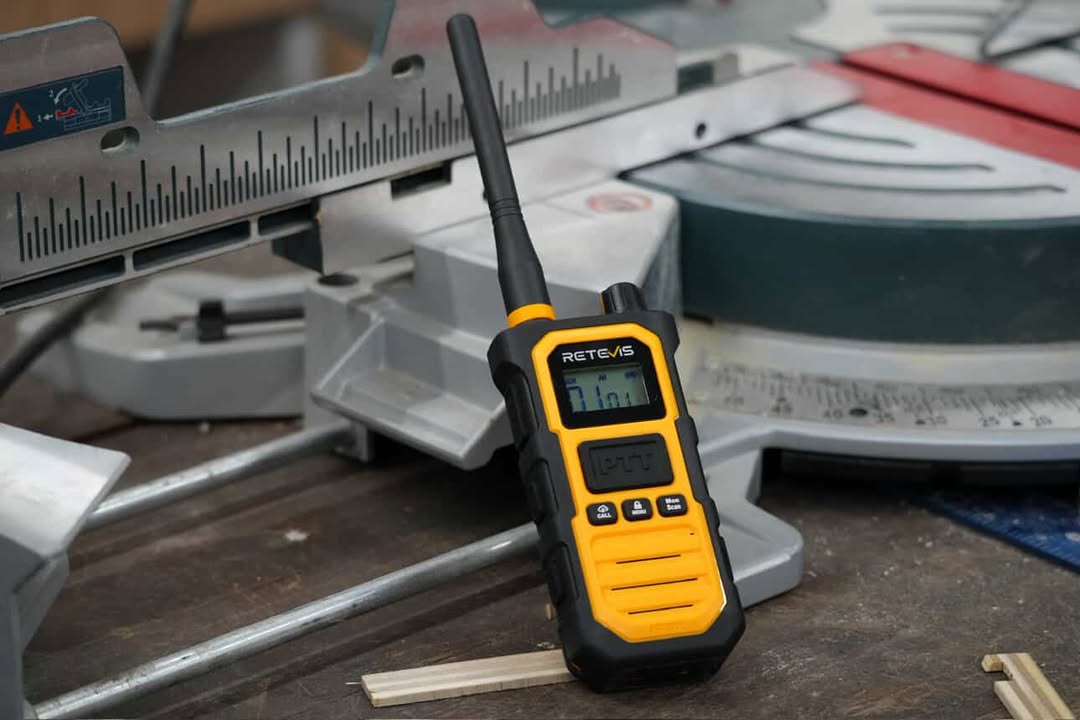
During the build phase, range and survivability matter more than features. The Retevis RB48Pro is purpose-built for this environment. With 10W of transmit power, it covers up to 700,000 square feet and penetrates 50 floors vertically—enough for most industrial construction sites without repeaters. Its IP67 rating and 2-meter drop resistance mean it survives mud, rain, and the inevitable fall from a scaffolding platform. For facility managers who need communication online before the concrete cures, this is the deployable foundation.
For Operations: The Safety-First Digital Unit
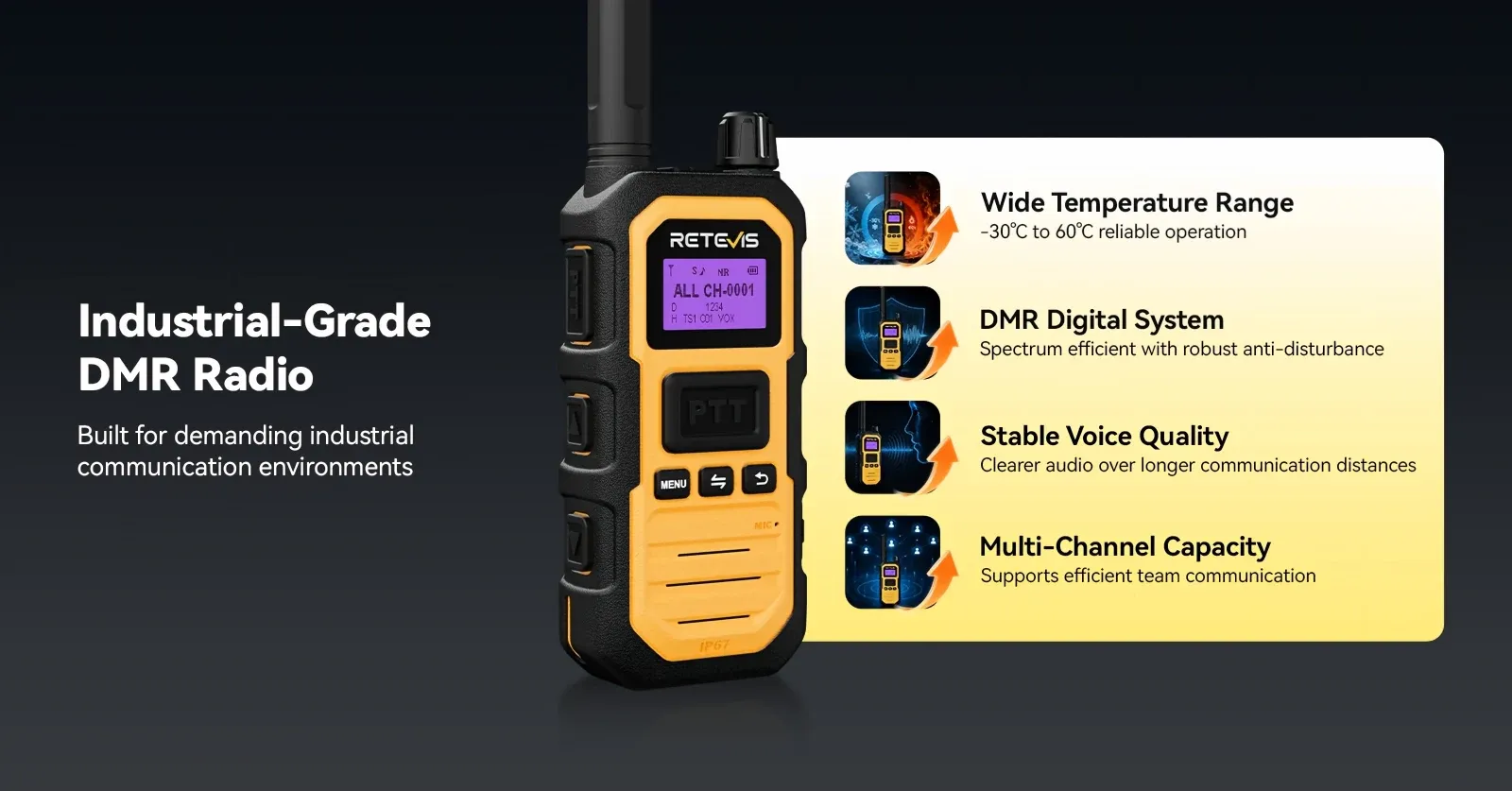
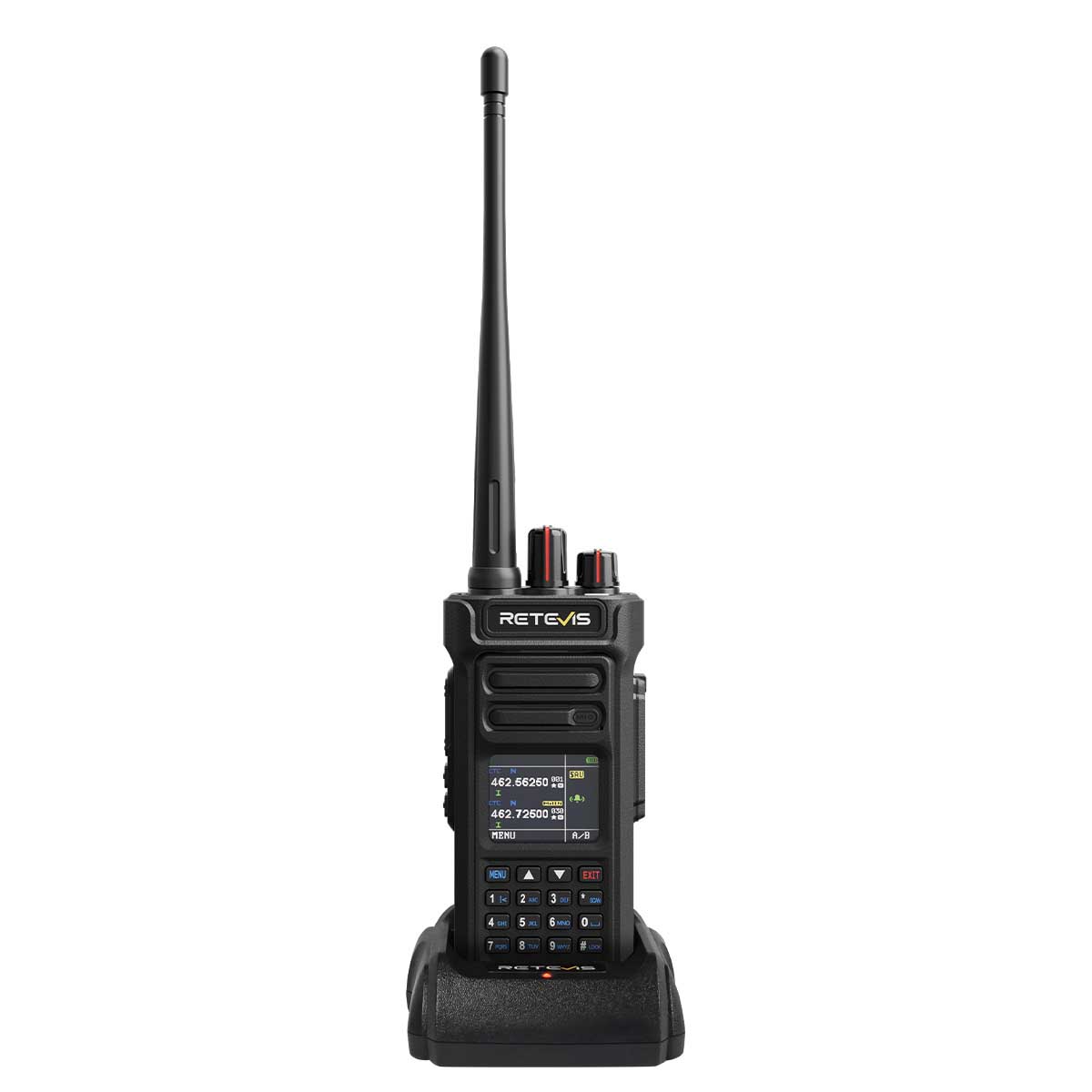
Once the plant is operational, channel efficiency and worker safety take priority. The Retevis RB48D operates on DMR digital protocol, delivering two time slots per channel—effectively doubling communication capacity on the same frequency allocation. Its 14-hour battery covers a full shift plus overtime, and the Man Down alert automatically signals for help if a worker falls motionless. For manufacturing environments where OSHA compliance and lone-worker protocols are non-negotiable, this is the operational backbone.
For Cross-Functional & Secure Coordination
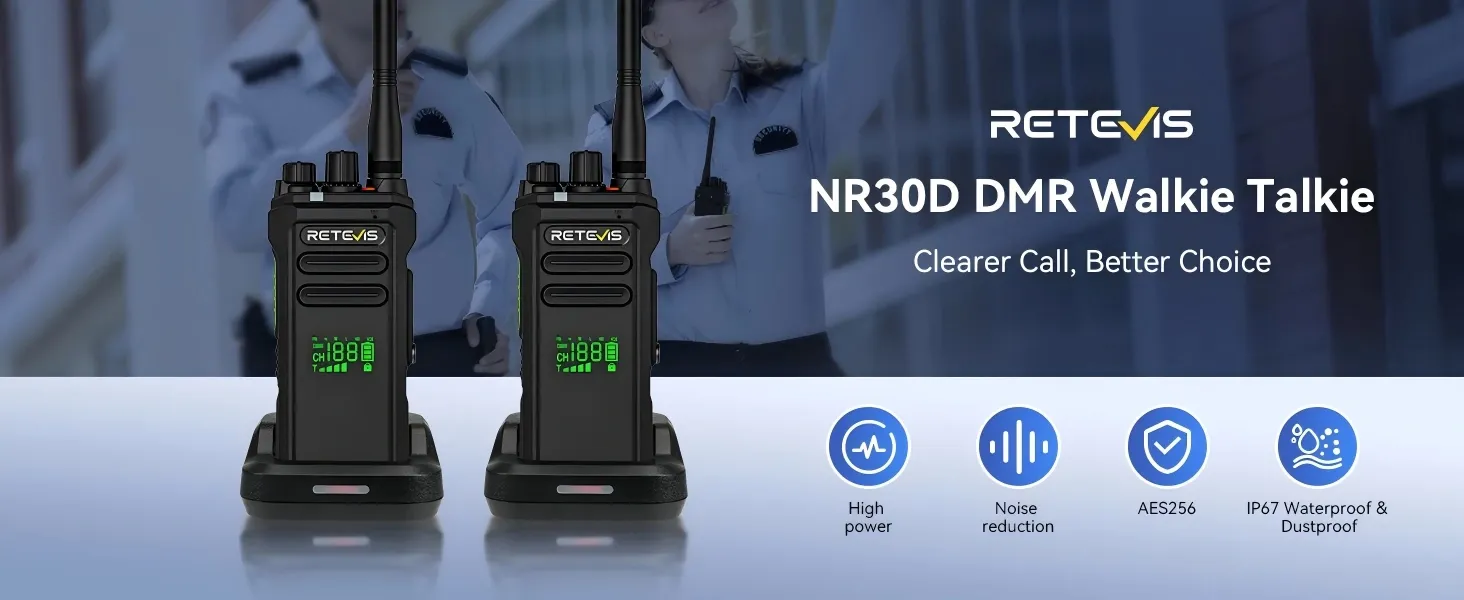
Some roles—quality assurance, security, and executive oversight—require communication that cannot be intercepted and must interoperate with legacy analog fleets during the transition. The Retevis NR30D provides AES256 encryption for sensitive coordination, dual-mode analog/digital compatibility for phased migration, and 18 hours of battery life for all-day reliability. In regulated industries or facilities handling proprietary processes, this bridges the gap between open construction channels and secure operational communications.
VI. Total Cost of Ownership: Beyond the Unit Price
A common procurement mistake is comparing radios by sticker price alone. The true cost includes:
- Battery lifecycle: Lithium-ion packs typically degrade after 18–24 months of daily use. Budget for replacement at 60% of the fleet per year after Year 2.
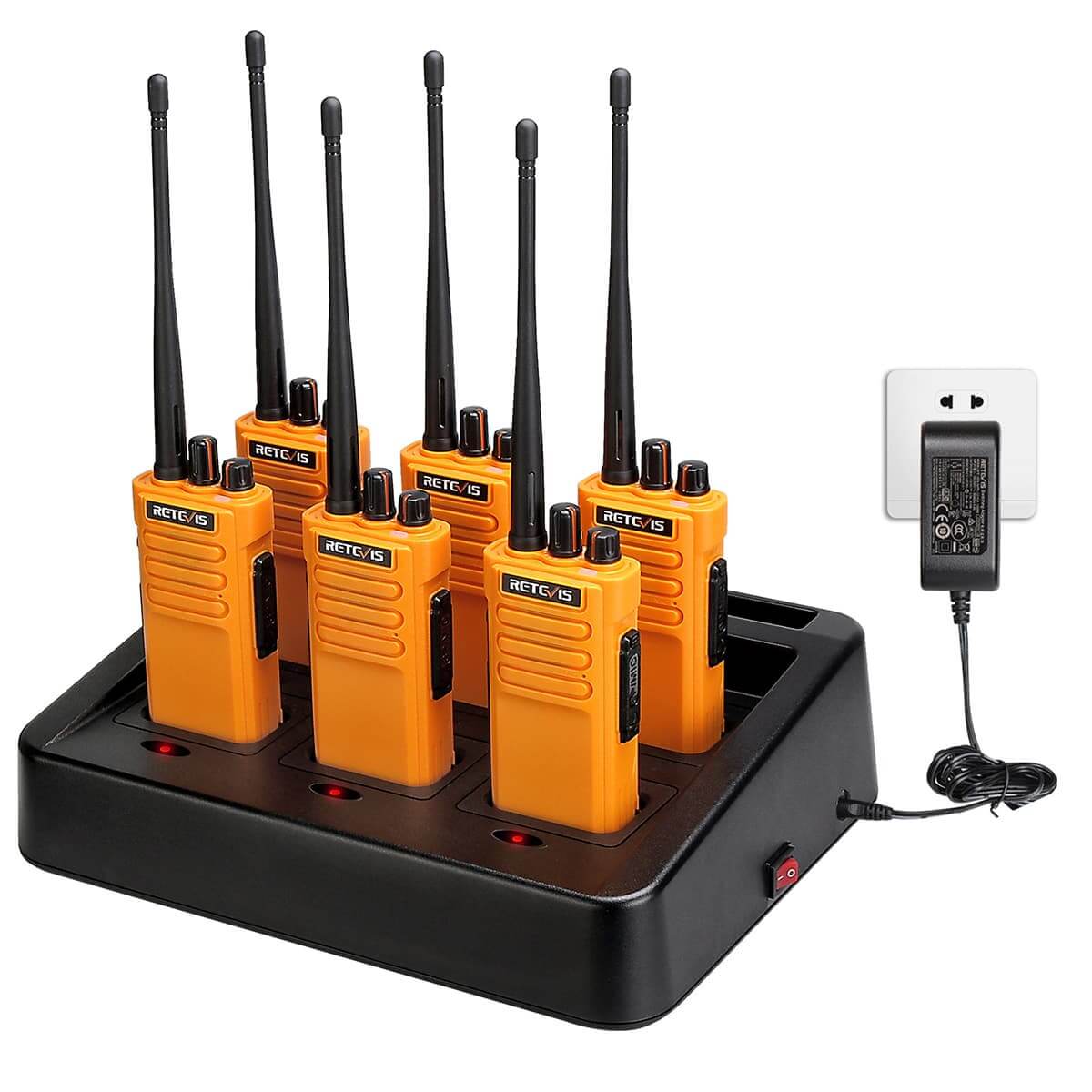
- Charging infrastructure: Multi-bay chargers reduce clutter but add upfront cost. Calculate one charging slot per radio, plus 20% overflow capacity.
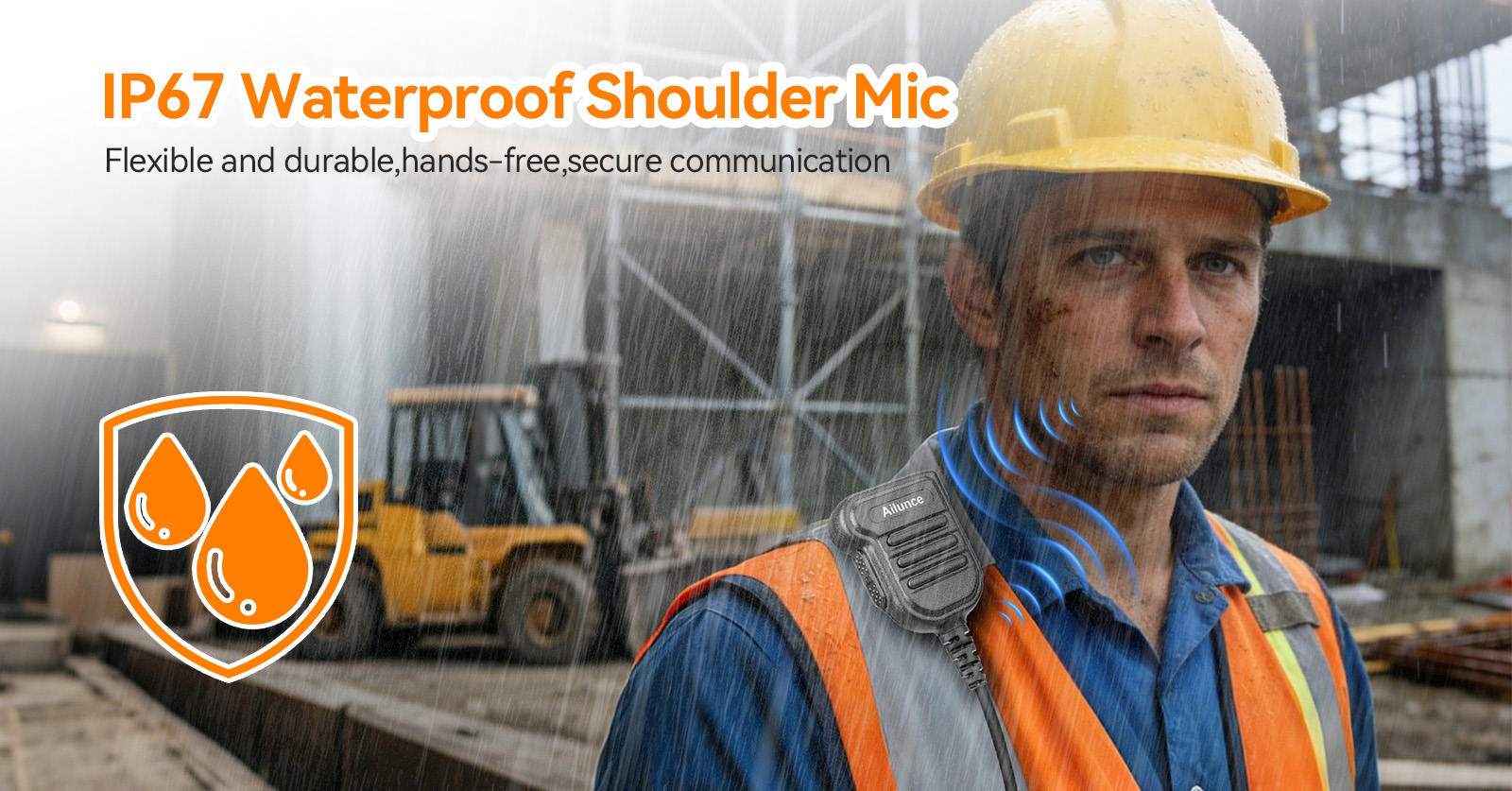
- Audio accessories: In environments above 85 dB, surveillance earpieces or noise-canceling headsets are not optional—they are PPE. Budget 1.5 accessories per radio to account for loss and wear.
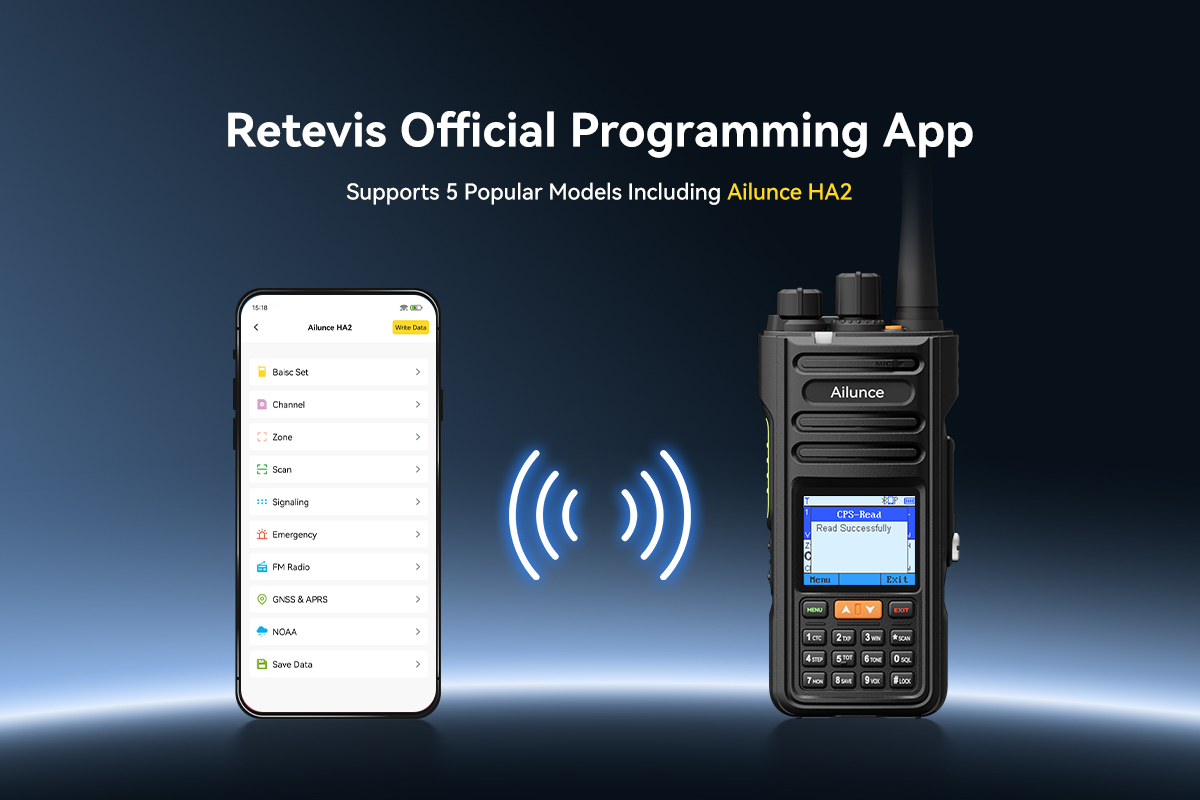
- Programming and maintenance: Digital fleets require initial codeplug programming and periodic firmware updates. If internal IT capacity is limited, factor in dealer support contracts.
For a 150-radio fleet, the three-year total cost of ownership typically runs 2.2 to 2.8 times the initial hardware purchase. Planning for this in FY2027 prevents budget surprises in FY2029.
VII. Key Takeaways for FY2027 Procurement
- Plan for the lifecycle, not the launch. Construction and operations have different communication DNA. Size and spec for both, or choose dual-mode hardware that transitions with you.
- Size by role, zone, and shift. A rule-based calculation (base fleet + 20% redundancy + 10% reserve) eliminates guesswork and justifies budget requests with data.
- Treat analog vs. digital as a timeline decision, not a religious one. Analog is defensible for construction speed; digital is mandatory for operational efficiency and safety compliance.
- Match the device to the risk. High-power analog for open-site coverage. DMR with Man Down for operational safety. Encrypted dual-mode for sensitive coordination.
- Budget for the full ownership cost. Batteries, chargers, accessories, and maintenance will equal or exceed the hardware investment over three years.




 Google
 Amazon
Comments
No data Yet