

Table of Contents
How to Plan a Two Way Radio System Upgrade for Manufacturing Plants
- Posted by:Retevis
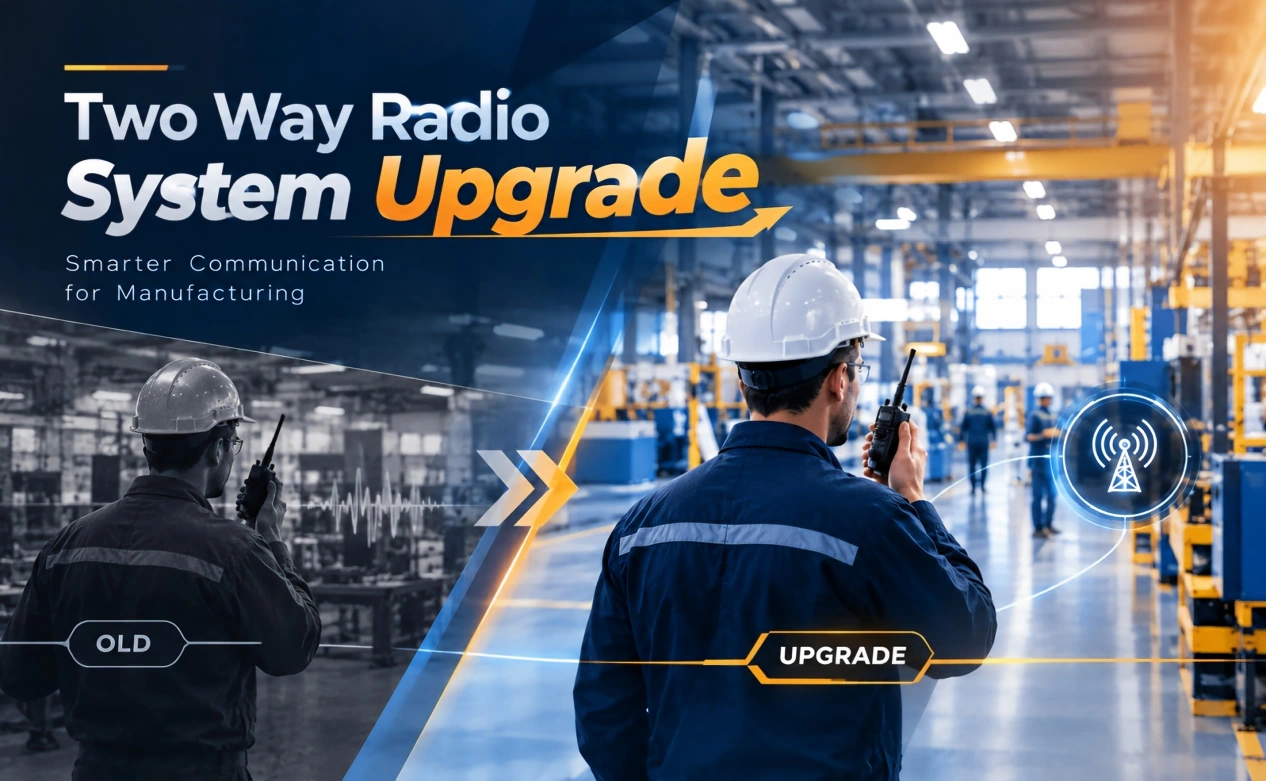
If you handle equipment and communications at a manufacturing plant, you know the drill. Your analog radio fleet works just well enough to keep going, but certain zones always have static, stamping bays are impossible to hear in, and you end up replacing broken units one by one instead of fixing the real issue.
Most equipment managers delay full upgrades for three very reasonable reasons: tight capital budgets, no appetite for disrupting production, and reluctance to write off a whole fleet of devices that still sort of work.
But upgrading analog radios to digital doesn't have to mean a full rip-and-replace. There are three tiered paths that match different plant sizes, fleet ages and budget limits, and all of them can be done without stopping production.
Why your old system is reaching its limit
You don't need a full site audit to spot the warning signs:
- Signal loss through steel and heavy machinery: Metal framing, production equipment and concrete walls can cut analog signal strength by 60% or more, creating permanent dead zones in far corners and deep storage areas.
- Unusable audio in high-noise stations: Stamping, welding and compressor bays regularly run 85–95 dB. Standard analog radios have no built-in noise reduction, so operators have to lift ear protection to understand messages.
- Rising maintenance costs: Radios older than 8 years enter a steep failure curve. OEM parts dry up, repair costs climb year over year, and manual channel management eats up admin time.
- Long-term compliance risk: Regulators across Europe continue to narrow analog spectrum allocations. Wideband analog systems will face growing access restrictions over the next 3–5 years.
Three tiered upgrade options
Every option balances upfront cost, deployment speed and production impact. Pick the one that matches your fleet age, budget and site priorities.
Option 1: Targeted replacement for problem areas
Best for plants where most of the system works fine, but specific zones have chronic coverage or noise issues.
- Use case: Stamping bays, welding shops, deep storage rooms or far yard areas where standard analog radios fail. Budget is limited and a full system replacement is not on the roadmap.
- Cost level: Low. You only replace terminals in the affected zones. Your existing repeater, wiring and all other handsets stay in place.
- Coverage outcome: Fixes dead zones and audio clarity exactly where you need it. New units operate on your existing analog frequencies, so they work seamlessly with older radios across the rest of the plant.
- Deployment timeline: 1–2 days. Zero production downtime. Units work out of the box with no site-wide reconfiguration.
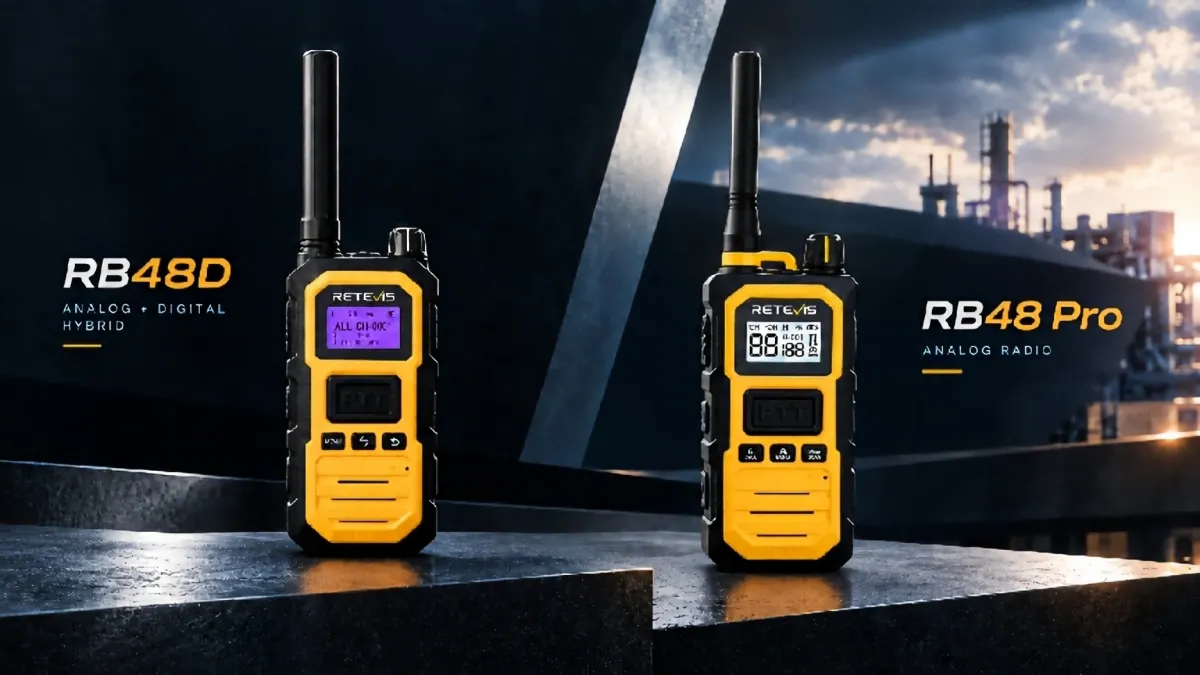
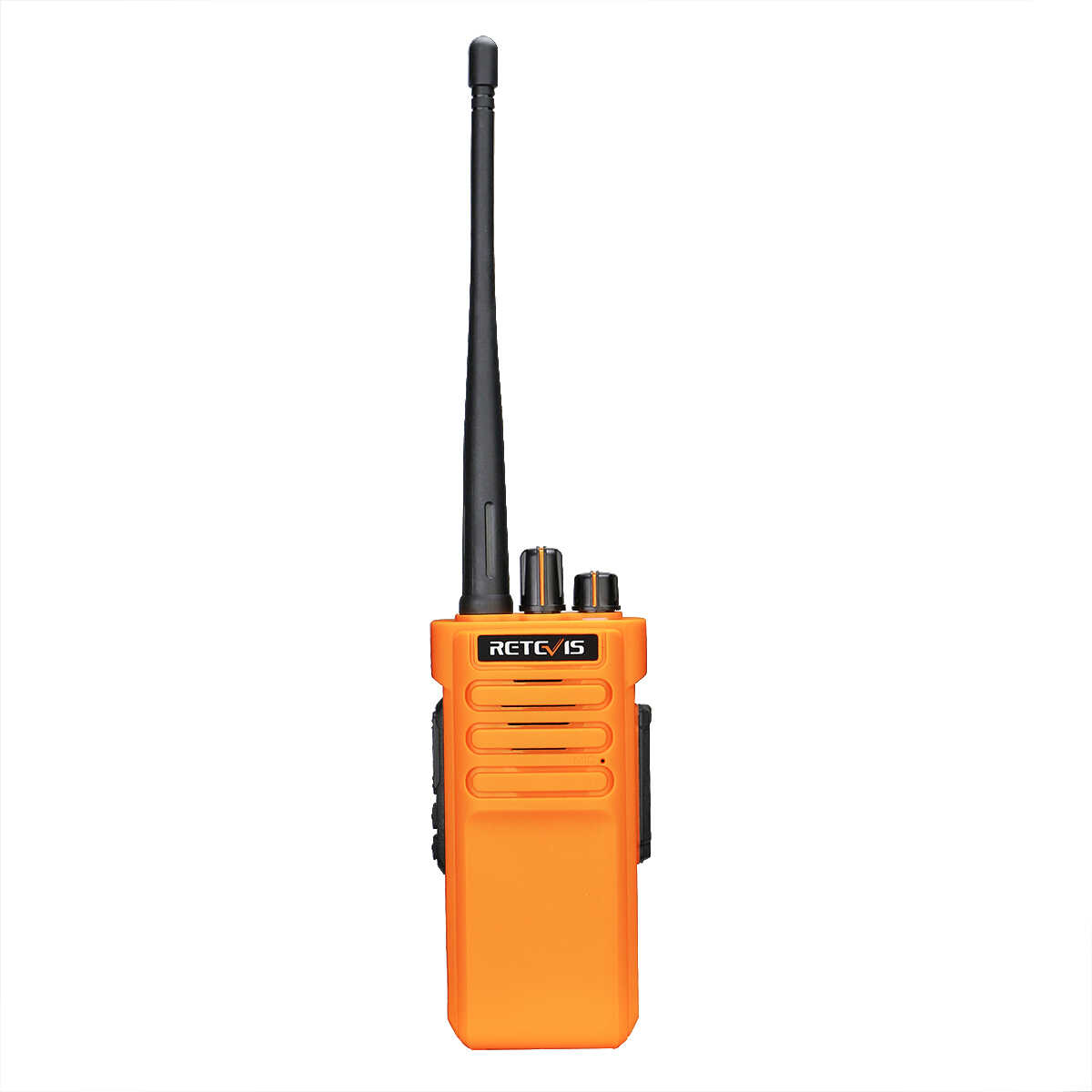
- Recommended setup: RB48 Pro high-power analog radios. High transmit power punches through steel walls and heavy equipment far better than standard 5W analog units. Built-in AI noise reduction delivers clear speech even in 85–90 dB environments. Fully analog-compatible, so no changes to your existing infrastructure are required.
Option 2: Hybrid analog-digital phased upgrade
Best for plants with an aging analog fleet (7+ years old) and rising failure rates, where you want to move to a digital two way radio system without a single big-bang replacement.
- Use case: You plan to go fully digital over 12–24 months, but need to spread cost and avoid production disruption. You need new units to work with old ones during the transition.
- Cost level: Medium. Replace 30% of units first (supervisors, maintenance, safety and key production leads), then roll out frontline units on a quarterly schedule. Budget is spread across multiple periods.
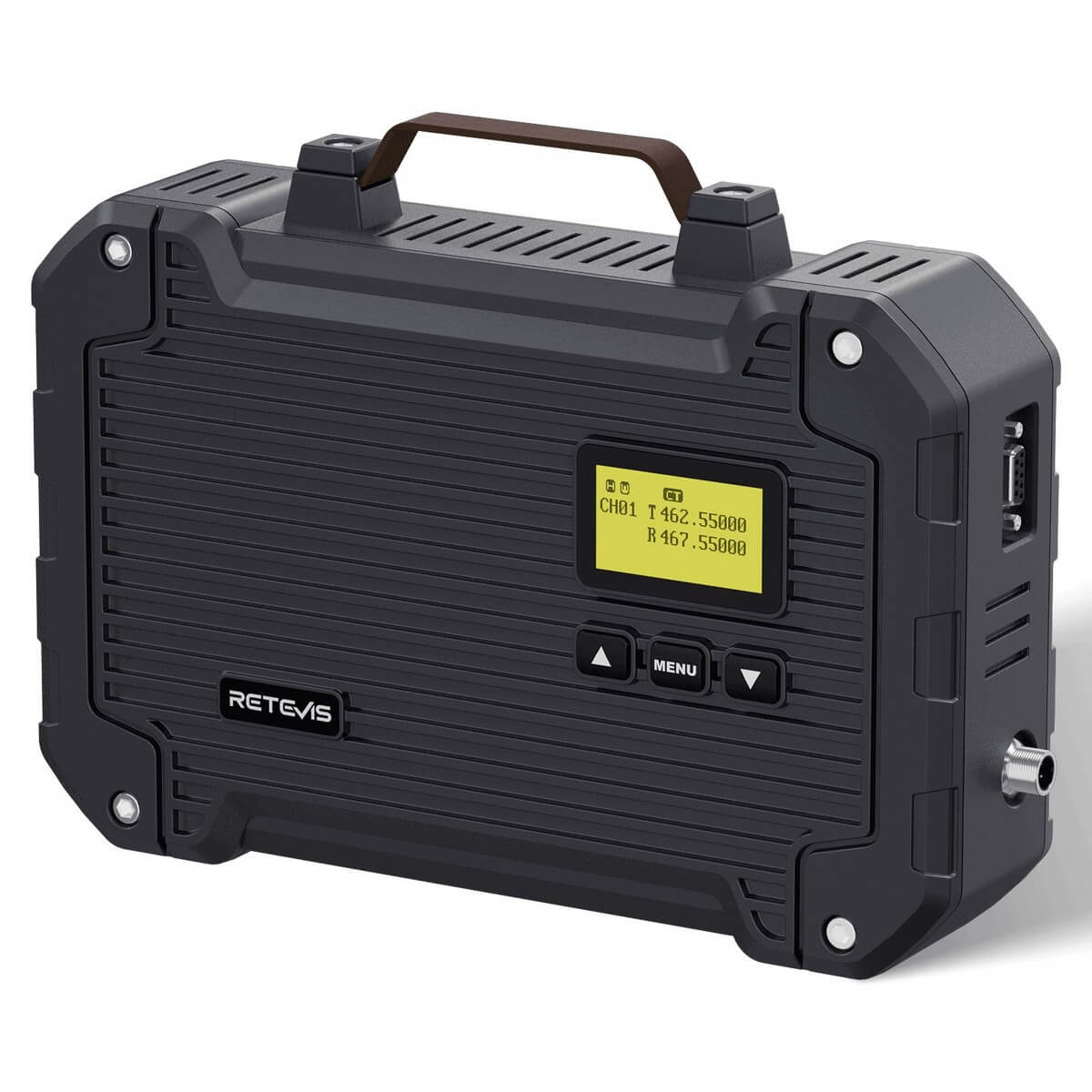
- Coverage outcome: Key roles get digital audio quality and better interference resistance first. No information islands – digital and analog units work together across the entire site. Existing repeaters can often be upgraded with a digital module instead of being fully replaced.
- Deployment timeline: First batch deployed in 1 week. Full transition runs on your planned schedule, with zero interruption to daily production.
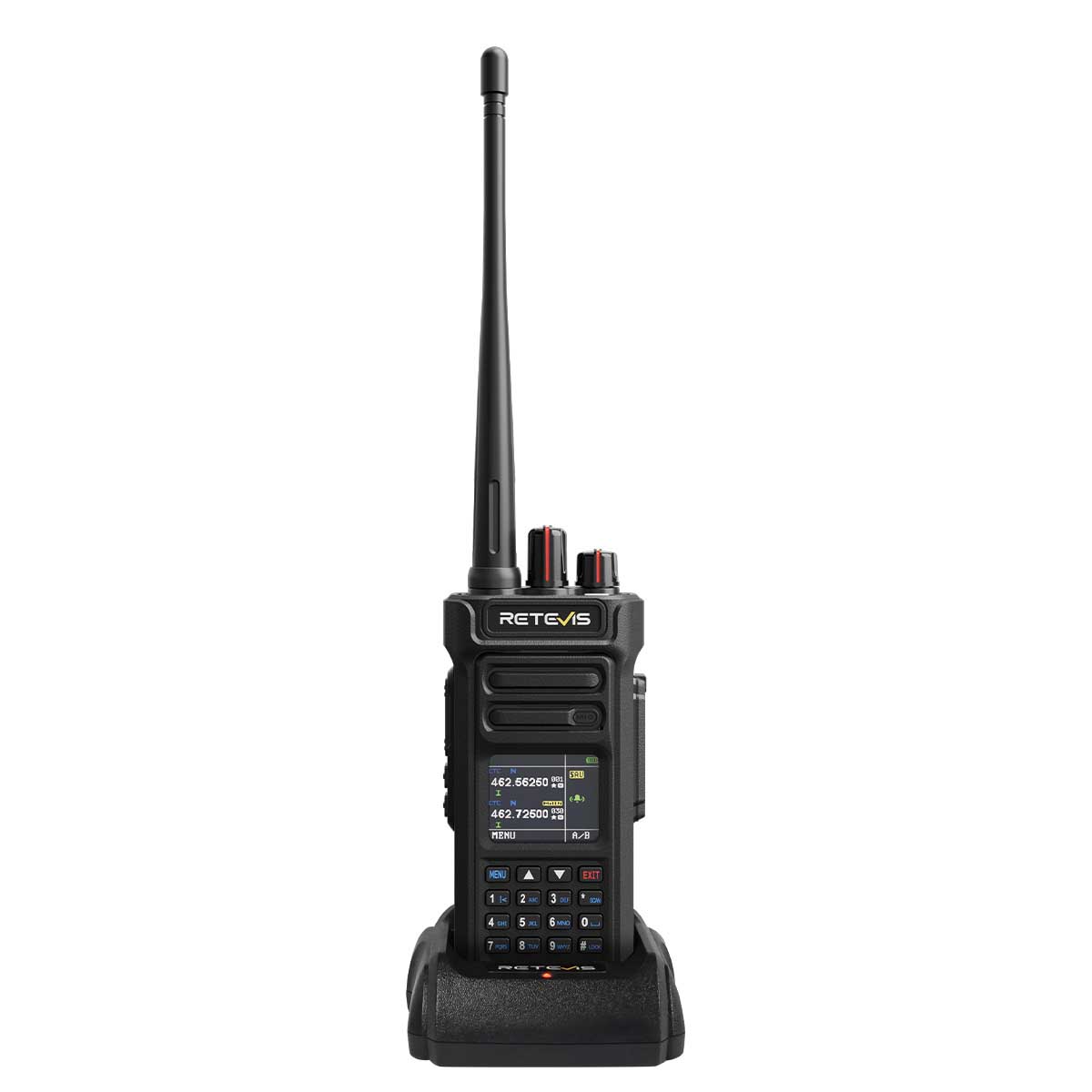
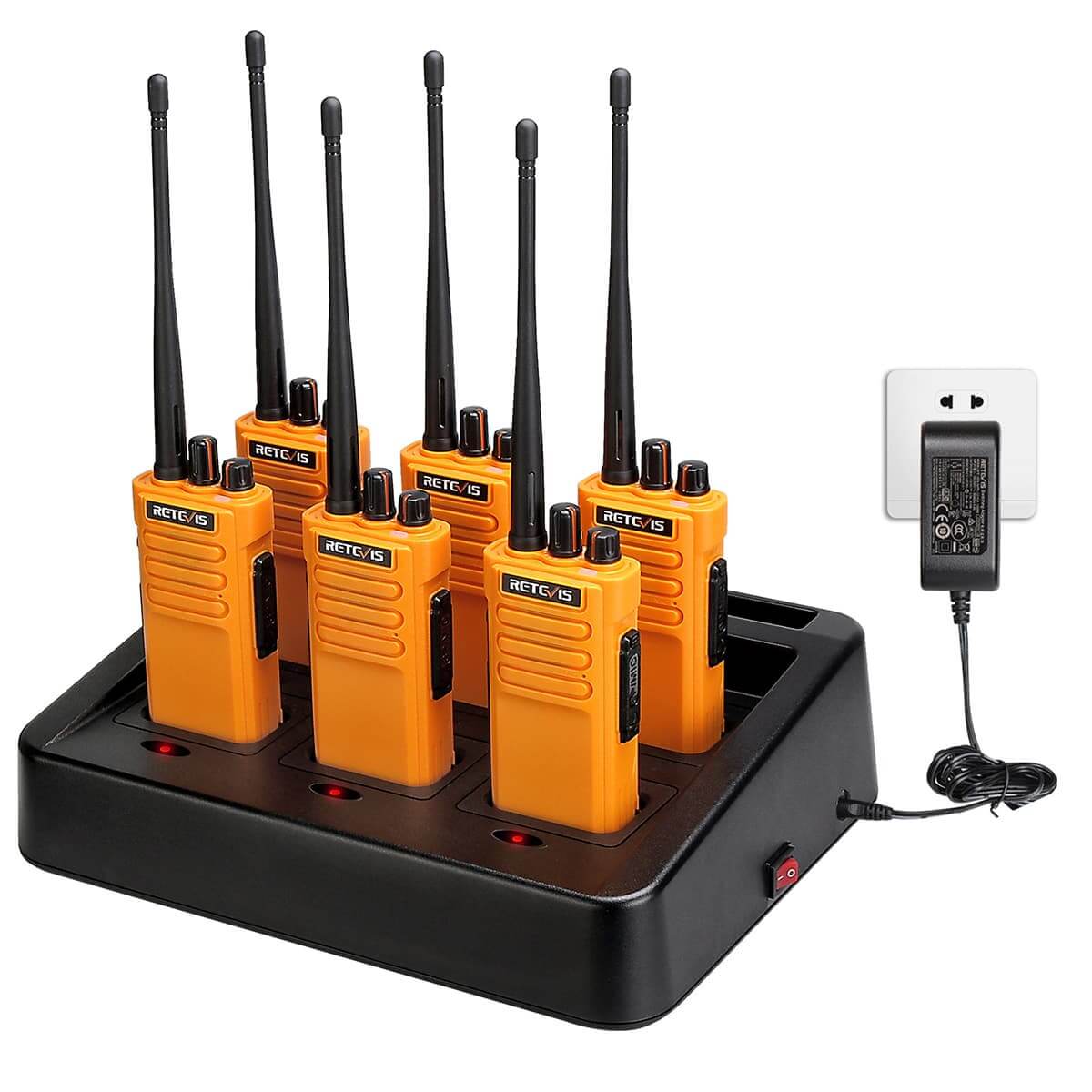
- Recommended setup: RB48D DMR radios. They support both analog and digital modes, so they integrate directly with your legacy system. 512 channels across 16 zones give you plenty of room for team and zone-based channel mapping. AES256 encryption keeps sensitive production communication secure. CPS software lets you pre-configure every unit before deployment, so they work straight out of the box. Pair with 6-way multi-unit chargers to streamline shared device management and shift handover.
Option 3: Full DMR radio upgrade
Best for plants where the analog fleet is 10+ years old, failure rates are high, or the site is undergoing a broader production line or facility expansion.
- Use case: You need a business radio upgrade that supports modern plant management, group calling, safety alerts and asset tracking. You have a scheduled facility upgrade window to work with.
- Cost level: Higher upfront investment, but lower 5-year total cost of ownership thanks to longer device life, lower maintenance and reduced admin time.
- Coverage outcome: Consistent, clear audio across every zone of the plant. Digital signal resists interference from heavy machinery and steel structures. Support for group calling, emergency alerts and programmable channels aligns with modern production workflows.
- Deployment timeline: 2–4 weeks. Deployed zone by zone, outside of core production hours or during scheduled maintenance windows. No disruption to main production schedules.
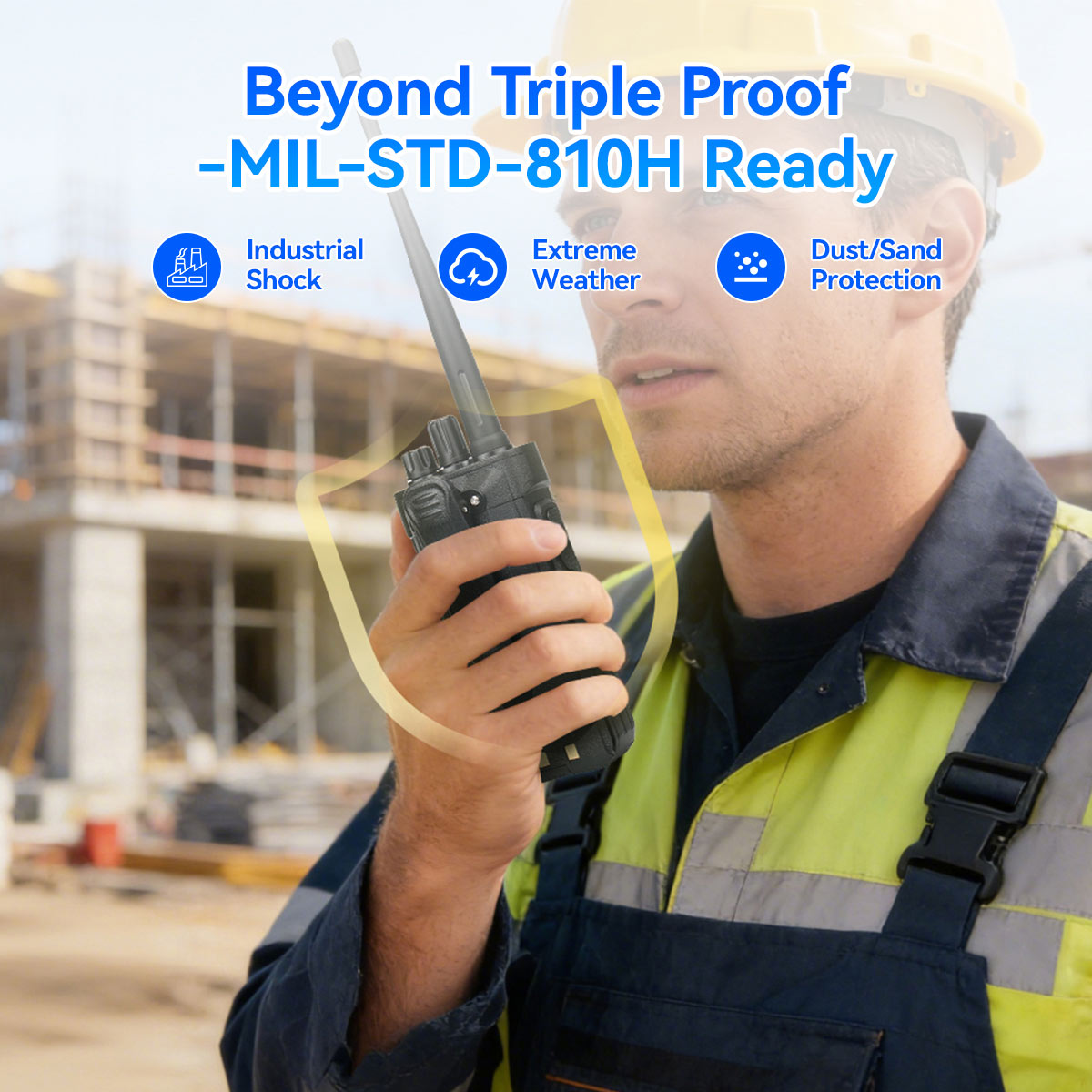
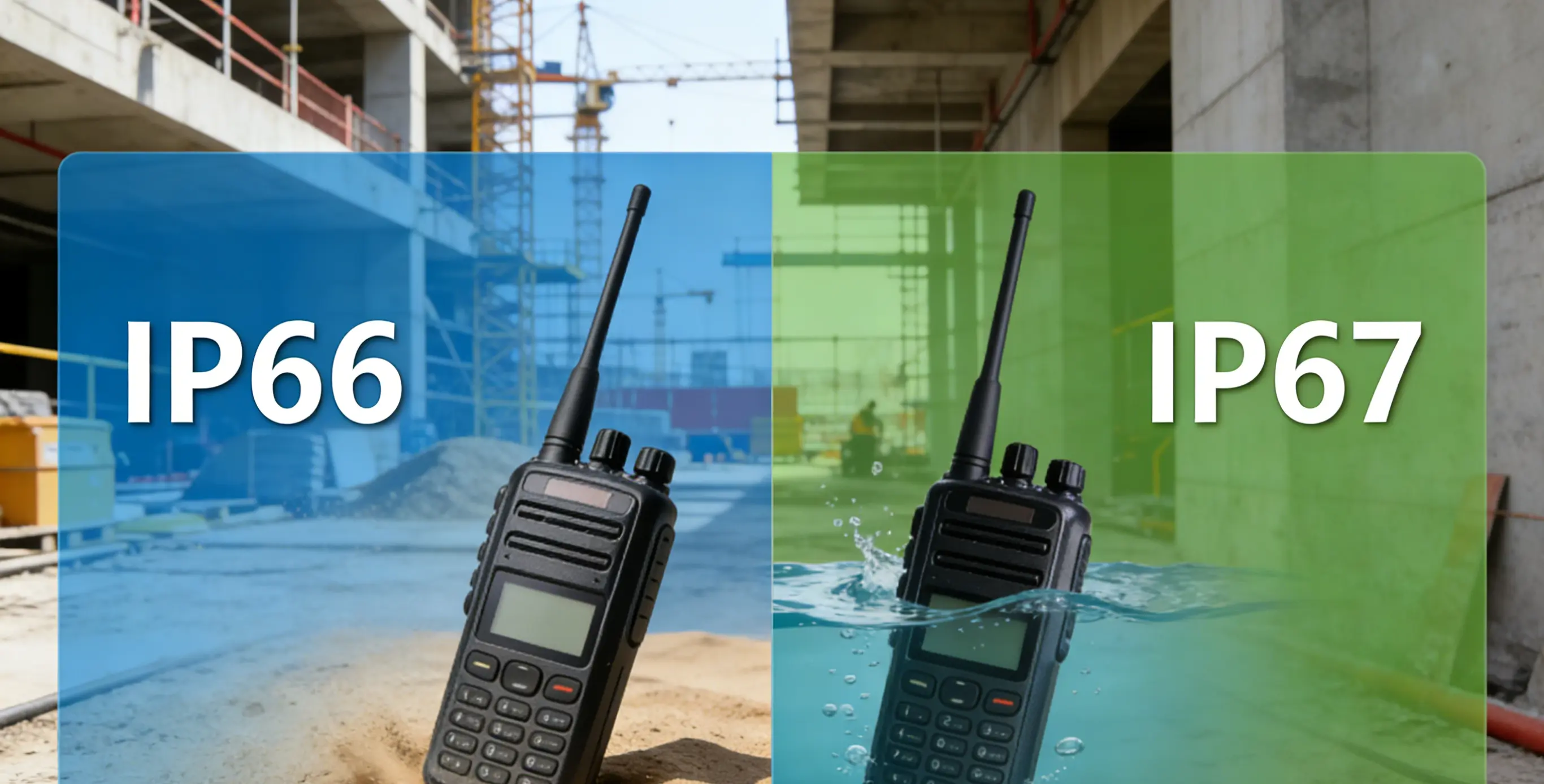
- Recommended setup: Full RB48D DMR system. 512 channels across 16 zones cover all production areas, teams and safety channels. AI noise reduction works across all high-noise production stations. Man-down alert adds an extra safety layer for workers operating alone in remote areas. IP67 rating stands up to dust, moisture and rough industrial handling. Bulk configuration and 6-way charging stations cut long-term admin and maintenance work.
5 upgrade mistakes equipment managers should avoid
- Don't default to a full rip-and-replace – Most plants don't need it. Assess remaining service life of your existing fleet first. Phased transition almost always carries lower risk and lower effective cost.
- Don't skip compatibility testing – Test a small batch of new radios with your existing system before placing a full order. Make sure cross-team and cross-zone calls work reliably.
- Don't only compare upfront hardware cost – Calculate total cost of ownership over 5 years, including batteries, chargers, repairs and admin time. A more durable digital system often costs less long term.
- Don't schedule work during core production – Deploy zone by zone, use maintenance windows and weekend shifts for testing. Even short production interruptions cost far more than the upgrade itself.
- Don't forget bulk management tools – Centralised charging, bulk programming and a simple asset register cut ongoing admin work substantially, especially for larger fleets.
5-step execution checklist
- Map your current state: Count existing units, note age and model, and mark dead zones, high-noise areas and high-usage roles on your site plan.
- Pick your upgrade path: Match the option to your budget, fleet age and production schedule constraints.
- Run a pilot test: Deploy 3–5 sample units in the worst-performing zone to verify audio quality, coverage and compatibility with old equipment.
- Roll out in batches: Deploy by zone or role, with short role-specific training for each group.
- Close out with operations: Update your asset register, install charging stations and document standard channel and handover procedures.
Final thought
A two way radio system upgrade doesn't have to be an all-or-nothing project. For most manufacturing sites, a phased hybrid approach delivers most of the benefits of a full digital system at a fraction of the upfront cost and risk.
The right path is the one that fixes your biggest pain points first, spreads cost over time, and never gets in the way of production.



 Google
 Amazon
Comments
No data Yet